
Consumer Reports and other reliability trackers have released their earliest predicted scores for the 2026 model year, and body-on-frame trucks sit alongside compact and three-row crossovers near the top. Some entries lean on decades of production history, while newer three-row models borrow engineering already proven elsewhere in their lineups. Here are ten SUVs projected to hold up best in 2026.
1. Lexus GX: Body-On-Frame Standout
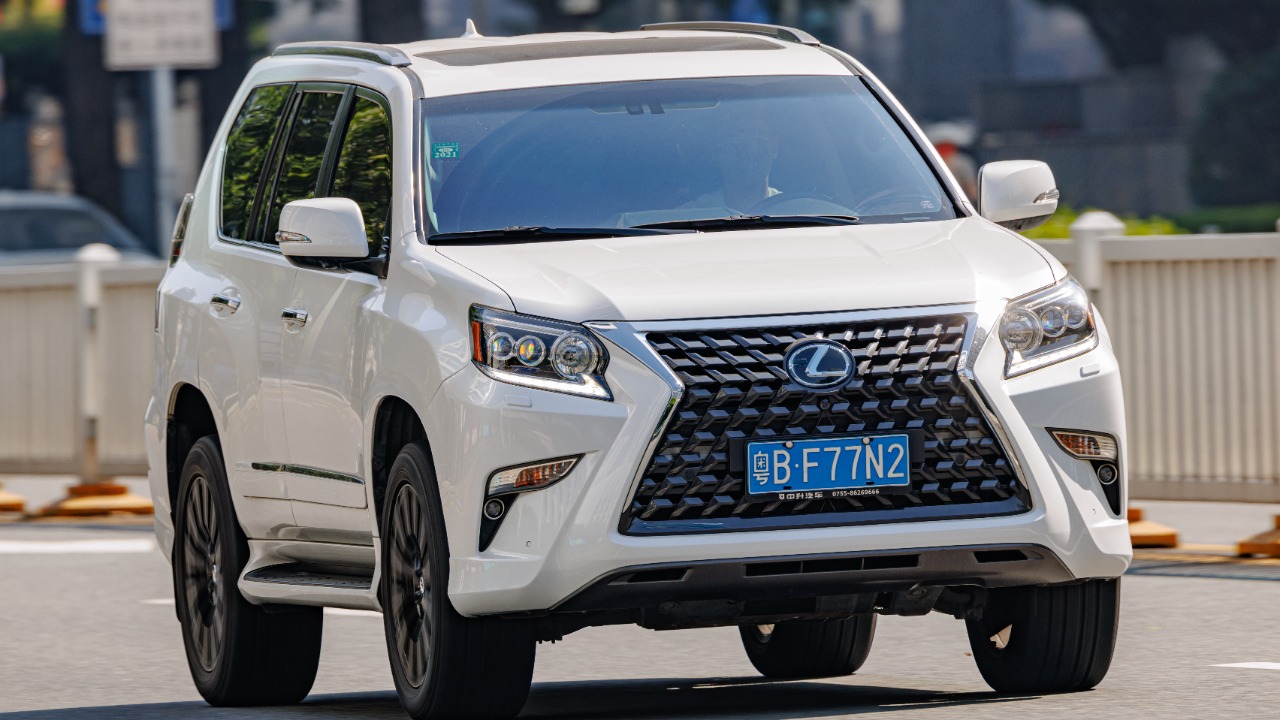
Consumer Reports places the GX at the top of its reliability rankings for 2026, a rare body-on-frame result on a list otherwise dominated by crossovers. The GX shares its underpinnings with Toyota’s Land Cruiser, a platform built around durable off-road hardware rather than car-based engineering.
That heritage matters to buyers cross-shopping a traditional SUV against a unibody crossover. A truck-based chassis tends to age differently than a car-based one, trading some ride comfort and fuel economy for mechanical simplicity that has historically held up well over a long ownership stretch.
2. Toyota RAV4: Compact Class Leader
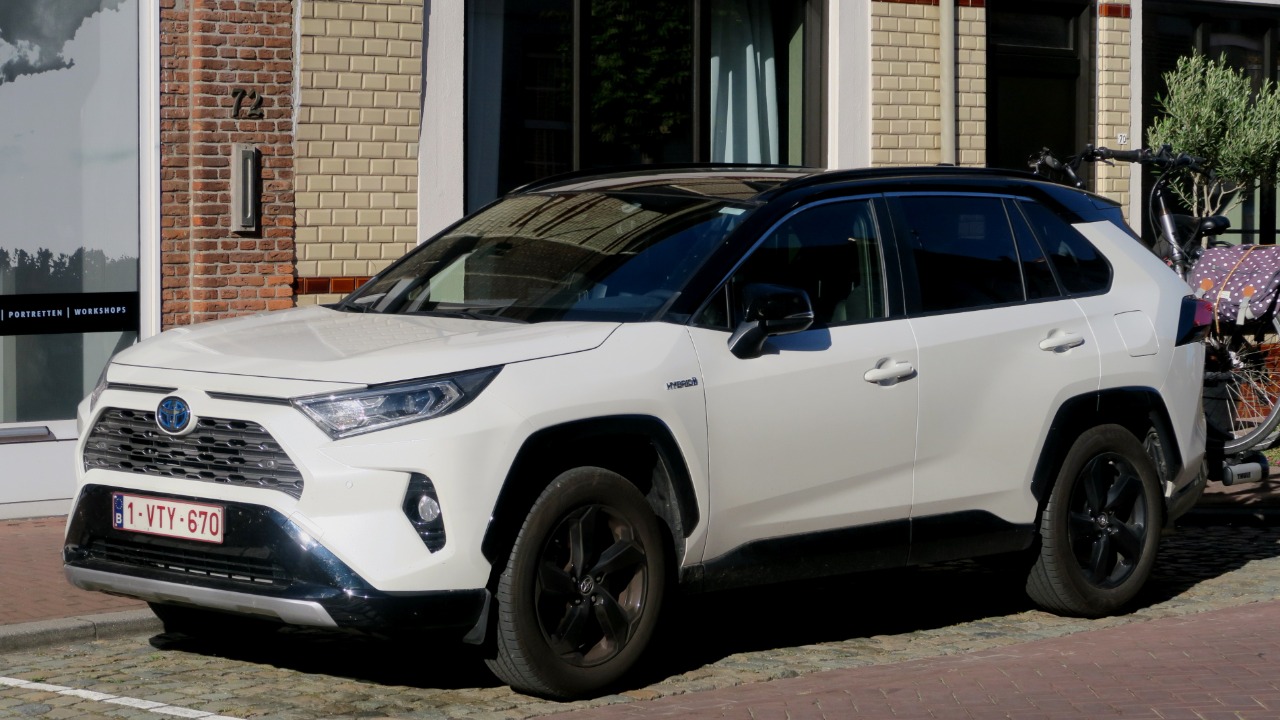
Toyota’s showing among Consumer Reports’ most reliable brands leads directly to the RAV4, which anchors the compact class on the 2026 list. The nameplate has stayed one of the best-known compact SUVs on American roads for years, a fact the reliability picture now backs up.
Consistency, not novelty, is the RAV4’s selling point here. Shoppers weighing several compact crossovers get a model whose mechanical layout has changed gradually rather than dramatically generation to generation, which tends to reduce the odds of the kind of early-production issues that hurt newer designs.
3. Subaru Forester: Redesign Pays Off
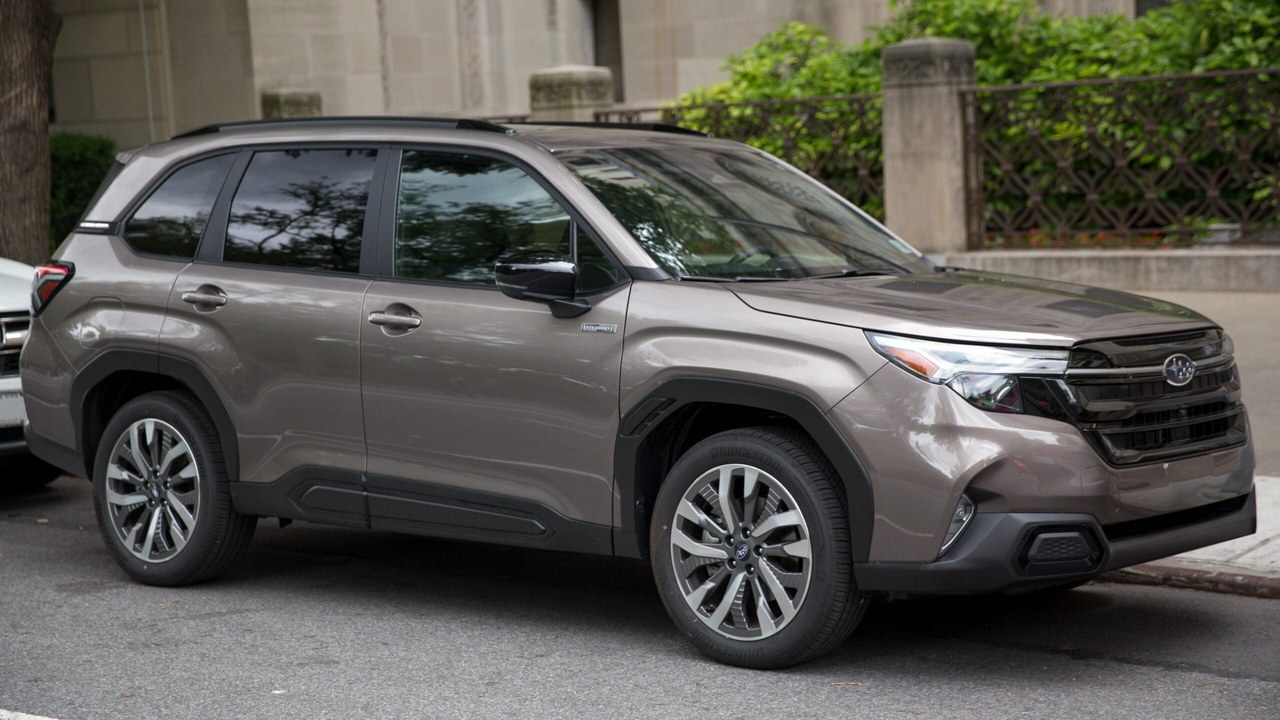
A full redesign is usually a reliability risk, yet the Forester still rates highly on Consumer Reports’ 2026 picks despite the ground-up changes to its body and cabin. Subaru carried the Forester’s familiar all-wheel-drive layout and boxer-engine format into the new generation rather than starting over on the mechanical side.
For a shopper wary of first-model-year gremlins, that combination of new sheet metal over a proven drivetrain formula is the reassuring part. The redesign changed how the Forester looks and drives day to day without discarding the components that built its reputation in the first place.
4. Mazda CX-50: Mazda’s Steady Climb
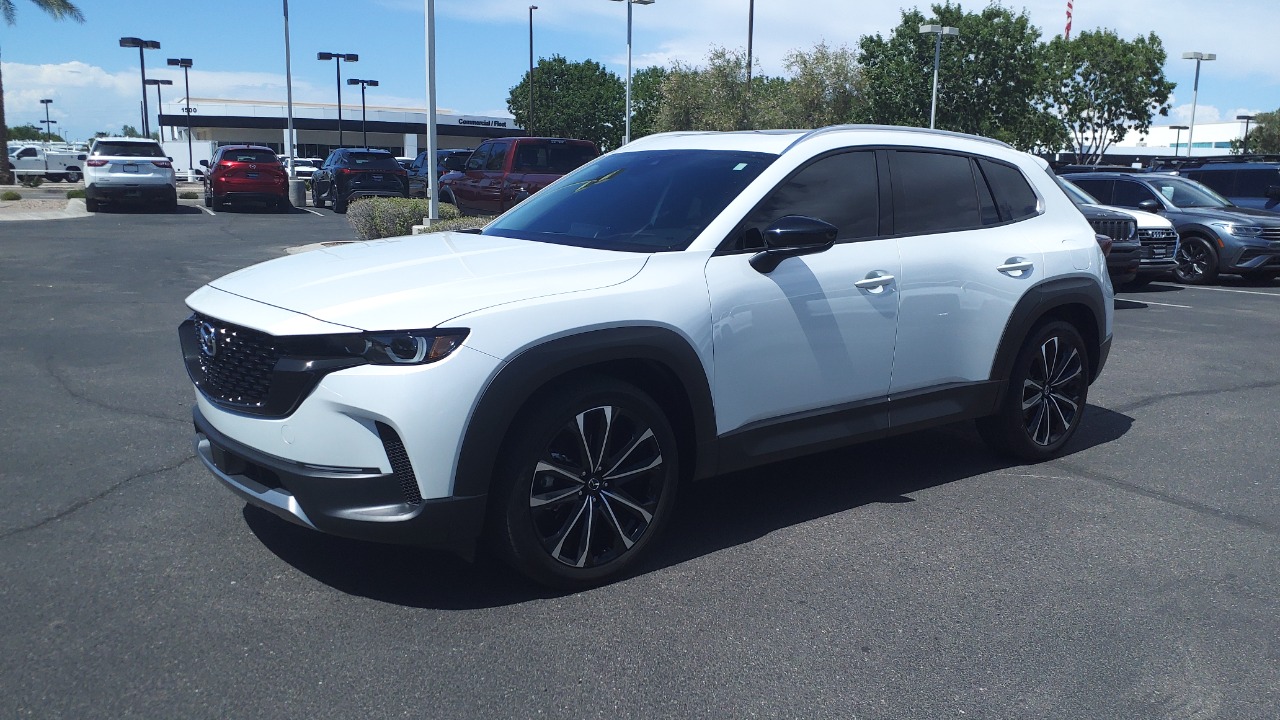
Mazda’s crossover lineup keeps landing near the top of Consumer Reports’ reliability list, and the CX-50 carries that pattern into 2026. Built alongside the smaller CX-5 and sharing much of its powertrain family, the CX-50 targets buyers who want extra ground clearance and cargo room without stepping up to a three-row model.
The brand-wide consistency is the more interesting signal for shoppers than any single model score. A manufacturer whose crossovers repeatedly cluster near the top of the same list is a stronger bet than one good result attached to an otherwise uneven lineup.
5. Toyota Grand Highlander: New Three-Row Bet
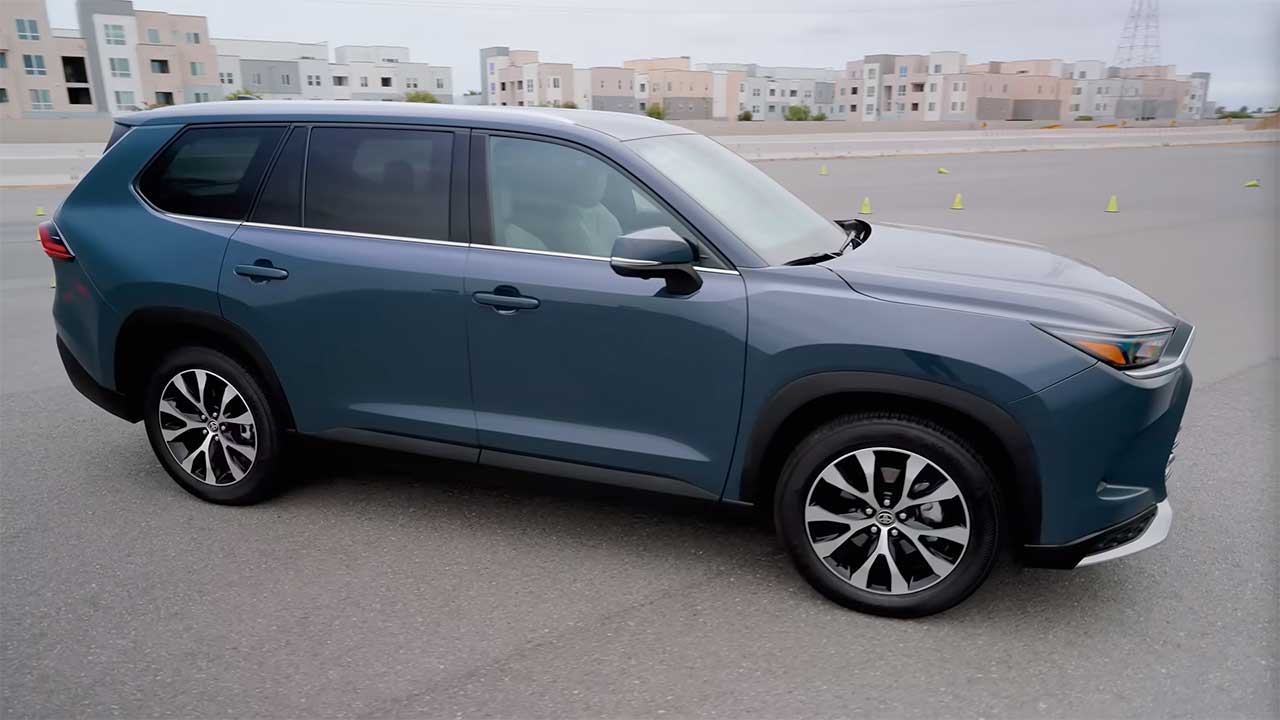
The Grand Highlander is projected to be dependable on iSeeCars’ reliability analysis, a notable call for one of the newer three-row models on sale. Toyota built the Grand Highlander on the same global platform underpinning the smaller Highlander and the RAV4, rather than engineering an unrelated three-row body from scratch.
Leaning on shared architecture and carryover powertrains, including the hybrid option, gives the newer model a head start that all-new competitors don’t get. It’s a bet that familiar mechanicals under a bigger body will hold up the way they have in Toyota’s other three-row and compact offerings.
6. Honda CR-V: Compact Stalwart
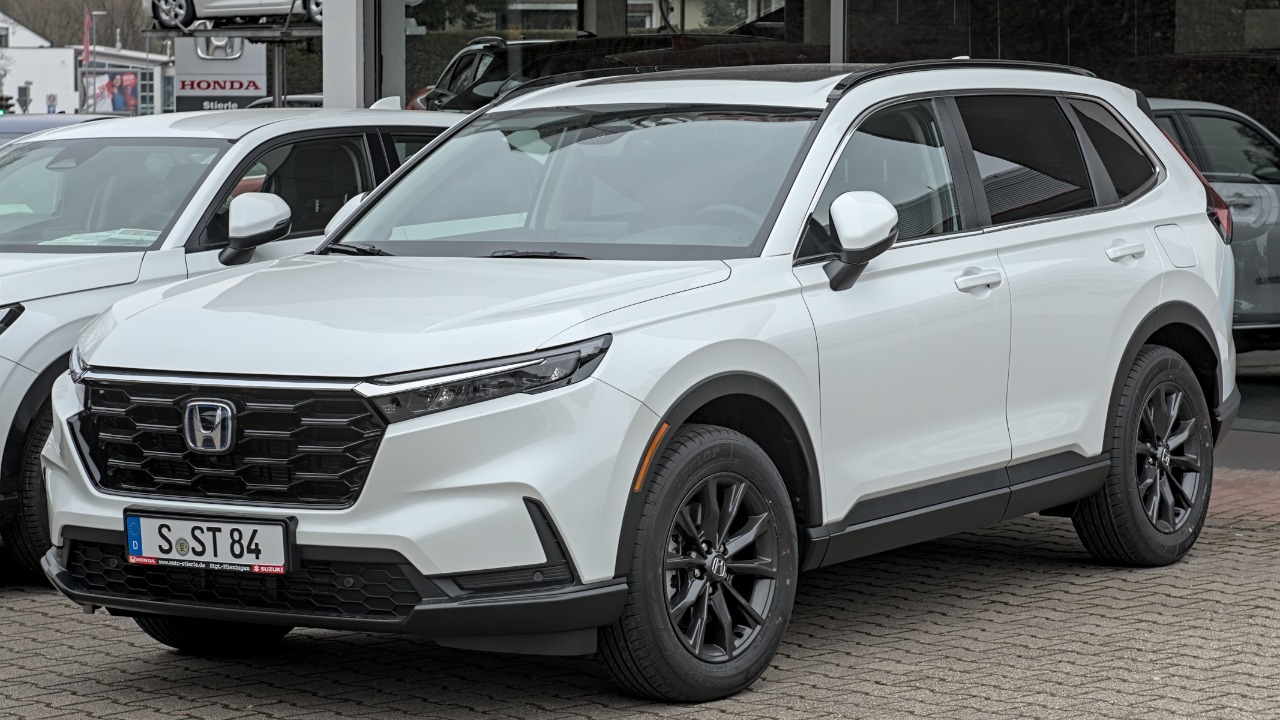
Few nameplates in the compact SUV class have as long a production history as the CR-V, and that track record carries into strong predicted reliability for 2026. The model has been refined gradually over multiple generations rather than reinvented, which keeps its mechanical layout well understood by owners and independent mechanics alike.
A long production run also means a deep pool of maintenance history and known failure points, information that newer or lower-volume models simply haven’t accumulated yet. That familiarity is part of why the CR-V keeps showing up near the top of dependability lists year after year.
7. Kia Telluride: Popular Three-Row Pick
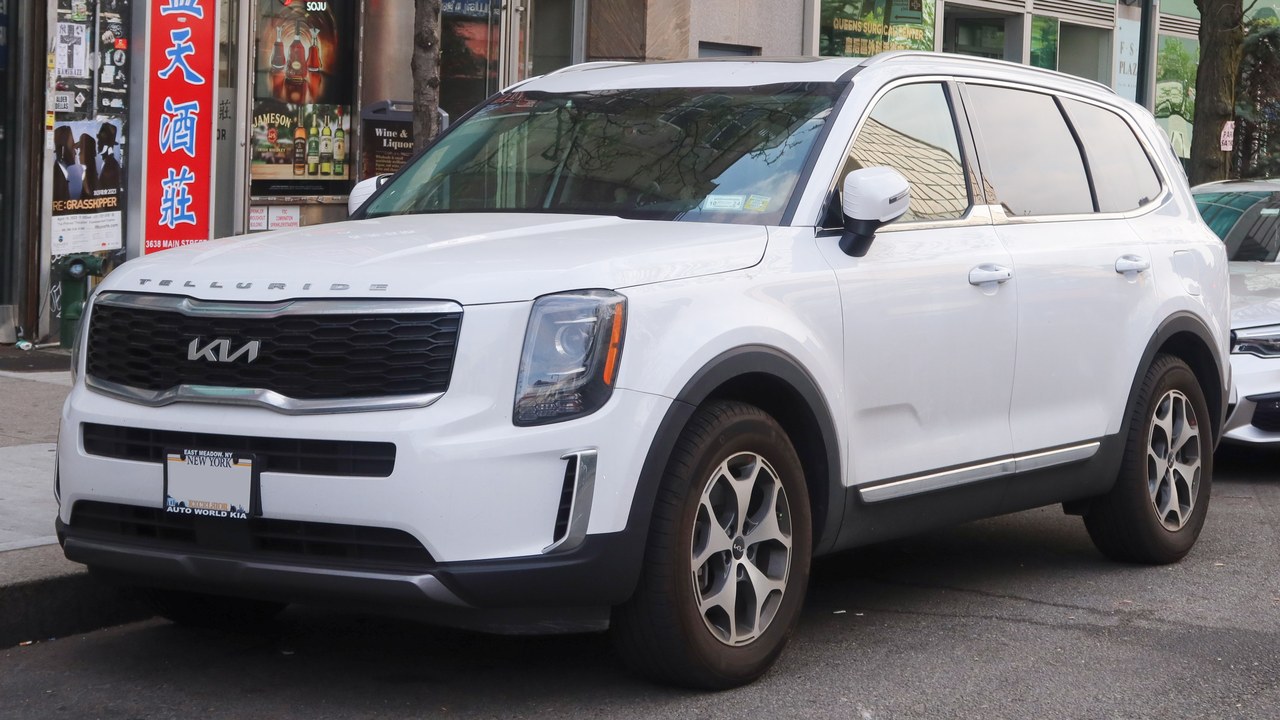
Since its debut, the Telluride has built a reputation that its sales figures reflect, and solid predicted reliability scores now back that popularity for 2026. The three-row SUV segment is crowded, but the Telluride has held a following built on interior space and value rather than novelty features.
Strong demand tends to keep resale values firm and parts readily available, both of which matter as much to long-term ownership costs as the underlying mechanical reliability. A popular, well-understood model is generally an easier one to keep running affordably for years.
8. Acura MDX: Honda-Based Luxury
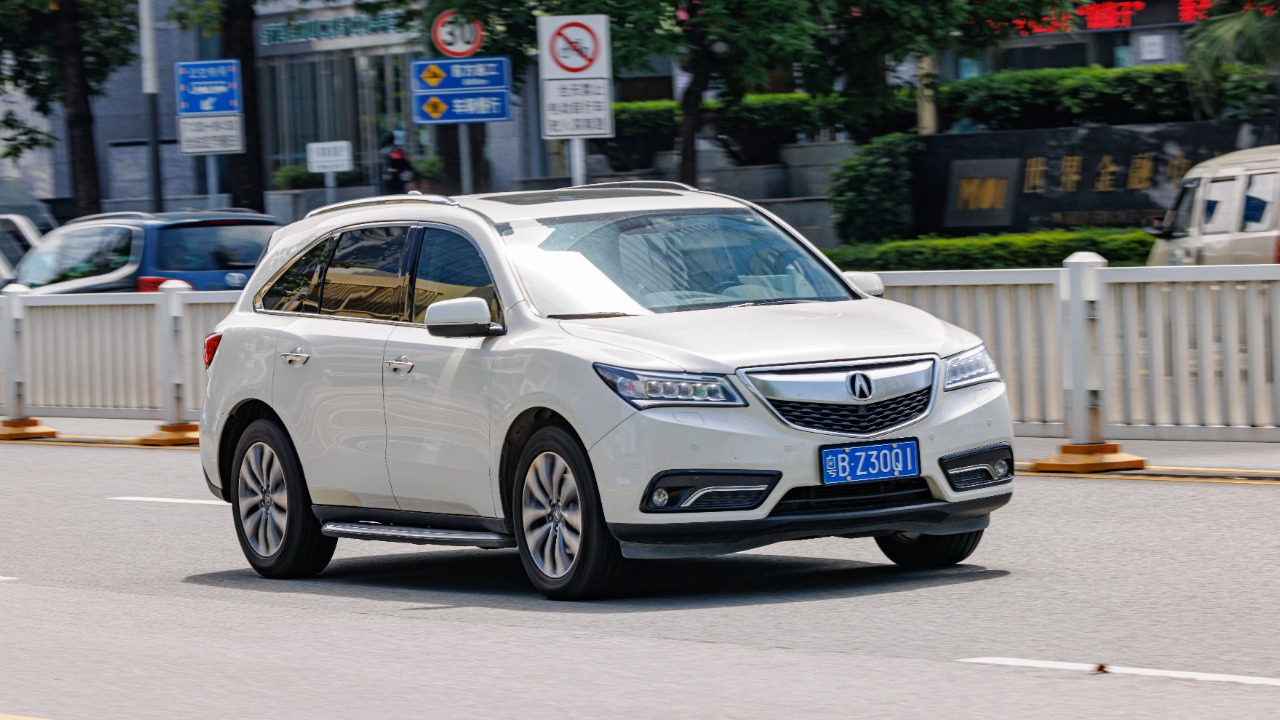
Acura’s three-row flagship draws on Honda-based shared engineering, and that shared foundation is a big reason the MDX is rated dependable in reliability forecasts. Rather than developing an entirely separate luxury platform, Acura has long leaned on componentry proven in Honda’s own mainstream lineup.
For buyers, that lineage means a luxury three-row SUV backed by mechanical parts and engineering choices already tested across a much larger, higher-volume brand. It’s a different bet than a luxury automaker building everything in-house, and it has historically paid off in ownership costs.
9. Lexus TX: New Three-Row Lexus
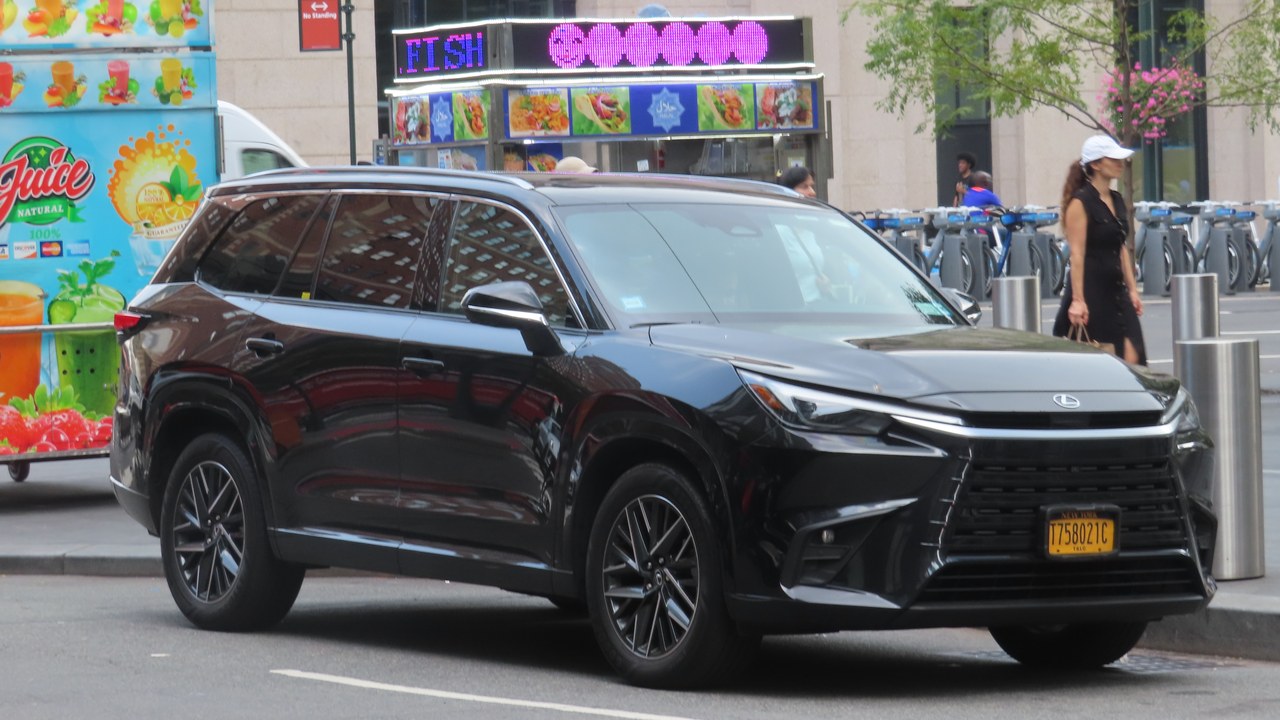
Lexus’s newer three-row entry, the TX, is expected to be reliable according to its own model background, which ties it closely to Toyota’s wider three-row family rather than treating it as a standalone design. That shared engineering base is the same reasoning behind strong expectations for Toyota’s own Grand Highlander.
As one of the newest nameplates on this list, the TX doesn’t yet have years of owner data behind it, so the expectation rests on its corporate parentage rather than a long track record. Buyers drawn to the badge are effectively betting on that inherited engineering.
10. Toyota Crown Signia: Proven Bits, New Shape
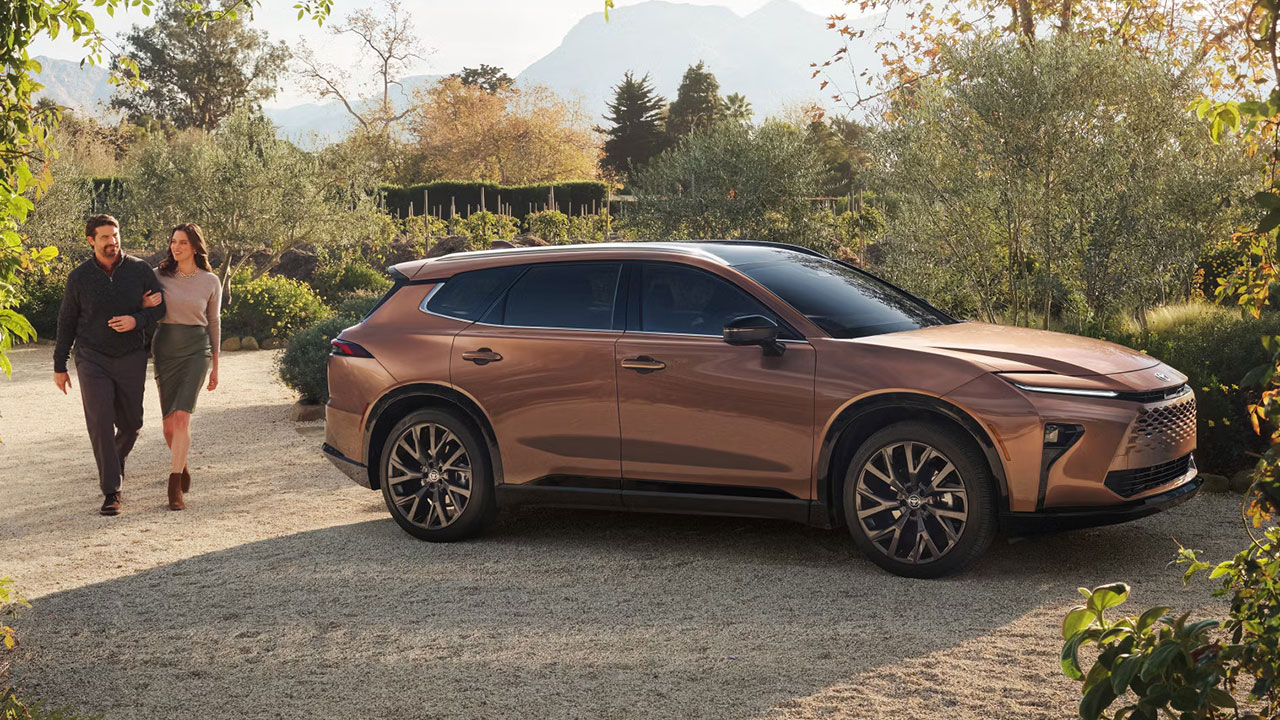
Built on Toyota’s proven mechanical shared componentry, the Crown Signia closes out this list as a hybrid-only crossover that trades novelty for familiarity under a new body style. It shares its hybrid powertrain and much of its underlying architecture with other well-regarded Toyota hybrids already on the road.
Wrapping carryover mechanicals in an unfamiliar shape is a lower-risk way to launch a new model than starting from a clean sheet. For buyers, it means a genuinely new-looking crossover that isn’t asking them to trust an unproven drivetrain.
More from Morning Overview
- Long-term use of common heartburn pills is tied to kidney and dementia risk
- A California supervolcano has bulged upward about two and a half feet since 1978
- The FTC is warning about a scam quietly draining thousands from victims
- The NSA is again telling phone owners to switch off one location setting
