
Crash-test scores separate the SUVs that merely look safe from the ones engineers have actually reinforced with stronger structures, sharper headlights, and standard driver-assist hardware. Independent testers weigh the small-overlap front crash, side-impact intrusion, and how well headlights illuminate a dark road, and only a fraction of family SUVs pass every category on every trim. Here are ten SUVs that have built reputations for strong, independently verified safety performance.
1. Subaru Ascent: A Steady Presence In Safety Rankings
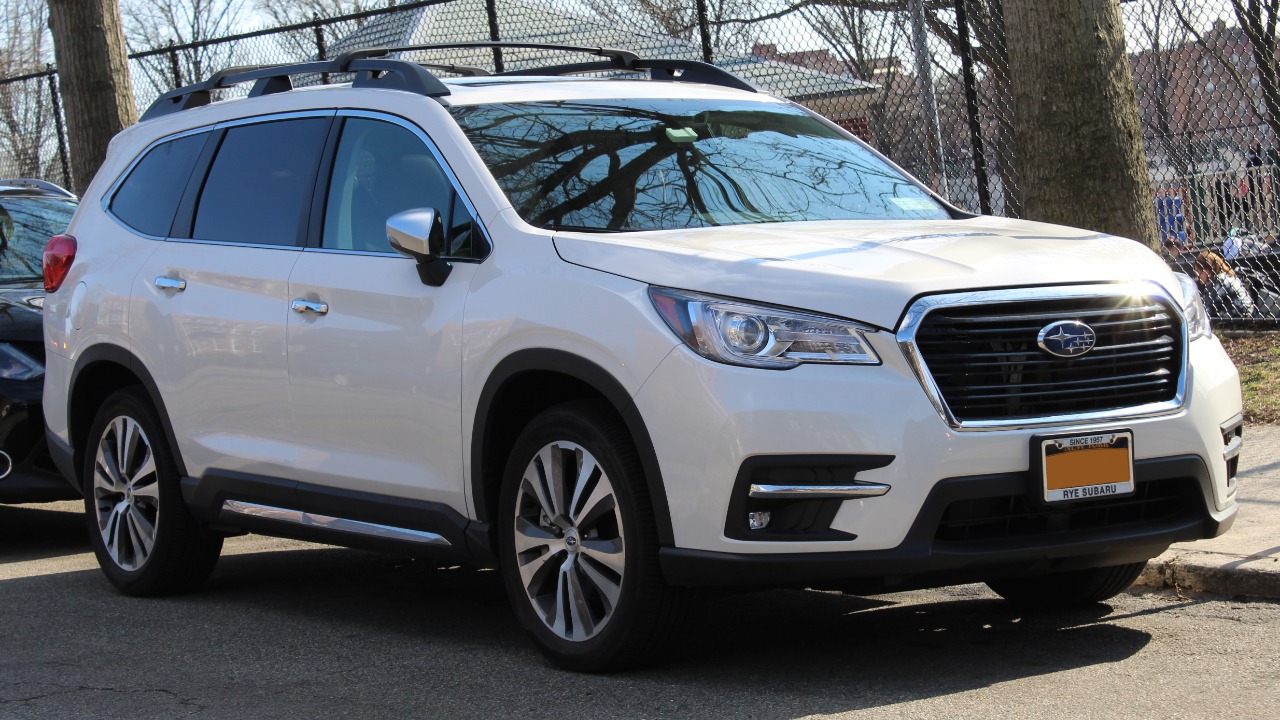
The Subaru Ascent pairs a reinforced unibody structure with EyeSight, Subaru’s standard suite of automatic emergency braking, lane-departure warning, and adaptive cruise control, and the three-row Ascent has been recognized repeatedly in independent crash testing for its front and side structural performance. Its standard LED headlights also score well in the harder-to-pass headlight evaluation that trips up many competitors riding on cheaper halogen setups.
That combination of consistent structure and standard driver-assist hardware, rather than a single flashy stat, is why the Ascent keeps showing up on safety shortlists. Buyers should still confirm the exact trim, since headlight performance and available active-safety packages can vary between the base and upper trims.
2. Hyundai Palisade: Structural Bulk That Shows Up In The Numbers
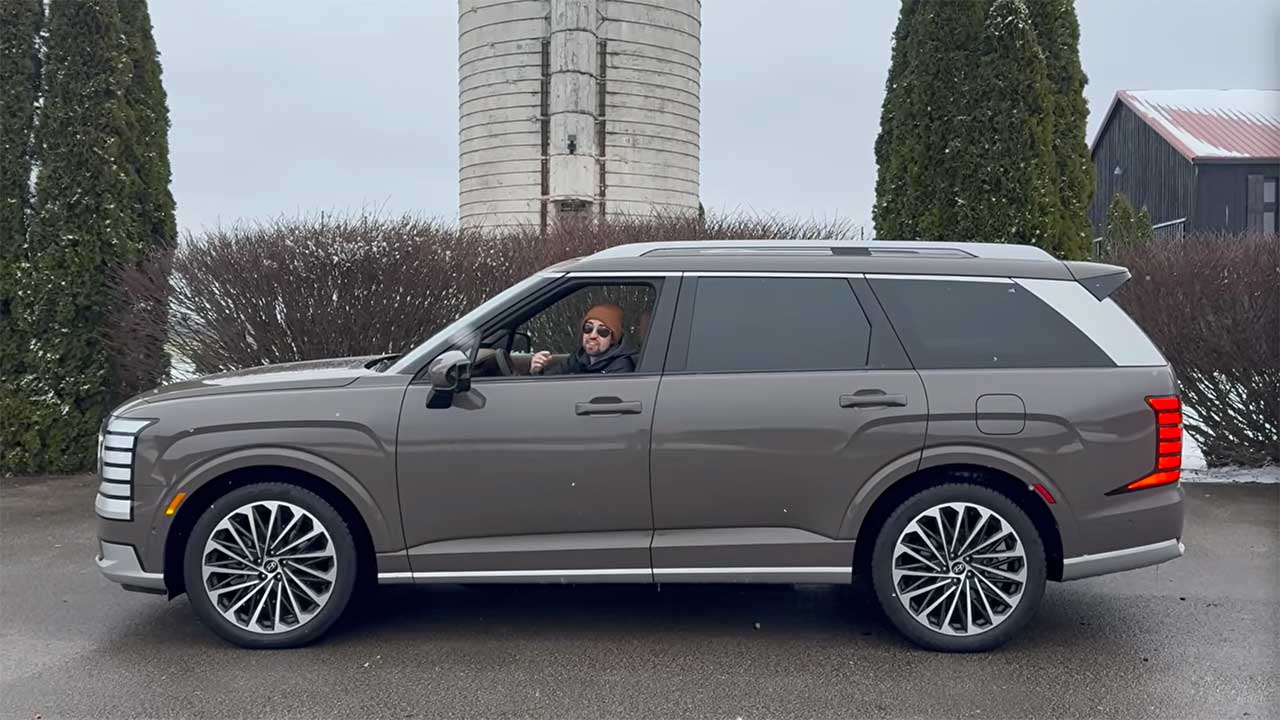
The Hyundai Palisade carries a standard suite of forward-collision warning and automatic emergency braking across its lineup, and the Palisade’s three-row body has performed well in independent frontal and side crash testing thanks to its reinforced pillars and high-strength steel safety cage. Reviewers have also pointed to its blind-spot monitoring and rear cross-traffic alert as standard rather than optional equipment on most trims.
That standard-equipment approach matters because many rivals still gate their strongest driver-assist features behind pricier packages. The Palisade’s headlight scores have varied by trim year to year, so shoppers chasing a specific safety designation should check the exact configuration before assuming every trim qualifies.
3. Kia Telluride: Value Pricing Without Cutting Safety Corners
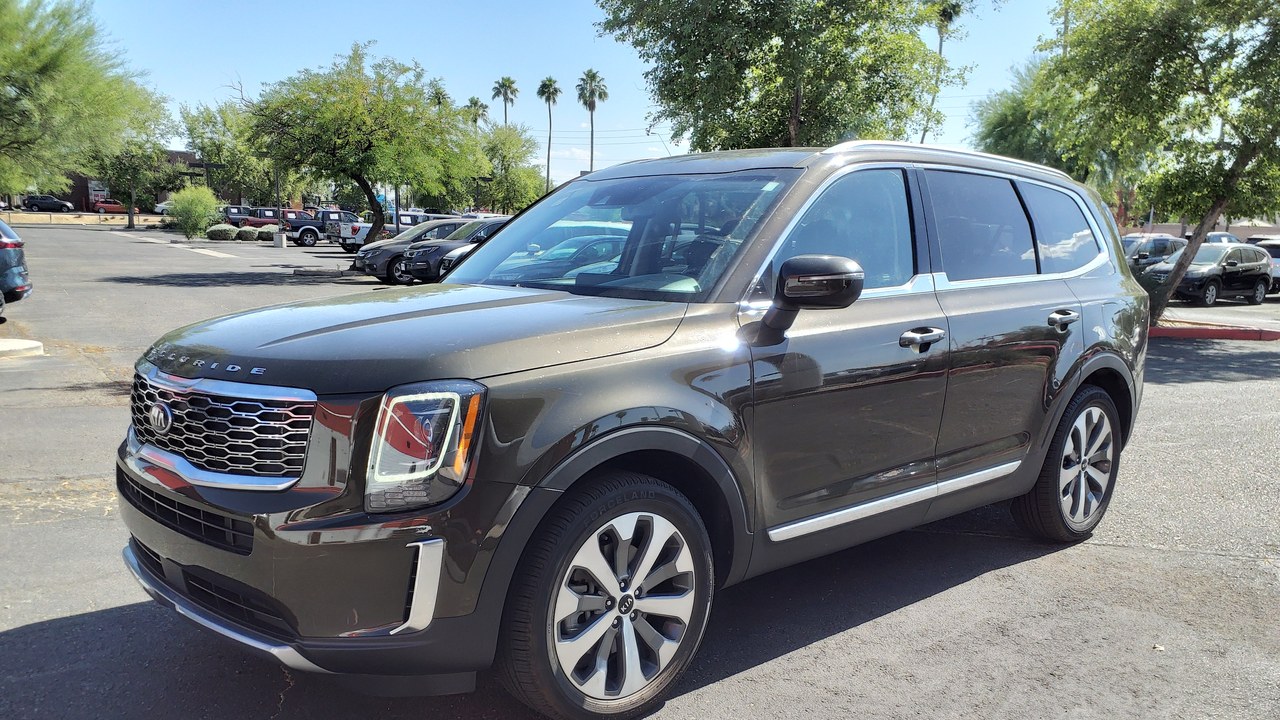
The Kia Telluride shares its platform and much of its safety architecture with the Palisade, and the Telluride’s structure has held up well in independent small-overlap front and side testing. Standard forward-collision avoidance, lane-keeping assist, and driver-attention monitoring come on every trim rather than as an upgrade.
That parity between the base and top trims is unusual in the segment, where safety tech often gets reserved for the priciest versions. The one caveat is headlights: only certain trims wear the higher-rated units, and that detail can move a Telluride’s overall grade up or down.
4. Mazda CX-5: A Compact Frame That Punches Above Its Class
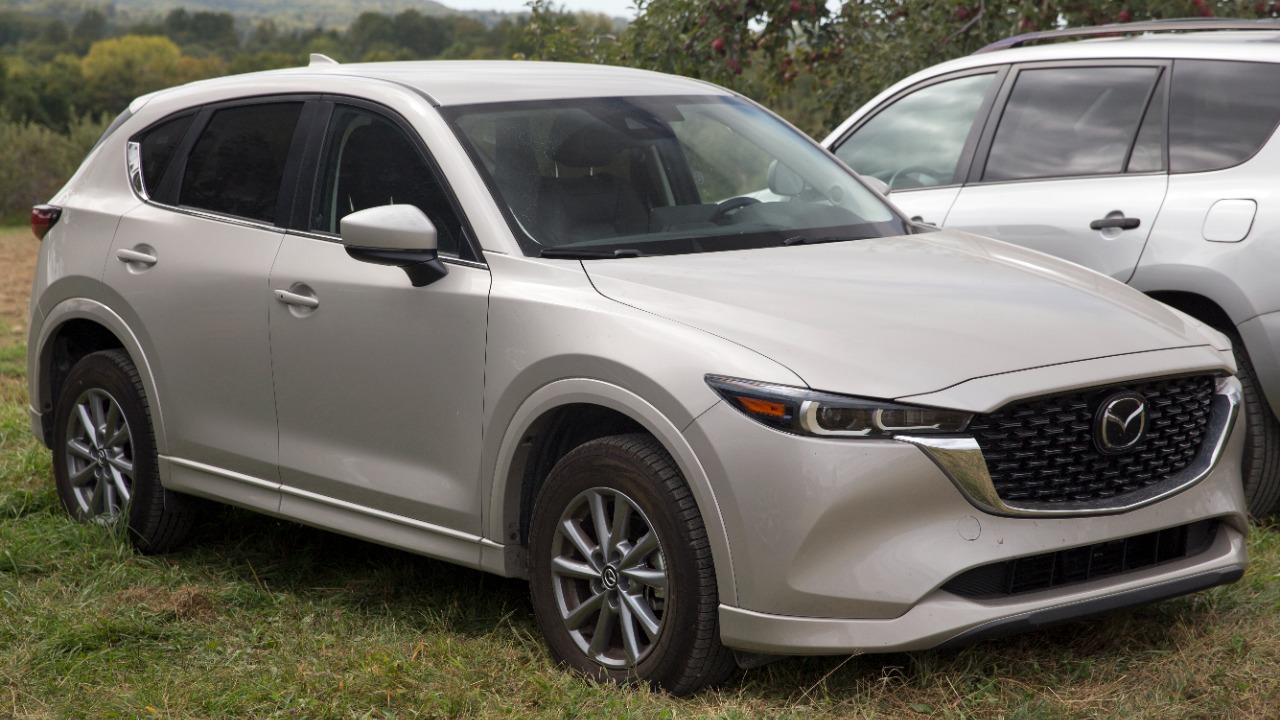
The Mazda CX-5 has built a long track record in independent frontal, side, and small-overlap testing, with its unibody structure and standard automatic emergency braking cited as core reasons it holds up well against larger, heavier SUVs. The CX-5’s compact platform also benefits from a stiffer chassis introduced in its most recent redesign.
A stiffer structure generally means less cabin intrusion in a crash, which is the specific measurement testers reward. Because Mazda offers the CX-5 across a wide trim spread, the headlight and driver-assist equipment still varies enough that the exact trim shopped matters to the final rating.
5. Honda CR-V: The Compact SUV Safety Keeps Rewarding
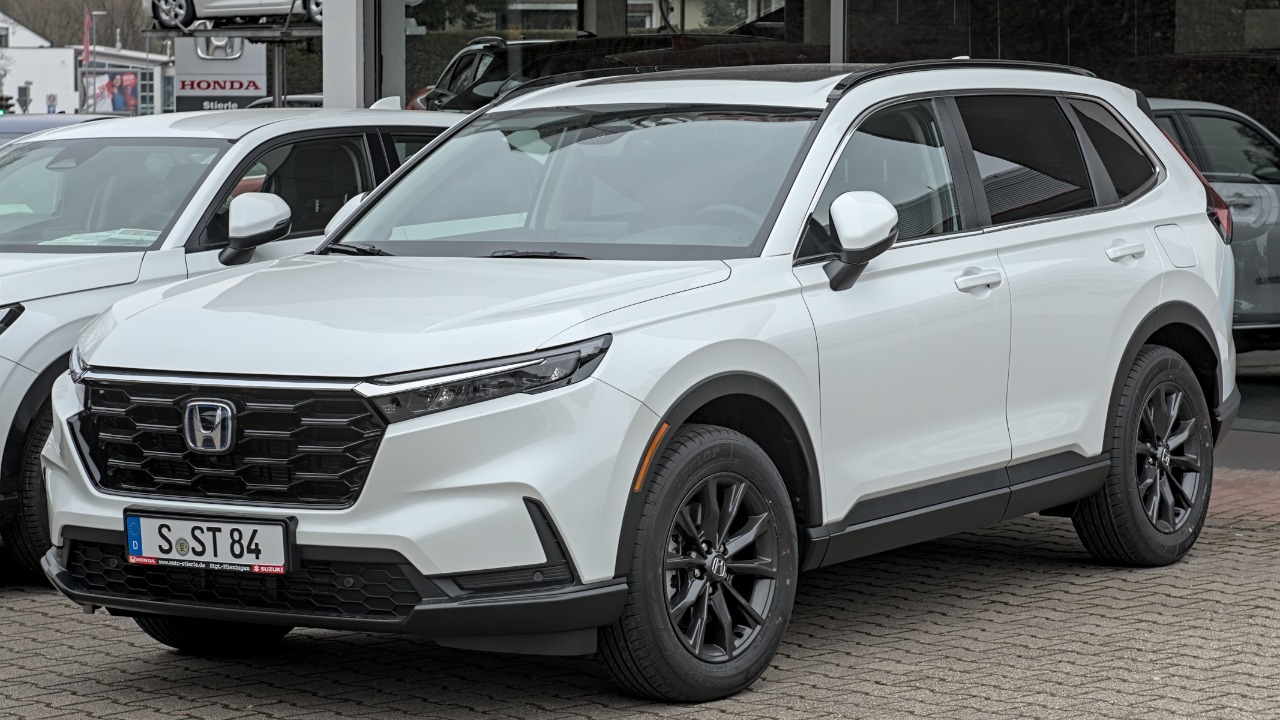
The Honda CR-V has been a fixture in independent crash testing for years, with Honda Sensing’s standard automatic emergency braking, road-departure mitigation, and adaptive cruise control bundled on every trim since a recent redesign. The CR-V’s body structure has also scored well in the small-overlap front test that catches many older platforms off guard.
Because Honda doesn’t ration Sensing across trims, a base CR-V carries essentially the same active-safety hardware as a loaded one. The main variable left is headlight performance, which has still separated top trims from base trims in independent grading.
6. Toyota Highlander: A Three-Row Staple With A Deep Track Record
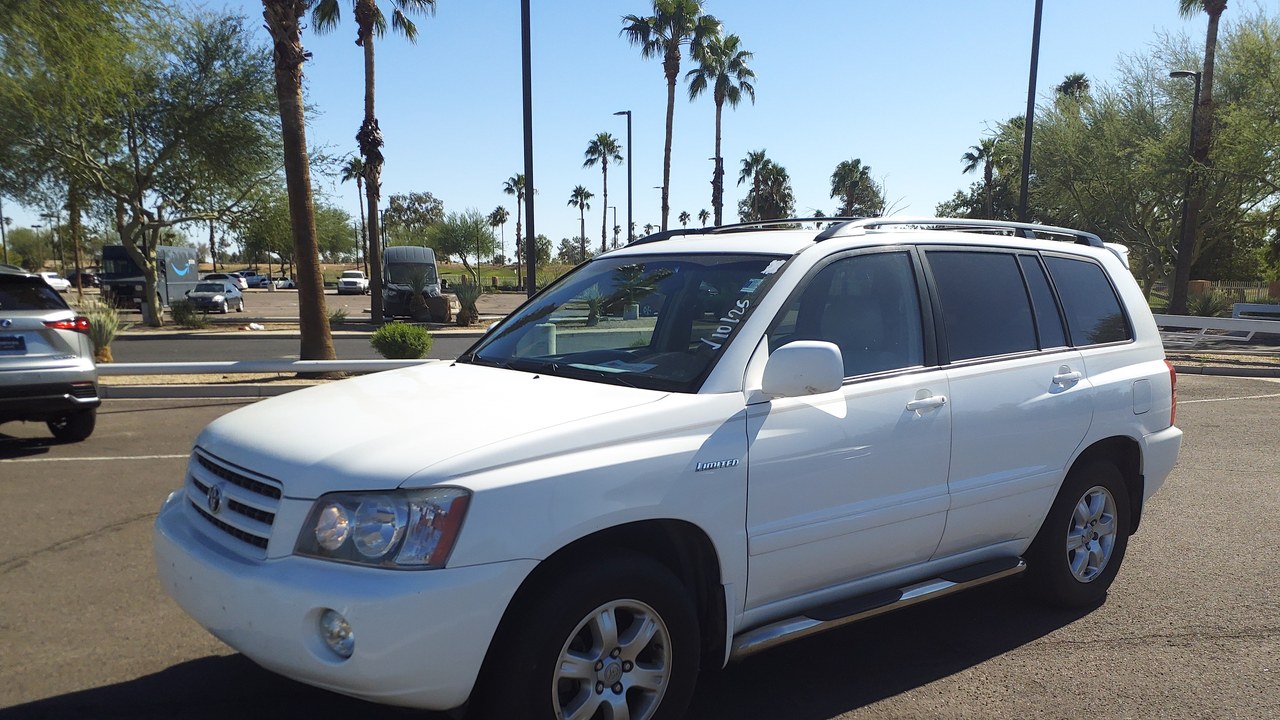
The Toyota Highlander has a long history in independent crash testing, and Toyota Safety Sense’s standard forward-collision warning, automatic emergency braking, and lane-departure alert have been standard equipment across the lineup for several generations. The Highlander’s structure has generally performed well in frontal and side testing.
Toyota’s decision to make its driver-assist suite standard rather than optional has helped keep the Highlander competitive against newer rivals. As with most three-row SUVs, headlight ratings have varied more by trim and model year than the core crash-test structure has.
7. Volvo XC90: Safety Engineering Built Into The Brand
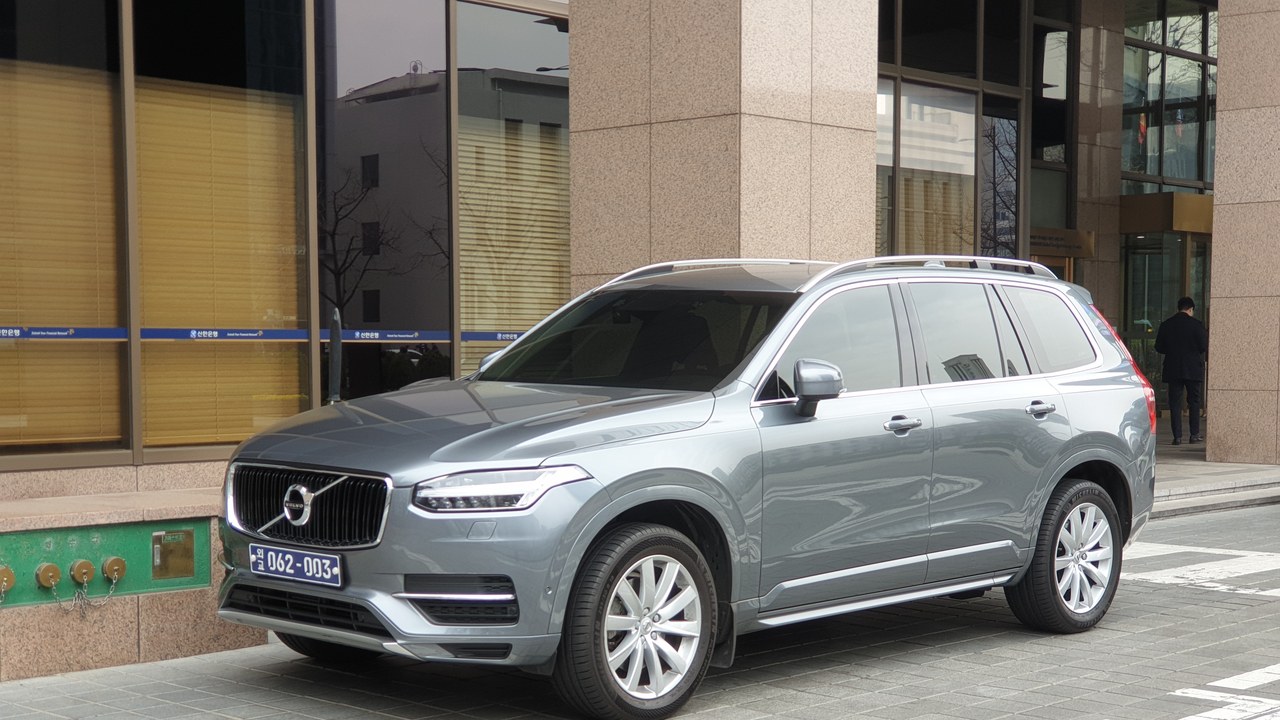
The Volvo XC90 is built around Volvo’s City Safety system, which bundles standard automatic emergency braking with pedestrian and cyclist detection, and the XC90’s safety cage has consistently performed well in independent frontal and side-impact testing. Volvo has also emphasized structural reinforcement around the third row, an area where many competitors score weaker.
That third-row reinforcement is notable because most crash-test attention focuses on front-seat occupants. Because the XC90 spans a wide range of trims and powertrains, from mild hybrid to plug-in hybrid, exact safety-equipment availability can still differ by configuration.
8. Subaru Forester: Small SUV, Consistent Structural Marks
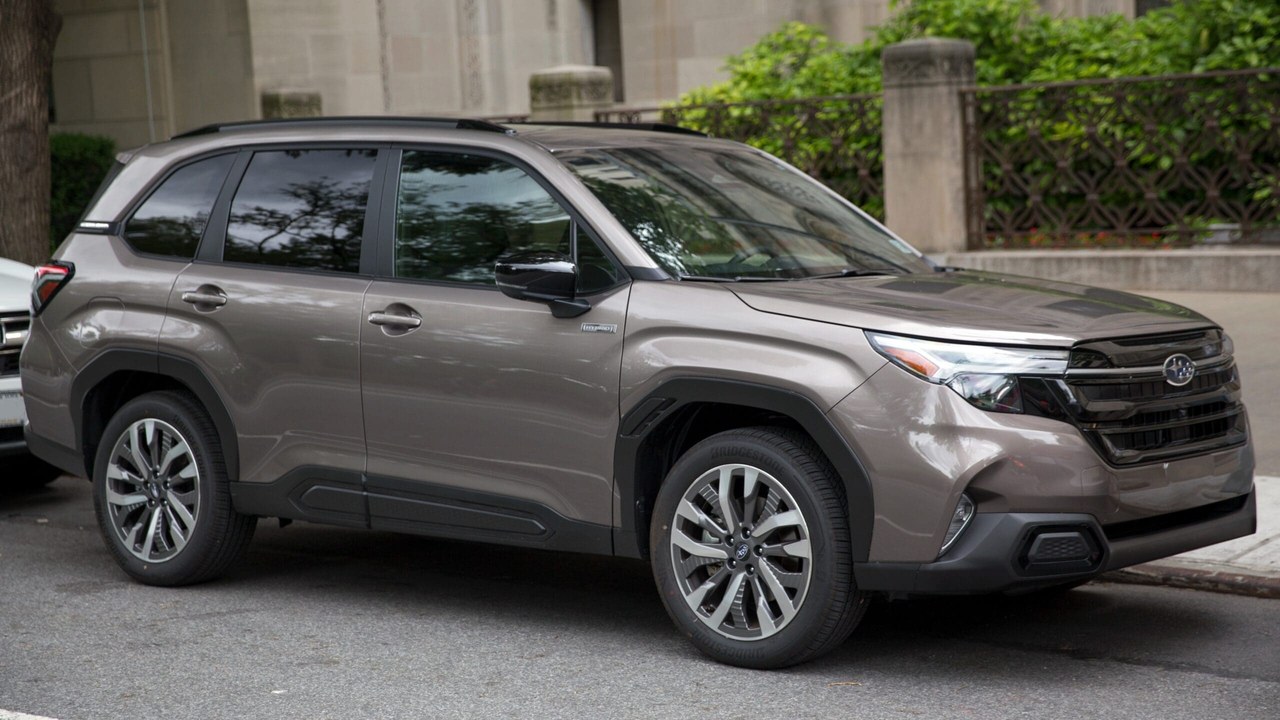
The Subaru Forester carries the same EyeSight suite of standard automatic emergency braking and lane-departure warning found across Subaru’s lineup, and the Forester’s boxy unibody has repeatedly performed well in independent small-overlap front and side testing. Its high seating position and wide greenhouse also give drivers better outward visibility than many compact rivals.
Good visibility doesn’t show up directly in a crash-test score, but testers do weigh how well headlights illuminate hazards at night, and Forester trims with the upgraded LED units have scored better than those with base halogen lighting. Trim-level headlight choice remains the biggest swing factor.
9. Mazda CX-90: Mazda’s Flagship Brings Its Safety Reputation Upmarket
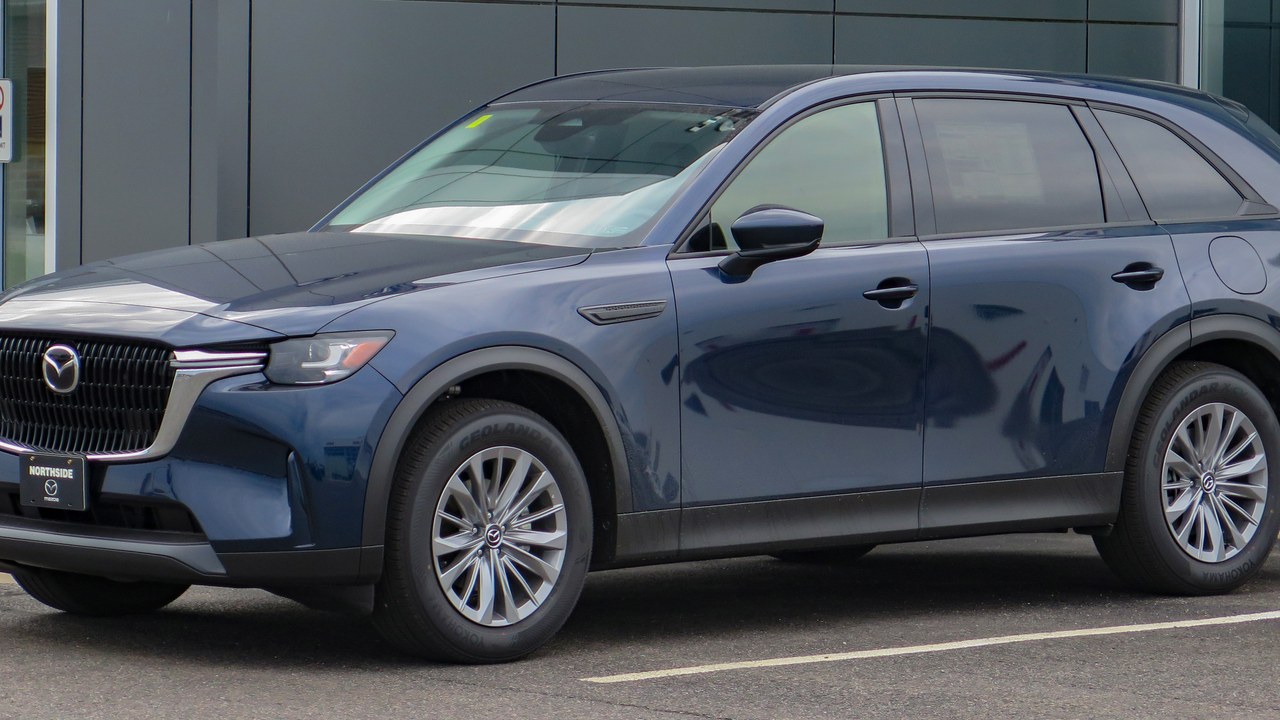
The Mazda CX-90 extends the automaker’s structural approach from the CX-5 into a larger three-row body, pairing a reinforced platform with standard automatic emergency braking, blind-spot monitoring, and adaptive cruise control across trims. The CX-90’s chassis has performed well in independent frontal and side testing since its debut.
As Mazda’s newest and largest SUV, the CX-90 carries less long-run testing history than older nameplates on this list, so its record is still being built out year over year. Its standard safety equipment, rather than a single headline score, is the more durable reason it belongs here.
10. Hyundai Tucson: Compact Pricing With A Full Safety Suite
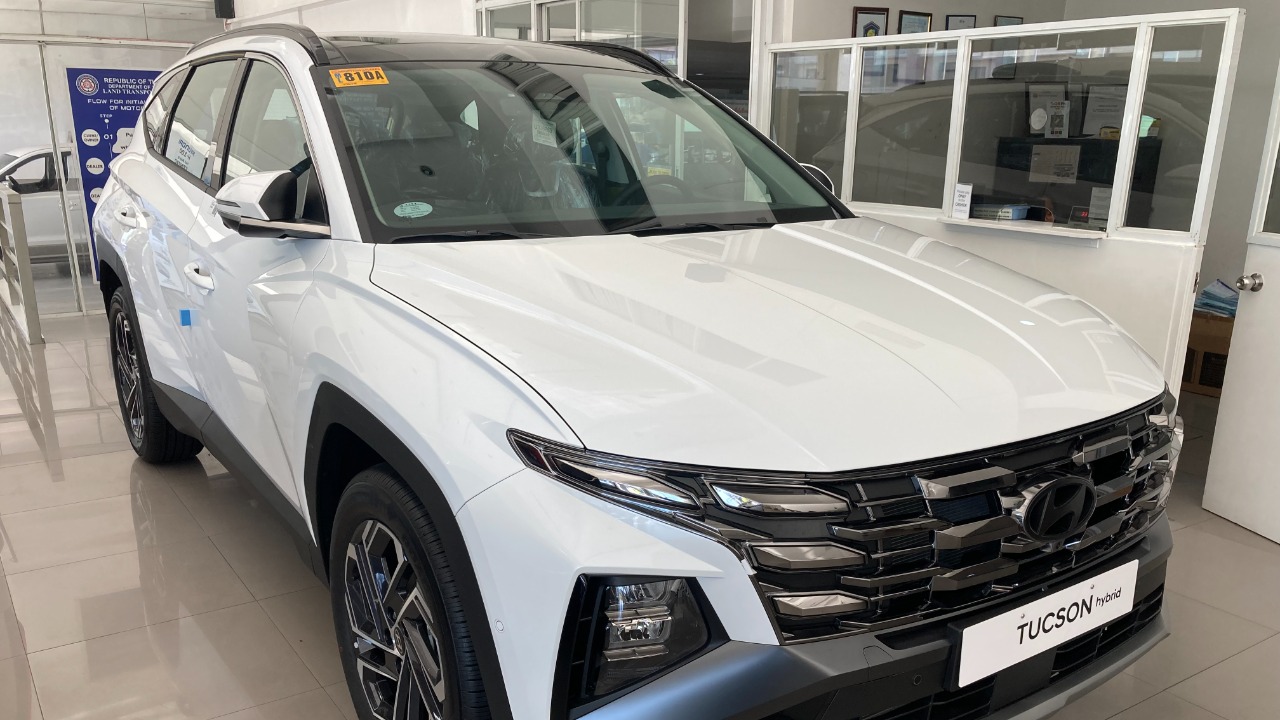
The Hyundai Tucson bundles forward-collision avoidance, lane-keeping assist, and automatic emergency braking as standard equipment across its trim lineup, and the Tucson’s reinforced structure has performed well in independent frontal and side-impact testing. Its angular unibody design, introduced in a recent redesign, was engineered partly around improving small-overlap front performance.
That focus on small-overlap performance matters because it’s historically been one of the harder tests for compact SUVs to pass cleanly. As with other vehicles on this list, headlight ratings still vary by trim, so shoppers should check the specific headlight hardware on the trim they’re considering.
More from Morning Overview
