
Wildfires have reshaped entire landscapes across the United States since the turn of the century, and a handful of blazes stand out for the sheer scale of what they destroyed. Some rewrote state records for size, while others left death tolls and rebuilding costs that outlasted the smoke by years. Here are ten of the largest wildfires to burn in the US since 2000.
1. Smokehouse Creek Fire: Texas’s Largest Fire on Record
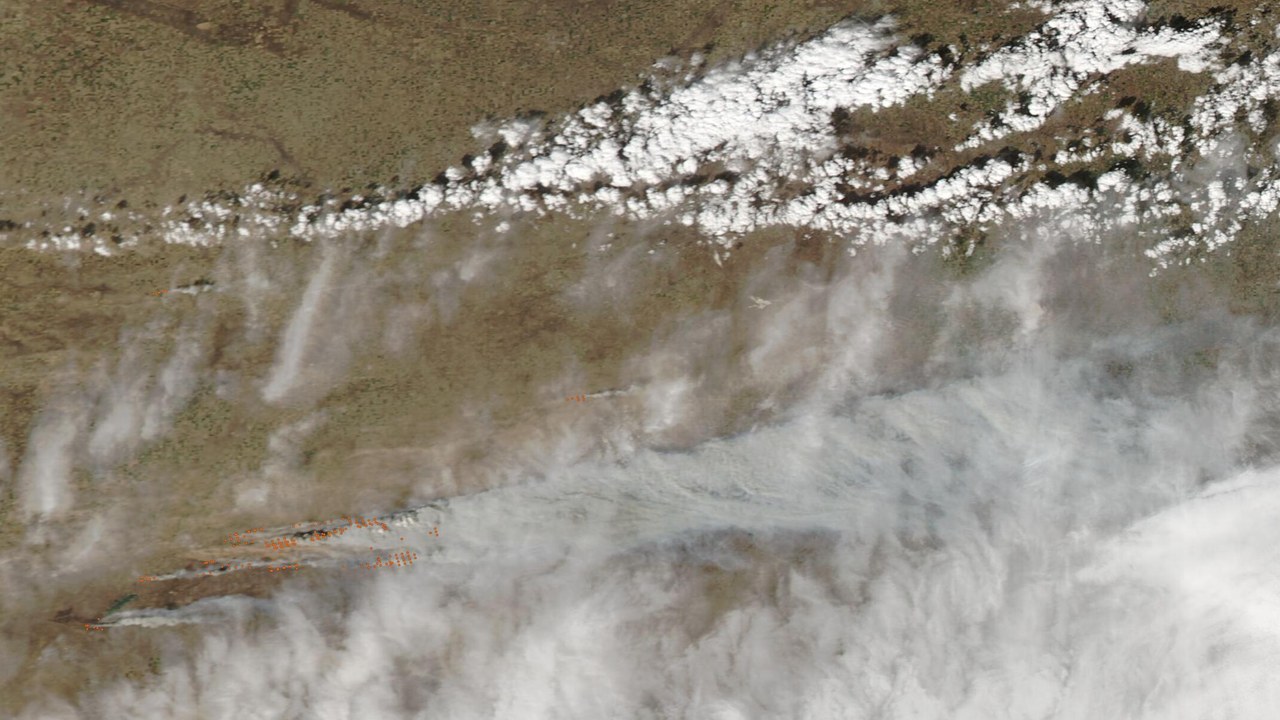
The Smokehouse Creek Fire tore through the Texas Panhandle in early 2024, consuming roughly 1,058,482 acres and becoming the largest wildfire in Texas history. Two people died in the blaze, and investigators later traced the ignition to a downed power line on dry, wind-whipped grassland.
The scale of the destruction pushed insurers and ranchers alike into a multiyear recovery, with damage estimates reaching about $1 billion. Cattle losses across the panhandle’s ranching country compounded costs that outlasted the fire itself, and the rapid, wind-driven spread through open rangeland left firefighters little room to build containment lines before the blaze had already grown to record size.
2. August Complex fire: California’s Record-Setting Complex
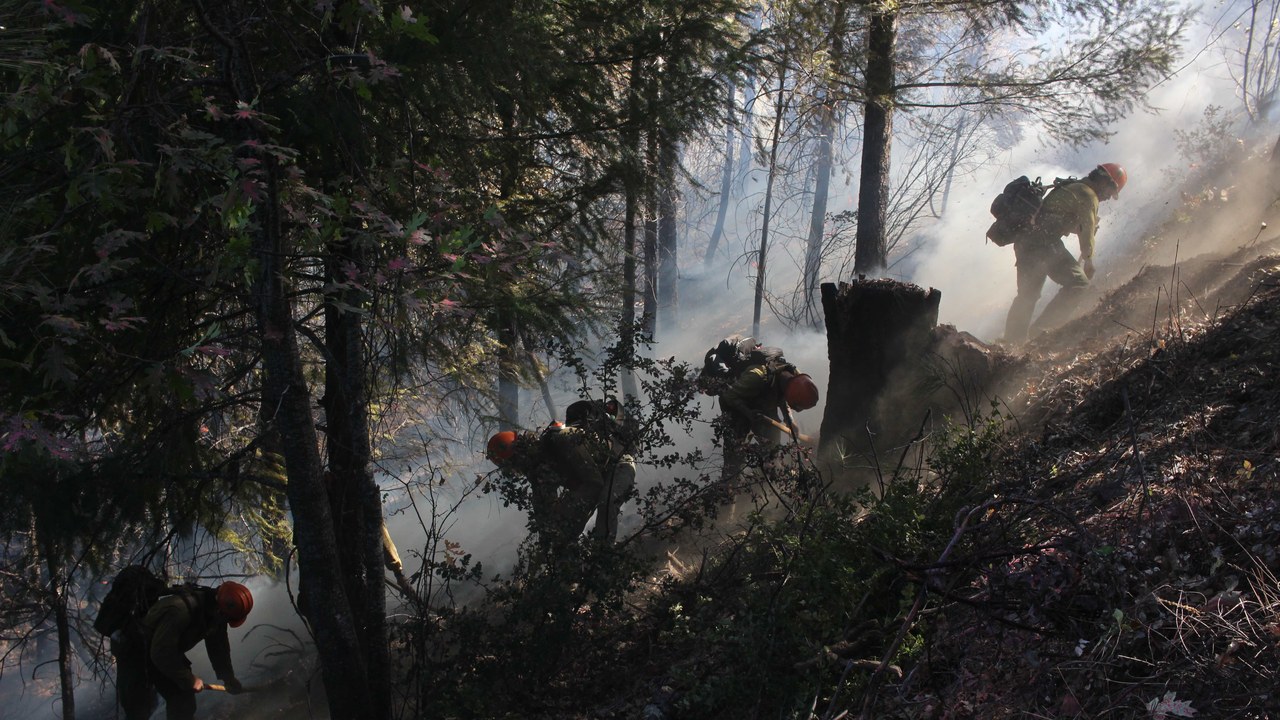
Sparked by a barrage of dry lightning strikes in August 2020, the August Complex fire merged multiple ignitions into a single blaze that ultimately became California’s largest wildfire on record, scorching 1,032,648 acres across the Mendocino National Forest region.
The fire claimed the life of one firefighter and destroyed 935 structures before crews fully contained it months later. Its footprint alone exceeded the combined size of several smaller states’ annual fire totals, and the sheer number of separate lightning-caused starts that grew together made it one of the most difficult fires in state history to map, staff and fully surround.
3. Dixie Fire: A Billion-Dollar Sierra Blaze
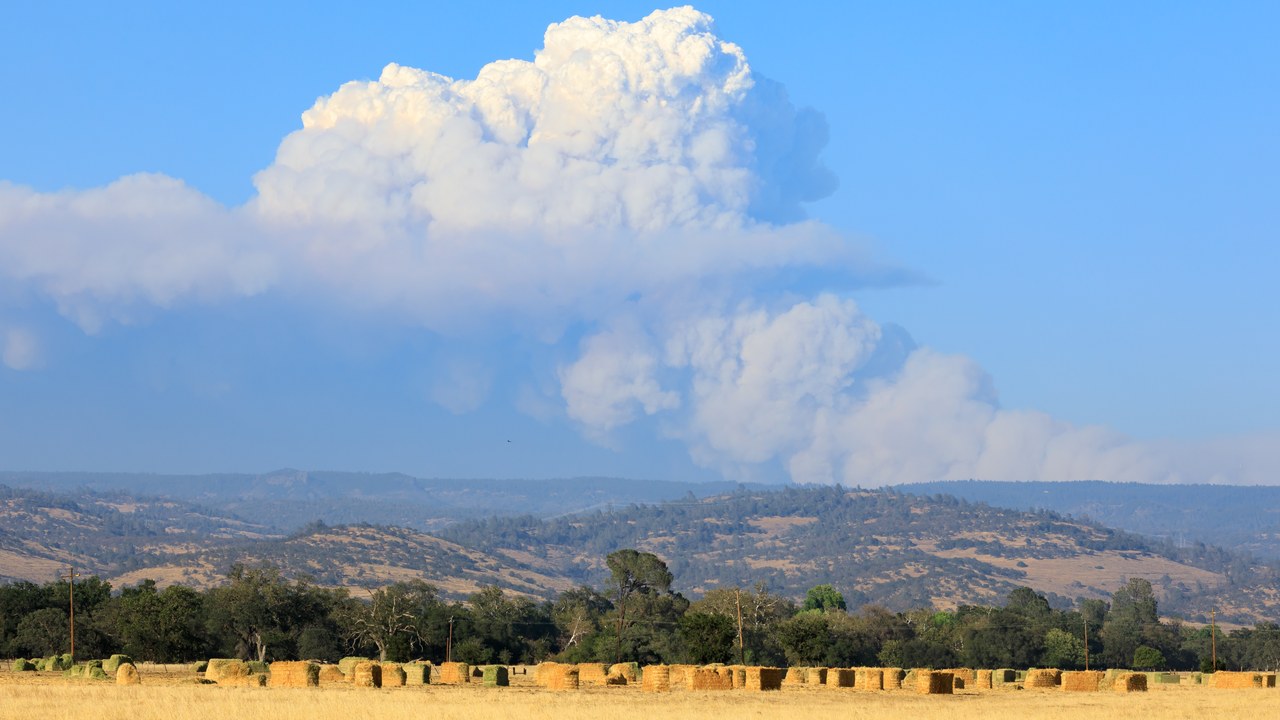
Ignited by electrical equipment in the Sierra Nevada foothills, the Dixie Fire burned through the summer and fall of 2021, ultimately consuming 963,309 acres and ranking as California’s second-largest fire on record.
Before it was declared fully contained, the fire destroyed 1,329 structures and caused at least $1.15 billion in damage. Entire communities in Plumas and Butte counties had to rebuild from the ground up, and the months-long firefight became one of the longest and most resource-intensive containment efforts state and federal crews mounted that fire season.
4. Wallow Fire: Arizona’s Onetime Record Holder
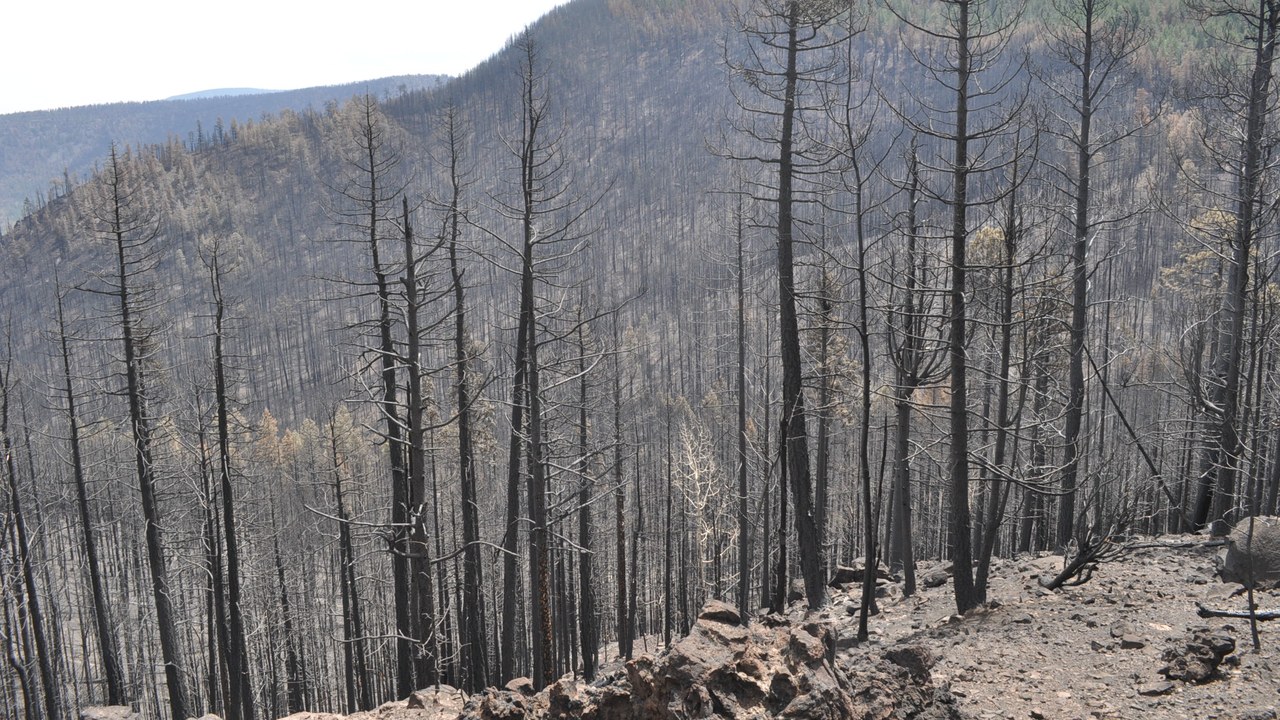
The Wallow Fire began from an abandoned campfire in the Apache-Sitgreaves National Forests and spread across the Arizona-New Mexico border in 2011, becoming the largest fire in Arizona history at 538,049 acres.
Firefighters worked for weeks to protect mountain communities as the blaze destroyed 72 structures. Evacuations emptied entire towns in the White Mountains before containment was finally reached, and the fire’s size held the state record for years afterward even as drought and beetle-killed timber kept raising the stakes for the forests it burned through.
5. Mendocino Complex Fire: The Ranch and River Fires Combined
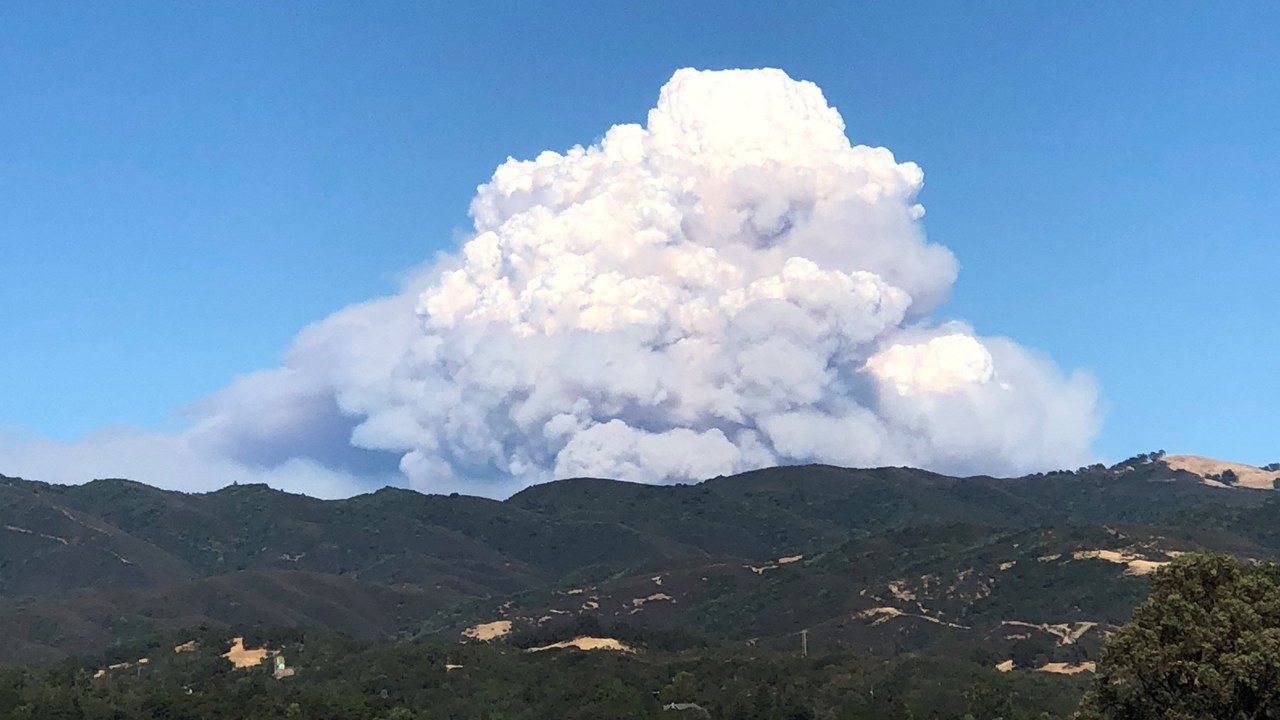
The Mendocino Complex Fire combined the Ranch and River fires into a single event that briefly held the title of state’s largest fire on record, burning 459,123 combined acres in 2018.
The complex destroyed 280 structures across Mendocino, Lake, Colusa and Glenn counties before crews contained it. It held its record for barely two years before a string of even larger fires surpassed it, a pattern that has repeated across California as several of the state’s biggest blazes on record have all burned within the last decade.
6. Park Fire: Butte County’s Modern Mega-Fire
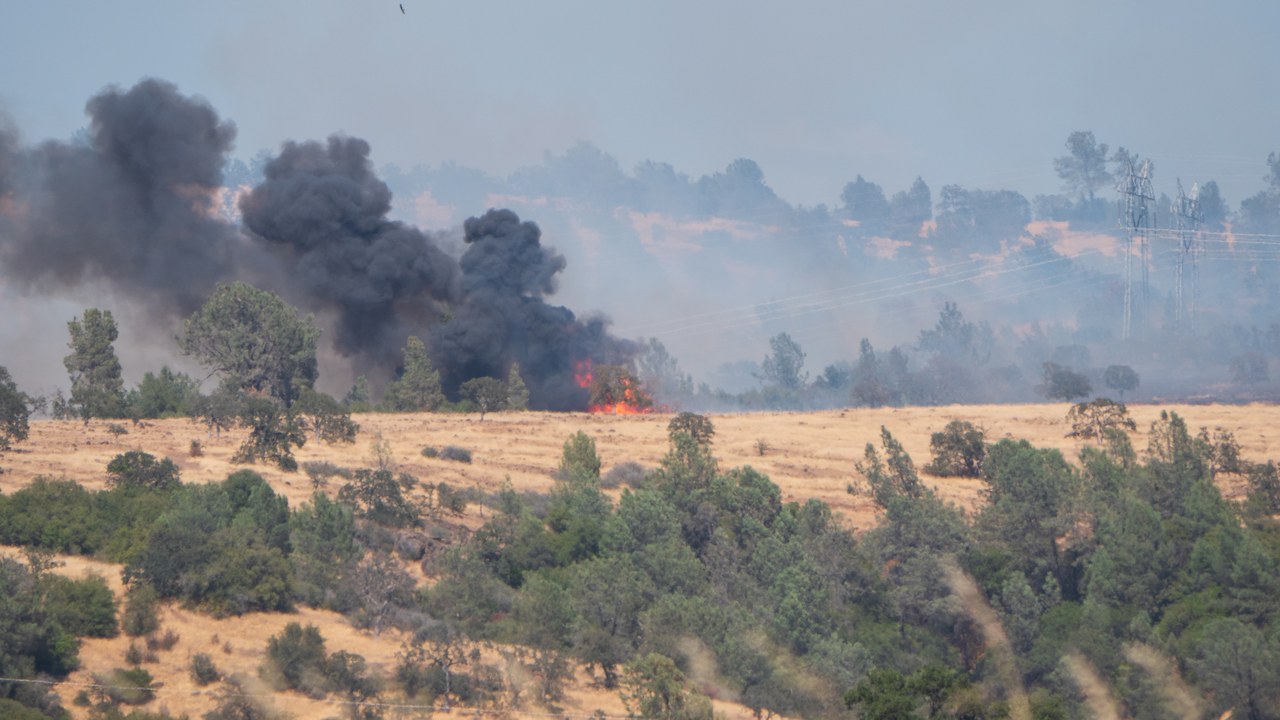
The Park Fire erupted near Chico in the summer of 2024 and grew rapidly through Butte and Tehama counties, ultimately burning 429,603 acres and landing as California’s 4th-largest wildfire on record, per CAL FIRE’s official ranking.
Investigators say the fire was deliberately set, and its speed forced mass evacuations across rural foothill communities. The blaze burned for more than a month before full containment, and its rapid early growth through dry grass and brush illustrated how quickly a single ignition can outrun the crews and equipment first sent to stop it.
7. SCU Lightning Complex fires: A Product of the Lightning Siege
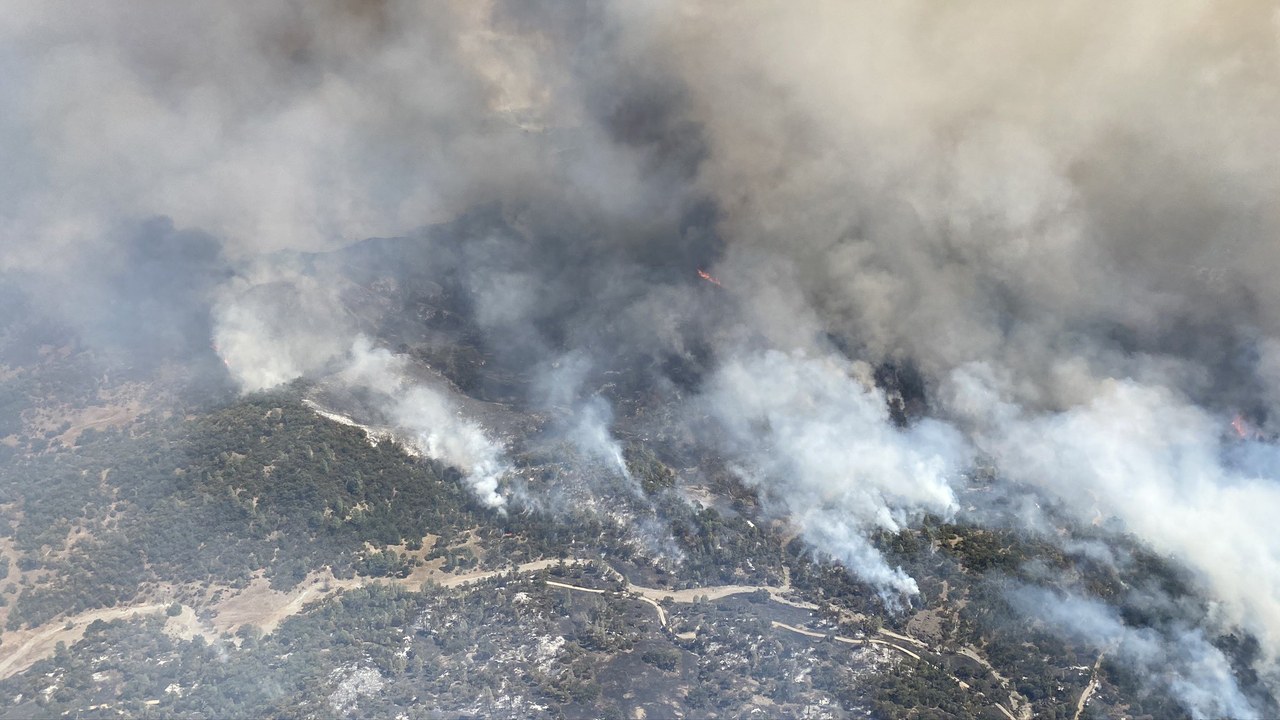
The SCU Lightning Complex fires broke out east of San Jose during the historic lightning siege of August 2020, eventually burning 396,625 acres and ranking as the 5th-largest wildfire in California history, per CAL FIRE’s official tally.
The complex burned largely through remote, rugged terrain in Santa Clara, Alameda, Contra Costa, San Joaquin and Stanislaus counties. Its remote footprint limited structure losses even as its acreage rivaled far more destructive fires, and the same August 2020 lightning siege that started it also ignited several other complexes burning simultaneously across Northern California.
8. Creek Fire (2020): The Sierra Blaze That Trapped Campers
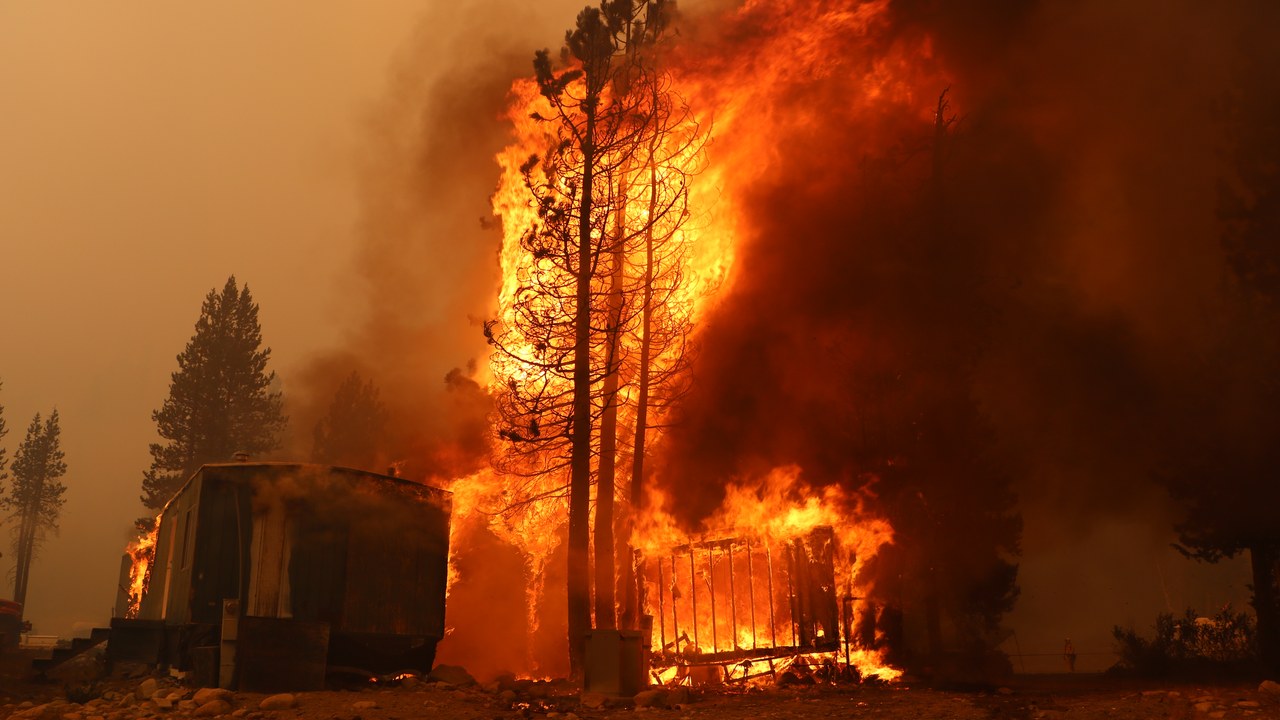
The Creek Fire exploded in the Sierra National Forest in September 2020, forcing a dramatic helicopter rescue of hundreds of trapped campers near Mammoth Pool Reservoir before finishing at 379,895 acres, the 6th-largest wildfire in California history.
CAL FIRE’s official ranking places the blaze among the state’s most significant modern fires. Containment took months as crews battled steep, inaccessible terrain across Fresno and Madera counties, and the fire’s explosive overnight growth near a crowded holiday-weekend campground turned what began as a routine forest fire into a life-threatening emergency almost overnight.
9. LNU Lightning Complex fires: Wine Country’s Lightning Firestorm
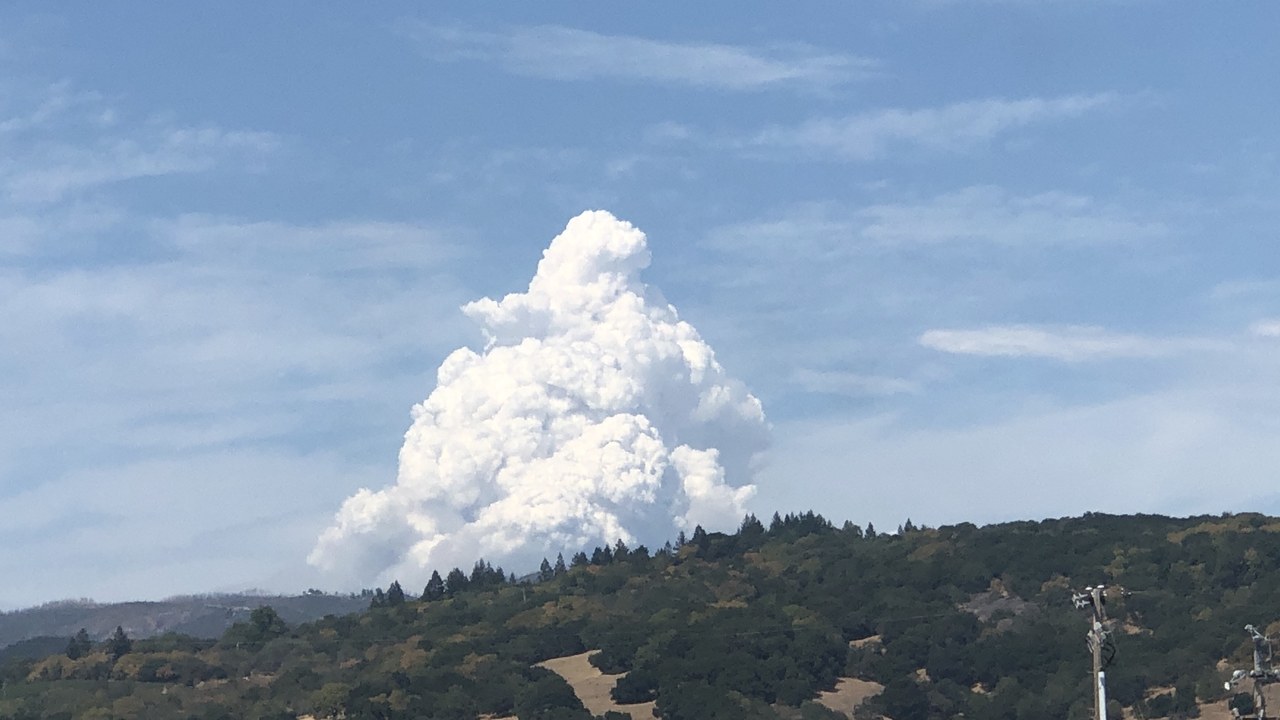
The LNU Lightning Complex fires swept through Napa, Sonoma, Lake, Yolo, Solano and Colusa counties in August 2020, burning 363,220 acres and ranking as the 7th-largest wildfire in California history, per CAL FIRE’s official statistics.
The fires damaged wine country communities north of San Francisco and forced tens of thousands of residents to flee. Recovery efforts stretched well into the following year across the affected counties, and the complex ranks among several 2020 lightning-caused fires that together made that fire season one of the most destructive in the state’s recorded history.
10. North Complex fire: The Fire That Erased Berry Creek
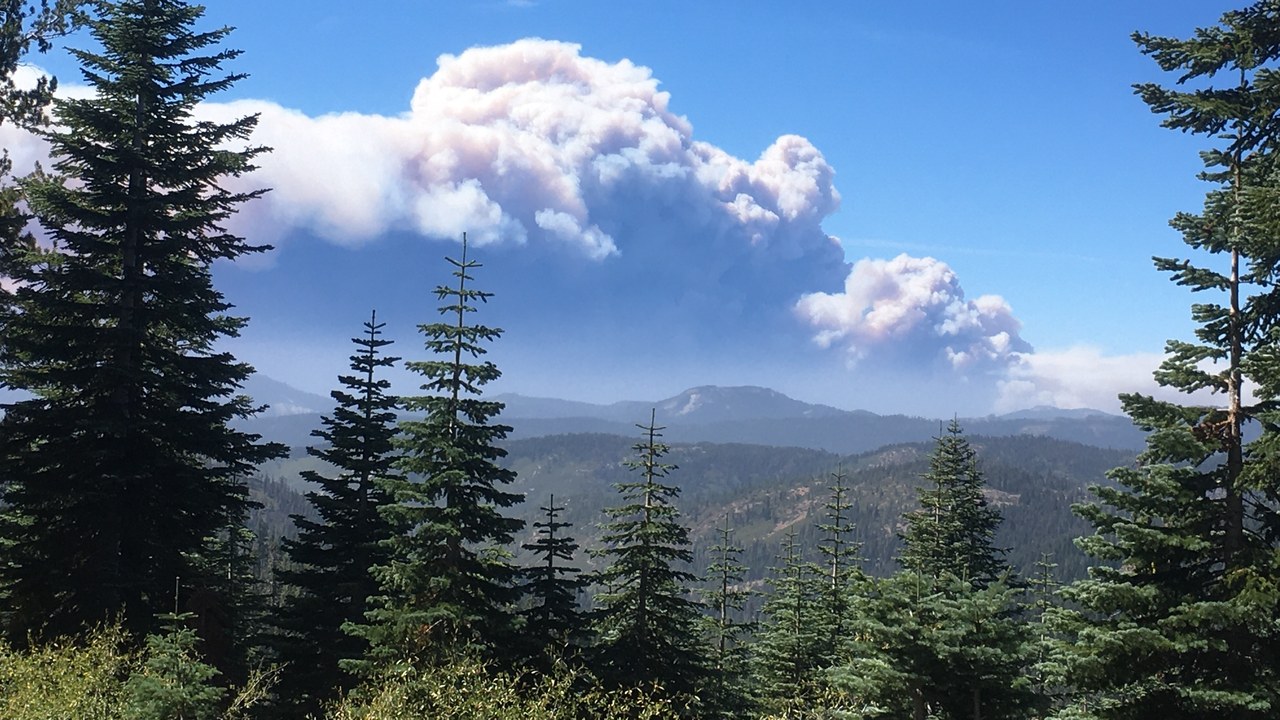
The North Complex fire burned 318,935 acres through the Plumas National Forest region in 2020, and a rapid overnight run in September left a death toll of 16 that made it one of the deadliest fires of that season.
The blaze all but erased the town of Berry Creek, leaving only 3 of its roughly 1,200 homes standing. It remains one of the deadliest wildfires in recent California history, and the speed of its overnight advance through the northern Sierra foothills gave many residents almost no warning before the fire reached their homes.
More from Morning Overview
- A geomagnetic storm is forecast to hit Earth today, pushing the northern lights unusually far south
- A recalled pill hid a stimulant dose linked to heart attacks and death
- Four U.S. startups fired up their first small nuclear reactors, aiming to power AI data centers on-site
- Card skimmers hidden on gas pumps and ATMs are draining accounts, and here’s the tell
