
Hurricane season has grown steadily more expensive for the United States, and a handful of storms account for a disproportionate share of the losses. Insurers, homeowners and coastal cities are still absorbing the cost of rebuilding after these disasters, from flooded Gulf Coast neighborhoods to shattered Caribbean power grids. Here are nine storms whose price tags reshaped disaster recovery in America.
1. Hurricane Katrina (2005): The $125 Billion Benchmark
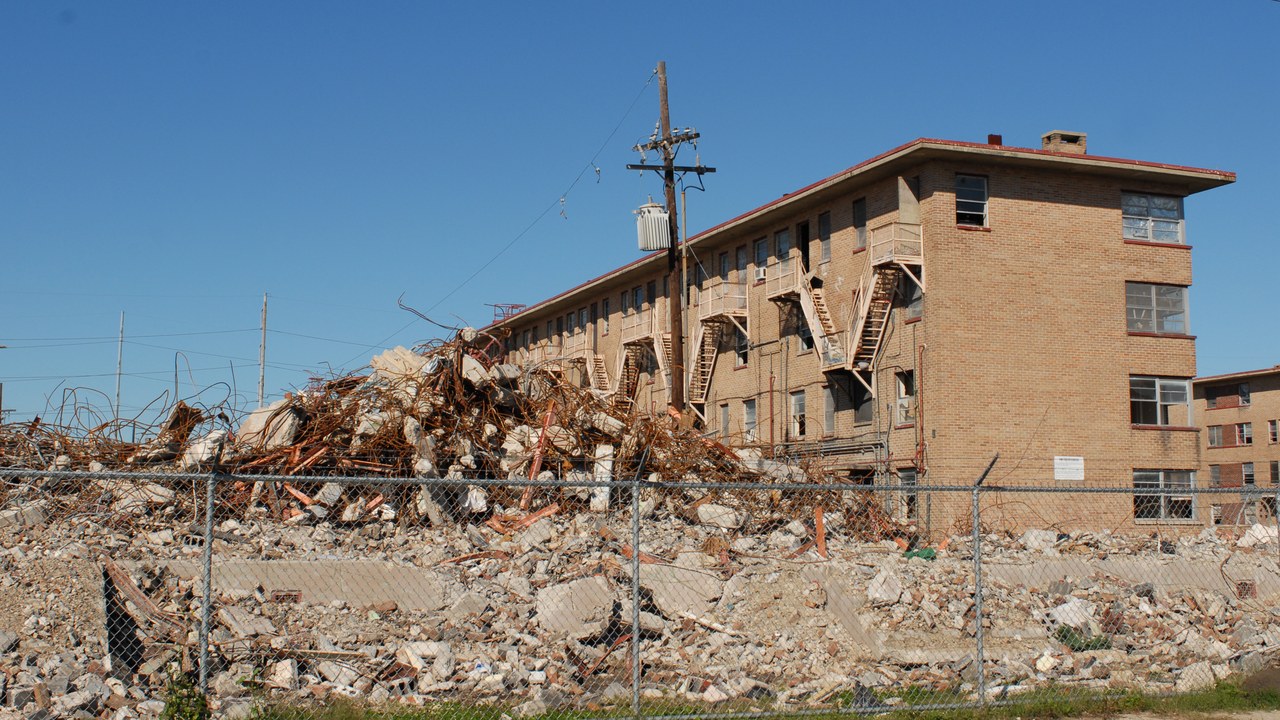
Hurricane Katrina’s landfall along the Gulf Coast in 2005 breached levees and submerged most of New Orleans, and the storm’s damage was eventually estimated at $125 billion, a total that tied it as the costliest tropical cyclone on record at the time, according to the storm’s damage assessment; adjusted for inflation, that toll climbs to $206 billion in today’s dollars.
That price tag, driven largely by levee failures and catastrophic flooding rather than wind alone, helped push flood insurance premiums higher along the entire Gulf Coast for years afterward.
2. Hurricane Harvey (2017): A Rare Cost Tie
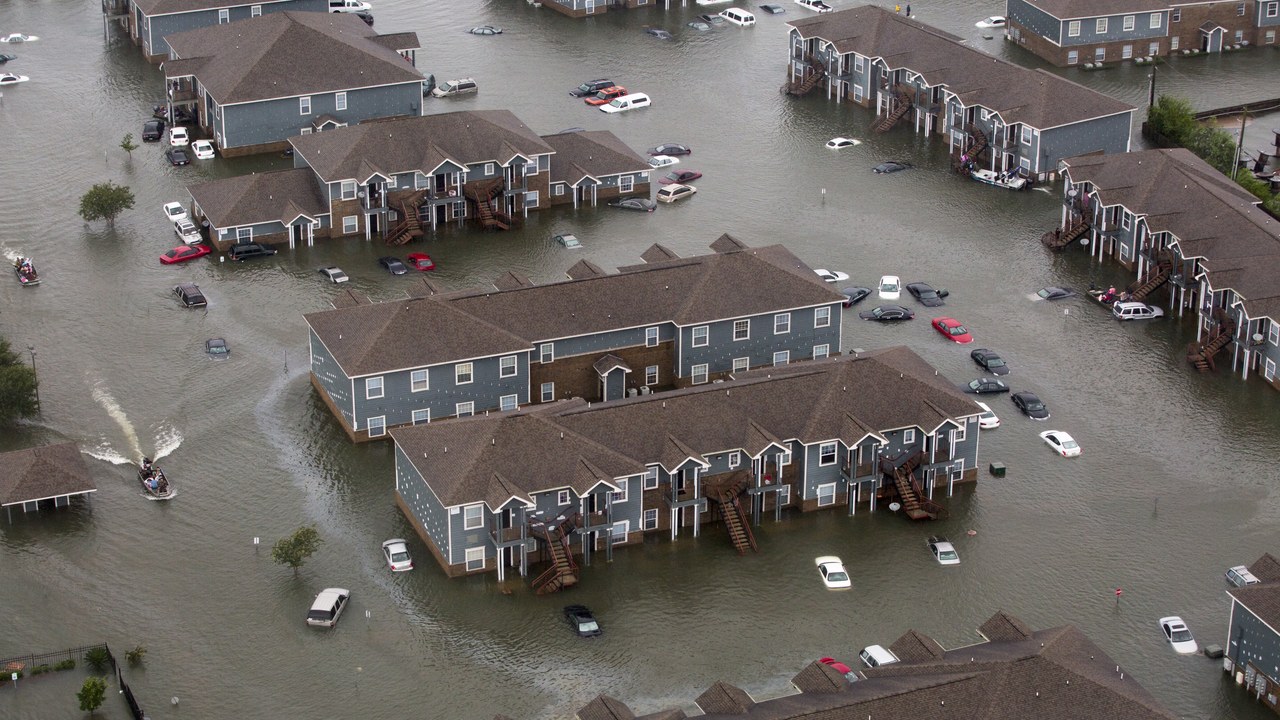
Hurricane Harvey stalled over southeast Texas for days in 2017, dumping record rainfall on the Houston area, and NOAA put the total damage at $125 billion, with a 90 percent confidence interval spanning $90 billion to $160 billion, a figure that tied Katrina as the costliest tropical cyclone on record in the United States.
The catastrophe stemmed less from wind than from freshwater flooding, as the slow-moving system parked over one metro area long enough to overwhelm bayous, reservoirs and drainage systems built for far smaller storms.
3. Hurricane Ian (2022): Florida’s Costliest Storm
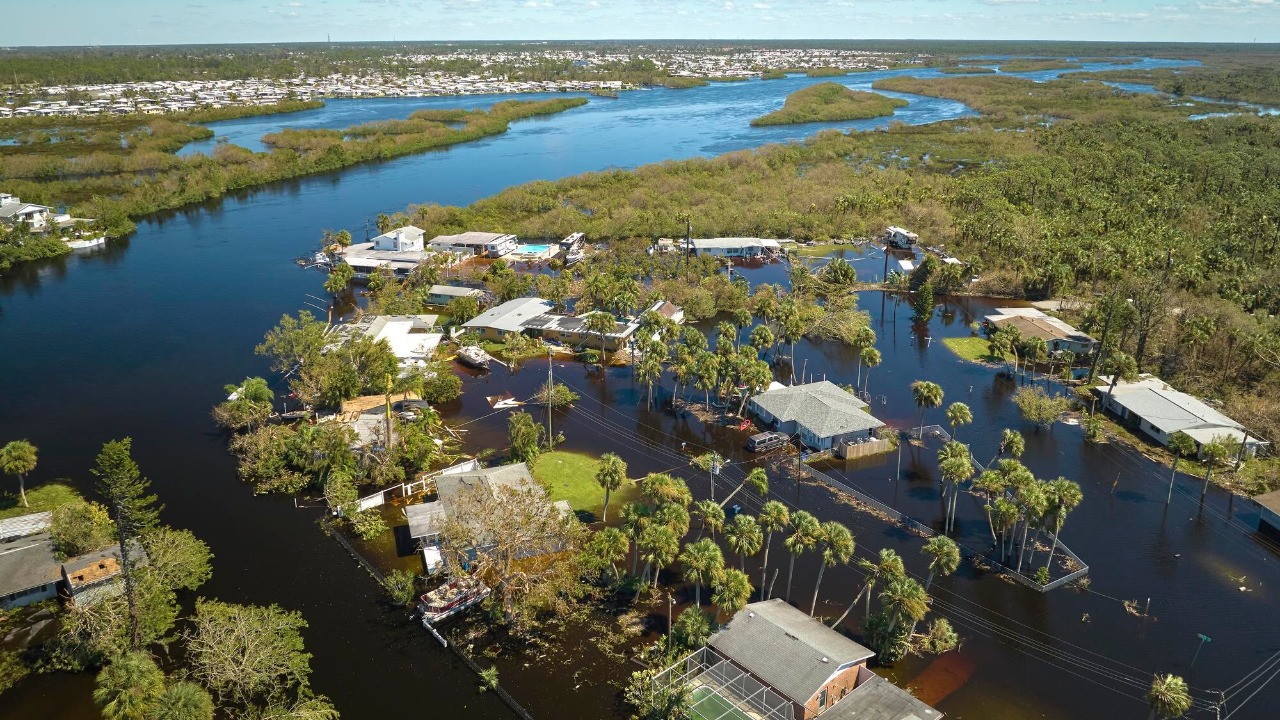
Hurricane Ian tore across southwest Florida in 2022 as a powerful Category 4 storm, and damage estimates for the hurricane reached $112 billion, making it the third-costliest tropical cyclone on record nationally and the single costliest storm in Florida’s history.
Storm surge near Fort Myers and Sanibel Island accounted for much of the destruction, flattening waterfront homes and severing the causeway that once connected the barrier islands to the mainland. Insurers already strained by a run of costly Florida storms responded by raising premiums and, in some cases, pulling out of the state entirely, leaving many homeowners to search for coverage through the state’s backstop insurer.
4. Hurricane Maria (2017): Puerto Rico’s Reckoning
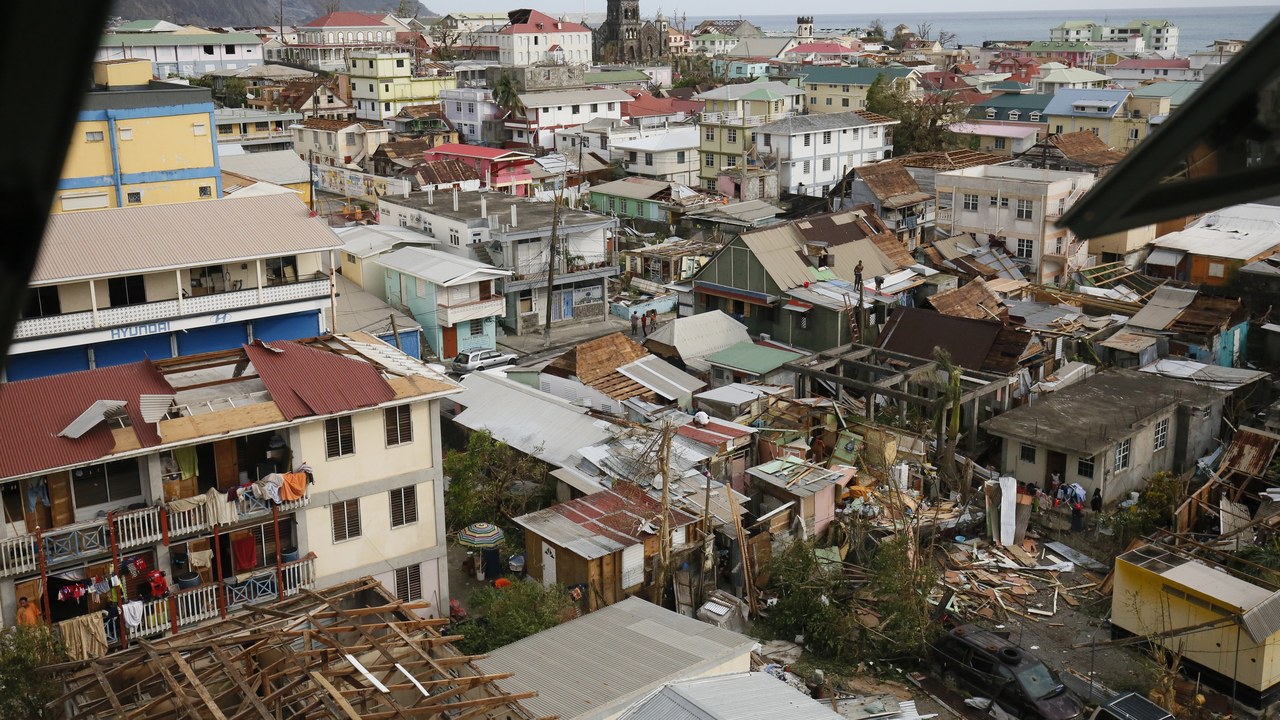
Hurricane Maria devastated Puerto Rico in 2017, knocking out the island’s power grid for months, and total monetary losses are estimated at upwards of $91.6 billion, almost all of it concentrated in Puerto Rico, ranking Maria as the fourth-costliest tropical cyclone on record.
Because so much of the toll landed on a single US territory rather than being spread across multiple states, the storm exposed how thin the island’s infrastructure and insurance coverage had become. Recovery dragged on for years afterward, and the extended power outage left many residents without electricity for months, far longer than survivors of most mainland storms experience.
5. Hurricane Irma (2017): A Caribbean Double Hit
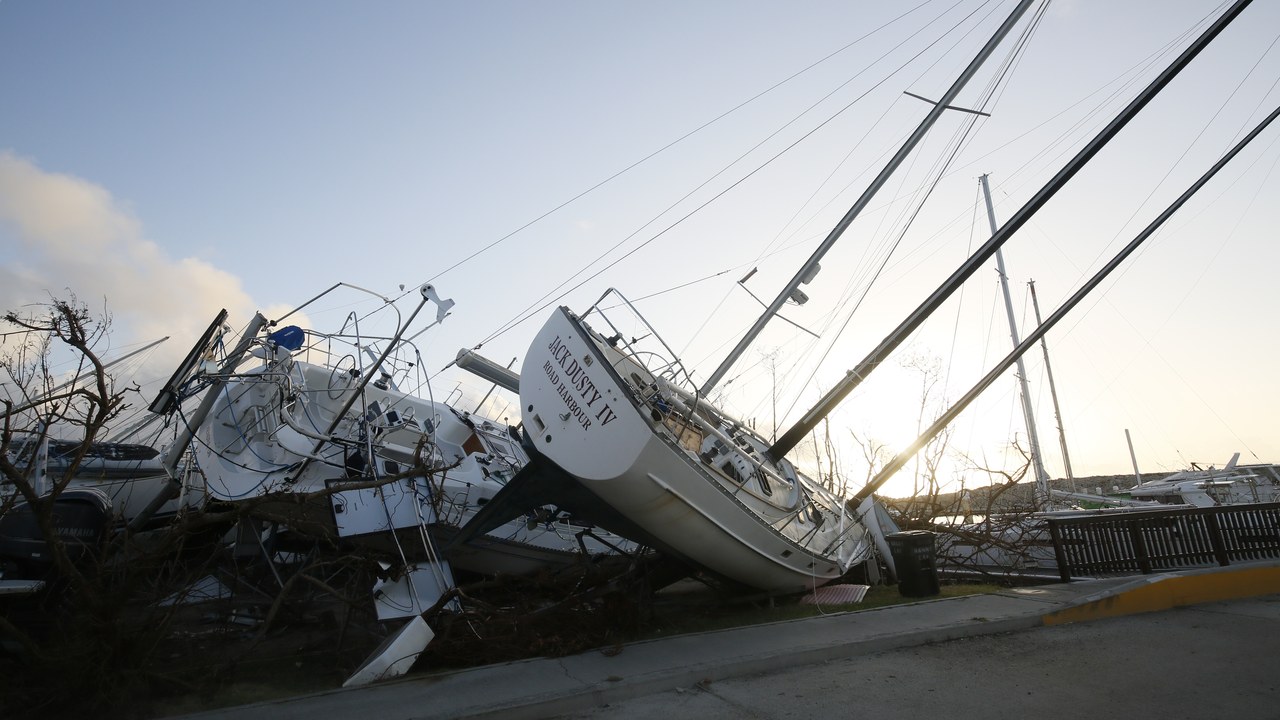
Hurricane Irma churned through the Caribbean before raking the length of Florida in 2017, and the storm caused total damage of about $77.2 billion across the region and the United States combined.
Irma’s size forced the largest evacuation in Florida history, and even areas that avoided a direct hit still absorbed heavy losses from wind damage, downed power lines and prolonged outages that lingered for weeks. Forecasters had tracked the storm as a potential threat to the entire peninsula for days, giving officials time to order residents out of low-lying areas before landfall.
6. Hurricane Ida (2021): Louisiana’s Grid Breaker
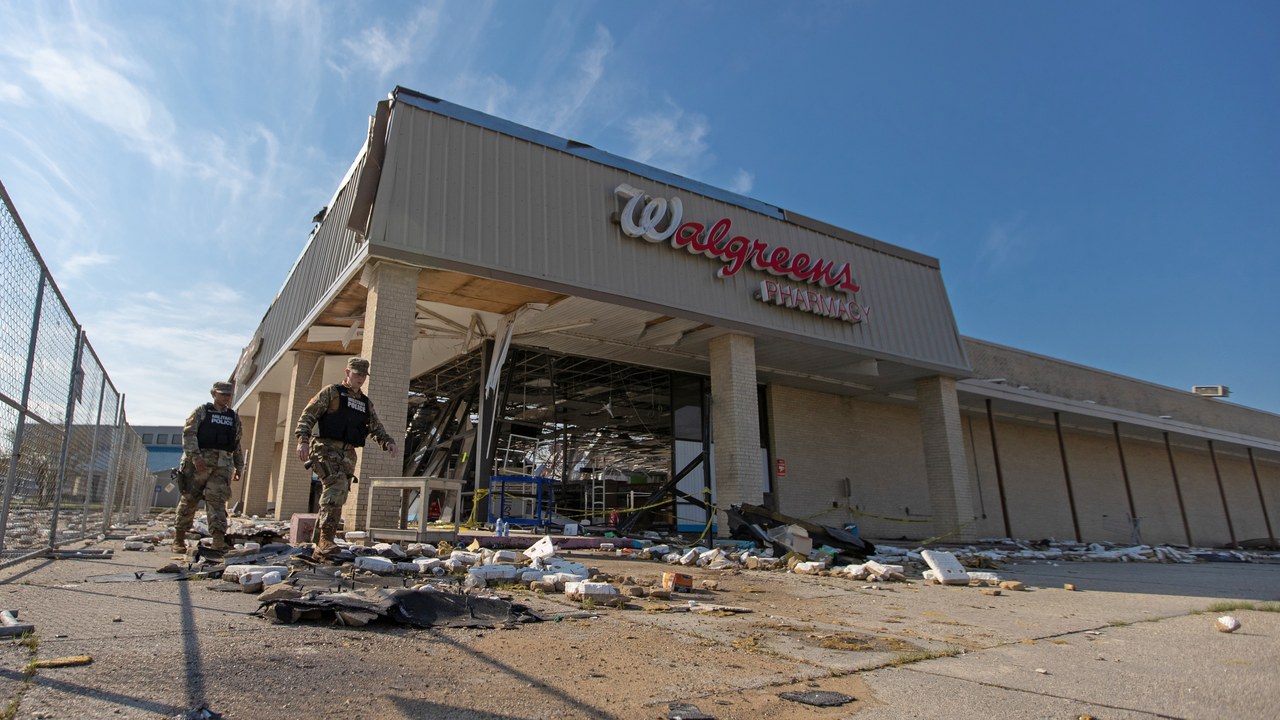
Hurricane Ida slammed into Louisiana in 2021 with Category 4 winds that knocked out power across New Orleans, and the storm now ranks as the sixth-costliest tropical cyclone on record, having caused at least $75.3 billion in damage.
That makes Ida the fifth-costliest Atlantic hurricane to strike the United States specifically, a reminder that a single landfall on a major energy and shipping hub can ripple through insurance markets nationwide. The storm also knocked out the region’s electrical grid for days during a late-summer heat wave, complicating recovery for hospitals and nursing homes that suddenly lost air conditioning.
7. Hurricane Sandy (2012): The Northeast Superstorm
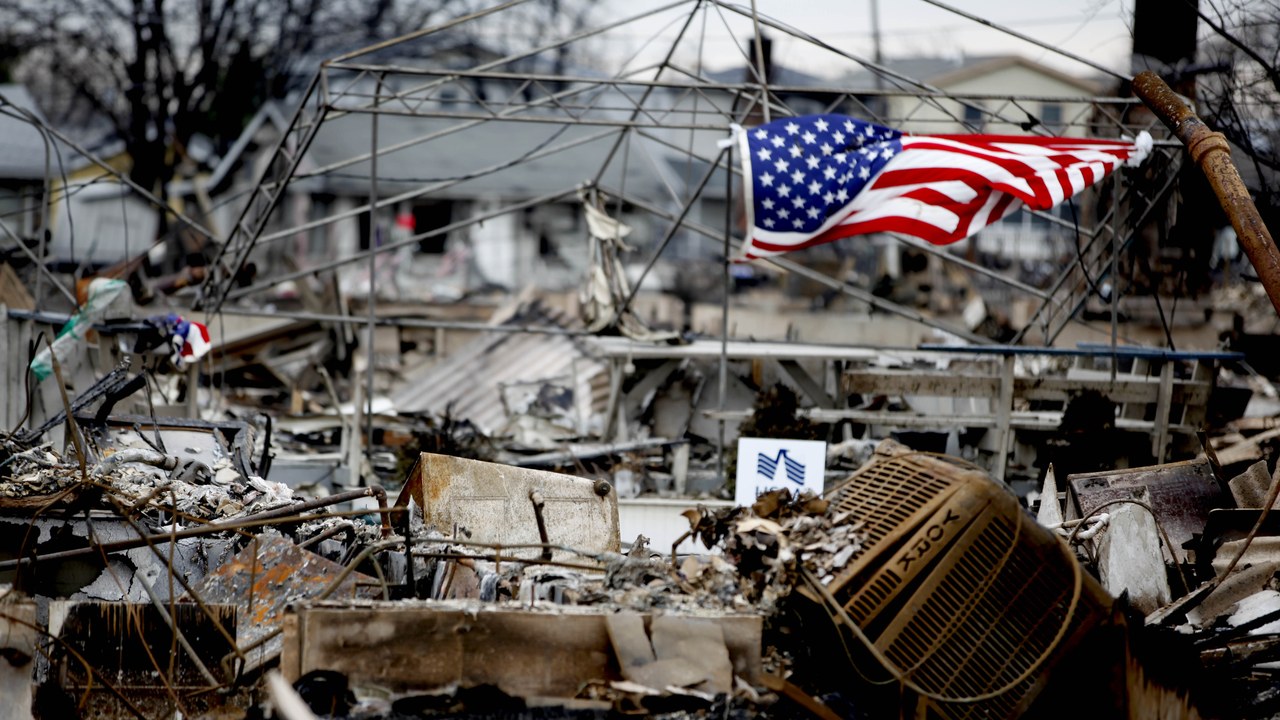
Hurricane Sandy merged with a winter storm system as it curved into the mid-Atlantic and Northeast in 2012, and the resulting superstorm inflicted nearly $70 billion in damage while killing 254 people across eight countries from the Caribbean to Canada.
Its storm surge swamped the New York City subway system and flooded coastal New Jersey neighborhoods, prompting utilities and transit agencies across the region to redesign flood defenses for future storms. Because it merged with a separate winter system rather than staying a classic hurricane, Sandy’s wind field grew unusually wide, spreading damage from beachfront New Jersey to inland Pennsylvania and New England.
8. Hurricane Michael (2018): A Panhandle Category Five
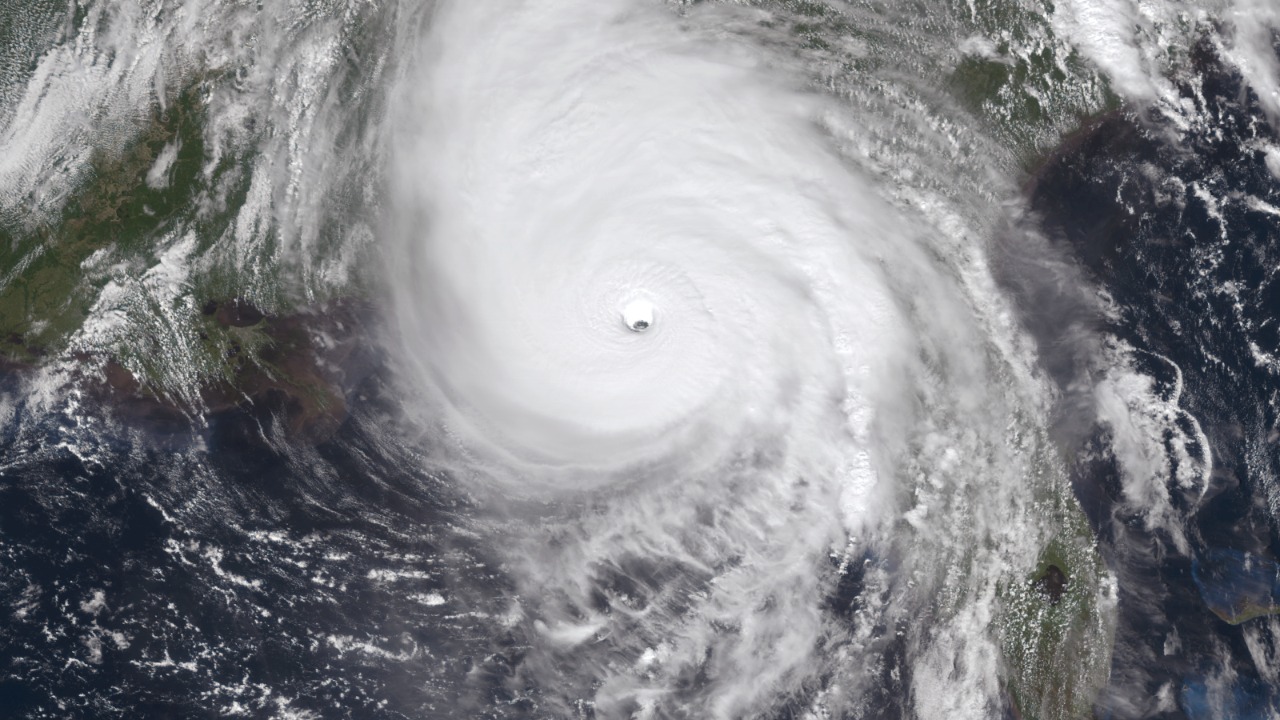
Hurricane Michael strengthened rapidly before slamming into the Florida Panhandle in 2018 as a Category 5 storm, and it caused $25.5 billion in damage to communities like Mexico Beach and Panama City.
Category 5 landfalls remain rare for the continental United States, and Michael’s winds flattened homes and stripped forests across a stretch of the Panhandle that took years to rebuild and reopen. The storm intensified so quickly in its final approach that many coastal residents had little extra warning time to finish evacuating before it came ashore.
9. Hurricane Andrew (1992): The Original Record Setter
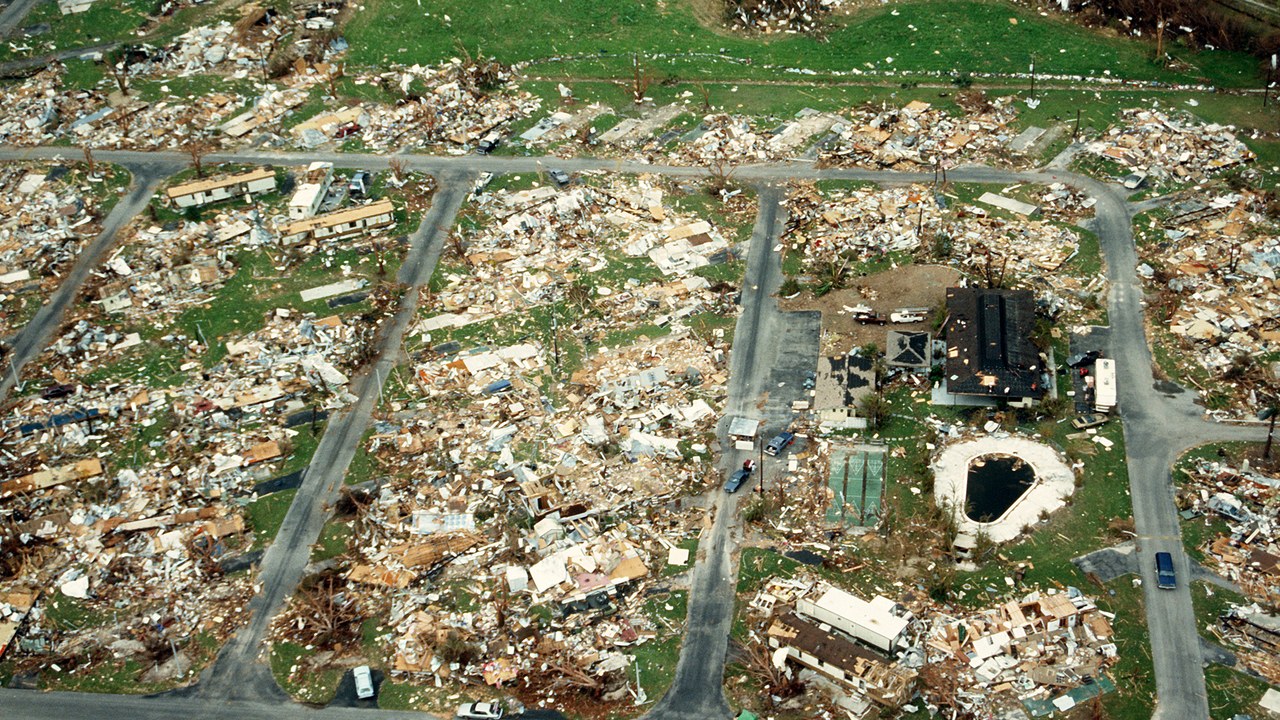
Hurricane Andrew tore through South Florida in 1992, and the storm destroyed more than 63,500 houses, damaged over 124,000 more and caused $27.3 billion in damage, a record at the time.
The devastation exposed weak building codes across South Florida, and the overhaul of construction standards that followed became a model that other hurricane-prone states later adopted for their own codes. Andrew was a compact but tightly wound storm, and its intense eyewall winds concentrated the worst damage in a narrow band rather than spreading it evenly across the wider region.
More from Morning Overview
- Four U.S. startups fired up their first small nuclear reactors, aiming to power AI data centers on-site
- Card skimmers hidden on gas pumps and ATMs are draining accounts, and here’s the tell
- Doctors warn a silent liver disease now affects one in three American adults
- Hackers are hijacking outdated home routers, and the FBI named the models to check
