
American car buyers can walk into almost any dealership and drive out the same day, yet dozens of well-reviewed models sold across Europe, Asia and even next-door in Canada never reach a US showroom floor. Certification costs, safety standards, factory capacity and business math quietly keep them off American roads regardless of demand. Here are ten vehicles the rest of the world drives that Americans still cannot buy new.
1. Toyota GR Yaris: The Hatchback Toyota Cannot Spare
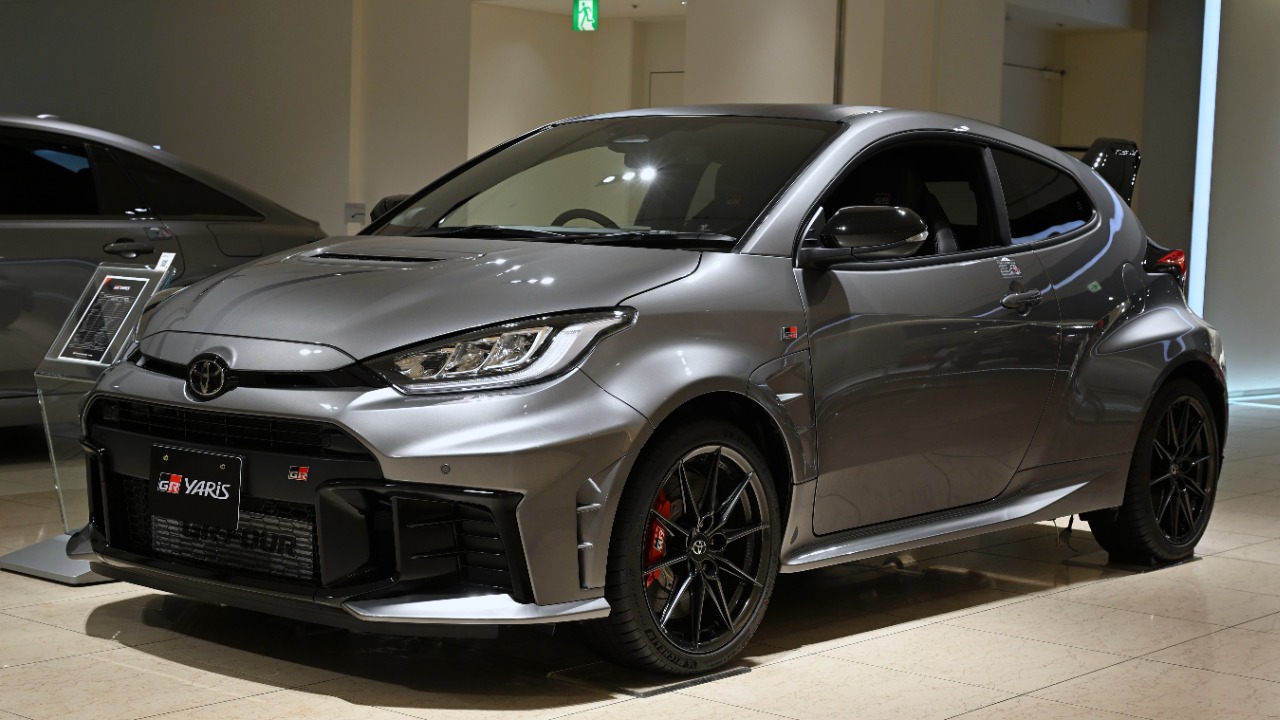
Toyota engineered the GR Yaris as a homologation special for the World Rally Championship, then found demand alone could not justify separate American engineering and safety work. A roundup of 2026 standouts lists it among cars still absent from US lots because the hatchback was never put through federal crash and emissions testing.
Toyota already struggles to satisfy existing orders in Japan and Europe, so diverting factory capacity and engineering hours toward US certification would only shrink the allocation left for buyers already on those waiting lists, a tradeoff Toyota has so far declined to make.
2. Alpine A110: Too Costly To Certify Here
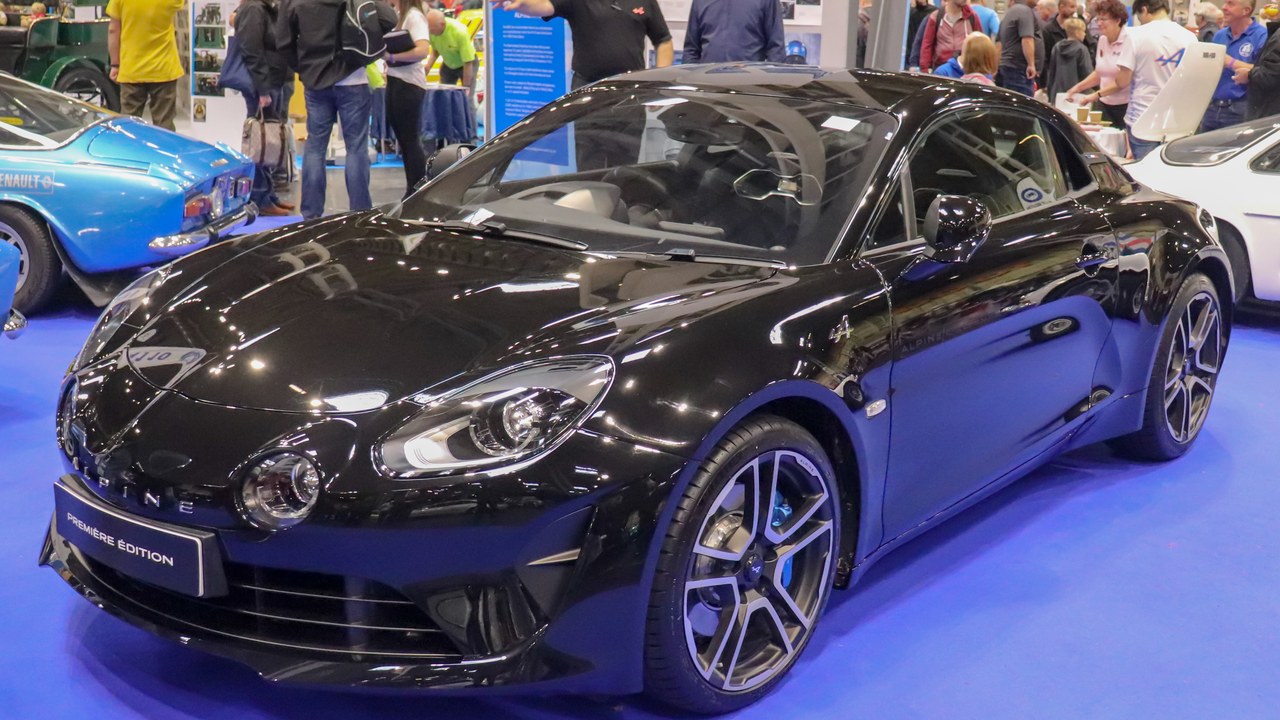
Alpine’s featherweight sports car has never been crash-tested or emissions-certified to federal standards, a process the French brand calls too costly to justify for such low expected volume. The same 2026 model survey notes Alpine judged building a US dealer and parts network not worth the investment.
Without an importer, a service network or a certified parts supply chain already in place, the A110 remains a car American enthusiasts can only admire through European road tests, auction listings and gray-market import forums rather than a local showroom.
3. Toyota Century: Hand-Built And Off Limits
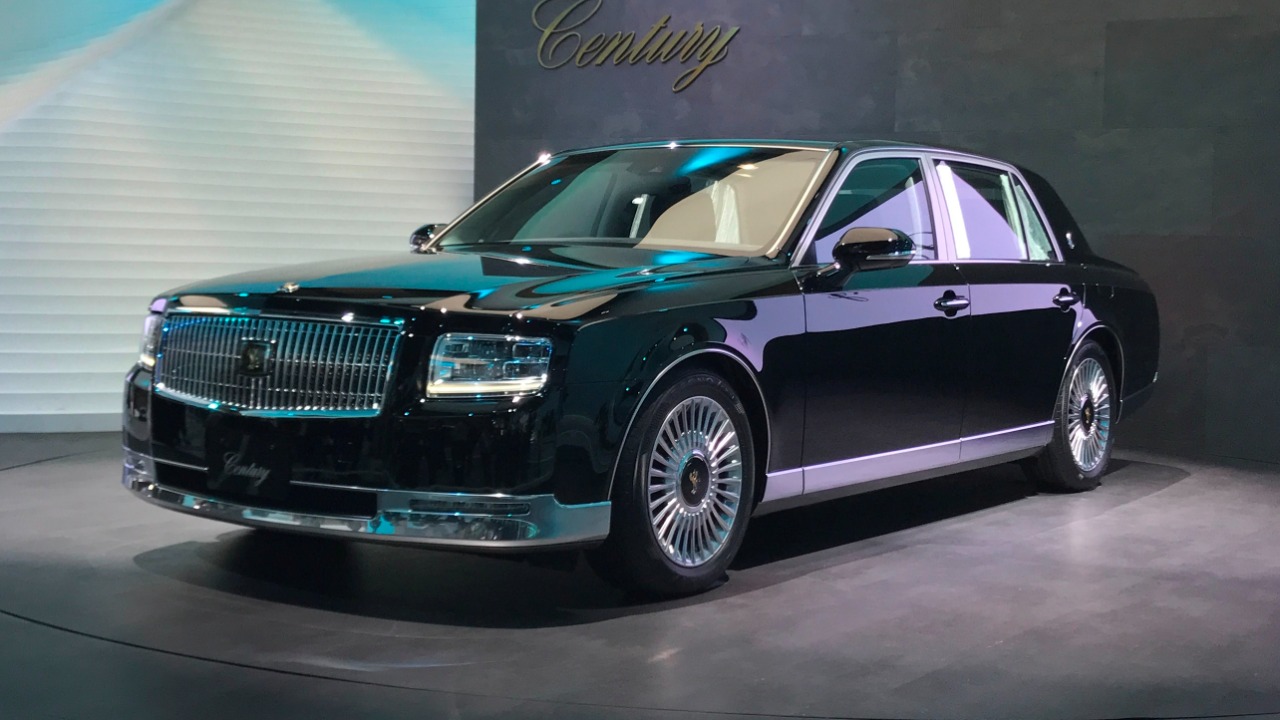
Toyota’s hand-built flagship sedan, reserved largely for corporate executives and government officials riding in the back seat in Japan, has never gone through the certification Toyota would need to sell it in the United States. The same 2026 roundup lists it as a car Toyota sees too few American buyers to justify homologating.
Each Century is assembled largely by hand at a dedicated plant that produces only a few thousand units a year, so the exclusivity that makes it a status symbol in Japan is the same reason Toyota has never certified it for a market this size.
4. BMW 1 Series (M135 xDrive): The Hatchback BMW Skips

BMW sells a compact hot hatchback across Europe topped by the all-wheel-drive M135 xDrive, yet the entire 1 Series line has never once appeared in a US BMW showroom since its launch. The 2026 car-model list notes BMW already sells the closely related 2 Series Gran Coupe here instead.
That overlapping four-door coupe already covers the compact-BMW buyer domestically, so extending federal certification to a second, similarly sized hatchback has never made the sales case BMW needed to justify bringing the 1 Series stateside as well.
5. Nissan Ariya: Discontinued Here, Sold There
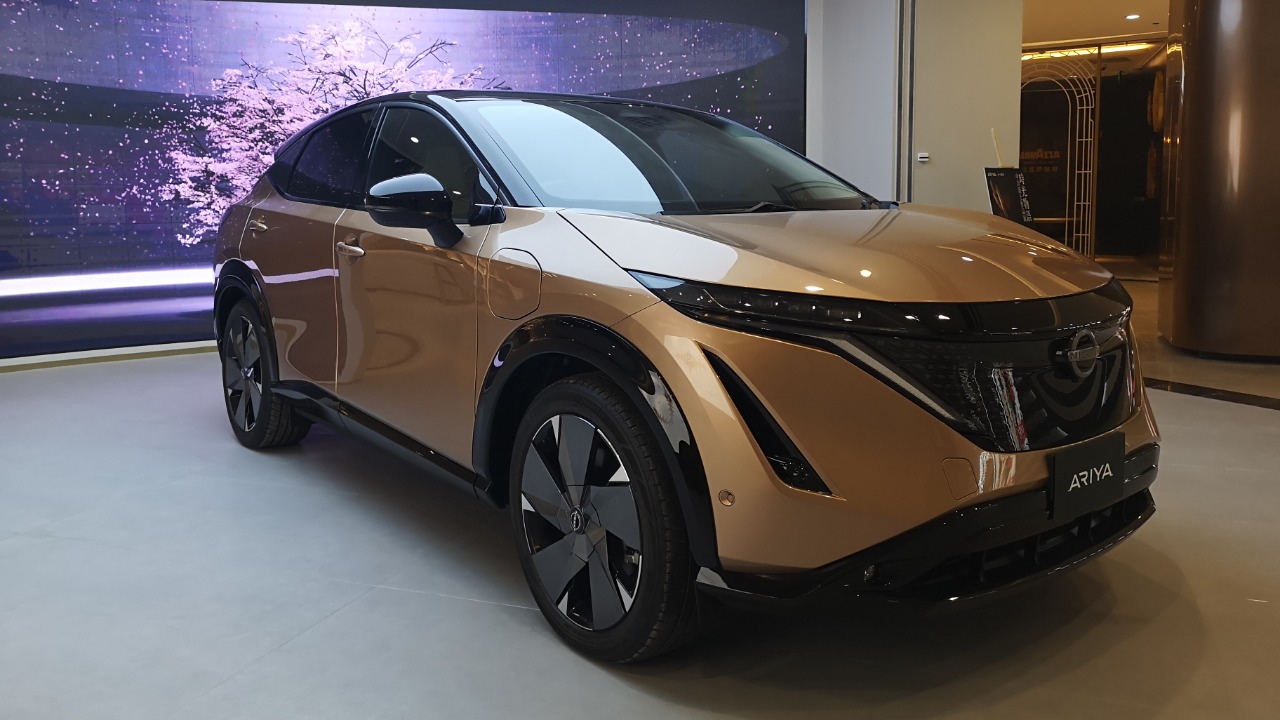
Nissan pulled its Ariya electric crossover from US dealerships at the end of 2025 as the redesigned Leaf took over as the brand’s entry-level EV nameplate. A Canadian market review confirms the Ariya remains on sale north of the border throughout 2026, with no similar cutoff announced there.
Canadian shoppers can still walk into a Nissan dealer and order one new today, while American buyers who want the same crossover now have to shop the used market or cross the border to find a dealer that still carries stock.
6. Kia EV4: Cheapest EV, Canada Only
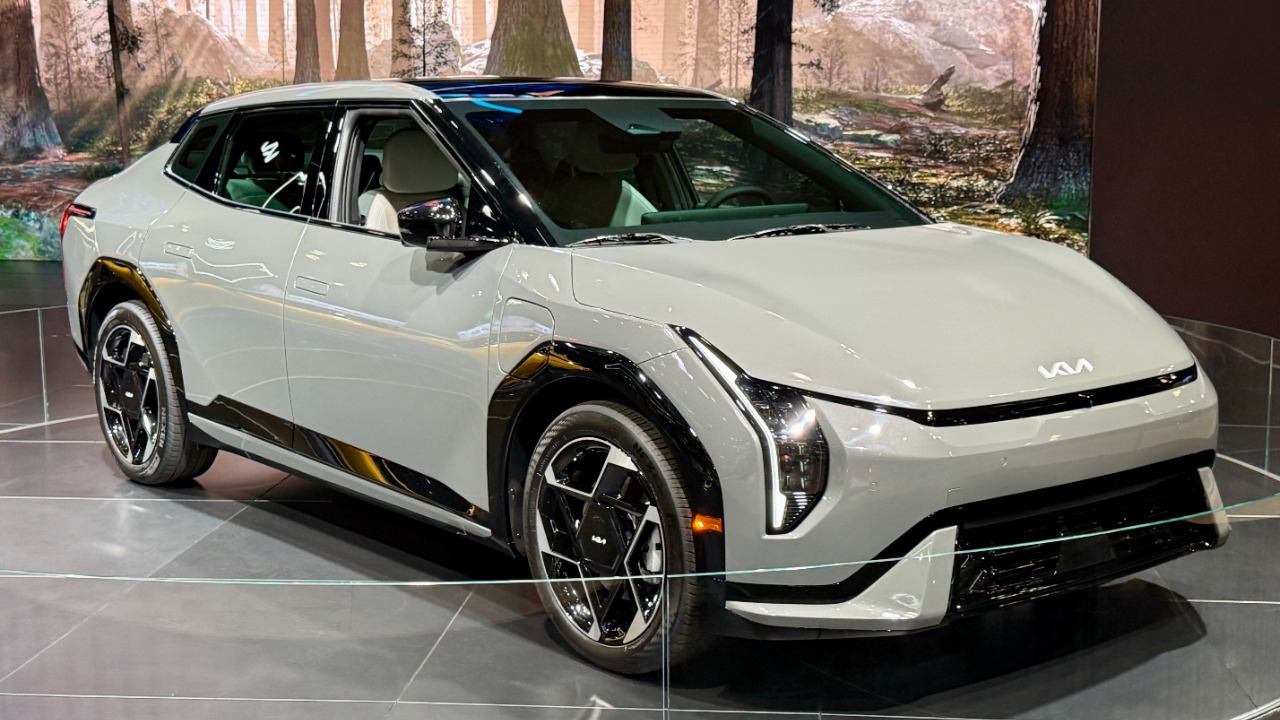
Kia’s EV4 launched in Canada for the 2026 model year as the brand’s least expensive electric vehicle, built to widen its EV lineup below the larger EV6 crossover. The same Canada-only vehicle list notes its US launch has been delayed indefinitely with no announced date.
Kia has not publicly explained what is holding the sedan back domestically, leaving American shoppers who want a budget-priced EV to choose from the automaker’s costlier models until a launch date finally gets set on this side of the border.
7. Hyundai Kona Electric: Skipped For A Model Year

Hyundai is skipping the 2026 model year of the electric Kona in the United States entirely, even as the same battery-powered crossover keeps selling steadily in Canadian showrooms this year. The same Canadian roundup lists it among vehicles paused for American buyers.
The gap leaves a hole in Hyundai’s US electric lineup between its smaller compact crossovers and its larger Ioniq models, a gap that Canadian buyers browsing the same dealer network simply do not have to deal with this year.
8. BYD Han: Blocked By Federal Certification
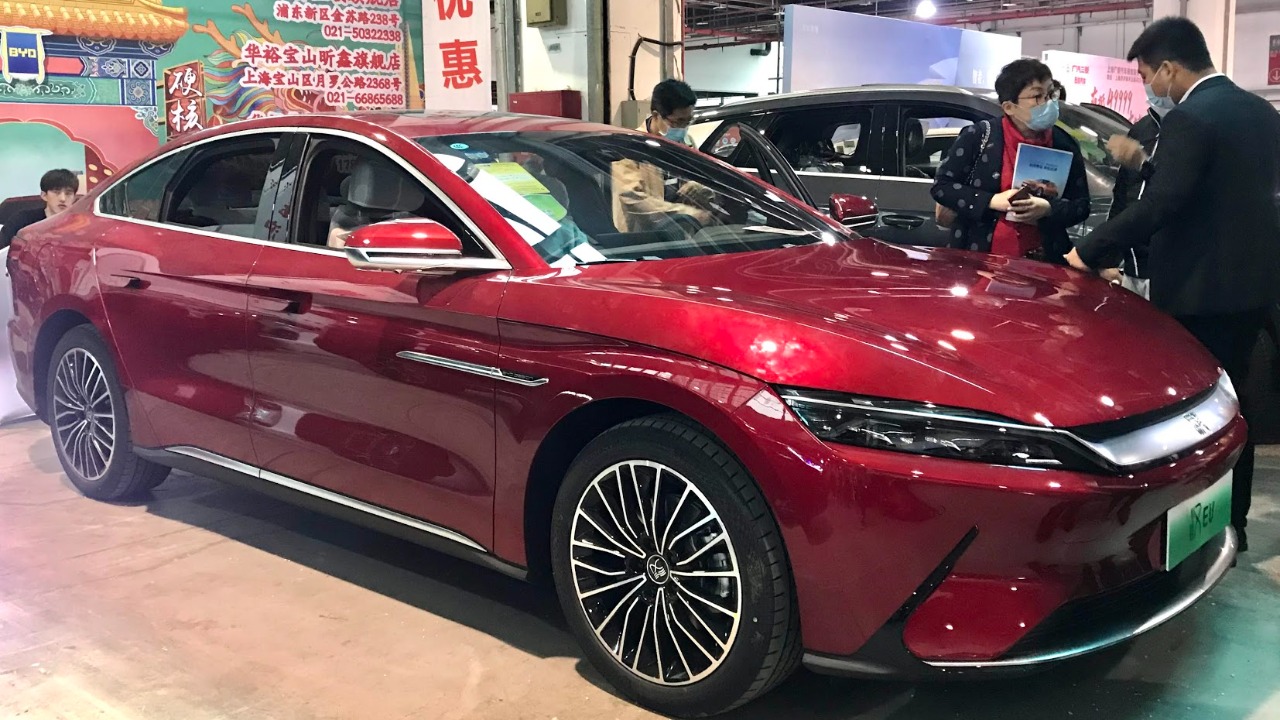
BYD’s Han sedan sells briskly across China as the brand’s flagship electric car, yet it has never entered the multi-year EPA and NHTSA certification process required before any new car can reach a US showroom floor. Its production background shows no American-market variant has ever been engineered or submitted for testing.
Tariffs and trade restrictions on Chinese-brand vehicles compound the certification hurdle, so even a fully federalized Han would still face duties steep enough to make a near-term US launch commercially unlikely regardless of demand.
9. NIO ET5: Never Submitted For US Approval
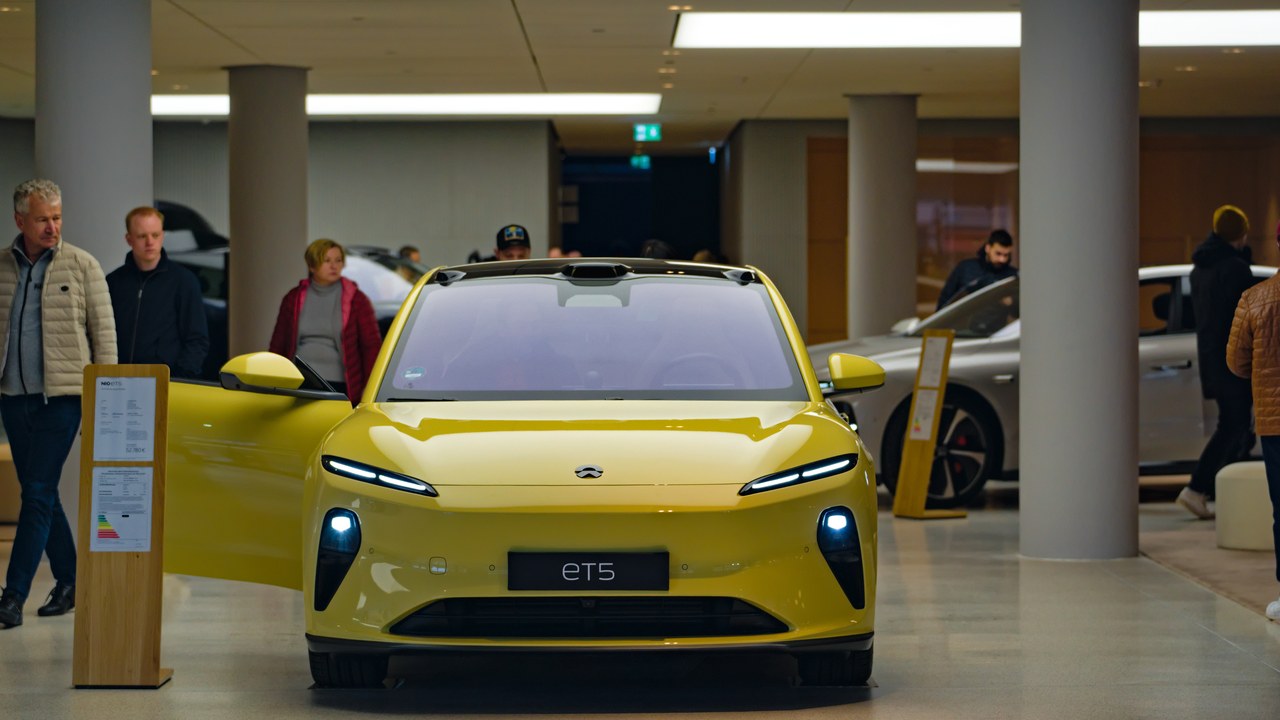
NIO’s ET5 sedan competes directly with premium European rivals across China, yet the automaker has never submitted the car for the safety and emissions certification a model needs before it can reach an American dealer lot. Its production history shows no US-spec version has ever been built or tested.
NIO has instead focused its limited international expansion on European markets, where its battery-swap charging infrastructure is already established, leaving American certification a lower and more distant priority for the automaker right now.
10. XPeng G6: Certified Everywhere Except America
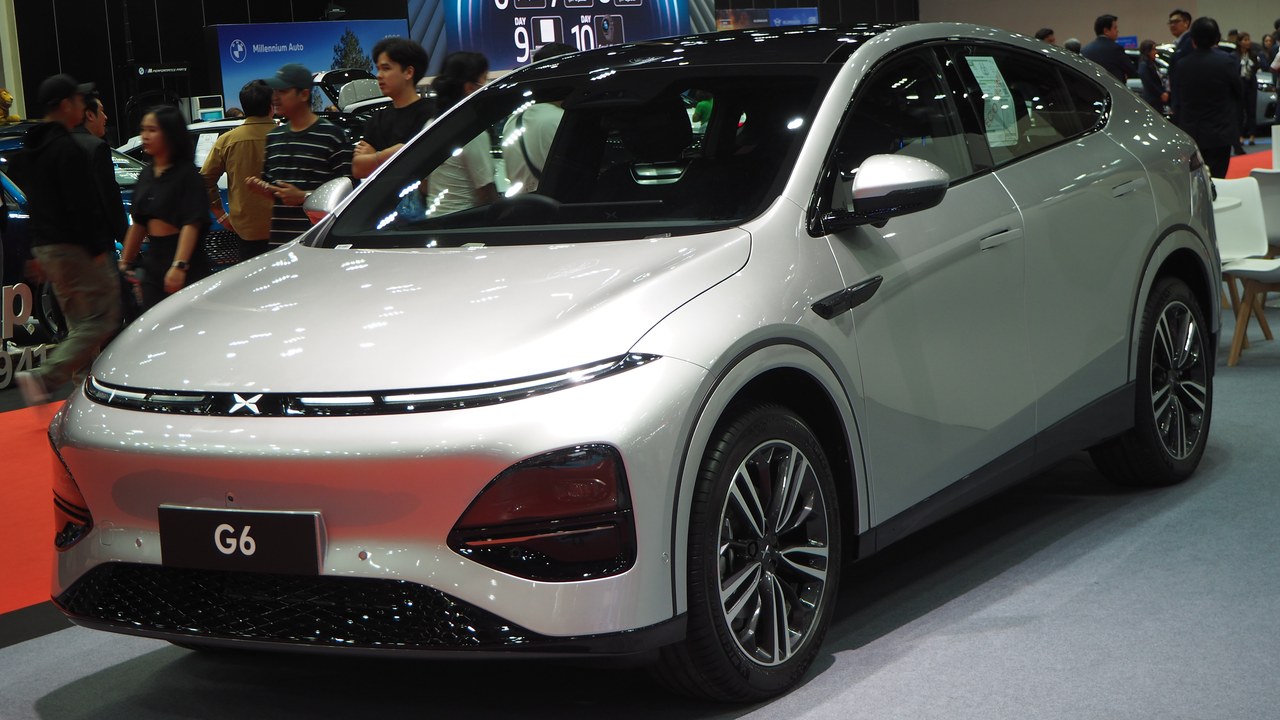
XPeng built the G6 as a global electric SUV sold across multiple continents, but the car has never been engineered or certified to meet US federal motor vehicle safety standards. Its specification history lists no American-market trim among its configurations anywhere in its lineup.
Like other Chinese automakers eyeing global growth, XPeng faces steep import tariffs on top of the certification cost, so the G6 remains a car American shoppers can currently only see in videos, import forums and overseas reviews.
More from Morning Overview
- Four U.S. startups fired up their first small nuclear reactors, aiming to power AI data centers on-site
- 11 engines built to run well past 200,000 miles
- A handful of car transmissions are so tough that mechanics say they almost never die
- Card skimmers hidden on gas pumps are draining accounts, and there’s a quick way to spot them
