
Compact cars were Detroit’s response to a growing taste for small imports, and the early 1960s brought a rush of new nameplates from every major maker. Some thrived, some stumbled, and a few helped bring down the companies that built them. Here are ten of those homegrown small cars, each with the figures that tell its story.
Read next on Morning Overview: Thousands of bottles of a combination blood pressure pill are recalled nationwide
1. Chevrolet Corvair: Rear-Engine Gamble
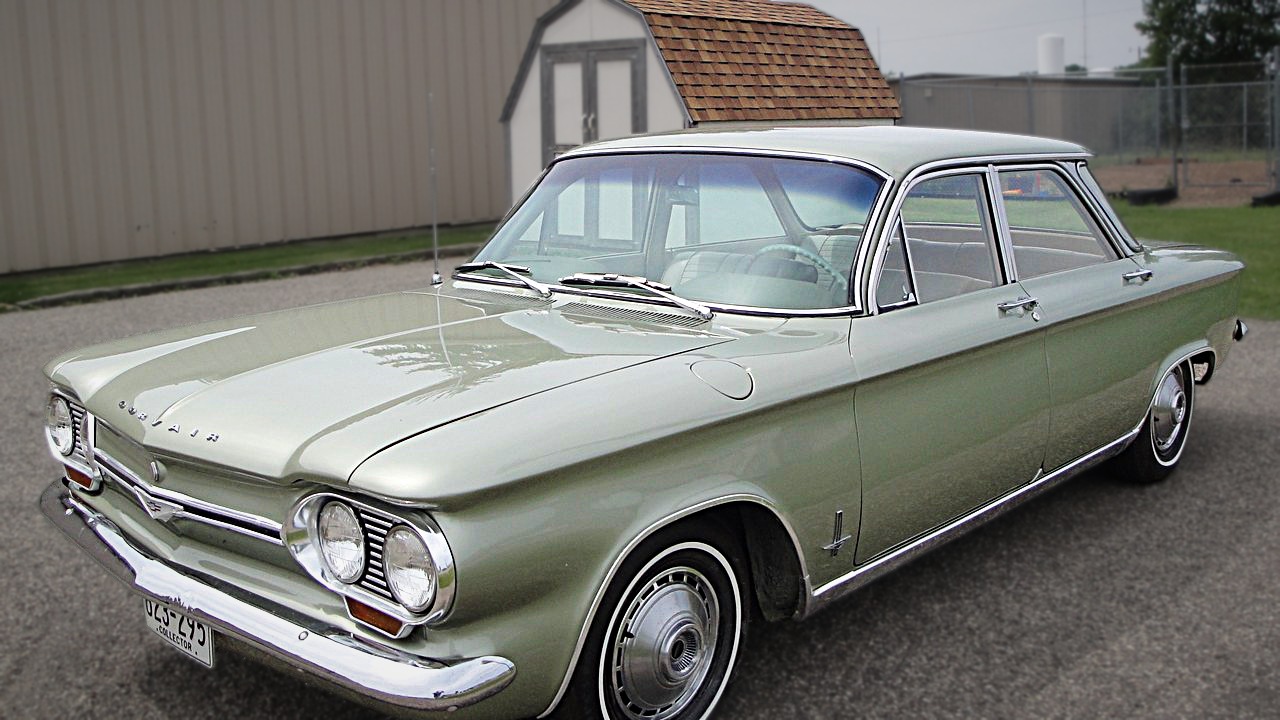
Detroit’s rear-engine answer to the Volkswagen Beetle sold well at first, but sales slipped after Ralph Nader’s book Unsafe at Any Speed raised questions about its handling. Production ended in 1969. The episode shows how quickly a safety reputation can undo a clever design.
Few small cars of the era were as unconventional under the skin, with the engine hung out back like the import it was meant to rival. Anyone shopping for one as a classic today should expect that layout to shape how it drives, and should weigh that history honestly.
2. Ford Falcon: The Starter Price Winner
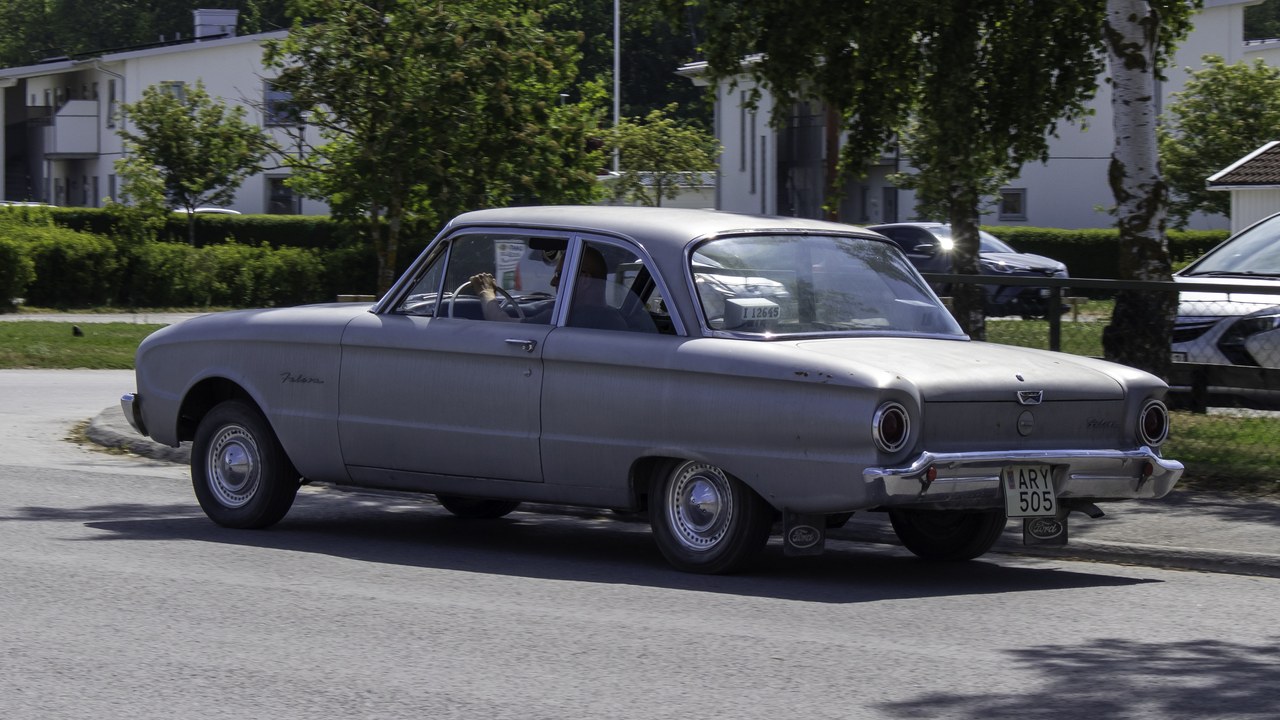
Ford sold more than 450,000 Falcons in 1960, according to one account, making the plain, low-priced compact the car that beat the Corvair in the showroom. Another source counts 435,676 for the six-cylinder model alone, so the totals reflect different scopes.
The Falcon’s appeal was simplicity and a small sticker price rather than novelty. For a collector, that means a straightforward, conventional car with a big enough production run that finding a driver-quality example is realistic, which makes it an easy entry point to the compact era.
3. Plymouth Valiant: Slant Six Debut
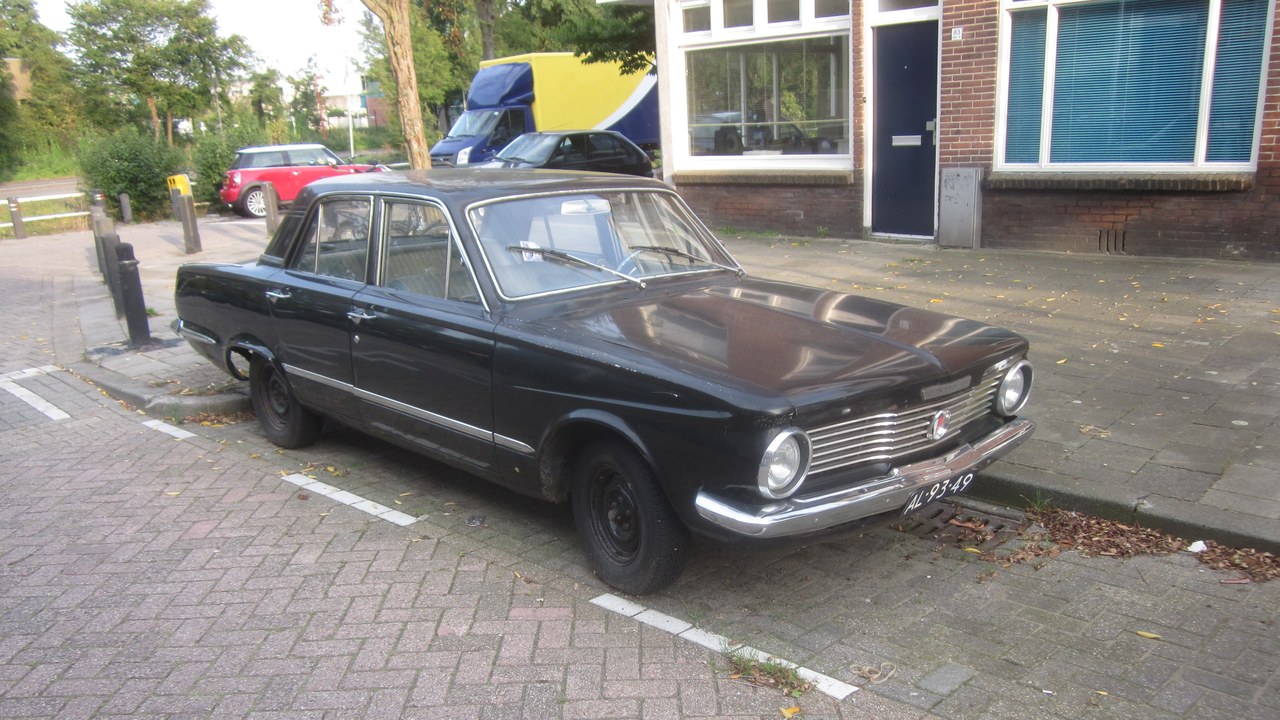
Chrysler’s compact arrived with what one source calls the legendary Slant Six engine and recorded over 146,000 sales in its debut year. The Valiant gave the corporation a credible entry in the new small-car class rather than a stopgap.
The tilted six-cylinder became a durable part of Chrysler lore, and owners still praise its toughness. Buyers of an old Valiant should look for a well kept drivetrain first, since body parts are easier to source than they once were. Rust and worn suspension parts are sensible things to check before buying.
4. Studebaker Lark: Lark Before the Fall
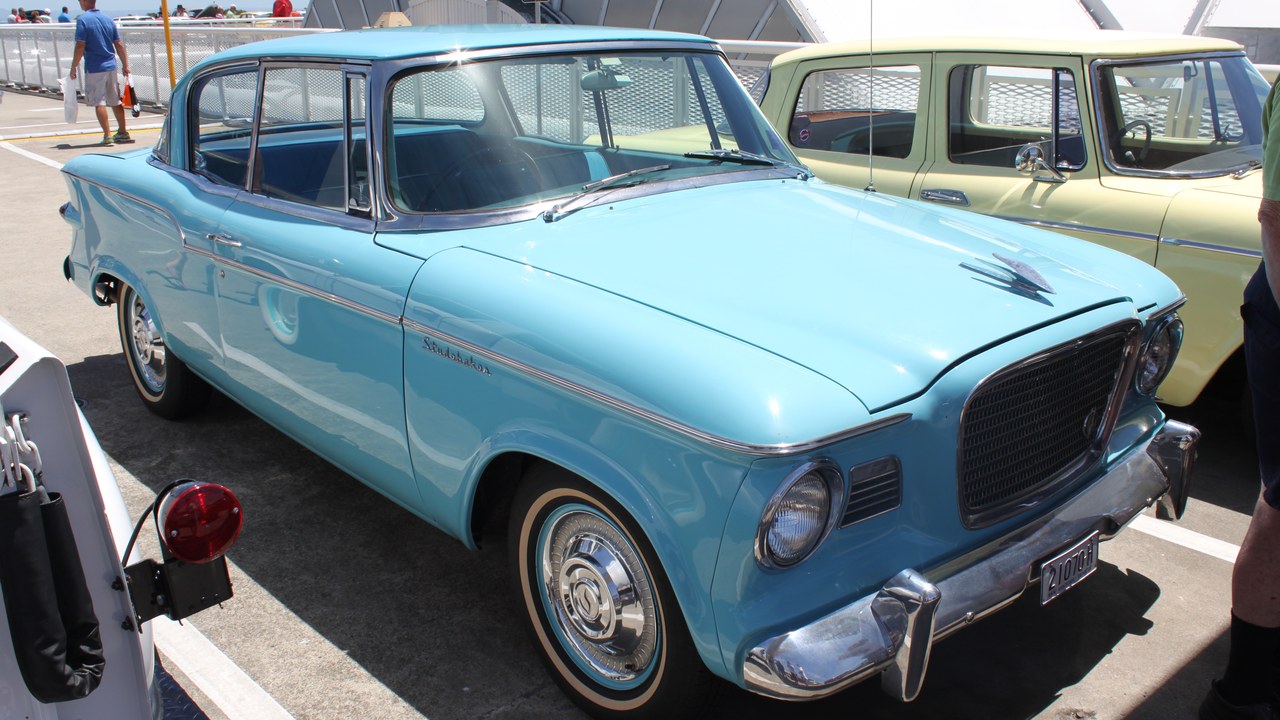
Studebaker’s Lark sold 131,000 in its first year, 1959, but new competition in 1960 drove a decline that, several years later, led to the demise of the company. The compact bought the independent maker some breathing room rather than a lasting rescue for the struggling firm.
The Lark is a reminder that being early to a segment does not guarantee survival once the larger automakers join in. Collectors tend to prize it as the last real shot from a company with a long history.
5. Rambler American: Romney’s Little Car
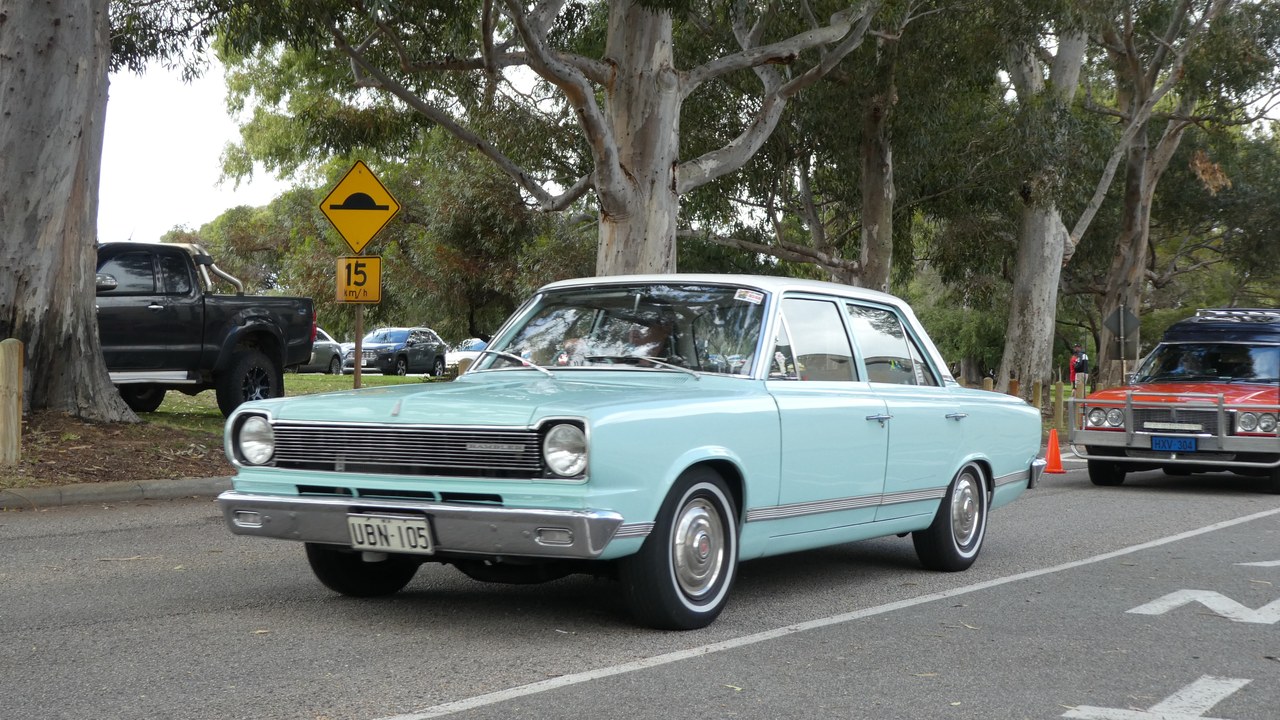
American Motors boss George Romney championed the small Rambler American and is credited with coining the term compact car, dismissing big cars as gas-guzzling dinosaurs. His blunt pitch cast the little Rambler as the sensible alternative to Detroit’s oversized offerings.
For readers curious about the origin of the compact label, this is the car that carried it. Its plain styling and thrifty reputation made it an honest, practical choice then, and it remains an approachable classic for newcomers to the hobby.
6. Mercury Comet: Upscale Falcon Cousin
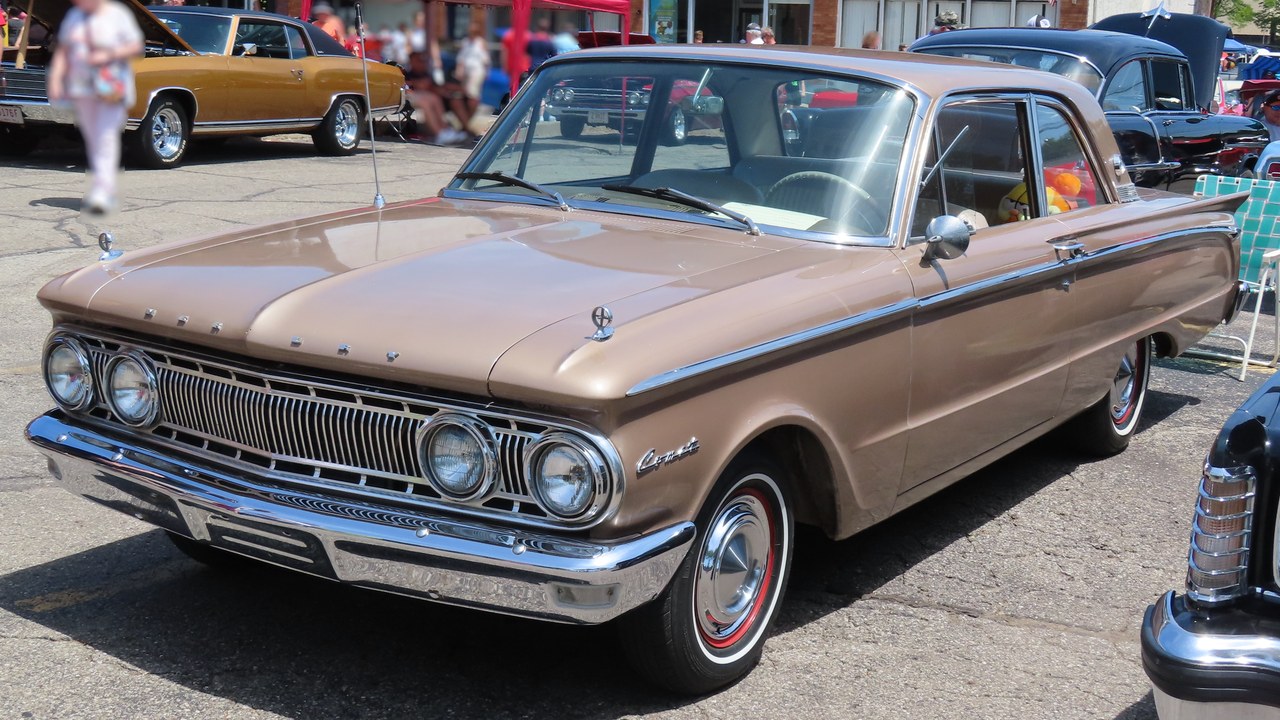
Mercury’s Comet arrived mid-year in 1960 as a longer, more upscale version of the Falcon. It gave Mercury dealers a compact of their own without requiring a ground-up design, and the model was introduced partway through the model year rather than at the usual fall launch.
Shared underpinnings with the Falcon mean mechanical parts overlap, which helps anyone restoring one. The extra length and trim were the main selling points, so condition of the brightwork and interior matters when comparing examples, because the Comet was sold on appearance as much as economy.
7. Pontiac Tempest: Bigger Than the Rest
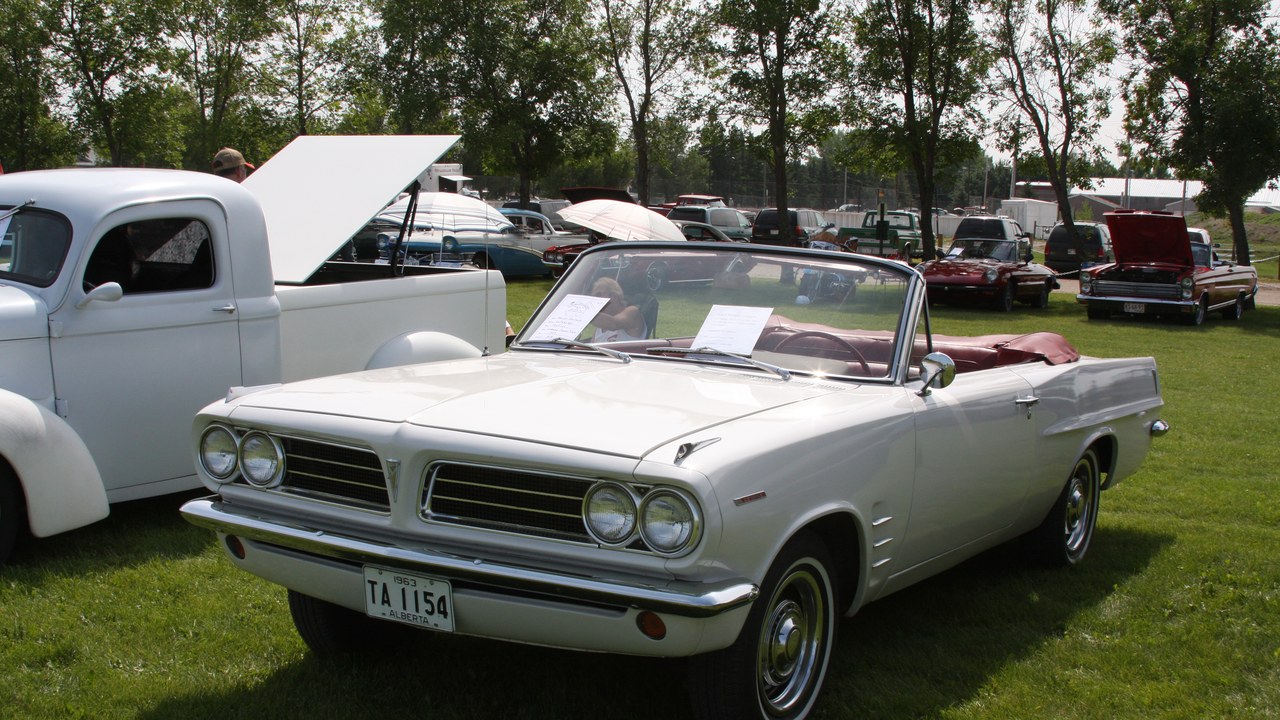
Pontiac built a Tempest that was, as a 1960 account put it, a little larger than the 1960 compacts. The 1961 car also carried an unusual transaxle idea that later fed into the story of the GTO.
Its place in muscle-car history gives the Tempest more interest than its sales alone would suggest. Buyers should know that the slightly larger size made it feel like a step up from the earliest Detroit compacts, and that is worth remembering when judging its place in the lineup.
8. Chevy II: Chevy’s Second Compact
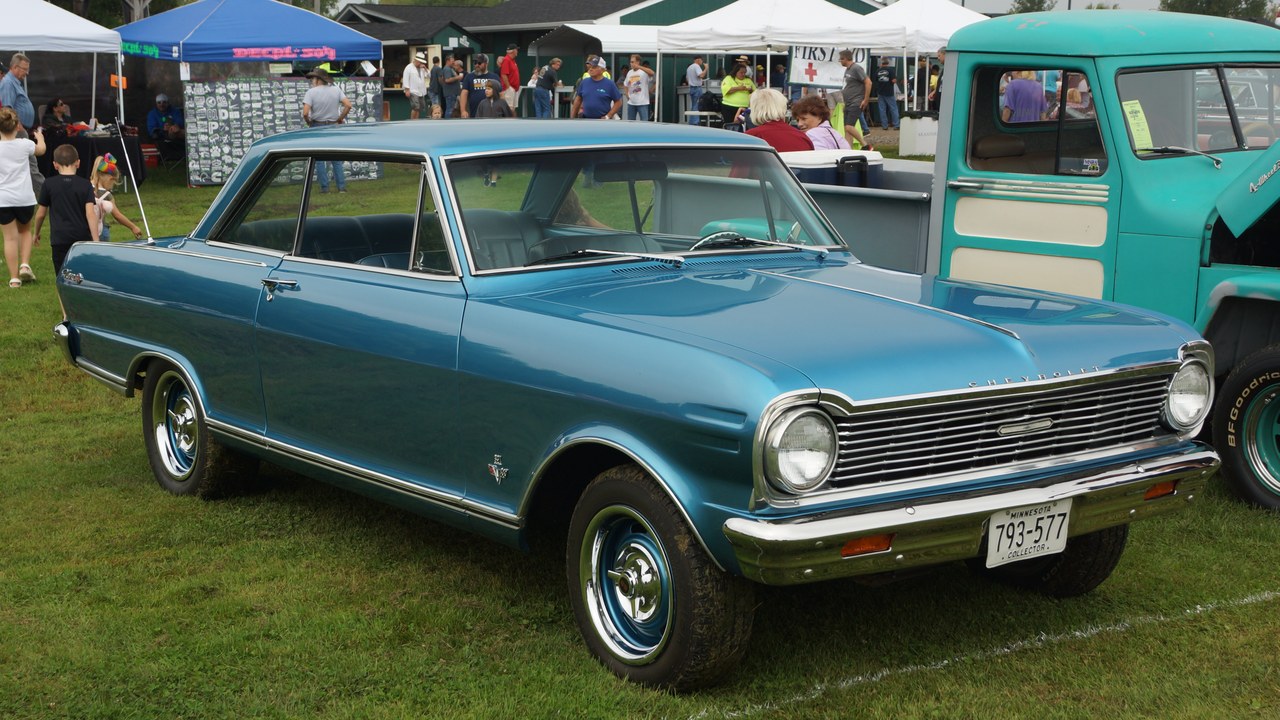
By 1967 the Chevy II was feeling the squeeze, with unit volume down 19 percent to 106,500. A Motor Trend recap of the compact class showed Chevrolet’s conventional answer to the Falcon losing ground as buyers moved elsewhere.
The figure fits a wider story in which the whole segment was shrinking by the late sixties. For collectors, the car is a simple, sturdy platform, and its later Nova name carried it into a very different market. Sales swings like this explain why the model was reworked repeatedly.
9. Dodge Dart: Against the Slump
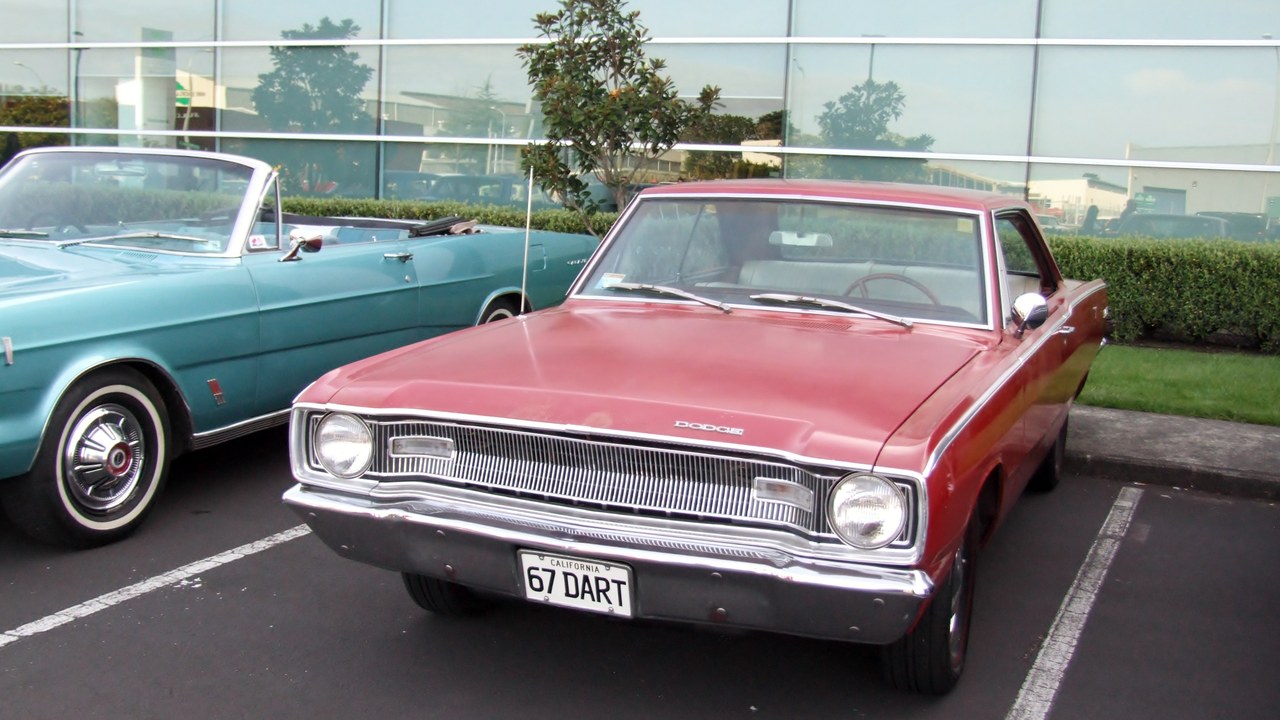
While much of the class faded, the 1967 Dart bucked the trend, with sales that climbed 38 percent versus 1966 to 154,500. A Motor Trend recap of the segment singled out the Dodge as a rare gainer in a weakening field.
That result shows the compact formula still worked when buyers found the right balance of price and space. A Dart from this period remains one of the more practical old Mopars to own and maintain, with a loyal following that keeps parts and advice circulating.
10. Plymouth Barracuda: Fastback With a Question Mark
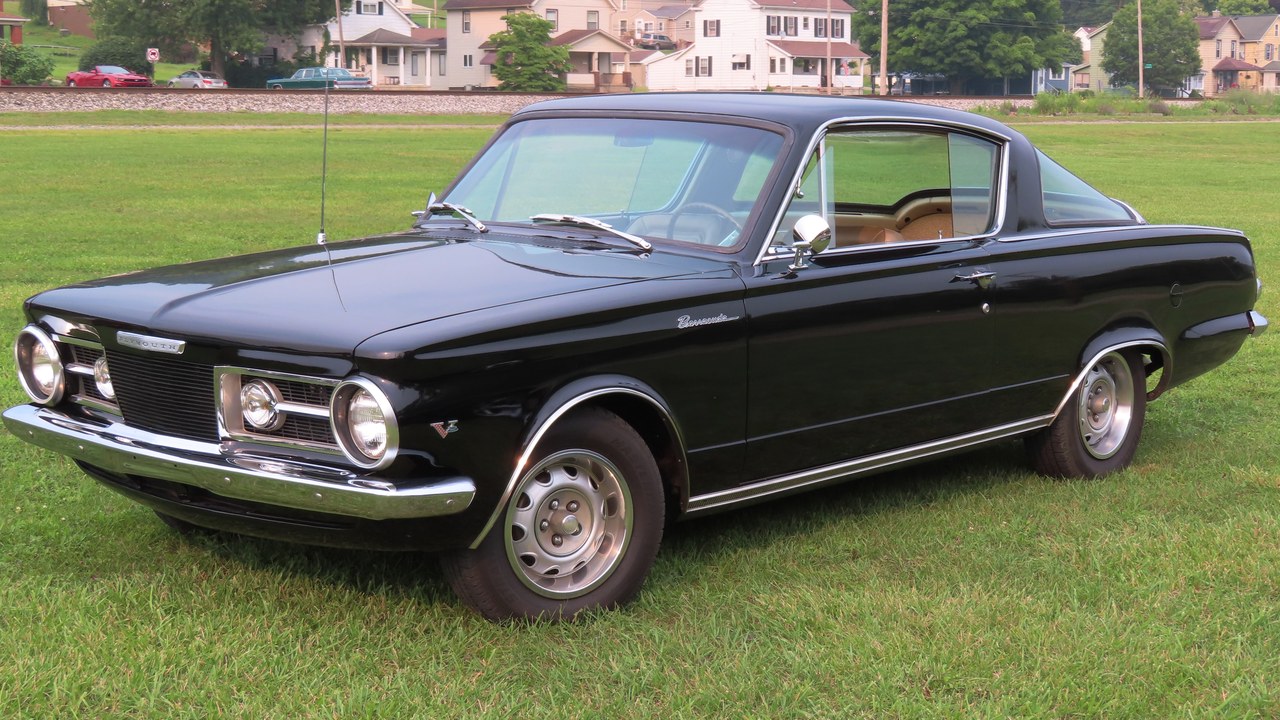
Plymouth’s Barracuda was a Valiant-derived fastback that, in one reader’s memory, laid an egg with some buyers at a time when the long-hood look was in. The comment is opinion rather than a sales finding, so it should be read as colour.
Even so, the car reflects Detroit stretching a compact platform into something sportier. Anyone considering one should treat that early reception as a footnote, since the name later became far better known, and the fastback roofline is what most admirers notice first today.
More from Morning Overview
- California’s Long Valley supervolcano is quietly sinking, its biggest drop on record
- A 2,000-year-old nomad tomb in Mongolia held a glass cup that may have traveled from Rome
- A dangerous unpatched Windows exploit is now public and can hand attackers full control
- Microsoft says its November Windows security updates are breaking printing for some users
