
American police work has been tied to a handful of cars that departments bought in huge numbers and television made famous. Some were early factory packages, others were fast pursuit specials or screen stars, and each earned a place in the memory of drivers and fans alike. Here are ten classic American police cars that became legends.
Read next on Morning Overview: Older Teslas mostly keep their batteries, and here’s what wears out instead
1. Ford Crown Victoria Police Interceptor: The Fleet Workhorse
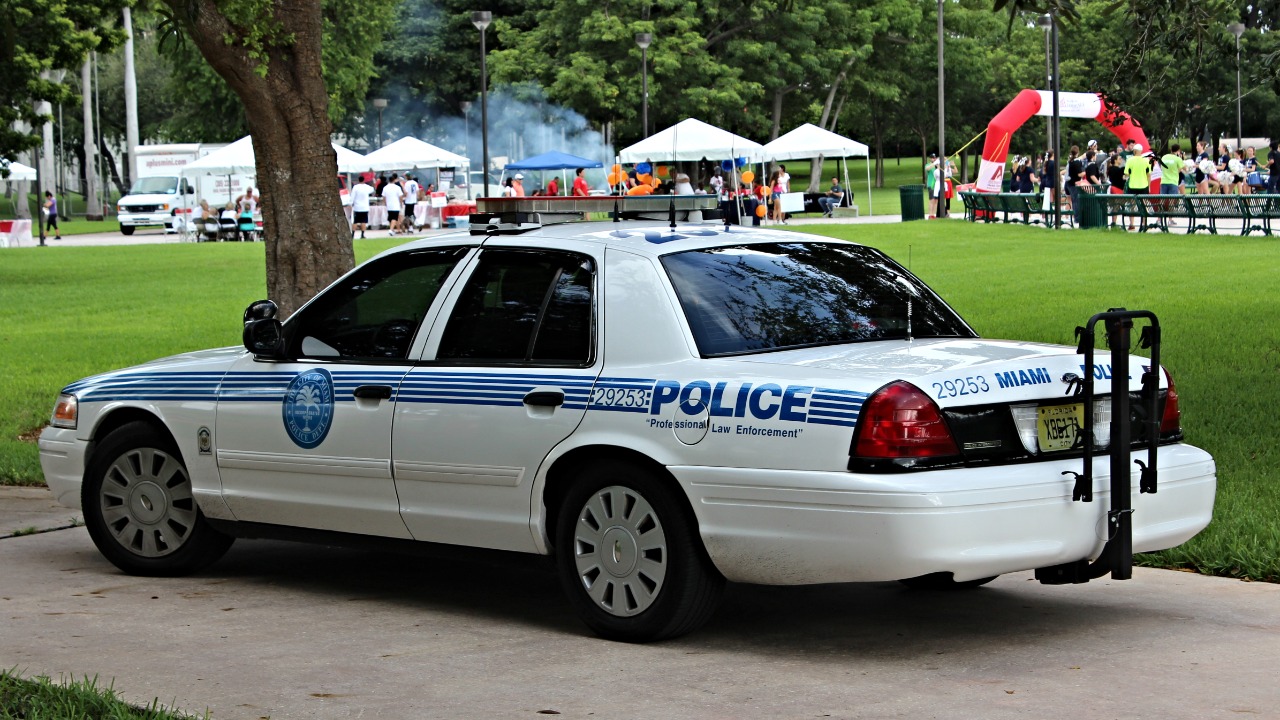
Police departments used the P71 version of the Crown Victoria into the 2012 model year, and HotCars puts production at over 600,000 cars across 20 model years. A governor restricted the car to 119 mph, though the same source says it could reach 140 mph without that limiter.
For fleet buyers and later used-car shoppers, that long production run explains why the sedan became the default image of American patrol work. Top speed mattered less than durability and parts supply, and the car’s body-on-frame design suited constant hard use. Many used examples later passed into private hands, which keeps the model familiar to ordinary drivers.
2. Ford Mustang SSP: California Pony
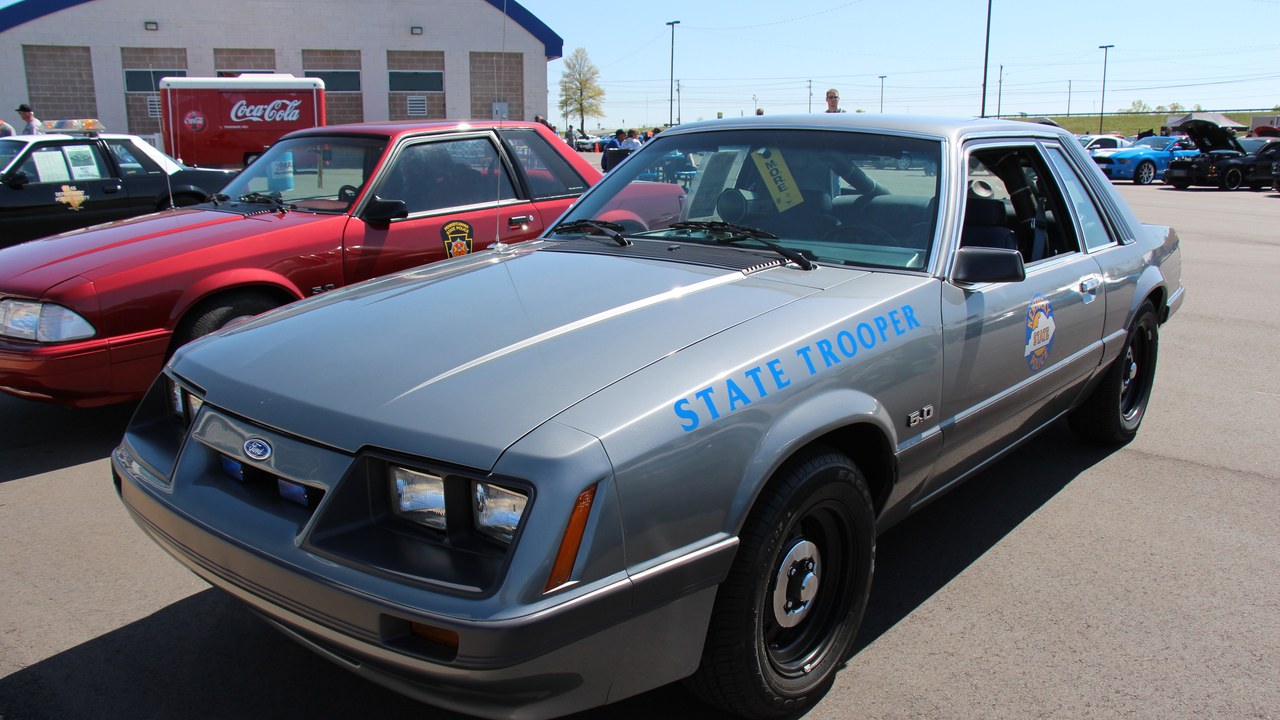
The California Highway Patrol chose an unusual pony car, and HotCars reports approximately 400 lightweight Mustang coupes were ordered starting in 1982. Each paired a 5.0-liter V8 with a four-speed manual transmission, a combination that favored light weight and quick response over passenger room.
Such coupes were built for pursuit, not for carrying prisoners, which is why they remain a curiosity among patrol cars. Collectors tend to prize them for that narrow, purpose-built mission. The low weight and manual gearbox set it apart from the heavier sedans that filled most department motor pools, so the Mustang stands as a deliberate experiment in speed.
3. Chevrolet Caprice 9C1: Rival With a Small Block
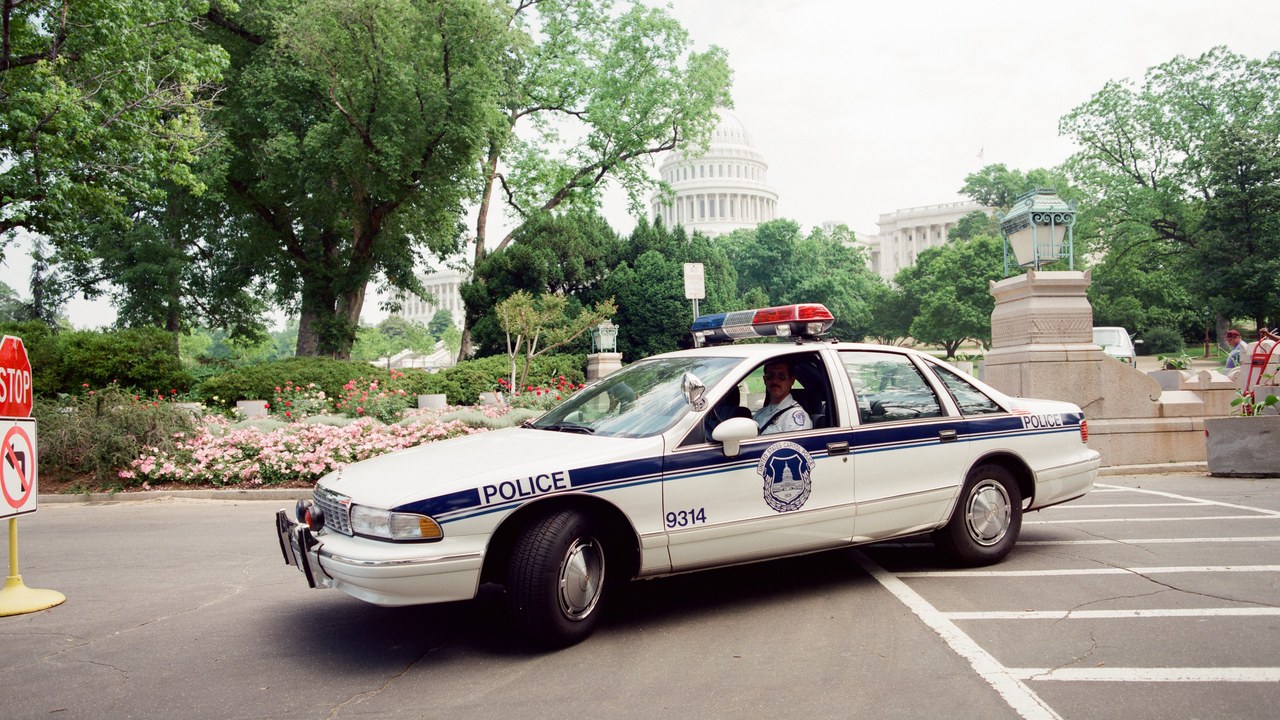
Ford’s main rival in the 1990s was the Chevrolet Caprice 9C1, and the LT1 V8 produced 260 horsepower in that generation. The big rear-drive sedan competed directly with the Crown Victoria for department contracts throughout the decade.
Anyone comparing the two should note that the figure applies to the 1990s car specifically, not to earlier Caprice police packages. The Chevrolet’s reputation among officers rests partly on that strong V8. Large rear-drive sedans of this type gave officers room for equipment, and the rivalry with Ford kept both makers improving their police offerings through the decade.
4. Dodge Monaco: Bluesmobile Origins
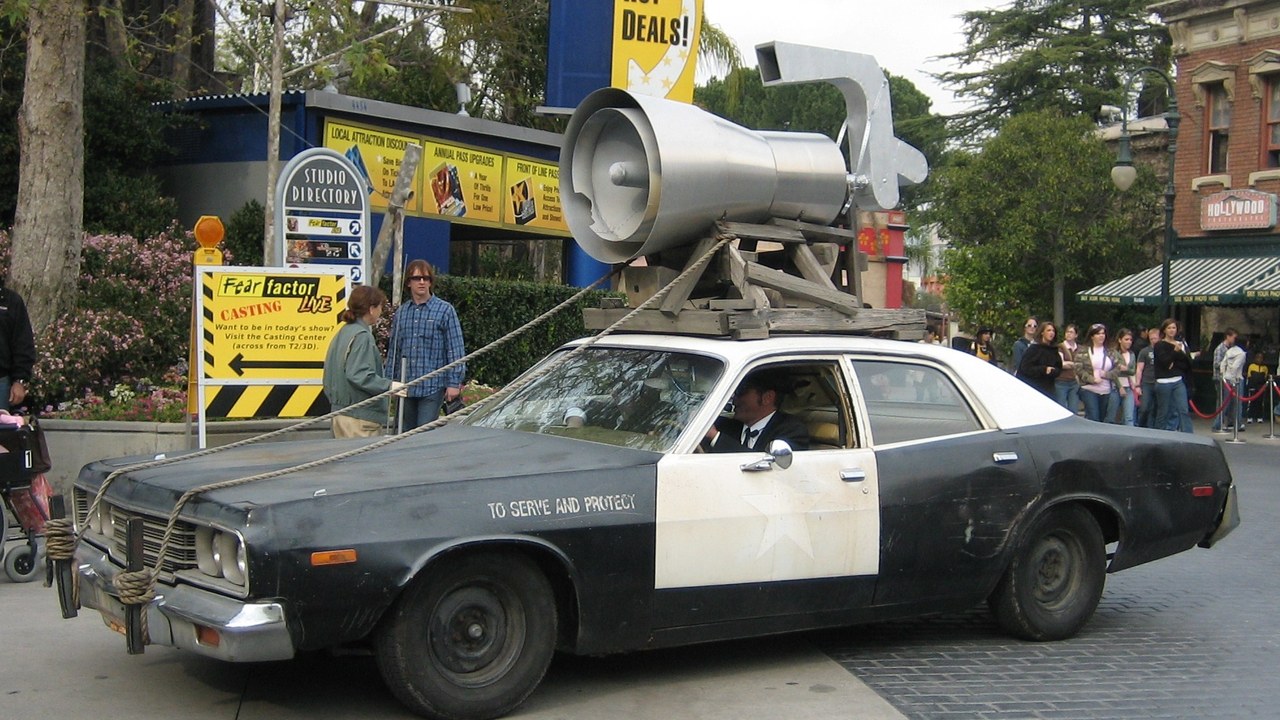
The 1974-78 Dodge Monaco gained its fame as the Bluesmobile in The Blues Brothers, and SlashGear notes that 104 cars were destroyed while filming the mall scene. Of those, 13 were Bluesmobiles, a loss that shows how many used cop cars the production consumed.
Surviving Monacos from that era carry extra appeal because so many were wrecked on camera. Buyers should verify the model years, since the movie car is tied to the 1974-78 body. The scene remains one of the best-known examples of vehicle destruction in American film, and it ties a humble police sedan to pop culture permanently.
5. Dodge Diplomat: Mopar Bestseller
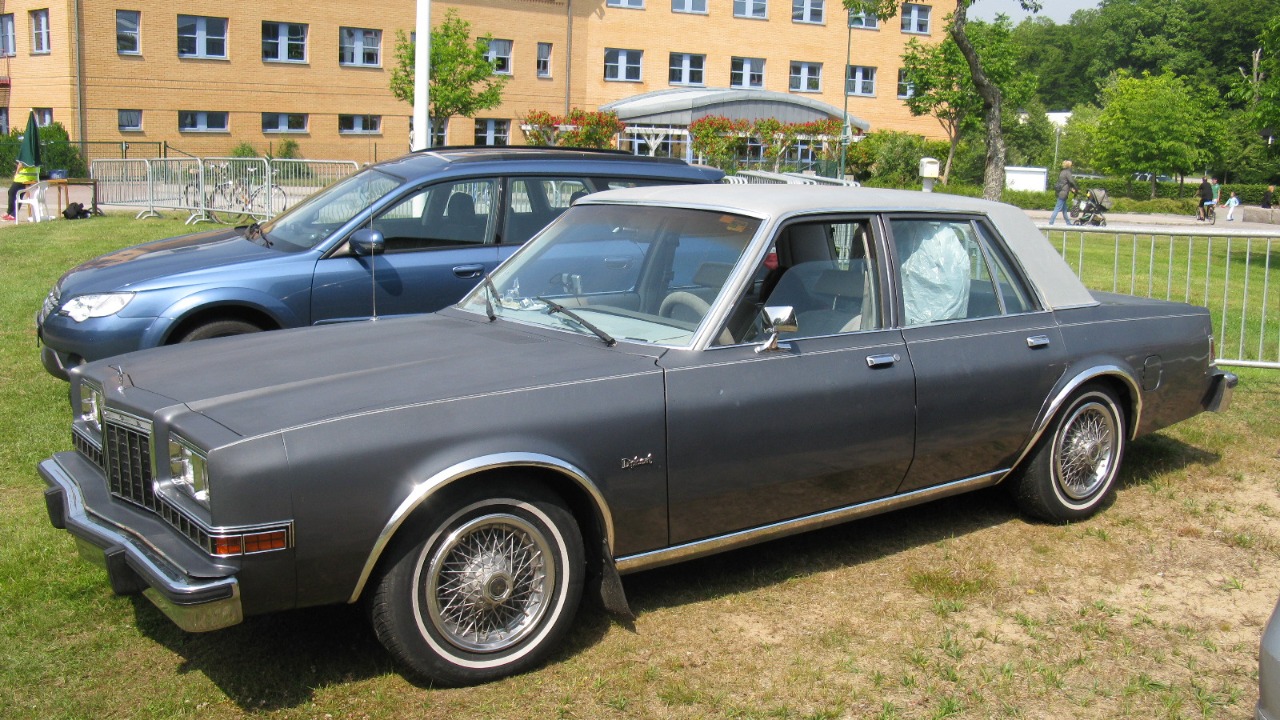
Among Chrysler’s M-body police cars sold in the 1980s, the Diplomat was the best-selling model by far, according to SlashGear. The mid-size Dodge sedan served alongside close relatives from the same corporate family.
Its sales lead makes it the common sight in photos of 1980s patrol fleets, even if the name is less famous than rivals. The row gives no unit totals, so the margin is only described as large. Dodge also sold the car to many civilian buyers, but the police version is the one that earned a lasting reputation, especially among those who recall the era’s boxy, upright patrol cars.
6. Dodge Coronet: Pursuit Begins
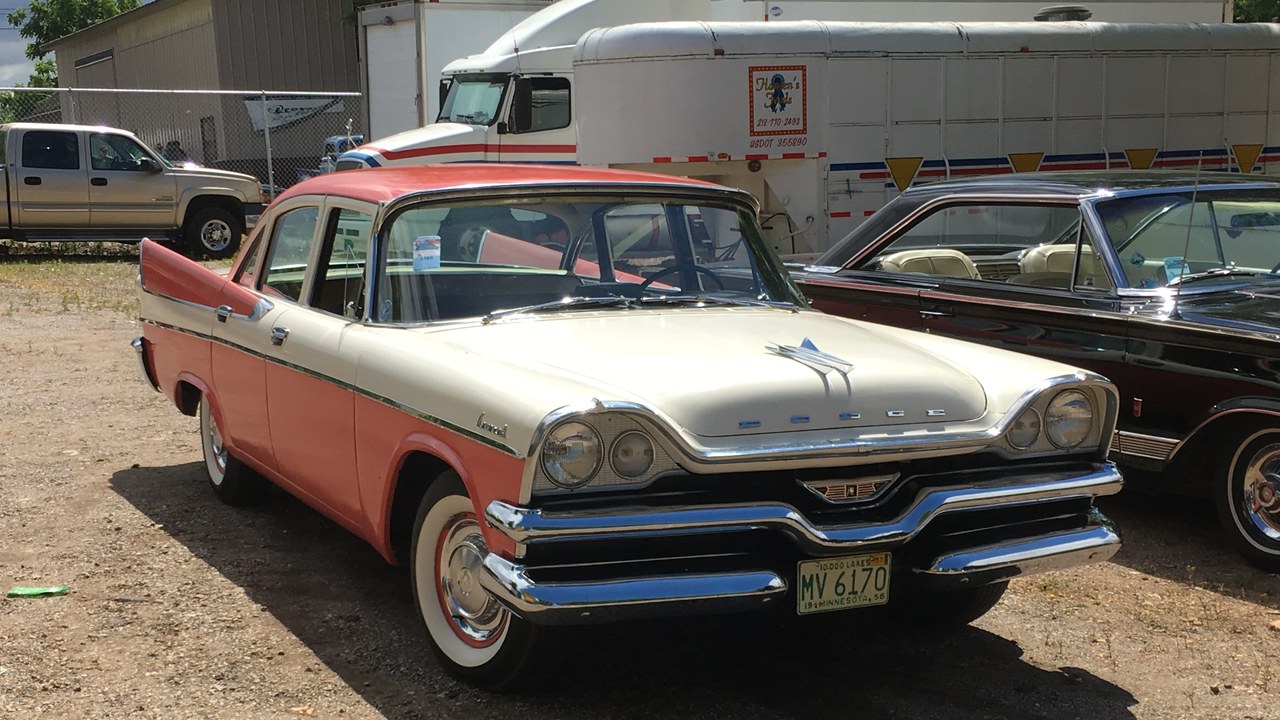
Chrysler launched its first factory police package with the 1956-59 Coronet, and SlashGear credits the Pursuit moniker to that car. The name carried on for decades afterward as Mopar’s label for police-ready equipment.
That makes the Coronet the starting point of a long lineage, more significant for what it began than for any single feature. Later Dodge and Plymouth patrol cars built on the same naming idea. Departments of the 1950s were beginning to demand cars built for hard driving rather than modified family sedans, and Chrysler’s package answered that demand directly with a recognizable brand.
7. Chevrolet Bel Air: Chevy’s First Package
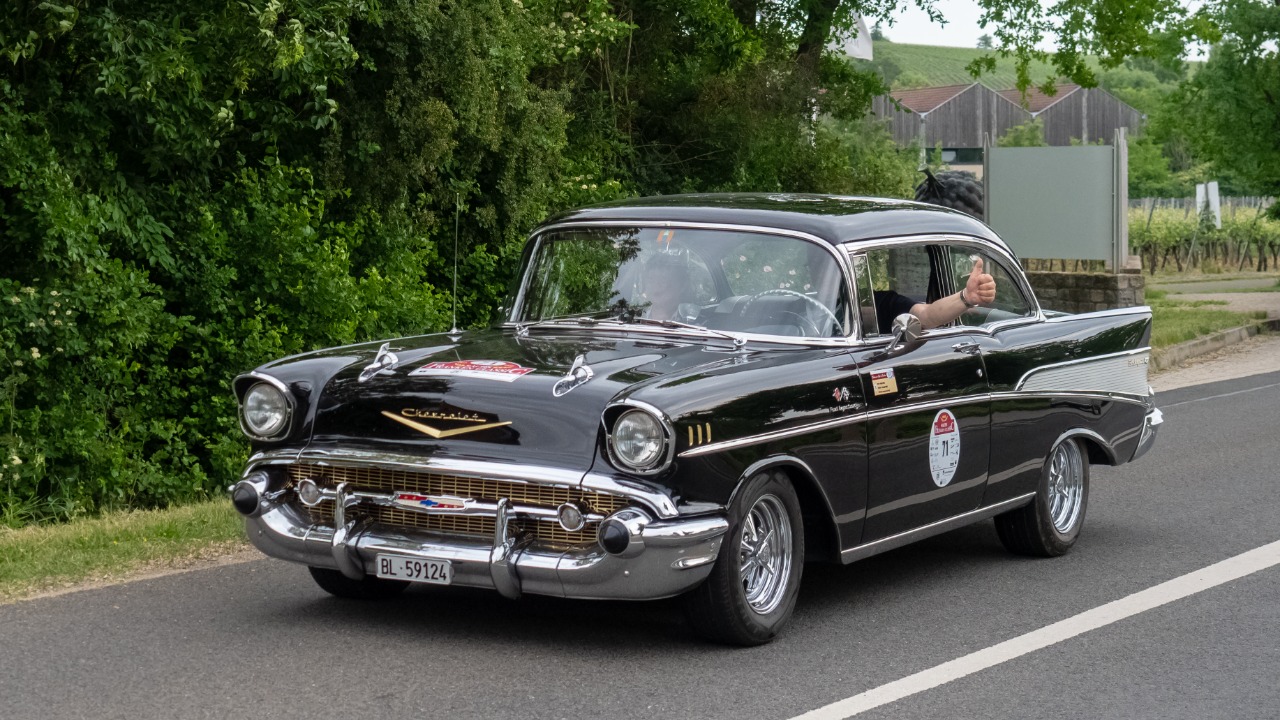
Chevrolet introduced its first police package in 1955, and Hagerty highlights the Plus-Power Package on the Bel Air. A four-barrel carburetor lifted output to 180 horsepower, a notable jump for departments that wanted a faster car without leaving the showroom.
The tri-five Bel Air is already a collector favorite, so a documented police version adds a layer of history. The source itself is a general roundup and gives no production counts. Even so, the car’s place in early police motoring is easy to see, since it represents the moment a mainstream maker began selling patrol hardware directly to departments.
8. Plymouth Fury: Screen Star Sedan
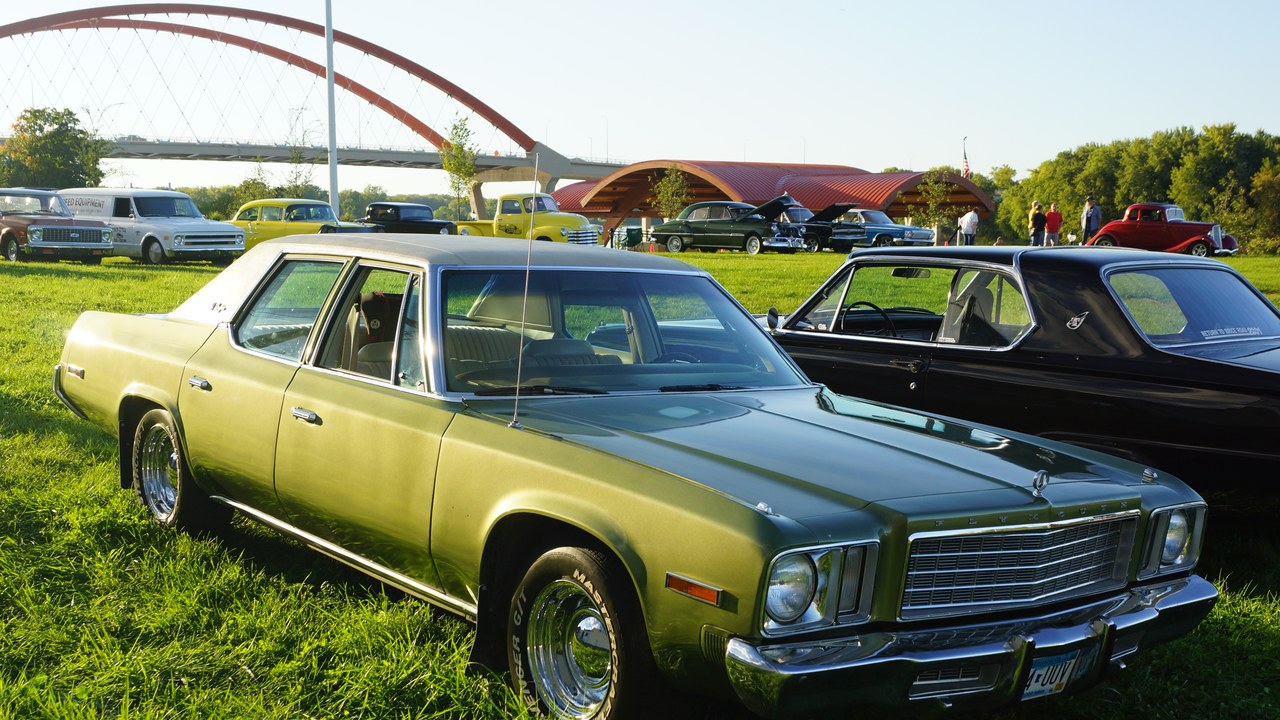
Plymouth’s Fury shared screen time with the Dodge Polara and Monaco, and Hagerty lists these cars among those seen in shows such as The Dukes of Hazzard. Plymouth also offered three police packages in 1957, which shows how seriously the brand courted law enforcement buyers.
Television exposure helped cement the big Mopar sedans as the look of cinematic law enforcement. Readers chasing a specific Fury should confirm the year, because the packages varied. The three offerings in 1957 suggest the company expected departments to choose among different engine and equipment levels depending on the work.
9. Ford Model A: Prohibition-Era Patrol
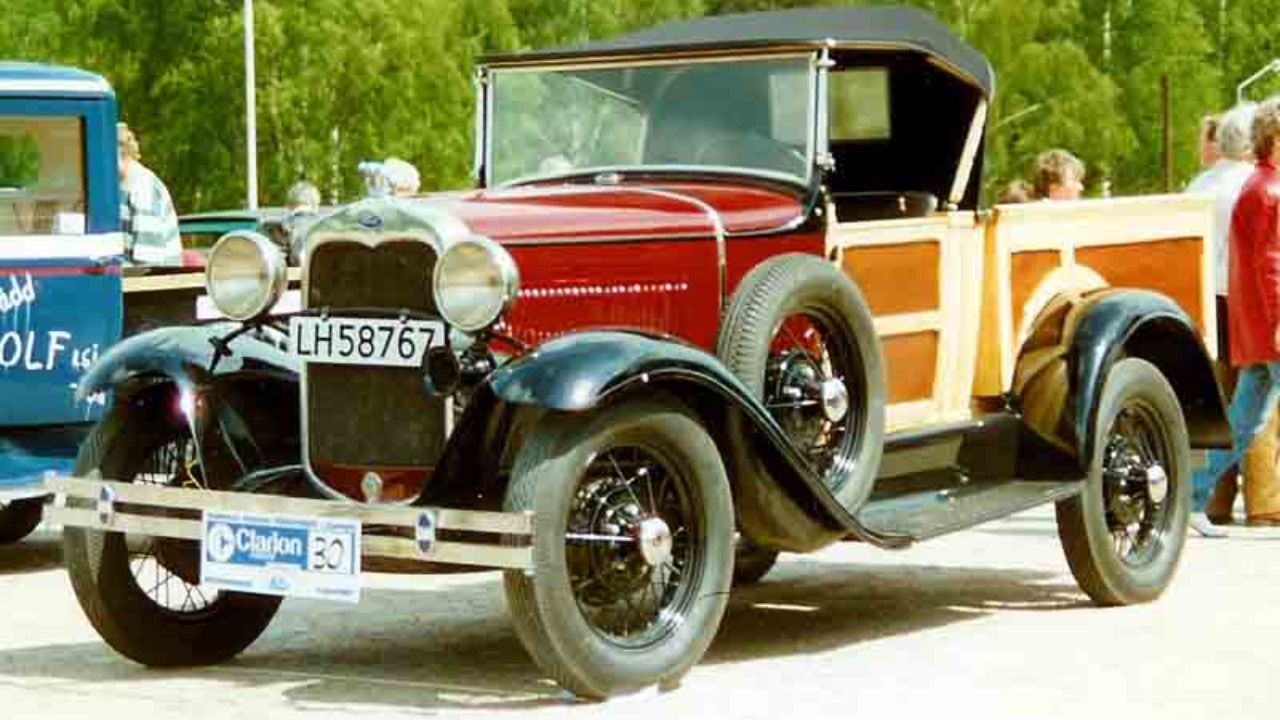
Long before V8 sedans, the four-cylinder Ford Model A was typical of 1920s police fleets, according to Hagerty. The car was simple, inexpensive and widely available, traits that suited departments of that era with small budgets.
It has little in common with later pursuit cars in speed or equipment, yet it marks the beginning of motorized patrol. The source offers no figures, so its place on the list rests on that role. Surviving examples are usually restored as period pieces for parades and museum displays, where they show how far patrol cars traveled from these humble beginnings.
10. AMC Matador: Quick and Televised
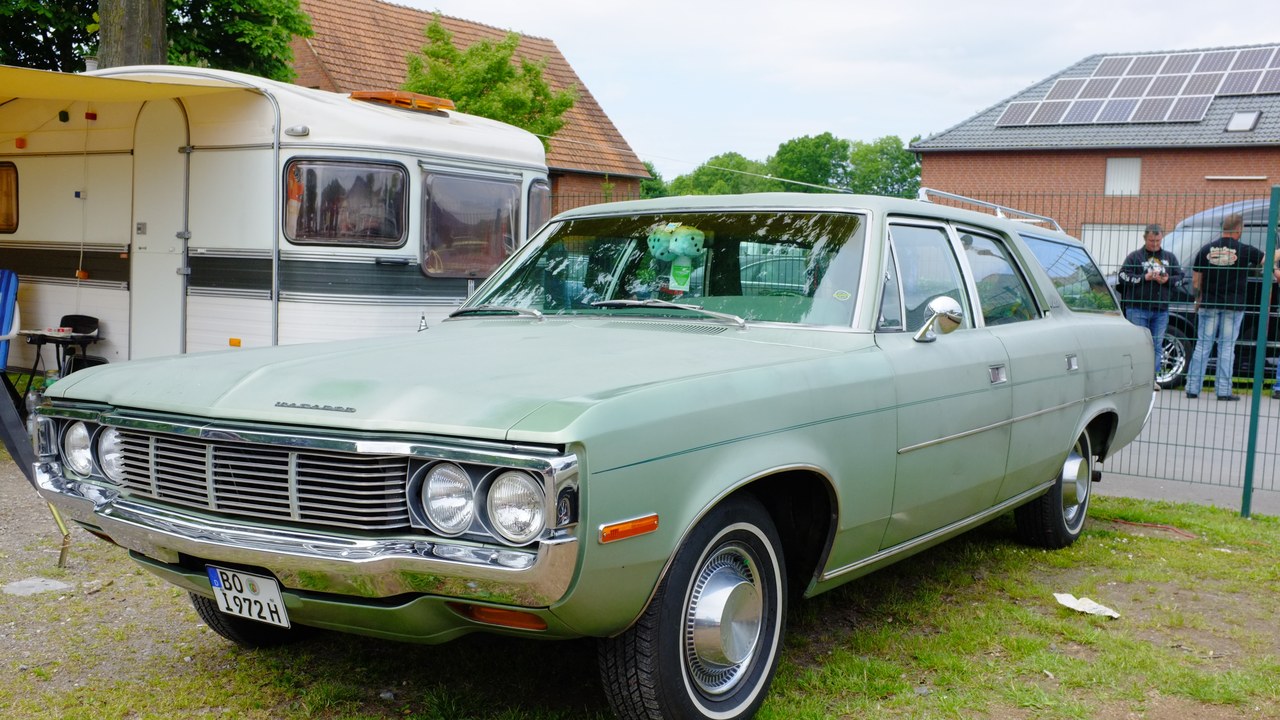
Hagerty describes the 1972 AMC Matador as quick, and the car was featured in the Adam-12 television series. That exposure gave the unlikely American Motors sedan a place in police lore alongside the Detroit giants.
Its presence shows that independent makers could compete for patrol work when performance was right. Details beyond the model year and the show appearance are not documented in the source. Fans of the show often point to the car as a reminder that patrol fleets once included a wider variety of makes than the near-uniform fleets seen in recent decades.
More from Morning Overview
- A 2,000-year-old nomad tomb in Mongolia held a glass cup that may have traveled from Rome
- A dangerous unpatched Windows exploit is now public and can hand attackers full control
- Microsoft says its November Windows security updates are breaking printing for some users
- Thousands of bottles of a combination blood pressure pill are recalled nationwide
