
Tesla says it will build its driverless Cybercab in Germany at a scale far beyond anything on the road today. The plan collides with European rules that currently allow almost none of them to be registered. Here is what Tesla announced, why the numbers do not line up, and what the car’s early record looks like in the United States.
Read next on Morning Overview: Neanderthals in Spain carved a wooden object that matches nothing archaeologists have ever found
Giga Berlin expansion hall: A New Hall at Giga Berlin
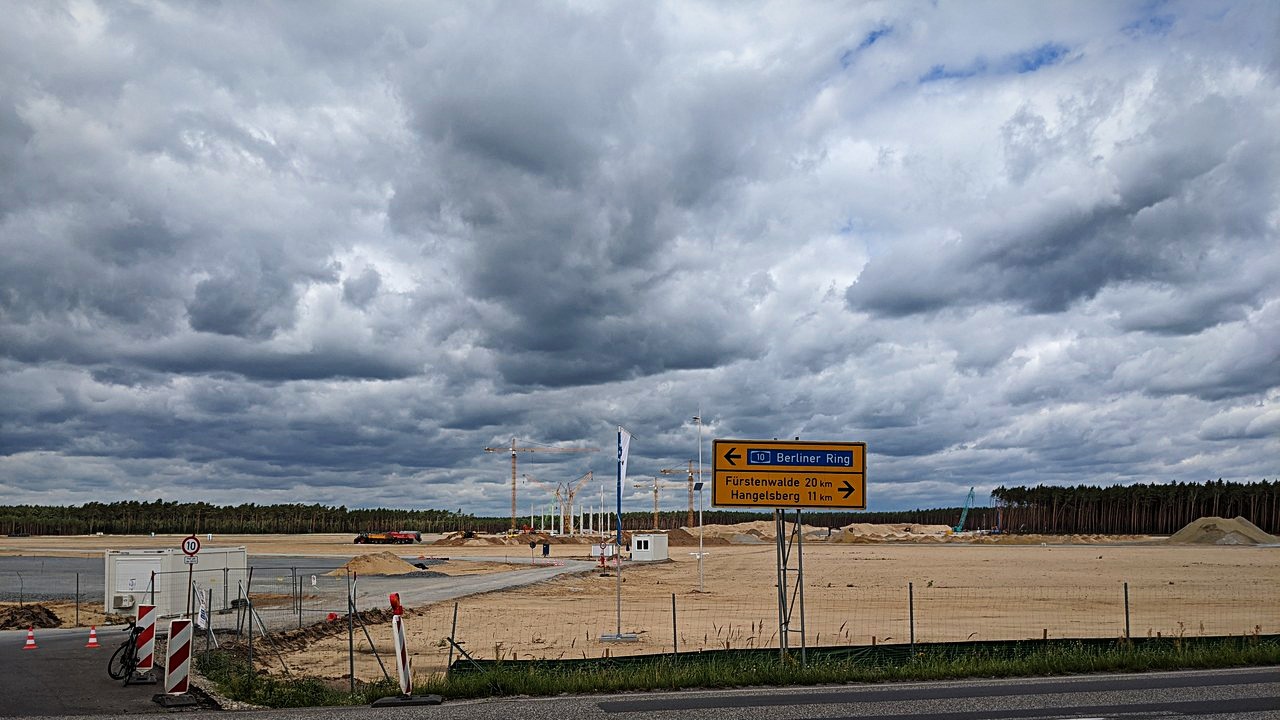
Tesla confirmed a first investment of about 3 billion euros in a new production building at its Giga Berlin plant, designed for up to 1 million Cybercabs a year, according to Electrek’s report. Production is planned for 2029. The money pays for a new hall north of the existing factory, ancillary buildings and a second wastewater treatment plant.
Tesla plans to file the building application before the end of the year and break ground in the first half of 2027. The company calls it the most technologically advanced Tesla factory in the world. The expansion itself is not new; Tesla’s 2023 permit filings already described taking Giga Berlin to 1 million vehicles a year. What is new is the product: until now Tesla had only said the second hall would not build more Model Ys.
1,500-car EU cap: Capped at 1,500 a Year
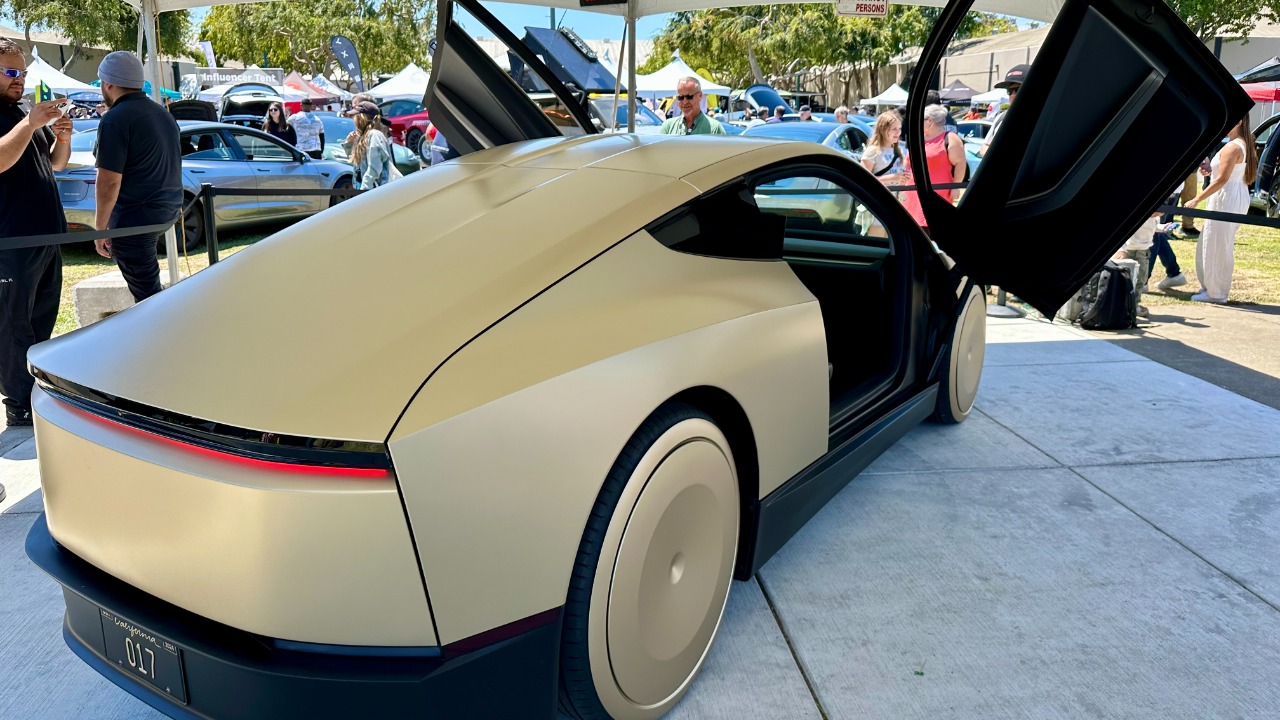
The plan runs straight into European regulation. Under current EU rules, a fully driverless vehicle model is limited to 1,500 registrations a year across the entire bloc, according to Electrek, because driverless cars can only use a small-series approval track.
In March, the European Commission lifted that cap for automated valet parking, but robotaxis remain stuck in the small-series system. Tesla also has no approval anywhere in Europe for its software to drive without supervision. Regulators in the Netherlands approved a supervised system, now called Tesla Assisted Driving, which still requires an attentive driver. The Cybercab has no steering wheel or pedals, so it would need certification as a fully driverless vehicle with nobody aboard to take over.
$29,990 plus $299 a month: A $30,000 Car With a Required Subscription
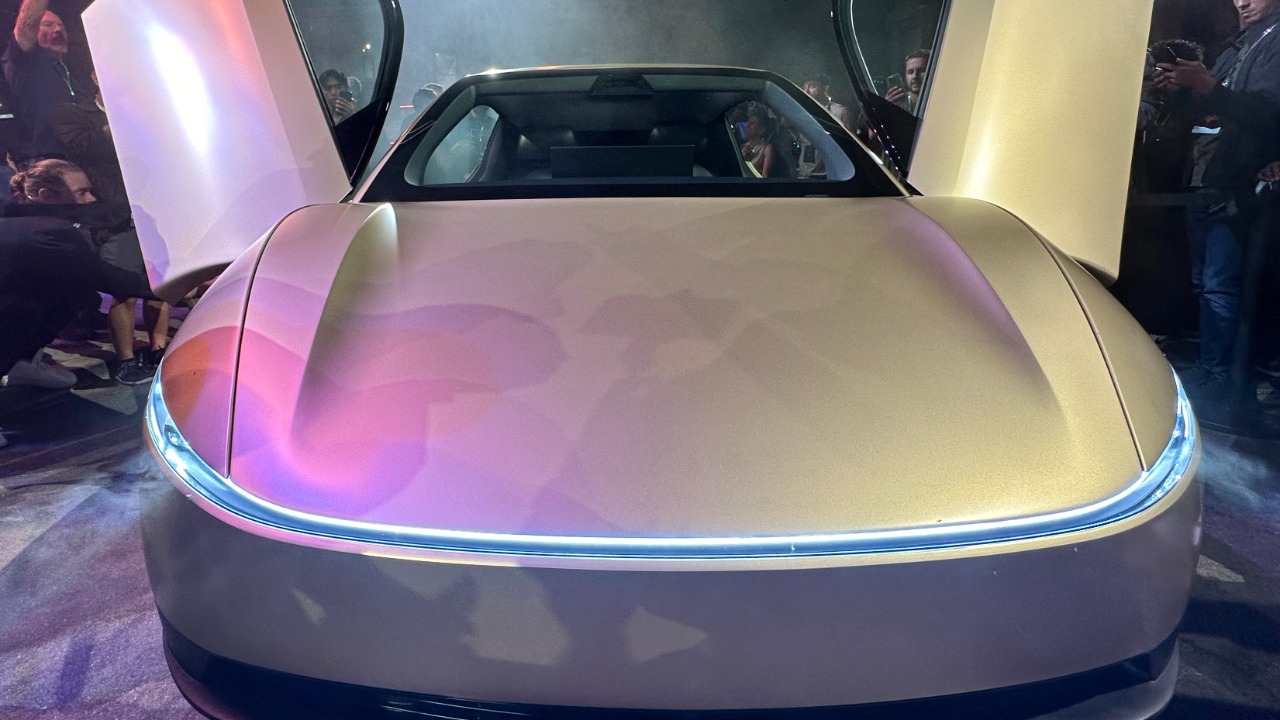
In the US, Tesla has started inviting select customers to buy a Cybercab for personal use at $29,990, according to Electrek’s coverage. The car will not move unless the owner also pays $299 a month for an Autonomy Subscription, which is pre-checked on the order page with one month included.
The order page lists estimated delivery in December 2026 in Austin, Texas, and requires a $1,000 non-refundable deposit. The fine print says the subscription and regular maintenance are required to operate the vehicle. Electrek argues that many buyers excited about owning a self-driving car may decide the limits are not worth an extra $299 every month on top of the purchase price.
Only in robotaxi cities: Only Inside the Robotaxi Zones
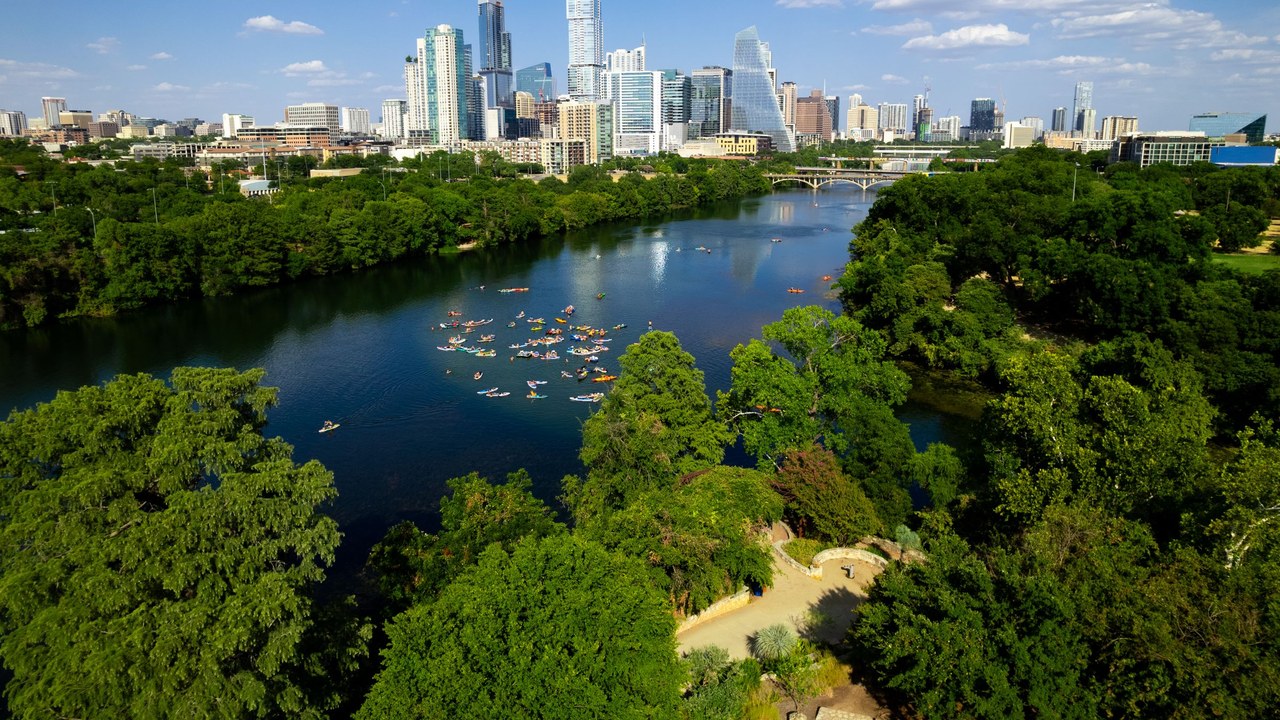
A personal Cybercab can only be used where Tesla’s Robotaxi service already runs: eight cities across Texas and Florida, according to Electrek. Those are Austin, Dallas, Houston, Fort Worth and San Antonio in Texas, and Miami, Orlando and Tampa in Florida.
Even inside those cities, the usable areas are smaller than advertised. An independent tracker who tested thousands of addresses in the Robotaxi app found that the zones where Tesla actually accepts pickups and drop-offs cover only 59% to 78% of the advertised geofences in the six cities he checked. In Austin, where the cars are being delivered, it was about 59%. Electrek put it bluntly: everywhere else, the car is a $30,000 sculpture in the driveway.
Eight crashes already: Eight Crashes Already

The Cybercab already has eight crashes on file with federal regulators, barely two months after the purpose-built robotaxi began giving public rides in Austin, according to Electrek’s analysis of the data. Two of the eight involved injuries, and both of those are in the file for supervised driver-assist systems.
Tesla’s four driverless Cybercab crashes were minor, and some were not Tesla’s fault. But the Level 2 file includes a crash on a Philadelphia highway at 53 mph, where Tesla had been testing Cybercabs fitted with steering wheels and a human behind the wheel. Electrek notes the pattern in Tesla’s data: at low speeds inside a tight geofence, crashes are scrapes with curbs and potholes, while at highway speeds they can turn deadly.
More from Morning Overview
- Winter weather advisories cover I-80, I-70 and the Bighorns with up to 15 inches of snow
- Arizona’s governor declared a statewide emergency after Flagstaff logged its wettest Nov. 1 on record
- Zero Motorcycles unveiled an electric motorcycle targeted at under $8K and a street-legal dirt bike at EICMA
- New FCC rules on how people can stop robocalls and texts take effect Nov. 25
