
Efficiency is the electric car’s version of fuel economy, and it decides how far each charge goes and how much each mile costs. Official ratings and independent rankings show which EVs squeeze the most distance from every kilowatt-hour. Here are eleven electric cars that stretch every kilowatt-hour.
Read next on Morning Overview: Cadillac cut the price of its cheapest EV, which goes up to 317 miles on a charge
1. Lucid Air: The Most Efficient EV
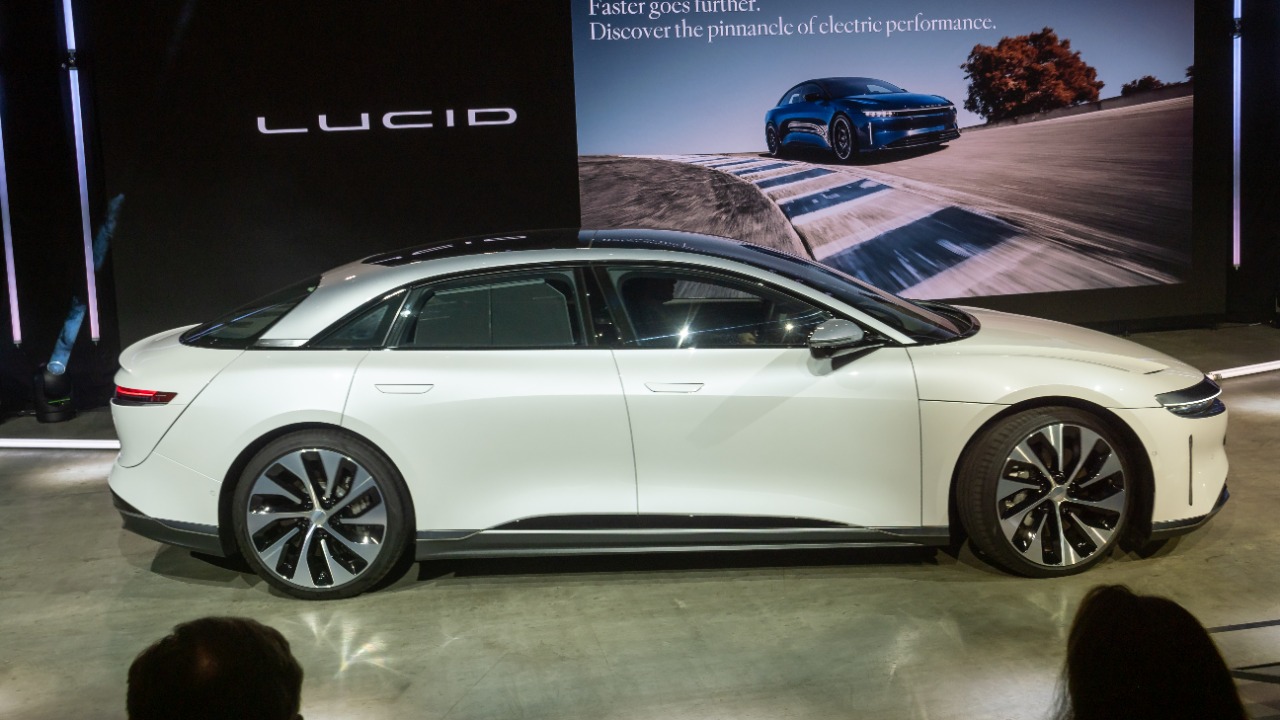
The Lucid Air uses 23 kilowatt-hours per 100 miles, equal to 146.5 MPGe, and tops Recurrent’s list of the most efficient EVs of 2026.
Lucid designed its own compact motors and a slippery body to cut energy use. That efficiency lets the Air travel farther than most EVs with a similar battery size, which also means fewer charging stops on long drives and lower costs per mile. It is built in Arizona.
2. Hyundai Ioniq 6: A Sleek Sedan That Sips Power
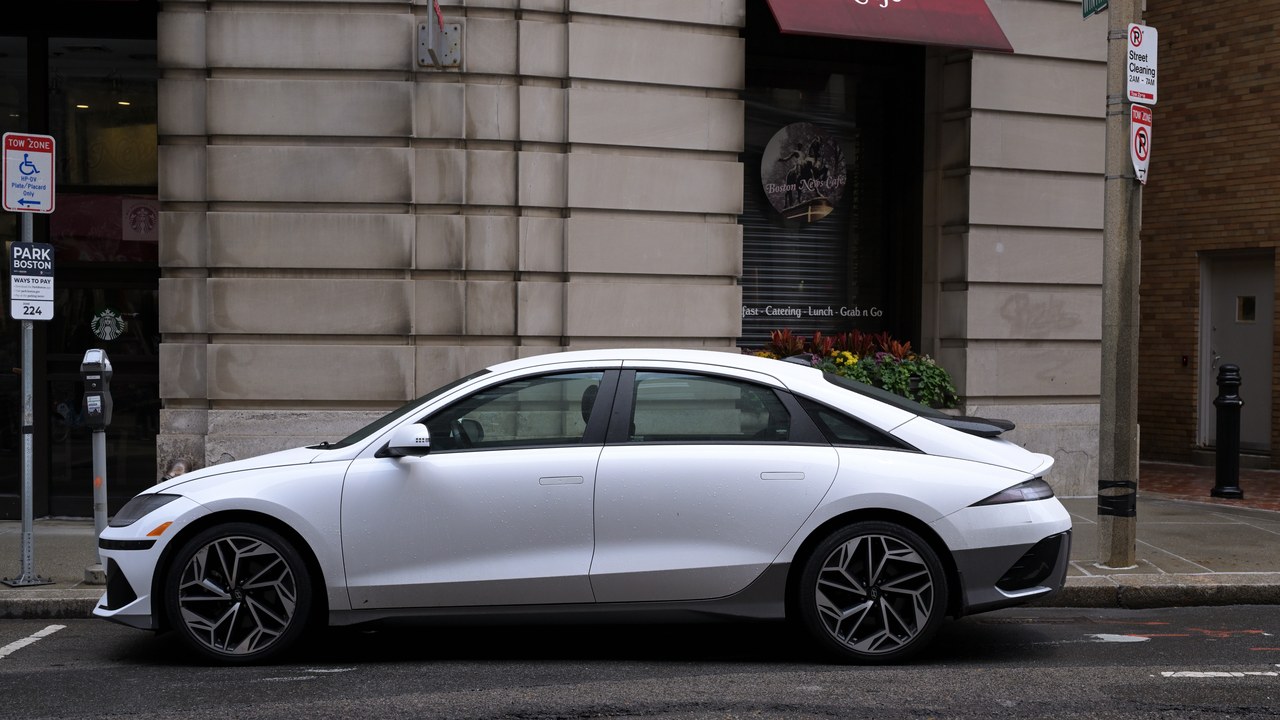
The Hyundai Ioniq 6 needs 25 kilowatt-hours per 100 miles, or 134.8 MPGe, according to Recurrent.
The Ioniq 6’s streamlined shape was designed to cut wind resistance, one of the biggest drains on an EV’s battery at highway speeds. Its efficiency and fast charging make it a strong choice for road trips and daily commutes alike. Its long-range rear-wheel-drive versions are among the most efficient cars of any kind on the road today.
3. Toyota bZ: Toyota’s Renamed EV
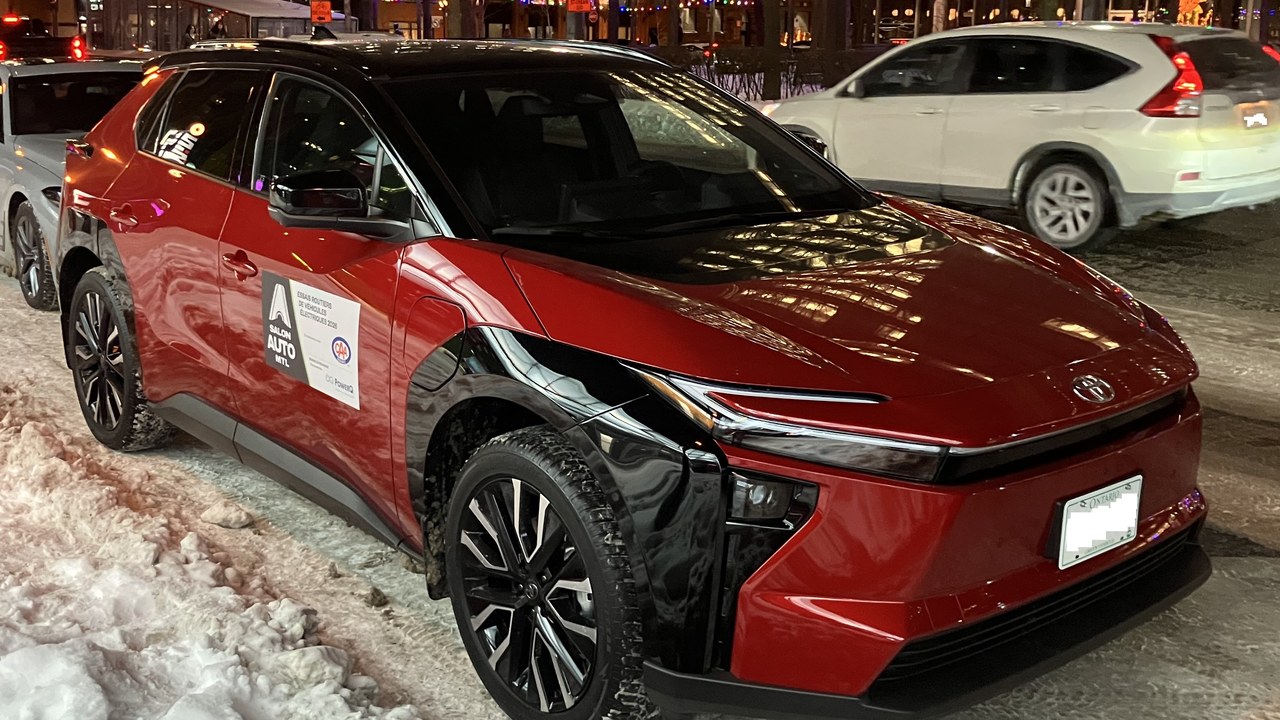
The renamed 2026 Toyota bZ uses 25.5 kilowatt-hours per 100 miles, or 132.2 MPGe, according to Recurrent’s efficiency rankings.
The bZ, formerly called the bZ4X, received a major update for 2026 with more range and improved charging. Its efficiency now ranks near the top of the compact electric SUV class. Toyota also offers it with front-wheel drive, which is the most efficient version, and with all-wheel drive for drivers in snowy climates.
4. Subaru Solterra: Subaru’s Updated Electric SUV
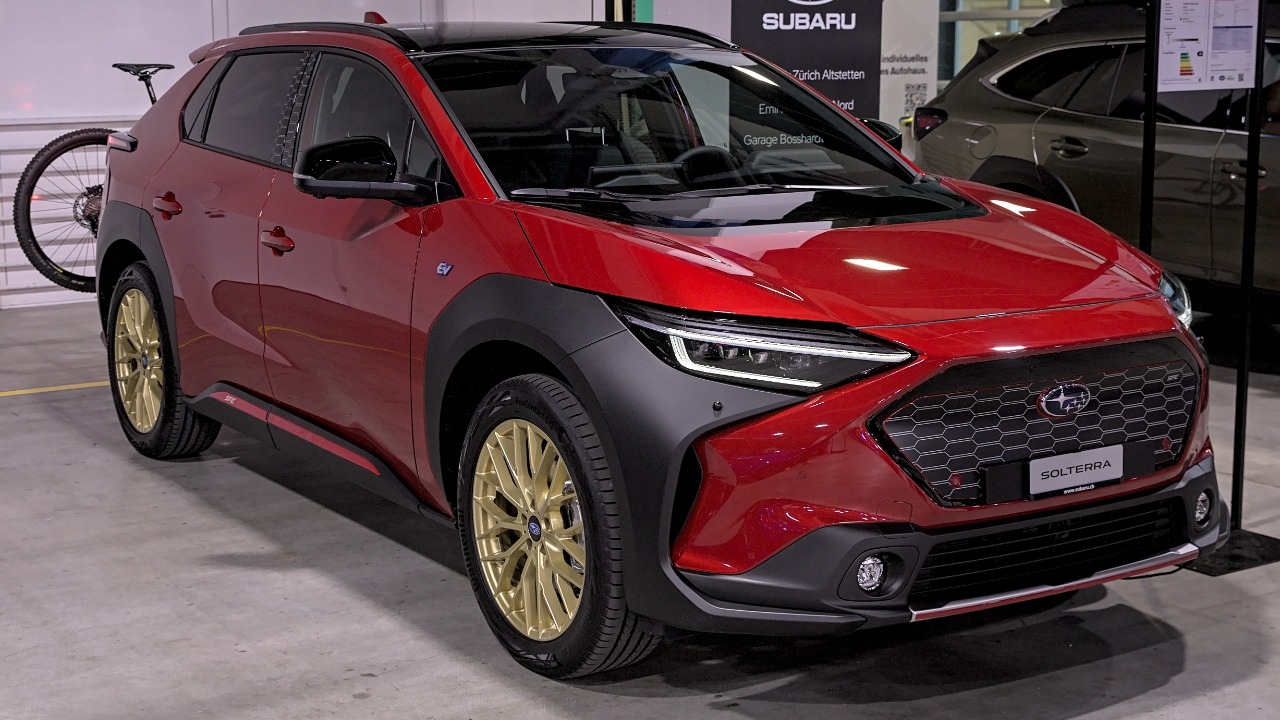
The updated 2026 Subaru Solterra is rated at 28 kilowatt-hours per 100 miles, or 120.4 MPGe, according to Recurrent.
The Solterra shares its platform with Toyota’s bZ but adds standard all-wheel drive, which uses slightly more energy. Its 2026 update brought better range and faster charging than the original model. Subaru buyers often value all-weather traction above everything else, so the small efficiency trade-off is one many are happy to make in exchange for confident winter driving.
5. Tesla Model 3: Tesla’s Efficient Sedan
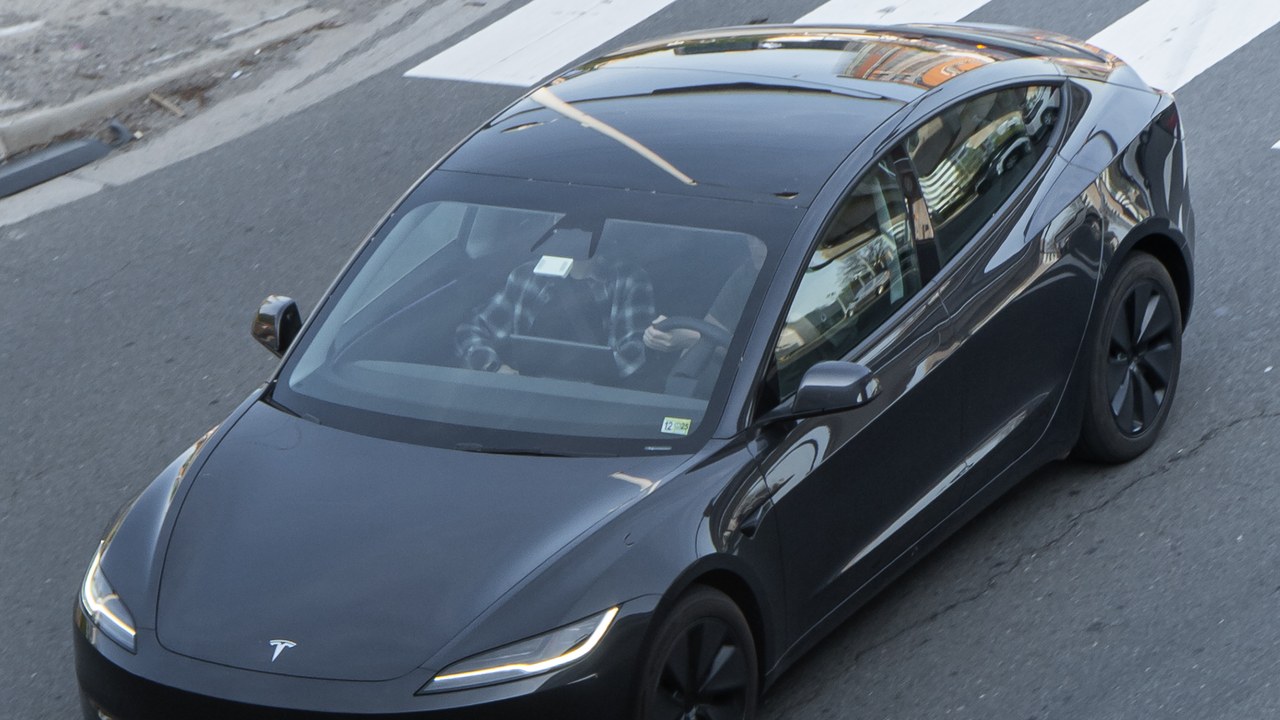
The 2026 Tesla Model 3 Standard with rear-wheel drive is rated 139 MPGe combined, or 24 kilowatt-hours per 100 miles, according to FuelEconomy.gov.
Tesla has long led the industry in efficiency, thanks to its in-house motors and software. The Model 3’s low energy use translates into low charging costs for owners who charge at home. For drivers who pay low overnight electricity rates, the cost per mile can be a fraction of what a gasoline car would cost to cover the same distance.
6. Tesla Model Y: An Efficient Family Crossover
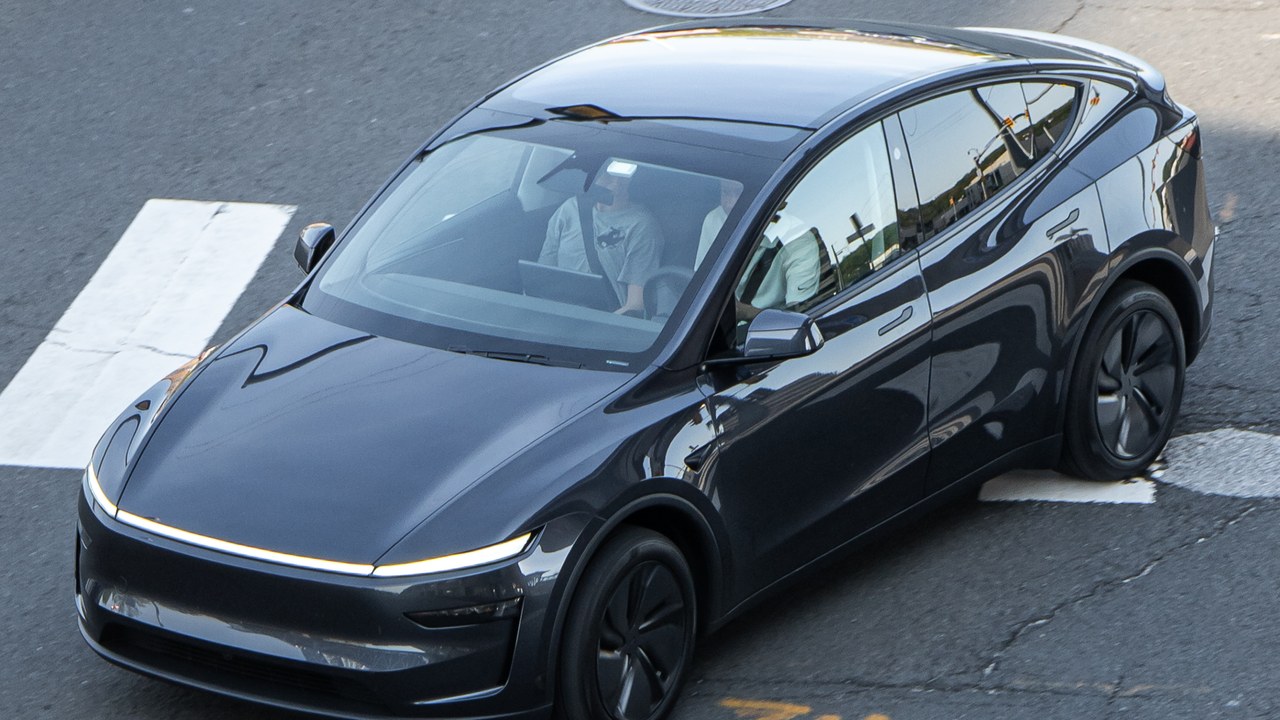
The 2026 Tesla Model Y Standard with rear-wheel drive on 18-inch wheels is rated 138 MPGe, or 24 kilowatt-hours per 100 miles, according to FuelEconomy.gov.
That figure is impressive for a crossover with room for a family. Smaller wheels help efficiency, which is why Tesla’s official rating specifies the 18-inch setup. Larger wheels look sportier but add weight and drag, so owners who choose them should expect somewhat lower real-world efficiency than the official rating.
7. Nissan Leaf: The Redesigned Leaf
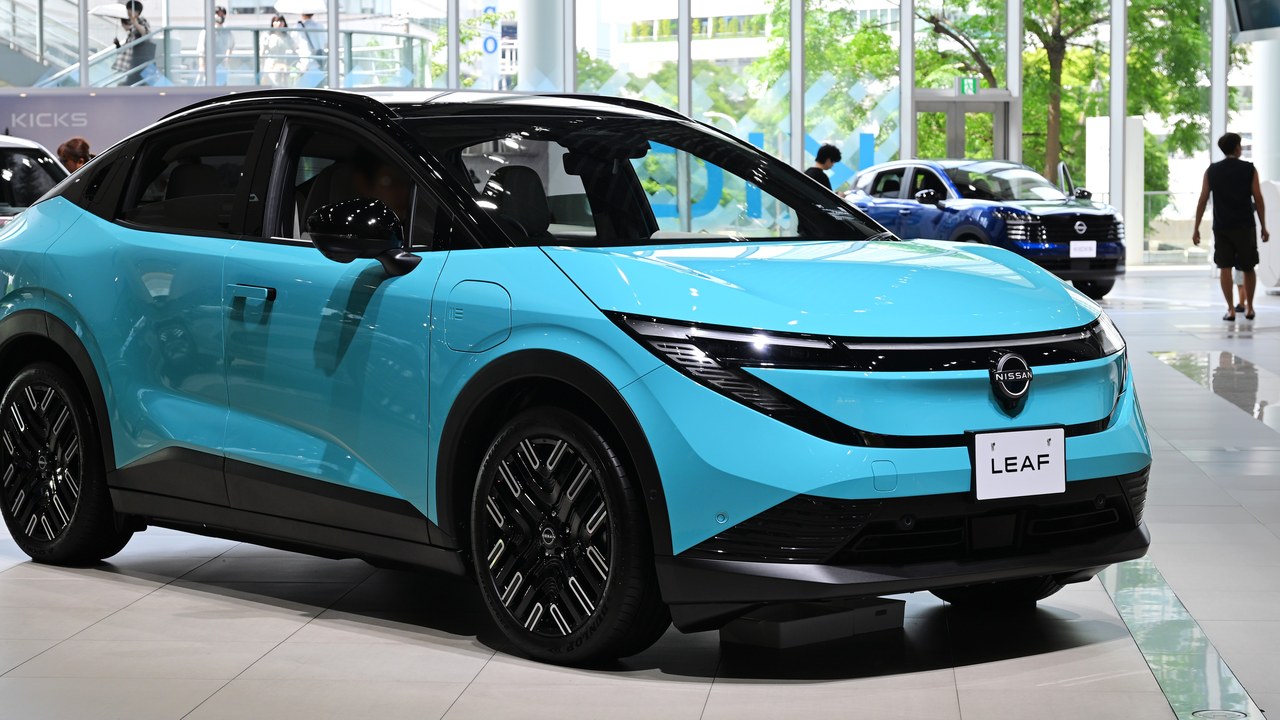
The redesigned 2026 Nissan Leaf with the 75 kWh battery on 18-inch steel wheels is rated 121 MPGe, or 28 kilowatt-hours per 100 miles, according to FuelEconomy.gov.
The new Leaf moved from a hatchback to a sleeker crossover shape and gained a much bigger battery. It remains one of the most affordable EVs on sale. The Leaf was one of the first mass-market electric cars when it launched more than a decade ago, and the new model builds on that long history.
8. Chevrolet Bolt: The Bolt Returns
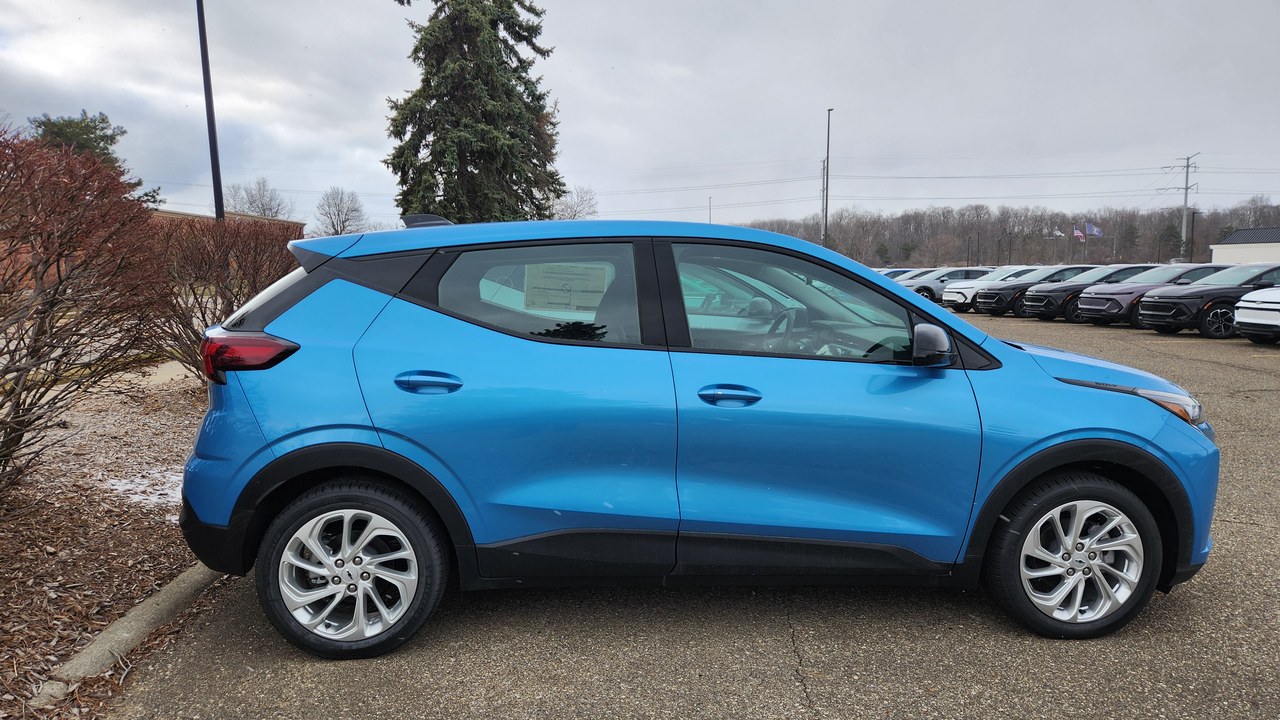
The new 2027 Chevrolet Bolt is rated 120 MPGe combined, or 28 kilowatt-hours per 100 miles, according to FuelEconomy.gov.
Chevrolet revived the Bolt name with a new design built on GM’s latest EV platform. Its low price and solid efficiency make it a strong option for budget-minded buyers. Its battery uses lower-cost lithium iron phosphate cells, which help keep the price down, and it can charge at Tesla Superchargers. It is built in Kansas.
9. BMW i4: BMW’s Electric Gran Coupe
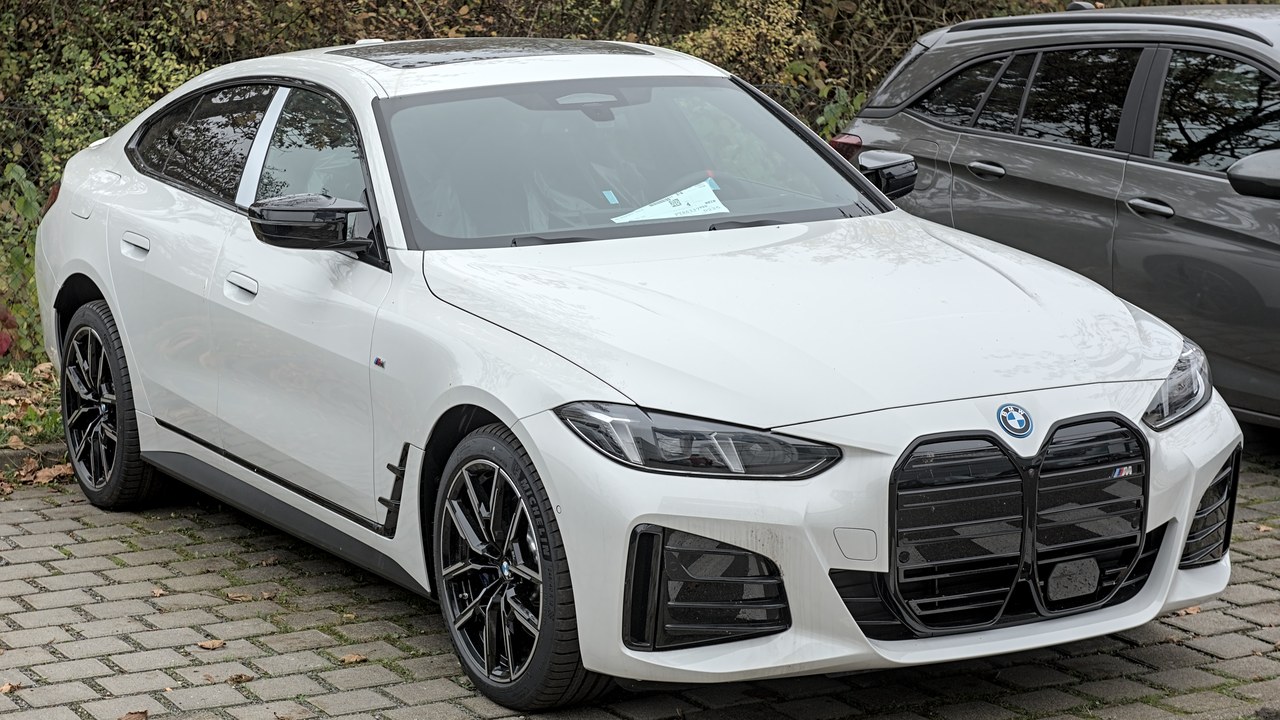
The 2026 BMW i4 eDrive40 Gran Coupe on 18-inch wheels is rated 118 MPGe, or 29 kilowatt-hours per 100 miles, according to FuelEconomy.gov.
The i4 shares its body with BMW’s gas-powered 4 Series Gran Coupe. Its efficiency shows that a traditional sedan shape can still deliver strong results in an EV. The i4 also offers a high-performance M50 version, which trades some efficiency for much quicker acceleration. It is built in Munich.
10. Hyundai Ioniq 5: Hyundai’s Popular Crossover
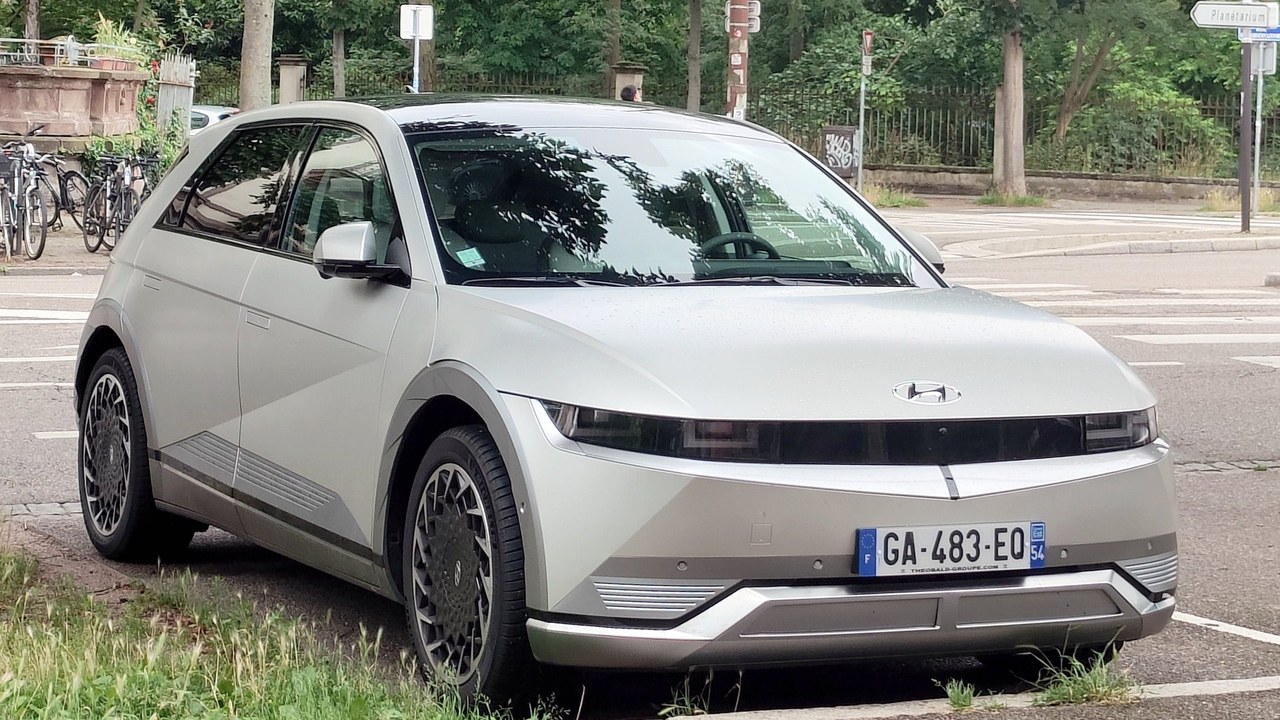
The 2026 Hyundai Ioniq 5 Standard Range is rated 115 MPGe, or 29 kilowatt-hours per 100 miles, according to FuelEconomy.gov.
The Ioniq 5’s boxy shape is less aerodynamic than the Ioniq 6, which explains its slightly higher energy use. It remains one of the best-selling EVs in the country. Hyundai recently refreshed the Ioniq 5 with a larger battery and a native Tesla-style charging port, making it easier to use Superchargers.
11. Kia EV6: Kia’s Efficient Crossover
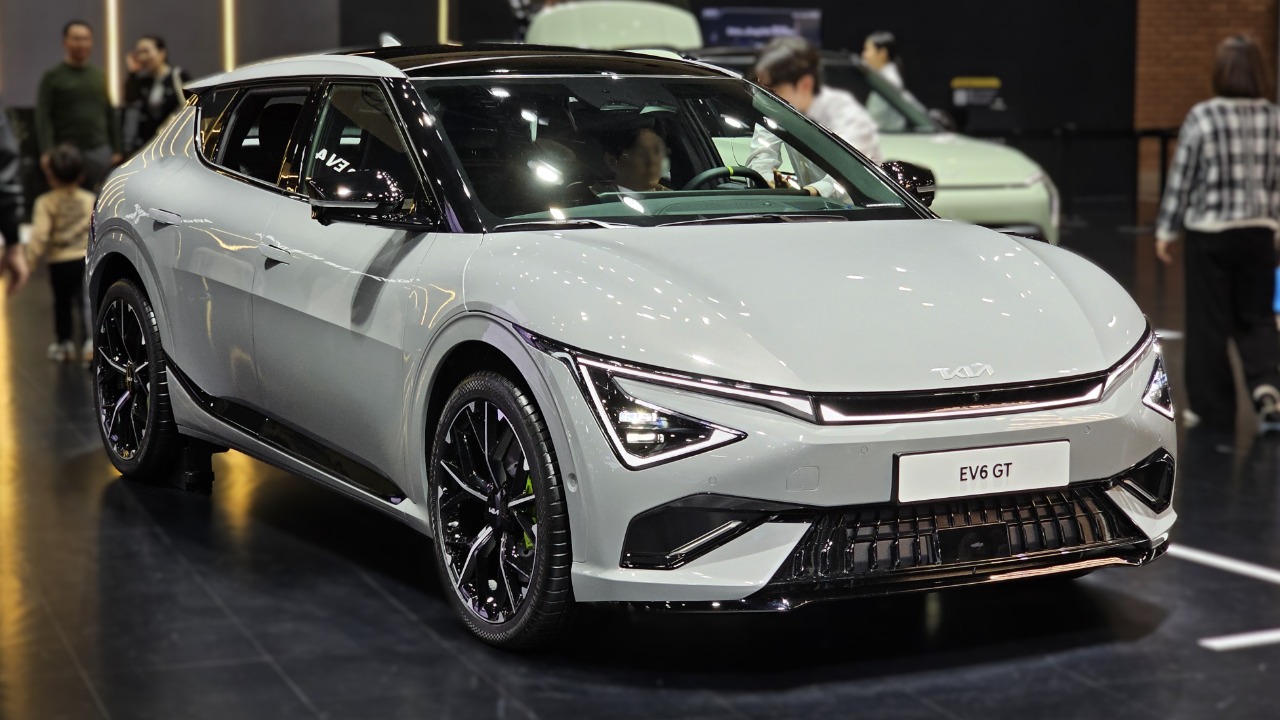
The 2026 Kia EV6 Standard Range with rear-wheel drive is rated 115 MPGe, or 29 kilowatt-hours per 100 miles, according to FuelEconomy.gov.
The EV6 shares its platform with the Ioniq 5 and offers similar efficiency. Its sporty styling and fast charging make it popular with drivers who want an EV that is fun to drive. The EV6 also comes in a high-performance GT version for drivers who want extra power.
More from Morning Overview
- 11 engines built to run well past 200,000 miles
- Two Kentucky residents died when a small plane crashed at Missouri’s Lake of the Ozarks, and the NTSB is investigating
- A handful of car transmissions are so tough that mechanics say they almost never die
- Melting permafrost is setting off a newly identified kind of catastrophic landslide, scientists say
