
Three fatal crashes that local reports described as ordinary wrecks carry a detail the public was never told. Tesla’s own filings to federal safety regulators mark Autopilot or Full Self-Driving as verified engaged in each one, confirmed through the company’s telematics. Here is what those six pieces of the record show, and what Tesla is still keeping sealed.
Read next on Morning Overview: A handful of car transmissions are so tough that mechanics say they almost never die
2024 Tesla Model Y in El Dorado Hills: Three Killed After a Crash Into a Tree
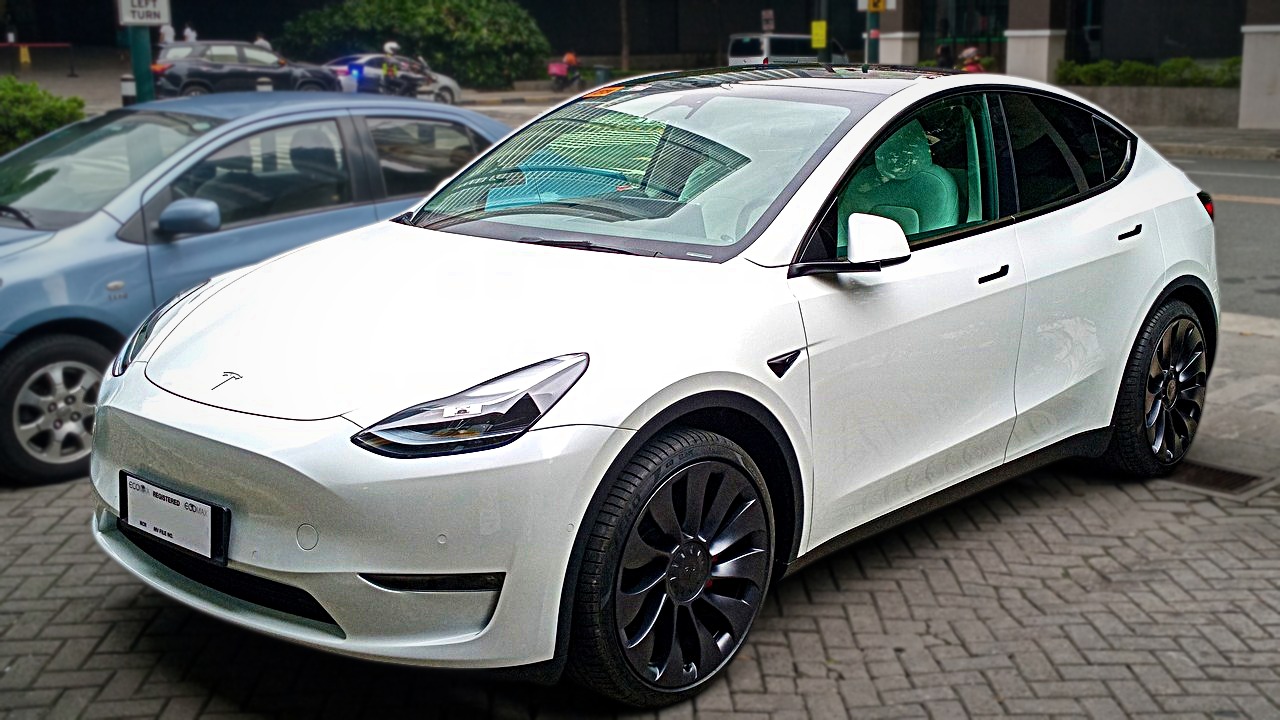
Late on September 12, a 2024 Model Y carrying four people left Serrano Parkway in El Dorado Hills, east of Sacramento, struck a tree and caught fire. Three of the four occupants died, and a 28-year-old woman survived with major injuries. Tesla’s report to regulators, matched to the crash by Electrek’s investigation, marks Autopilot or FSD as verified engaged and logs a pre-crash speed of 74 mph.
The California Highway Patrol said the SUV left the road for unknown reasons. Tesla’s filing lists the roadway and the object struck as unknown, and says the company learned of the crash from the media before confirming through its own data that the system was on.
2023 Tesla Model 3 on I-75 near Naples: Into an Overturned Truck at 71 mph
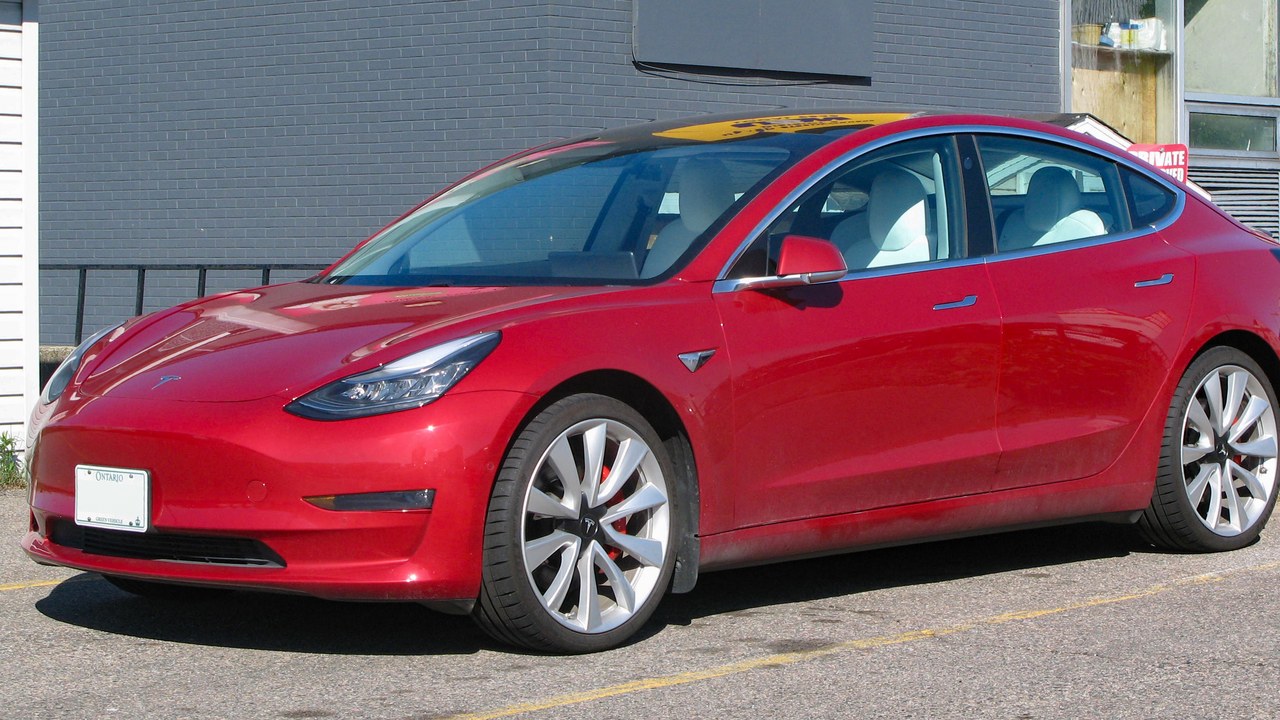
On I-75 near Naples, Florida, a 2023 Model 3 carrying five young men drove into a box truck lying on its side. Two passengers, aged 18 and 19, died at the scene, and a 25-year-old former Marine who had pulled over to help the truck driver died later in the hospital. The filing Tesla submitted marks the system verified engaged and logs 71 mph.
The 20-year-old driver and two other passengers were seriously hurt. Electrek notes the 71 mph figure may be a telematics snapshot rather than the impact speed, and with the software version redacted it cannot say whether Autopilot or FSD was running. Stationary objects on highways remain a recurring pattern in Tesla driver-assist crashes.
2025 Tesla Model X on Golden Gate Parkway: A Signal Pole and a Rollover
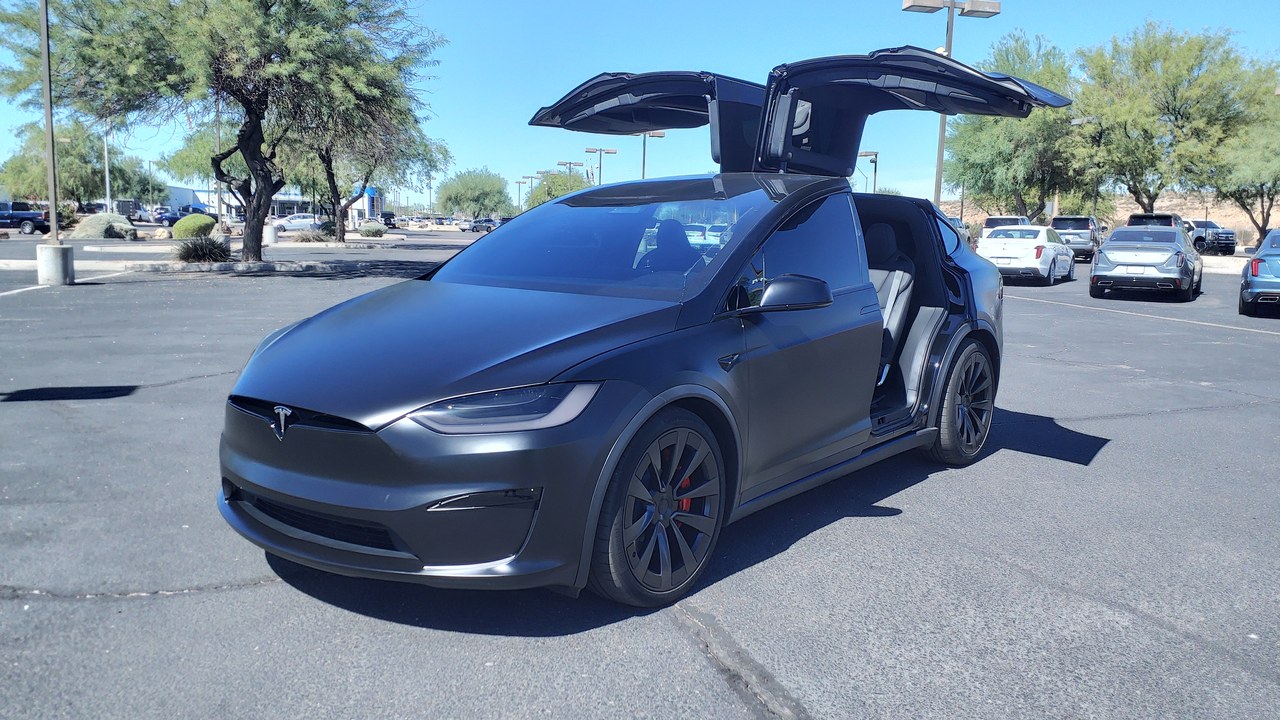
On September 30, a 2025 Model X left Golden Gate Parkway in Naples, hit a traffic signal pole at the corner of an intersection and rolled over. A 50-year-old woman from Fort Myers riding as a passenger was pronounced dead at the scene, according to the report matched by Electrek. Tesla’s record logs a pre-crash speed of 39 mph and marks the system verified engaged.
The 48-year-old driver went to the hospital with injuries that were not life-threatening. Because Tesla logged the time in UTC, the record lists the crash on October 1, so anyone checking the data against September crashes would have missed it. The public account said only that the car veered off the road.
The redacted narrative: Sealed as Business Information
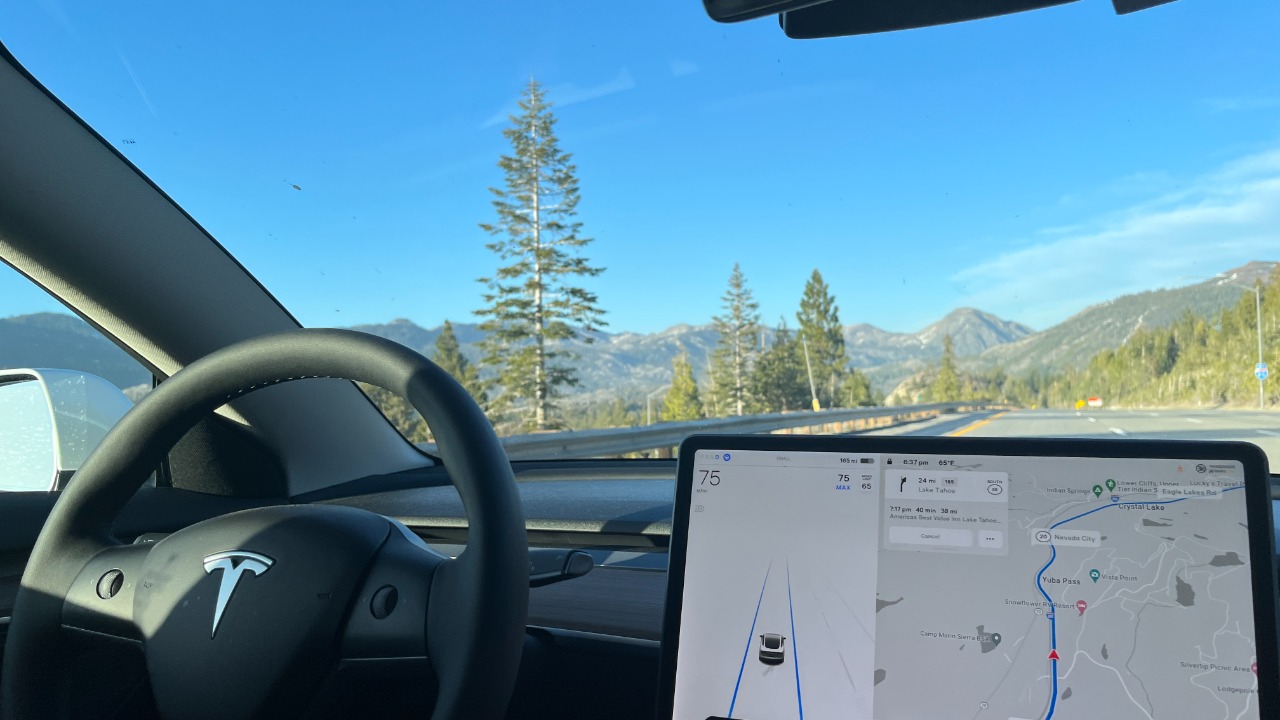
Each report follows the same pattern. Tesla confirms the speed and the engagement status, then redacts the crash narrative, the software version and whether the road was inside the system’s operating domain as confidential business information, according to Electrek’s review. That is the same treatment Tesla gives 99.9% of its crash reports to federal regulators.
The redaction removes exactly the field that would explain what the car did in its final seconds. Other automakers file narratives that the public can read. For the El Dorado Hills crash, Tesla could not say what the car hit even though police had said it was a tree, yet it still sealed the account of the car’s behavior.
The video Tesla holds: Footage Tesla Has Not Released
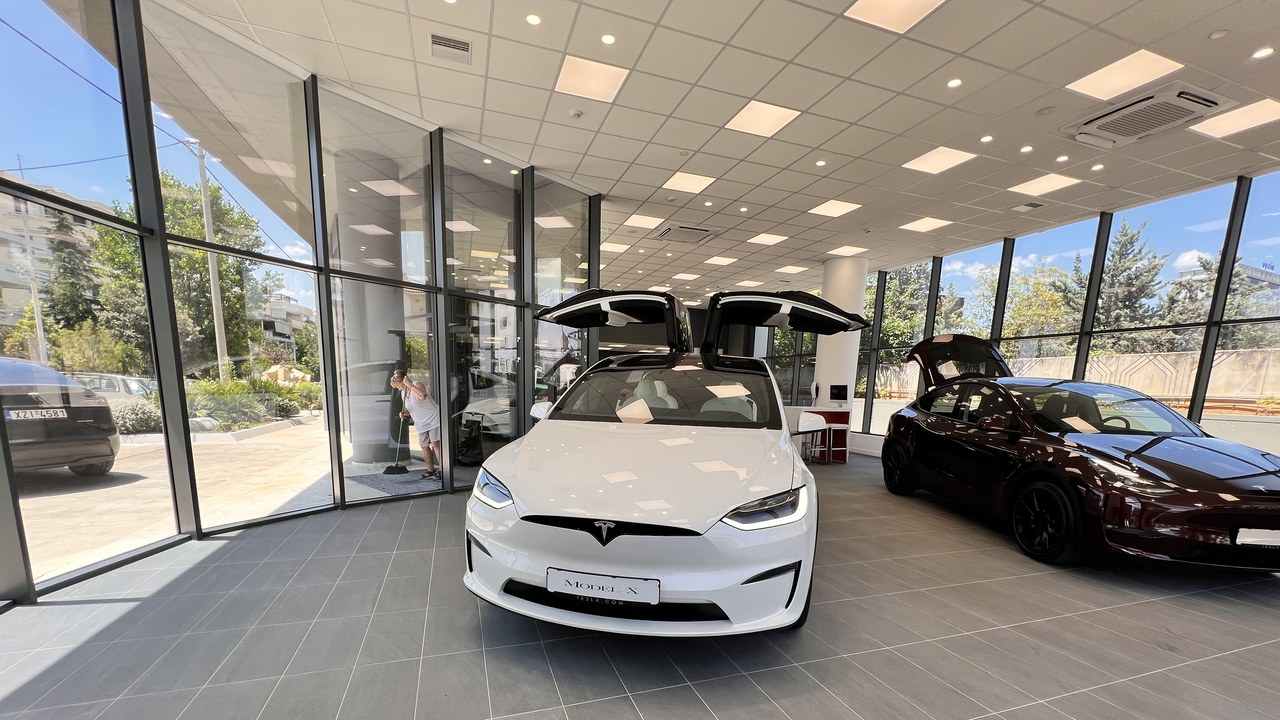
The Model X record is unusually complete about what Tesla holds. The company’s filing checks the event data recorder, telematics, video and other data among its sources, and says Tesla learned of the crash through its own telematics rather than from news reports. In other words, the company detected the fatal crash on its own and kept the footage.
With that video, Tesla can see whether the system or the driver steered the SUV off the road, whether the car issued a warning and how fast it was traveling at impact. None of that is public. Electrek has asked the Florida Highway Patrol whether investigators received the raw data or only Tesla’s interpretation of it.
NHTSA’s 30-second rule: How These Crashes Reach Regulators
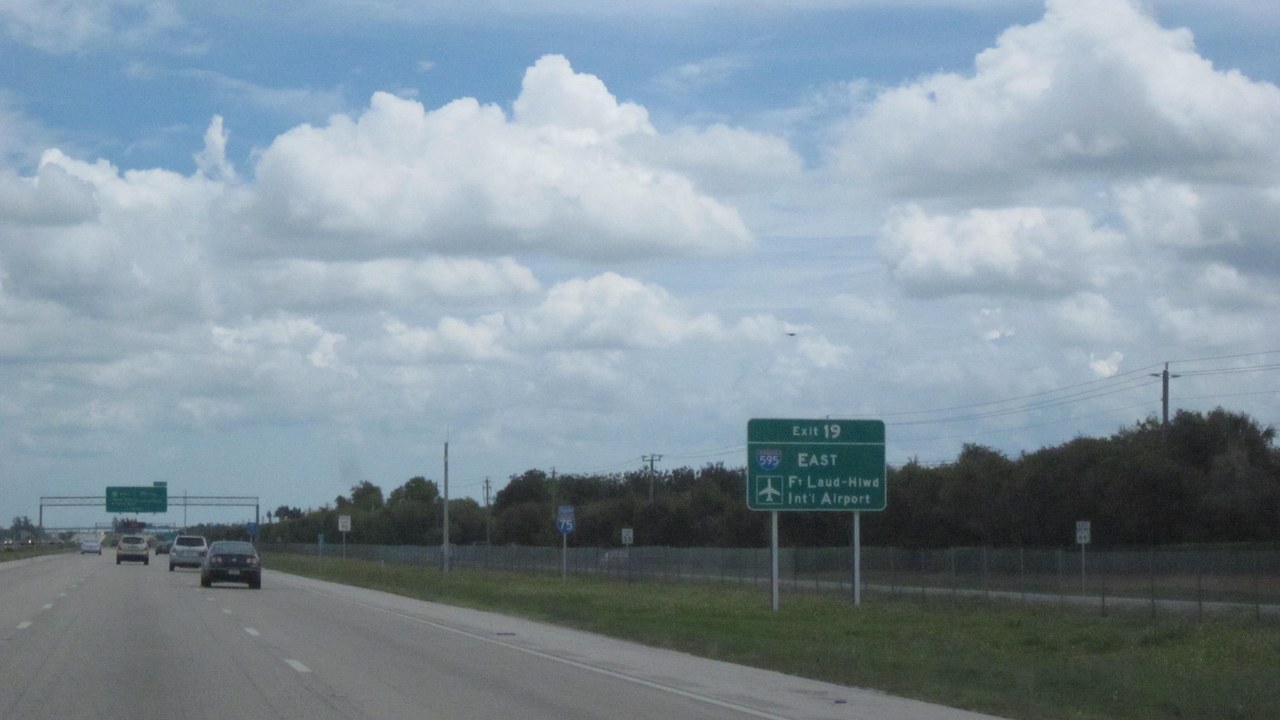
Every one of these records exists because of NHTSA’s Standing General Order. Under that rule, automakers must report crashes where a Level 2 driver-assist system was engaged within 30 seconds of impact and someone was killed or hurt, as Electrek explains. Its merged dataset now holds 4,669 Tesla driver-assist crash reports since 2019, 69 of them flagged fatal.
Engagement within that 30-second window is the reporting trigger, not proof the system caused a crash. The reports still matter, because they are the only public record that driver assistance was on. Without the order, all three of these deaths would remain ordinary local news stories with no link to Tesla’s software.
More from Morning Overview
- The Justice Department asked courts to undo approvals for three offshore wind farms, one already making power
- Over 20 trillion gallons of rain fell on the Four Corners states and Nevada in two weeks
- 11 engines built to run well past 200,000 miles
- Two Kentucky residents died when a small plane crashed at Missouri’s Lake of the Ozarks, and the NTSB is investigating
