
Since late 2023, a row of craters on Iceland’s Reykjanes Peninsula has erupted nine times, emptying a town and burying roads and a spa parking lot under lava. The last eruption ended in August 2025, but the ground at Svartsengi is still rising as magma collects below. These eight pictures follow the eruptions, the town on the front line and the volcano’s next move.
Read next on Morning Overview: Over 20 trillion gallons of rain fell on the Four Corners states and Nevada in two weeks
Grindavík: The Town That Emptied
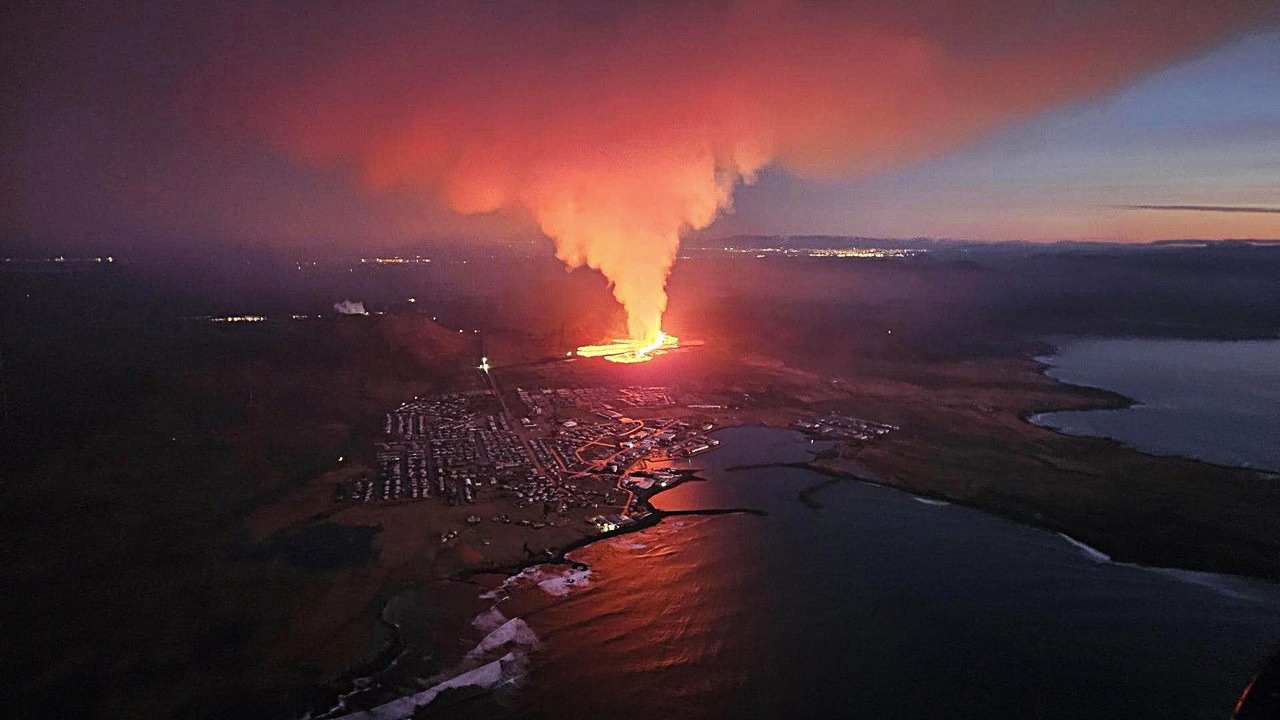
Grindavík, a town on the Reykjanes Peninsula, was at the center of the unrest. An intense earthquake swarm began on 24 October 2023, and the record of the Sundhnúkur eruptions says that by 10 November about 20,000 tremors had been recorded, the largest above magnitude 5.3, as a magma intrusion spread beneath the area.
Grindavík was evacuated after the ground sank and an extensive graben, a long collapsed valley, opened across the town and caused significant damage. In January 2024, a fissure opened less than 100 meters from the town, breached the lava defenses and destroyed three homes.
Sundhnúkur: Nine Eruptions in Under Two Years
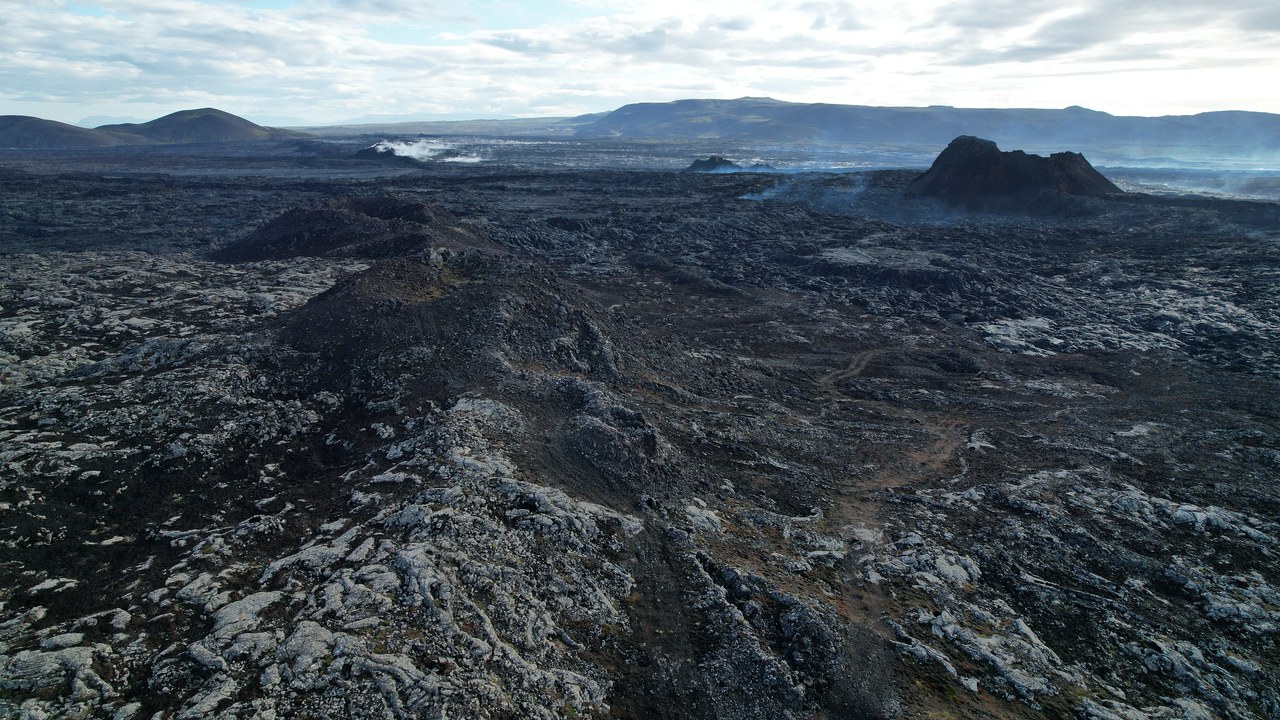
The Sundhnúksgígar crater row erupted for the first time in this series on 18 December 2023. The ninth eruption began shortly before 4 a.m. on 16 July 2025, and Iceland Review reported a year later that it remained the latest eruption in the ongoing volcanic episode on the peninsula.
That ninth eruption lasted about three weeks. Its fissure stretched about 2.5 kilometers at its greatest extent but did not threaten infrastructure, although volcanic gas was detected in populated areas across the Reykjanes Peninsula.
Svartsengi: Magma Is Building Again
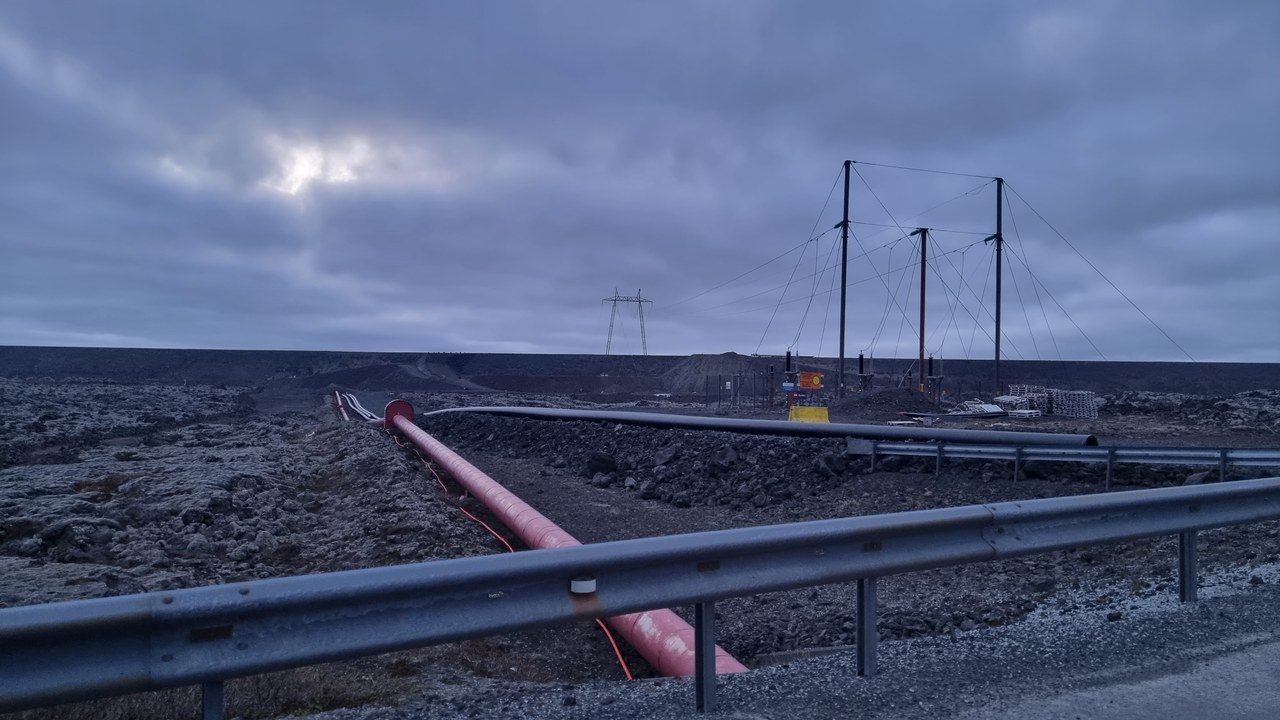
The Icelandic Meteorological Office has tracked steady refilling beneath Svartsengi since the July 2025 eruption. In March 2026, it said the magma accumulated there had passed 23 million cubic meters, and its latest update, on 10 November 2026, said land uplift is continuing and points to ongoing magma accumulation.
The office says the most likely scenario is a new magma intrusion that could lead to an eruption on the Sundhnúkur crater row, with little warning, as before. The Reykjanes-Svartsengi system remains at alert level 2, orange, and the current hazard map is valid until 5 January 2027 unless activity changes.
Svartsengi Power Station: The Power Plant in the Lava’s Path
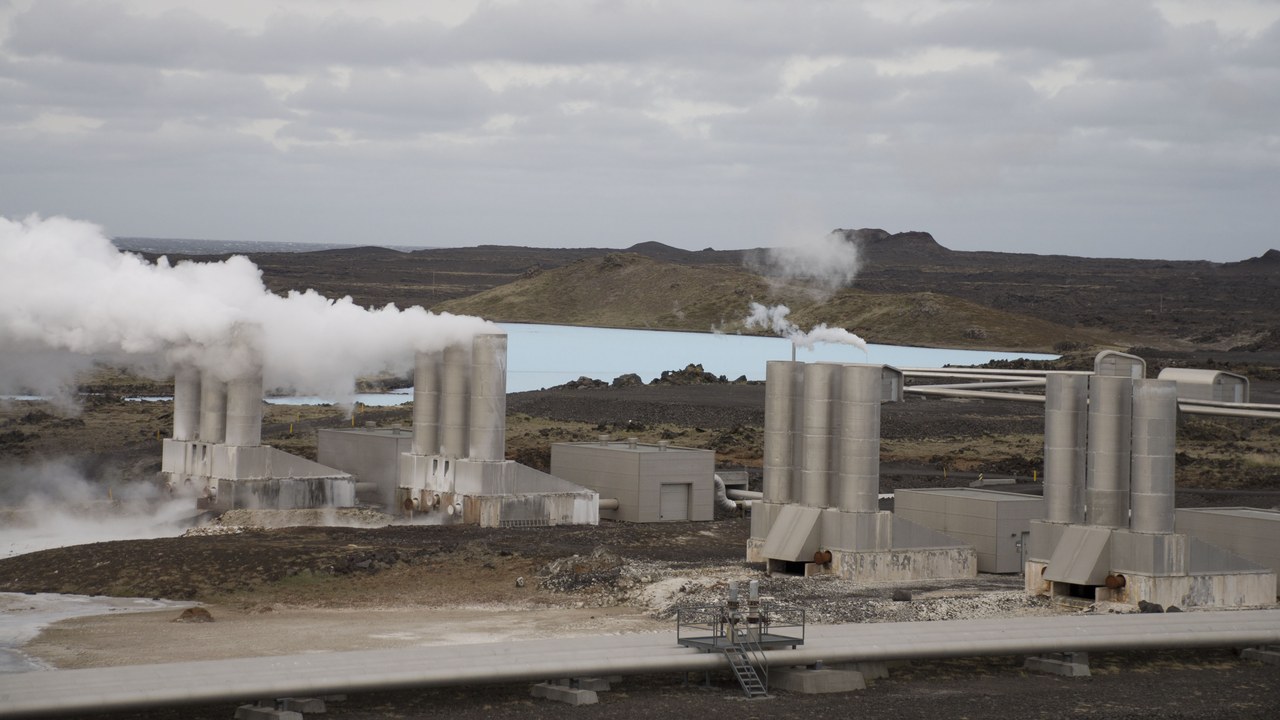
The Svartsengi geothermal power station supplies hot water to communities on the peninsula, and the eruptions have repeatedly threatened it. On 8 February 2024, the third eruption sent lava over the main hot-water pipeline from the plant, cutting the hot water supply for several days across the Reykjanes Peninsula.
Authorities declared the situation “very serious” within five hours of that eruption’s start. Later eruptions also pushed toward Svartsengi, and in one, lava advanced along the northern section of the barrier built to protect the plant and the surrounding area.
Blue Lagoon: A Spa Ringed by Lava
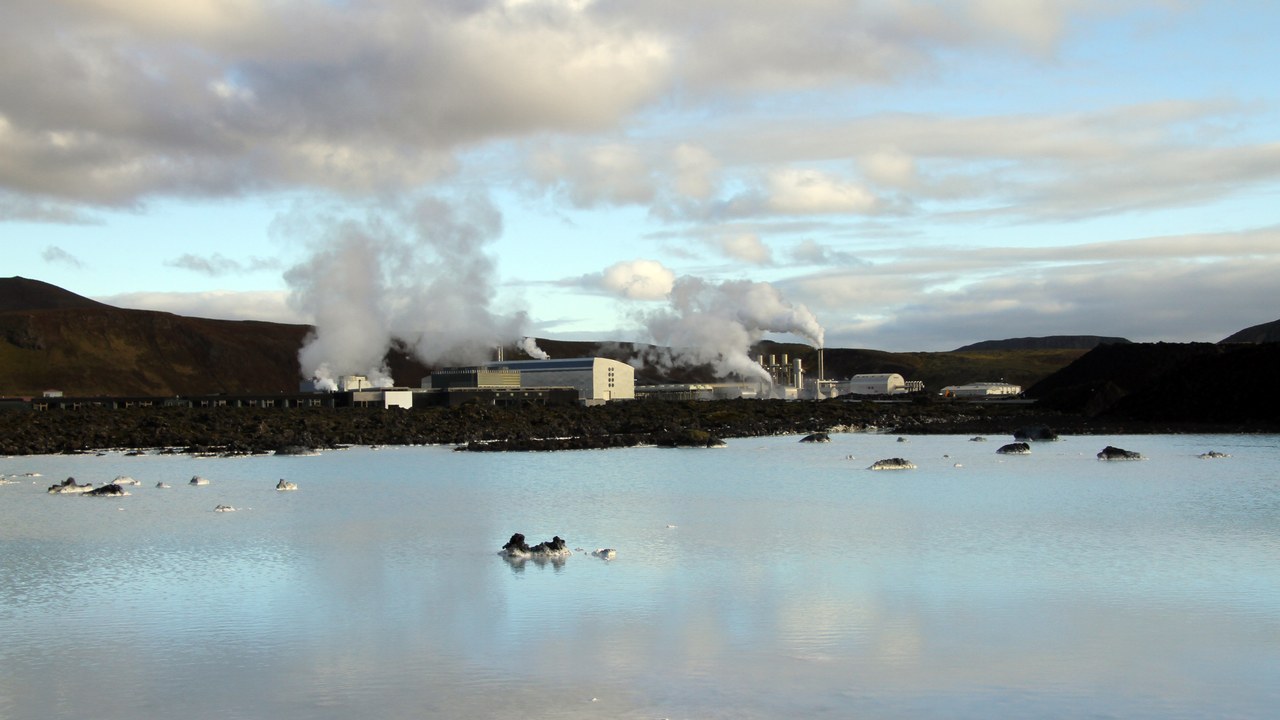
The Blue Lagoon, Iceland’s famous geothermal spa, sits beside the Svartsengi plant and has been evacuated several times. On 8 February 2024, seismic tremors forced the evacuation of every building around it hours before an eruption, according to the eruption record.
The seventh eruption, which began on 20 November 2024 and lasted 18 days, spread quickly; within 11 hours lava had engulfed the Blue Lagoon’s parking lot and a temporary service building, advancing at about 100 meters an hour and threatening protective barriers.
Fagradalsfjall: Where the Fires Began
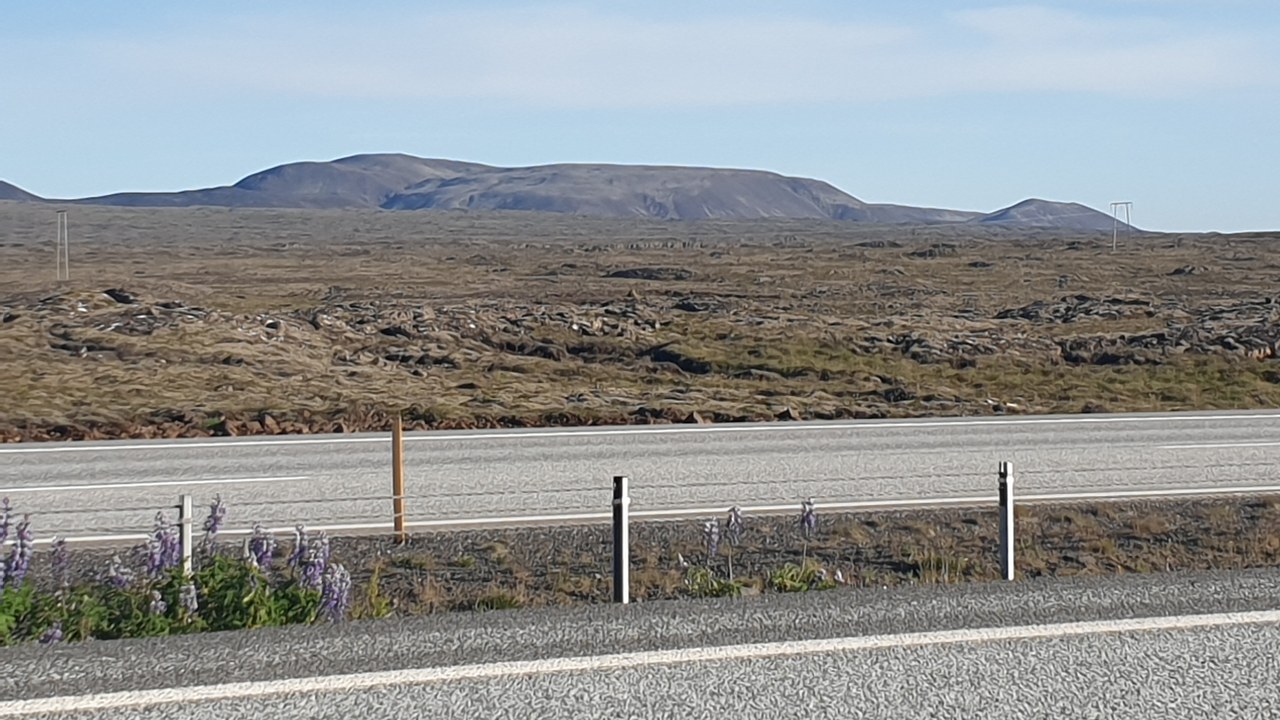
Fagradalsfjall, a mountain on the Reykjanes Peninsula about 385 meters high, is where the current period of eruptions began. The volcano’s history says the peninsula had been dormant for nearly 800 years, since the end of the Reykjanes Fires in 1240, before the new activity.
Between 2021 and 2023, three eruptions broke out around the mountain, with lava flowing mostly into uninhabited valleys. Authorities warned that fiber communication routes on both sides of the volcano could be cut, which could affect the data center industry in Keflavík.
Geldingadalir: The First Eruption in 815 Years
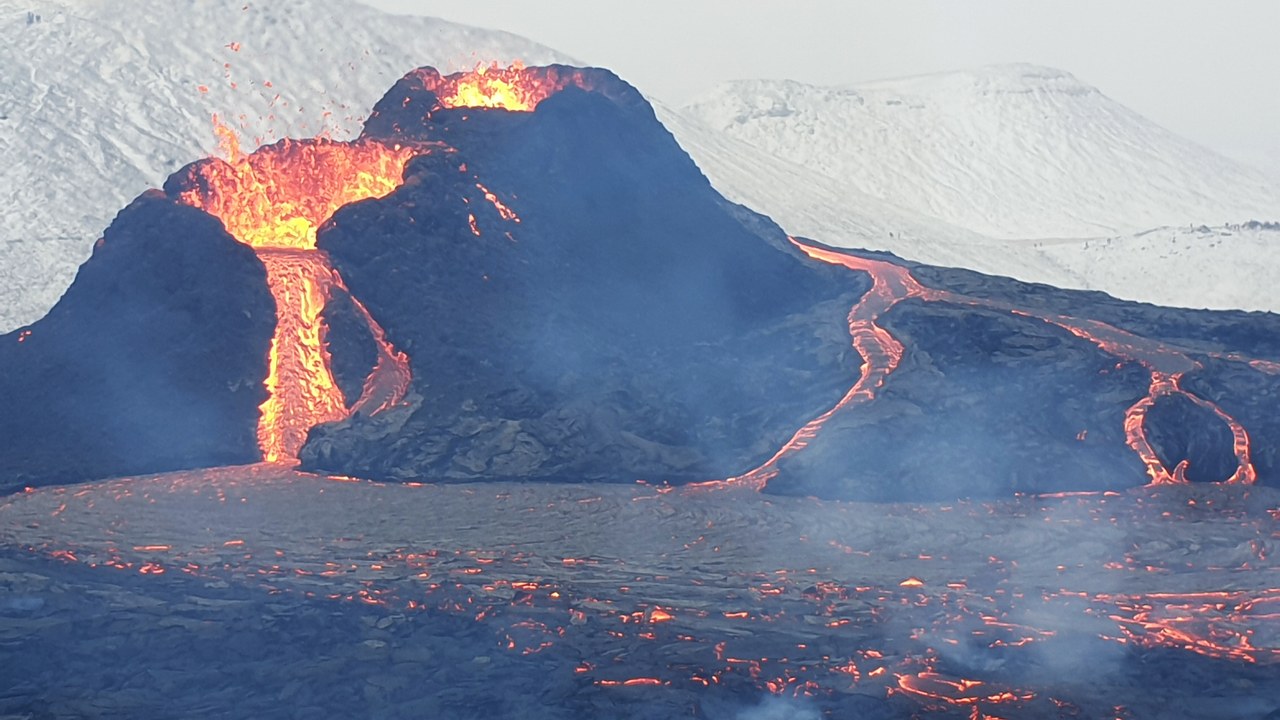
No volcanic eruption had occurred on the Reykjanes Peninsula for 815 years until 19 March 2021, when a fissure vent appeared in Geldingadalir, south of Fagradalsfjall. The eruption record notes that the effusive eruption kept emitting fresh lava sporadically until 18 September 2021.
Several vents opened during that eruption, and by 2 May 2021 only one fissure, Vent 5 near the initial site, remained active. A second eruption, very similar to the first, began on 3 August 2022, with lava flowing into the nearby Meradalir valleys.
Litli-Hrútur: The Third Fagradalsfjall Eruption
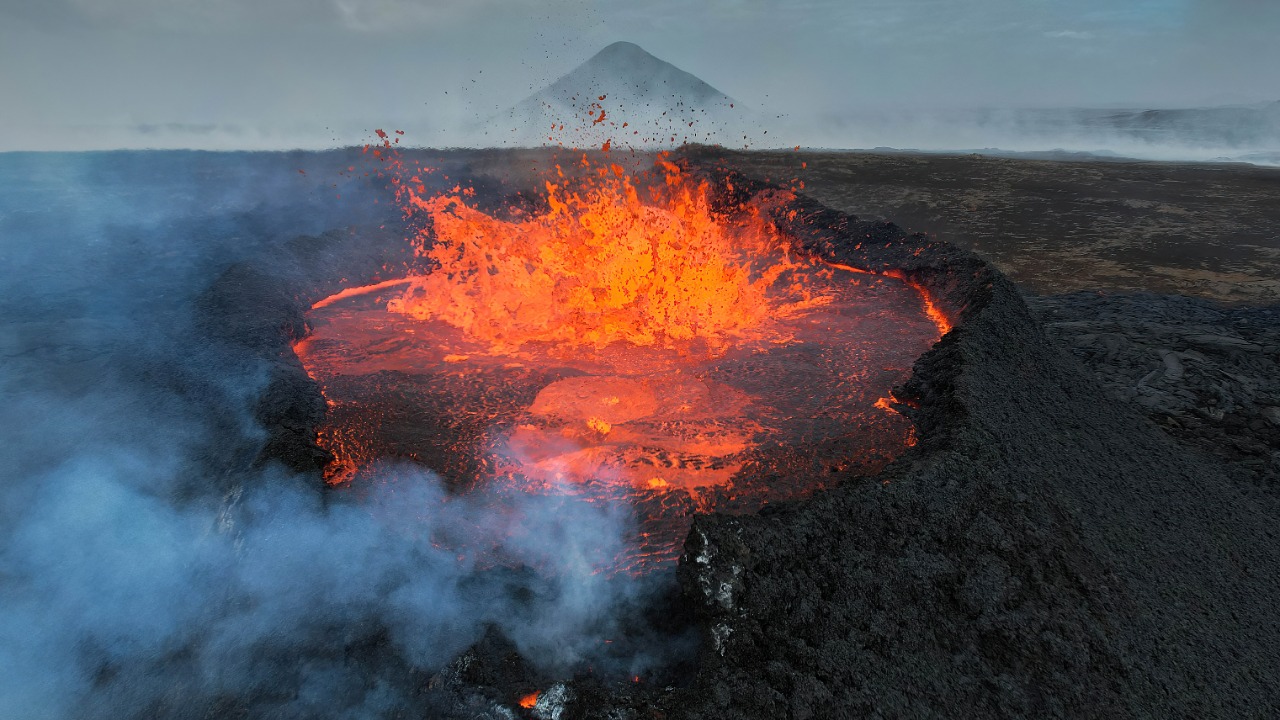
The third eruption at the Fagradalsfjall system broke through the surface on 10 July 2023 near Litli-Hrútur, northeast of the earlier vents. The record of the 2023 eruption says it lasted until 5 August 2023, longer than the Meradalir eruption of the year before.
Lava also flowed into the Meradalir valleys again. Months later the activity moved southwest to the Sundhnúkur crater row near Grindavík, where the nine eruptions since December 2023 heavily damaged Grindavík and disrupted infrastructure across the western part of the peninsula.
More from Morning Overview
- The FAA wants $2.39 million from a flight school it says flew a Cessna about 280 times with an unapproved part
- A $1 billion gas plant planned for Superior, Wisconsin, has been abandoned
- Shaq spent $1.3 million on three Rolls-Royce Phantoms to prove a point to a salesman
- The Justice Department asked courts to undo approvals for three offshore wind farms, one already making power
