
The decade’s gadget churn moved fast, minting must-have devices that vanished almost as quickly as they arrived. Each one promised to reshape music, messaging, or gaming, only to be swallowed by the smartphone that eventually did everything at once. These nine relics defined their moment before fading into drawers, landfills, and fuzzy memory.
1. iPod Classic: The Click-Wheel That Started It All
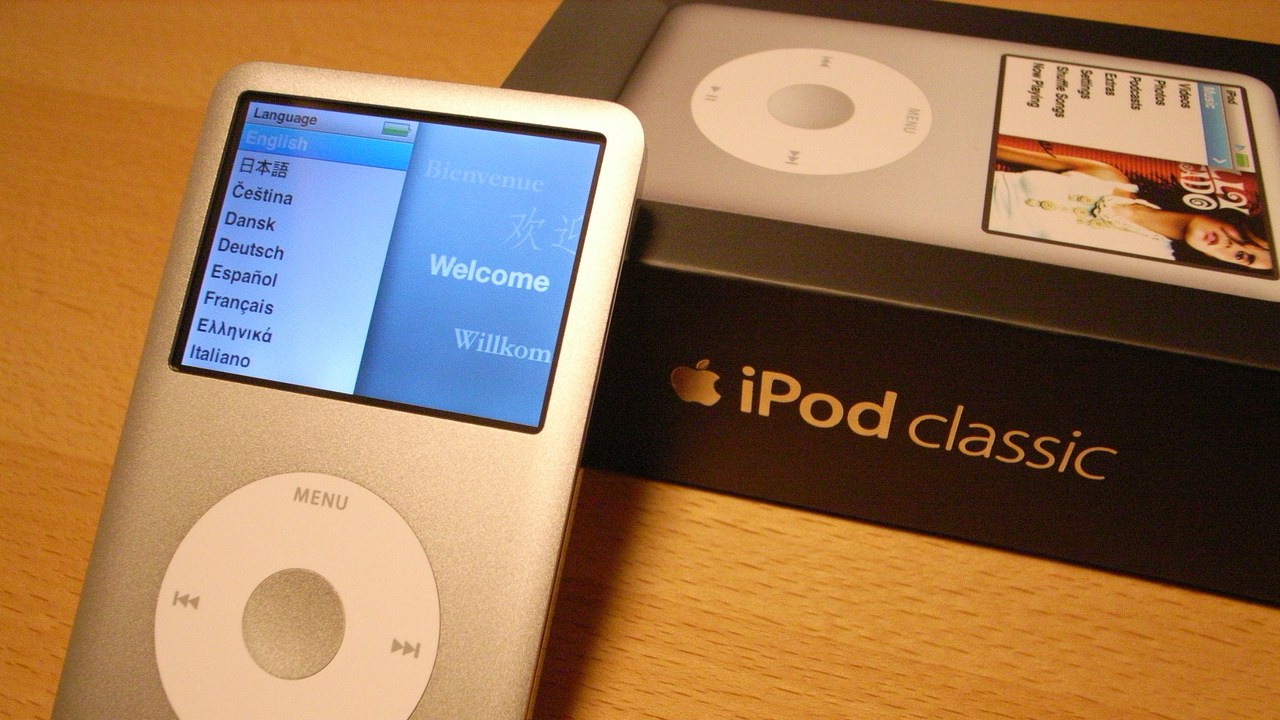
Apple’s original hard-drive music player arrived in 2001 and turned a spinning thumb into the defining gesture of portable listening. Marketed on the promise of a thousand songs in a pocket, later revisions eventually held up to 160GB, enough to carry an entire record collection alongside podcasts and audiobooks.
By 2014 the line was quietly discontinued as smartphones absorbed the job of playing everything. Secondhand units still command surprisingly steep prices from collectors and audiophiles who prize the tactile scroll wheel and a self-contained offline library over streaming’s endless, connection-dependent menus and monthly fees.
2. BlackBerry: The Phone That Ran Boardrooms
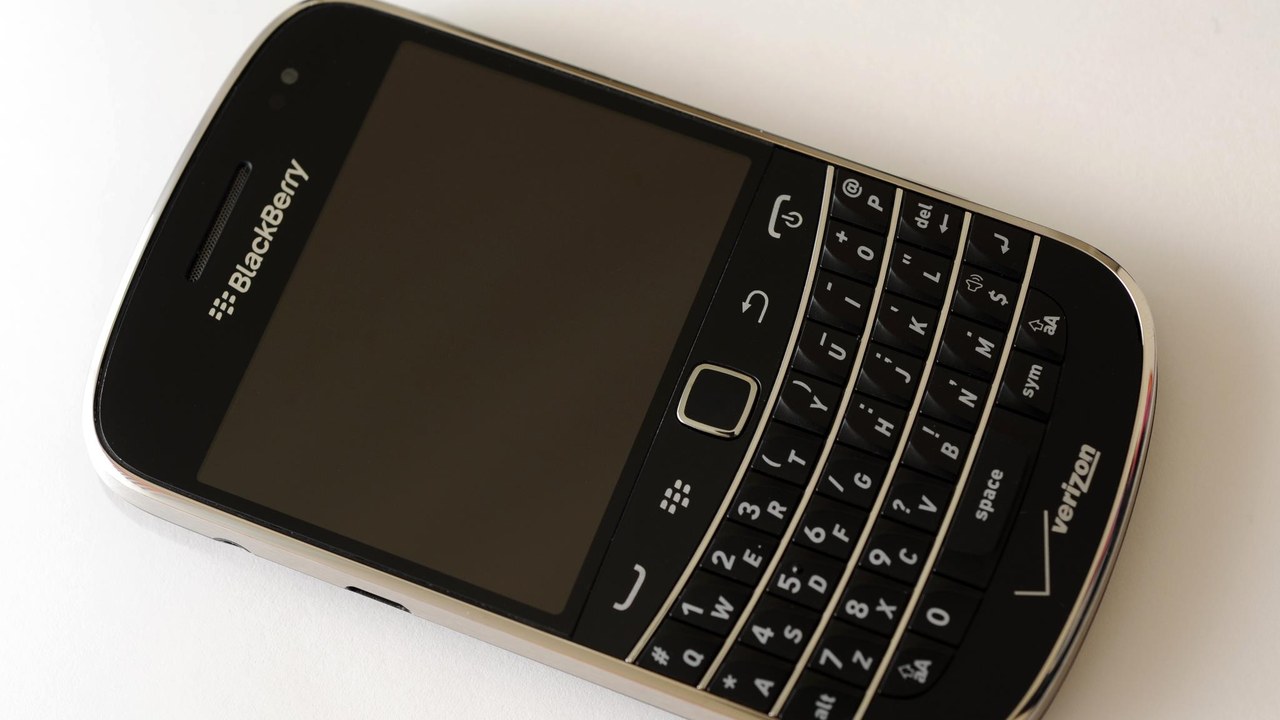
Research In Motion’s thumb keyboard phone dominated the mid-2000s, pairing a clicky QWERTY board with secure push email that let executives clear inboxes from cabs, hallways, and boardrooms. Its blinking red notification light became shorthand for always-on professional urgency, and the addictive habit it bred earned the nickname CrackBerry.
Touchscreens gutted the franchise after 2007, and hardware production ended in 2016 despite a stubbornly loyal base of holdouts. The device now reads as a relic of an era when hammering physical keys outranked swiping glass for anyone whose entire workday lived in email.
3. Palm Pilot: The Original Pocket Organizer
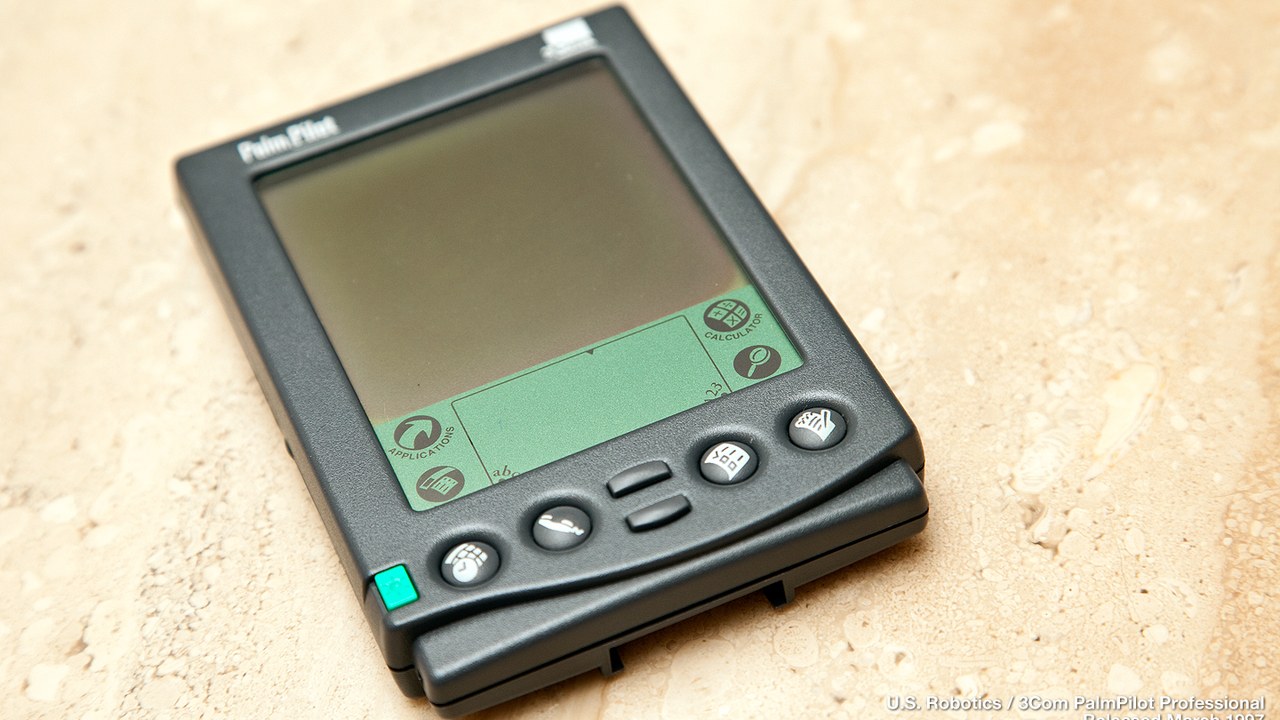
Long before app stores existed, Palm’s stylus-driven organizer digitized calendars, contacts, and to-do lists using a shorthand alphabet called Graffiti. Debuting in 1996 and peaking through the early 2000s, it synced to desktops with a single cradle press and became indispensable to a generation of busy office workers.
Smartphones folded every one of those functions into a single glass slab, erasing the standalone category entirely within a few short years. Its influence lingers, though, in the very idea that a handheld should quietly organize a person’s whole life rather than merely place calls.
4. Zune: Microsoft’s Doomed iPod Rival
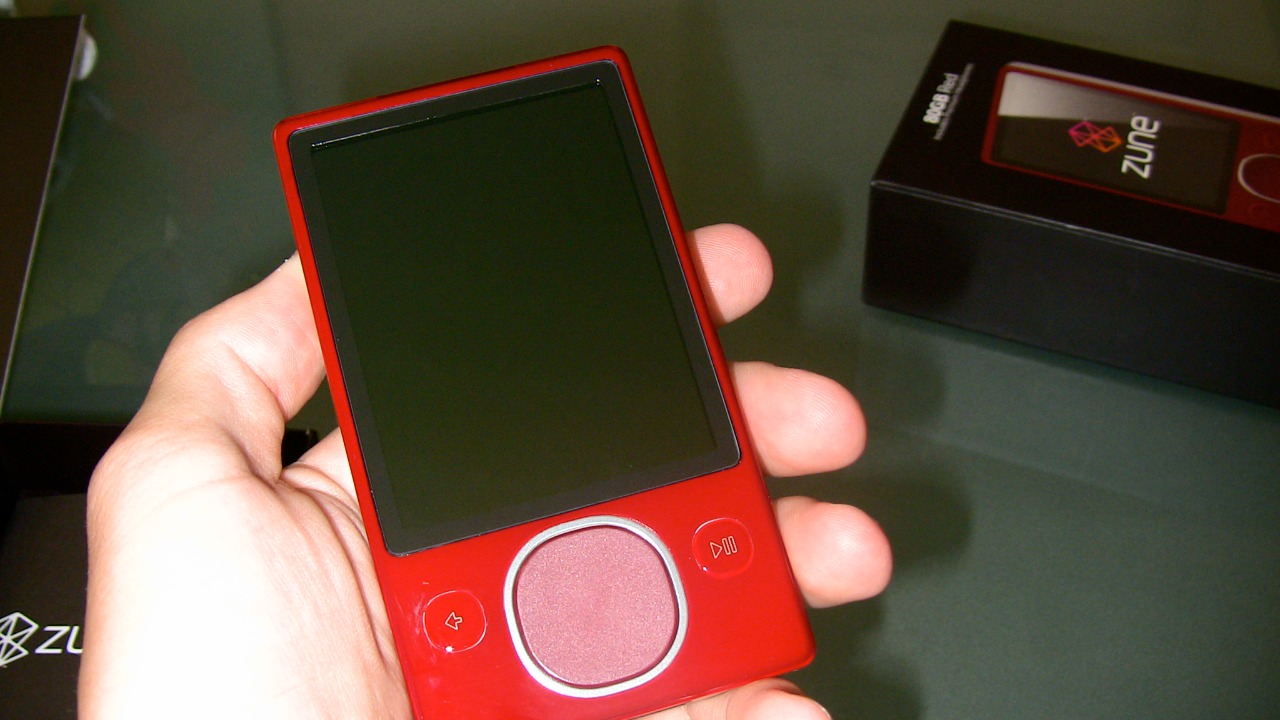
Microsoft launched the brown music player in 2006 as a direct strike at Apple, bundling a flat-rate subscription service and wireless song-sharing years ahead of its rivals. A social feature let nearby owners beam full tracks to one another, though the shared songs stubbornly expired after just three plays.
Weak retail momentum and a commanding competitor ecosystem doomed the effort, and the brand was shelved by 2012. Enthusiasts still champion its distinctive squircle interface and the Zune Pass model that quietly previewed how the entire music streaming business would eventually come to work.
5. Danger Hiptop: The Sidekick Teens Obsessed Over
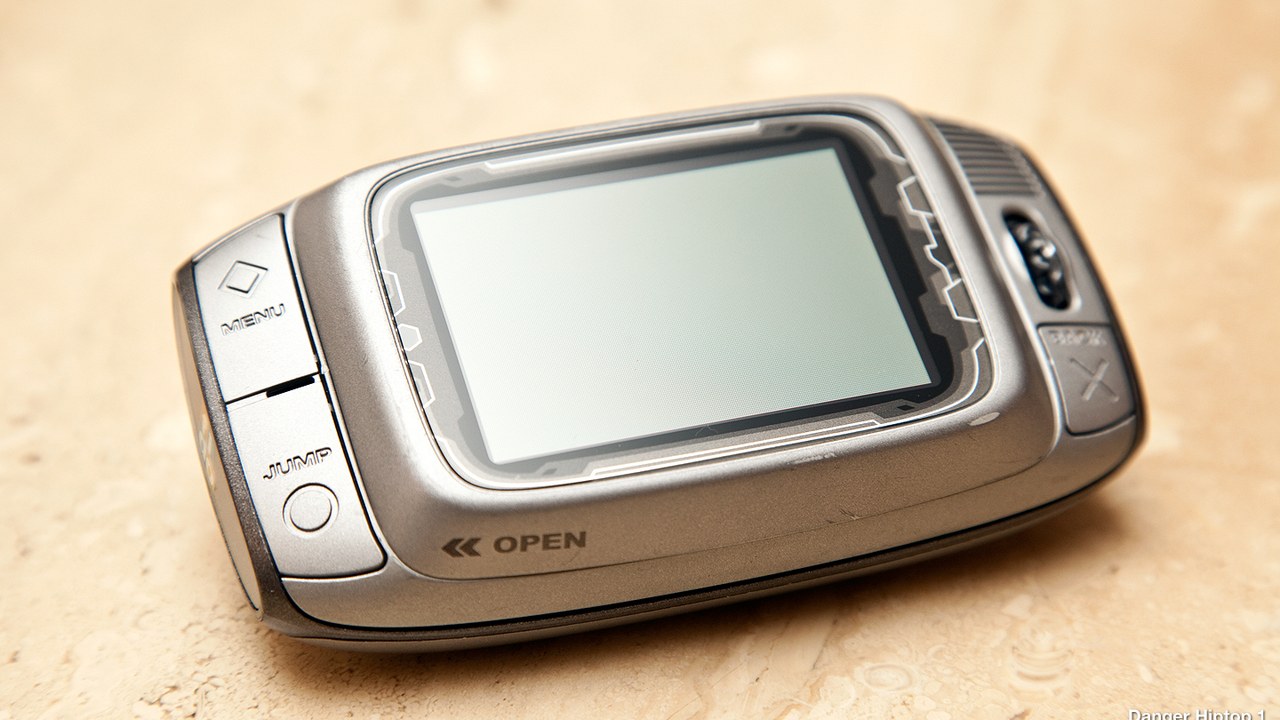
Marketed by T-Mobile as the Sidekick, the swivel-screen messenger arrived in 2002 with a flip-out display and a full keyboard built for relentless texting and early instant messaging. Celebrities and teenagers alike treated it as a coveted status object, and its cloud-stored contacts genuinely pioneered always-synced mobile data.
A catastrophic 2009 data outage wiped many users’ information and shattered trust, while the smartphone wave finished off whatever remained. It survives in collective memory as the gadget that made mobile messaging feel social and communal long before social networks themselves went mobile.
6. MiniDisc: Sony’s Format Stuck Between Eras
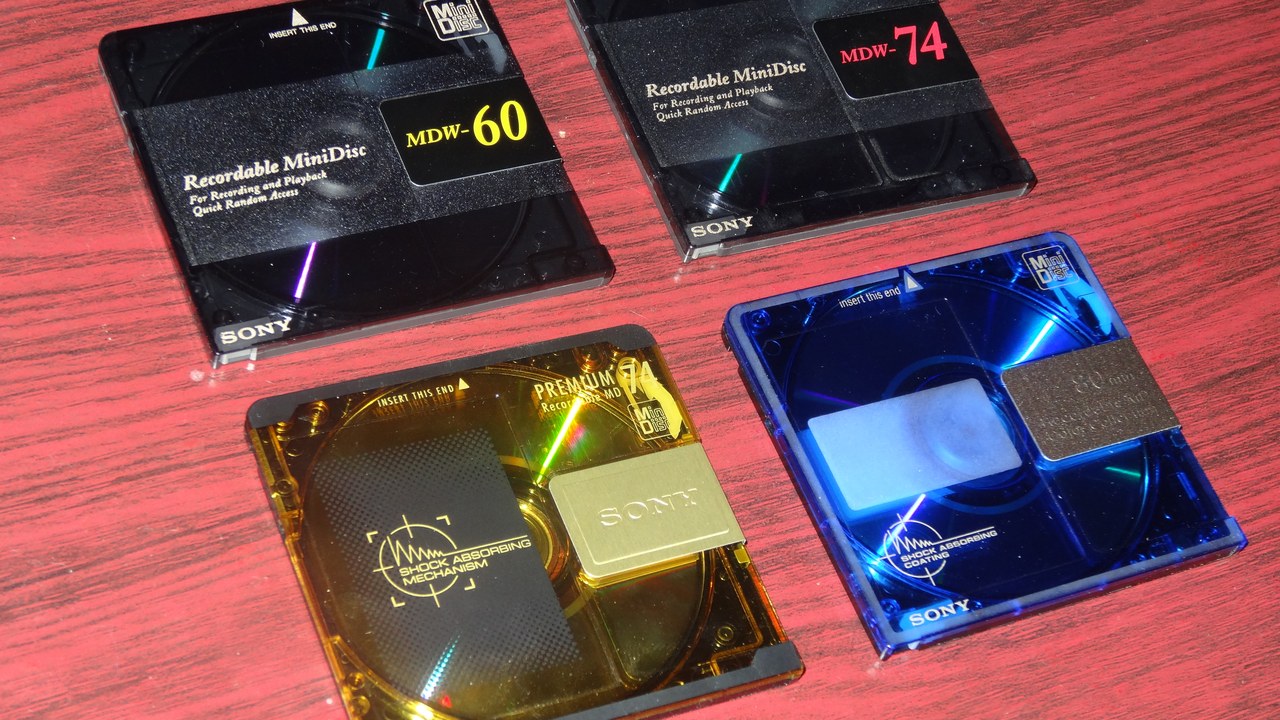
Sony introduced the rewritable optical disc in 1992 and pushed it hard through the early 2000s as a skip-proof, recordable successor to the aging cassette. Palm-sized cartridges recorded hours of audio, allowed easy track editing, and survived the kind of jostling that reliably ruined portable CD players.
Cheap MP3 storage and internet downloads leapfrogged the format before it ever reached mass adoption outside Japan. Audiophiles still hunt down working decks and blank discs, valuing the tactile shells and warm compression that streaming’s frictionless, ownership-free convenience never quite managed to replace.
7. Nintendo DS: The Handheld Everyone Actually Owned
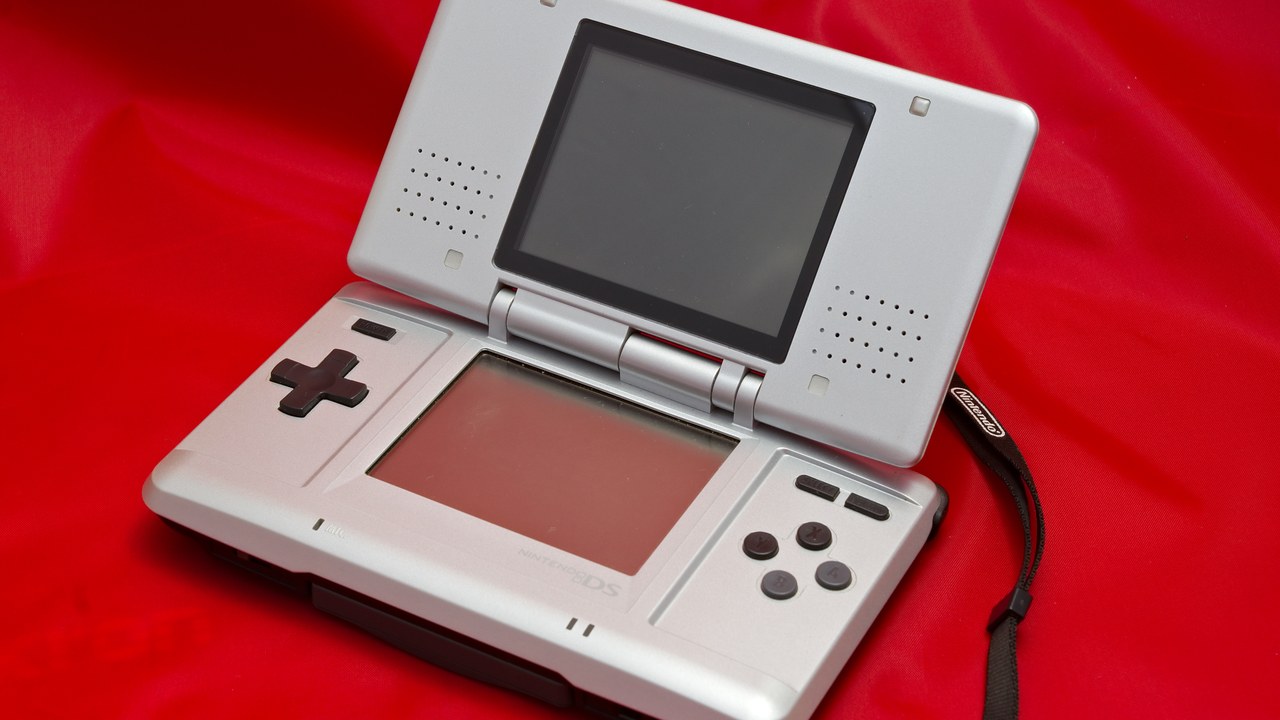
Nintendo’s dual-screen handheld debuted in 2004 with a touchscreen, stylus, and microphone that flung gaming open to players who had never once held a controller. Approachable titles like Brain Age and Nintendogs pulled in commuters, grandparents, and lapsed gamers alongside the usual devoted young audience.
The system went on to sell more than 150 million units, ranking among the best-selling gaming devices ever made, before the 3DS succeeded it. Its clever two-screen experiment still quietly shapes how designers think about splitting interactive play across separate, complementary displays today.
8. Motorola Razr: The Flip Phone Built On Looks
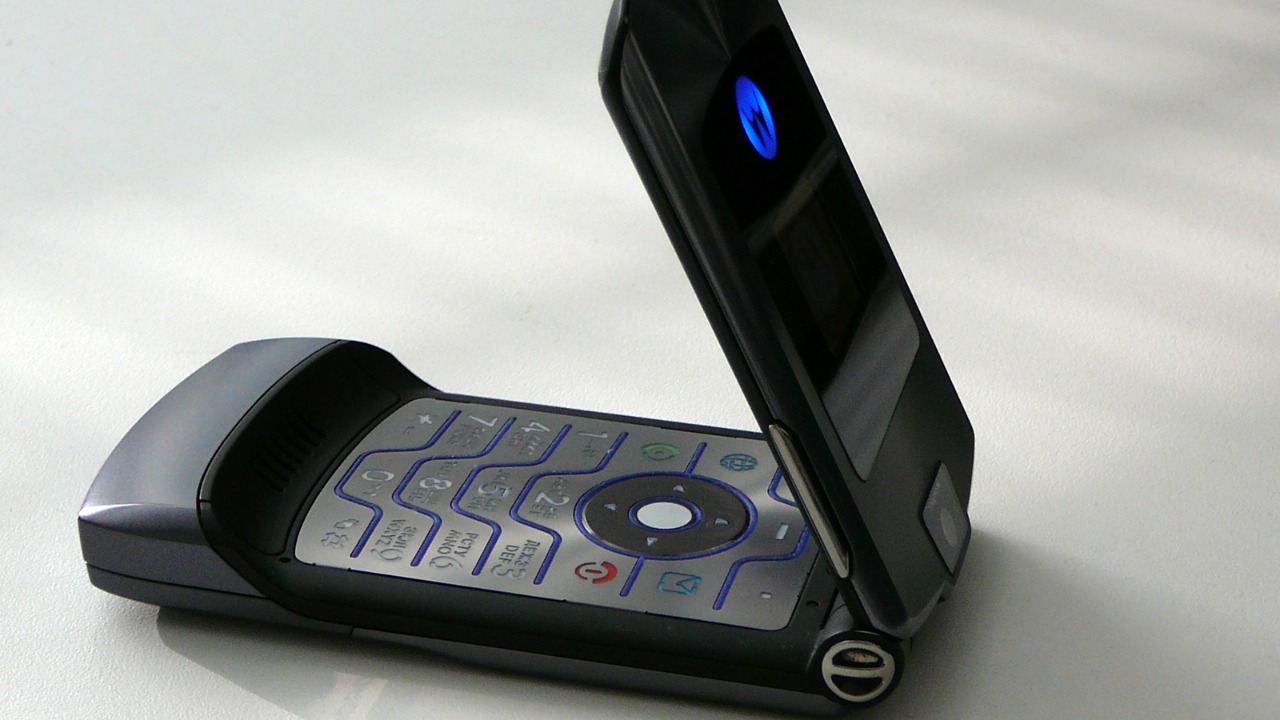
Motorola’s anodized flip phone stunned buyers in 2004 with an aluminum body barely half an inch thick and a sculpted chin that snapped shut with a satisfying, unmistakable click. More than 130 million eventually sold, propelled by striking industrial design as much as by any actual feature.
Fashion, not function, fueled the frenzy, and the aging design faltered fast once app-driven touchscreens arrived and reset expectations. Motorola later revived the storied name on a folding smartphone, betting that pure nostalgia could reignite a silhouette that once single-handedly defined cool.
9. Flip Video: The Camcorder Phones Killed
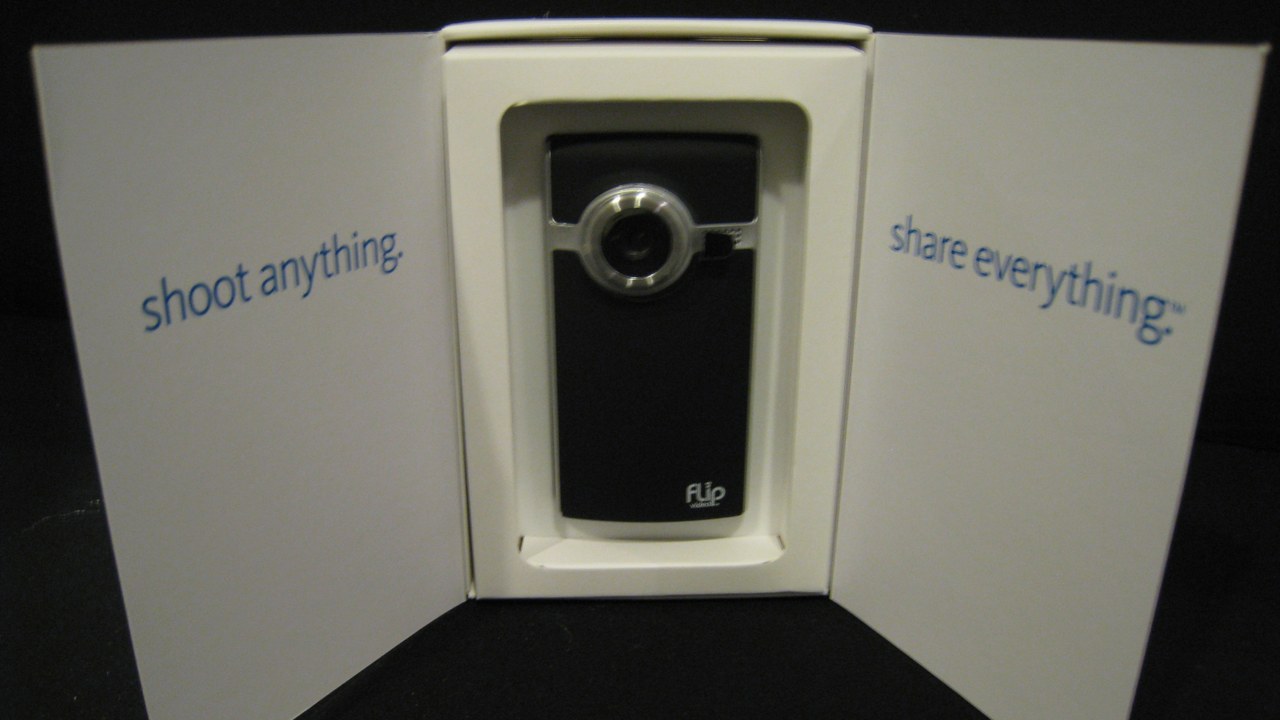
Pure Digital’s one-button camcorder hit shelves in 2006 with built-in USB, minimal menus, and dead-simple controls, making casual video recording effortless for families and early YouTubers alike. Cisco bought the fast-growing brand for roughly $590 million in 2009, right as its popularity crested toward a peak.
Smartphone cameras soon erased any reason to carry a dedicated second device, and Cisco abruptly killed the entire line in 2011. Its brief dominance previewed the vertical, share-everything video culture that phones would eventually make utterly inescapable across daily life.
More from Morning Overview
- The NSA is again telling phone owners to switch off one location setting
- A handful of car transmissions are so tough mechanics say they almost never fail
- A handful of SUVs keep hitting 300,000 miles, and they share one engine trait
- Supplements now rank as the fifth-leading cause of death from liver disease.
