
Smart speakers, video doorbells, and connected televisions have quietly moved microphones into nearly every room of the modern home. Most rely on a wake word or trigger phrase, which means their microphones sample sound continuously while waiting for a command. The devices below show how ordinary that always-on design has become across nine popular products.
1. Amazon Echo: The Original Always-On Speaker
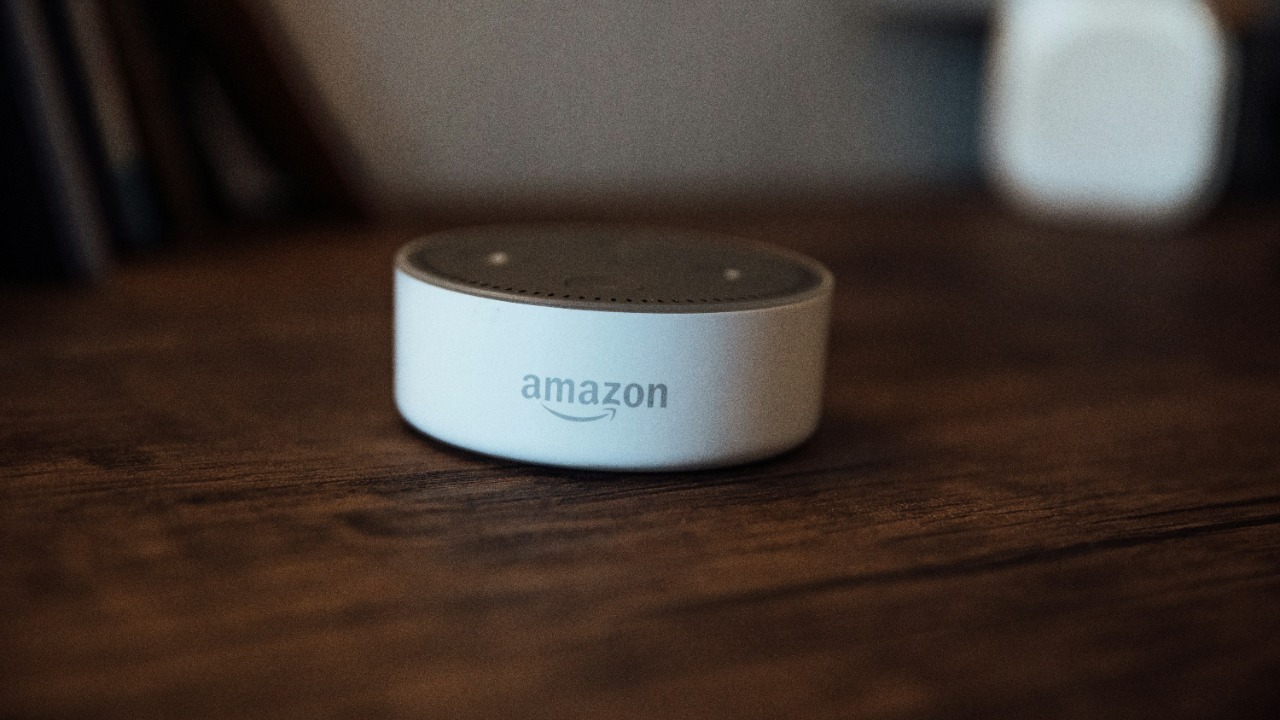
Amazon’s Echo line popularized the voice-controlled smart speaker, and every model in the range keeps its microphone array powered whenever the device is switched on. According to the product’s technical overview, the hardware continuously buffers a short window of audio locally and only begins streaming to Amazon’s servers once it detects the wake word, by default the name Alexa. Users can choose alternative wake words such as Echo, Amazon, or Computer.
A physical mute button electrically disconnects the microphones for people who prefer to silence the array entirely. Amazon has confirmed that a fraction of recordings are reviewed by staff to improve speech recognition, a practice that drew regulatory scrutiny and clearer opt-out controls.
2. Google Nest Audio: Tuned To Its Trigger Phrase
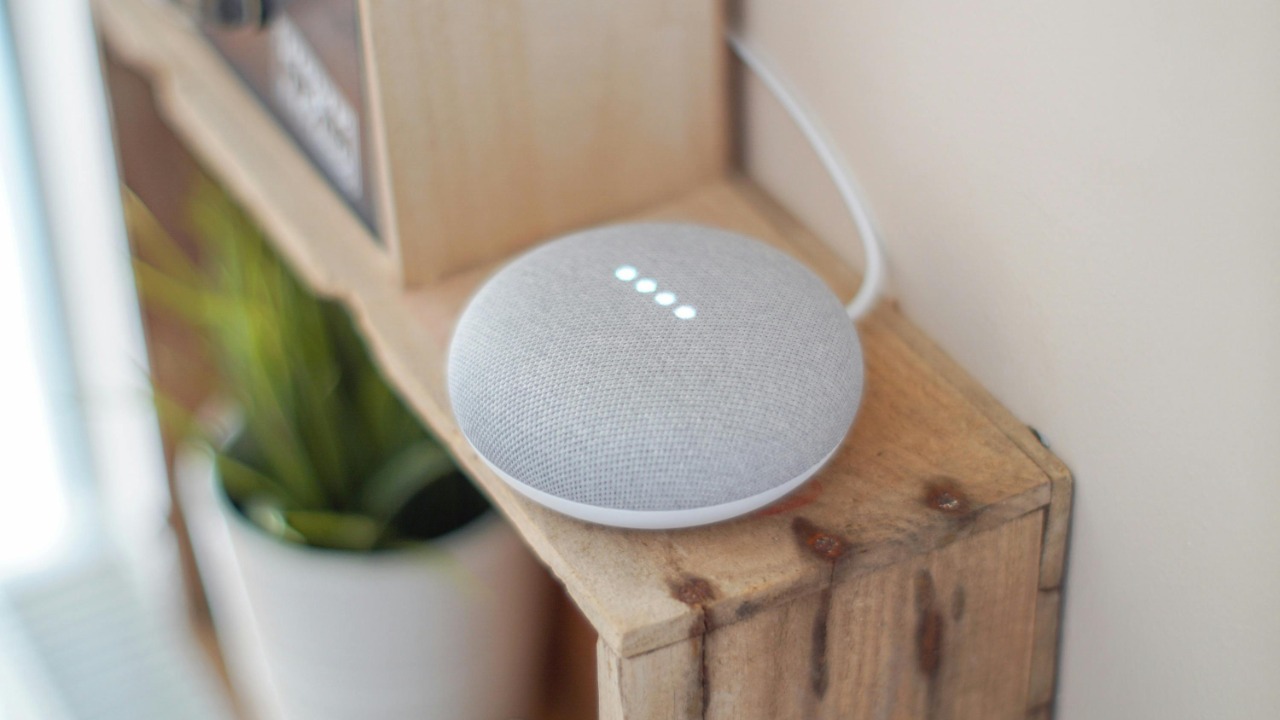
Google’s Nest speakers listen for the phrase Hey Google or OK Google, and the family’s support documentation describes an on-device recognizer that runs constantly to catch that trigger. Only after the phrase is heard does the speaker send the following request to Google for processing, and a chime and light ring signal when it becomes active. The Nest Audio, Nest Mini, and larger models share this same standby listening design.
Google introduced a setting that lets owners delete voice recordings automatically after three or eighteen months, and account holders can disable audio storage completely. A visible switch on the back of each unit cuts power to the microphones when flipped, offering a hardware-level way to stop the standby listening.
3. Apple HomePod: Waiting Quietly For Siri
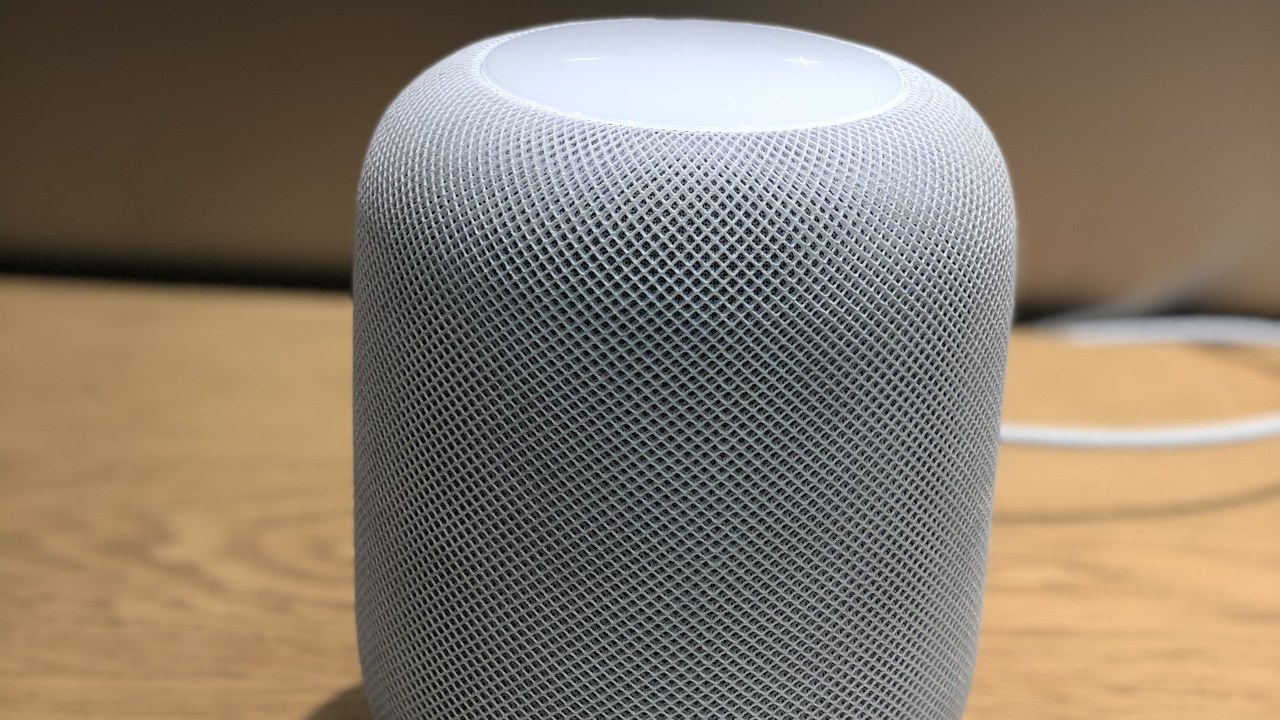
Apple’s HomePod uses an array of far-field microphones to hear the Hey Siri command from across a room, even while music is playing. Apple’s HomePod description states that audio is only sent to its servers after the trigger phrase is recognized, and that requests are tied to a random identifier rather than an Apple account name. The processing that spots the phrase runs locally on the speaker.
The company positions on-device recognition and encryption as privacy features, and owners can disable Hey Siri so the HomePod responds only to a touch. Recordings were once analyzed by contractors until a 2019 disclosure prompted Apple to make that review strictly opt-in across its voice products.
4. Ring Video Doorbell: Audio And Video At The Door
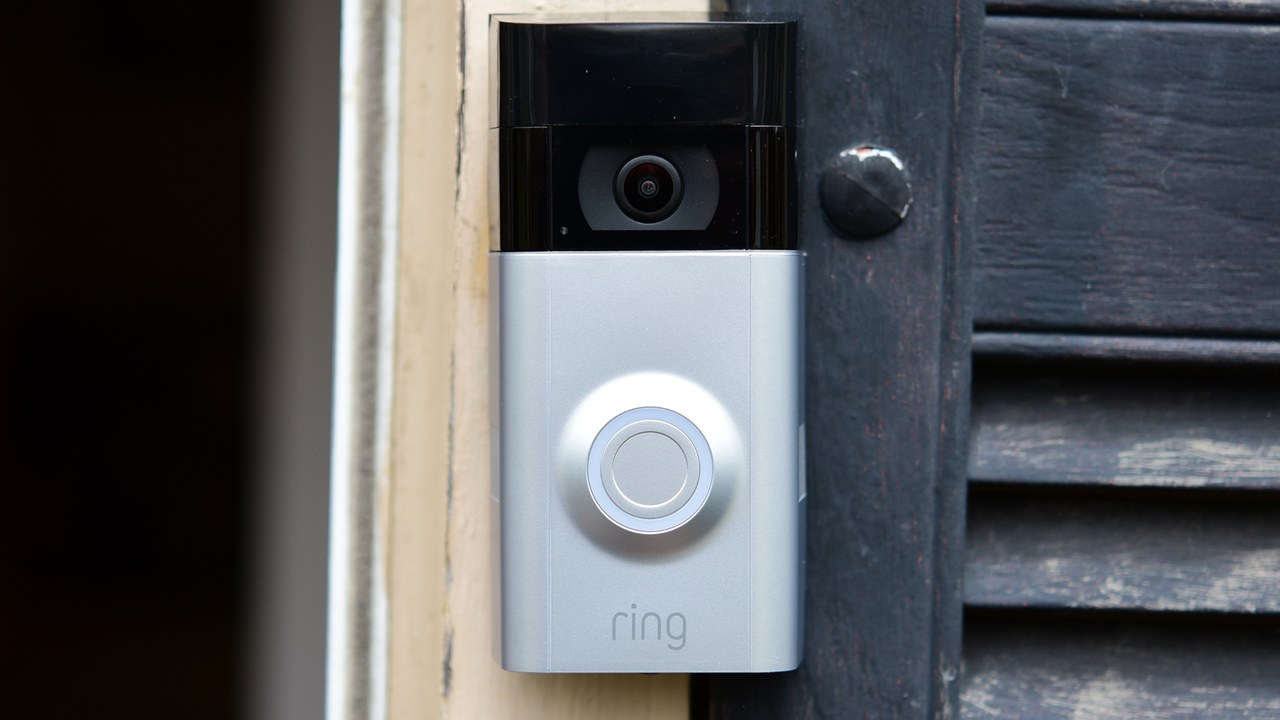
Ring’s video doorbells capture both footage and sound whenever motion is detected or a visitor presses the button, and audio recording is enabled by default. The Federal Trade Commission has warned consumers about home cameras in its consumer alerts, and in 2023 it settled a case accusing Ring of letting employees and contractors view customer videos without adequate safeguards. That settlement required stronger privacy and security controls.
Owners can turn off audio capture in the Ring app and define motion zones that limit what is filmed. Because doorbells face the street, recordings can also pick up neighbors and passersby, an issue that has prompted debate over local surveillance and police access to footage stored on Amazon’s servers.
5. Google Nest Hub: A Screen That Keeps Listening
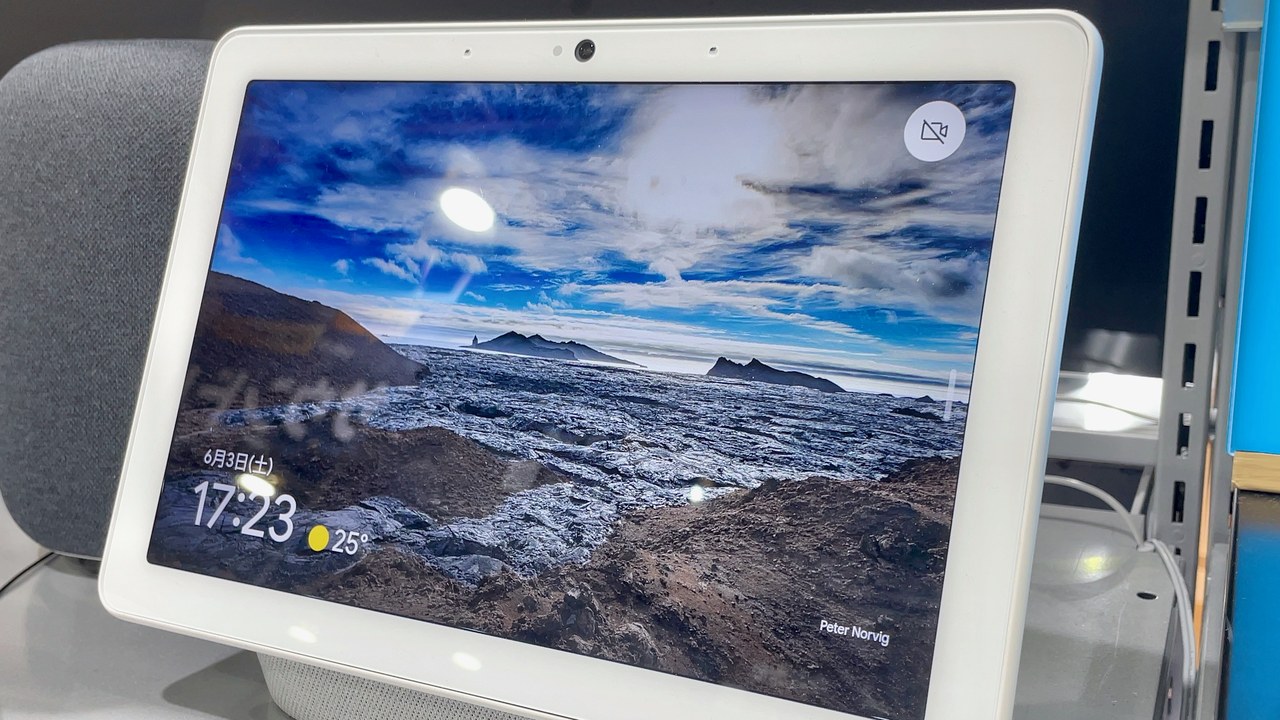
The Nest Hub pairs a touchscreen with the same voice engine found in Google’s speakers, so its microphones remain on standby for the Hey Google phrase throughout the day. The Nest smart-display lineup is documented alongside the company’s speakers, and the first generation deliberately shipped without a camera, a decision Google framed as suited to bedrooms and other private spaces.
A hardware switch on the back disables the microphones, and the screen can display a physical indicator when they are muted. Later models such as the Nest Hub Max added a camera for video calls and face recognition, which reintroduced the visual monitoring that the original display had intentionally left out.
6. Amazon Echo Show: A Camera Joins The Microphone
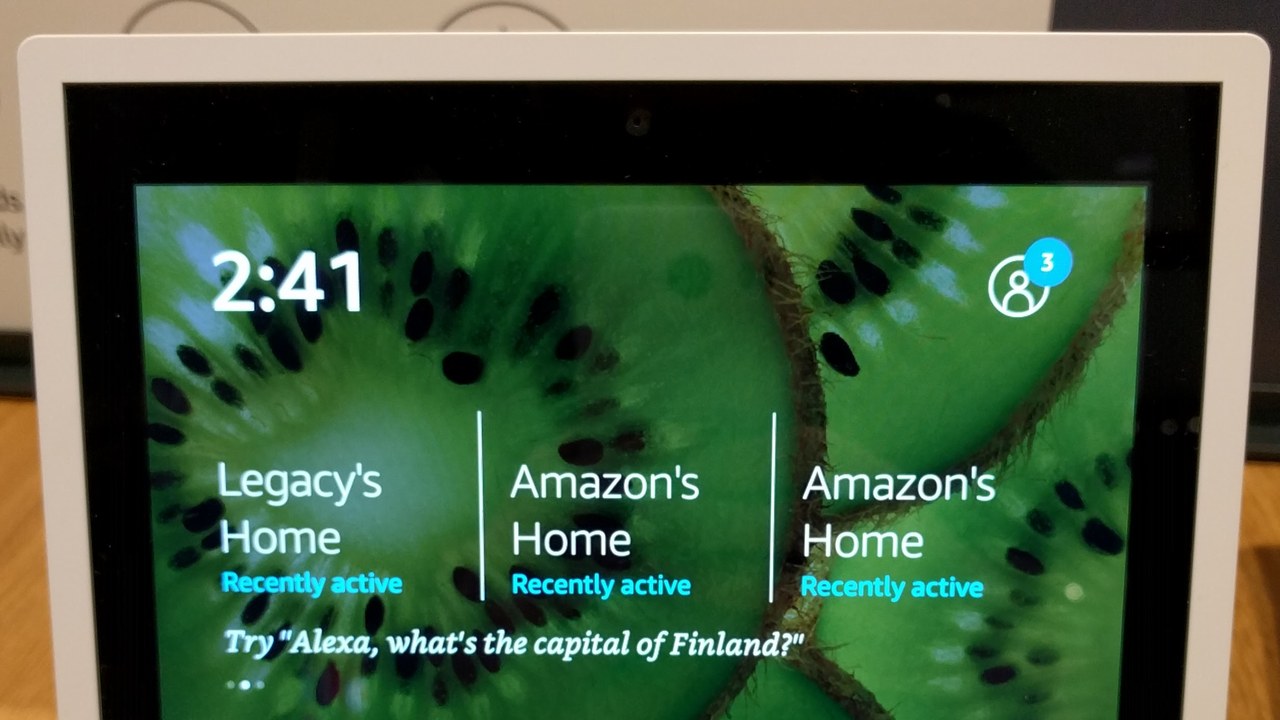
The Echo Show adds a display and a front-facing camera to the standard Echo formula, while keeping the same always-listening microphone array tuned to the Alexa wake word. Amazon’s Echo Show overview details features such as video calling, a visual home-screen, and support for smart-home camera feeds shown directly on the panel.
To address the extra sensor, Amazon fitted the device with an electronic mic and camera off button and, on several models, a sliding shutter that physically covers the lens. Reviewers have noted that the combination of a persistent microphone and a camera in kitchens and bedrooms makes placement and the mute controls more consequential than on a speaker alone.
7. Sonos One: Far-Field Mics In A Hi-Fi Speaker
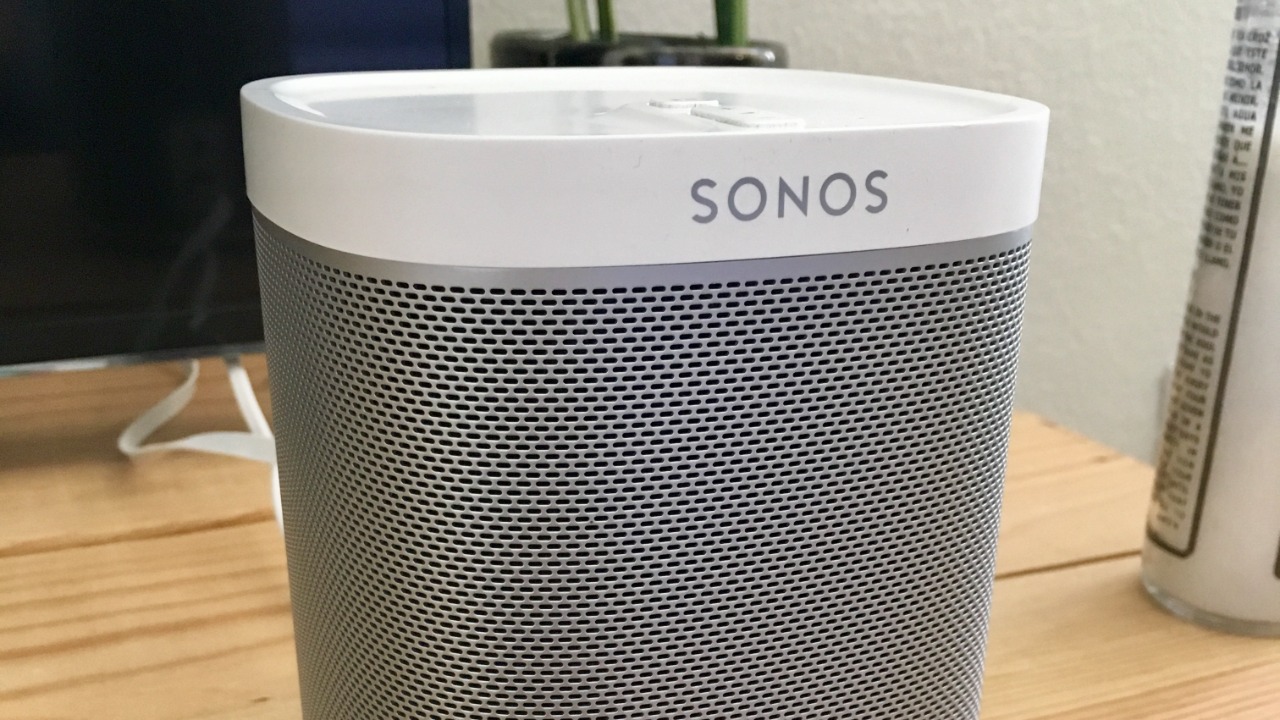
The Sonos One brought voice control to the company’s wireless audio system, embedding a six-microphone far-field array that listens for a wake word so it can take commands over music. Sonos’s company history traces its shift from purely streaming speakers to voice-enabled models supporting both Amazon Alexa and, for a time, Google Assistant.
A light on the top of the unit indicates when the microphones are active, and a touch control switches them off entirely at the hardware level. Sonos designed the One so the voice assistant can be disabled while the speaker still streams audio, letting owners keep the sound system without the standby listening if they choose.
8. Samsung smart TV: The Television That Hears Commands

Many Samsung smart televisions include a voice-command feature that captures spoken words through a microphone in the set or its remote. Older privacy policies drew attention for warning that speech could be transmitted to a third party, and the Federal Trade Commission has since cautioned buyers about connected-device data in its published guidance. Regulators have separately penalized other TV makers over undisclosed data collection.
Voice control on these sets can usually be switched off in the settings menu, and newer models keep the microphone dormant until the assistant is invoked. Consumer advocates still recommend reviewing a television’s privacy options, since features such as automatic content recognition can track viewing habits independently of the microphone.
9. Facebook Portal: A Video Caller Built To Watch And Hear
Meta’s Facebook Portal was a video-calling device built around a camera that could pan and zoom to follow people and a microphone array for hands-free calls. Its product entry notes that the line launched in 2018 and was discontinued in 2022, and that it supported Alexa alongside Facebook’s own Messenger and WhatsApp calling.
The Portal shipped with a physical switch to disable the camera and microphones and a sliding cover for the lens, features Meta highlighted after early skepticism about placing a Facebook camera in the living room. Meta stated that calls were encrypted and not used to target advertising, though privacy concerns contributed to the product’s short market life.
More from Morning Overview
- A California supervolcano has bulged upward about two and a half feet since 1978
- The FTC is warning about a scam quietly draining thousands from victims
- The NSA is again telling phone owners to switch off one location setting
- A handful of car transmissions are so tough mechanics say they almost never fail
