
Smart home gadgets promise convenience, but regulators have repeatedly found the companies behind them quietly gathering more data than customers ever agreed to. Enforcement actions from the FTC and multiple state attorneys general have targeted doorbell cameras, voice assistants, smart TVs, toys and streaming devices for hidden surveillance and unauthorized data sales. Here are nine smart home devices whose makers faced real regulatory punishment for secretly collecting user data.
1. Ring (Amazon): Employees Had Free Access
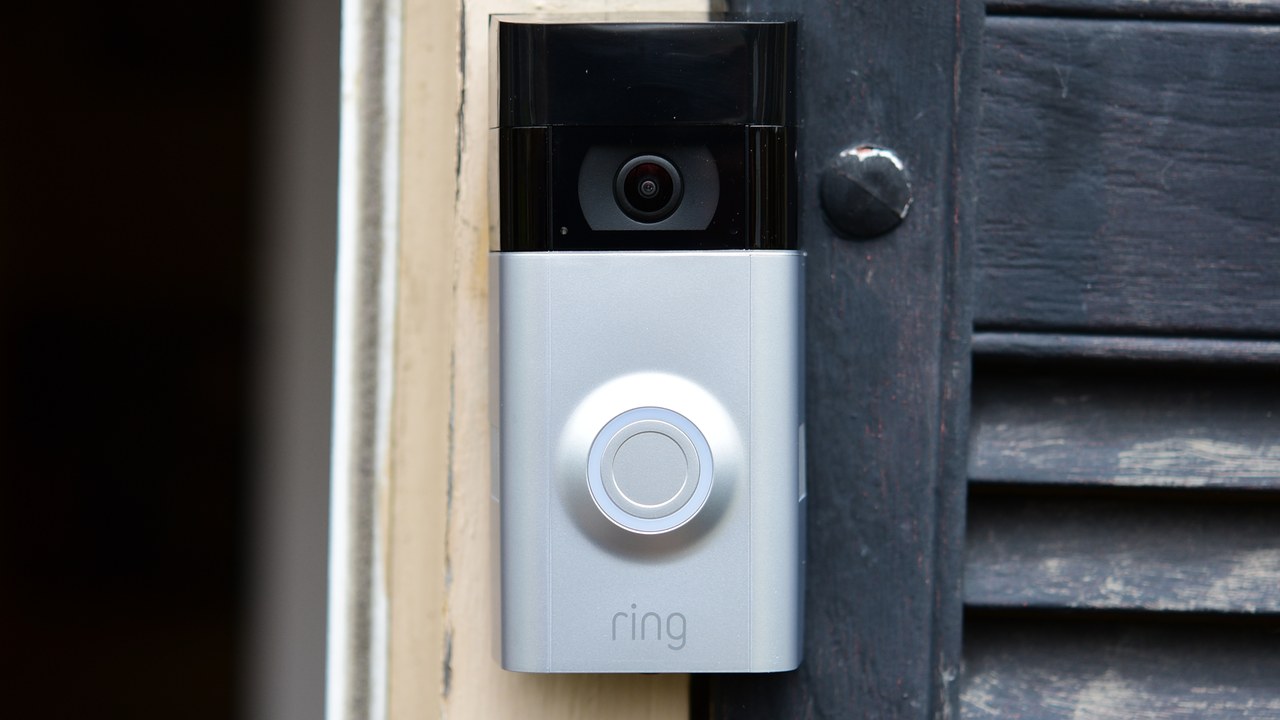
The Federal Trade Commission found that Ring allowed its own employees and outside contractors to freely access customers’ private indoor and outdoor camera videos for years, and that the company used those recordings to train algorithms without ever asking permission, a pair of violations that led to a $5.6 million refund order issued in April 2024.
The episode showed regulators treating casual internal access to home camera footage as a serious violation, not a minor lapse, and the order added consumer refunds on top of Ring’s earlier requirement to overhaul how it safeguards video and limits who inside the company can view it.
2. Amazon Alexa / Echo: Kids’ Recordings Kept Forever
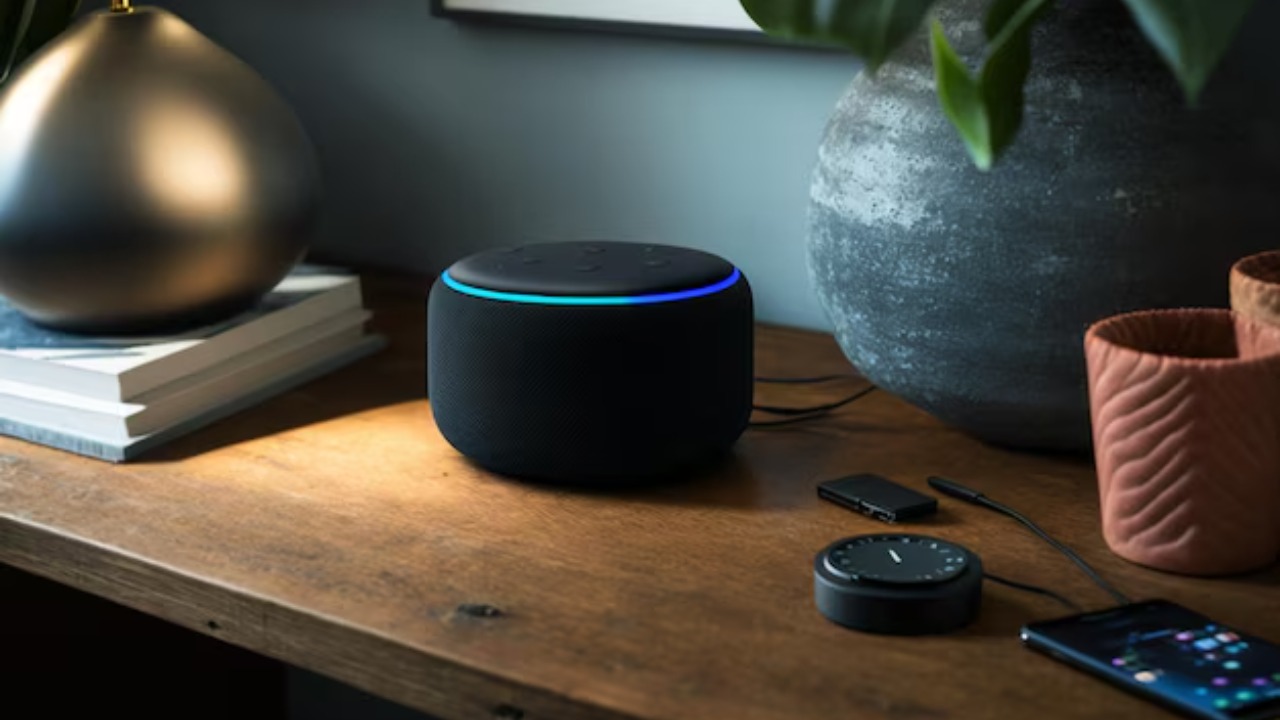
The FTC and Department of Justice charged Amazon with keeping children’s Alexa voice and geolocation recordings indefinitely and blocking parents from exercising their federally protected right to have that data deleted, a case that produced a $25 million civil penalty in May 2023.
Investigators said Amazon retained the sensitive recordings for years and used them for its own purposes even after families asked for deletion under the Children’s Online Privacy Protection Act, undercutting the idea that a smart speaker’s voice history is ever fully erased on request.
3. Vizio smart TVs: Millions of Viewers Tracked

The FTC and the state of New Jersey found that Vizio secretly installed tracking software on 11 million smart TVs that captured what owners were watching second by second, without their knowledge, leading to a $2.2 million settlement in February 2017.
The company’s own smart TVs were quietly reporting viewing habits to outside data buyers, turning ordinary television watching into a stream of household data that owners never agreed to share, and regulators cited it as an early warning about set-top surveillance built into everyday electronics.
4. Samsung smart TVs: Real-Time Viewing Surveillance
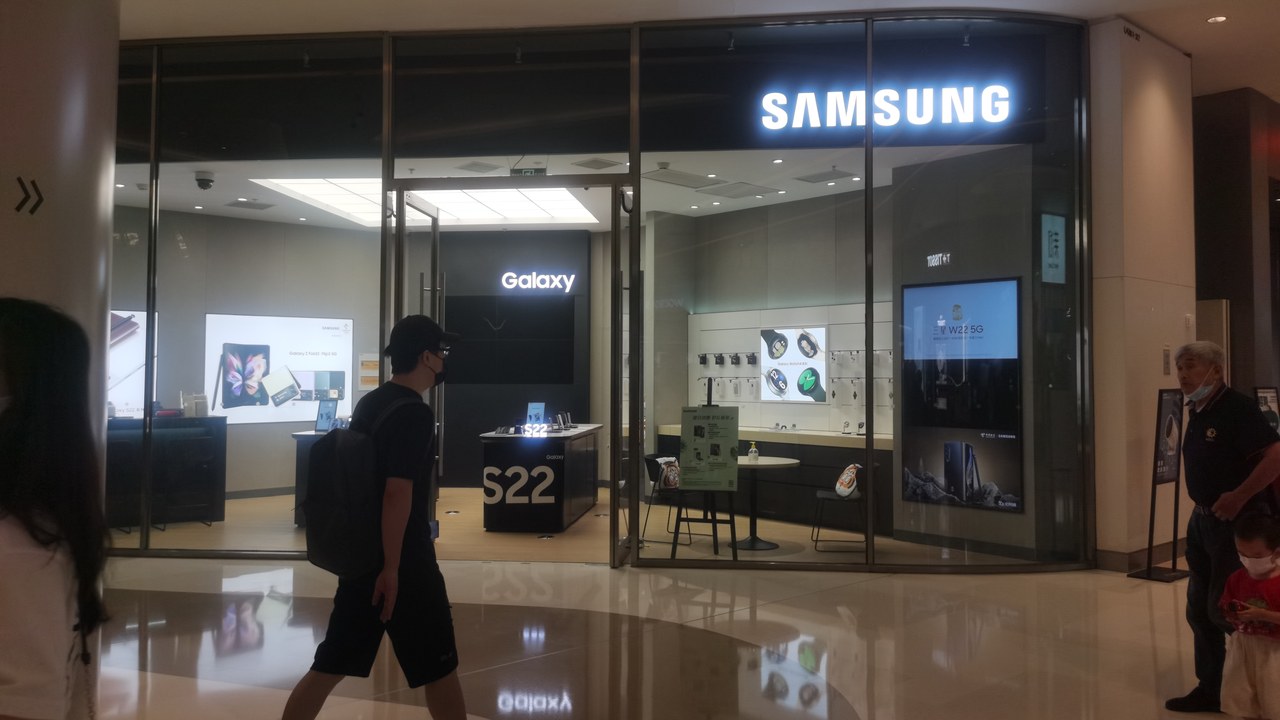
The Texas Attorney General’s office sued Samsung in December 2025, alleging its smart TVs used automatic content recognition software to monitor and transmit viewing activity to the company in real time without users’ knowledge or consent, part of a lawsuit against five TV makers.
The suit accuses Samsung of quietly turning its televisions into data-collection devices that track what households watch and relay it back to the company, raising questions about whether owners of internet-connected TVs can ever fully opt out of that surveillance, however carefully they check the settings menu.
5. LG smart TVs: Accused in the Same Suit

The same Texas lawsuit accuses LG of unlawfully collecting personal data through automatic content recognition technology that monitored what customers watched and transmitted that information to the company without authorization, one of five television makers named in the December 2025 complaint.
State regulators framed the practice as a pattern across the television industry, not an isolated lapse, and the complaint puts LG among manufacturers accused of treating viewing habits as a data source to exploit rather than information that belongs to the household watching, regardless of the brand printed on the bezel.
6. TCL smart TVs: Selling Viewer Data for Profit

TCL faces the same Texas complaint for allegedly deploying automatic content recognition software to capture viewing data, monitor activity in real time and sell consumer information for profit without users’ knowledge or permission, according to the attorney general’s filing.
Unlike the other manufacturers named in the suit, TCL is specifically accused of selling the collected viewing data for profit rather than simply gathering it internally, a distinction regulators treated as an aggravating factor in an already broad pattern of unauthorized tracking across the smart TV industry.
7. VTech electronic toys: Children’s Data Without Consent
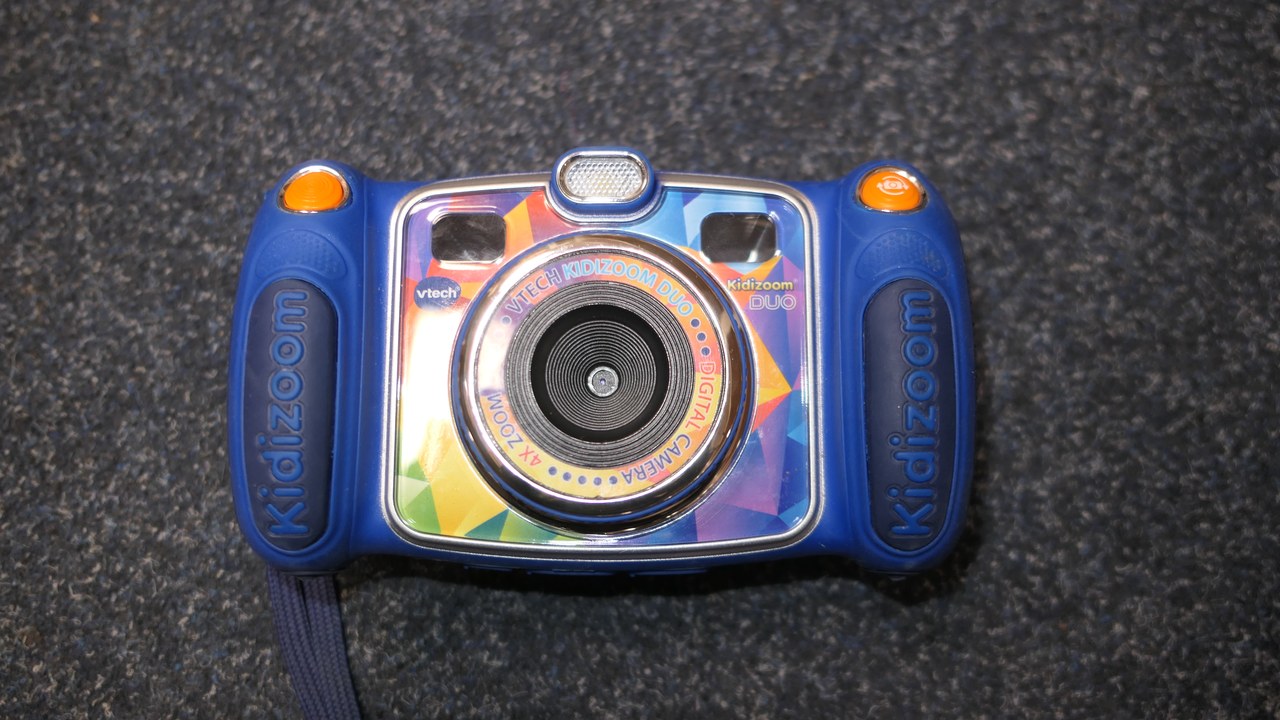
The FTC fined VTech $650,000 in January 2018 after finding the company collected children’s personal information through its connected toys and tablets without providing direct notice to parents or obtaining their consent, a violation of federal children’s privacy law.
The case showed that internet-connected toys aimed squarely at kids could quietly harvest the same kind of personal data as any adult-facing app, and regulators said the company’s failure to notify parents left families with no real chance to consent before their children’s information was collected.
8. Eufy (Anker) home security cameras: Cameras Left Unencrypted
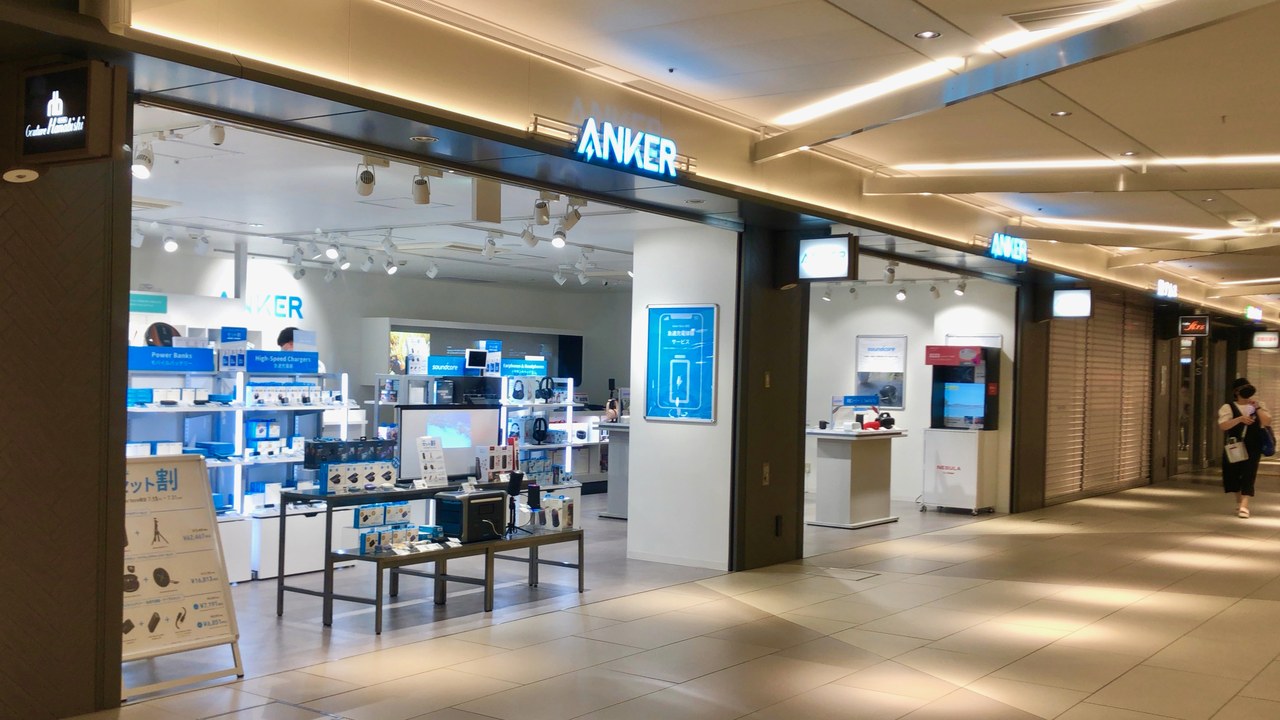
New York’s attorney general secured a $450,000 settlement from Eufy, the home security brand owned by Anker, over cameras that failed to adequately protect customers’ private video footage, with some streams transmitted without end-to-end encryption and active feeds left open to unauthorized viewers.
The investigation found that in some cases those active video feeds could be accessed without any authentication at all, meaning footage from inside a customer’s home was left far more exposed than owners buying a private security camera would reasonably expect, and regulators cited the gap as evidence that a locked front door means little if the camera watching it isn’t properly secured.
9. Roku streaming devices: Streaming Data Sold to Brokers
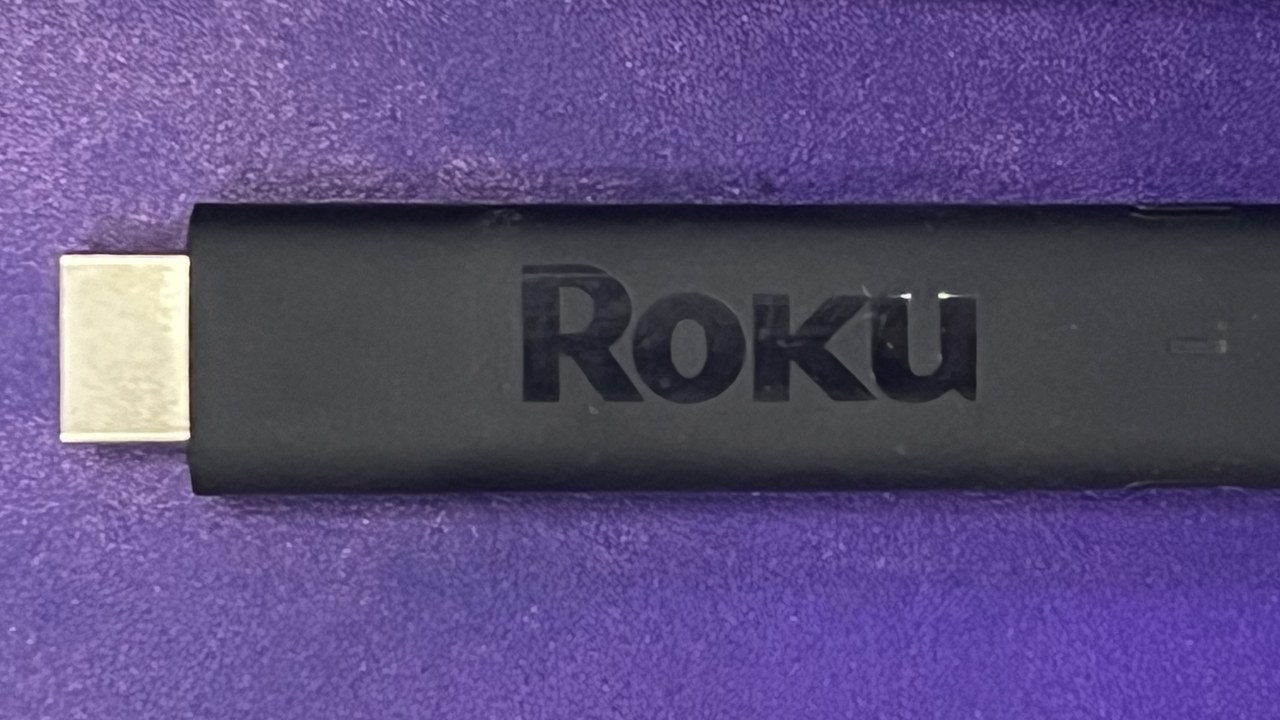
Florida’s attorney general resolved a children’s data privacy enforcement action against Roku in 2026 over its data-collection practices, with the state contending that Roku shared and sold streaming data to data brokers such as Kochava, which allegedly used it to build profiles of young viewers.
State officials alleged the broker used that information to build profiles of children and track individuals’ physical movements over time, turning a living-room streaming box into a quiet pipeline for the kind of sensitive personal and location data families would never expect a simple Roku remote to help collect and pass along to outside companies.
More from Morning Overview
- Amazon’s Prime refunds are rising to $200 as millions more customers become eligible
- A handful of car engines are so tough mechanics say they almost never wear out
- The NSA is again telling phone owners to switch off one location setting
- Supplements now rank as the fifth-leading cause of death from liver disease.
