
Some invasive species arrive with fanfare; others slip in through a shipping container or a traveler’s boot and surface only once field biologists find them in new counties. The cases below span a flesh-eating livestock parasite once declared gone from the country to a South American lizard now burrowing into the Georgia coastal plain. Here are nine pests and parasites confirmed spreading into new American territory this year.
1. New World screwworm: Eradicated Once, Back Now
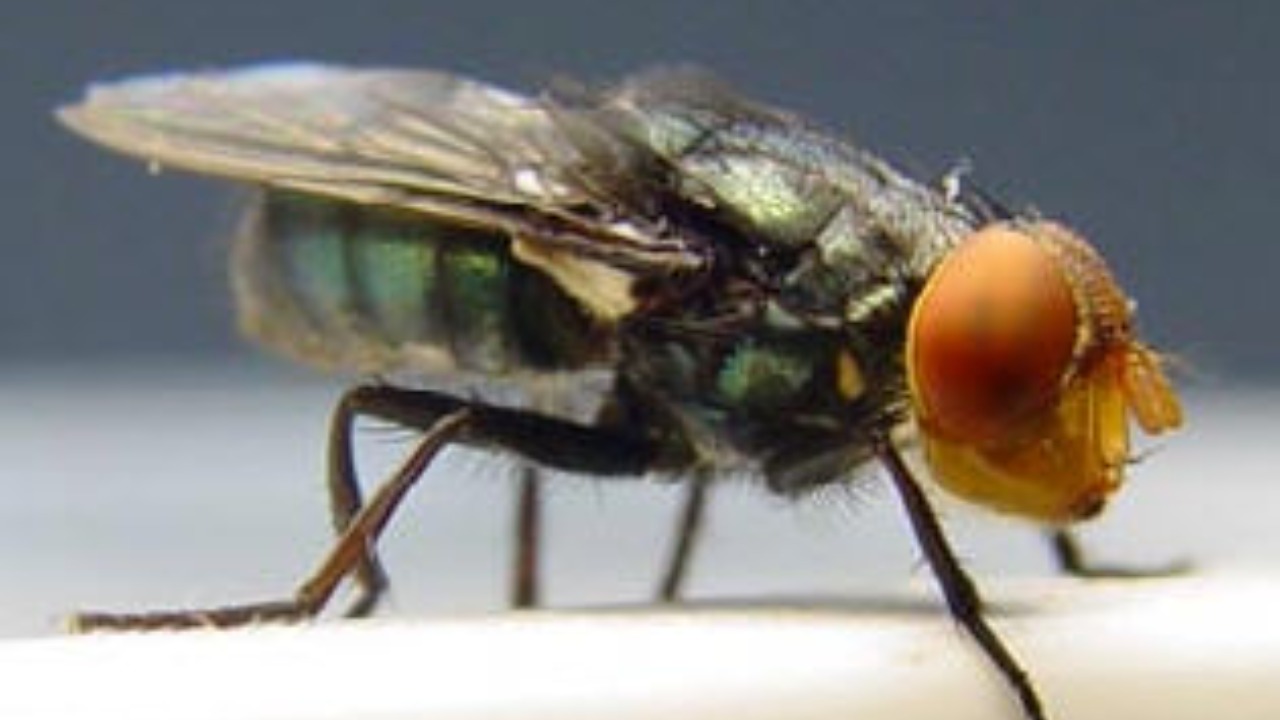
USDA’s Animal and Plant Health Inspection Service confirmed the parasite’s return to United States livestock, decades after an eradication campaign wiped it from American herds by the 1960s. Female screwworm flies seek out any open wound, however small, and lay hundreds of eggs there; the hatched larvae feed on living tissue rather than dead flesh, burrowing deeper as they grow and often killing an untreated animal within days.
The confirmation triggers mandatory wound checks at livestock markets and stricter rules on animals moving north from Mexico, where the fly had re-established itself. Ranchers are being told to inspect cattle, horses and pets daily for wounds that keep draining, the surest early sign of infestation.
2. Spongy moth: Quarantine Grows County By County

USDA’s Animal and Plant Health Inspection Service expanded its federal quarantine to cover Lake and Whitley counties in Indiana, the newest addition to a boundary that now spans roughly 19 states. The moth’s caterpillars strip hardwood forests bare in outbreak years, and its egg masses cling to firewood, nursery stock and outdoor items well enough to hitch into places the insect could never reach alone.
The quarantine restricts moving trees, logs, mulch and outdoor household goods out of infested counties without inspection first, since one overlooked egg mass can seed an entirely new outbreak. Residents in newly added counties are asked to check firewood and yard items before hauling them elsewhere.
3. Asian longhorned tick: First Bite In Maine

The University of Maine Cooperative Extension Tick Lab identified a nymph collected in Cumberland County as the species’ first confirmed occurrence in the state, extending a range that has crept up the East Coast since the tick’s 2017 U.S. debut in New Jersey. Unlike most ticks, a single unmated female can clone herself and seed a pasture with thousands of offspring without ever finding a mate.
That reproductive shortcut lets populations explode fast enough to drain calves and fawns through blood loss alone, on top of any disease the tick carries. Extension staff are asking anyone finding an unfamiliar tick on livestock or pets to submit it for identification.
4. Joro spider: Metre-Wide Webs Move North

University of Georgia researchers have tracked the East Asian orbweaver’s spread across Georgia and into neighboring states since its accidental introduction near Atlanta around 2014, likely arriving in shipping containers. Each autumn the palm-sized females spin golden, three-dimensional webs that can stretch a metre across, strung between porches, mailboxes and power lines wherever the spiders settle.
The species shows little interest in biting people and its venom poses no real medical threat, but the density of webs in some neighborhoods has driven complaints to extension offices. Researchers expect the spider to keep pushing north as milder winters widen its range.
5. Emerald ash borer: Mississippi’s Turn Arrives
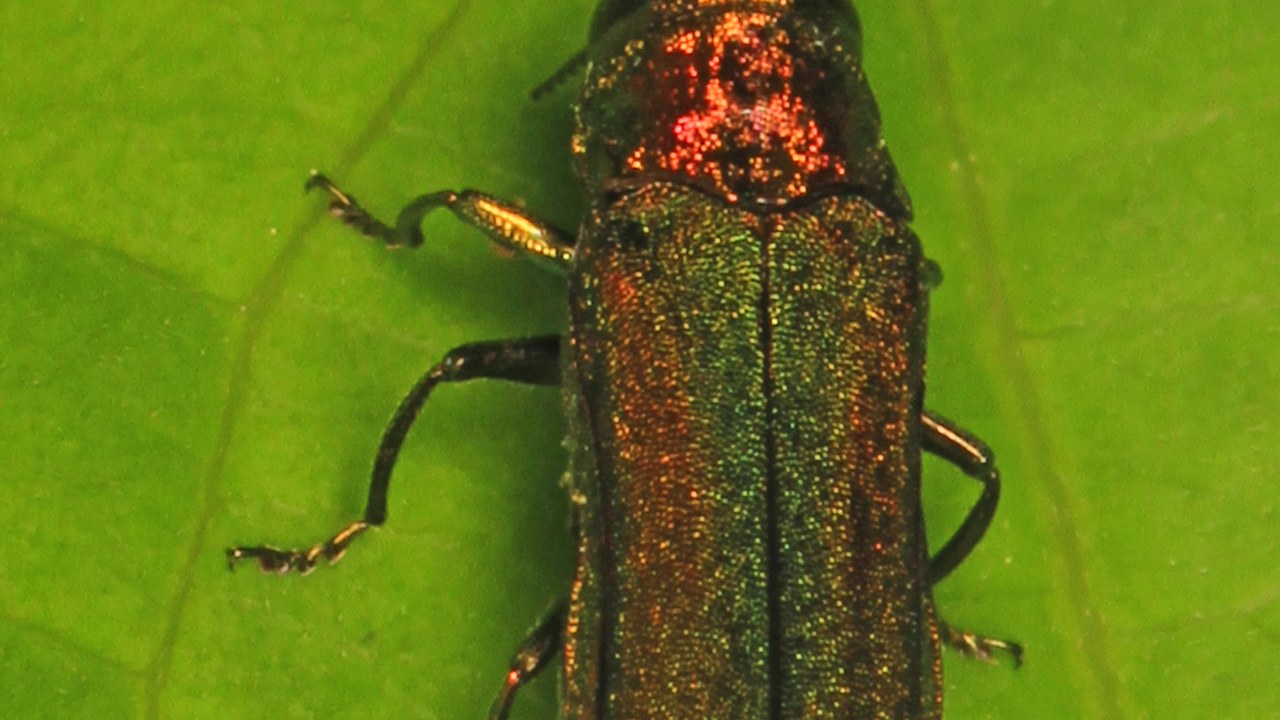
The Mississippi Forestry Commission and Mississippi Entomological Museum verified the beetle’s arrival in Issaquena County this past July, making Mississippi the latest state added to the insect’s march across the eastern half of the country since its 2002 detection in Michigan. Adult beetles lay eggs in bark crevices, and the larvae tunnel S-shaped galleries beneath the bark that cut off an ash tree’s ability to move water and nutrients.
An infested tree typically dies within two to four years, and the state has no ash trees confirmed resistant to the damage. Foresters are urging residents not to move firewood out of quarantined counties, the main way the beetle reaches new forests.
6. Spotted lanternfly: Quarantine Covers Most Of Pennsylvania

Penn State Extension now counts the planthopper established in 56 of Pennsylvania’s counties, every one of them under a state quarantine that restricts moving vehicles, firewood and outdoor equipment out of the zone without an inspection. The insect feeds by piercing grapevines, fruit trees and hardwoods to drain sap, then excretes a sugary waste called honeydew that coats everything beneath the tree in sooty mold.
Vineyards have reported yield losses heavy enough to threaten entire blocks of vines, and the honeydew fouls patios, cars and playground equipment in infested neighborhoods. Extension agents ask residents to scrape and destroy the insect’s grey, putty-like egg masses on sight.
7. Hemlock woolly adelgid: A Wool-Covered Warning

The National Park Service tracks the sap-sucking insect’s spread through eastern hemlock stands, where it announces itself through small white, cotton-like tufts clustered at the base of the needles rather than the insect itself, which is barely visible to the naked eye. A heavily infested hemlock can decline and die within four to ten years as the insect drains the tree of stored nutrients.
Entire hemlock ravines in the Appalachians and Northeast have already been lost, changing the shade and stream temperature that other species depend on. Land managers now lean on targeted insecticide treatments and predator beetles to slow the insect’s advance through remaining stands.
8. Argentine black and white tegu: A Lizard Digs In South Georgia

Georgia’s Department of Natural Resources is working to assess and eradicate a wild, breeding population of the metre-long South American lizard established in Toombs and Tattnall counties, most likely descendants of released or escaped pets. The tegus eat almost anything they can catch, including the eggs of ground-nesting birds and protected species such as the gopher tortoise and American alligator.
Wildlife officials trap and remove tegus through the warm months, when the reptiles are active and easiest to catch, then track burrows through the winter brumation period. Residents in the affected counties are asked to report sightings rather than try to capture the lizards themselves.
9. Zebra mussel: Decades Later, Still Spreading

The U.S. Geological Survey’s nonindigenous aquatic species program documents the mussel’s spread far beyond its original Great Lakes beachhead, into river systems, reservoirs and small lakes across dozens of states since its first U.S. detection in 1988. The mussels attach to hard surfaces in dense colonies thick enough to clog water intake pipes, jam boat engines and coat docks in razor-sharp shells.
Utilities and power plants spend heavily every year scraping and treating pipes to keep water flowing, costs that ultimately reach ratepayers. Boaters remain the primary route to new lakes, which is why inspection stations now check hulls and live wells at many popular launches.
More from Morning Overview
