
The home-computer era did not arrive all at once; it was built machine by machine, each one nudging keyboards and screens a little closer to ordinary desks. Some sold in the millions, while others mattered because rivals rushed to copy them. Here are nine machines that helped carry computing out of the lab and into everyday life.
1. Apple II: Home computing’s breakthrough
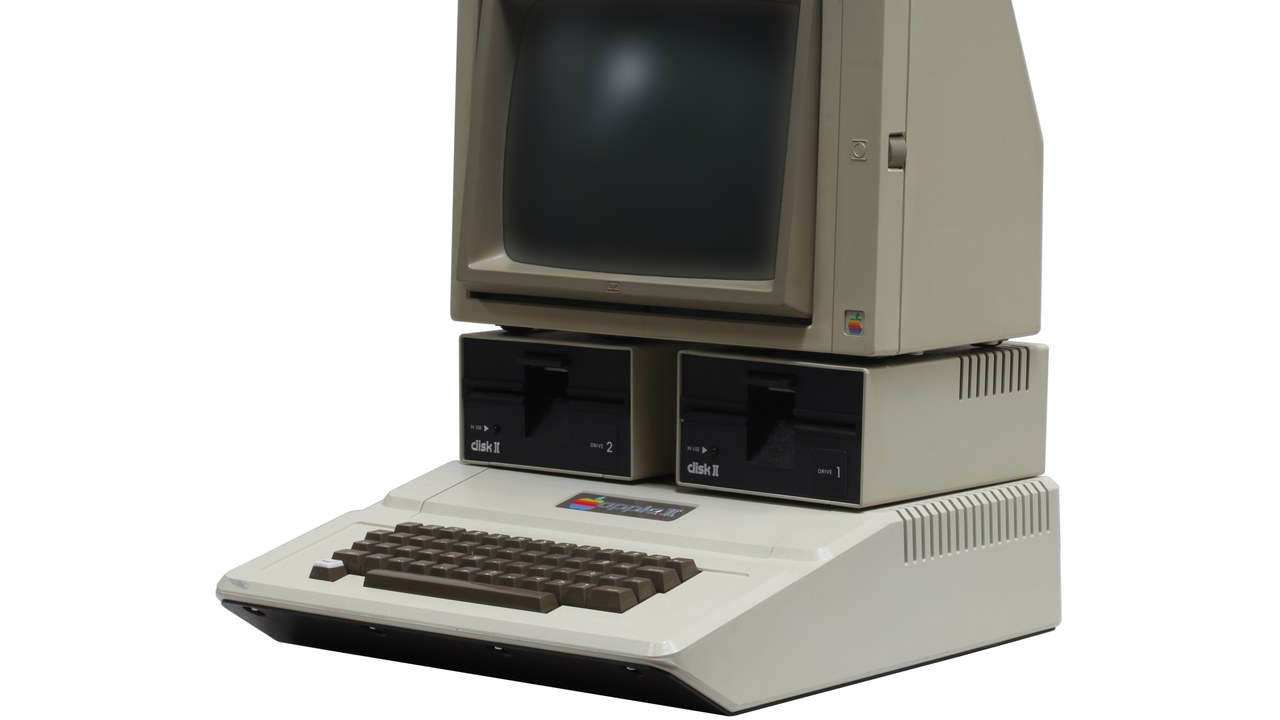
Released in 1977, the Apple II paired color graphics, sound, and an integrated keyboard in a case ordinary buyers could set up themselves. Steve Wozniak’s design added expansion slots that let owners bolt on printers, extra memory, and disk drives. According to its documented history, the line stayed in production for well over a decade.
Software turned the machine from a curiosity into a fixture. VisiCalc, the first spreadsheet program, arrived in 1979 and gave managers a concrete reason to buy one. Schools adopted it widely, introducing many children to programming and educational games. By keeping the platform open and long-lived, Apple built the loyal base that would fund its later reinventions.
2. IBM Personal Computer: The template offices adopted
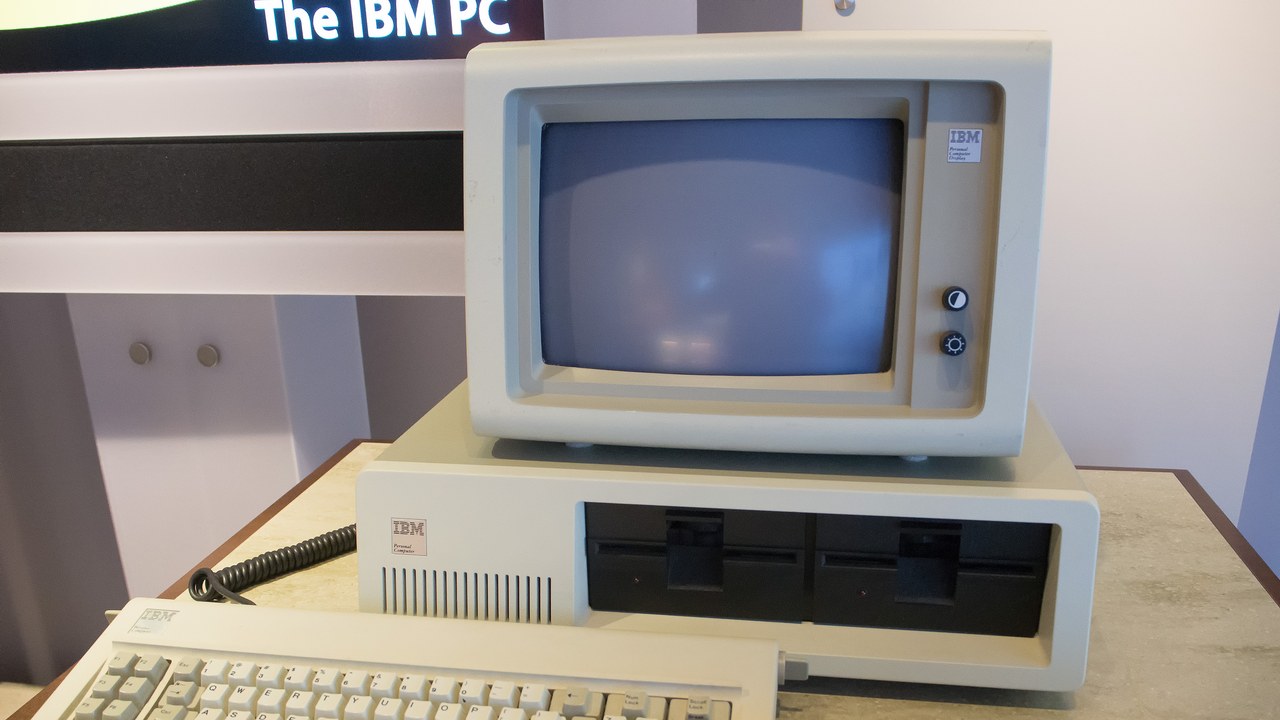
Arriving in August 1981, the IBM Personal Computer instantly gave corporate buyers a machine bearing initials they already trusted. Rather than design every part in-house, IBM assembled it from off-the-shelf components and licensed an operating system from a small firm called Microsoft. That decision, detailed in the model’s record, would reshape the industry.
Because the design was open, rival manufacturers reverse-engineered it and sold cheaper compatible clones by the millions. The label PC came to mean any machine built to that template, not just IBM’s own. Offices standardized on it, software makers wrote for it first, and the architecture still underpins most desktop and laptop computers sold today.
3. Commodore 64: An affordable living-room machine
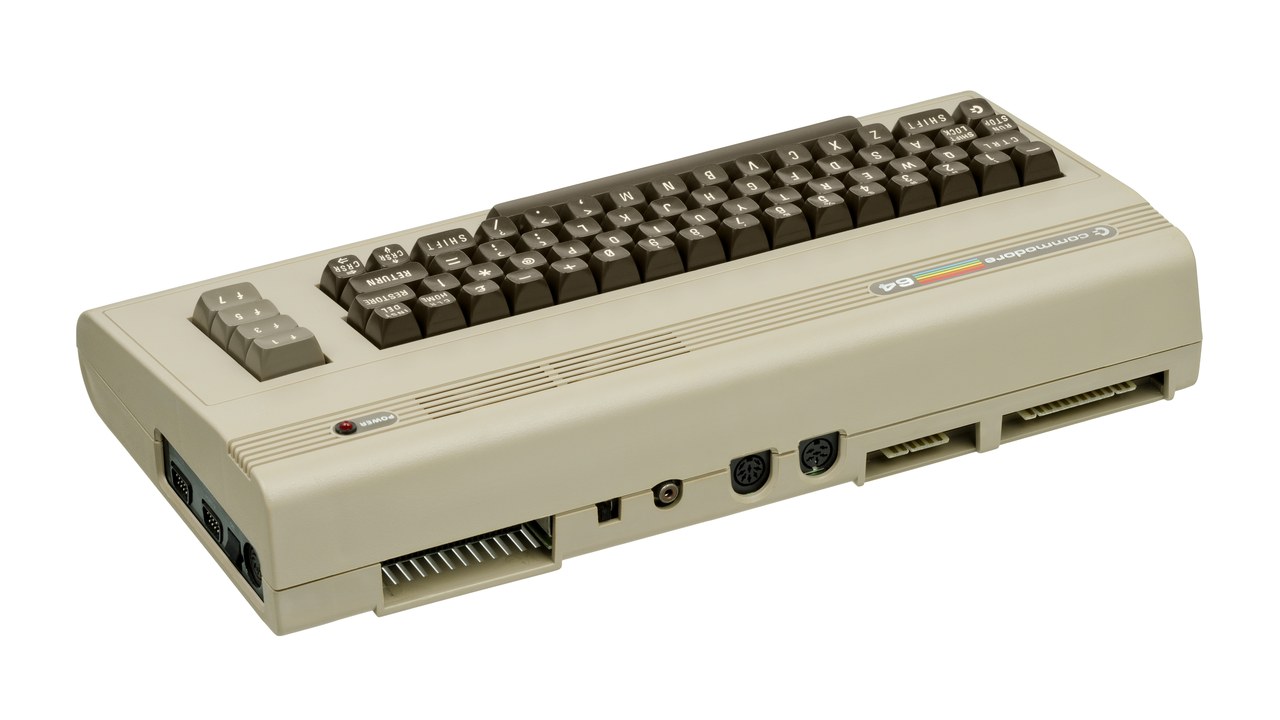
Priced around $595 at its 1982 launch, the Commodore 64 undercut nearly every rival while packing a remarkable sound chip and sharp color graphics. Its low cost put a real computer inside ordinary living rooms rather than only offices and labs. Figures compiled in its sales history rank it among the best-selling single models ever made.
The SID sound chip and capable graphics made it a favorite for games, and thousands of titles poured onto cassette and cartridge. Bedroom programmers used it to teach themselves BASIC and assembly language, seeding a generation of developers. Sold through department stores rather than specialist shops, it treated computing as an affordable household purchase.
4. Apple Macintosh: Point-and-click goes mainstream
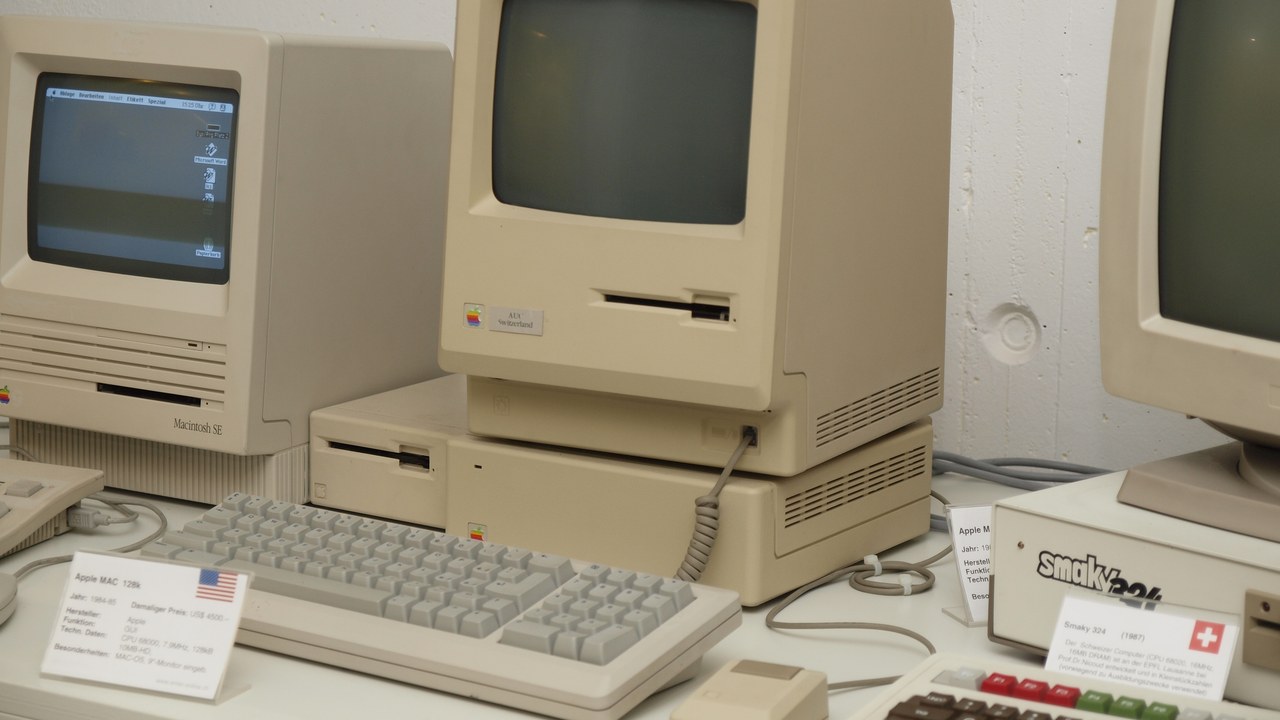
Unveiled in January 1984 with a famous Super Bowl commercial, the Macintosh 128K put a graphical interface in front of people who had never typed a command. Instead of memorizing text instructions, users pointed a mouse at windows, menus, and icons. The launch, chronicled in the model’s history, made those ideas mainstream.
The compact all-in-one design tucked screen and drive into a single upright case a person could carry. Its 128 kilobytes of memory felt cramped almost immediately, yet the interface pointed the whole industry toward point-and-click computing. Paired later with laser printers and page-layout software, the platform helped invent desktop publishing and cemented Apple’s reputation for design.
5. Commodore Amiga: Custom chips, real multimedia
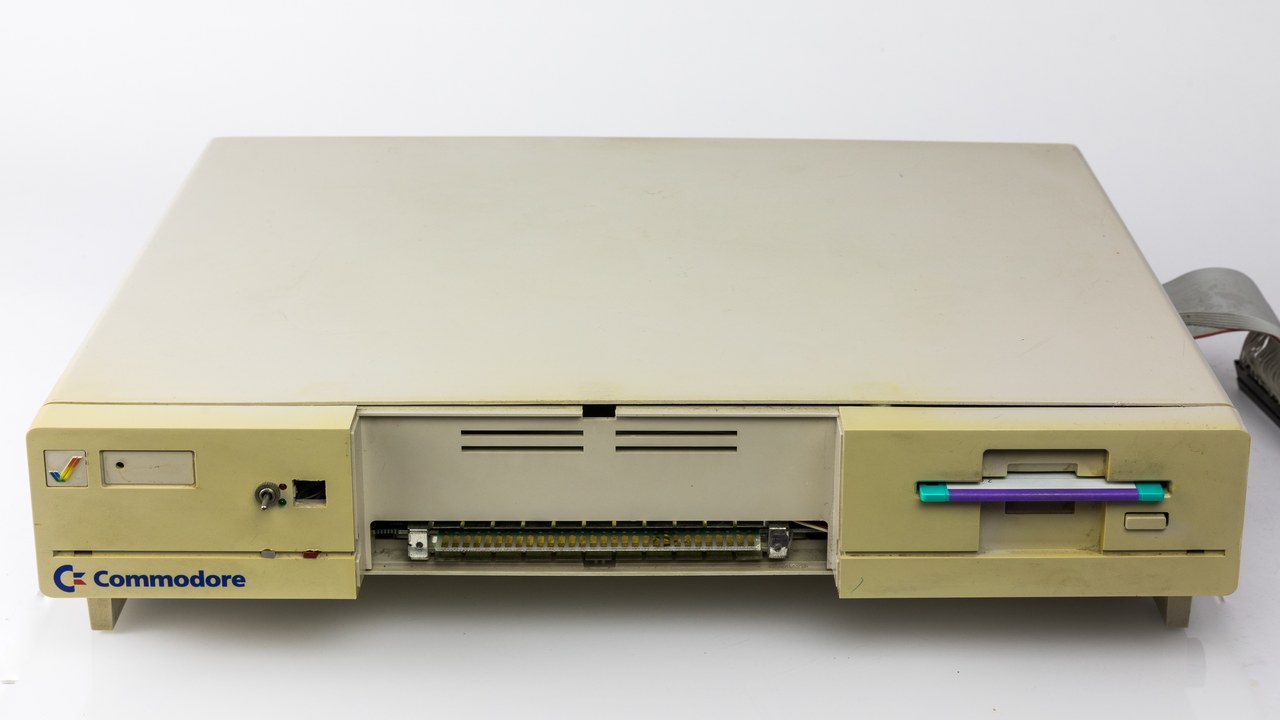
Launched in 1985, the Amiga 1000 stood apart with custom chips that handled graphics and sound far beyond its rivals. It could display thousands of colors and run several programs at once, a genuine novelty for a home machine. Its capabilities, documented in the system’s record, made it a multimedia standout.
Television studios and early video producers embraced it for titling and special effects, work that once demanded far costlier equipment. Game developers exploited its hardware for smooth animation and rich audio that competitors struggled to match. Though Commodore never marketed it as shrewdly as its technology deserved, the Amiga influenced how later computers approached multimedia.
6. Atari ST: The musician’s home computer
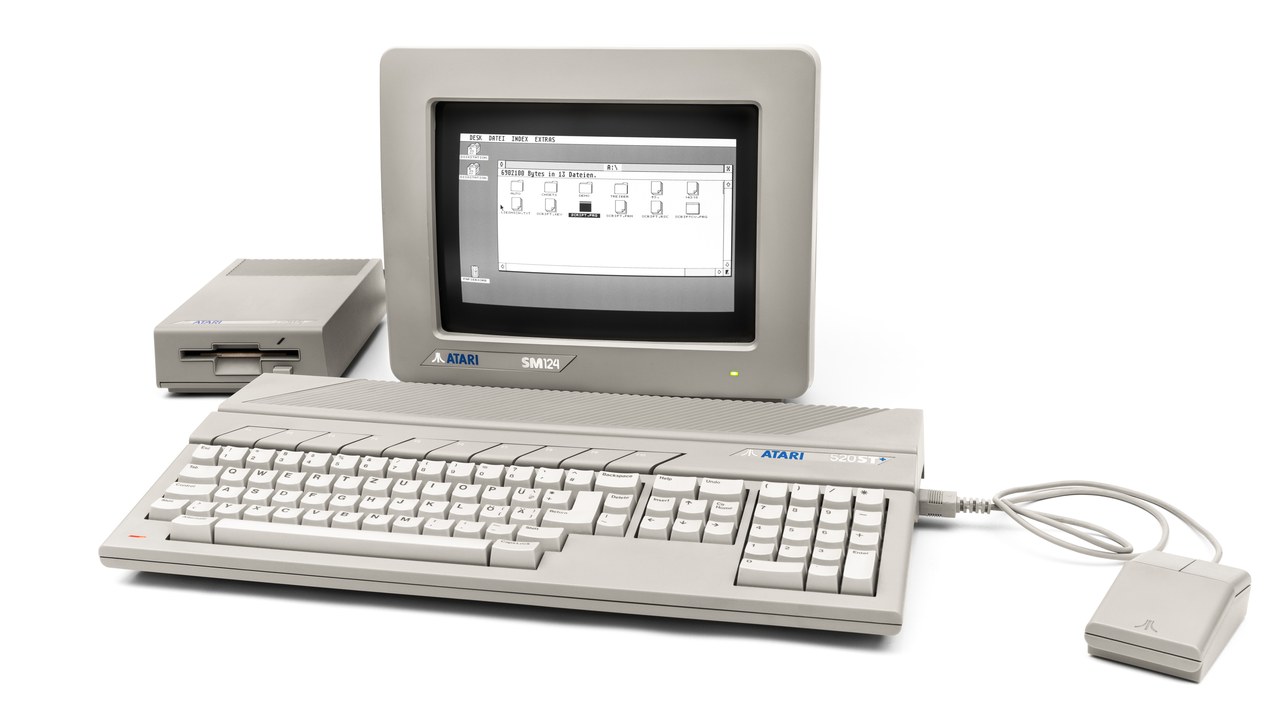
Pitched in 1985 as a direct rival to the Amiga, the Atari ST offered strong graphics and a windowed interface at an aggressive price. Built-in MIDI ports set it apart, letting the computer talk directly to synthesizers and drum machines. That feature, noted in its technical history, won a devoted following.
Professional and amateur musicians adopted it as an affordable studio brain, and several early sequencing programs became industry staples. Its generous memory and quick release earned a nickname drawn from the sixteen-and-thirty-two-bit design inside. Competing hard with Commodore for creative users, the ST helped prove that a home computer could double as a serious production tool.
7. IBM ThinkPad: The black slab that traveled
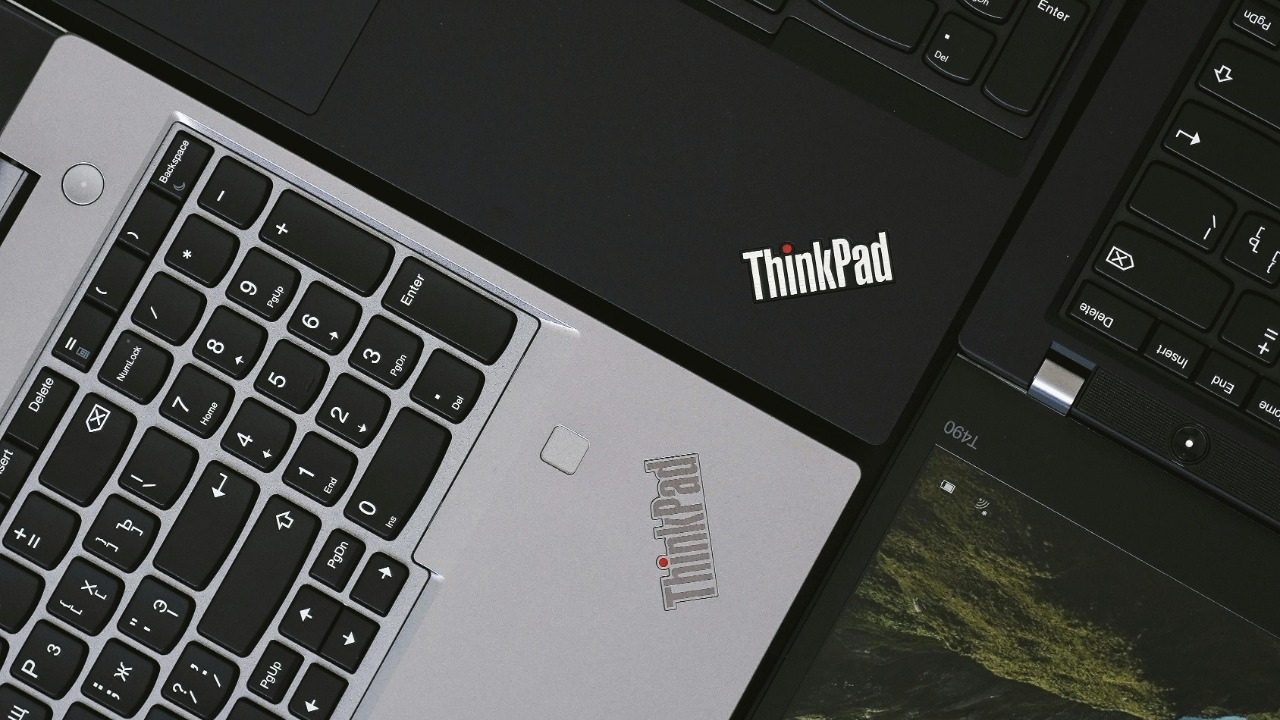
Introduced in 1992, the IBM ThinkPad wrapped its electronics in a plain black slab that stood out precisely because it refused to look flashy. A small red pointing stick nestled between the keys let travelers navigate without reaching for a mouse. The design, traced in the brand’s history, became a business-travel fixture.
Sturdy hinges, comfortable keyboards, and a no-nonsense look made the line a default choice for corporations and frequent flyers. Units even flew aboard the International Space Station, underscoring a reputation for reliability. IBM sold the business to Lenovo in 2005, yet the black-slab identity and red pointing stick survived, still recognizable in boardrooms decades later.
8. Apple iMac G3: Apple’s translucent turnaround
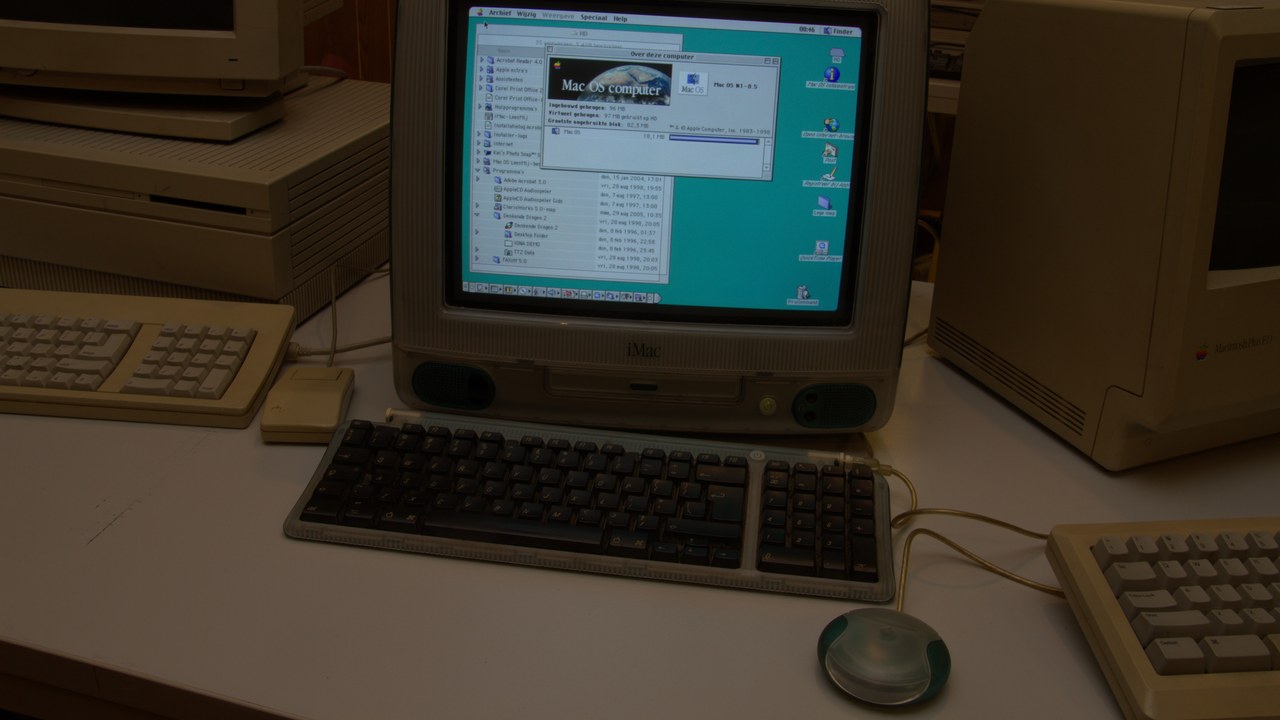
Translucent and Bondi-blue, the iMac G3 arrived in 1998 looking nothing like the beige boxes crowding store shelves. It bundled screen and computer together and asked buyers simply to plug in and go. This gamble, recounted in the model’s history, marked Apple’s turnaround.
The machine dropped the aging floppy drive and bet early on USB, pushing an entire industry toward the connector. Later versions added candy-colored cases that turned a computer into a lifestyle object as much as a tool. As the first major hit after Steve Jobs returned, it restored Apple’s finances and previewed the design-first strategy still driving the company.
9. Sinclair ZX Spectrum: Britain’s rubber-key phenomenon
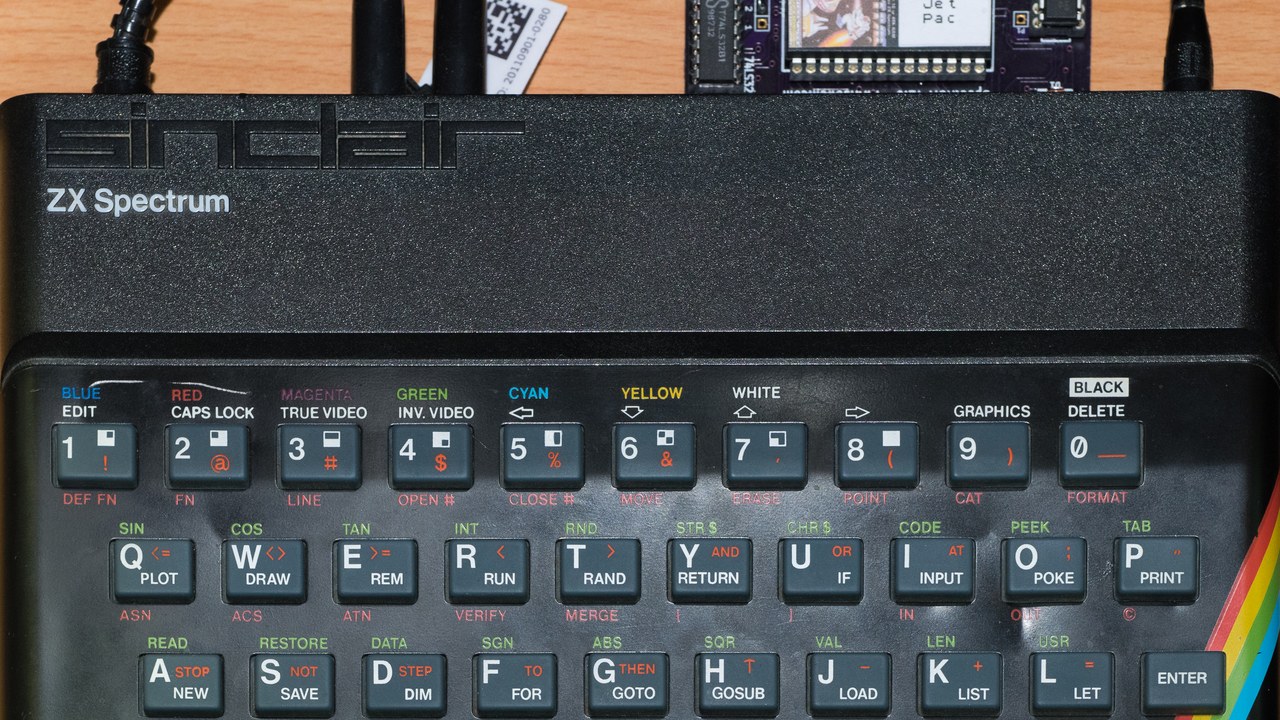
Britain’s Sinclair ZX Spectrum, released in 1982, brought color computing to households at a price families could actually justify. Its squishy rubber keyboard drew jokes, yet the affordable design sold in enormous numbers across the United Kingdom. That reach, described in the machine’s record, sparked a lasting games culture.
Teenagers loaded games from cassette tapes and taught themselves to code on the same machine, launching bedroom studios that grew into a national industry. Magazines printed program listings that readers typed in line by line to save money. For a generation of British programmers and designers, the little black wedge was the first computer they ever truly owned.
More from Morning Overview
- The FTC is warning about a scam quietly draining thousands from victims
- The NSA is again telling phone owners to switch off one location setting
- A handful of car transmissions are so tough mechanics say they almost never fail
- A handful of SUVs keep hitting 300,000 miles, and they share one engine trait
