
Some machines exist purely to move an almost unbelievable amount of material, rock, or air freight in a single pass. Mining, spaceflight, offshore construction, and particle physics have each produced a design so large that engineers had to invent new ways to support its own weight. Here are nine machines that pushed size and mass to their practical limits.
1. Bagger 293: Heaviest Machine on Wheels
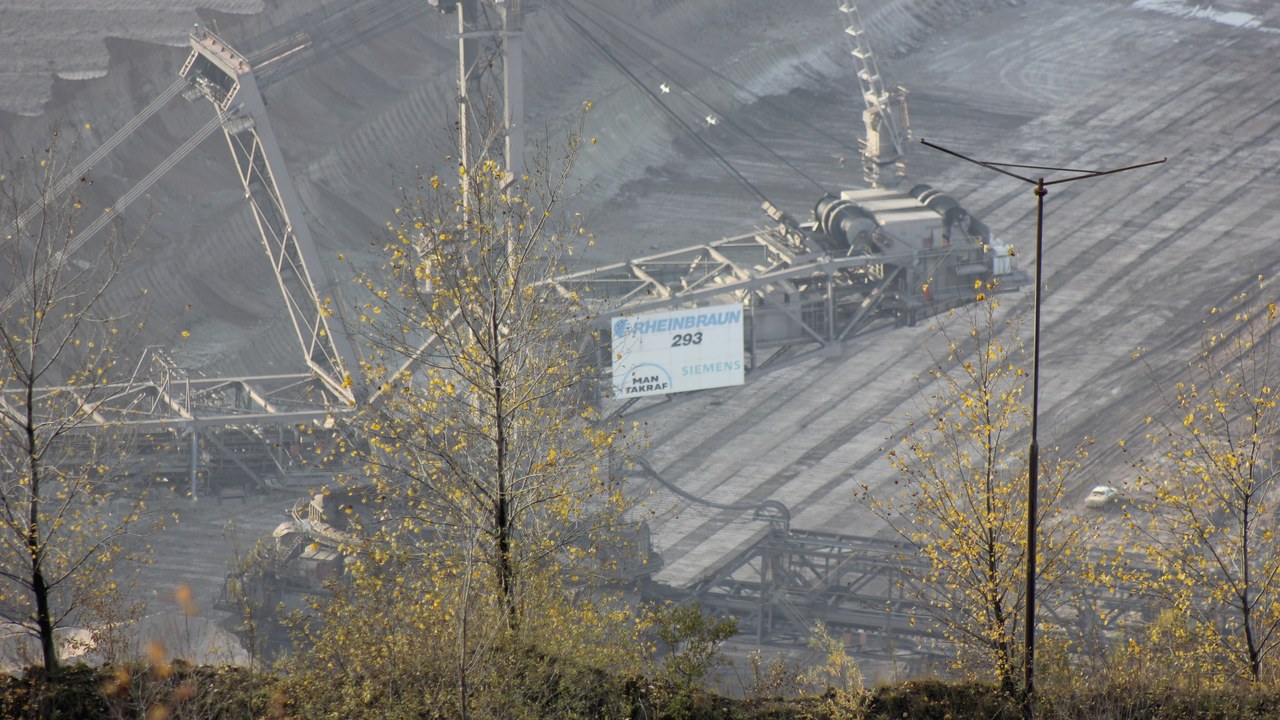
Bagger 293 is a TAKRAF bucket-wheel excavator built for lignite mining in Germany, and Guinness World Records lists it as the heaviest land vehicle ever built at 14,196 tonnes.
A rotating wheel roughly twenty-one metres across carries eighteen buckets that scoop through rock continuously while the whole structure crawls forward on its own tracks, never needing a crane or a rail car to relocate it. It works the Hambach surface mine, one of a handful of sites anywhere with ground stable enough to support a machine of that scale.
2. Overburden Conveyor Bridge F60: A Horizontal Eiffel Tower
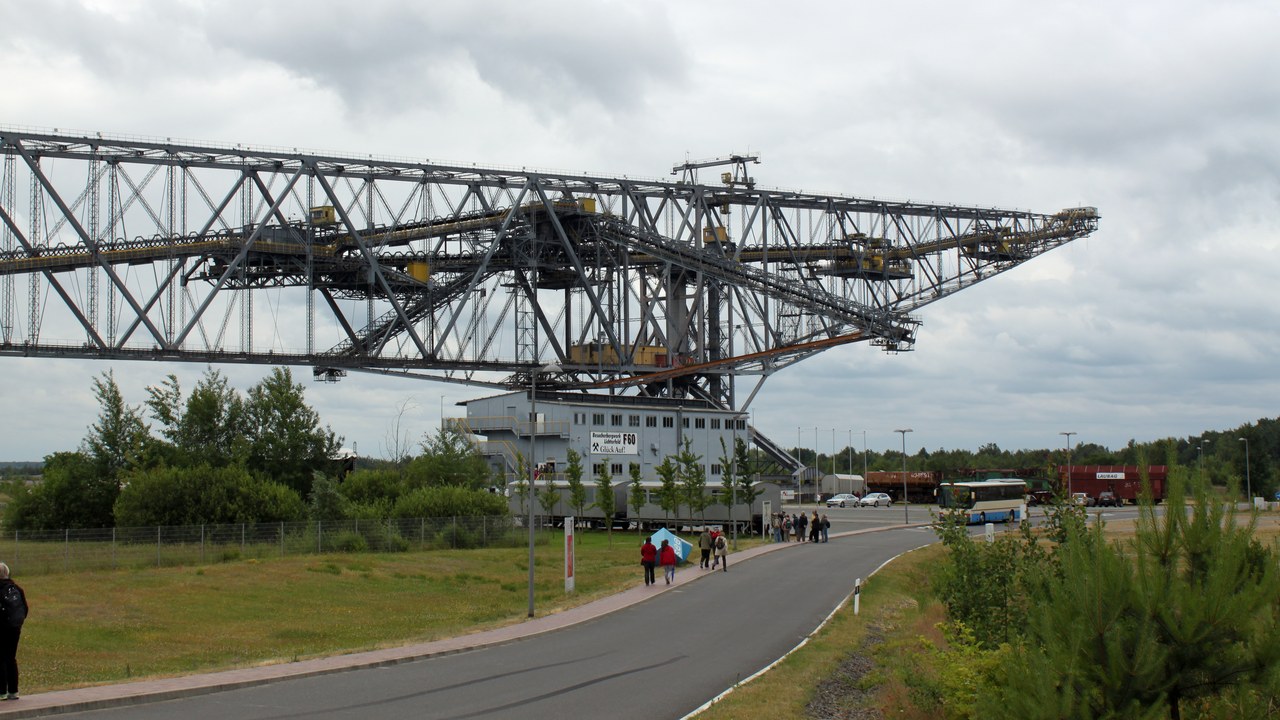
The Overburden Conveyor Bridge F60 spans 502 metres, stands 80 metres high, and weighs 11,000 tonnes, and its own operator describes it as a horizontal Eiffel Tower laid on its side.
It once shifted the soil covering lignite seams in Lusatia, moving material from the digging side to the dumping side on a belt strung across its lattice frame. Retired after only thirteen months of service, it now stands as a walk-through visitor monument at Lichterfeld, where guided tours climb sections of the steel framework once reserved for its operating crew.
3. Crawler-Transporter 2: NASA’s Rocket Hauler
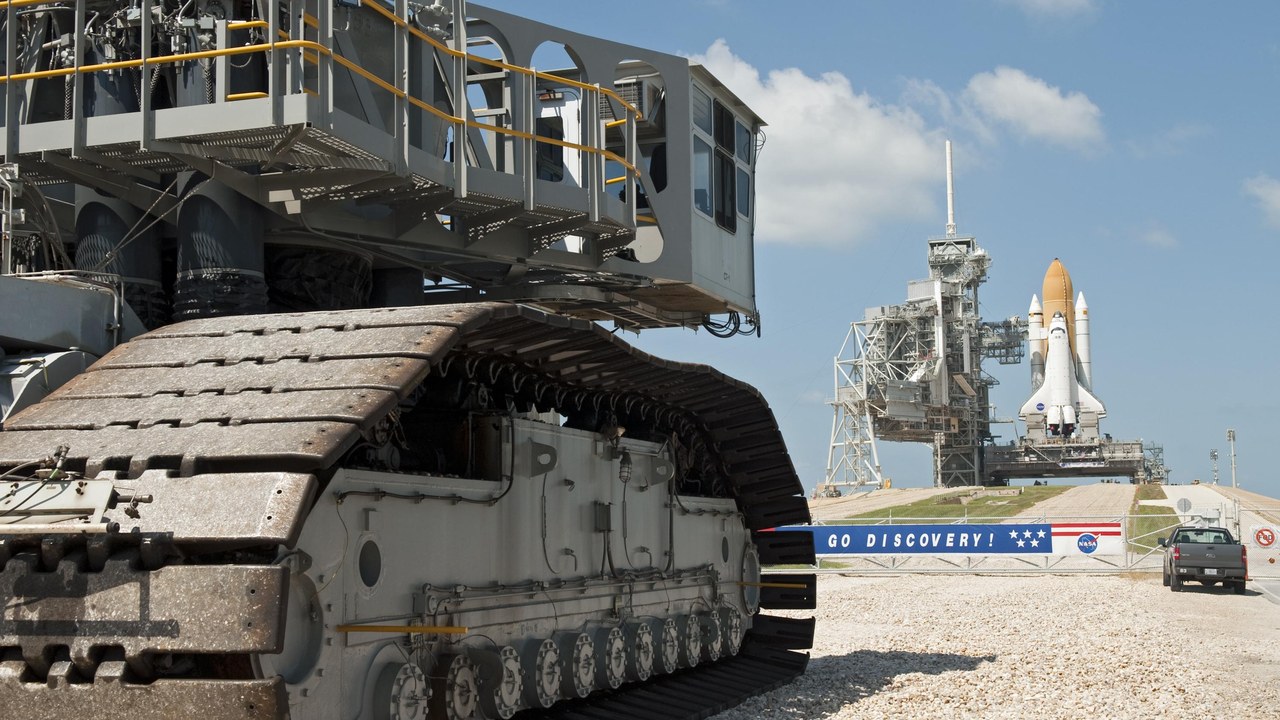
NASA built two crawler-transporters to haul rockets to the launch pad, and the Guinness World Records entry for the pair credits Crawler-Transporter 2 as the heaviest self-powered vehicle ever built, at 3,016 tonnes.
Eight tank-like tracks spread its weight across the crawlerway so the ground does not give way beneath a loaded mobile launcher, and the vehicle carries its own diesel-electric power plant rather than being towed. It moved Saturn V rockets and space shuttles for decades and now hauls NASA’s Artemis moon rocket, creeping along at barely walking pace.
4. USS Gerald R. Ford: The Navy’s Largest Warship
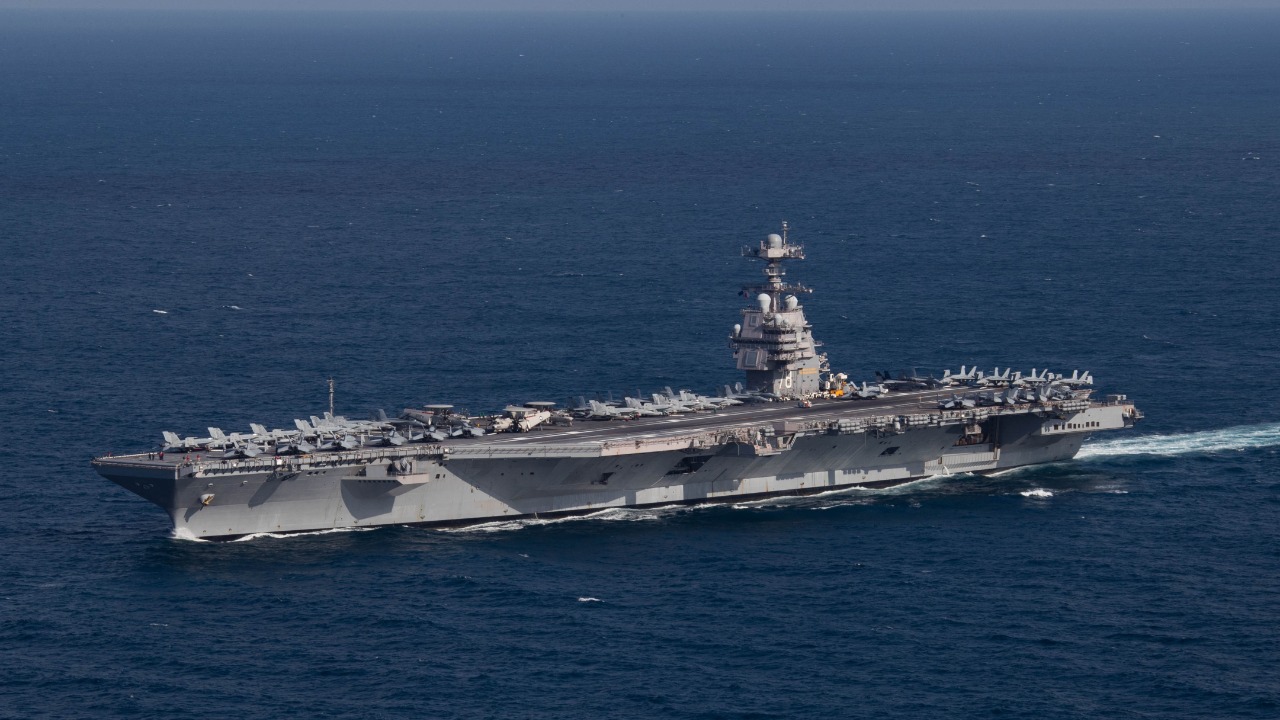
The aircraft carrier USS Gerald R. Ford is the lead ship of its class and, at roughly 337 metres long and about 100,000 tons at full load, ranks among the largest single machines ever assembled, according to its own build history from Newport News Shipbuilding.
Two A1B nuclear reactors power the ship without refueling for decades, and an electromagnetic launch system replaces the steam catapults earlier carriers relied on to fling aircraft off the deck. Commissioned in 2017 after years of construction, it remains the newest and largest class of aircraft carrier ever built, combining a floating airfield, a nuclear power plant, and thousands of crew quarters inside one hull.
5. Pioneering Spirit: One-Piece Platform Lifter
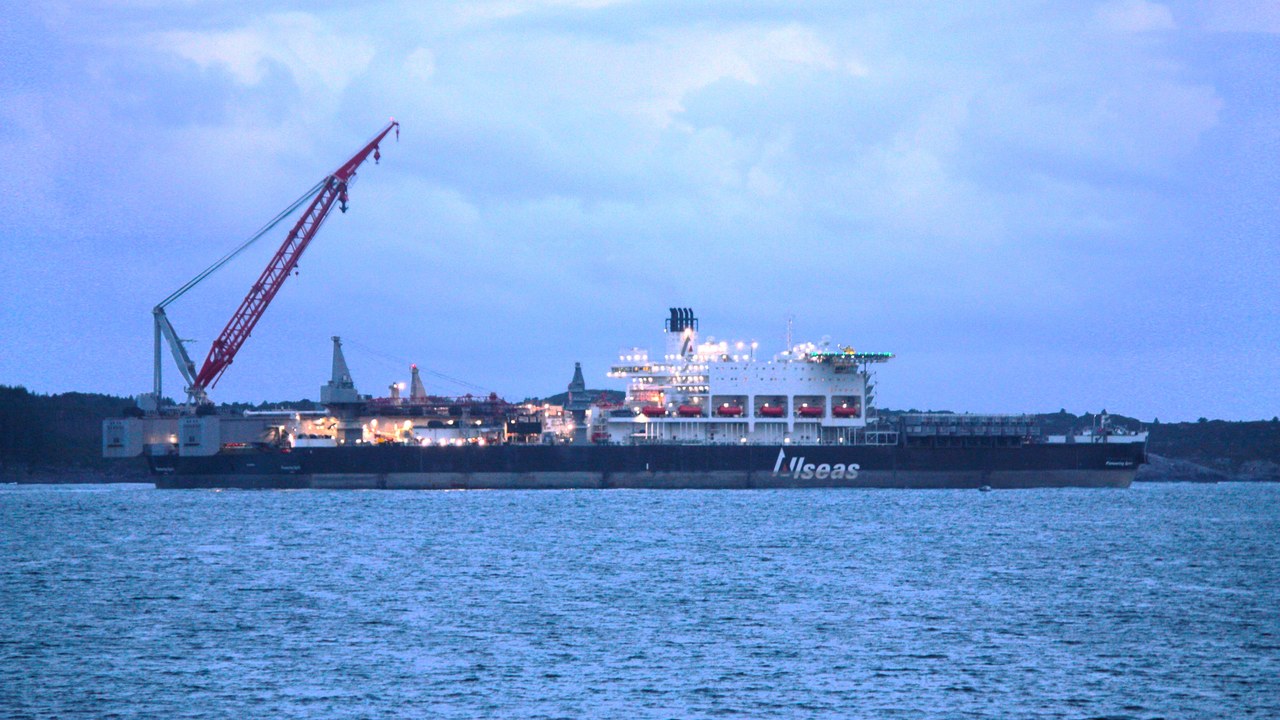
Pioneering Spirit is a twin-hulled Allseas vessel purpose-built to remove and install offshore platforms, and its owner states it can lift whole platform topsides in a single piece weighing up to 60,000 tonnes.
Twin bows form a slot that closes around a platform’s legs, and hundreds of hydraulic pins grip and lift the structure clear of the water in hours rather than the weeks a piece-by-piece demolition would take. The same vessel also installs pipelines and platforms, making it a rare machine built for construction and decommissioning alike.
6. Antonov An-225 Mriya: The Only One Ever Built
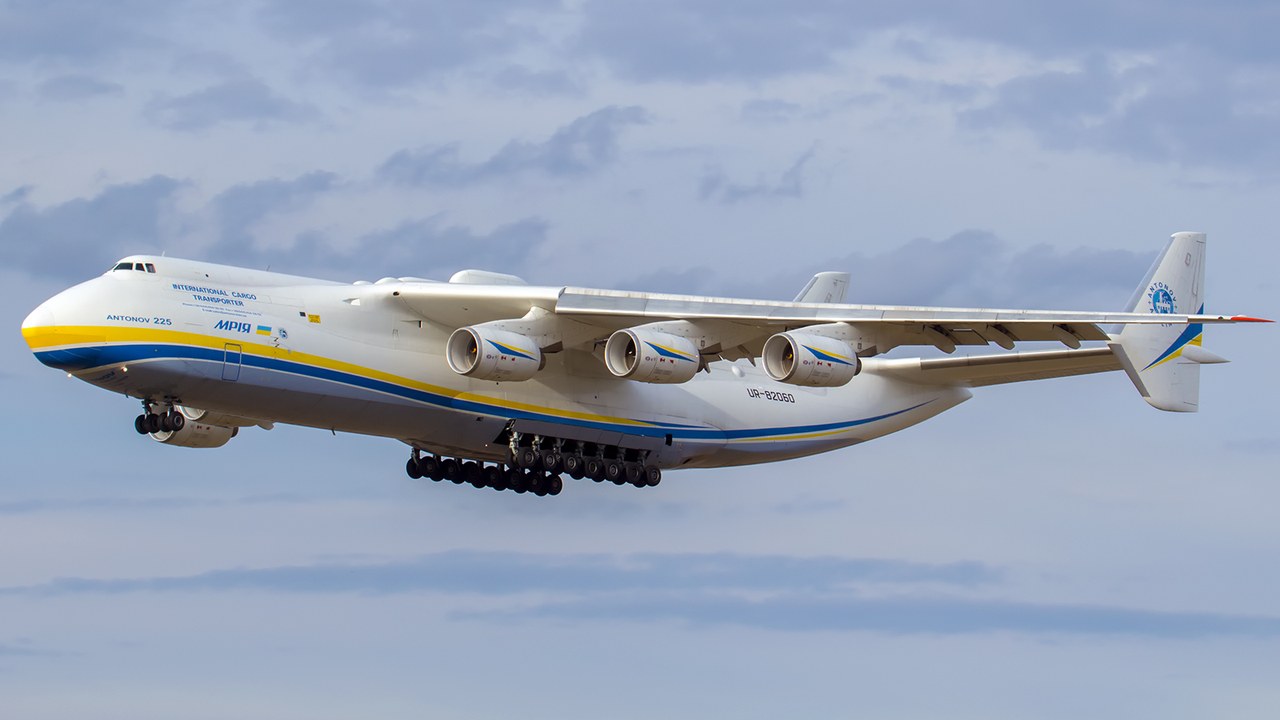
The Antonov An-225 Mriya had a maximum takeoff weight of 640 tonnes and an 88.4-metre wingspan, dimensions Wikipedia records as the largest ever flown on a single aeroplane.
Six turbofan engines and thirty-two main wheels let it carry oversized cargo, including satellites and generators, that no other aircraft could lift. Built to ferry the Soviet Buran space shuttle, only one example was ever completed, and it was destroyed on the ground at Hostomel Airport during the 2022 invasion of Ukraine. Over four decades of service it flew relief cargo, including generators and disaster-response equipment, to sites around the world that no other working aircraft could reach with a single load.
7. BelAZ 75710: The Largest Haul Truck Built
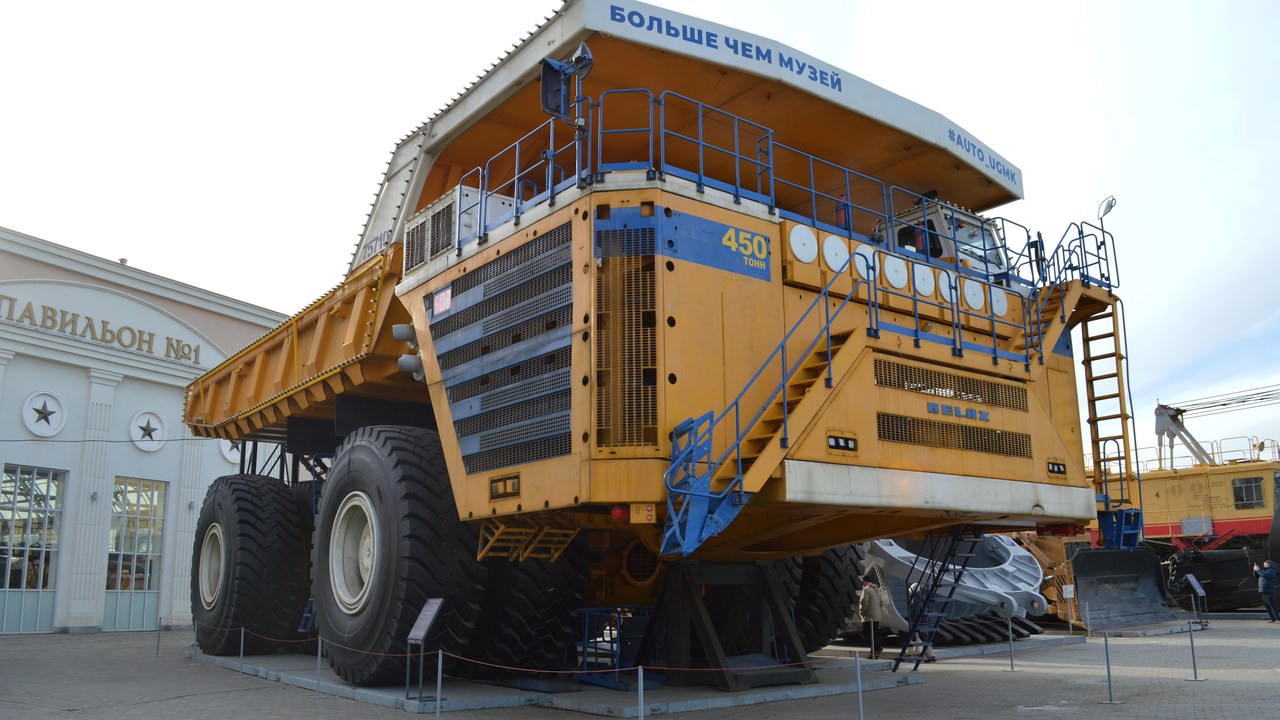
The BelAZ 75710 hauls 450 tonnes of ore per load and reaches a gross weight of 810 tonnes, figures that a construction-equipment trade chart lists as the largest haul truck built.
Eight wheels and two diesel engines driving separate generators spread that load across a mine’s haul roads, work the truck was designed for rather than public highways, which its width and weight rule out entirely. The Belarusian manufacturer built it specifically for the harsh open-pit mines of Siberia and the Russian far north. A stairway bolted to its flank lets the driver climb several metres up to a cab mounted above the front axle, well clear of the tyres alone.
8. Large Hadron Collider: A 27-Kilometre Ring
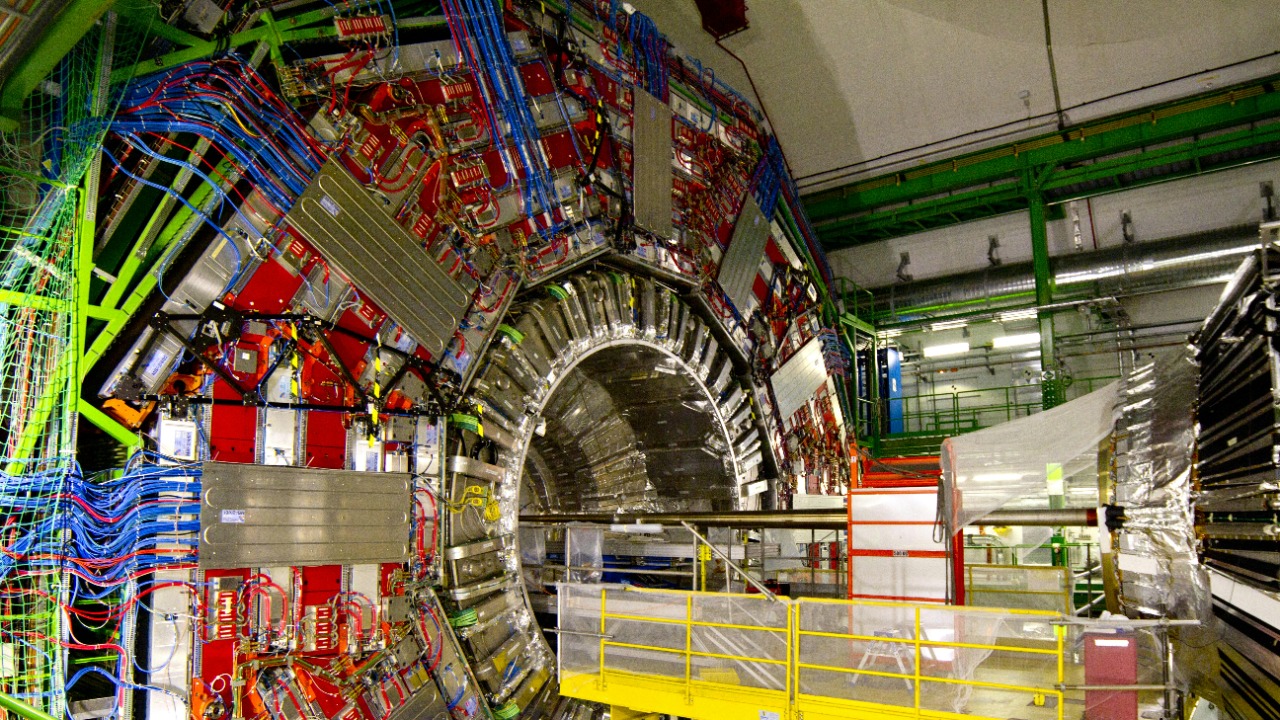
The Large Hadron Collider is a 27-kilometre ring of superconducting magnets buried beneath the French-Swiss border, and CERN calls it the most powerful particle accelerator ever built.
Detectors positioned around the ring, including the Compact Muon Solenoid pictured here alongside the ATLAS experiment, record the debris from proton collisions at close to the speed of light, work that led to the 2012 discovery of the Higgs boson. Thousands of physicists from dozens of countries share access to the ring’s four main detector sites. ALICE and LHCb round out the four major experiments built around the ring, each studying a different slice of what the collisions produce.
9. Big Brutus: Retired Where It Stood
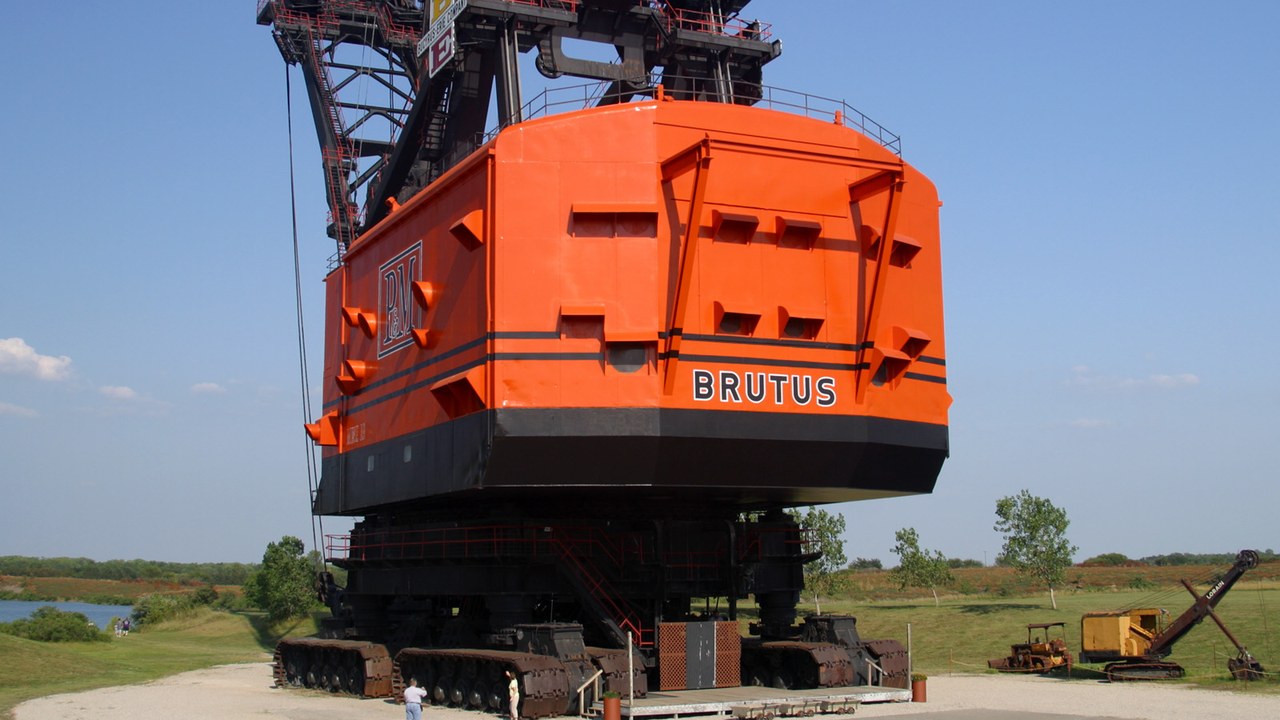
Big Brutus is a Bucyrus-Erie 1850B electric shovel that stands sixteen stories tall and weighs 11 million pounds, and the museum that preserves it in Kansas calls it the second-largest shovel ever built.
It once stripped soil to expose coal seams in the region’s open-pit mines before changing economics idled it in 1974. Rather than being scrapped, it was left standing where it last worked near West Mineral, Kansas, and opened as the centerpiece of a museum that lets visitors climb into its operator cab.
More from Morning Overview
- The NSA is again telling phone owners to switch off one location setting
- A handful of car transmissions are so tough mechanics say they almost never fail
- A handful of SUVs keep hitting 300,000 miles, and they share one engine trait
- Supplements now rank as the fifth-leading cause of death from liver disease.
