
Motorcycles get a reputation for needing frequent attention, but a handful of models routinely outlast that expectation by a wide margin. Riders who put on serious annual mileage tend to gravitate toward the same handful of engines and drivetrains, prized for simplicity and reliability rather than outright performance. Here are nine motorcycles riders regularly take past 100,000 miles.
1. Honda Gold Wing: The Boxer-Six Touring Standard
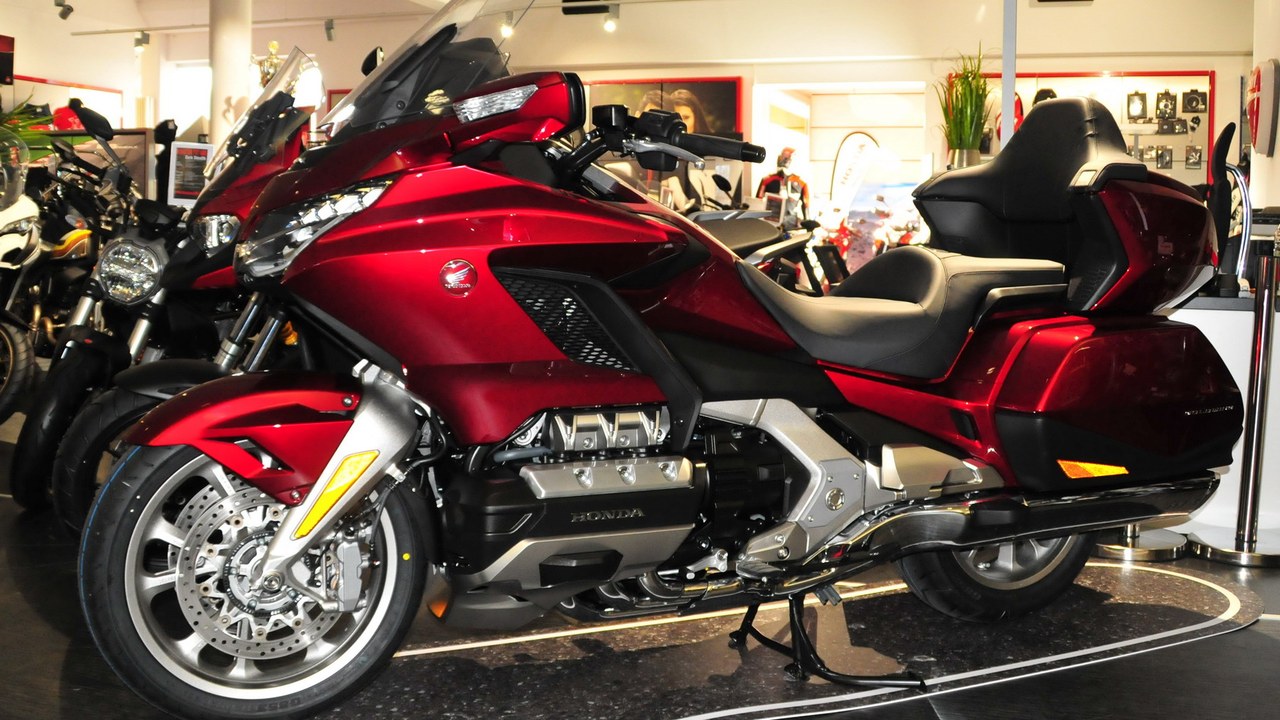
The Gold Wing is built around a flat-six engine and shaft final drive, a layout Honda chose to cut down the wearing parts a long-distance rider depends on. That combination has made it the touring motorcycle most often cited when riders talk about machines that keep running well past the point where lesser bikes need major work.
Gold Wing owners tend to keep the bike for the long haul, treating multi-day trips as routine. Because the engine turns over at low rpm on the highway and the shaft drive skips the chain maintenance smaller bikes require, a used Gold Wing with six figures on the odometer is viewed as a sound buy rather than a risk.
2. BMW R1250GS: The Boxer Twin Built To Circle The Globe
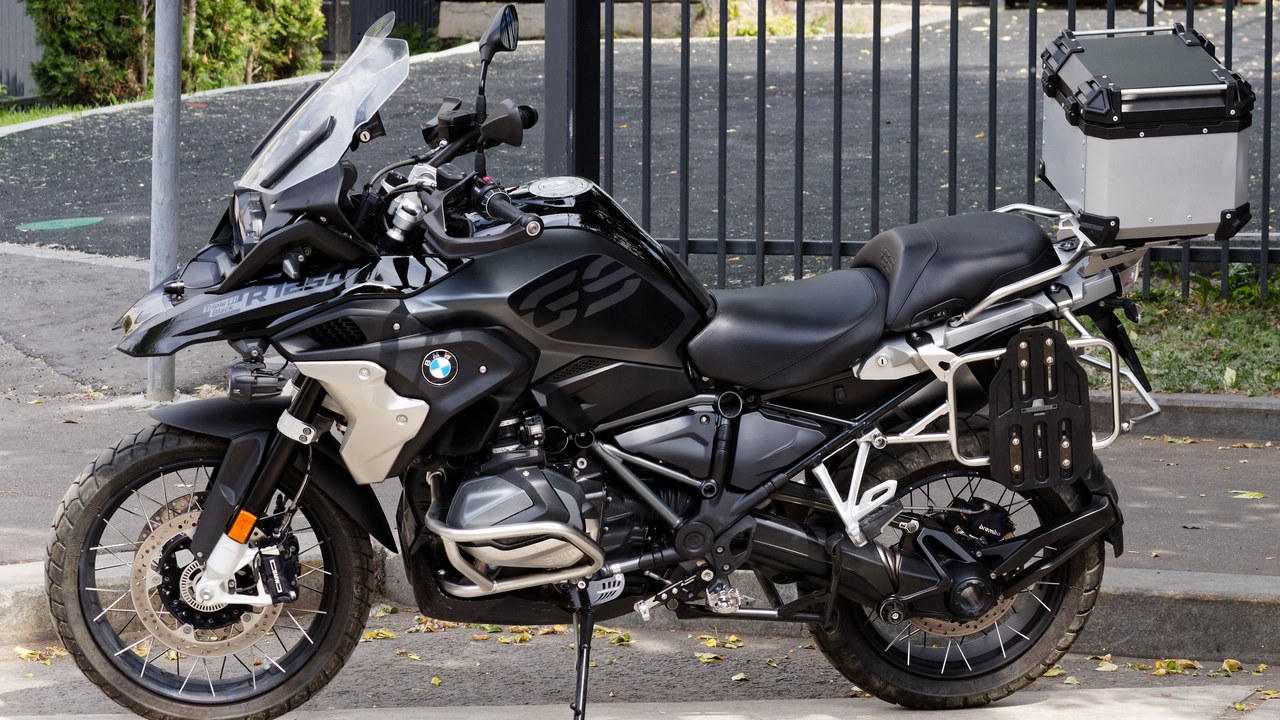
The R1250GS pairs a boxer twin engine with shaft drive, a combination BMW has refined for decades for riders who plan routes in continents rather than weekend loops. That layout is why the GS remains the adventure bike travelers reach for when a trip is measured in round-the-world mileage rather than a season of weekend rides.
The GS’s low-slung boxer cylinders also keep the center of gravity down, a detail that matters more on a loaded expedition trip than a short ride. Riders who buy a GS for serious touring tend to hold onto it, which is part of why the used market treats a high-mileage example as proof of capability, not a red flag.
3. Yamaha Super Tenere: Yamaha’s Answer To The Long Haul
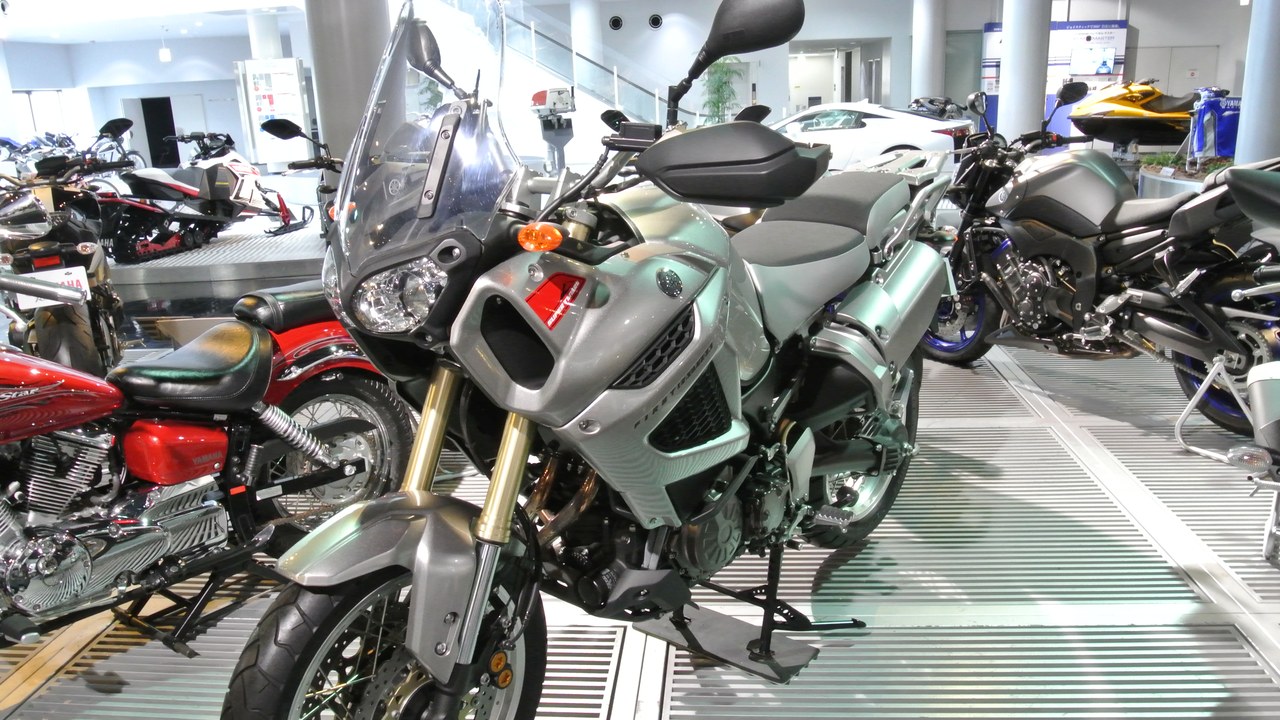
The Super Tenere runs a parallel-twin engine with shaft drive, the same basic formula rival adventure bikes use to survive years of loaded touring without the chain wear that shorter-lived bikes accumulate. Yamaha built it as a direct answer to the segment’s established durability leaders, and its own reputation among long-distance riders has grown from that same high-mileage durability.
Because the bike was designed from the outset for loaded panniers and unpaved routes, its chassis and drivetrain carry more reserve capacity than a street bike pressed into touring duty. Owners who buy one for serious distance work tend to report the drivetrain outlasting the bodywork, a trade many long-haul riders are happy to make.
4. Kawasaki Concours 14: A Sportbike Engine Built For Distance
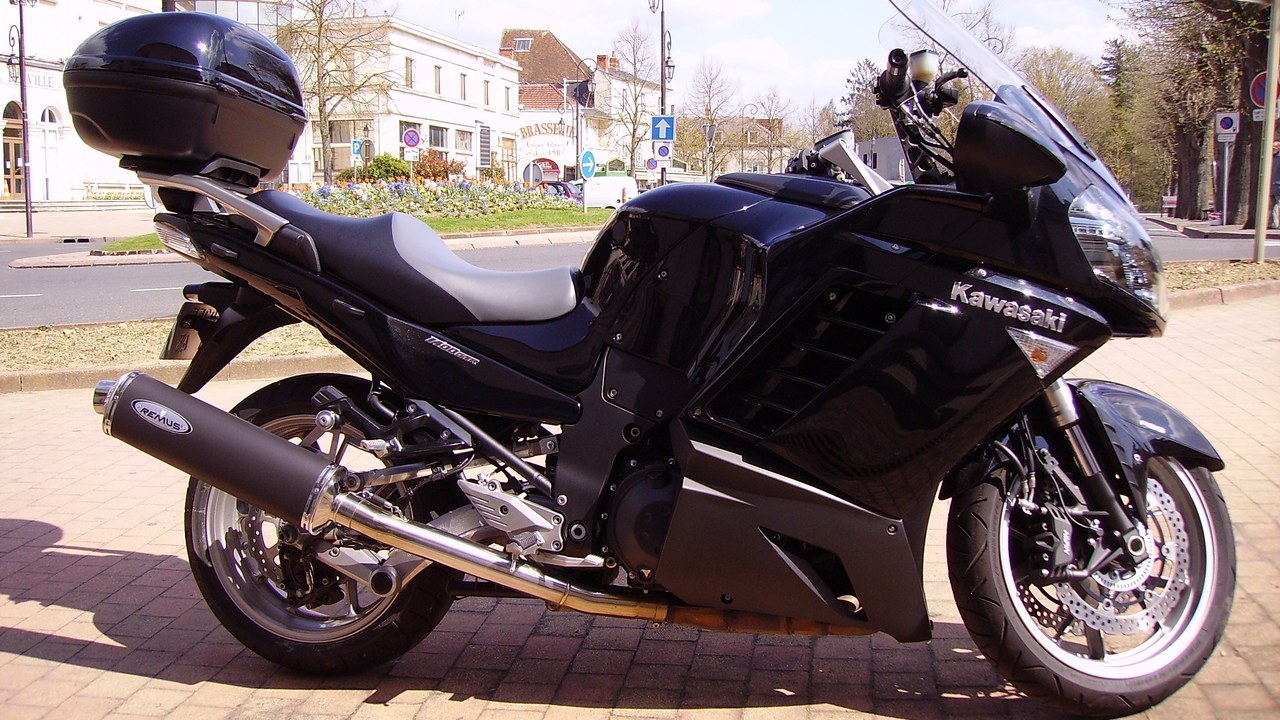
The Concours 14 takes an inline-four engine derived from Kawasaki’s sportbike lineup and pairs it with shaft drive, giving it sportbike power without the chain maintenance that distance riders tend to avoid. That combination is why it built a following as a sport-tourer that racks up long-haul miles rather than sitting parked between weekend rides.
Riders who choose the Concours over a pure sportbike are trading some aggression for a more upright seating position and weather protection suited to long days in the saddle. That tradeoff has made it popular with owners who commute year-round, and the shaft drive means those daily miles add up without the chain-adjustment routine other sport bikes demand.
5. Suzuki V-Strom 650: The Mid-Size Bike That Won’t Quit
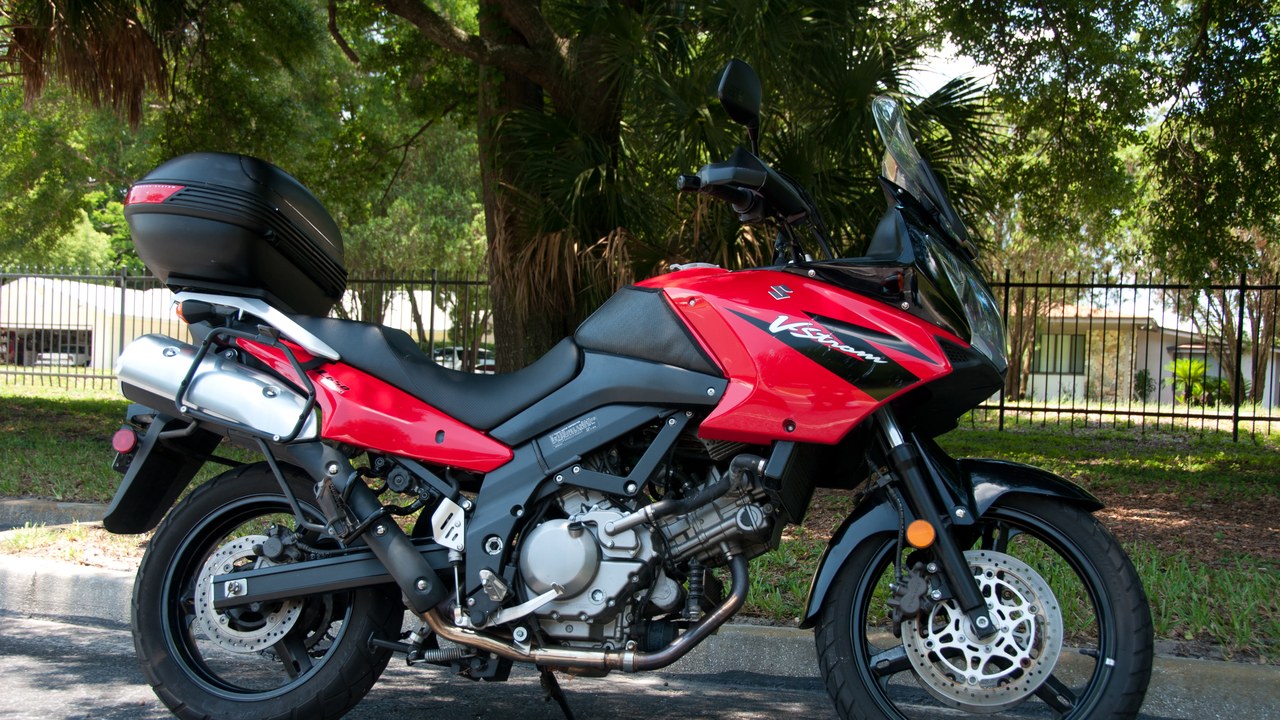
The V-Strom 650 uses a V-twin engine architecture Suzuki has run across various models for years, a proven layout rather than an unproven one built solely for the adventure class. That inherited reliability is a large part of why the bike has earned a reputation as a mid-adventure machine that just keeps going.
Its smaller displacement and lighter weight than the segment’s flagship adventure bikes make it cheaper to maintain and easier to live with as a daily rider. For buyers who want the class’s high-mileage durability without the price or bulk of a full-size adventure bike, it has become the practical middle option.
6. Harley-Davidson Sportster: The Air-Cooled Cruiser That Won’t Die
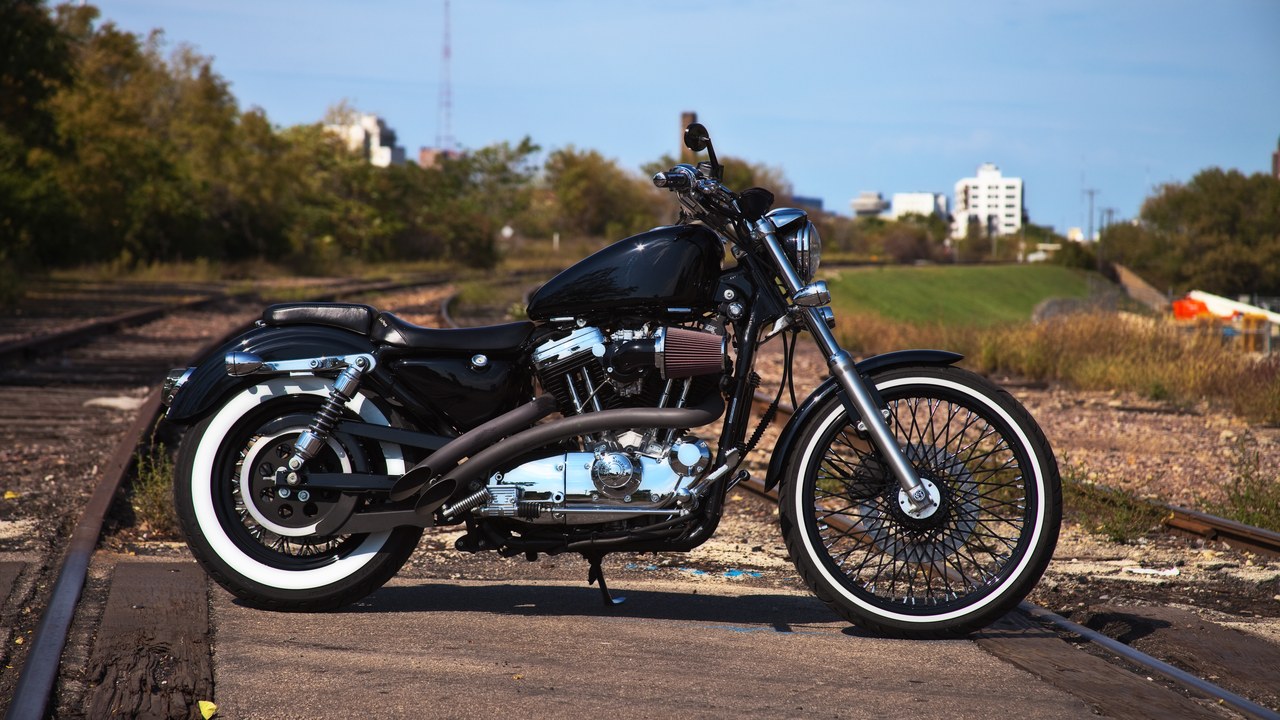
The Sportster’s air-cooled V-twin is a mechanically simple design that Harley-Davidson kept in production for decades with only incremental changes, giving the engine a long track record rather than a short one to judge its durability by. That history is why the model is famous among cruiser riders for running well past six figures on the odometer.
Because the engine architecture changed so gradually across generations, parts and mechanical knowledge for keeping an older Sportster running remain widely available, which is unusual in a market where manufacturers redesign engines more often. That parts availability is a real reason high-mileage examples keep getting ridden instead of parked.
7. Honda ST1300: The V4 Built Like A Vault
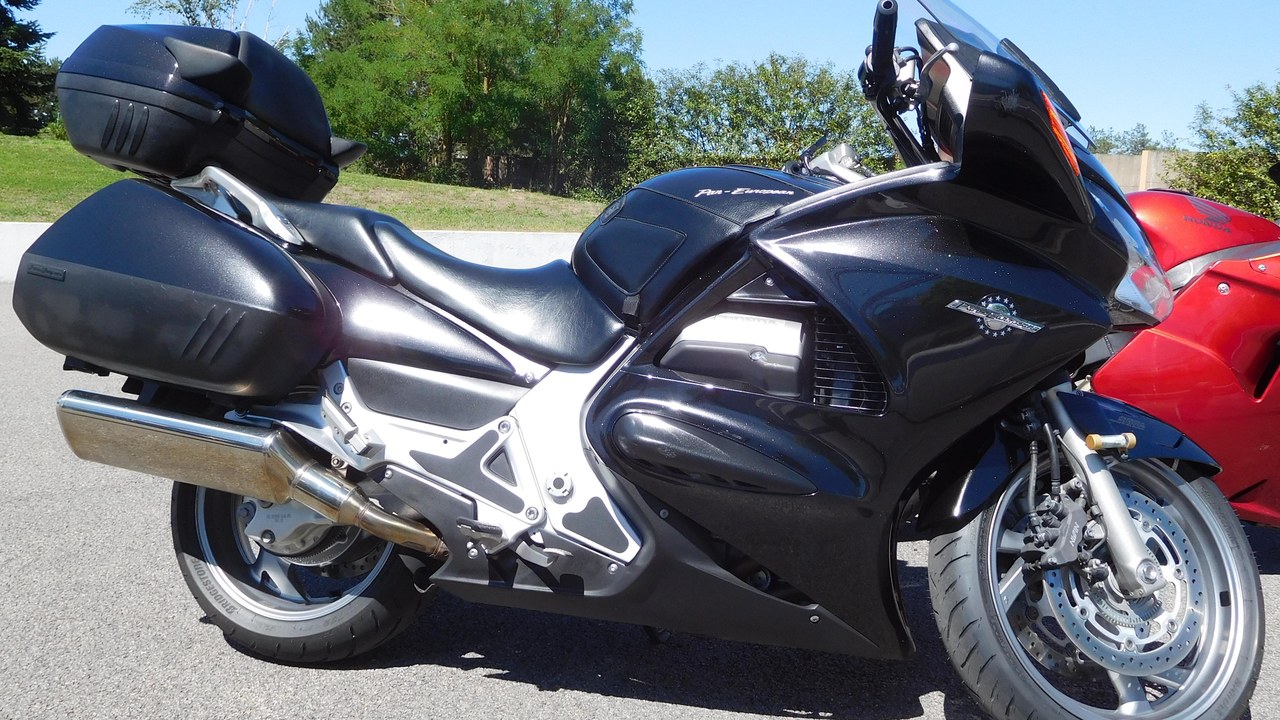
The ST1300 pairs a V4 engine with shaft drive, a layout that spreads engine wear across more, smaller-displacement cylinders instead of concentrating stress across a big twin. Riders who tour extensively on it frequently point to that engine as the reason the bike earned a reputation as a sport-tourer prized for a bulletproof drivetrain.
That reliability made the ST1300 a common choice for riders who put on serious annual mileage rather than occasional weekend trips, since a breakdown far from home is a bigger problem for a touring rider. The bike’s continued presence on the used market at high odometer readings reflects how rarely that engine gives owners a reason to sell early.
8. BMW K1600: Six Cylinders Built For Continents
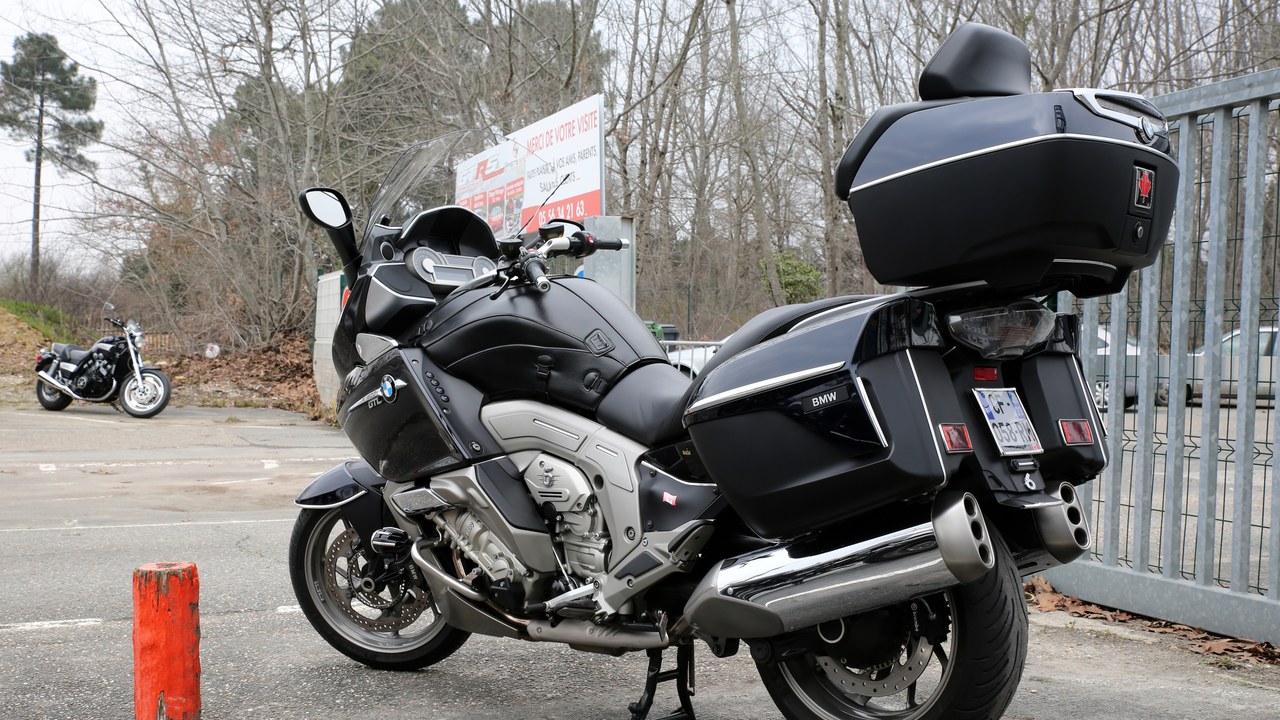
The K1600 runs an inline-six engine, a configuration rarely used in motorcycles because of its width and weight, but one BMW chose for the smoothness it delivers at sustained highway speed. Paired with shaft drive, that engine is why the K1600 built a reputation as a tourer built for continent-crossing mileage rather than short trips.
Riders who buy a K1600 tend to use it the way it was designed to be used, covering long distances across borders rather than commuting a few miles at a time. High-mileage examples were mostly ridden hard on the open highway rather than neglected, which owners generally consider the healthier way for a touring engine to rack up miles.
9. Honda CB500X: The Entry Bike That Outlasts Its Price Tag
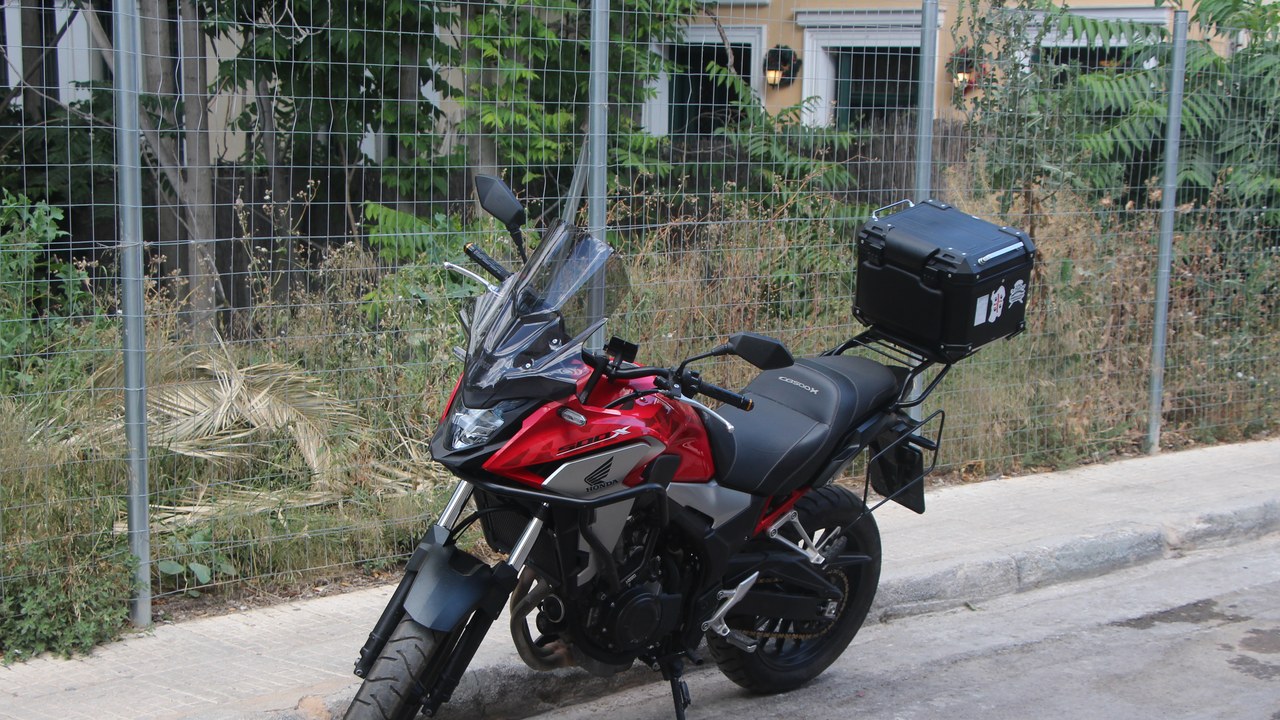
The CB500X uses a smaller parallel-twin engine than the flagship adventure bikes on this list, a simpler design with less to go wrong and lower stress on its internals at everyday speeds. That simplicity is why the model built a reputation as a durable middleweight that lasts and lasts.
Because the CB500X costs less to buy and maintain than the larger touring machines on this list, it has become a common recommendation for new riders who want a bike they can keep for years without a big financial commitment. That combination of low cost and mechanical simplicity is why owners hold onto them long enough to reach the same high-mileage territory as pricier machines.
More from Morning Overview
