
Repair costs are what separate a family SUV that ages gracefully from one that quietly drains a household budget. The cheapest ones to fix tend to share the same traits: huge production volumes, parts bins borrowed from mainstream sedans, and engineering that avoids complexity for its own sake. Here are nine family SUVs that keep repair bills near the bottom of the class.
1. Honda CR-V: Parts Bins Borrowed From Sedans
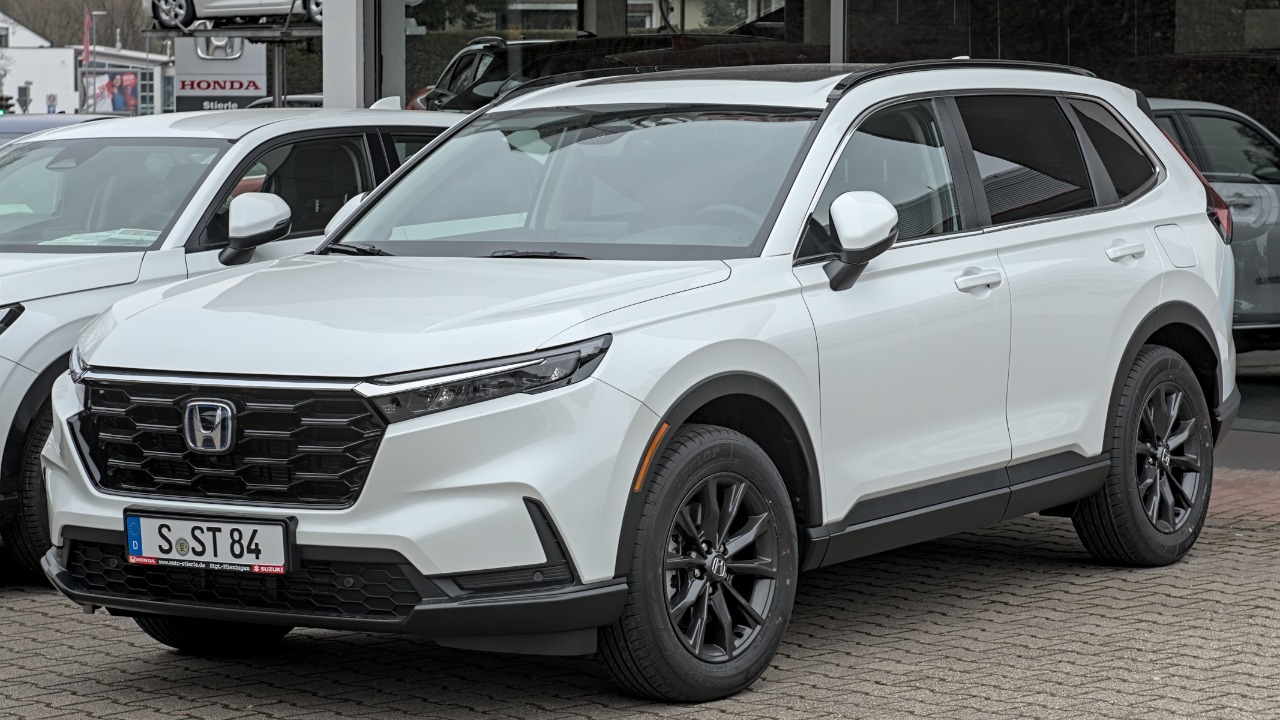
Cheap parts and a deliberately plain layout keep the CR-V out of the expensive column on a repair estimate. The compact Honda crossover has been built continuously since 1995 and draws its engines, brakes and suspension hardware from the same pool as the Civic and Accord, so replacement components sit on every parts counter and are priced against enormous volume.
Labor time falls for the same reason: independent mechanics see the platform constantly and rarely hunt for a procedure. Ordinary wear items still arrive on schedule, because a low repair cost is not the same as no repair cost. What the CR-V offers a family is predictability.
2. Toyota RAV4: Volume That Drives Prices Down
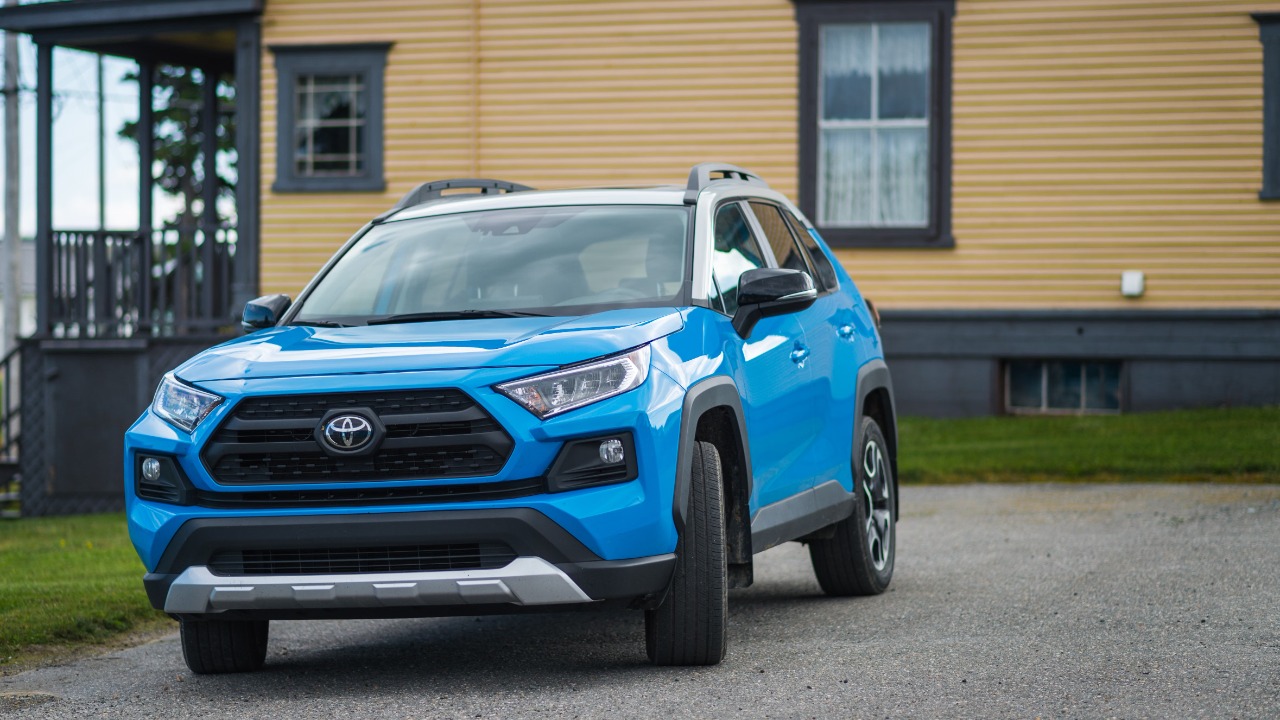
Volume rather than novelty is what makes the RAV4 cheap to fix. Toyota’s best-selling compact crossover moves more units in the United States than any vehicle that is not a pickup, so remanufactured parts, aftermarket alternatives and technicians who have opened the same engine hundreds of times exist in nearly every market.
Failures that do appear tend to be documented, with known fixes and flat-rate labor quotes instead of billable diagnostic guesswork. Hybrid versions complicate the picture only slightly, since Toyota has refined the same basic hybrid architecture since the late 1990s. High-mileage examples still need bushings and brakes like anything else.
3. Mazda CX-5: Old-Fashioned Hardware Pays Off
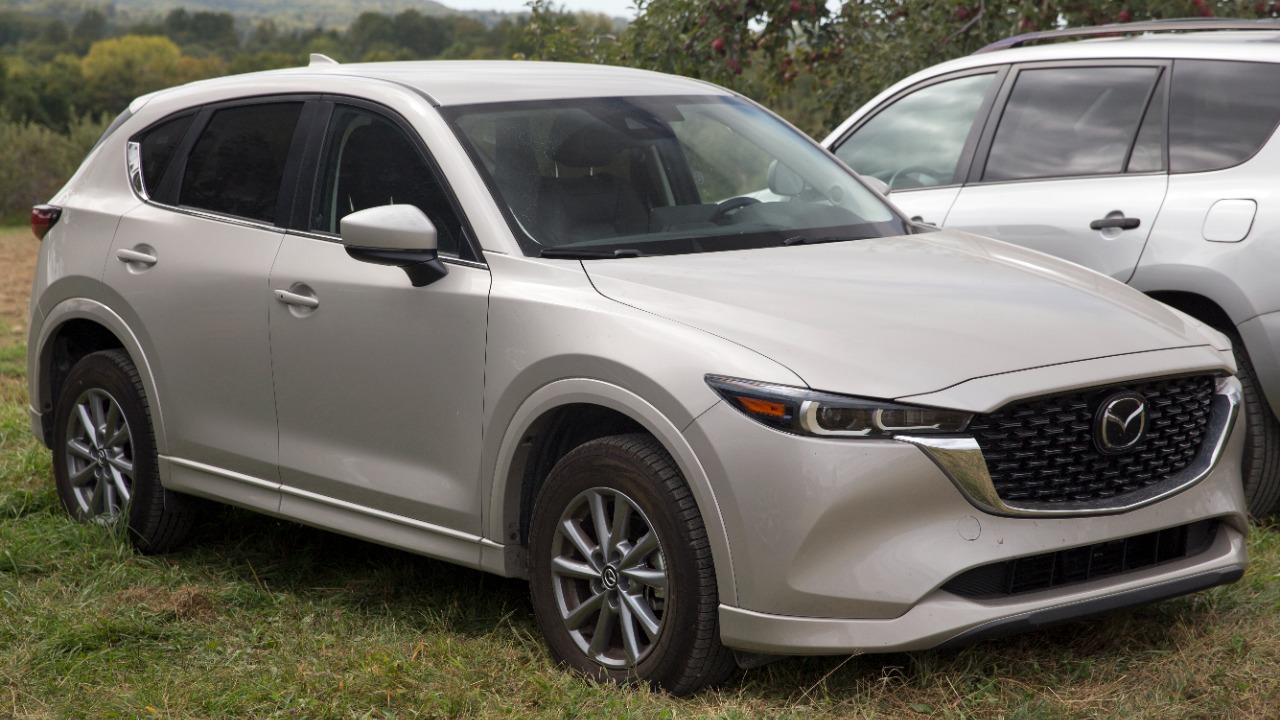
Mazda took an unfashionable engineering route with the CX-5, and it shows up at the service counter. In its most common configuration Mazda’s compact SUV pairs a naturally aspirated 2.5-liter four with a conventional torque-converter automatic instead of a small turbo and a continuously variable transmission, sidestepping two of the segment’s costlier failure points.
That conservatism trades away some fuel economy, which is the bargain a buyer accepts. It also means a shop replacing a water pump or a transmission solenoid is doing familiar work with widely stocked parts. Turbocharged trims exist and add complexity, so anyone chasing the cheapest upkeep should confirm which engine is fitted.
4. Kia Sportage: Warranty Absorbs The Worst Years
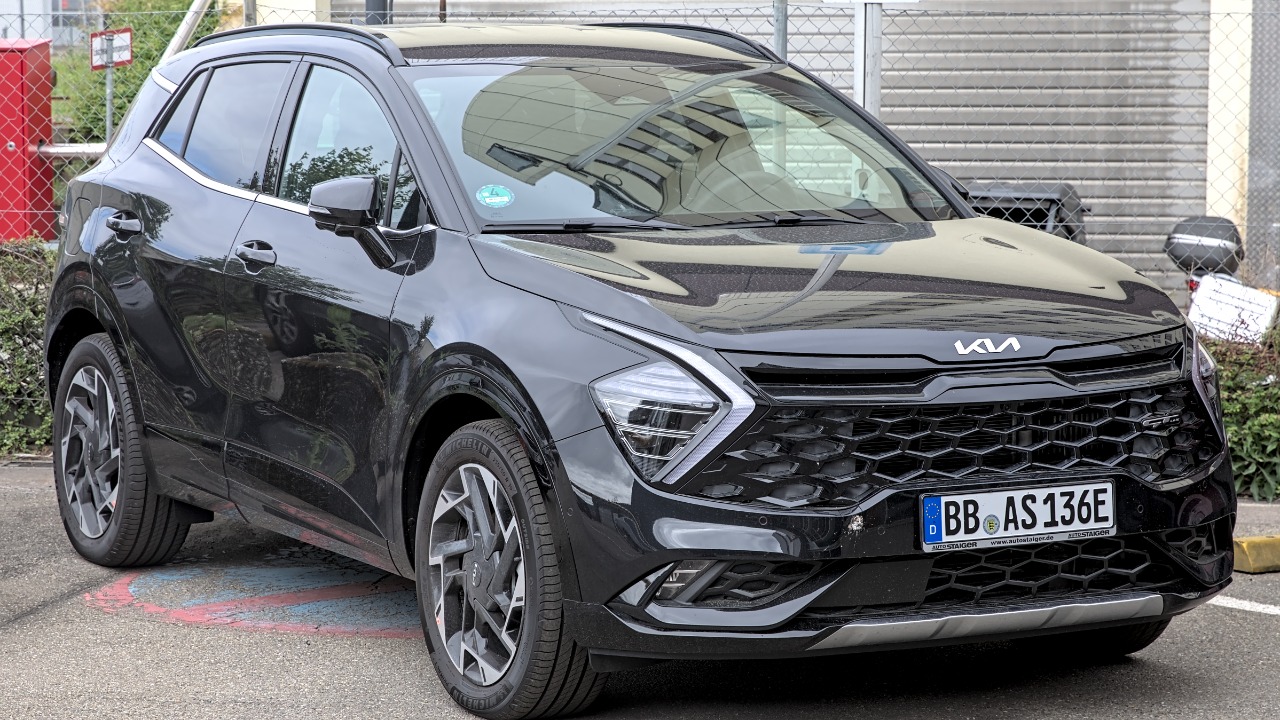
Two forces hold Sportage bills down: inexpensive components and coverage that absorbs the years when big repairs usually land. Kia’s compact crossover has been sold since 1993 and now shares its platform and powertrains with the Hyundai Tucson, spreading development and parts costs across two high-volume nameplates that between them sell across most of the world.
In the United States the powertrain warranty runs ten years or 100,000 miles for the original owner, and it does not transfer in full to a second buyer, which matters on a used lot. Beyond the drivetrain, Sportage components price at the value end of the class, including body panels after a parking-lot scrape.
5. Hyundai Tucson: Two Dealer Networks, One Part
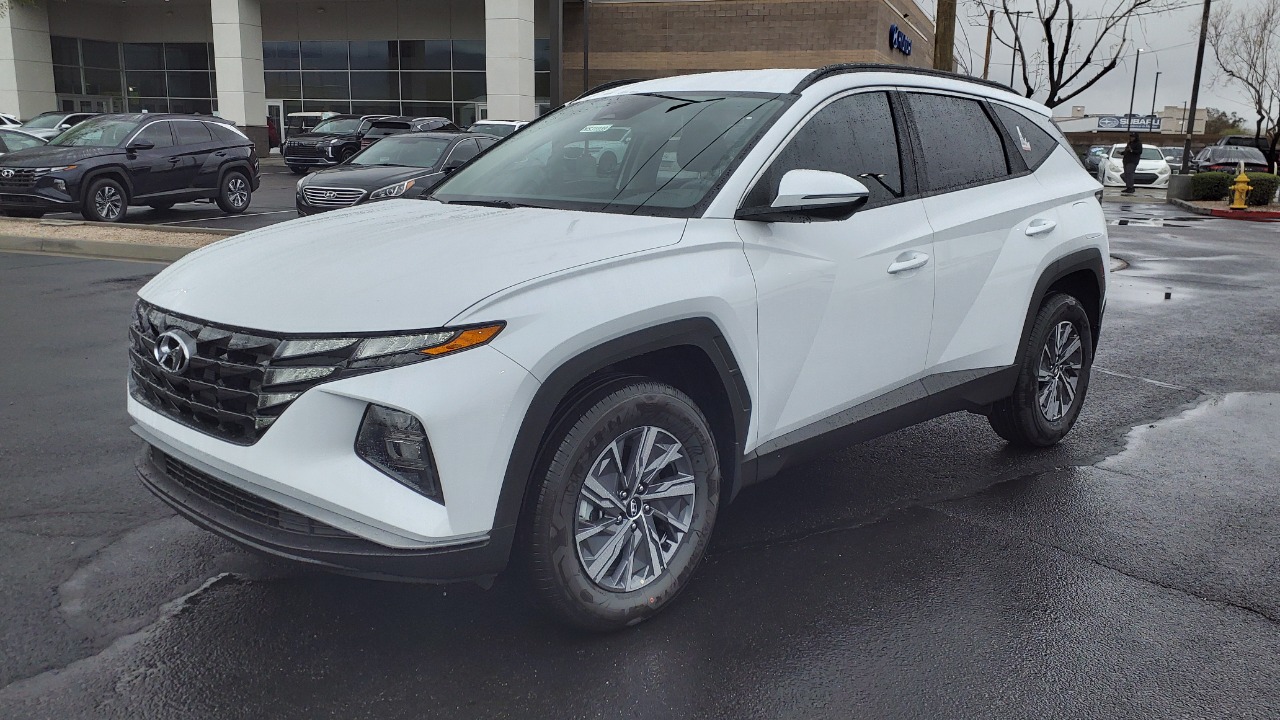
Corporate arithmetic works in the Tucson’s favor without simply duplicating the Sportage. Hyundai’s compact crossover has been in production since 2004 and shares mechanical hardware across Hyundai and Kia lines, so a single water pump or control arm can be sourced through two dealer networks and a deep independent aftermarket.
Service intervals are conventional and no standard gasoline trim demands a dealer-only procedure. Hybrid and plug-in versions add a battery pack with its own warranty terms, so shoppers focused strictly on repair cost tend to land on the plain gasoline model. Parts pricing across the range stays among the lowest for the size.
6. Toyota Highlander: A Three-Row Exception To The Rule
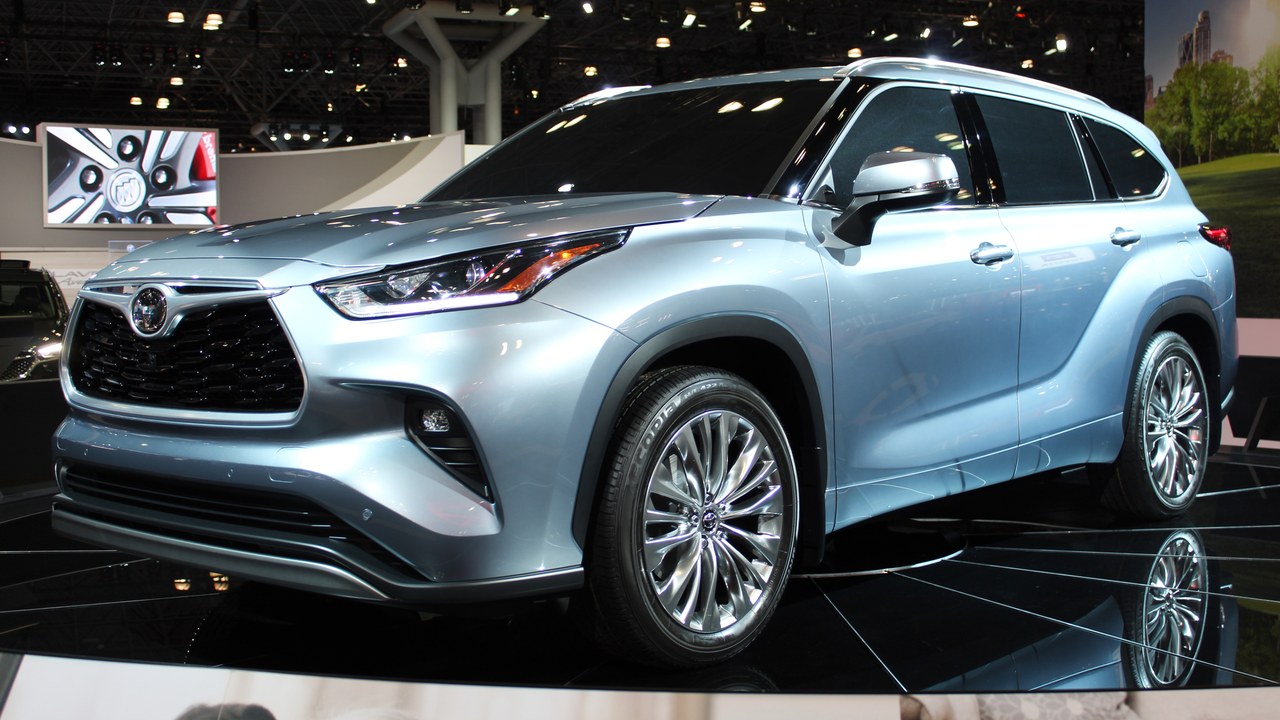
Three-row SUVs usually cost more to keep running, and the Highlander is the standing exception. For most of its life Toyota’s three-row crossover used a naturally aspirated 3.5-liter V6 from an engine family Toyota built in vast numbers for the Camry, Sienna and several Lexus models, which gives mechanics deep familiarity and owners a wide supply of parts.
Later versions moved to a turbocharged four-cylinder with a shorter track record, so used-market shoppers hunting the lowest repair costs generally look at the V6 years. Even then the recurring expenses are unremarkable: a water pump, suspension bushings, and the brake work any vehicle of this mass demands.
7. Honda Pilot: One Engine Family, Every Generation
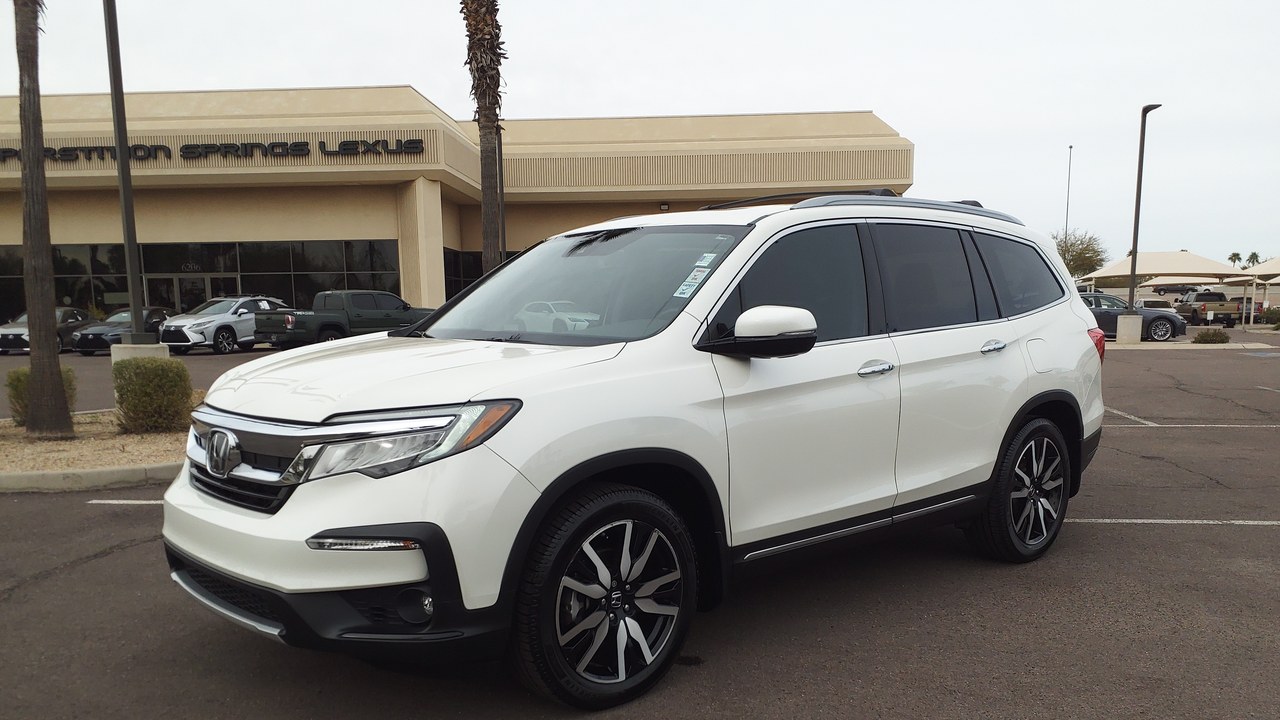
Honda has never strayed far from a single formula with its largest family hauler. Every generation of the Honda Pilot has used a 3.5-liter V6 from the same J-series family that powers the Odyssey and the Ridgeline, so the drivetrain a shop opens up is one it has already seen in half a dozen other vehicles.
The known soft spots are the automatic transmission and, on certain model years, the cylinder-deactivation system, which has drawn owner complaints about oil consumption. Neither repair is exotic, and both are documented well enough that an independent shop can quote the job confidently. Fluid changes on schedule remain the cheapest insurance available.
8. Subaru Forester: Simplicity Under Standard All-Wheel Drive
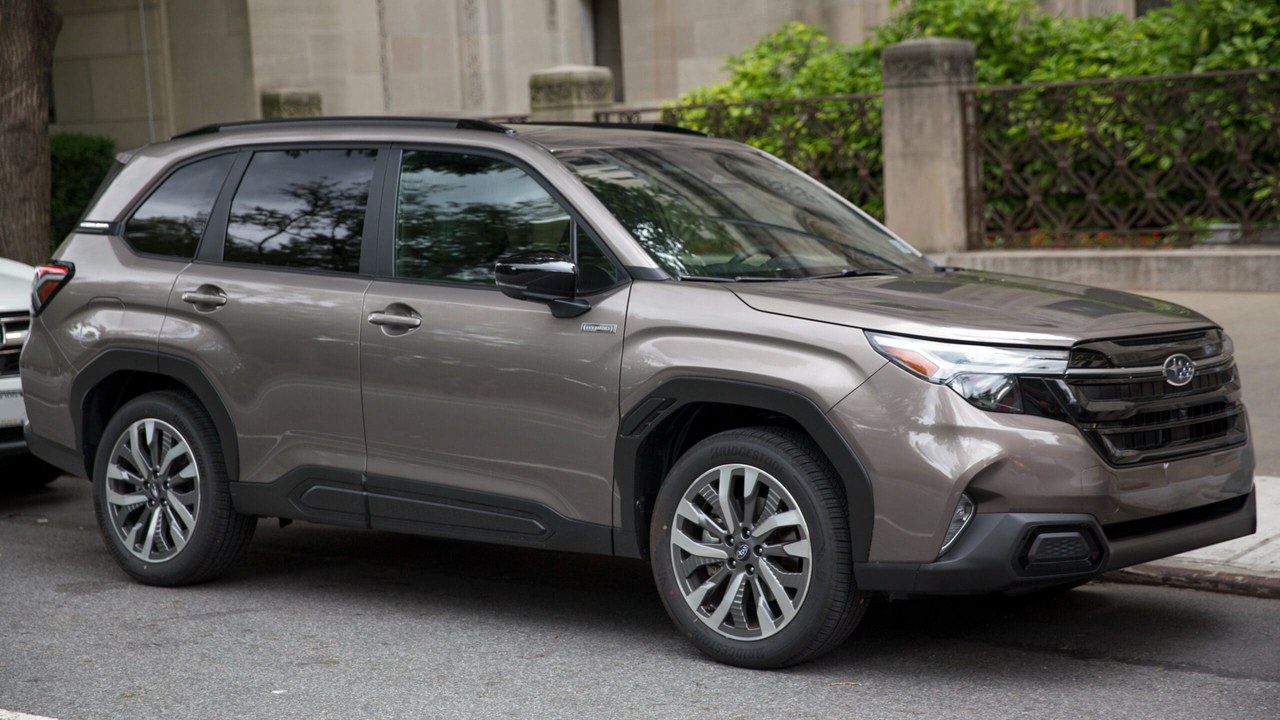
Simplicity is the Forester’s whole argument. Subaru’s boxer engine and the symmetrical all-wheel-drive system behind it have carried through the model since 1997 by steady refinement rather than reinvention, which keeps the parts catalog stable and lets any shop that sees Subarus regularly quote most jobs without hesitation.
The layout has quirks worth pricing in, since a horizontally opposed engine tucks its spark plugs against the inner fenders and head gaskets on older naturally aspirated versions were a familiar expense before the design was revised. Standard all-wheel drive also means no separate transfer case or rear drive module waiting to fail.
9. Kia Telluride: Nothing Complicated To Break
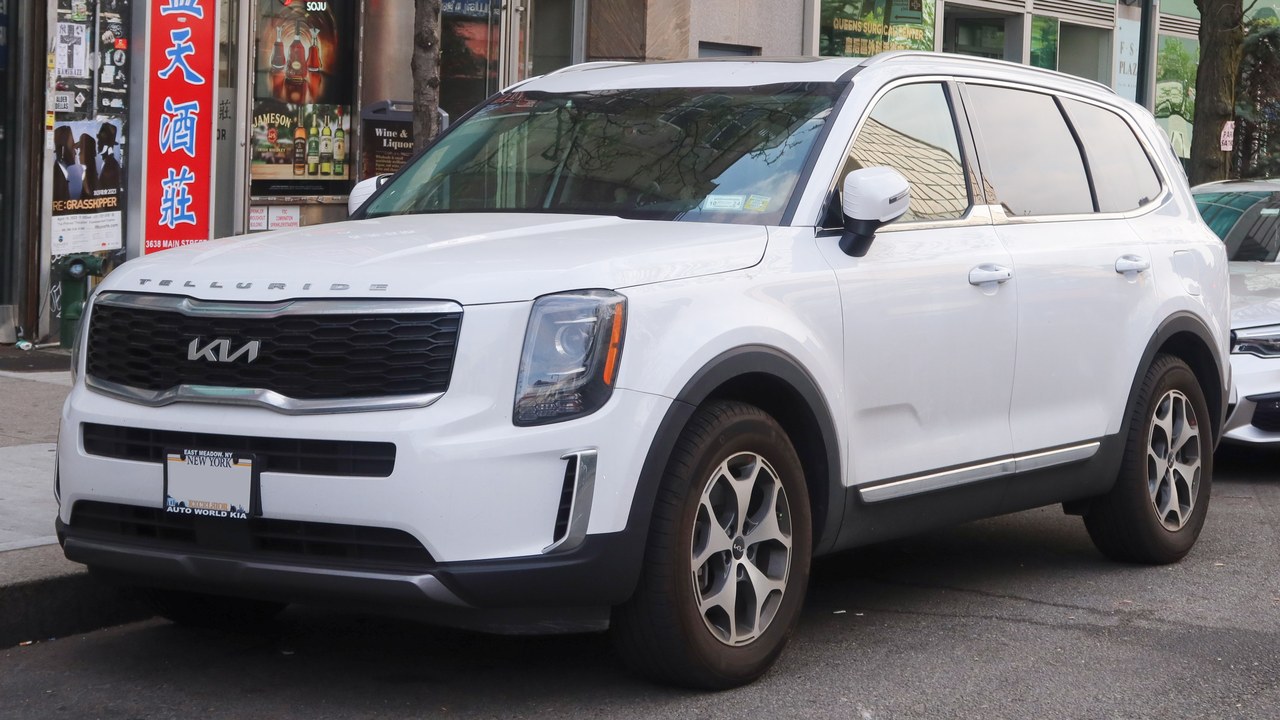
The newest vehicle on this list also carries the least complicated hardware. Since arriving for the 2020 model year, Kia’s three-row SUV has used a naturally aspirated 3.8-liter V6 with an eight-speed automatic, with no turbocharger, hybrid system or air suspension in the mix, and it is assembled at Kia’s plant in West Point, Georgia.
A short history means less accumulated failure data than a CR-V or a Highlander can offer, so the low-cost reputation rests partly on the absence of complexity rather than decades of evidence. The record so far is encouraging, and the powertrain warranty still runs ten years or 100,000 miles for a first owner.
More from Morning Overview
