
Recall notices from the Hyundai Motor Group kept arriving through the first eight months of the year, touching everything from compact crossovers to flagship sedans. The defects range from seat belt anchors and air bags to fuel leaks and software brake faults. Here are twelve models from the three brands that owners should check against their VIN.
1. Hyundai Palisade: Curtain Air Bag Risk
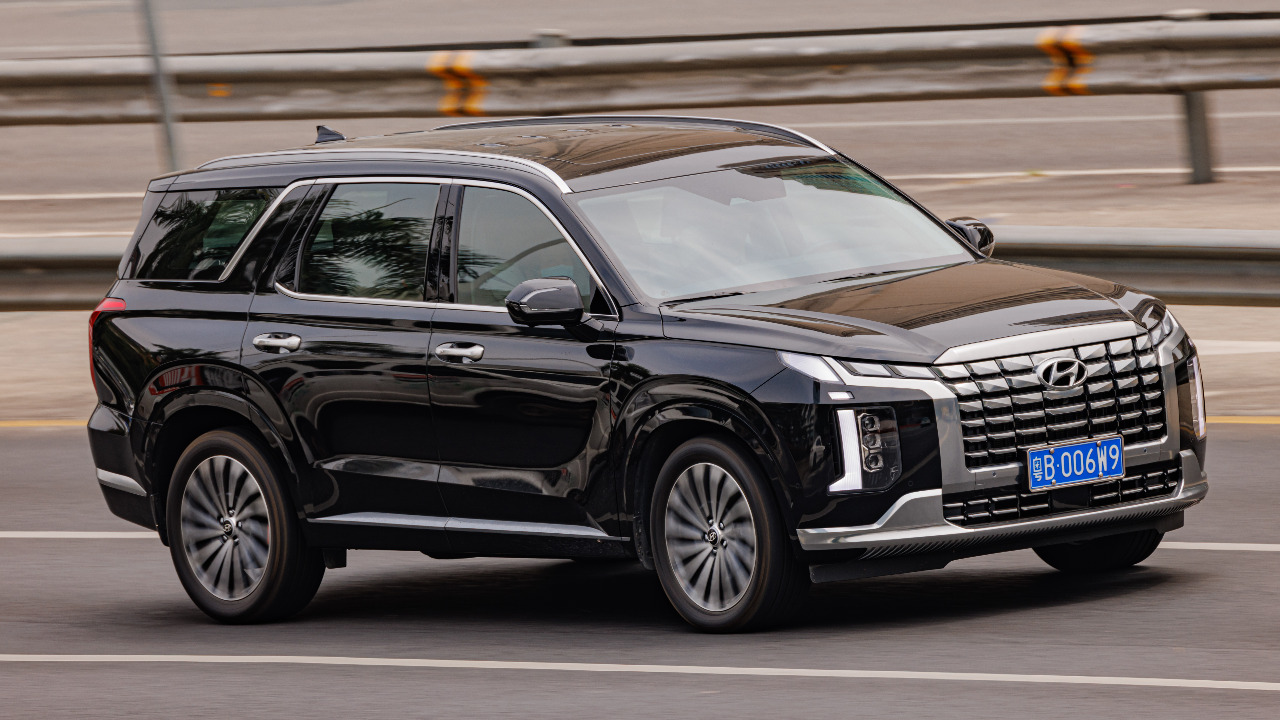
Hyundai’s largest recall of the year covered 568,576 Palisades from the 2020 through 2025 model years, filed Jan. 23. The defect involves the side curtain air bag, which may deploy improperly, and the Motor1 recall list lists it first among the brand’s early-2026 actions. A curtain bag protects heads in side impacts and rollovers.
Owners of three-row Palisades from those years should confirm the recall status by VIN and book the dealer repair, which is free. The SUV is a common family hauler, so prompt action matters.
2. Genesis G80: Dash Display Dropout
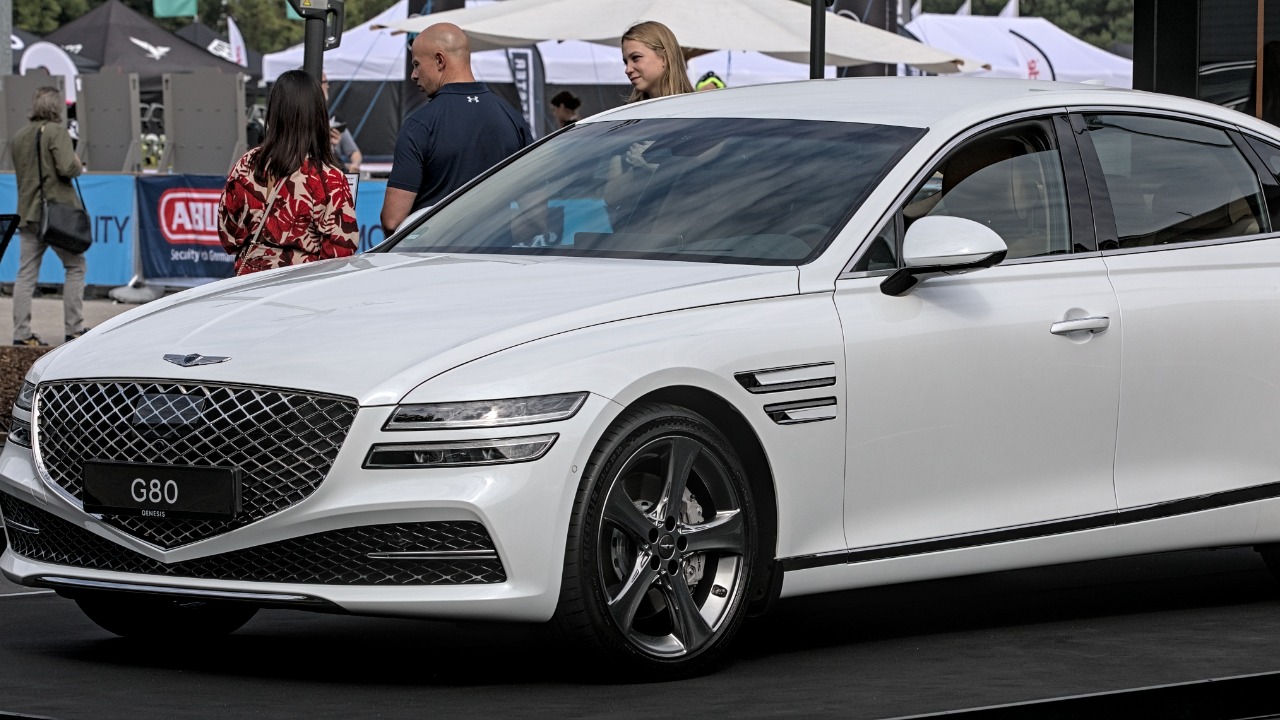
The 2025-2026 G80 was among 83,877 Genesis vehicles recalled Jan. 16 because the instrument panel display can fail, according to a Motor1 summary. A blank cluster takes speed, warning lights and gear information out of the driver’s view, which is why regulators treat the fault as a safety matter rather than a cosmetic one.
Genesis owners in the affected model years should check the VIN with the dealer or NHTSA and schedule the free fix. Drivers who notice flickering or a dark cluster before the repair should treat it as a prompt to book sooner, since the same recall also reached other Genesis models.
3. Hyundai Kona: Cracked Knuckle Warning
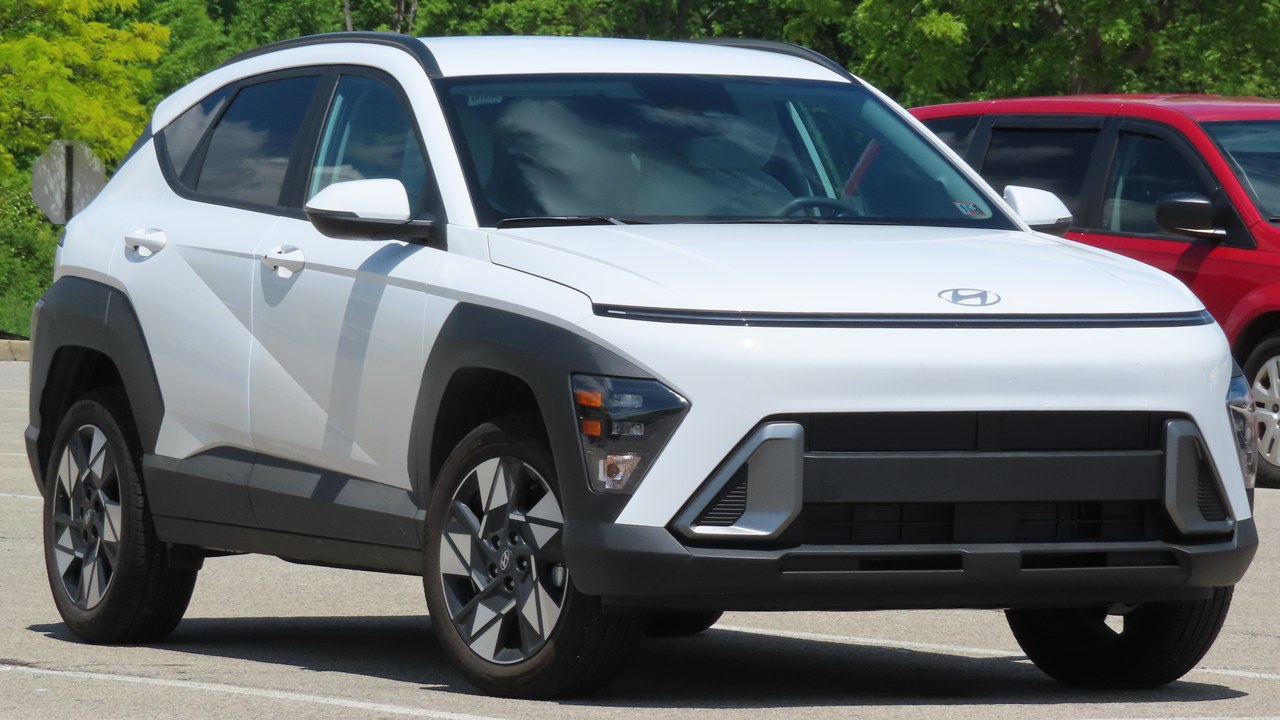
Only 4,555 2026 Konas were recalled, a small number beside the brand’s other campaigns, but the defect is among the most serious on this list. A cracked steering knuckle assembly can cause a loss of steering control, as reported in Motor1’s 2026 roundup.
A small recall count does not mean a small risk. Owners of a new Kona should verify the VIN against the recall database, and any vehicle showing odd steering feel, noise or play should be taken to a dealer without waiting for a notice letter to arrive.
4. Hyundai Ioniq 5: Battery Fire Hazard

Hyundai recalled the 2025-2026 Ioniq 5 on Feb. 6 because the high-voltage battery may catch fire, based on the Motor1 recall list. Battery fire recalls are especially disruptive for electric vehicles because the pack is the most expensive and least repairable component, and fires can start while parked.
Owners of these Ioniq 5 years should confirm the remedy status, and many electric-vehicle recalls advise avoiding full charges or parking away from structures until the repair is done. Following the dealer’s interim guidance matters more than the badge on the car.
5. Hyundai Santa Fe: Seat Belt Anchor Detachment
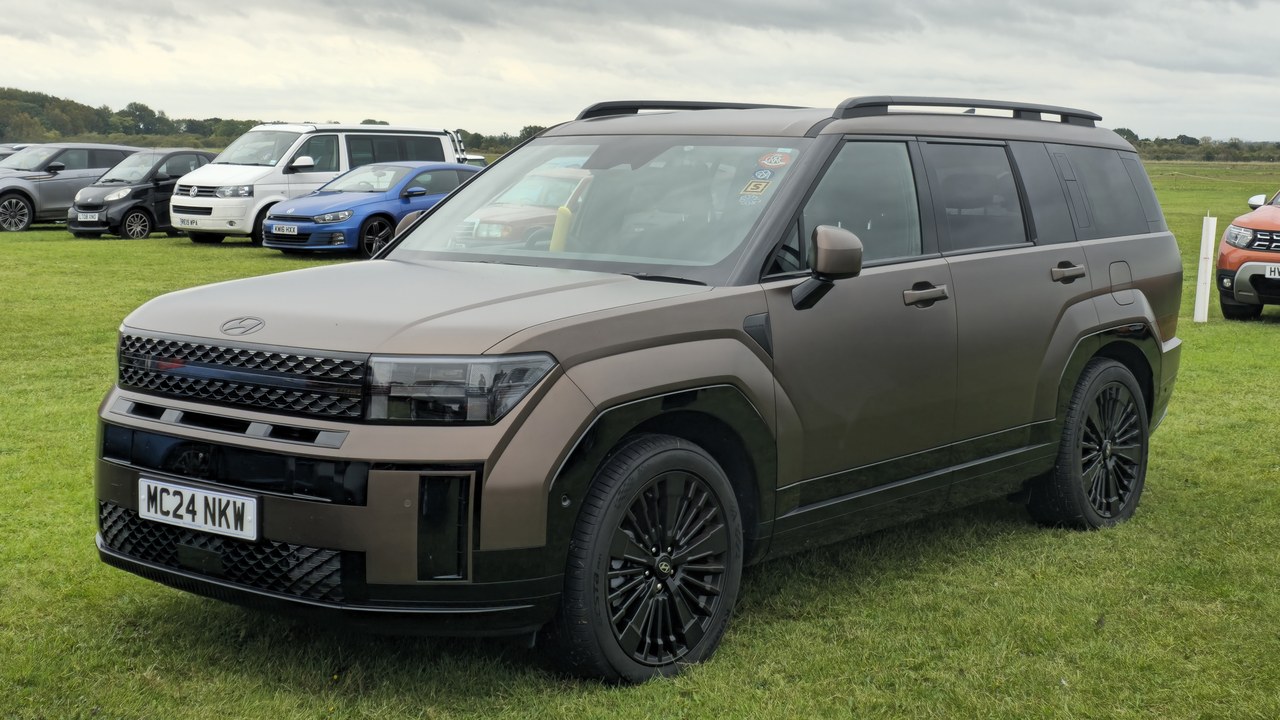
The 2024-2026 Santa Fe and Santa Fe Hybrid sit in a 294,448-vehicle recall, campaign 26V218000, because seat belt anchors may detach, per the motorverso 2026 recall list. An anchor that lets go in a crash removes the restraint when it matters most, so the flaw reaches the core purpose of the belt system.
Families using a Santa Fe for child seats and full rows of passengers should check recall status quickly. The same campaign also captured a Genesis sedan, a reminder that shared hardware can cross brand lines inside a single group.
6. Genesis G90: Same Anchor Recall
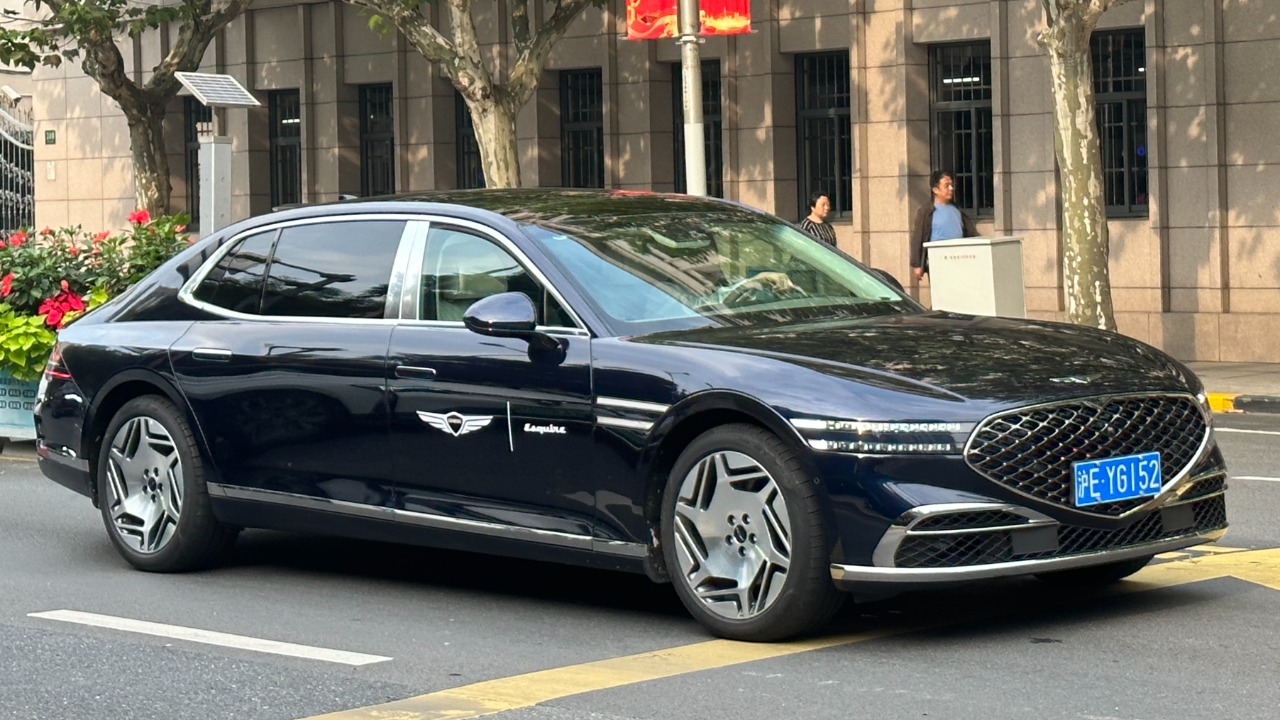
The 2023-2026 G90 flagship sedan was swept into the same 294,448-vehicle seat-belt-anchor recall filed April 6, according to the motorverso recall index. Genesis sits at the top of the group’s lineup, yet the shared recall shows that a luxury price tag does not exempt a car from a basic restraint problem.
Owners of a G90 in those years should confirm coverage by VIN and arrange the dealer repair. Chauffeured and executive users, who often ride in the rear, should specifically ask that the rear belt anchors be inspected.
7. Kia Carnival: Fuel Leak Under the Hood
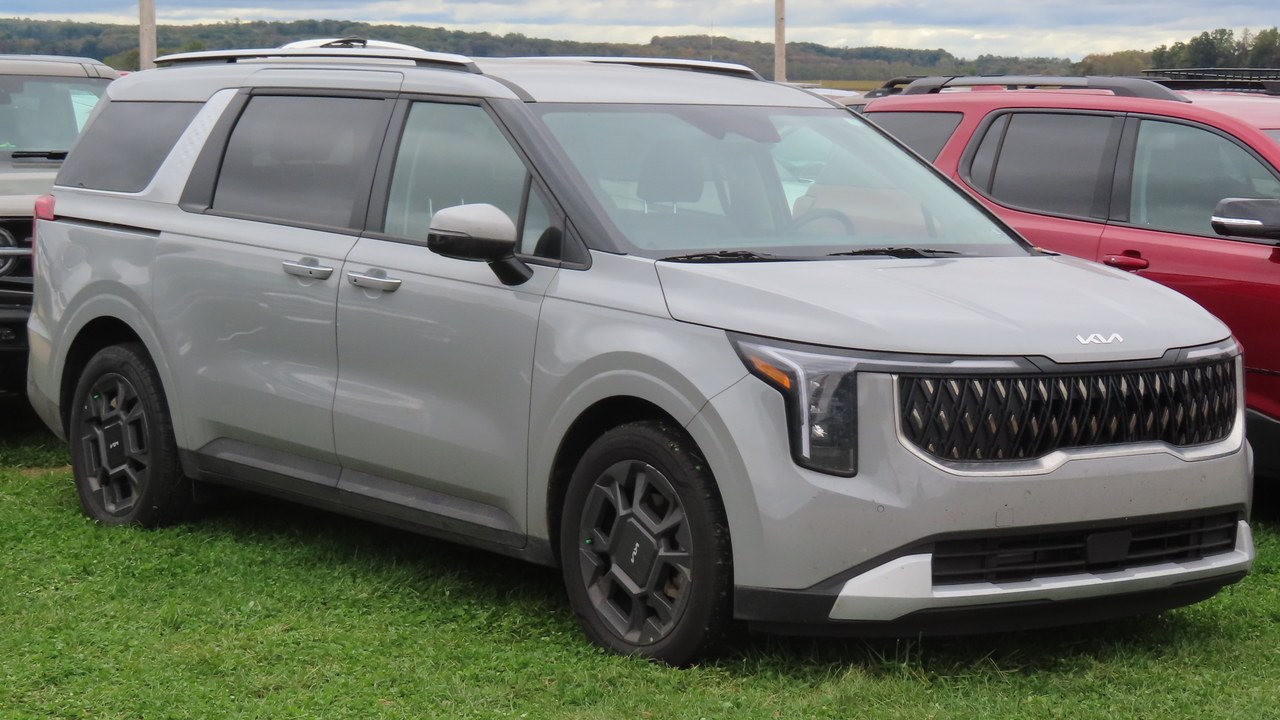
Kia recalled 141,032 Carnivals from the 2022 through 2026 model years on April 10 because fuel may leak at the connection between the fuel pipe and fuel rail, as listed on the motorverso recall list. Leaking fuel near a hot engine bay raises the risk of fire, which is why the recall covers such a wide span of model years.
Minivan owners who smell gasoline, see wet spots under the vehicle or notice a drop in fuel level should stop driving and call a dealer. Even without symptoms, the free repair is worth scheduling once the VIN shows an open campaign.
8. Kia K4: Rear Belt Buckle Flaw
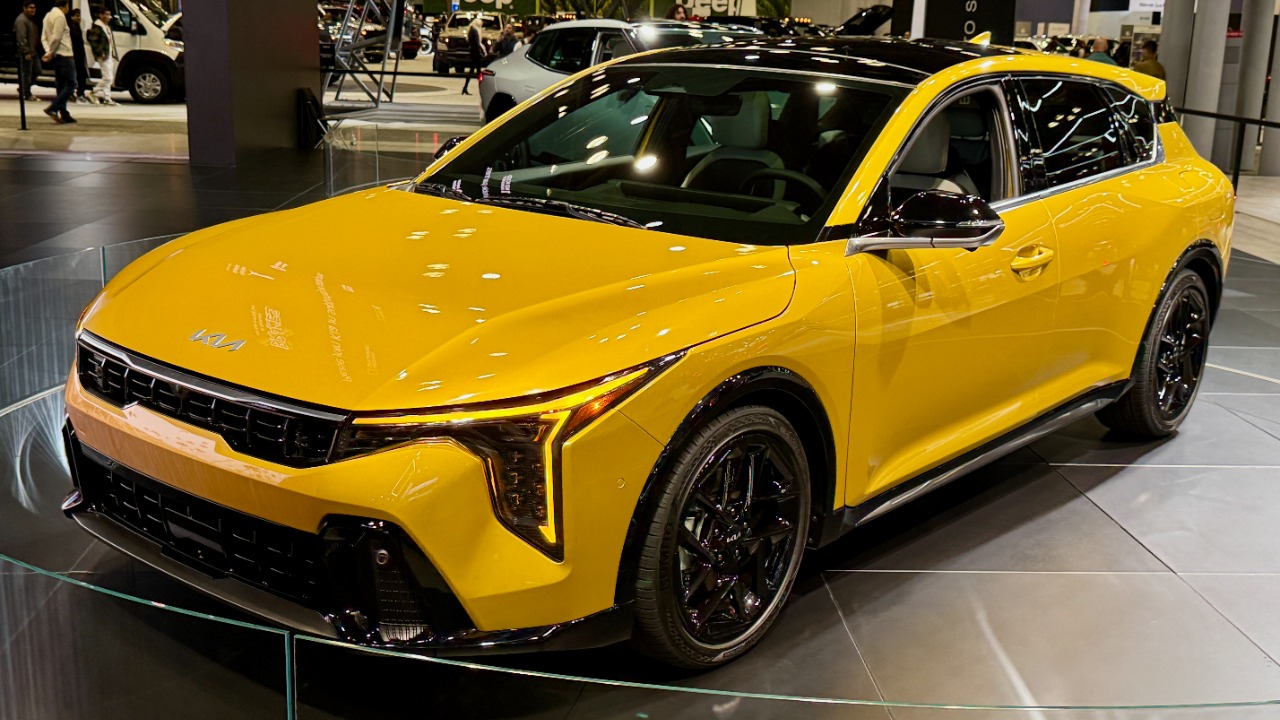
The 2026 K4 was recalled March 6 in a campaign of 14,870 vehicles that also included the 2027 Telluride, over the rear center seat belt anchor buckle, per the motorverso 2026 list. The recall is narrow by count, but it affects a seating position that is often used by a child or a smaller passenger.
K4 buyers who regularly carry three in the back should check the center position first and confirm the remedy by VIN. New-model recalls are often resolved quickly, so waiting rarely helps and the dealer fix costs nothing.
9. Hyundai Tucson: Software Brake Fault
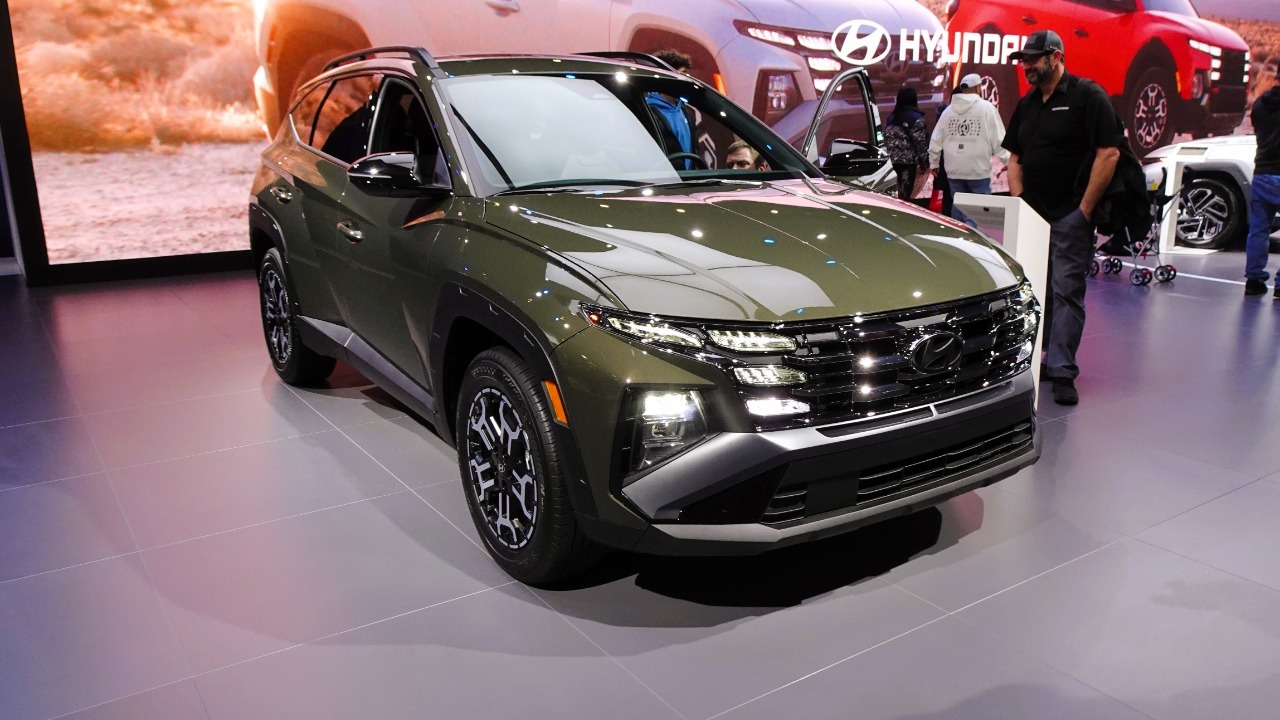
The 2025-26 Tucson is part of a recall of more than 421,000 Hyundais over a software brake issue, reported by Fox 17’s coverage. Software-driven braking faults are harder to spot than a leak or a crack, because the vehicle may seem normal until the system misbehaves at the wrong moment.
The Tucson is among the best-selling compact crossovers, so the potential pool of owners is large. Drivers should confirm the recall by VIN and accept the update at a dealer, which is generally a software fix rather than a parts replacement.
10. Hyundai Santa Cruz: Pickup in the Brake Recall
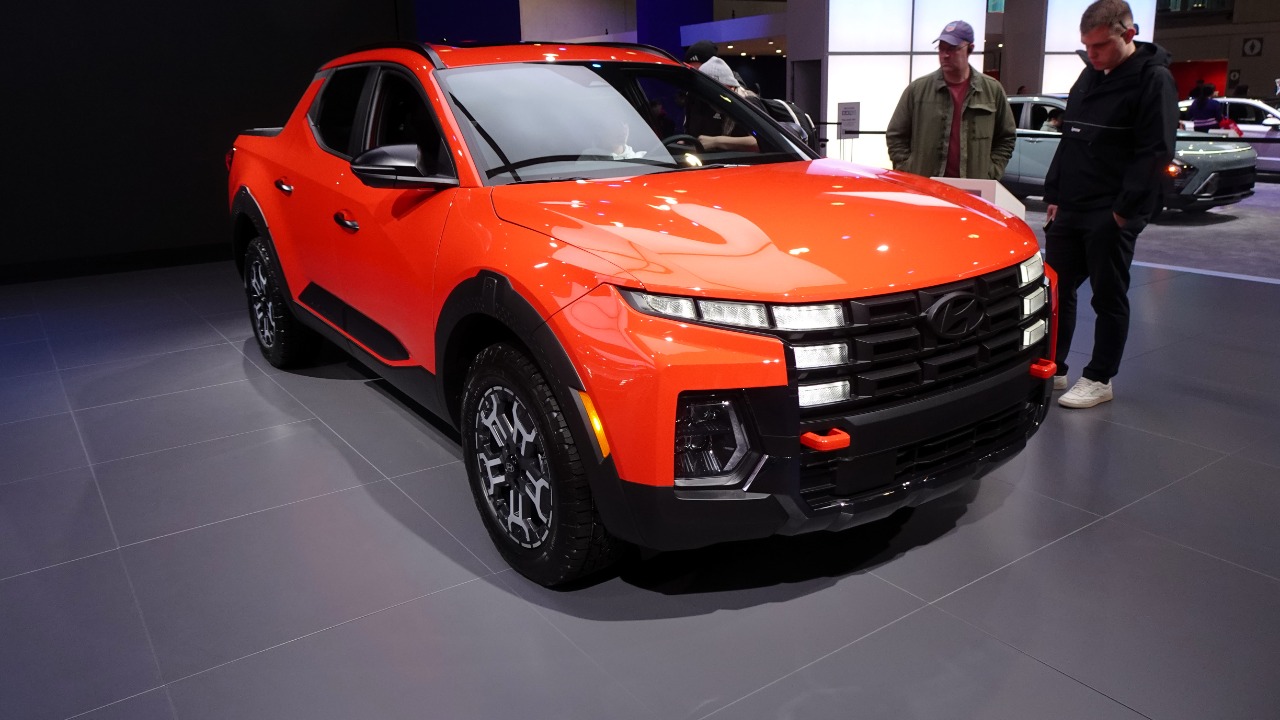
The 2025-26 Santa Cruz was included in Hyundai’s 421K-plus software brake recall, as noted in the Fox 17 report. The compact pickup shares much of its engineering with the Tucson, which explains why both vehicles appear in the same campaign.
Santa Cruz owners who use the bed for hauling should note that a loaded truck needs braking performance more than a lightly used one. Checking the VIN and getting the update installed is the practical step, and the repair is covered at no charge.
11. Kia Telluride: Seat Motor Fire Risk
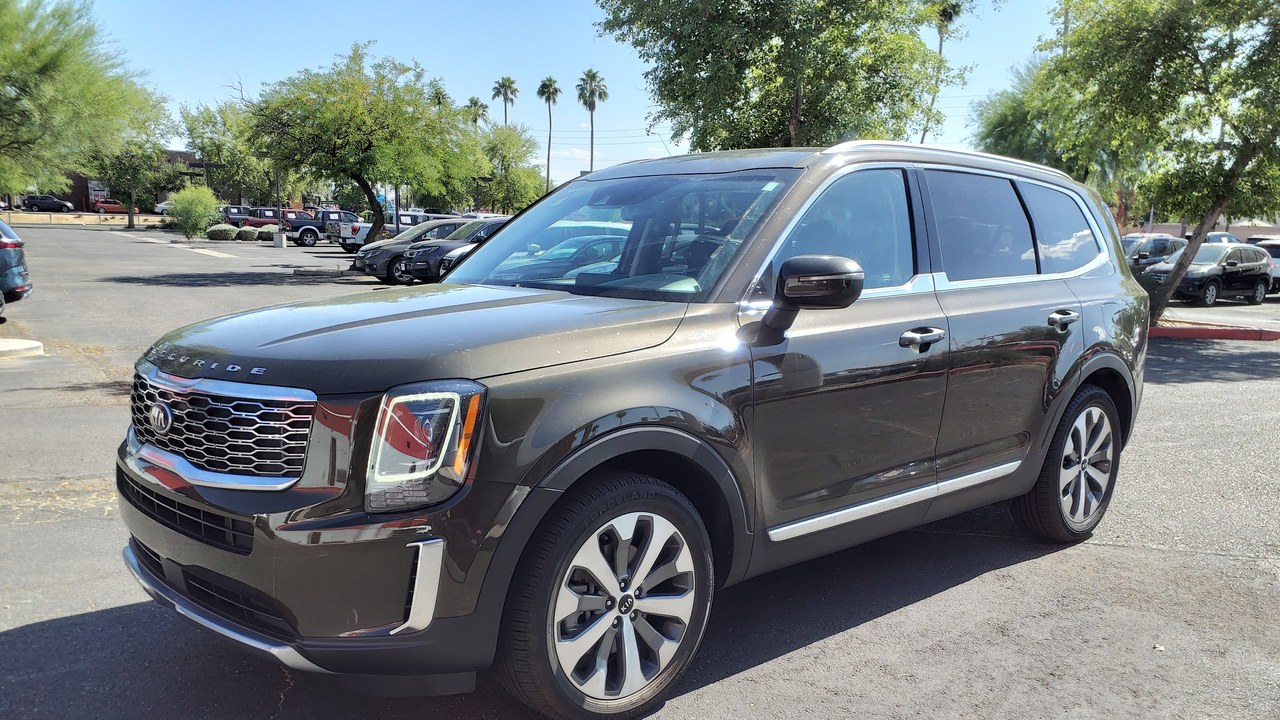
The largest figure in the group’s list is 462,869 Tellurides from 2020 through 2024, recalled because the front power seat motor can overheat and start a fire, per NHTSA campaign 26V430000. Owners were told to park outdoors until repaired, a stark interim instruction that signals how seriously the agency and Kia took the hazard.
Anyone with a first-generation Telluride should check the VIN and follow the parking guidance until the dealer completes the remedy. Fires that start inside a parked vehicle can spread to a garage and house, so the outdoor-parking advice is not optional.
12. Kia EV9: Child Seat Air Bag Switch
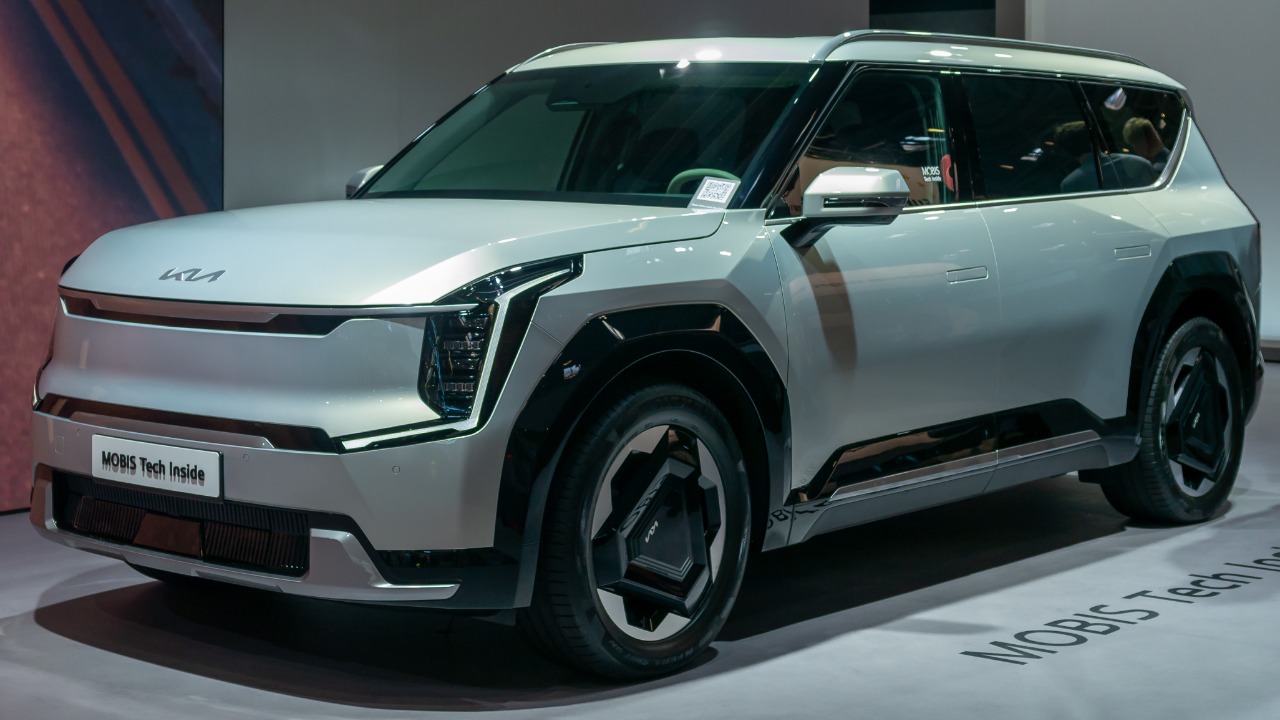
Kia recalled 21,290 2025-2026 EV9s on Aug. 21 because the passenger air bag may not switch off when a child seat is present, per NHTSA campaign 26V545000. The occupant detection system exists so a deploying bag does not strike a child in a rear-facing seat, so a failure creates real injury risk.
Families who place a child seat in the front of an EV9 should confirm recall status immediately and, until repaired, use the rear seats for children. The three-row layout makes that workaround easy for most households.
More from Morning Overview
- Two passengers died at an Ohio toll plaza, and the NTSB now wants the cash lanes shut
- Long use of a common prostate pill is tied to a higher chance of glaucoma
- Ford is recalling 223,472 F-150 pickups because the fuel tank can leak or detach
- Hybrids have 15% fewer problems than gas cars, while EVs and plug-in hybrids have about 80% more, Consumer Reports finds
