
Automakers usually redesign their engines every few product cycles, but a handful of engine families defied that pattern entirely. Some ran for three decades, others for four or more, powering pickups, sports cars and family sedans long after the models that introduced them were discontinued. Here are nine engines whose production runs outlasted the cars they were originally built for.
1. Ford Windsor engine: The Small Block That Outlasted Everything
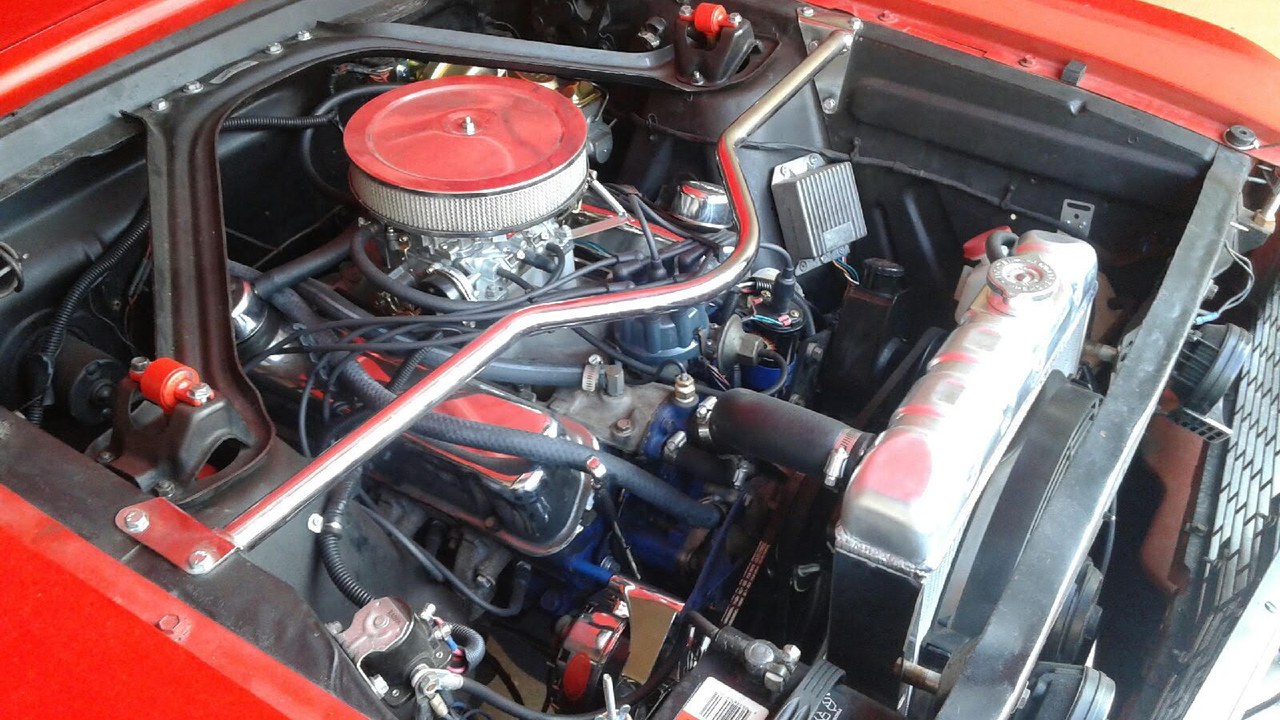
Ford’s 302 cubic-inch Windsor V8 entered production for the 1968 model year and stayed in the lineup through 2001, a run of more than three decades across three very different platforms. That single small-block spent time under the hood of the Mustang, F-Series and Explorer, generations apart from one another.
Owners of any of those three nameplates from that era share more mechanical DNA than the badges suggest, since parts, machine shops and swap knowledge built up around the Windsor block for over thirty years. That kind of longevity also means used examples remain relatively easy and affordable to service today.
2. Volkswagen air-cooled engine: Seven Decades in Production
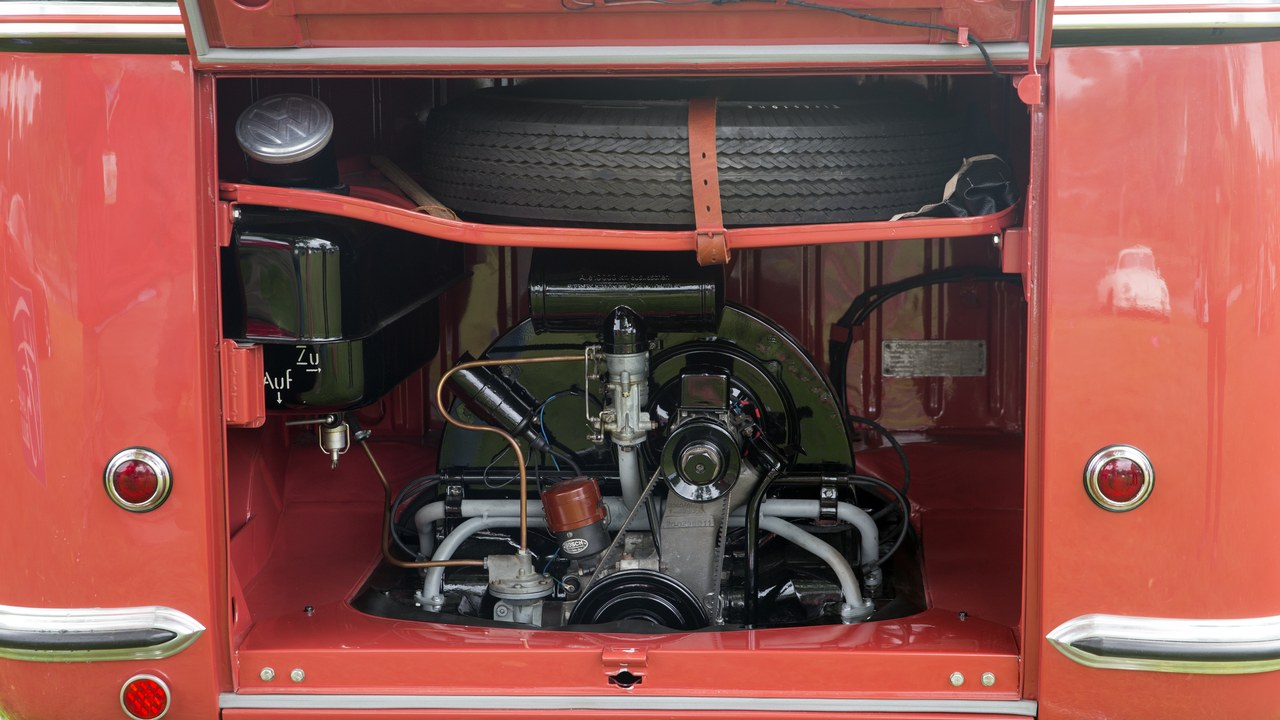
Volkswagen’s air-cooled flat-four ran in production from 1936 to 2006, a seventy-year span that stands as one of the longest continuous production runs of any automobile engine. Beyond the Beetle and its descendants, a version of the design found a second life far from the road.
Since 1970, the firm Limbach Flugmotoren has adapted that same architecture into more than 6,000 aircraft engines, putting Beetle-derived cylinders into light planes and gliders. For an engine simple enough to be air-cooled and rebuilt with basic tools, that range from economy car to aviation says a lot about the original design.
3. Toyota JZ engine: The Engine Behind the Supra
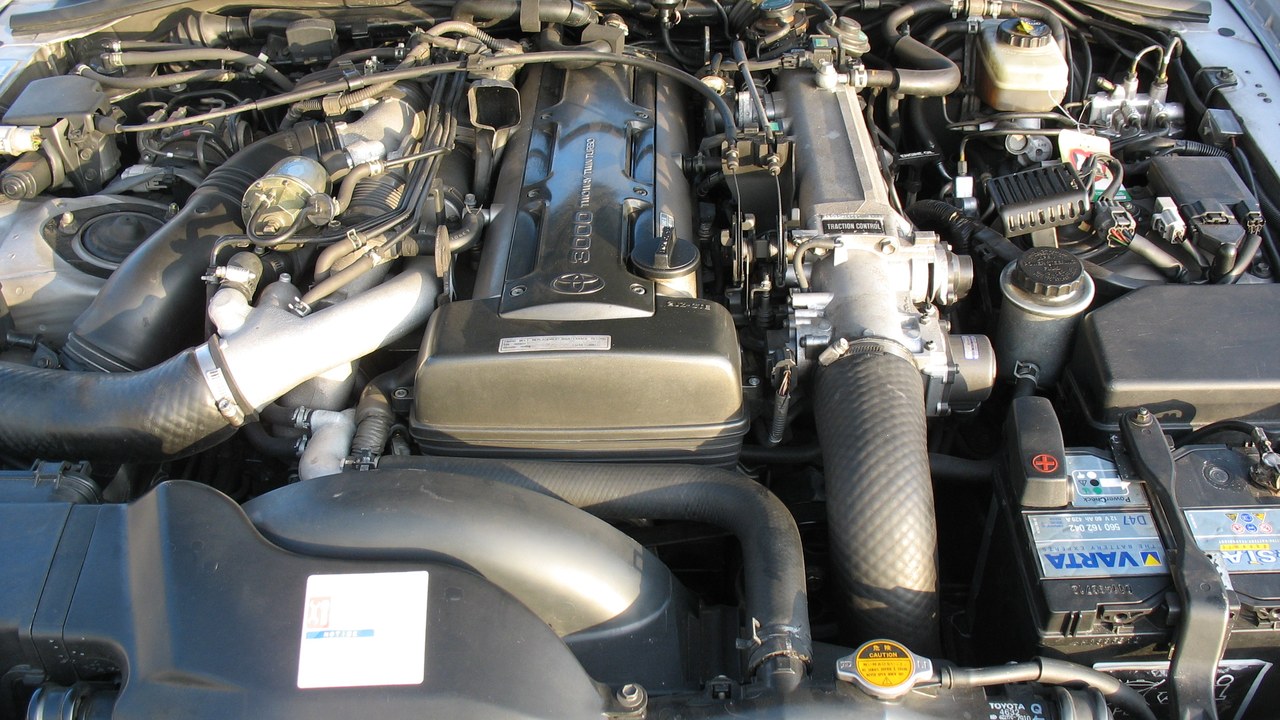
Toyota built the JZ engine family from 1991 to 2005, and it took on flagship status just two years in, once turbocharged and naturally aspirated versions landed in the 1993 Supra RZ. That flagship reputation stuck for the rest of the engine’s production run, across several Toyota models built on very different platforms.
A fourteen-year production span meant the JZ was still being built long after some of the cars it first appeared in had gone out of production. Its standing as Toyota’s benchmark performance engine also meant parts, tuning knowledge and rebuild expertise kept accumulating around it well past the mid-2000s.
4. Honda K engine: Still New After Two Decades
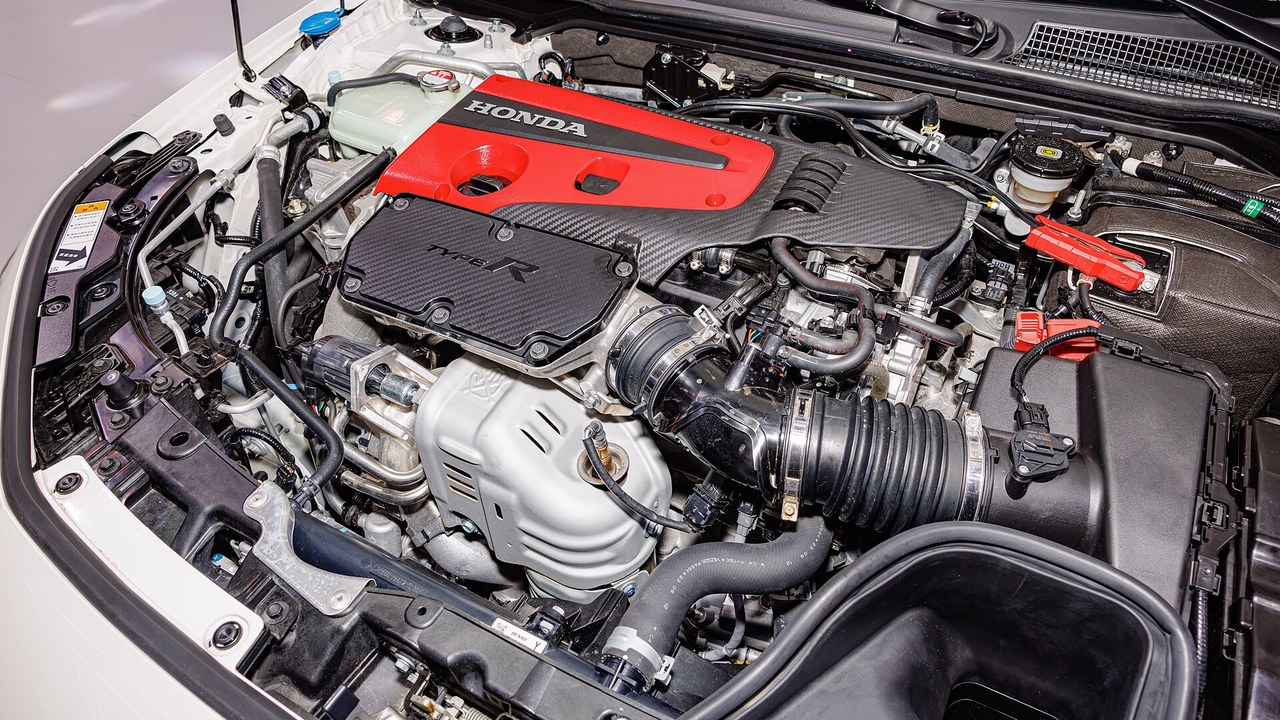
Honda’s K-series four-cylinder has been in production since 2001, and it remains the engine under the hood of the current Civic Type R, which arrived for the 2023 model year. A design more than two decades old is still doing duty in Honda’s newest hot hatch, not as a retro tribute but as the actual production engine.
Few engine families survive that many redesigns of the cars around them without being replaced outright, and the K-series has done it across multiple generations of Civic, Accord and CR-V. For anyone shopping a used Honda from nearly any year this century, there is a reasonable chance a K-series engine sits under the hood.
5. Volkswagen EA888 engine: Five Generations and Counting
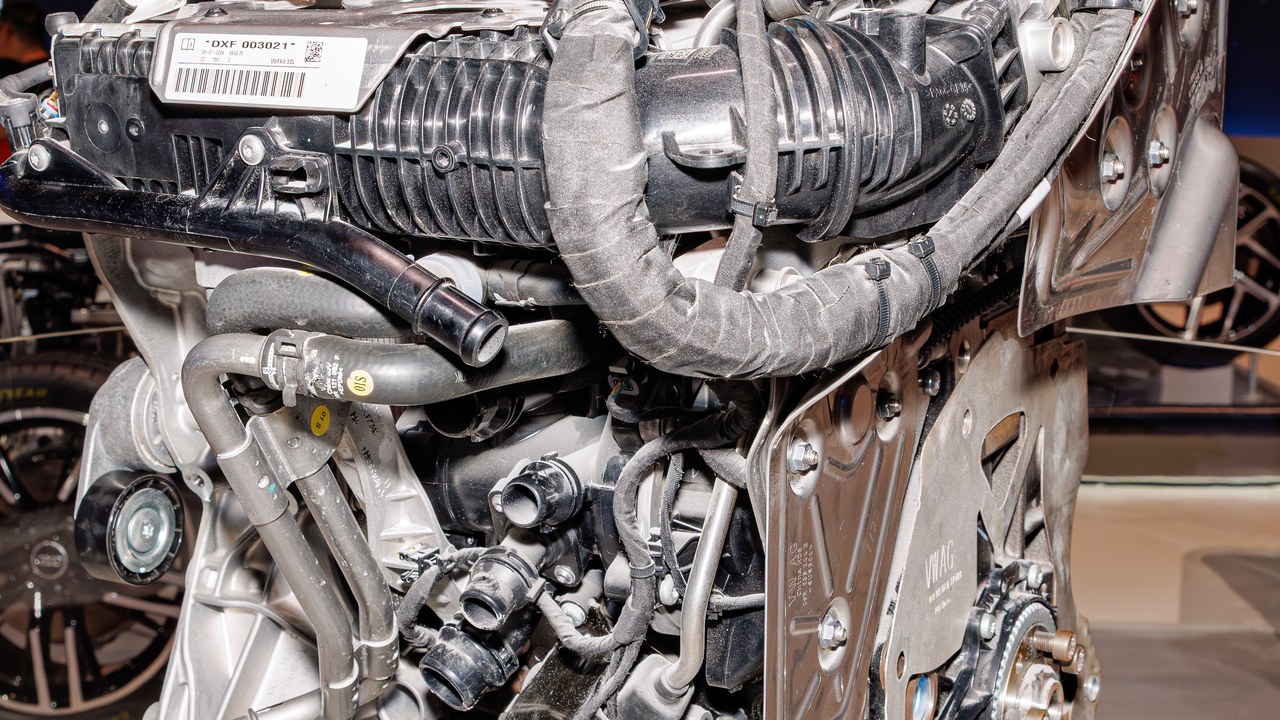
Volkswagen introduced the EA888 engine in 2007, and the design has since gone through five distinct generations, with the first two spanning roughly 2007 through 2011. Rather than being replaced outright, the EA888 four-cylinder was continually reworked in place, staying under the same name across nearly two decades.
That same architecture now shows up across Audi, Volkswagen, Skoda and Seat lineups, making it one of the most widely shared engines inside the Volkswagen Group. Buyers cross-shopping those four brands may be choosing between badges and trim levels more than between fundamentally different engines under the hood.
6. Nissan VQ engine: A Record Fourteen-Year Streak
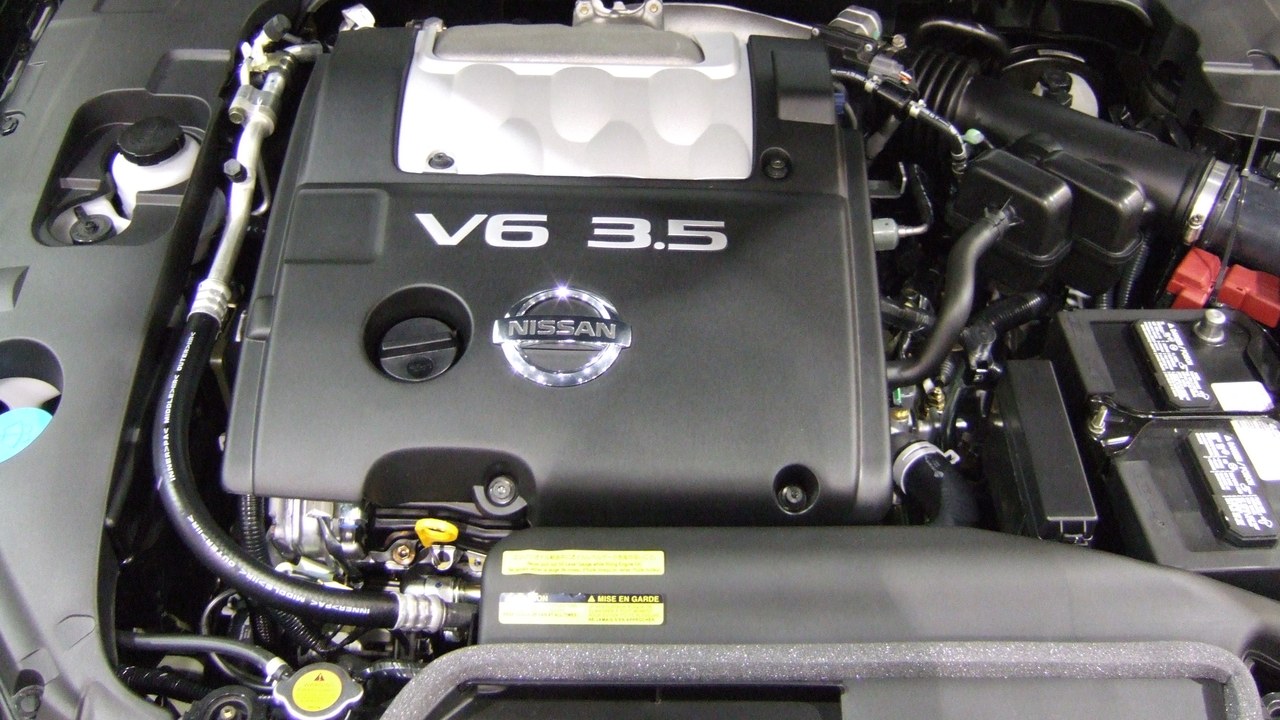
Nissan’s VQ V6 has been in production since 1994, and it spent the following fourteen years racking up an unmatched streak on Ward’s 10 Best Engines list, a record that has stood since the award’s inception. That kind of sustained recognition from an industry-wide panel of judges is rare for any single engine family.
The VQ has powered everything from family sedans to sports coupes since the mid-1990s, giving it one of the longer continuous runs of any modern V6. Decades of production also mean common wear points and maintenance quirks are well documented for anyone running one today.
7. BMW M10: From Sedans to Formula One
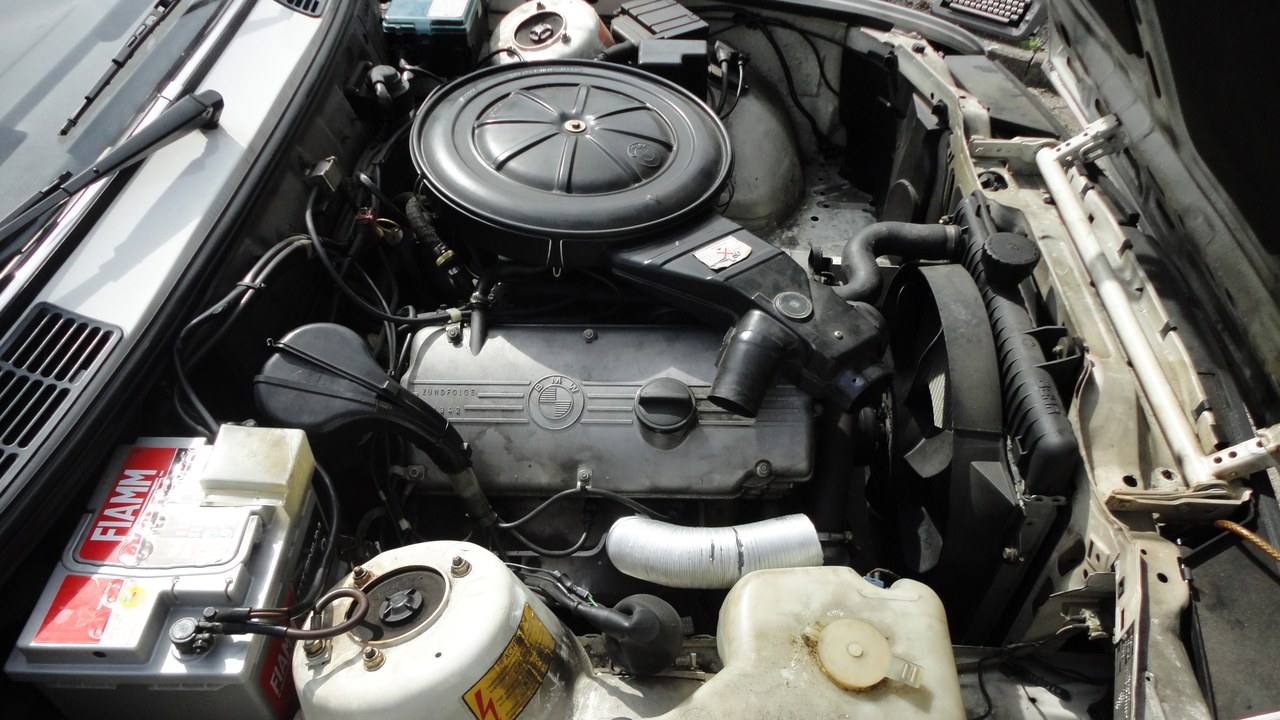
BMW built the M10 four-cylinder from 1962 to 1988, a 26-year run that produced more than 3.5 million units for ordinary sedans. The same basic block also became the basis for the turbocharged M12 Formula One engine, which reportedly produced up to 1,400 PS in qualifying trim.
Few engines bridge daily-driver duty and grand prix racing, but the M10’s basic architecture proved sturdy enough for both extremes. A production run measured in the millions also means parts and mechanical knowledge for the road-going version have stayed accessible long after BMW moved on to newer engine families.
8. Cummins B Series engine: Four Decades of Diesel Duty
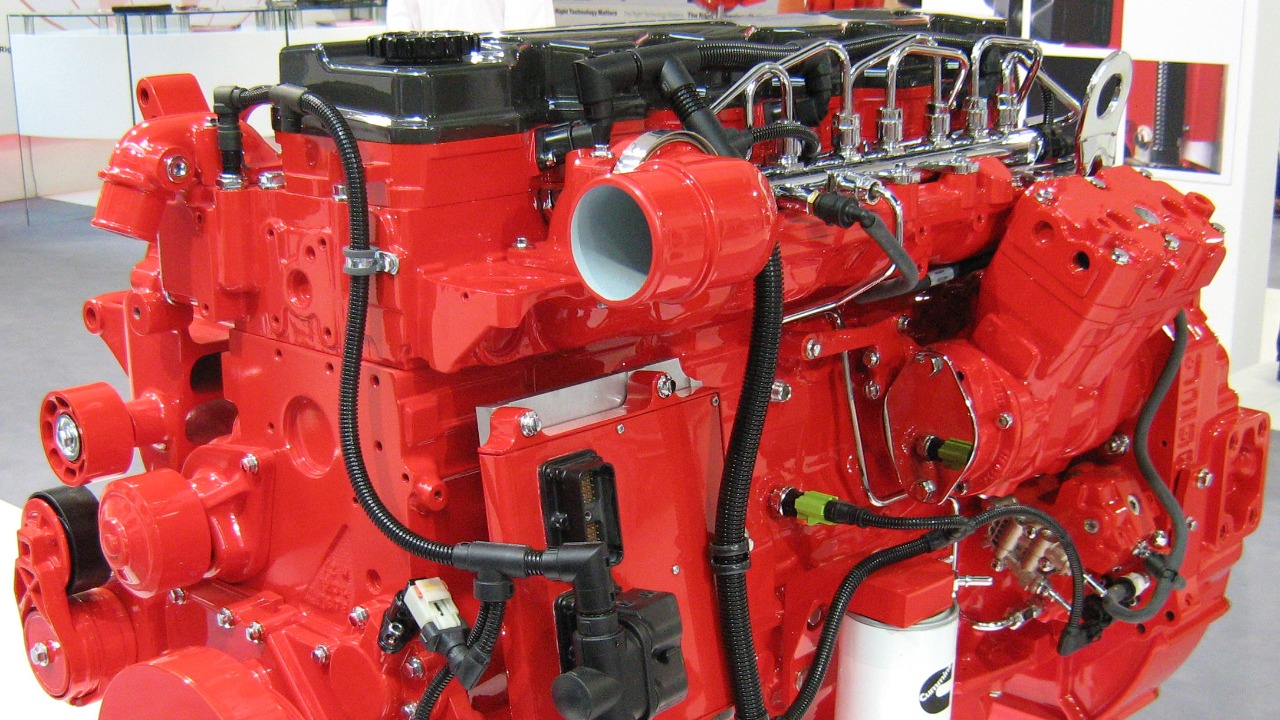
Cummins has built the B Series diesel since 1984, putting it at more than four decades in continuous production. The engine still shows up in school and public service buses as well as Dodge and Ram pickups, spanning both commercial fleets and personal trucks.
That spread of applications, from light-duty to medium-duty work, is part of why the B Series never needed to be retired the way many passenger-car engines eventually are. A diesel built to run daily in fleet vehicles for over forty years also tends to hold up well in private ownership.
9. Ford modular engine: Twenty-Three Years Across Three Nameplates
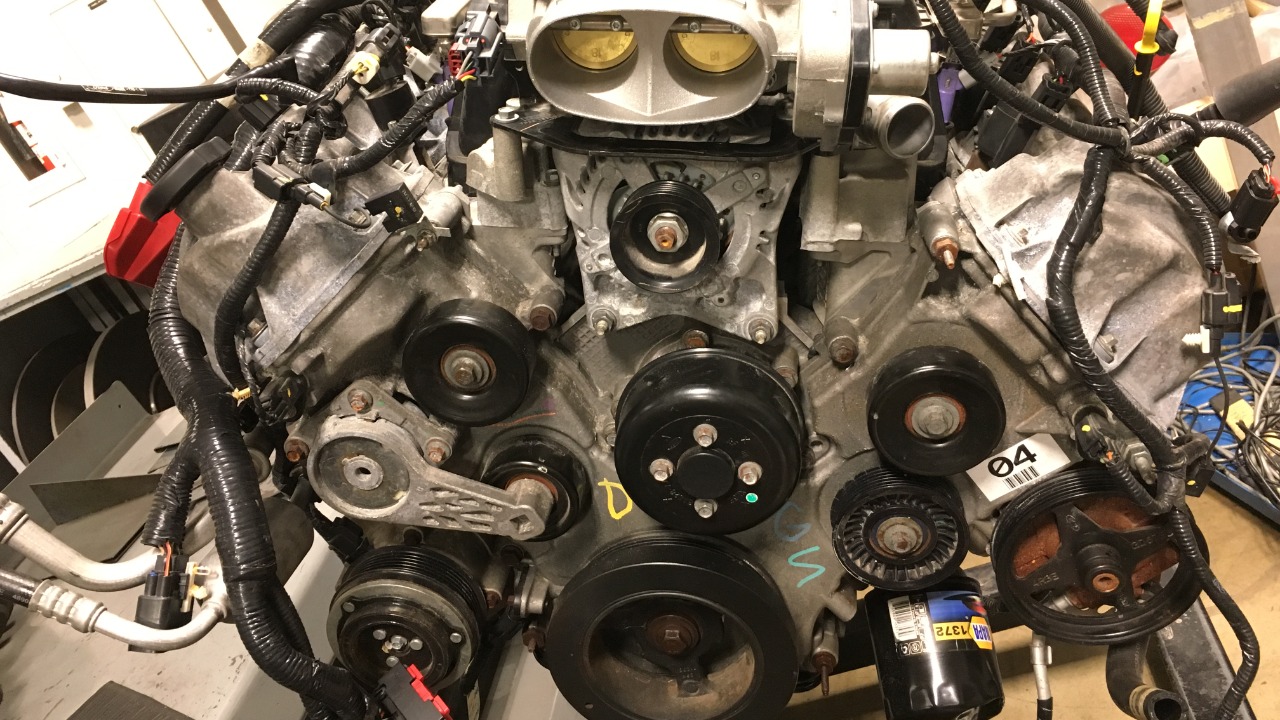
Ford introduced the Modular V8 in the 1991 Lincoln Town Car, and the 4.6-liter version stayed in production for 23 years before the final one was built in May 2014. Along the way it powered the Crown Victoria, Mustang and Explorer, three vehicles aimed at completely different buyers.
A luxury sedan, a sports car and a family SUV sharing the same basic V8 architecture for more than two decades is unusual even by the standards of this list. Anyone who owned a Panther-platform Ford or an early Modular-powered Mustang was driving a piece of the same long-running engine family.
More from Morning Overview
- A handful of car engines are so tough mechanics say they almost never wear out
- The NSA is again telling phone owners to switch off one location setting
- Supplements now rank as the fifth-leading cause of death from liver disease.
- Herbal supplements are landing Americans in the hospital with liver damage, doctors warn
