
Diesel power has never been common in sport-utility vehicles, but the engines that did reach showrooms brought a specific advantage: low-end torque, the kind that moves a loaded trailer without drama. Some of these SUVs were built on truck bones; others simply borrowed a stout turbodiesel from a corporate parts bin. Here are nine diesel SUVs whose pulling ability earned comparisons to full-size work trucks.
1. Chevrolet Tahoe: Duramax Grunt Under A Family Roof
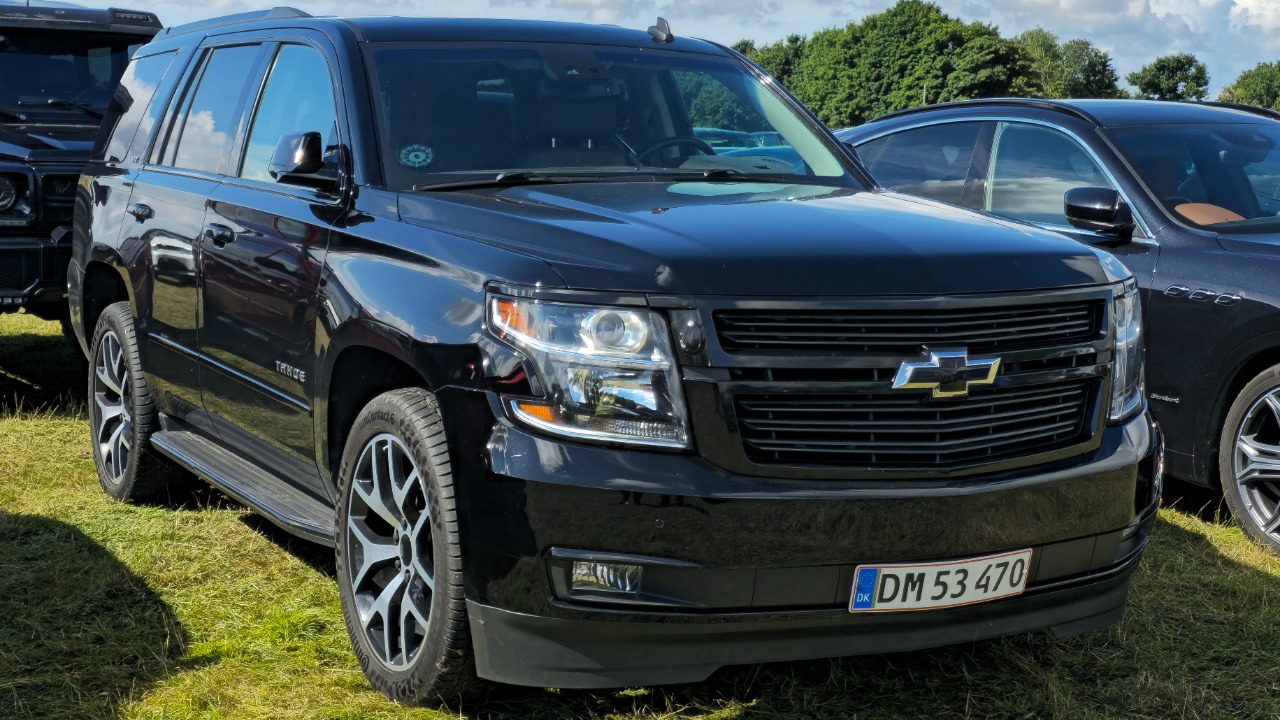
Chevrolet’s full-size hauler gained a 3.0-liter Duramax inline-six turbodiesel as an alternative to its familiar gasoline V8s, and the engine’s character suits trailer work: peak torque arrives low in the rev range and holds there. Because the body-on-frame Tahoe shares its architecture with the Silverado pickup, the hardware underneath is already truck-grade.
Towing figures shift with drivetrain, axle ratio and equipment, so no single number describes every diesel Tahoe on the road. What stays consistent is the driving experience — the six pulls a loaded trailer up a grade without the frantic downshifting that plagues smaller engines, and it does so while sipping considerably less fuel than the V8s it replaces.
2. GMC Yukon: The Tahoe’s Twin, Dressed Up
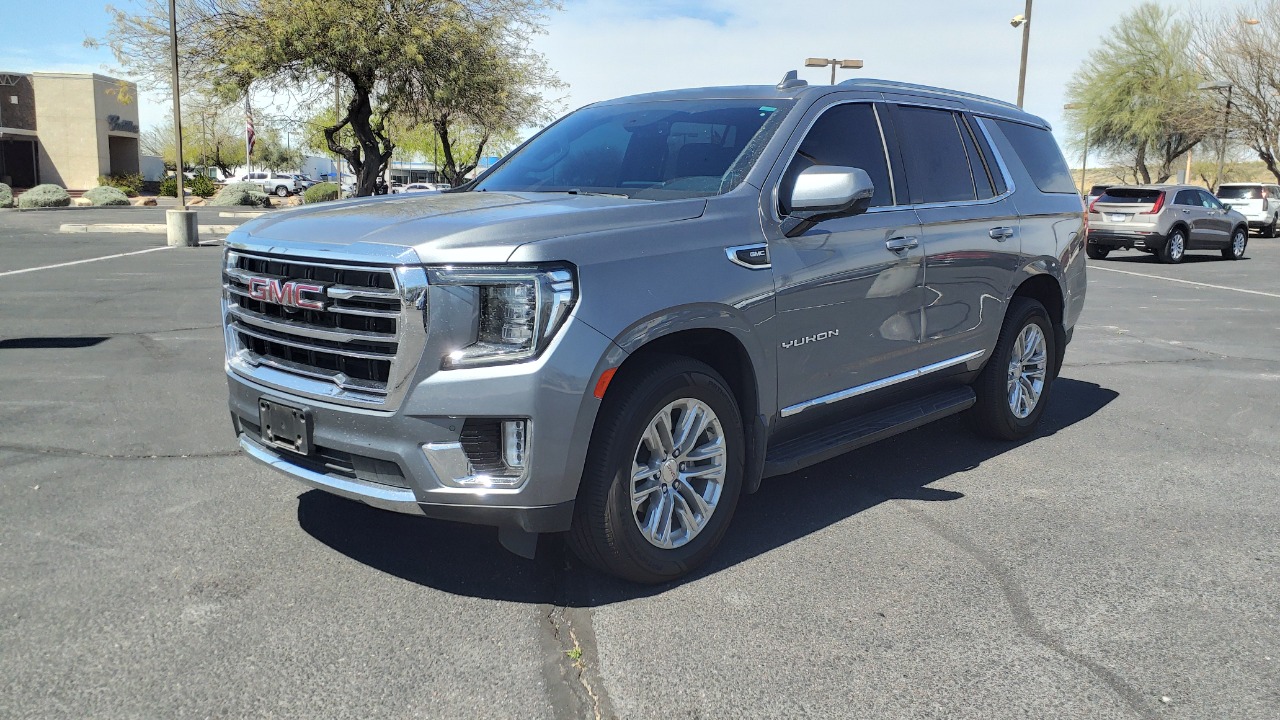
GMC’s full-size SUV is mechanically the Tahoe’s sibling, and it received the same 3.0-liter Duramax straight-six when the diesel joined the range. The Yukon and Yukon XL ride on the same body-on-frame platform as the Sierra pickup, with an independent rear suspension and a ten-speed automatic behind the diesel.
Denali and AT4 trims push the Yukon well upmarket, which makes the diesel an unusual proposition: a leather-lined cabin sitting on hardware engineered for work. Maximum trailer weight depends on the drivetrain and equipment chosen, so a two-wheel-drive example and a loaded four-wheel-drive one carry different ratings. The longer XL body adds cargo room behind the third row without changing the engine’s character.
3. Ford Excursion: The Super Duty With Seats
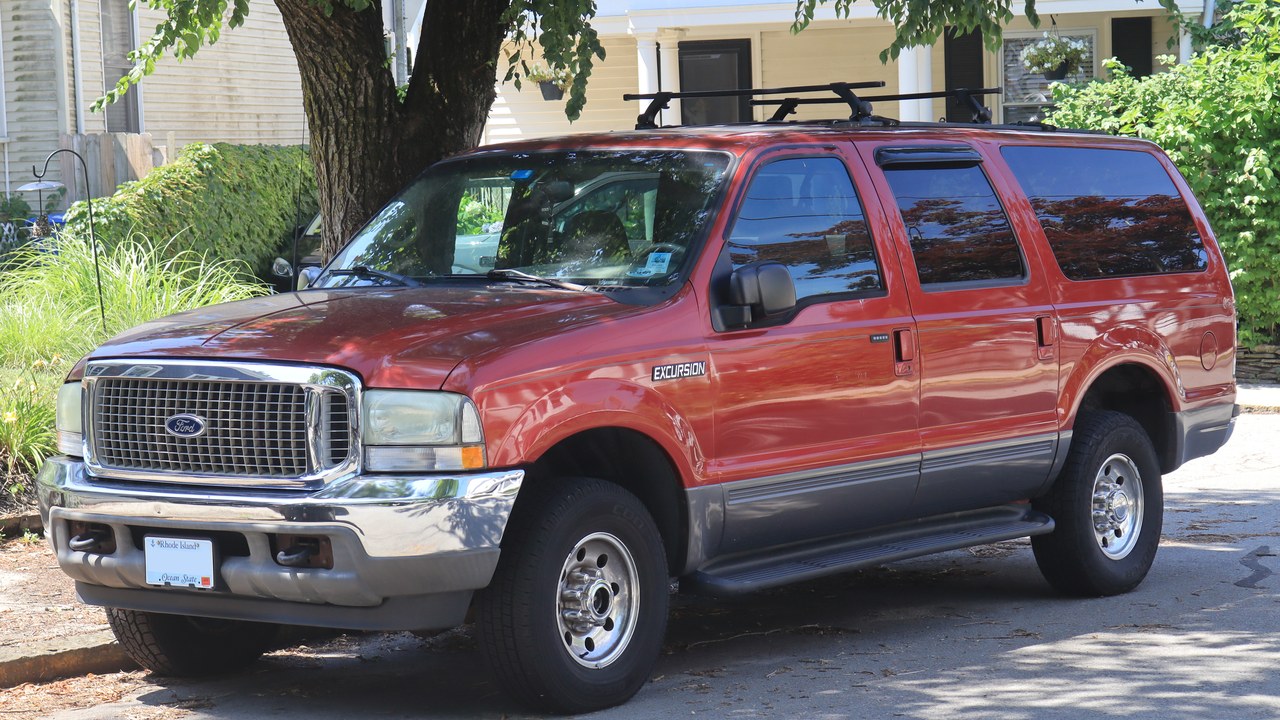
Ford built its largest SUV on the Super Duty pickup chassis and offered the 7.3-liter Power Stroke turbodiesel V8, later replaced by a 6.0-liter version. The Excursion’s truck underpinnings were not a marketing angle but literal shared hardware, including the frame, the axles and the heavy-duty transmission mated to the diesel.
Production ran only a few years before fuel prices and a shrinking market ended it, yet diesel Excursions remain sought after by people who tow horse trailers and large travel trailers. Few vehicles sold since have combined nine seats with that much diesel hardware underneath. Rust and aging emissions components are the usual concerns on survivors rather than any shortage of pulling ability.
4. Jeep Grand Cherokee: EcoDiesel Torque For The Trailhead
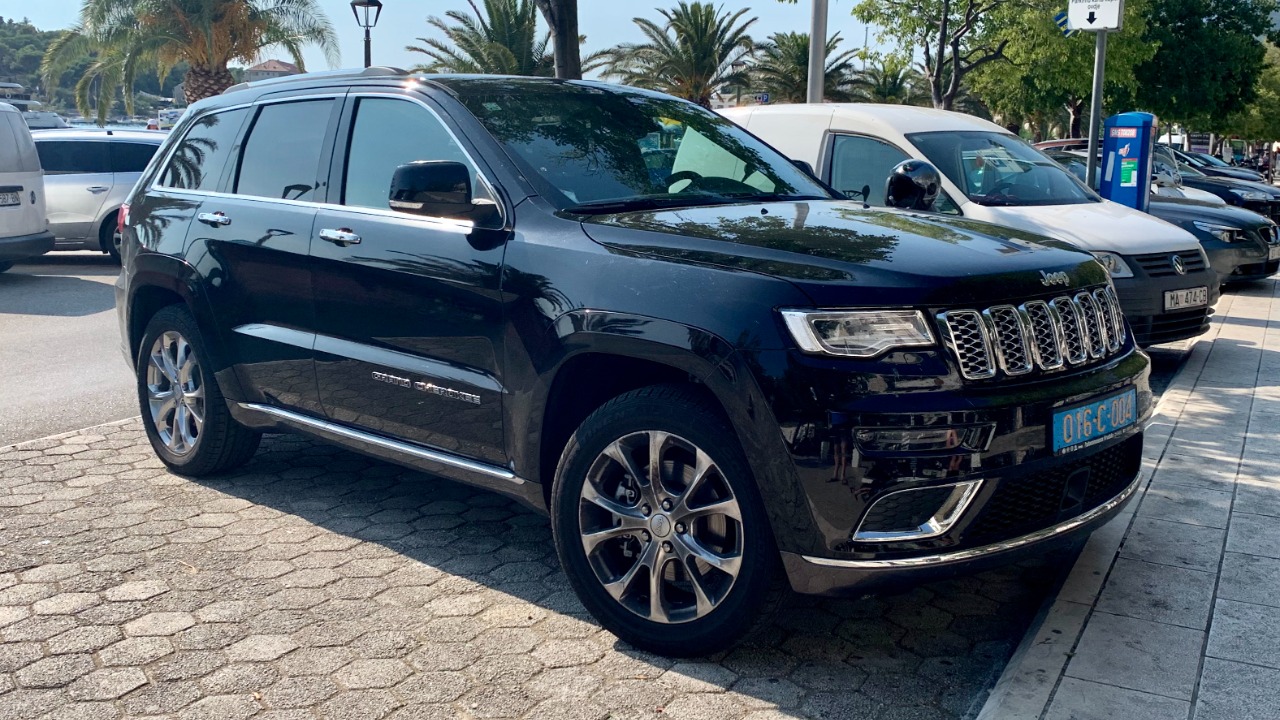
Jeep offered a 3.0-liter EcoDiesel V6 in the Grand Cherokee, an engine built by VM Motori that traded outright horsepower for a broad band of low-end torque. In a midsize unibody SUV, that pairing produced an unusual combination: modest highway fuel consumption on an empty run and a composed, unhurried gait with a trailer attached.
The Grand Cherokee is the smallest vehicle here and never claimed full-size-truck numbers, but its diesel rating comfortably cleared what most crossovers of similar size could manage. Emissions hardware is the caveat: the EcoDiesel was caught up in Fiat Chrysler’s diesel settlement, and later maintenance on the exhaust after-treatment system has soured some owners on otherwise capable examples.
5. Land Rover Discovery: British Torque, Quietly Delivered

Land Rover’s Discovery has long been sold with turbodiesel engines outside North America and briefly offered a 3.0-liter Td6 V6 in the United States. Beyond the engine, the Discovery’s towing hardware is the story: air suspension that levels the body under load, a locking rear differential option and driver aids designed to steady a swinging trailer.
European buyers have had a far wider choice of diesel Discoverys across five generations, several of them rated to pull weights that embarrass much larger vehicles. The trade-off has always been complexity — air springs, electronics and diesel after-treatment all age expensively — which is why a well-maintained service history matters more here than on a simpler body-on-frame rival.
6. Volkswagen Touareg: The TDI That Pulled A Jet

Volkswagen’s Touareg arrived with an option no rival matched: a 5.0-liter V10 TDI, later joined by a 3.0-liter V6 TDI. The V10 TDI Touareg became famous for a publicity stunt in which a lightly modified example dragged a Boeing 747 across a runway, a demonstration of torque rather than a real-world towing benchmark.
Under normal conditions the Touareg’s rated capacity sat well below that spectacle, though still high for a midsize luxury SUV sharing its bones with the Porsche Cayenne. The V10 was expensive to maintain and short-lived, and the V6 TDI later became entangled in Volkswagen’s emissions scandal. Both facts have kept clean examples rare and prices unpredictable.
7. Mercedes-Benz GL-Class: Seven Seats, Diesel Manners
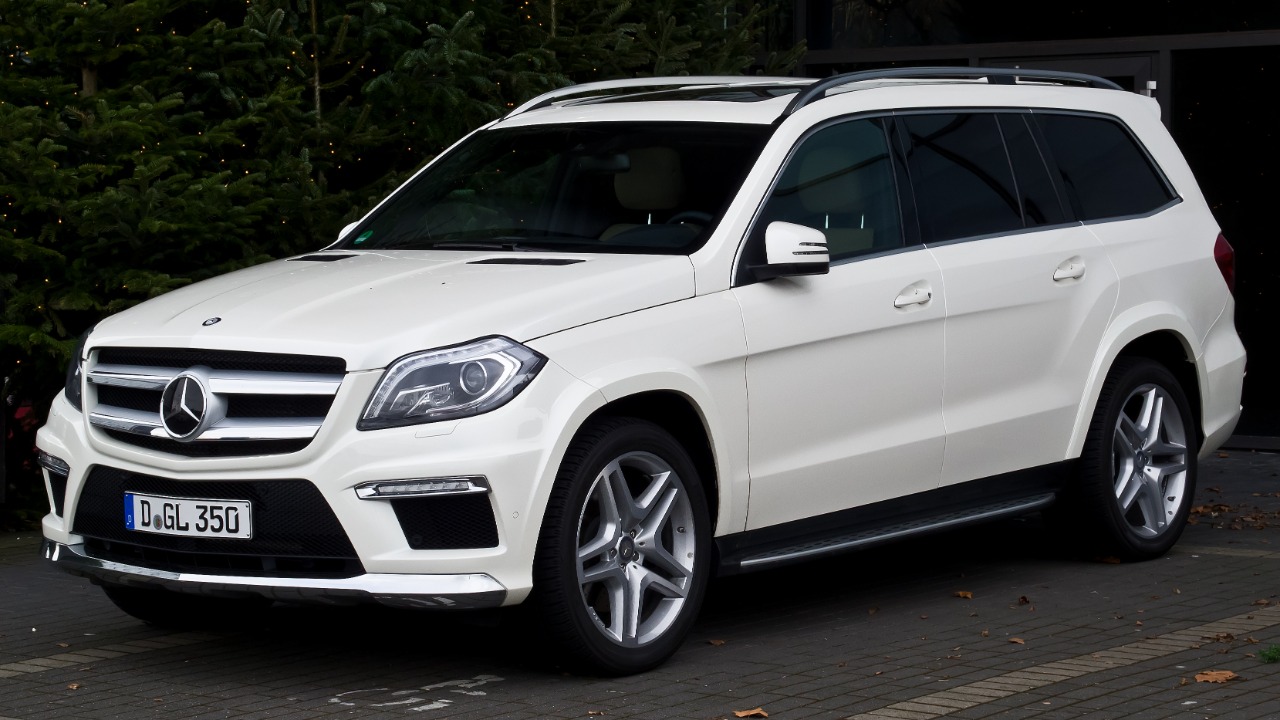
Mercedes sold the GL-Class with a 3.0-liter V6 turbodiesel badged CDI and later BlueTEC, an engine that made the three-row wagon feel effortless rather than fast. American buyers could order the Alabama-built GL-Class with that diesel as a mainstream option rather than a special-order curiosity.
Air suspension and an available low-range transfer case gave the GL genuine hardware credentials, and the diesel’s torque made a loaded trailer feel like an afterthought at highway speed. Running costs are the sting: AdBlue systems, air springs and turbo plumbing all become expensive at high mileage, which is why used diesel GLs sell for a fraction of what they once cost.
8. BMW X5: The Sports SUV With Trailer Nerve
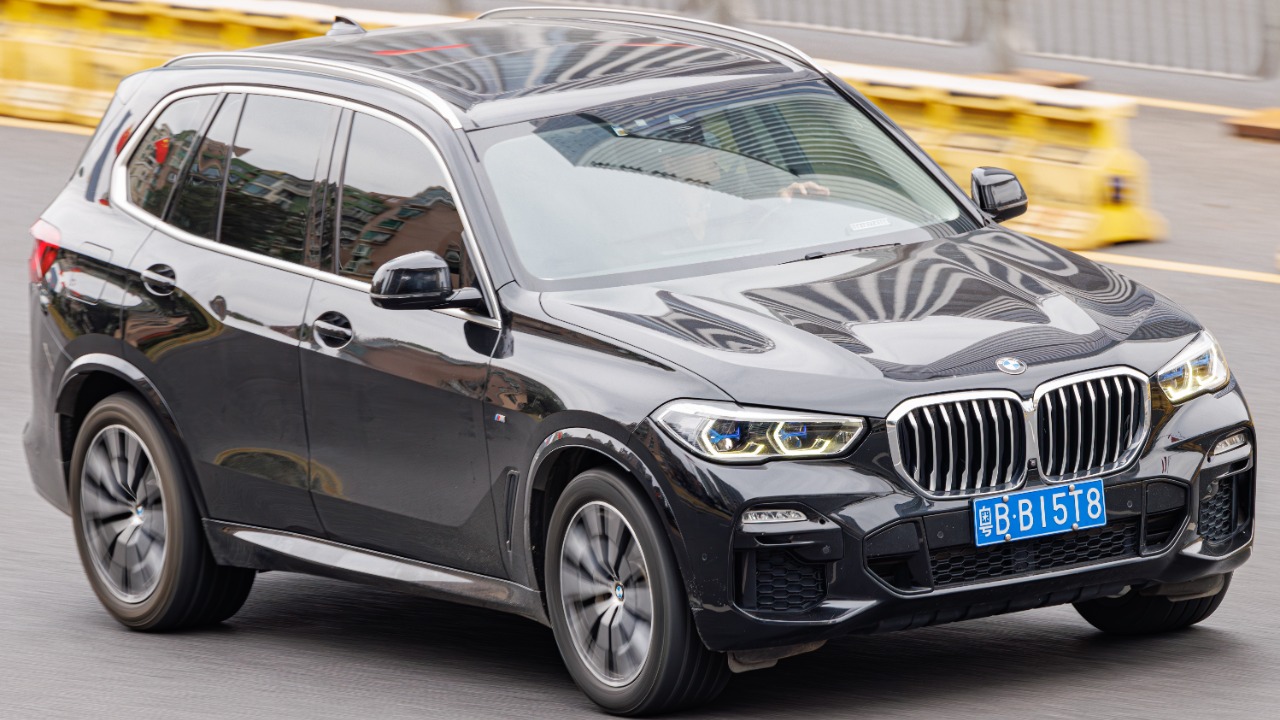
BMW’s X5 has offered turbodiesel inline-sixes for most of its life, sold in the United States as the xDrive35d and elsewhere under a longer list of badges. That diesel inline-six gave the X5 a towing personality at odds with its sporting image, delivering its shove low down where a trailer needs it.
European X5 diesels have long been rated to haul substantial braked trailers, and the model is a common sight ahead of horseboxes and caravans across Britain and Germany. It is a unibody vehicle rather than a truck, so it will not match a Super Duty-based SUV, but among luxury crossovers its diesel versions have set the pace for years.
9. Chevrolet Suburban: Longest Body, Same Duramax
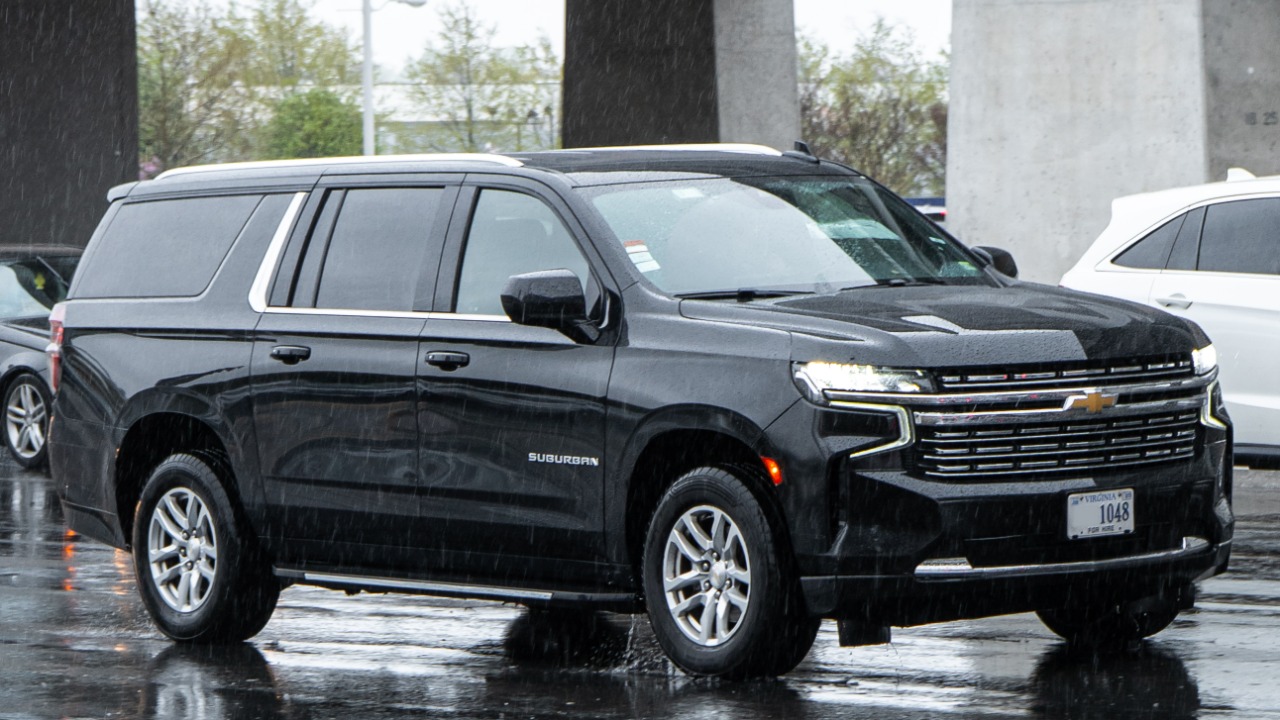
The Suburban is the Tahoe stretched, and it takes the same 3.0-liter Duramax inline-six turbodiesel. Length is the point: the long-wheelbase Suburban swallows cargo behind a third row that the shorter SUV cannot, and the extra wheelbase also steadies a trailer, reducing the pitching that plagues short vehicles pulling heavy loads.
Chevrolet has built the nameplate for longer than any other in the American market, and diesel engines are not new to it — earlier generations were offered with 6.2- and 6.5-liter diesel V8s decades before the Duramax arrived. Ratings differ between two- and four-wheel-drive versions, so the badge alone never settles what a given example can legally pull.
More from Morning Overview
