
Not every small crossover lives up to the badge on its tailgate. A handful of popular nameplates have drawn thin marks from the people who actually drive them, thanks to weak powertrains, dated cabins, and reliability worries. These are nine crossovers whose owners tend to walk away least impressed.
1. Nissan Rogue: The Transmission Owners Complain About
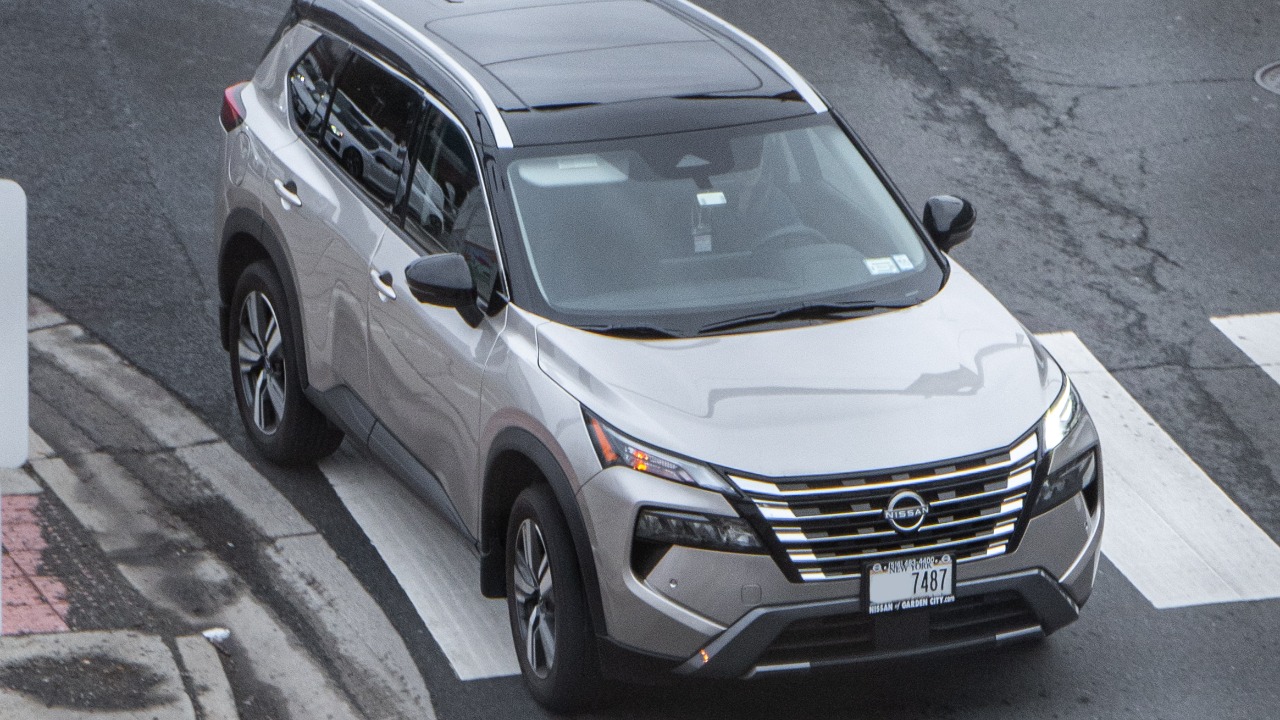
Nissan’s best-selling crossover has long relied on a continuously variable transmission, and that choice sits at the center of the gripes leveled at the Rogue. Owners have reported hesitation, a droning engine note under acceleration, and in earlier model years outright CVT failures that soured the ownership experience despite the vehicle’s roomy cabin and strong sales numbers.
The problem is that the Rogue competes in the most crowded segment on the market, where rivals offer smoother powertrains for similar money. A transmission that feels reluctant and has a spotty durability reputation gives shoppers an easy reason to cross-shop, and it drags down the scores owners hand back on satisfaction surveys.
2. Jeep Compass: Rugged Looks, Sluggish Reality
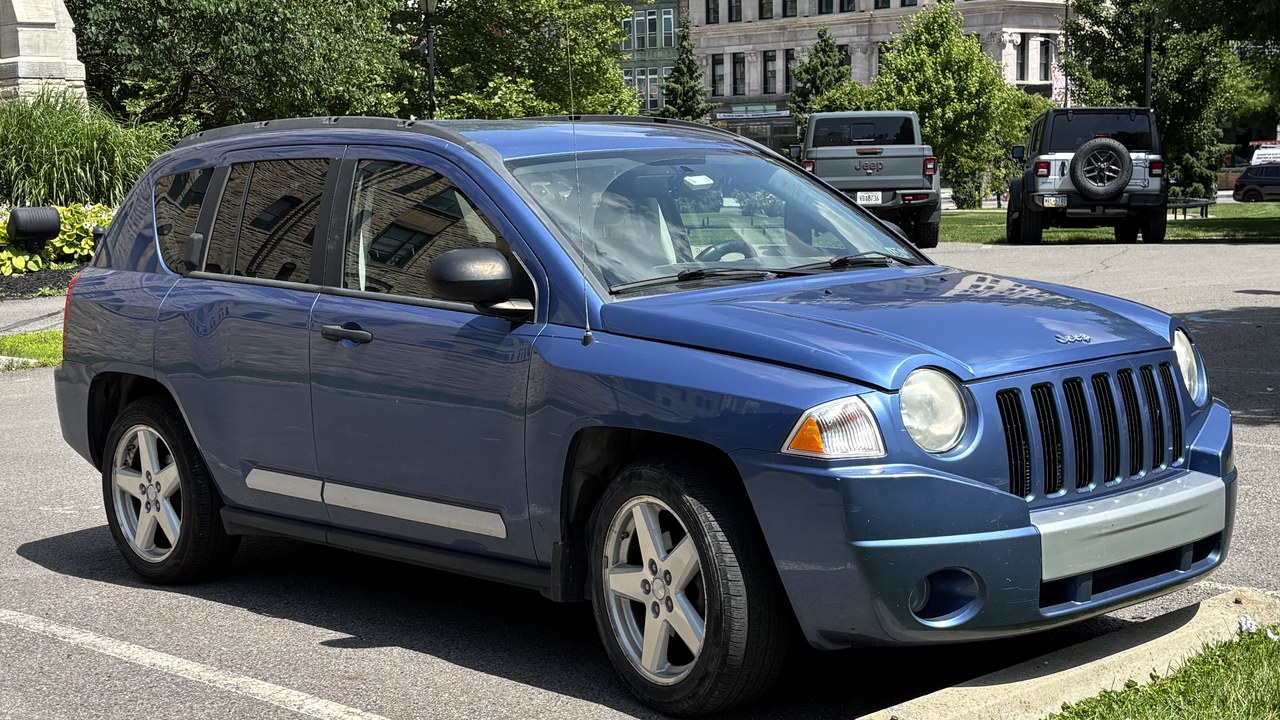
The compact Jeep crossover wears the brand’s trail-ready styling, but the driving experience rarely matches the promise. Reviewers and owners have singled out a modest four-cylinder that feels overwhelmed, an unrefined ride, and interior materials that trail the class. Older versions in particular earned criticism for feeling a step behind the compact-SUV pack in nearly every objective measure.
Buyers drawn in by the badge and the boxy looks often discover the substance underneath falls short of the image. When a crossover looks the part but drives like an afterthought, disappointment tends to follow the first few thousand miles, and that gap between expectation and reality shows up plainly in how owners rate it.
3. Mitsubishi Outlander: Playing Catch-Up For Years
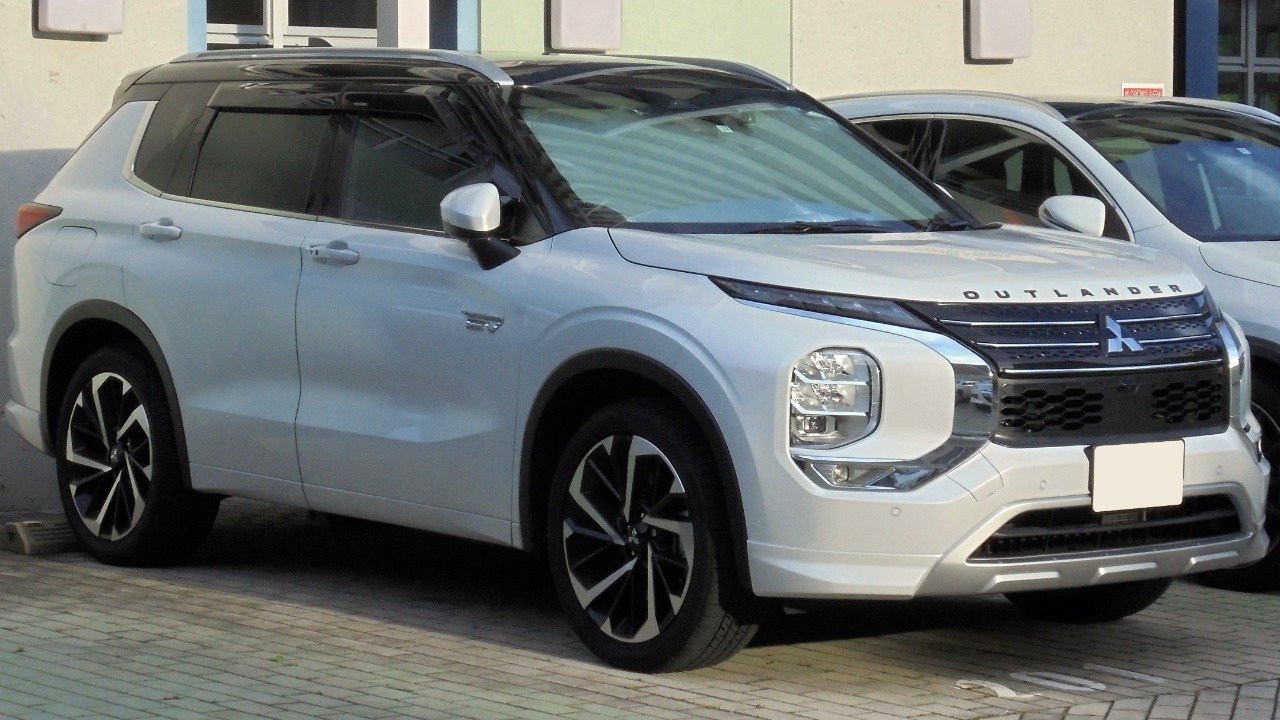
For much of the last decade the Mitsubishi Outlander lagged its rivals so noticeably that a third-row seat and a long warranty were its main selling points. Older generations drew criticism for a coarse powertrain, cheap-feeling cabin plastics, and driving dynamics that felt dated next to fresher competitors, and that reputation weighed on how owners judged the ownership experience.
A recent redesign built on Nissan underpinnings has narrowed the gap, but years of also-ran models left a mark on the nameplate’s standing. Reputations in this segment are slow to rebuild, and shoppers who remember the older cars still approach the badge with caution, which keeps satisfaction figures softer than the brand would like.
4. Chevrolet Trax: Where The Budget Shows
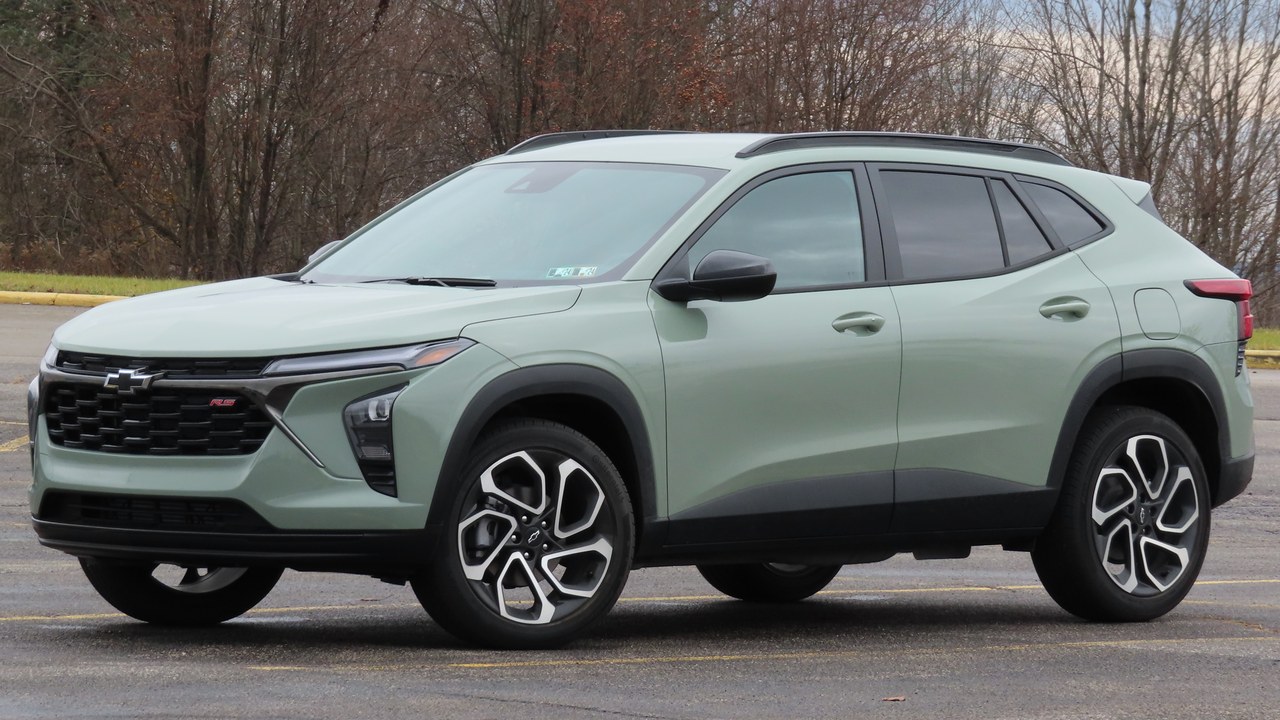
Chevy’s smallest crossover has always been priced to move, and the earlier Trax made that budget positioning obvious. Owners pointed to hard interior plastics, a noisy and underpowered engine, and a generally low-rent feel that stood out even against similarly affordable rivals, and those impressions filtered straight into the marks it collected on owner surveys.
The affordable price does win some goodwill, but value only stretches so far when the daily experience feels cut-rate. Later versions improved considerably, yet the nameplate carried the reputation of a bargain box for years, and that history explains why long-term owners of the older cars ranked it near the bottom of the class.
5. Buick Encore: Premium Badge, Modest Power
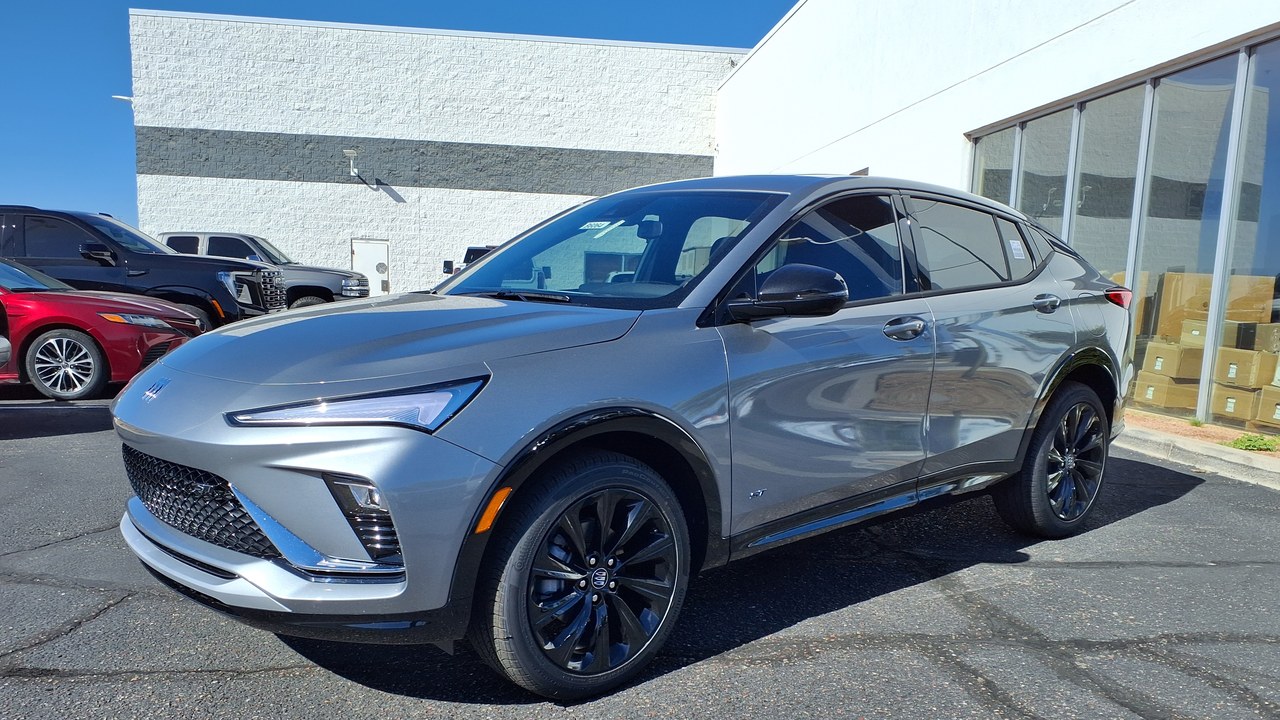
The Buick Encore tried to bring a near-luxury feel to the subcompact segment, but its small turbocharged engine left many owners wanting. Complaints centered on sluggish acceleration, especially when the little crossover was loaded with passengers, and a price that felt steep for the performance and space delivered relative to mainstream rivals sharing the same platform.
Charging a premium demands that the product feel premium, and a crossover that struggles to merge onto a highway undercuts that pitch. Owners expecting Buick refinement to justify the extra spend often felt shortchanged, and the mismatch between the badge’s promise and the driving reality kept the Encore’s satisfaction scores modest.
6. Nissan Kicks: Front-Wheel Drive Only
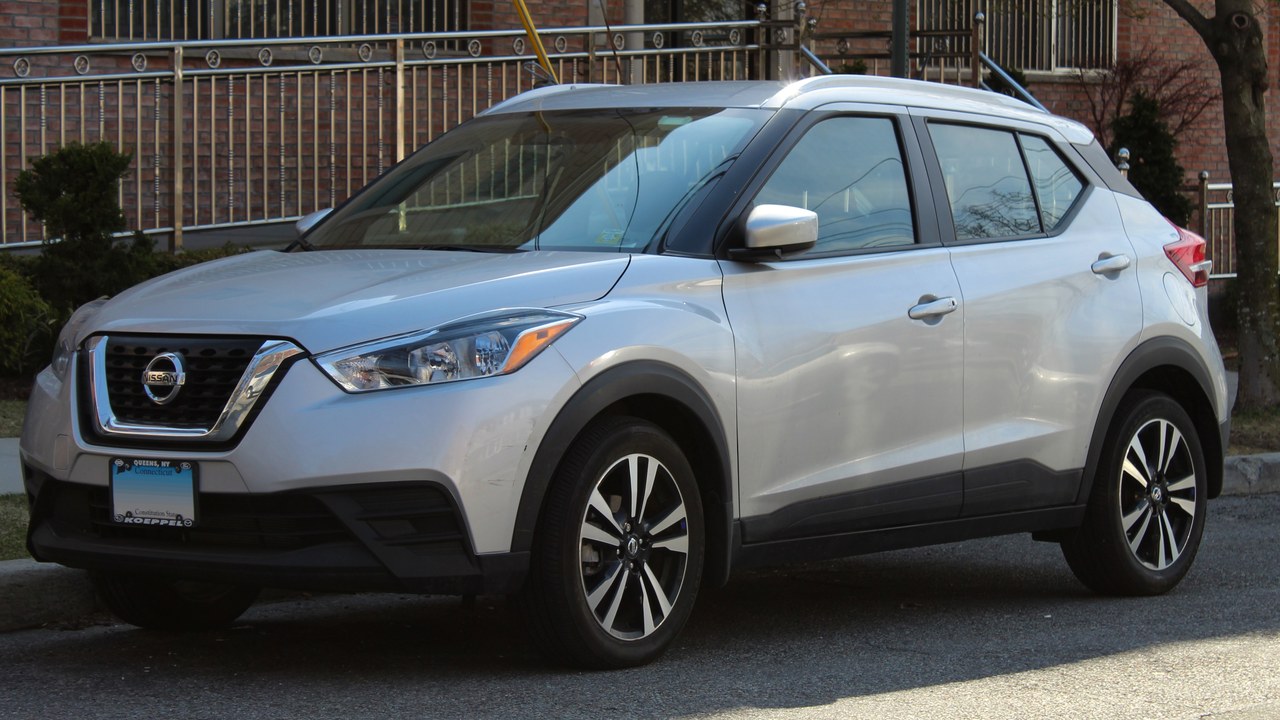
The Nissan Kicks earns praise for its fuel economy and low price, but one omission frustrates a segment of buyers: it has never offered all-wheel drive. For shoppers in snowy regions who assume any crossover can handle winter, discovering the Kicks sends power only to the front wheels comes as an unwelcome surprise after the purchase.
That single limitation narrows the vehicle’s appeal in a class where all-weather capability is often the whole reason people choose a crossover over a sedan. Pair the missing hardware with a modest engine and a plain cabin, and owners who wanted more than efficient city transport are left feeling the little Nissan sells itself short.
7. Jeep Renegade: Charm Undone By Repair Bills
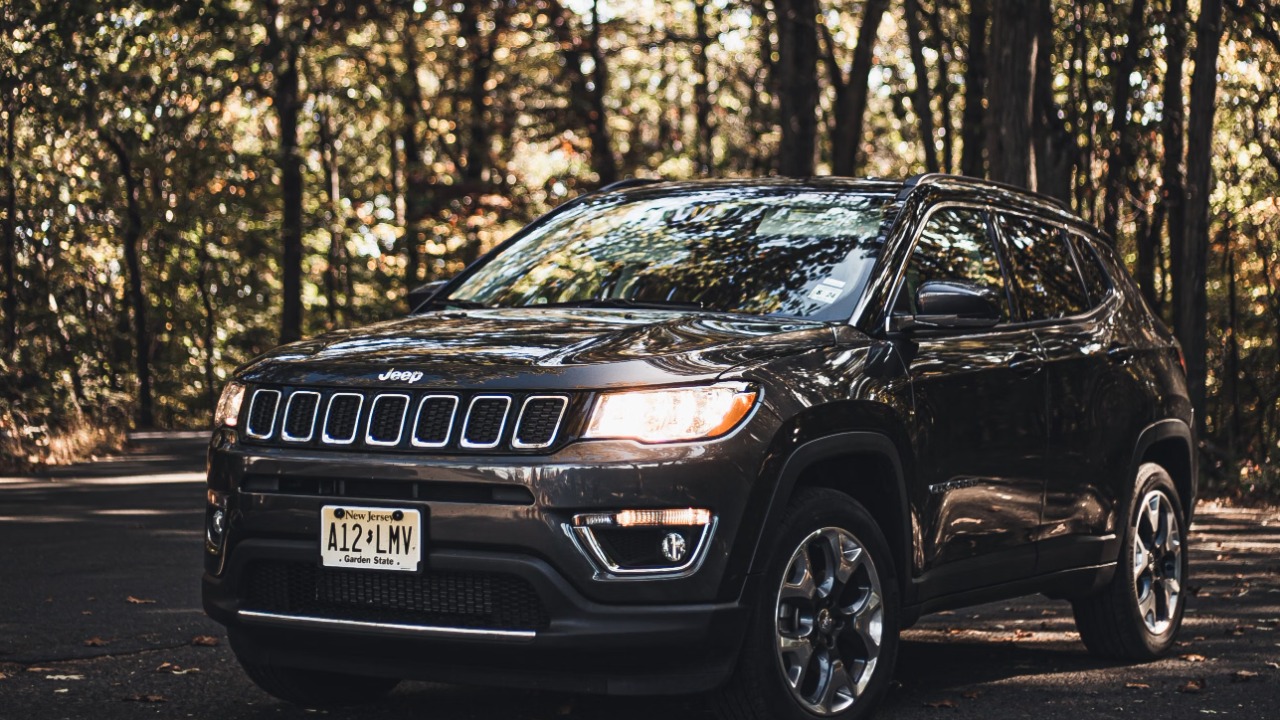
The Jeep Renegade wins affection with boxy retro styling and genuine off-road trim options, but reliability worries follow the little Jeep. Owners and reliability rankings have flagged issues with its transmissions and electronics, and repair concerns tend to overshadow the personality that draws buyers in, leaving the ownership experience shakier than the cheerful looks suggest.
A crossover that spends time in the shop erodes goodwill quickly, no matter how likable it is on a good day. When the cost and hassle of keeping a vehicle running climb, satisfaction falls in step, and the Renegade’s dependability question marks help explain why its owners rate it below the segment’s steadier performers.
8. Dodge Journey: Frozen In Time
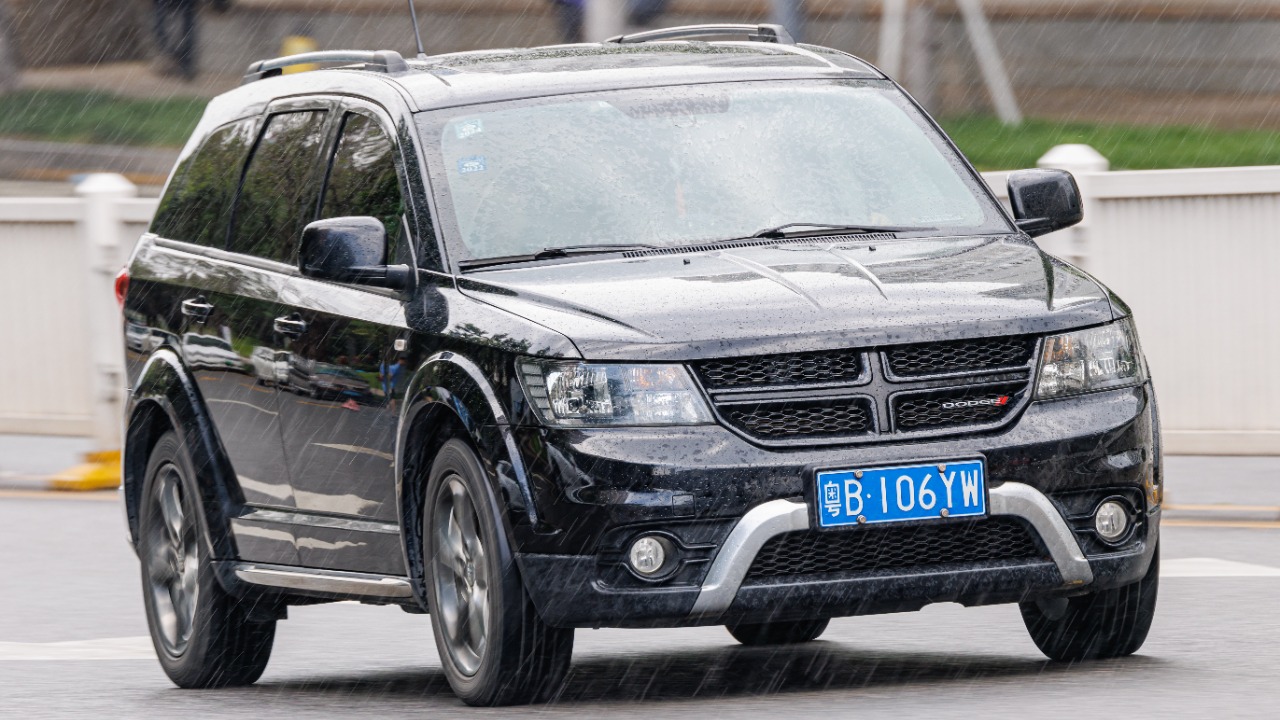
By the time it was finally retired, the Dodge Journey had gone more than a decade with only minor changes, and it showed. Owners contended with an aging four-cylinder, an outdated interior, and safety and technology features that had fallen far behind newer three-row rivals, all of which pulled its standing among the people who bought one steadily downward.
Its low price and family-friendly size kept it selling, but buying the cheapest three-row option came with obvious compromises. A crossover left to stagnate while competitors modernized was always going to disappoint owners who compared notes with friends in fresher vehicles, and the Journey’s dated bones made it a fixture near the bottom of satisfaction rankings.
9. Ford EcoSport: Small, Cramped, Short-Lived
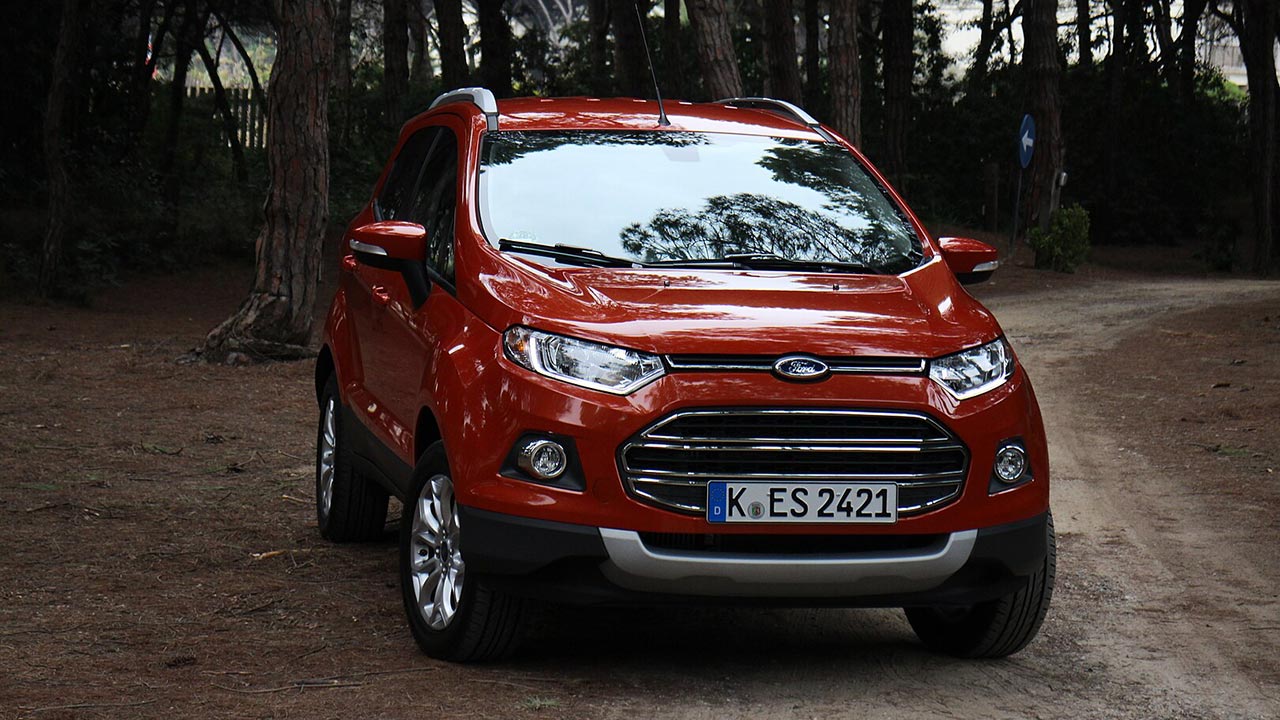
Ford’s subcompact EcoSport crossover arrived in North America as an aging design imported from overseas markets, and it never quite fit. Owners criticized the cramped rear seat, a swing-out tailgate that proved awkward in tight parking spots, a buzzy base engine, and a ride that felt unsettled, complaints that piled up quickly for such a small vehicle.
Ford discontinued the EcoSport after only a few years on sale, an unusually short run that reflected how coolly the market received it. When a crossover is retired almost as soon as it establishes itself, the message from disappointed owners is hard to miss, and its brief tenure sealed a spot near the bottom of the class.
More from Morning Overview
