
Federal regulators have opened brake-related recall campaigns on trucks, SUVs, and sedans built between 2017 and 2022, each tied to a defect that can let brake pressure drop unexpectedly. The failures range from leaking brake boosters to missing caliper hardware to control units that can short-circuit mid-drive. Here are ten vehicles carrying an open NHTSA brake recall and the defect behind each one.
1. Ford F-150: Brake Booster Fluid Leak
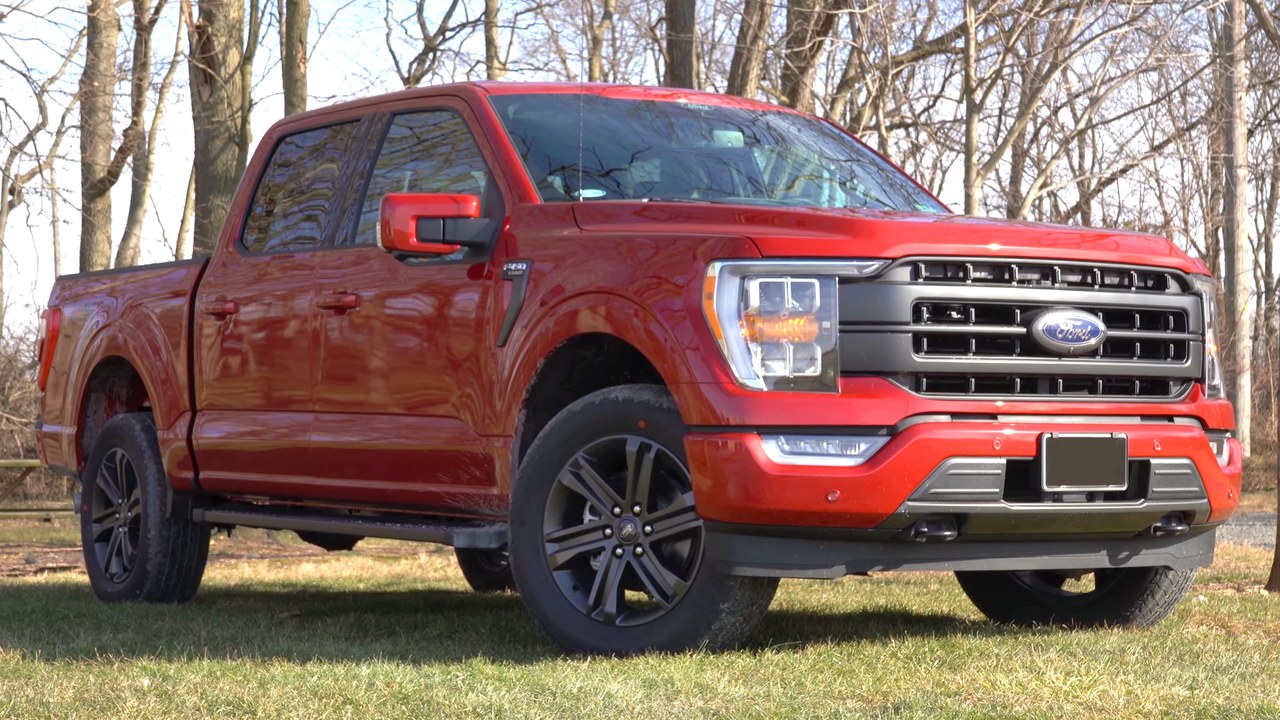
The 2021 Ford F-150 is covered by campaign 21V533000, opened after engineers traced a defect in the truck’s electronic brake booster: internal fluid can leak into the booster’s own control unit and corrode the circuit board that manages brake assist. NHTSA’s recall database entry lists the fix as inspection and, if needed, replacement of the booster assembly.
Owners may notice a longer stopping distance, a warning light, or in the worst cases reduced brake assist before the module fails outright, so an unresolved campaign on this specific F-150 build is worth checking against a VIN.
2. Nissan Rogue: Rear Caliper Missing Part
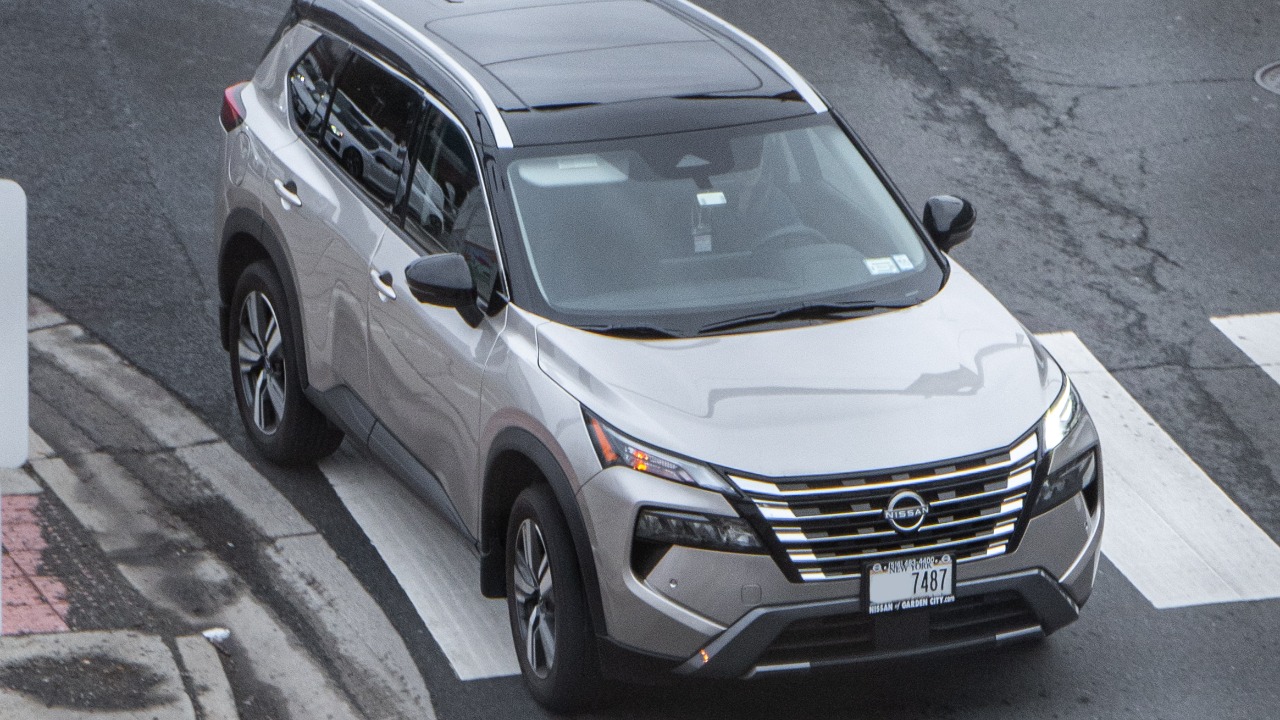
The 2021 Nissan Rogue falls under campaign 21V286000, issued after inspectors found some rear brake calipers left the factory without an internal component that normally retains the piston seal. Without that part, brake fluid pressure at the affected wheel can bleed down over time, and NHTSA’s official recall notice ties the defect to a specific supplier batch of caliper assemblies.
The practical risk is uneven or reduced rear braking that develops slowly, which can go unnoticed until a pedal feels softer than usual; the remedy is inspection and caliper replacement at no cost to the registered owner of an affected Rogue.
3. Ford Escape: Rear Linings Built Wrong
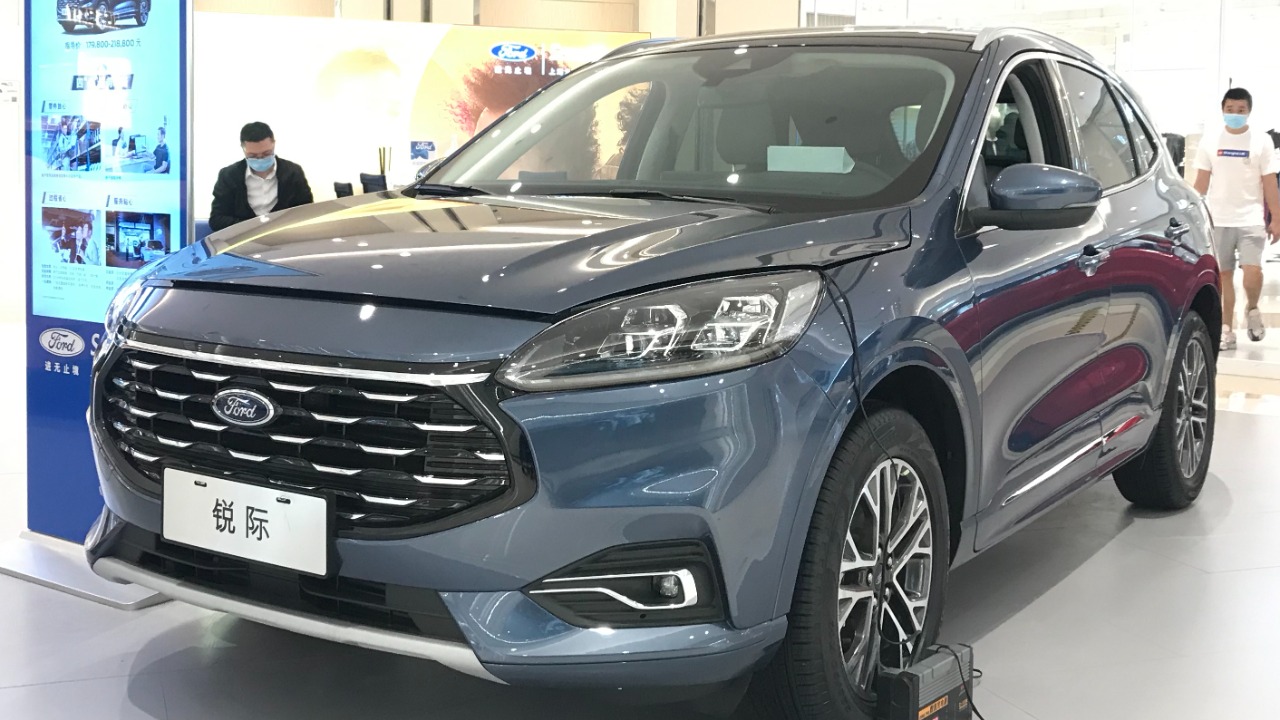
The 2021 Ford Escape carries campaign 21V922000, opened after Ford determined that a batch of rear brake linings was manufactured with the friction material bonded incorrectly to the backing plate. A poorly bonded lining can separate under heat and load, cutting rear brake effectiveness exactly when a driver needs it most, and Ford’s recall submission traces the parts to a single supplier production run.
The company’s remedy is a dealer inspection of the rear brake linings and replacement of any pair found out of spec, performed free of charge; the defect does not affect the front brakes, which continue to provide most of the vehicle’s stopping power.
4. Toyota Tundra: Shared ECU Skid Fault
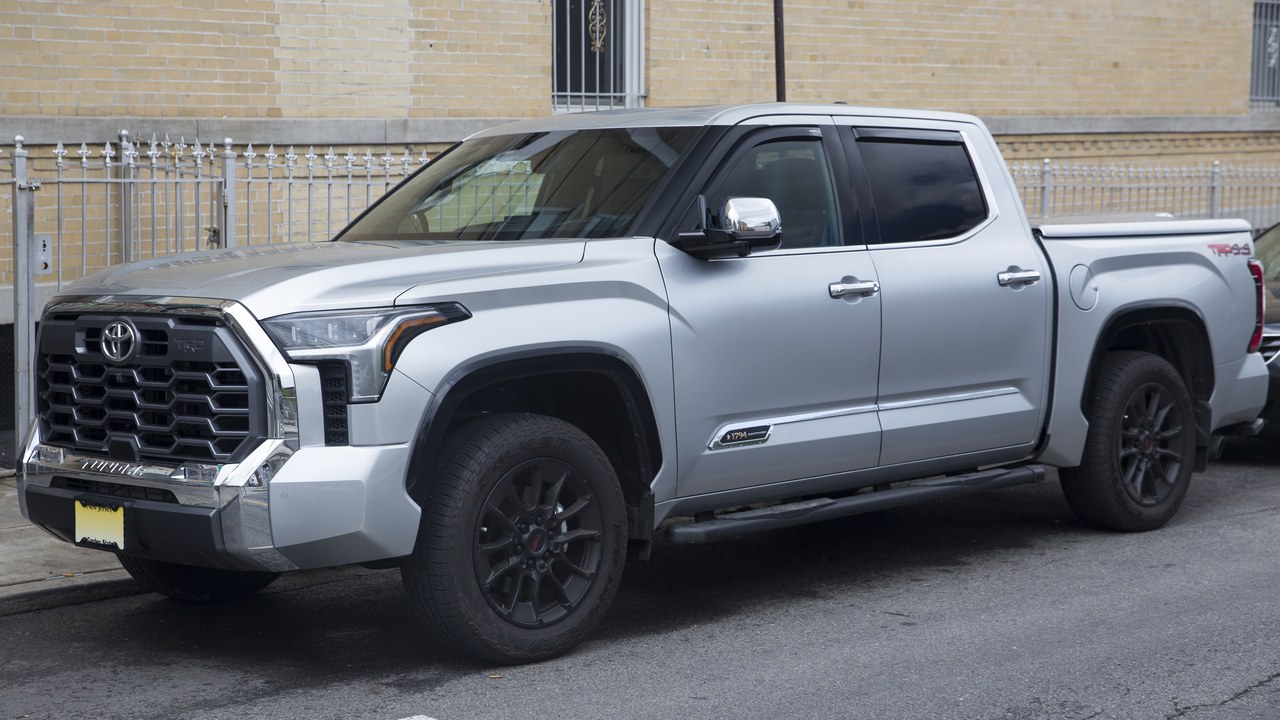
The 2022 Toyota Tundra is named in campaign 22V661000, which covers a skid control ECU also installed in two Lexus models built on the same platform during the same window. A software fault in that shared module can cause the electronic brake booster to lose pressure without warning, and Toyota’s NHTSA recall record lists the fix as a free ECU software reflash performed at a dealership.
Because the defect lives in software rather than a mechanical part, the repair is comparatively quick, but Toyota has flagged the underlying failure mode as capable of extending stopping distance on an affected truck until the update is installed.
5. Hyundai Tucson: ABS Unit Can Short
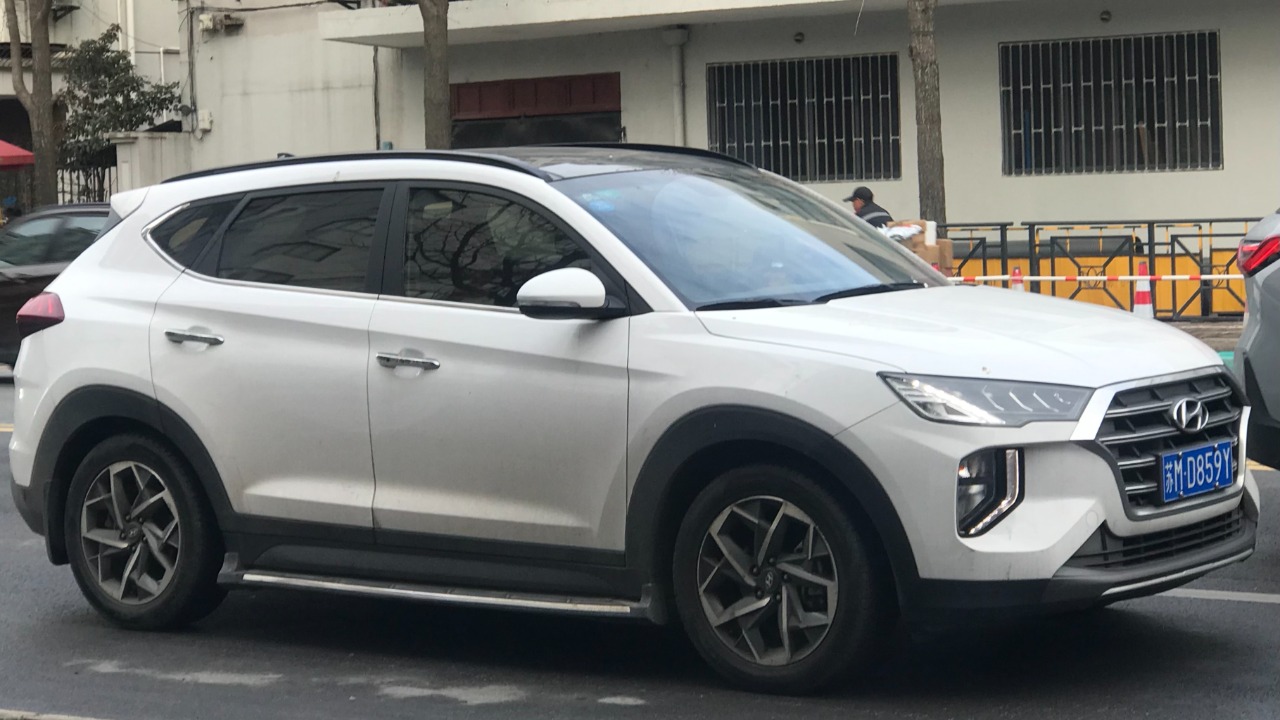
The 2021 Hyundai Tucson is covered by campaign 20V543000, opened after Hyundai found that moisture intrusion in the ABS control unit can cause an internal short circuit. That short can trip a fuse and disable the anti-lock and electronic stability systems, and in some cases increase the risk of an engine compartment fire, according to Hyundai’s recall filing with federal safety regulators.
The remedy is replacement of the ABS module and a wiring harness fuse upgrade, done free at a Hyundai dealer; owners have reported warning lights or a burning smell as early symptoms before the fuse fully trips.
6. Kia Sportage: Same Hydraulic Unit Flaw
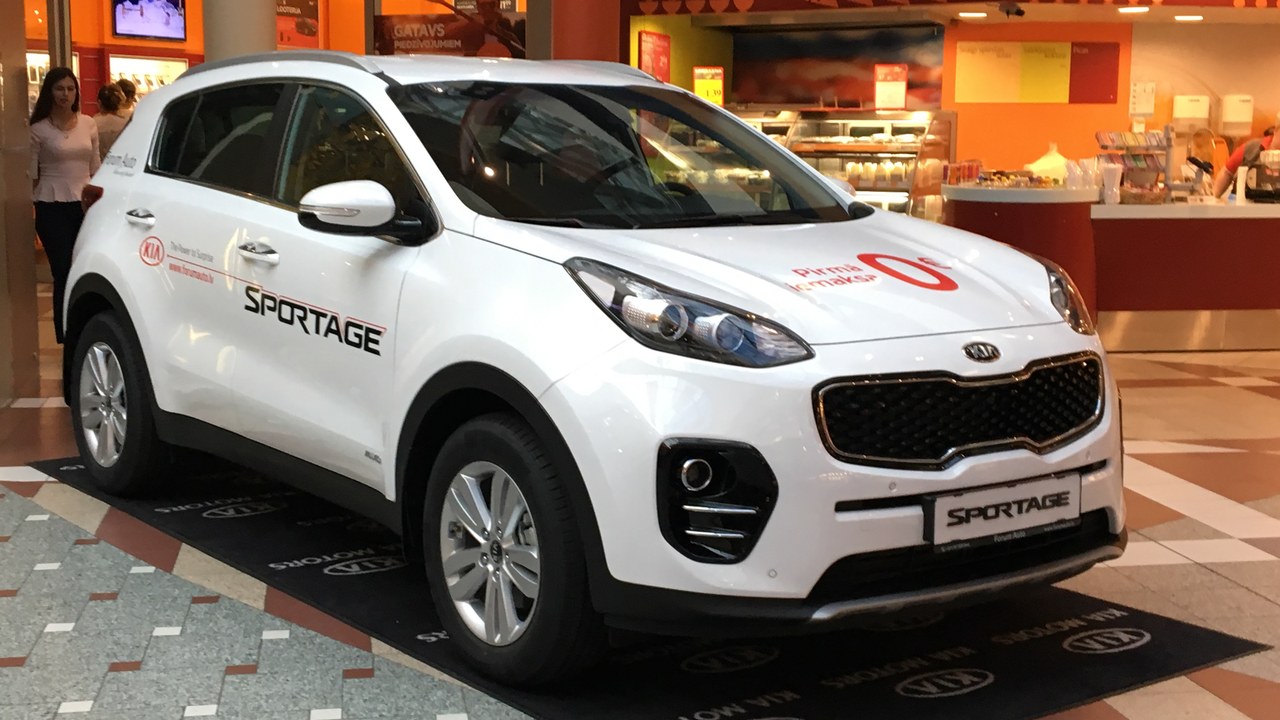
The 2017 Kia Sportage falls under campaign 21V137000, a companion recall to the Hyundai ABS action that covers the matching hydraulic control unit built for Kia’s version of the same platform. The shared part can develop an internal short that disables anti-lock braking and electronic stability control, with Kia’s federal recall record citing the same moisture-related failure path as its Hyundai counterpart.
Kia dealers replace the hydraulic control unit and update the related fuse at no charge, and the company has told regulators the fault can, in rare cases, lead to a fire in the engine bay if left unaddressed for an extended period.
7. Ram 1500 Classic: Built Without Brake Part
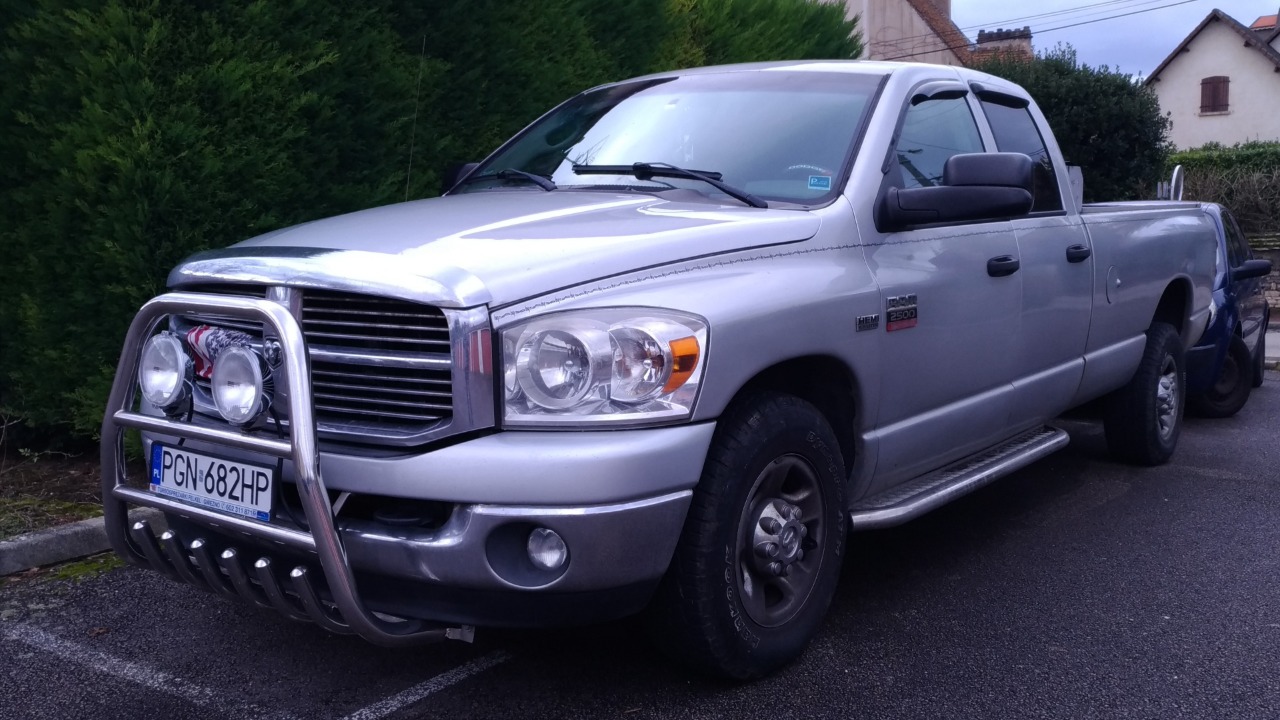
The 2021 Ram 1500 Classic is included in campaign 21V037000 after the automaker discovered a run of trucks left the assembly line missing a required brake component, later identified as a valve tied to the vacuum-assist system. Without it, brake pedal assist can diminish over repeated stops, and FCA’s recall submission to NHTSA covers trucks built during a specific multi-week assembly window.
Dealers inspect each truck’s brake system and install the missing part free of charge; the company says most owners would notice the defect first as a firmer, harder-to-press pedal rather than a sudden loss of stopping power.
8. Hyundai Palisade: Contaminated Brake Fluid
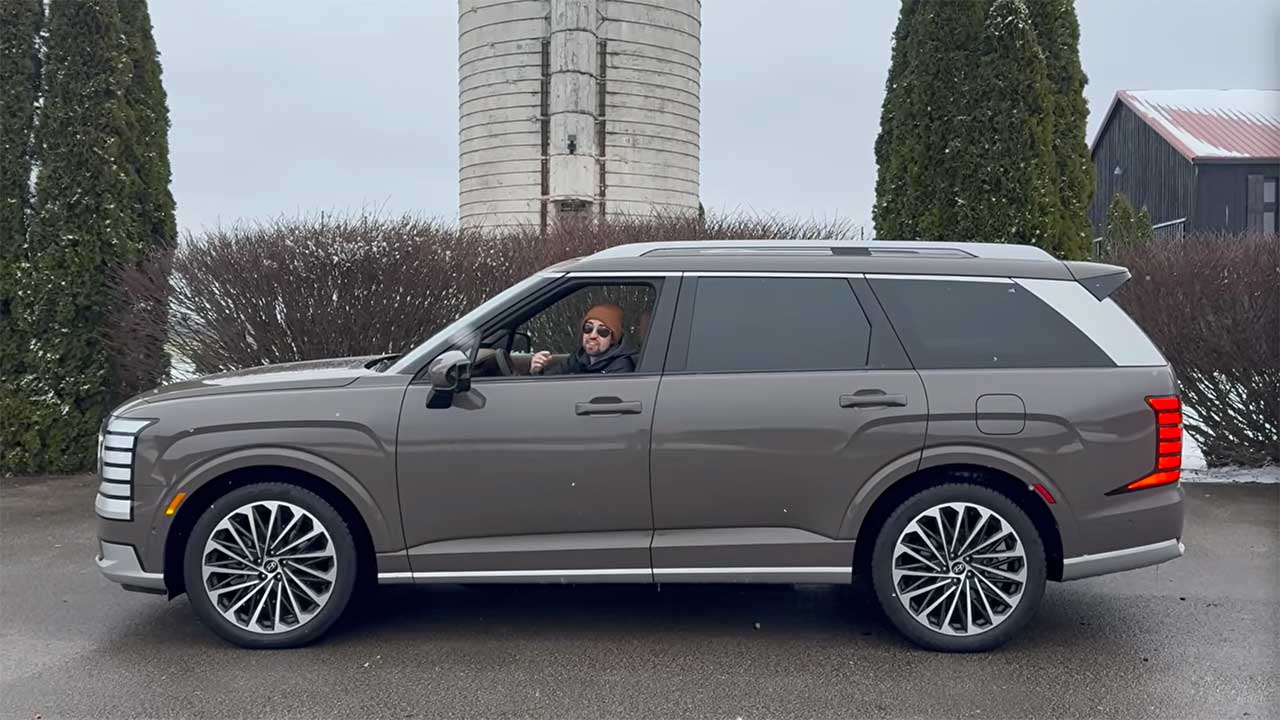
The 2021 Hyundai Palisade is subject to campaign 21V840000, opened after Hyundai identified brake fluid contamination introduced during manufacturing at certain assembly plants. Contaminated fluid can corrode internal components of the brake hydraulic system over time, gradually reducing braking performance in ways a driver may not notice until pressure drops significantly, per Hyundai’s recall documentation filed with safety regulators.
The fix involves flushing and replacing the brake fluid and inspecting the hydraulic system for corrosion damage, with any affected parts replaced at dealer expense; Hyundai says the contamination traces to a single fluid supplier batch.
9. Tesla Model 3: Loose Caliper Bolts
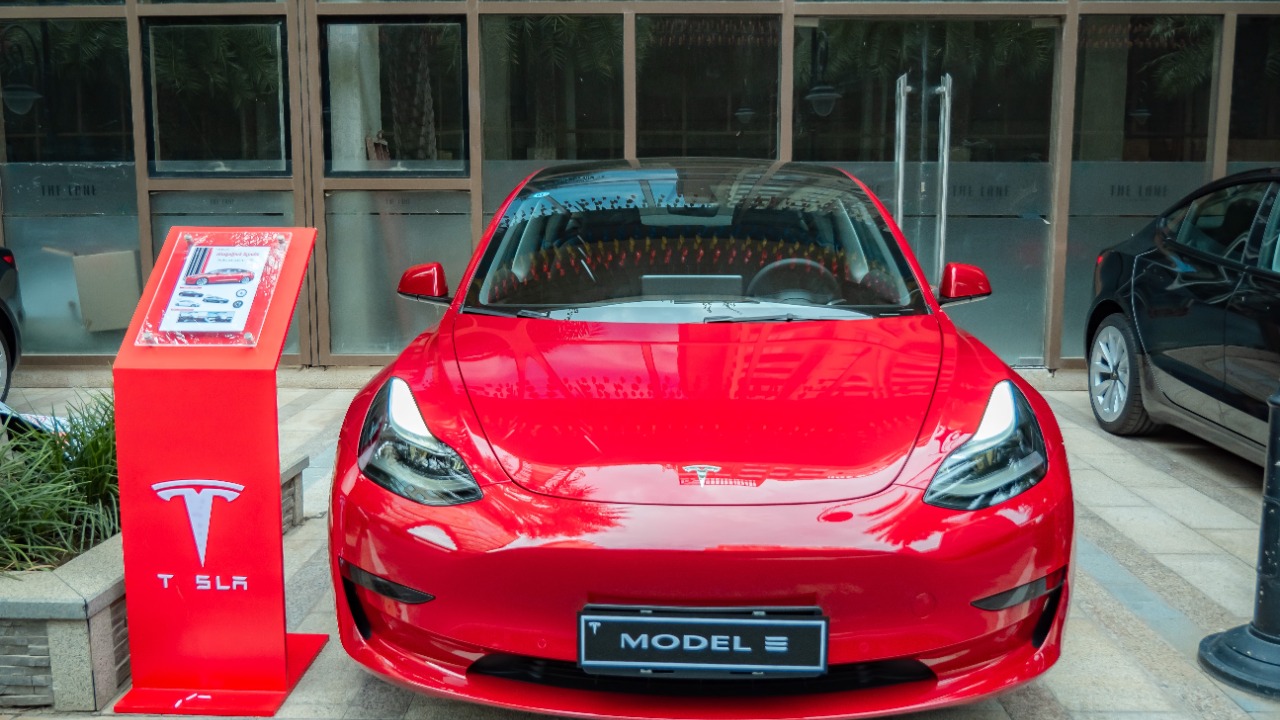
The 2021 Tesla Model 3 is covered by campaign 21V387000, which addresses front brake caliper bolts that were not tightened to the proper torque specification during assembly, a defect shared with the related Model Y. A loose bolt can allow a caliper to shift out of position, and Tesla’s recall notice says the company pushed an over-the-air alert to affected owners as an interim precaution.
Service centers re-torque or replace the caliper bolts free of charge; Tesla has said the defect can produce an unusual noise or vibration from the front wheels before any noticeable change in braking performance develops.
10. Dodge Durango: ABS Fault Shared With Ram
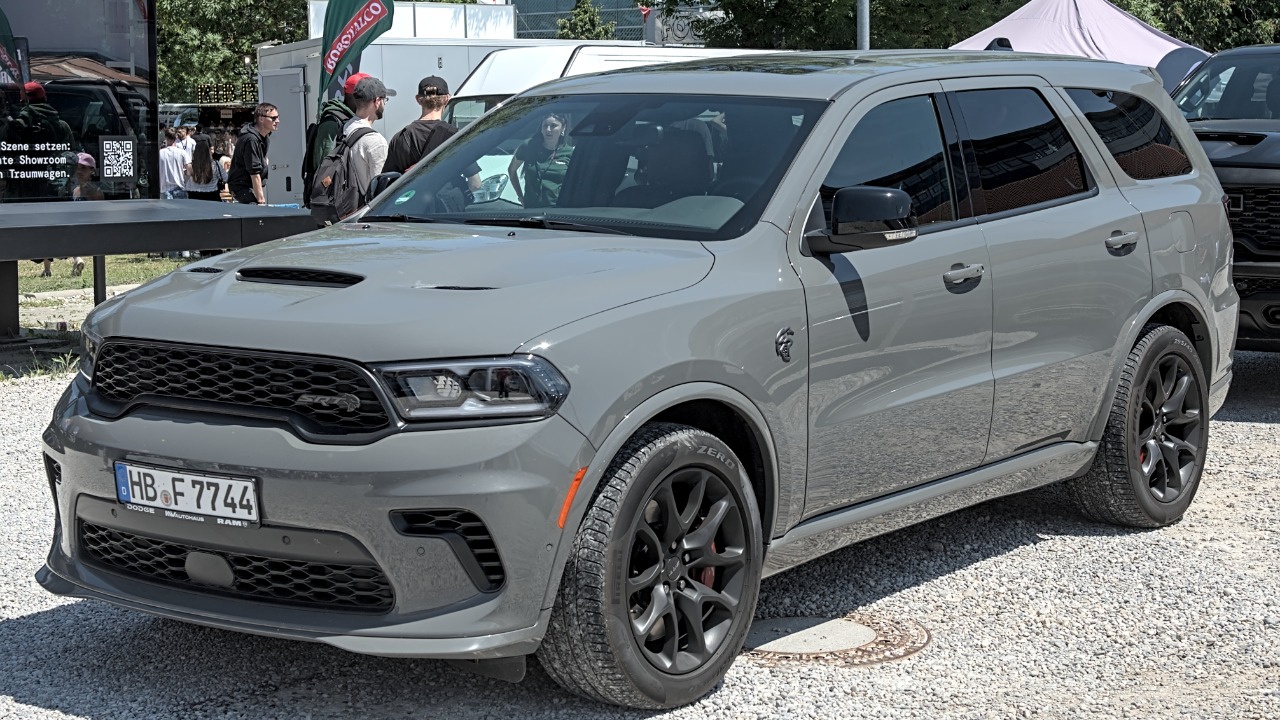
The 2021 Dodge Durango is named in campaign 22V140000, which covers an anti-lock braking system fault also found on the related Ram 2500 pickup built on shared underpinnings. The defect can cause the ABS module to malfunction and, in some cases, disable both anti-lock braking and electronic stability control at the same time, according to Stellantis’s recall filing with federal regulators.
Technicians replace the affected module or update its software depending on the specific build, at no cost to the owner; the company says warning lights on the dashboard are typically the first sign the ABS system has faulted.
More from Morning Overview
- Card skimmers hidden on gas pumps and ATMs are draining accounts, and here’s the tell
- The FBI says hackers are hijacking outdated home routers, and it named the models to check
- Older Teslas are wearing out in ways early owners never saw coming
- A common childhood virus is now tied to multiple sclerosis years later
