
Ultraviolet light reveals a hidden layer of the animal kingdom that ordinary daylight never shows. Pigments, proteins and bony structures invisible to the naked eye can suddenly glow pink, green or cyan once a UV torch clicks on, a trait found in creatures as different as desert scorpions and coral reefs. Here are nine animals that glow under ultraviolet light.
1. Scorpion: A Desert Hunter’s Cyan Glow
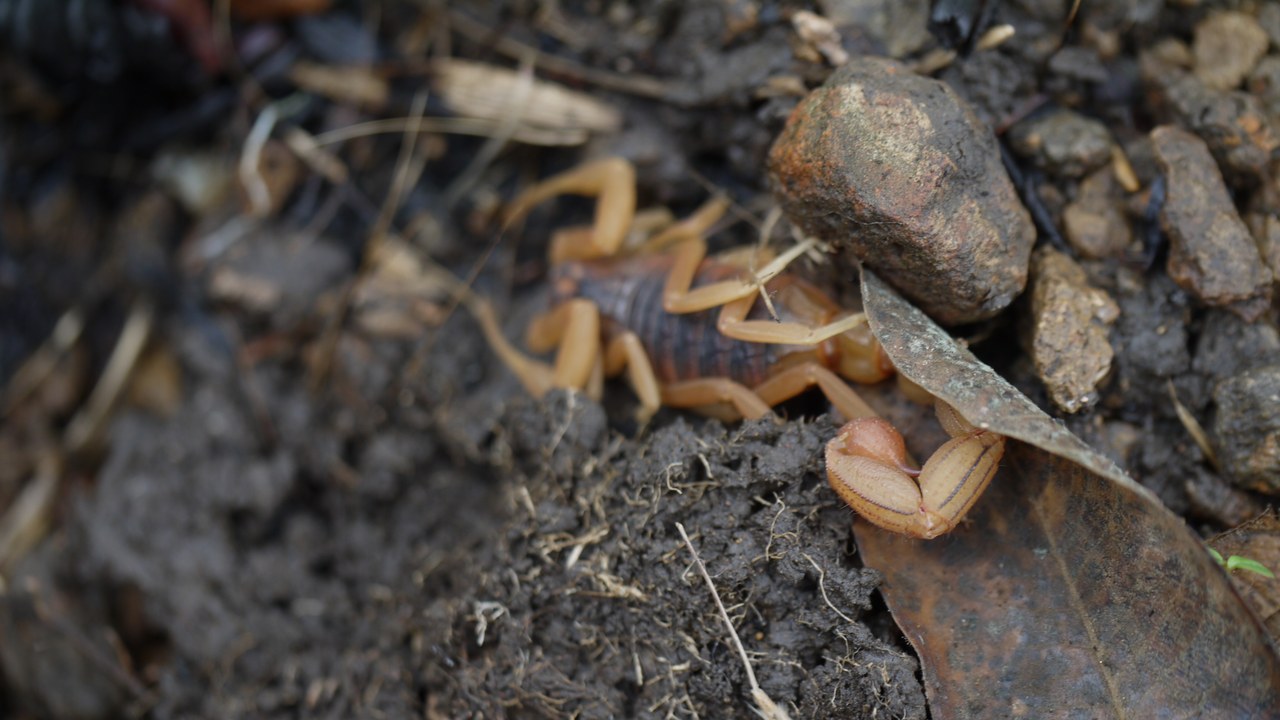
A scorpion’s hard outer cuticle carries fluorescent compounds that glow bright cyan the instant a UV torch beam hits it. Field biologists exploit the effect directly, sweeping a blacklight across open desert ground after dark so scorpions light up like scattered glass, far easier to spot than searching under rocks with an ordinary flashlight by day.
The fluorescence does not fade with age, so museum specimens collected decades ago still glow as brightly as animals caught the same week. Scientists still debate the exact purpose of the trait, with theories ranging from a UV shield to a way of gauging moonlight and finding shelter before sunrise arrives.
2. Platypus: A Museum Secret In Blue-Green
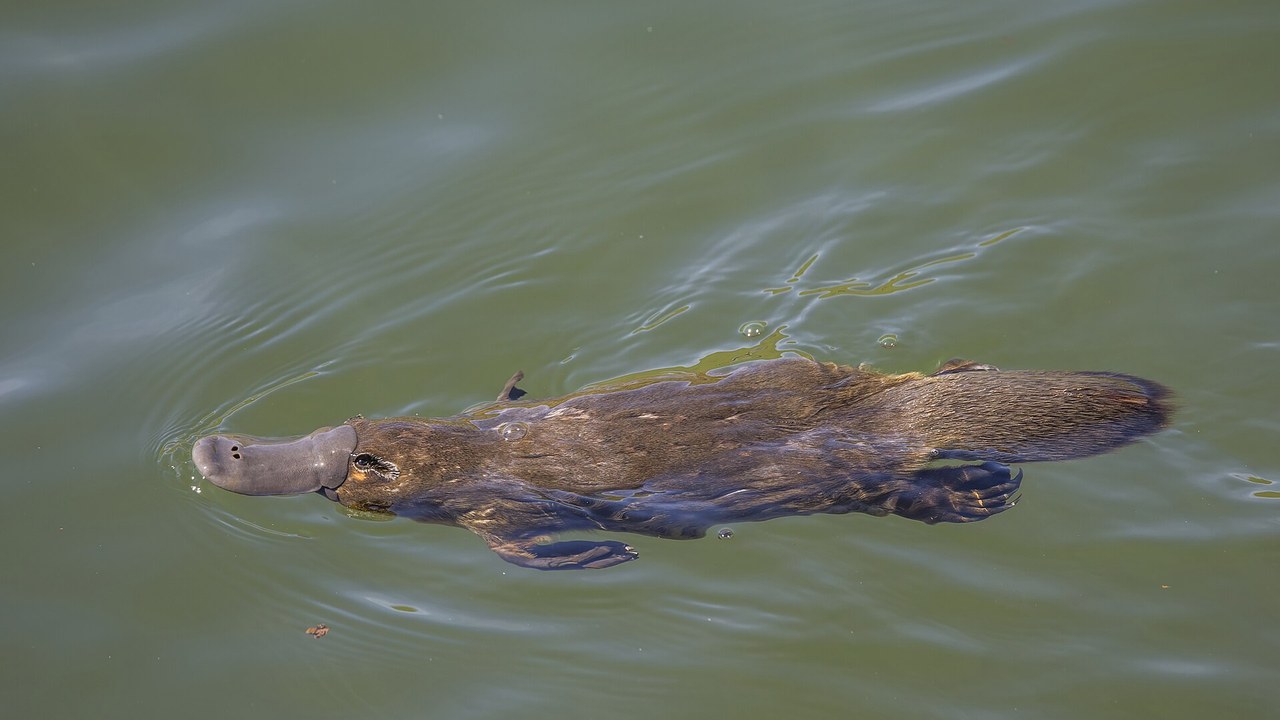
Platypus fur turns a striking blue-green under ultraviolet light, a discovery first confirmed on preserved museum specimens rather than animals caught in the wild. The effect appears strongest on the belly and along the edges of the tail, patches of fur that stay duller under ordinary room light but light up distinctly once a blacklight passes over them.
Curators noticed the glow while re-examining decades-old skins stored in natural history collections, adding the platypus to a short list of fluorescent mammals discovered mostly by accident. The finding has pushed researchers to recheck other preserved Australian mammals for the same overlooked trait using nothing more than a handheld UV lamp.
3. Flying squirrel: Bubblegum Pink By Night
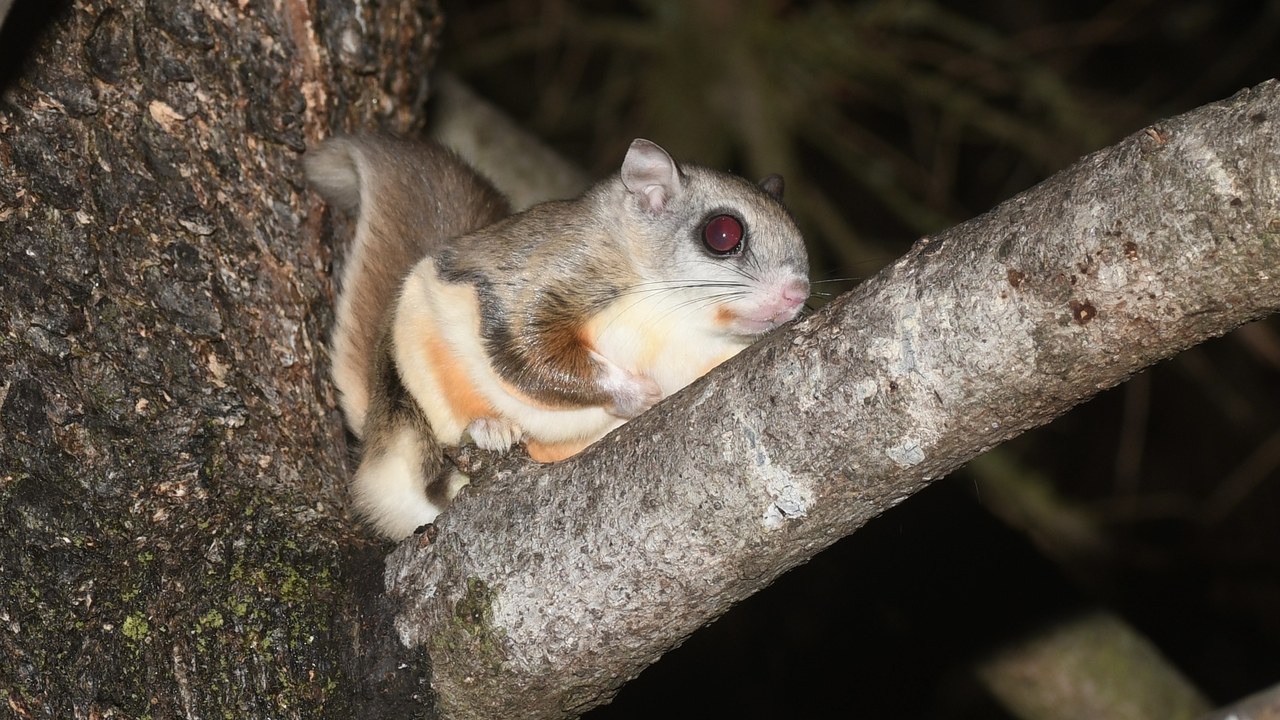
North American flying squirrels turn a vivid bubblegum pink under ultraviolet light, a trait documented in northern flying squirrel museum skins and later confirmed in living animals. The color shows up strongest on the belly fur and gliding membrane, the thin skin flap stretched between wrist and ankle that lets the animal glide between trees at night.
Researchers who stumbled on the glow while scanning museum drawers with a UV flashlight were surprised the trait had gone unnoticed for so long, given how common the species is across North American forests. The likely explanation ties back to the squirrel’s nocturnal lifestyle, though scientists have not settled on exactly what function the pink fluorescence serves.
4. Atlantic puffin: A Bill That Lights Up
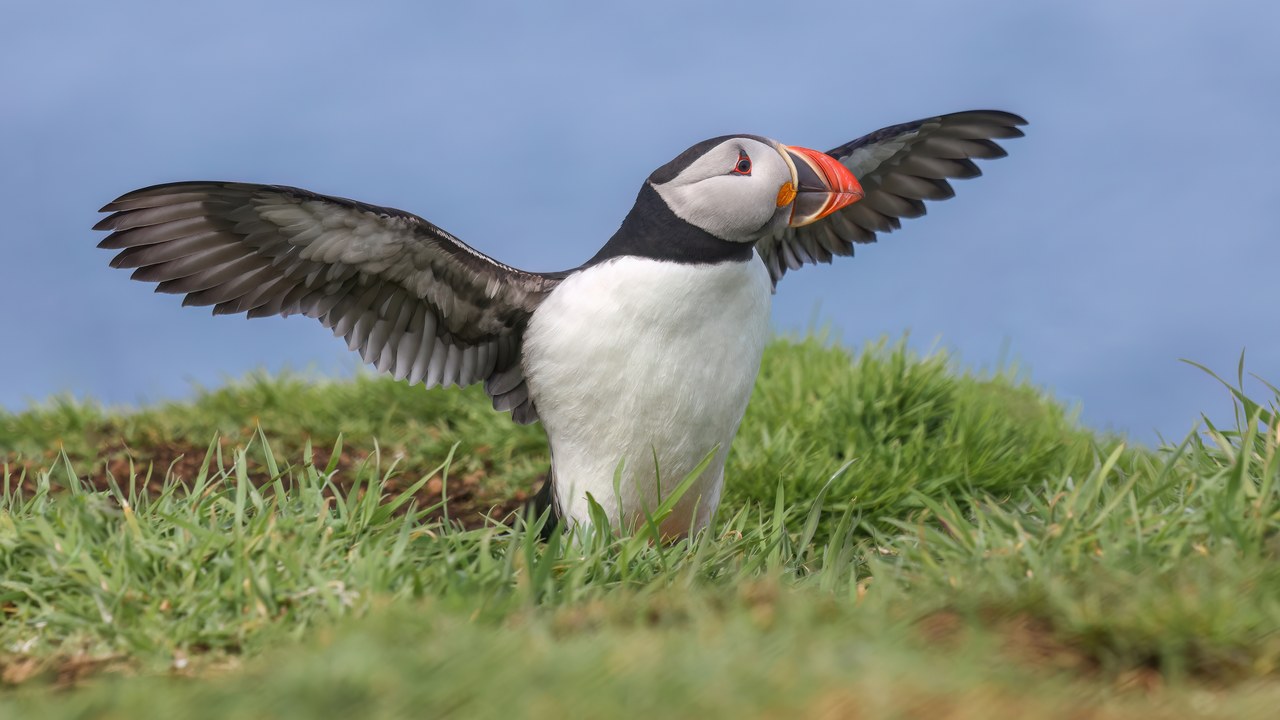
The ridged plates on an Atlantic puffin’s bill fluoresce under ultraviolet light, glowing brightest on the raised bumps near the base that give the bill its grooved, almost sculpted look during the breeding season. Away from the colony the same ridges fade to a duller color, tracking the bird’s broader seasonal shift into and out of breeding condition.
Ornithologists suspect the fluorescent ridges function as a visual signal between mates or rivals, since puffins can see into the ultraviolet range that stays invisible to the human eye. The glow adds to a growing list of seabirds whose bills or feathers carry hidden ultraviolet patterns once thought to be plain black and white.
5. Chameleon: Bones That Shine Through Skin
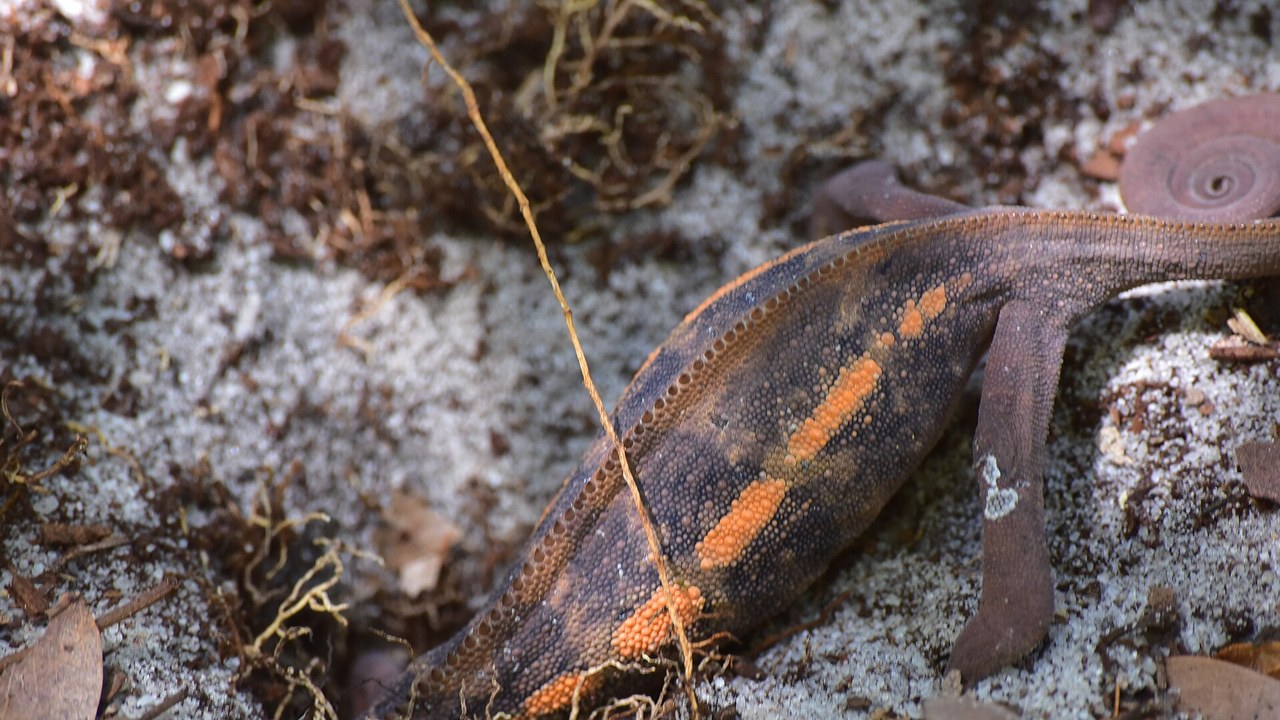
Many chameleon species carry bony tubercles beneath the skin of the head that fluoresce blue under ultraviolet light, visible as a dotted pattern across the skull once a blacklight passes over the animal. The tubercles sit close enough to the surface that the skin above them acts almost like a window, letting the bone’s fluorescence pass through largely unblocked.
Scientists mapped the pattern across dozens of species and found it consistently matches the layout of bones just under the skin, suggesting the glow is a side effect of skeletal structure rather than a pigment in the skin itself. The pattern differs enough between species that researchers have floated it as a possible aid in telling closely related chameleons apart.
6. Coral: Reefs That Glow Blue And Green

Reef-building corals carry fluorescent proteins in their tissue that absorb blue or ultraviolet light and re-emit it as a glow in green, orange or red, an effect divers can see clearly using a blue dive light and yellow filter mask at night. The proteins sit in the coral’s own cells, layered above the algae that give healthy reefs their ordinary brown and green coloring.
Marine scientists use the fluorescence as a health check, since stressed or bleaching coral often loses the pigment before the coral visibly whitens, an early warning ordinary daylight inspection would miss. Night dives built around the glow have become a popular way for visitors to see reefs that look different once the sun goes down.
7. Virginia opossum: Pink Fur On A Common Backyard Visitor
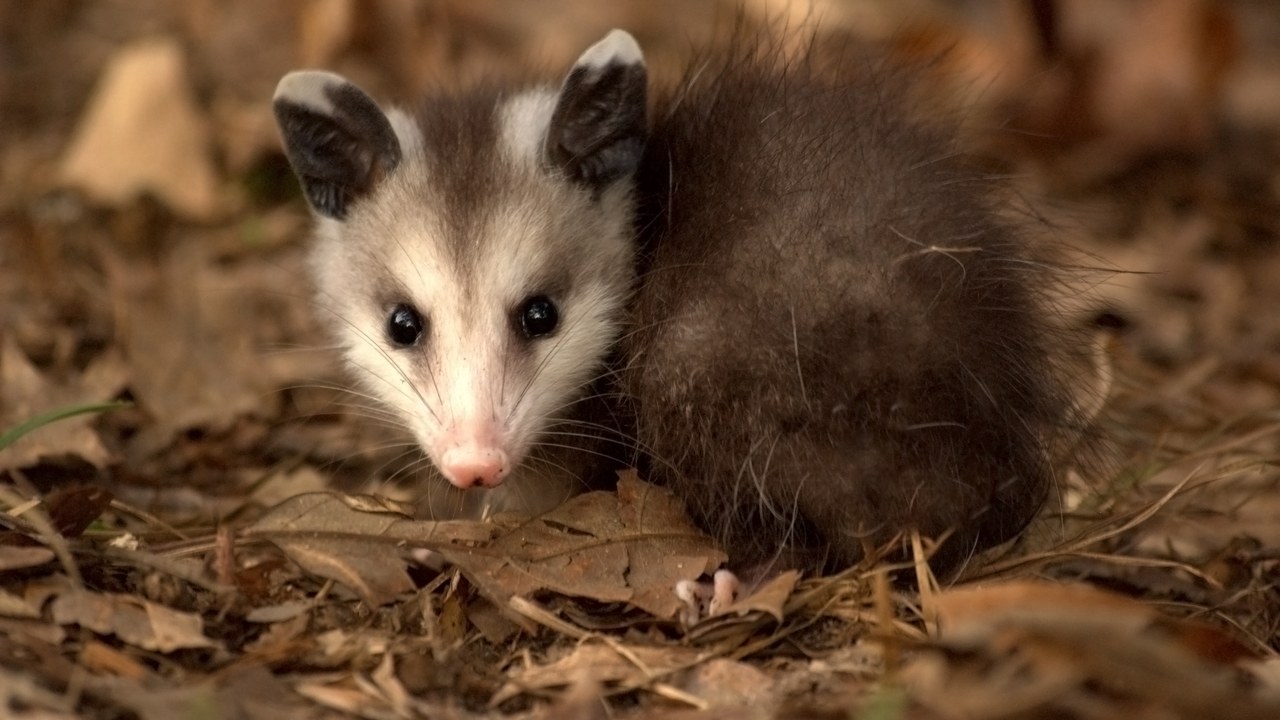
The Virginia opossum glows a bright pink under ultraviolet light, a trait that places North America’s only marsupial on a growing list of fluorescent mammals discovered mostly through museum research rather than fieldwork. The pink shows up strongest across the belly and the base of the ears, areas where the fur sits thinner over the skin.
Biologists had assumed fluorescence in mammals was rare until a wave of UV surveys through natural history collections turned up the trait in species as common as the opossum, an animal found in backyards across much of the country. Why the glow exists remains unresolved, though some researchers link it to how the animal is perceived by nocturnal predators.
8. Tasmanian devil: Glowing Snout, Glowing Ears
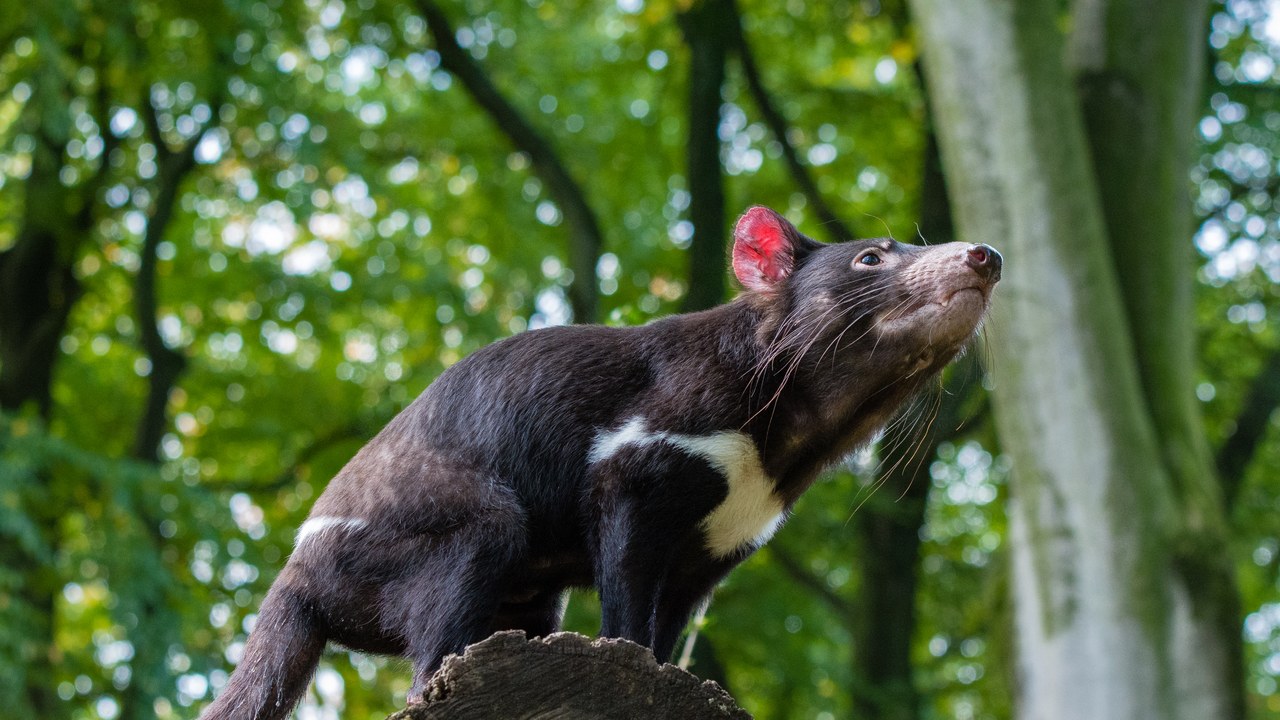
Work at the Australian Museum found that Tasmanian devils fluoresce around the snout, ears and patches of the belly when a UV light is shone over them, adding the aggressive marsupial to the same growing list of glowing mammals turning up across Australia’s museum collections. The effect is strongest on the pale-furred patches rather than the coat’s mostly black fur.
Curators found the pattern while re-checking preserved specimens for the same trait already confirmed in platypuses, prompting a broader survey of Australian mammal skins under ultraviolet light. Researchers have not confirmed why the fluorescence concentrates on the ears and snout specifically, though the location overlaps with areas devils use heavily in facial threat displays.
9. Springhare: The First Glowing Mammal On Record
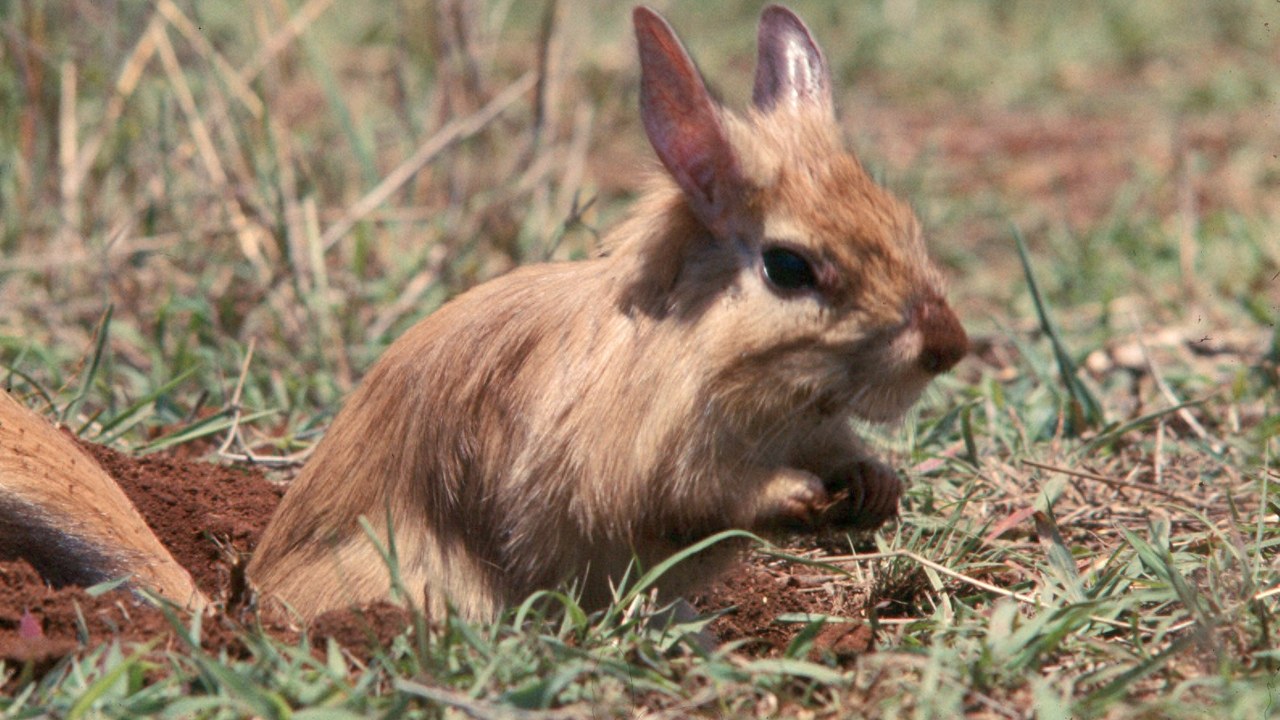
The springhare, a rabbit-sized rodent native to southern and eastern Africa, was among the first mammals confirmed to fluoresce pink under ultraviolet light, a discovery that helped launch the current wave of museum research into glowing fur. The pink runs across the animal’s back and sides, visible even though the springhare’s coat looks like an ordinary sandy brown under normal daylight.
The finding surprised researchers because the springhare had been studied for decades without anyone noticing the trait, since it only appears once an ultraviolet light source is used. The discovery pushed scientists to recheck long-shelved museum specimens of other nocturnal mammals, a search that has since turned up fluorescence in species ranging from opossums to flying squirrels.
More from Morning Overview
- The NSA is again telling phone owners to switch off one location setting
- A handful of car transmissions are so tough mechanics say they almost never fail
- A handful of SUVs keep hitting 300,000 miles, and they share one engine trait
- Supplements now rank as the fifth-leading cause of death from liver disease.
