
Congress built the federal Gas Guzzler Tax to punish thirsty passenger cars, but it wrote SUVs and trucks out of the law entirely, so the bill only lands on sports cars and luxury sedans that miss a 22.5 mpg combined line. Buyers rarely notice it until the window sticker adds thousands of dollars on top of an already steep price. Here are nine cars still handing shoppers that federal surcharge.
1. Chevrolet Corvette Z06: A Two-Seater Tax Bill
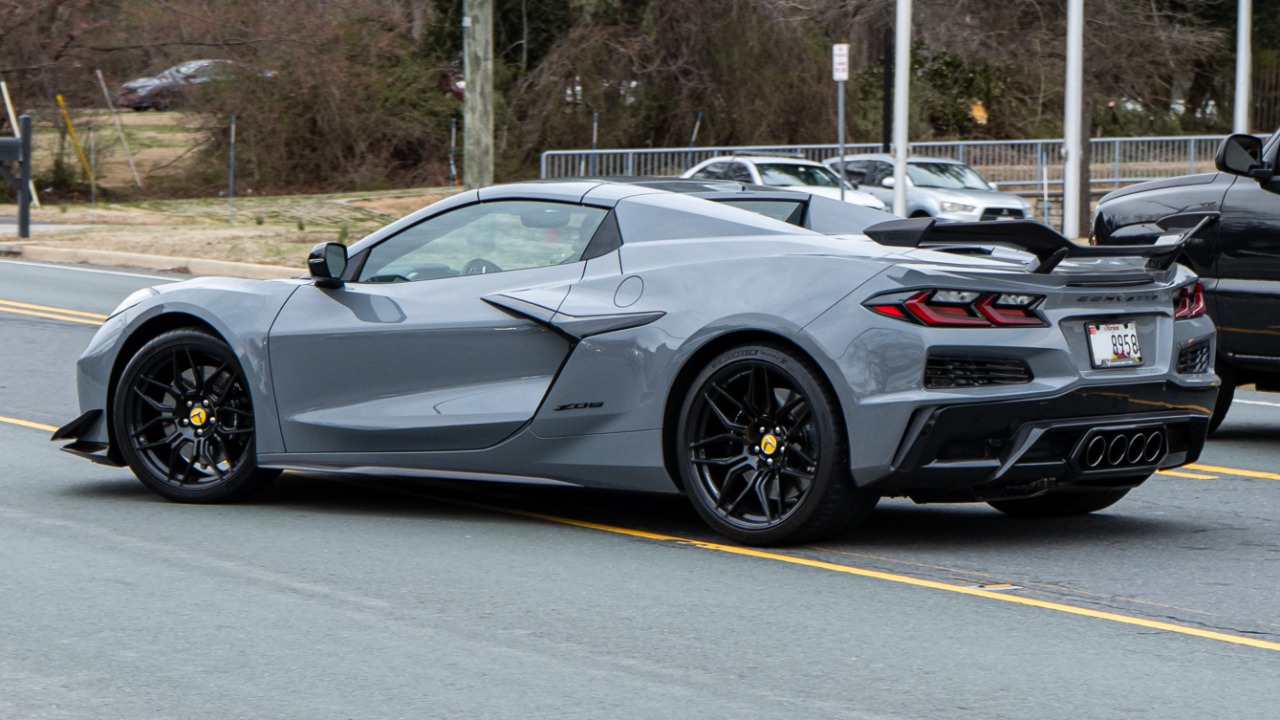
Falling into the EPA’s two-seater class rather than a broader passenger-car bracket, the high-revving flat-plane-crank V8 misses the 22.5 mpg combined threshold and gets hit with a $3,000 gas guzzler charge printed right on the window sticker next to the destination fee.
The tax scales with how far a car falls below the line, so the track-focused Z06 pays more than the standard Stingray even though the two share a chassis, a two-seat layout and most of their exterior sheet metal, differing mainly under the skin.
2. Porsche 911 Turbo: Mini-Compact, Maximum Tax
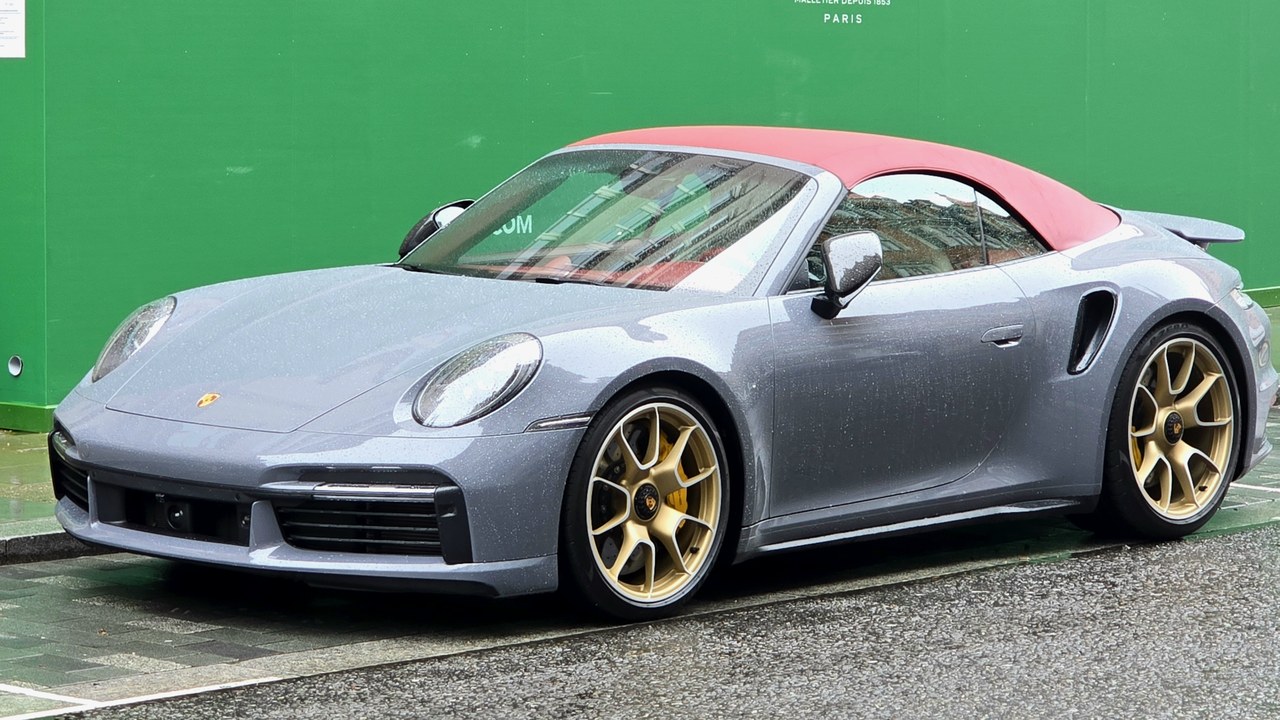
Classified in the EPA’s mini-compact segment rather than as a crossover or SUV, the twin-turbo all-wheel-drive coupe carries a $1,000 federal surcharge for landing under the combined mileage cutoff that separates taxed cars from exempt ones.
Buyers tack the charge onto an already six-figure price before a single option box is checked, a reminder that all-wheel drive, launch control and forced induction do nothing to soften the fuel-economy math the federal tax is built strictly around, regardless of how the car actually drives on the road.
3. Ford Mustang Dark Horse: A Mainstream Pony’s Surcharge
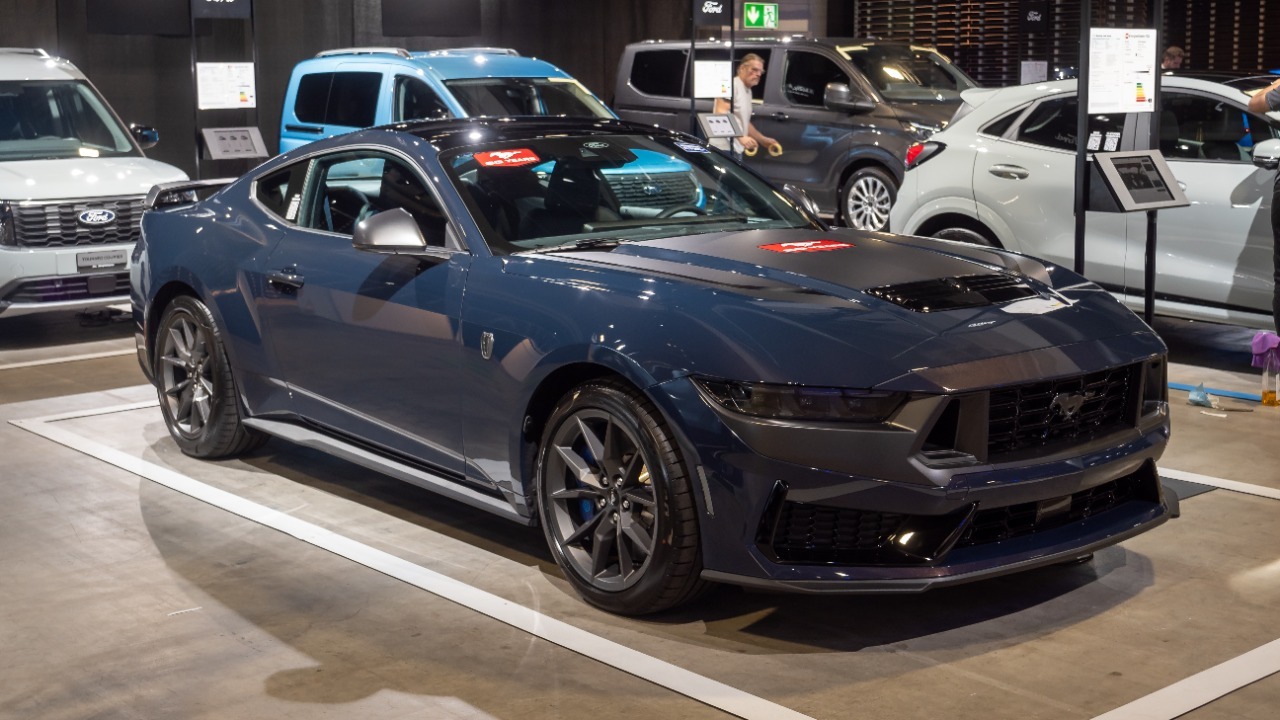
Slotted into the EPA’s subcompact class alongside far more exotic machinery, the naturally aspirated V8 pony car still draws a $1,000 gas guzzler assessment, unusual for a model built and sold in genuine volume rather than as a limited-run exotic.
The charge shows the rule only reads the mpg number printed on the label, ignoring sales volume, badge prestige or sticker price, so an everyday V8 coupe built by the thousands ends up taxed alongside far pricier, far rarer machinery on the same federal list.
4. Mercedes-Maybach S680: Twelve Cylinders, One Big Add-On
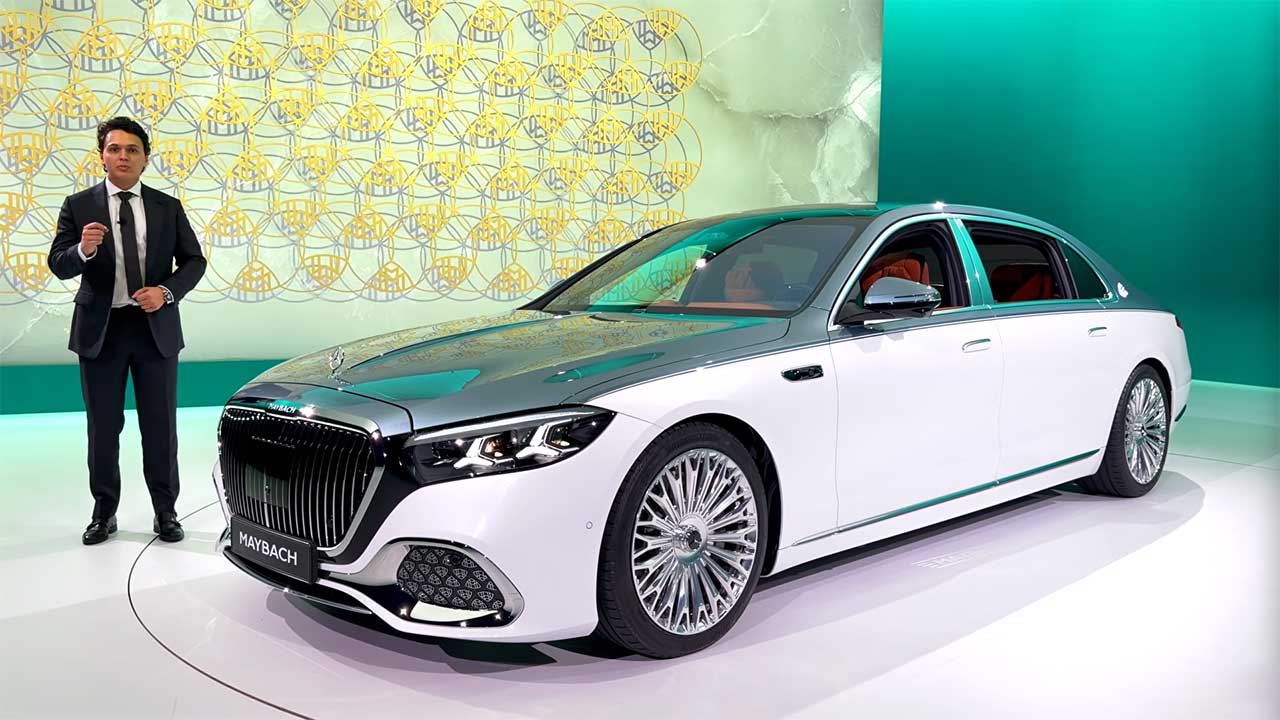
Rated at 15 mpg combined, the twin-turbo V12 flagship sedan tacks on a $4,500 federal tax on top of a base price already well past $211,000 before a single chauffeur-package option box gets checked at all.
Because the statute applies only to passenger cars, the mechanically related Maybach GLS SUV skips the charge entirely despite similar real-world thirst under the hood, a split in the law that catches most first-time luxury-sedan shoppers completely off guard at the dealership when the final paperwork gets tallied up.
5. Cadillac CT5-V Blackwing: GM’s Own Paperwork Confirms It
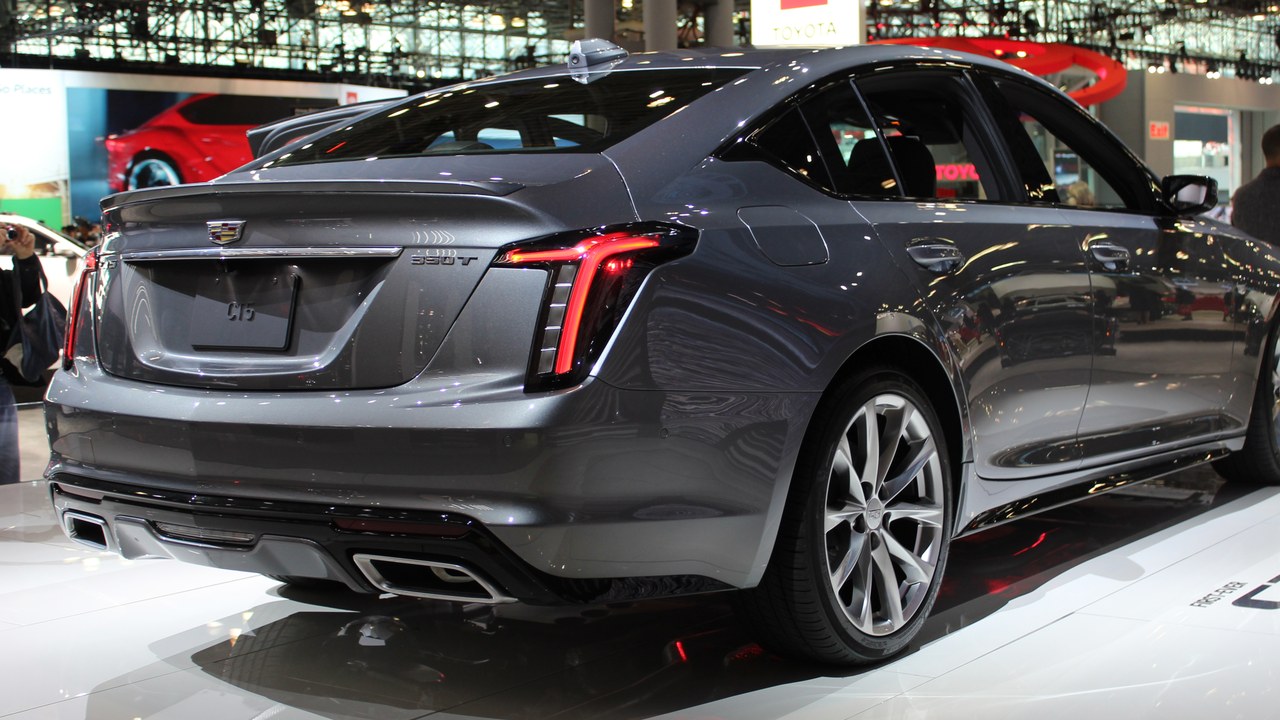
A GM dealer service bulletin spells the numbers out directly, confirming the supercharged V8 sedan carries a $1,700 automatic or $2,100 manual charge depending on which gearbox a buyer specifies on the order sheet.
The manual gearbox actually costs more fuel at the pump than the automatic option does, so enthusiasts who pick the row-your-own transmission purely for the driving experience end up paying a noticeably steeper federal bill for that same enthusiast choice, a quirk almost no shopper ever expects walking into the showroom cold.
6. Bentley Continental GT Speed: Fifteen Miles Per Gallon, Flagged
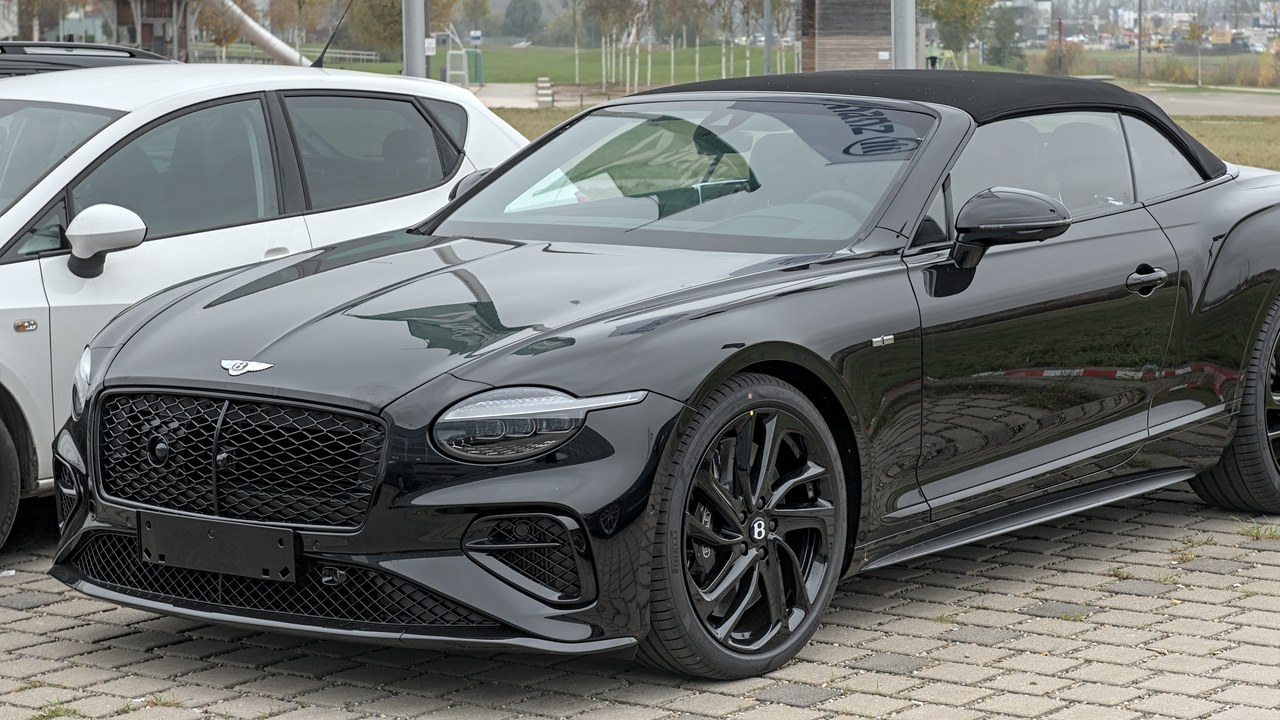
An EPA combined rating of just 15 mpg puts the twin-turbo W12 grand tourer well under the 22.5 mpg line, triggering the federal fuel-economy penalty tracked among the nation’s thirstiest passenger cars sold new today.
The big W12 engine delivers the effortless, near-silent power the model has long been famous for at speed, but that same twelve-cylinder displacement and considerable curb weight are exactly what keep the car locked onto the federal guzzler list year after year without exception, update or reprieve from regulators in Washington.
7. Rolls-Royce Ghost: Fourteen Miles Per Gallon
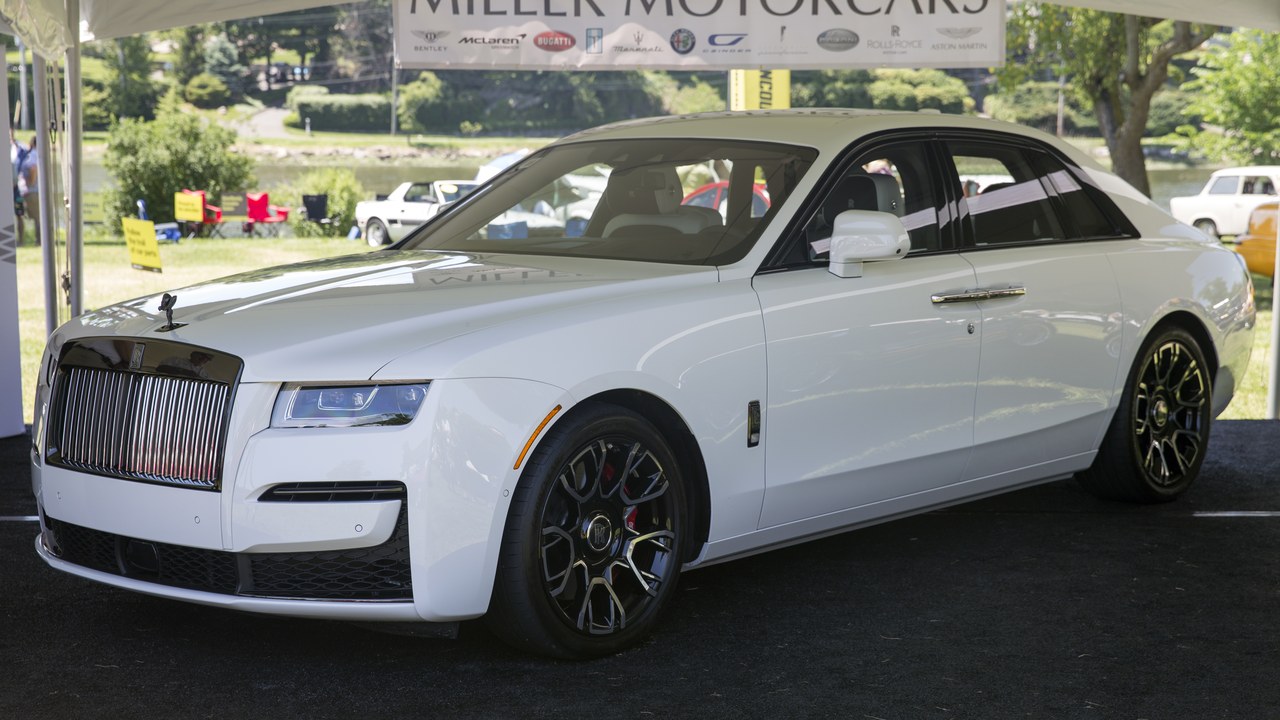
A 14 mpg combined figure lands the twin-turbo V12 sedan squarely on the federal list of gas-guzzling passenger cars, among the lowest combined fuel-economy ratings recorded for any model still sold new in the United States today.
For buyers already spending well into six figures on the marque’s entry-level sedan, the added tax barely registers as a line item on the final invoice, though it still applies at the identical flat federal rate it would on a far cheaper, far less prestigious ordinary economy car.
8. Ferrari 812 Competizione: A V12 That Ignores the Line
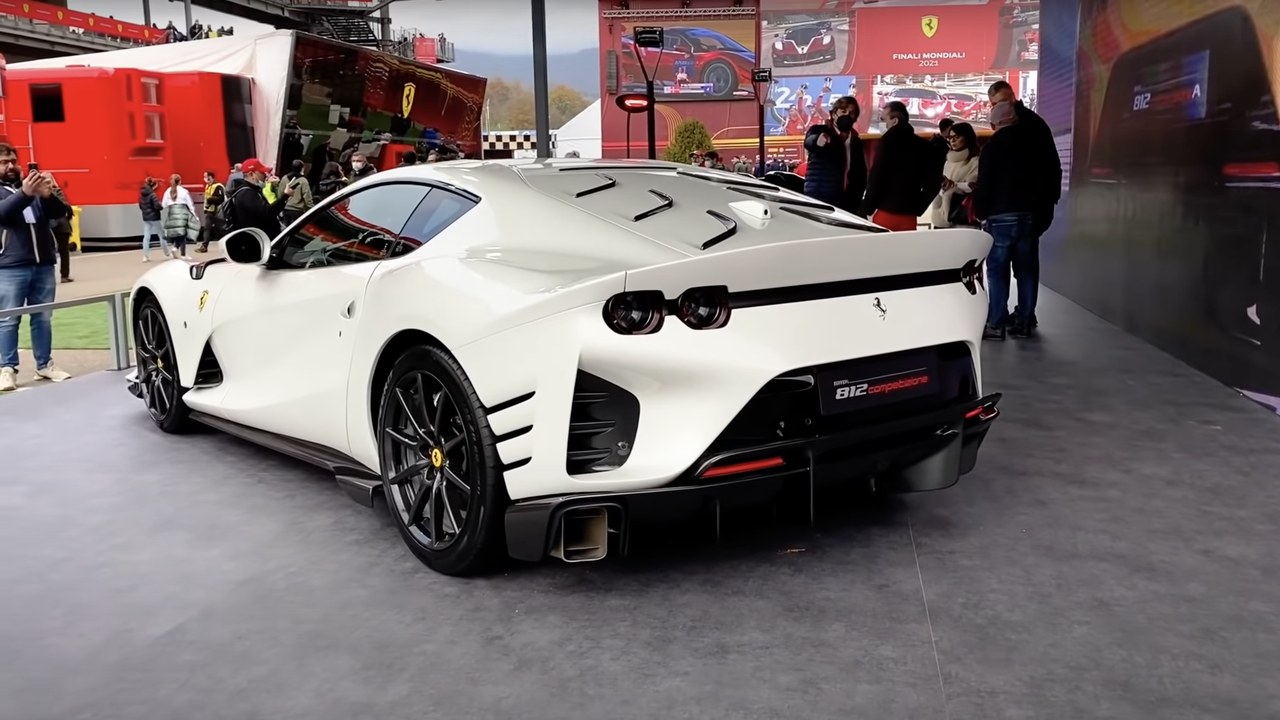
The 6.5-liter naturally aspirated V12 returns 14 mpg combined, a figure the federal fuel-economy tracking places squarely in gas-guzzler territory, right alongside far heavier, slower-revving luxury machinery built mainly for comfort rather than outright speed.
Ferrari tuned the naturally aspirated engine to spin past 9,000 rpm without any turbocharging or hybrid electric assistance, a deliberate choice that maximizes drama, sound and outright power at the direct cost of the mileage figure the federal tax is specifically keyed to penalize on every single unit sold new.
9. Mercedes-AMG C63 S Coupe: Nineteen Miles Per Gallon Was Enough
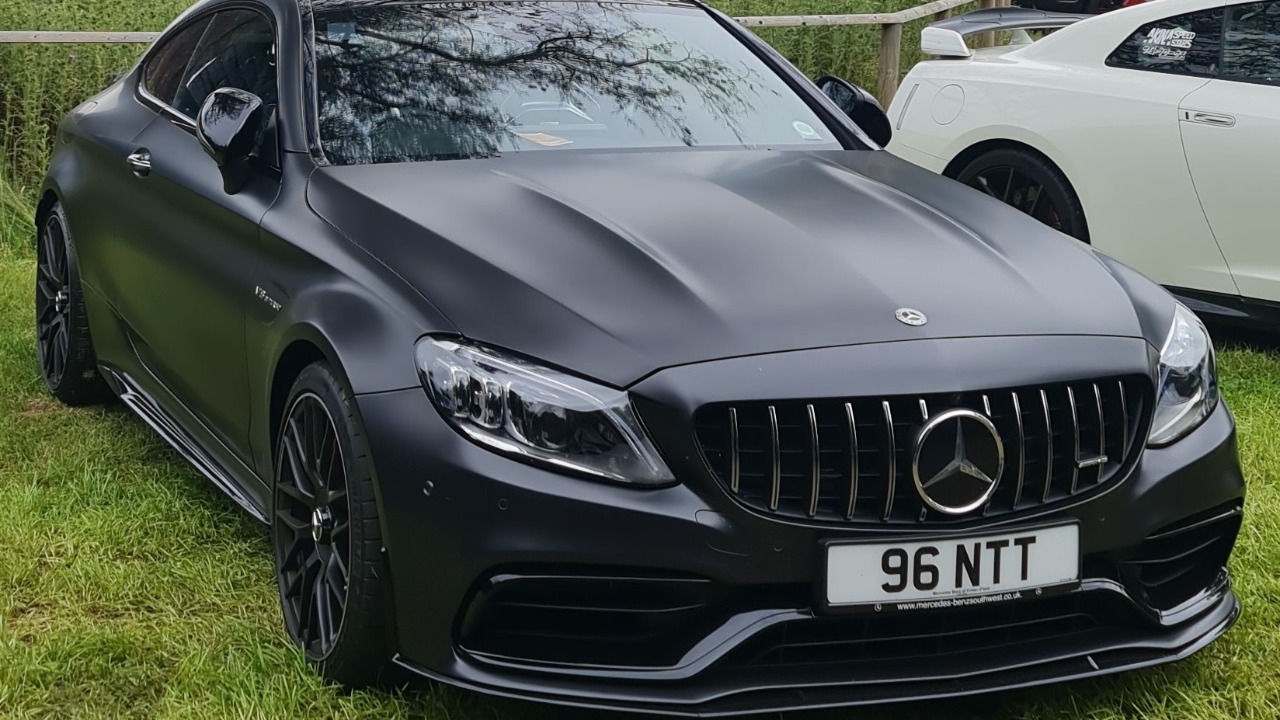
Rated at 19 mpg combined, the twin-turbo V8 coupe still fell short of the federal cutoff line, so 2023 model-year buyers paid the surcharge on top of an already premium sticker price at final delivery.
A rating in the high teens shows just how close the federal threshold actually runs; a model well clear of true supercar territory can still trip the identical federal tax that hits a V12 flagship costing several times as much at the curb, dollar for dollar the exact same rate.
More from Morning Overview
- The NSA is again telling phone owners to switch off one location setting
- Four U.S. startups fired up their first small nuclear reactors, aiming to power AI data centers on-site
- 11 engines built to run well past 200,000 miles
- A handful of car transmissions are so tough that mechanics say they almost never die
