
Fleet managers don’t pick work trucks by badge appeal; they pick by which chassis survives a decade of towing and stop-and-go routes without a rebuild. iSeeCars’ longevity study, manufacturer specs and fleet-buying guides point to the same short list of pickups, cab-overs and vans that outlast typical private ownership. Here are twelve trucks and vans that fleets keep running long after a private owner would have quit.
1. Ford F-350 Super Duty: The 250,000-Mile Front-Runner
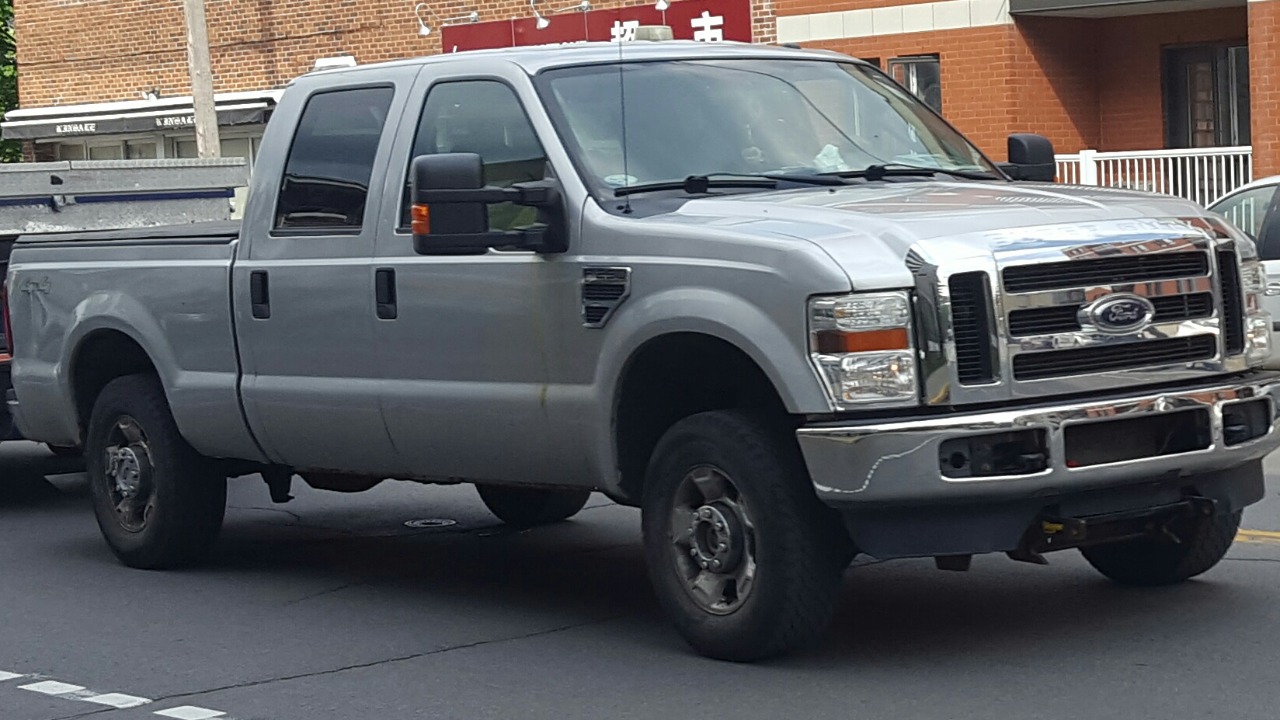
iSeeCars found the F-350 Super Duty has a 49.1 percent chance of reaching 250,000 miles, the highest odds of any vehicle iSeeCars tested and more than four times the 11.8 percent average across the industry, according to Ford Authority’s longevity report.
Fleets buy the F-350 for exactly that reliability margin: a truck spec’d to run daily hauling and towing duty for a decade or more without becoming the shop’s most frequent visitor.
2. Toyota Tacoma: A Longevity Leader Among Imports
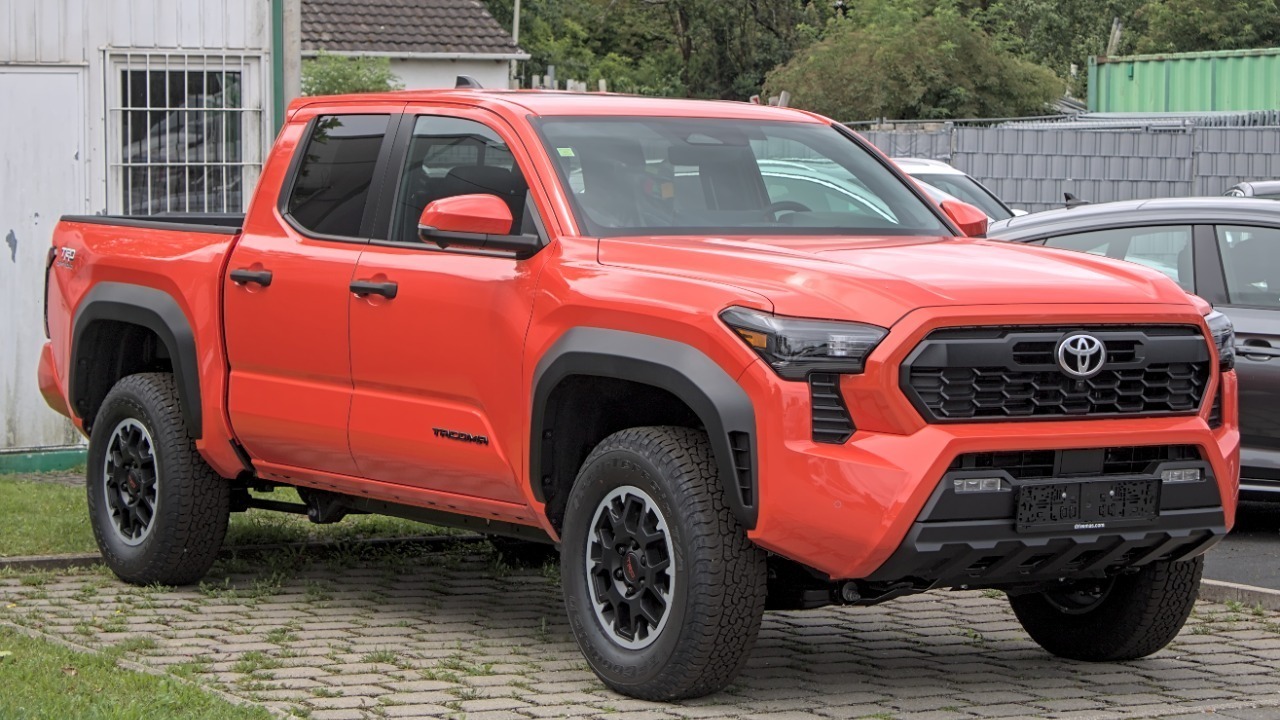
The Tacoma ranks seventh among all vehicles for reaching 250,000 miles, with a 41.7 percent survival rate that is nearly three and a half times the study’s average across all vehicles tested, according to the full rankings.
Its reputation for outlasting private owners is exactly why municipal utilities, delivery contractors and parks departments keep ordering the midsize pickup for routes that punish suspensions, frames and drivetrains for years without a single breakdown call.
3. GMC Sierra 2500HD: Heavy-Duty Staying Power
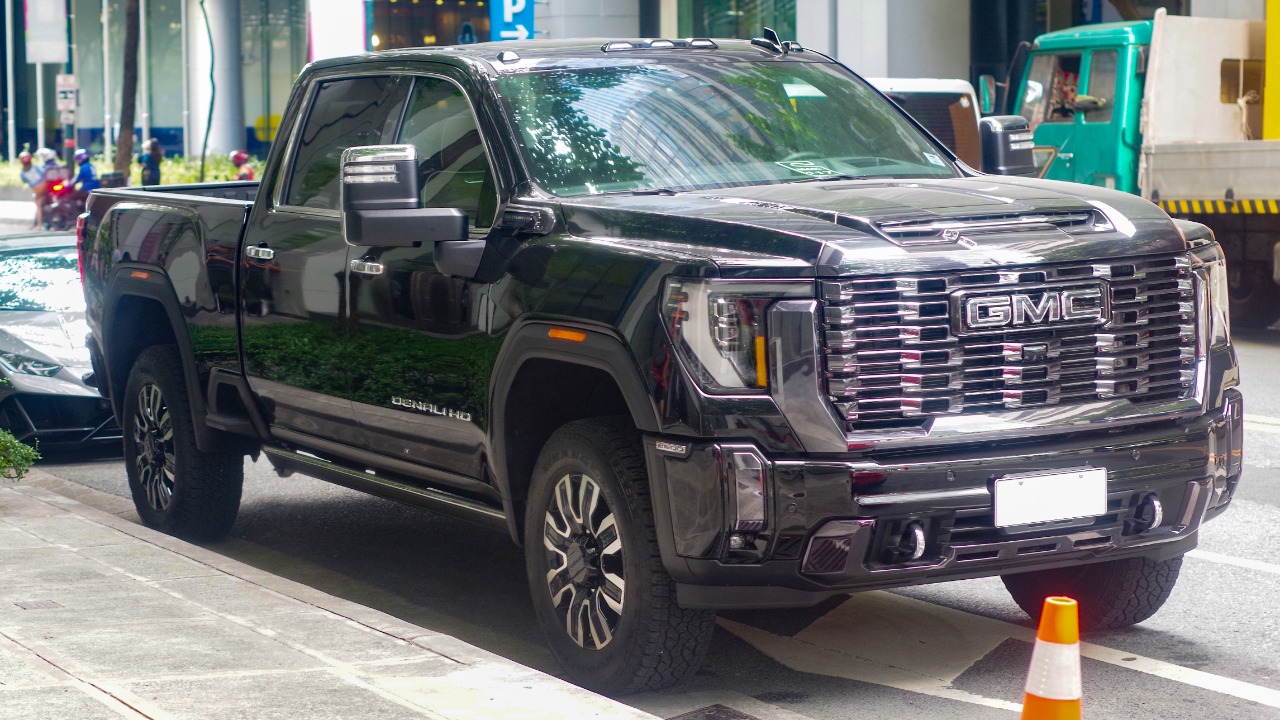
The Sierra 2500HD lands eighth in the same survival study, reaching 250,000 miles at a 41.3 percent rate that keeps General Motors’ heavy-duty pickup ahead of nearly every vehicle outside the truck category, per the same survival study.
GM built the 2500HD’s frame and driveline for towing loads well beyond a half-ton truck’s rating, which is precisely the kind of margin that lets a work fleet keep a unit in rotation for a decade of daily service.
4. Chevrolet Silverado 2500HD: GM’s Other Long-Haul Twin
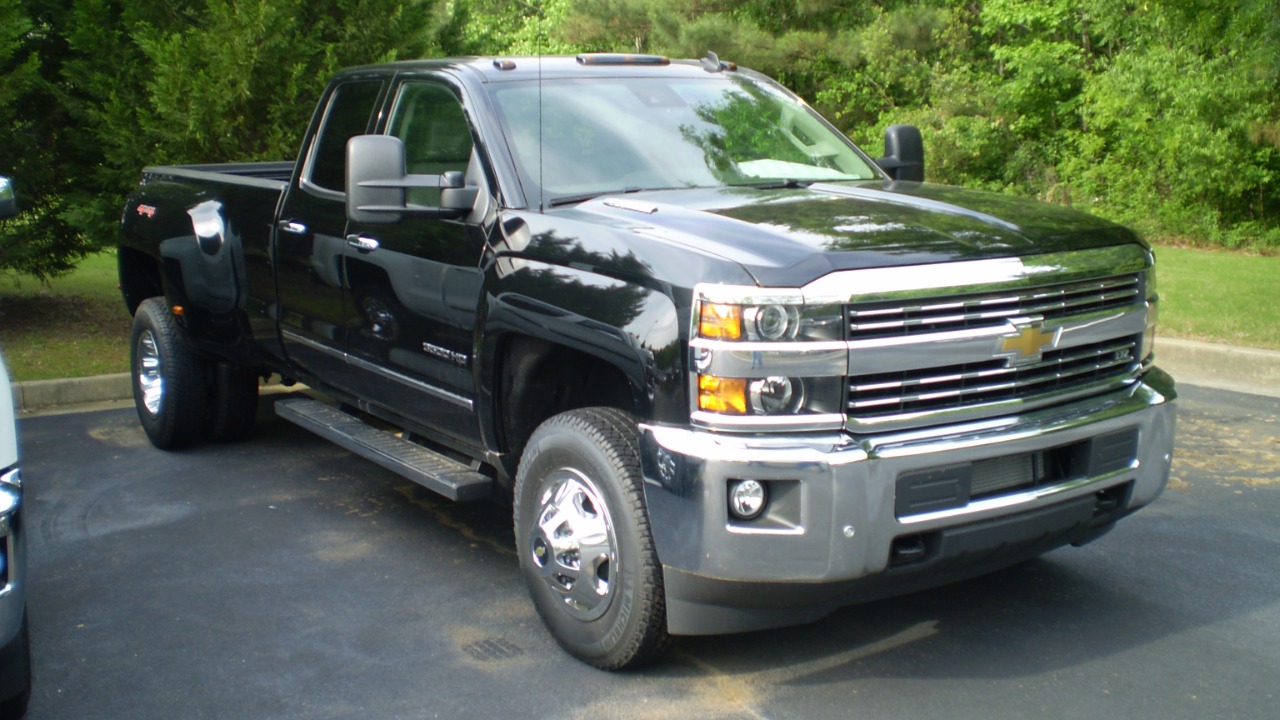
Chevrolet’s Silverado 2500HD finishes ninth in the same rankings at 41.2 percent, a survival rate essentially tied with its GMC Sierra sibling and still nearly three and a half times the study’s average, per the ranked list.
Sharing its frame, engine and drivetrain with the Sierra, the Silverado 2500HD gives fleet buyers the identical durability case under a different badge, which is why both trucks show up back to back on the same list.
5. Ford F-250 Super Duty: Nearly Quadruple The Odds
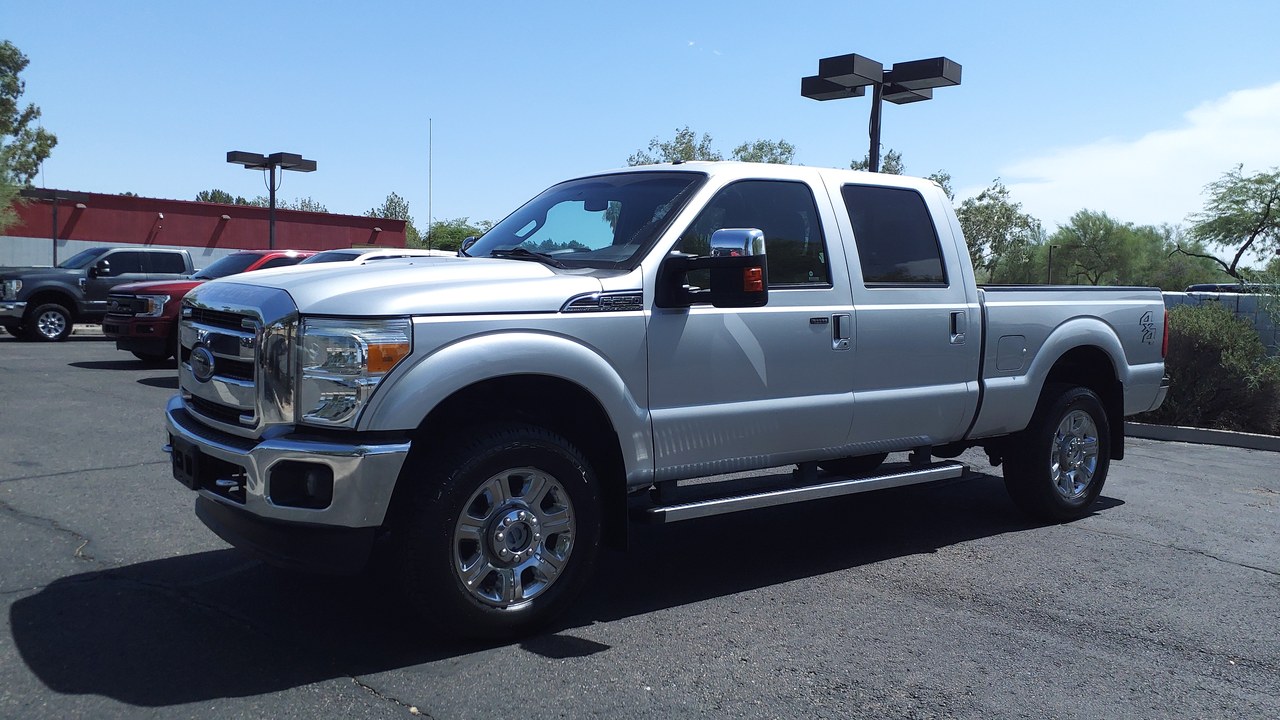
The F-250 Super Duty sits fifth in the longevity study with a 43.6 percent chance of reaching 250,000 miles, nearly four times the average vehicle’s odds, per the study’s rankings.
It shares its cab, frame and Power Stroke diesel option with the heavier F-350, giving fleets a lighter-duty Super Duty pickup that still carries the same reputation for outrunning a typical private owner’s trade-in cycle by a decade or more of daily hauling and towing work.
6. Isuzu NPR: A 200,000-Mile Design Target
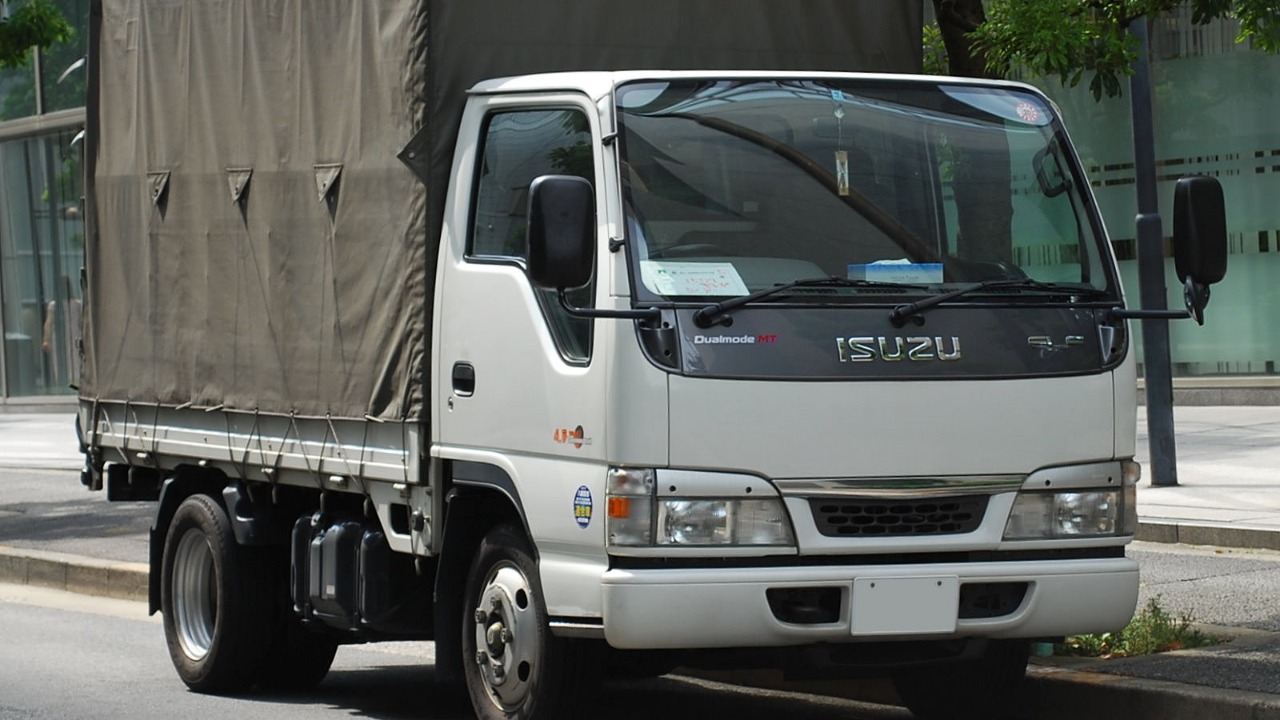
Isuzu’s own spec sheet rates the N-Series gas truck’s 6.6-litre V8, the engine used in the NPR, to a 200,000-mile design life, according to the manufacturer’s N-Series page.
That factory-stated target is why delivery, landscaping and municipal fleets spec the cab-over NPR by the hundreds, expecting the engine to outlast several different bodies bolted onto the same chassis over a working life that can span well over a decade of daily short-haul routes.
7. Isuzu NRR: Built For The Heaviest Payloads
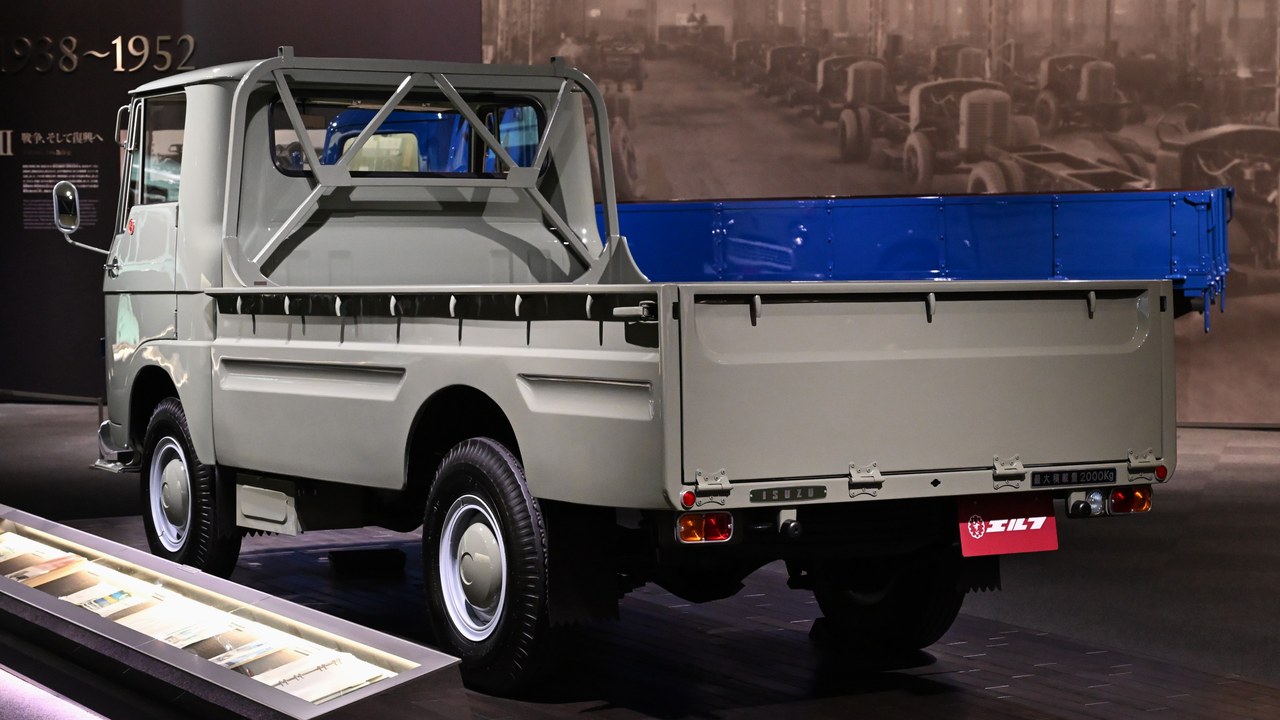
The Class 5 NRR carries up to 13,611 pounds of payload and backs its transmission with a five-year, unlimited-mile warranty, per a dealer comparison of the N-Series lineup.
That warranty term signals how confident Isuzu is in the driveline under sustained heavy loads, the exact duty cycle fleets running box trucks, stake beds and refrigerated bodies put the NRR through every working day for years without swapping the whole truck out.
8. Ford Transit: Retired For Looks, Not Failure
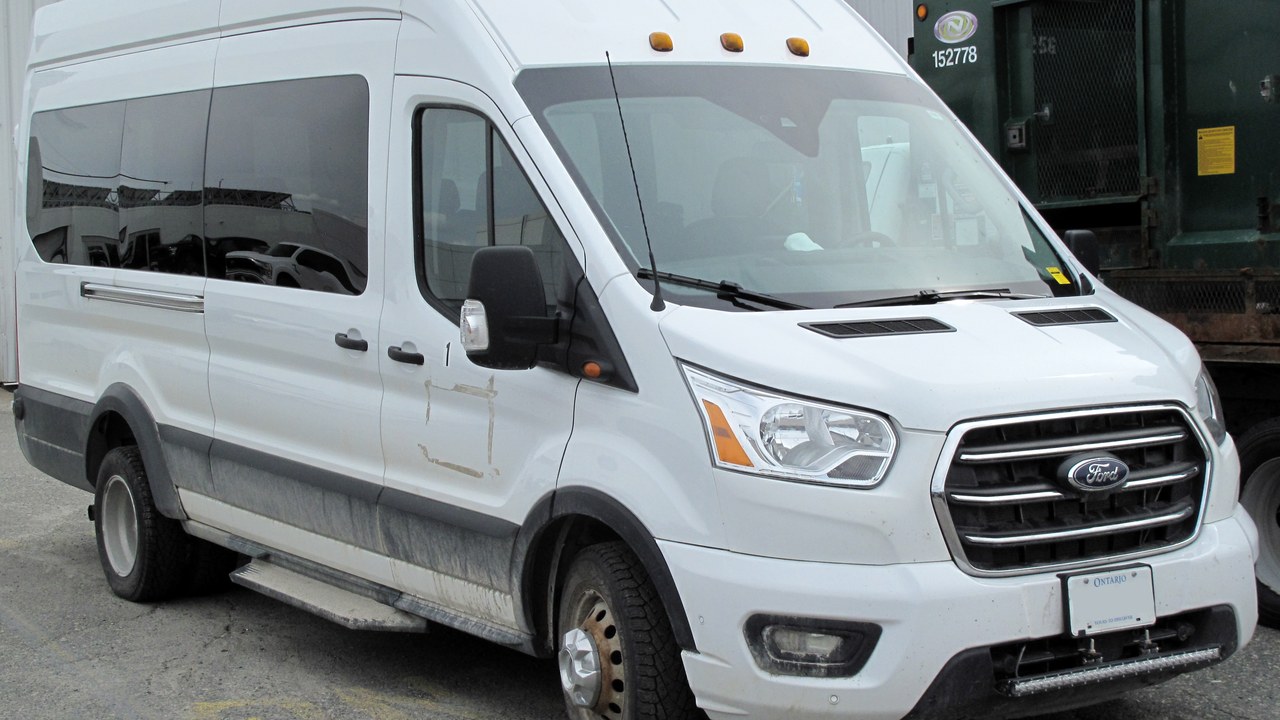
A fleet manager quoted in a dealer longevity report said several of the company’s Transits reached 300,000 miles and were retired for cosmetic wear rather than any mechanical failure, according to the dealer’s report.
Delivery and courier fleets lean on that kind of real-world account more than any brochure figure, since it describes exactly how the van performs after years of daily stop-and-go routes carrying packages, tools and passengers across a wide range of climates.
9. Chevrolet Silverado 4500HD: A Frame Built For Vocational Duty
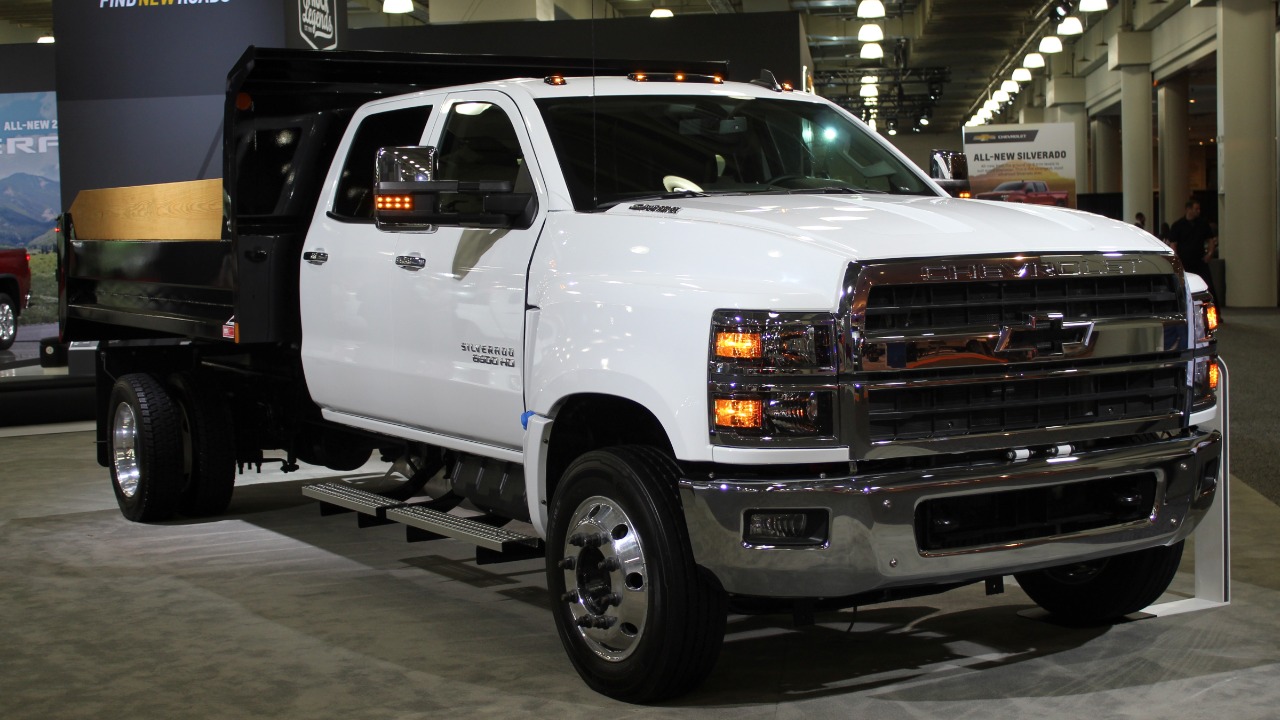
Chevrolet builds the Silverado 4500HD with a single-piece, high-strength-steel frame rail marketed specifically for durability under vocational bodies such as dump beds, service bodies and flatbeds, according to a national fleet-management buying guide.
That frame is designed to carry heavy upfits through years of body changes and repeated abuse, which is why fleet buyers treat the chassis rather than the cab as the truck’s real selling point when comparing medium-duty options.
10. Ford F-550: The Fleet Buyer’s Heavy Hauler
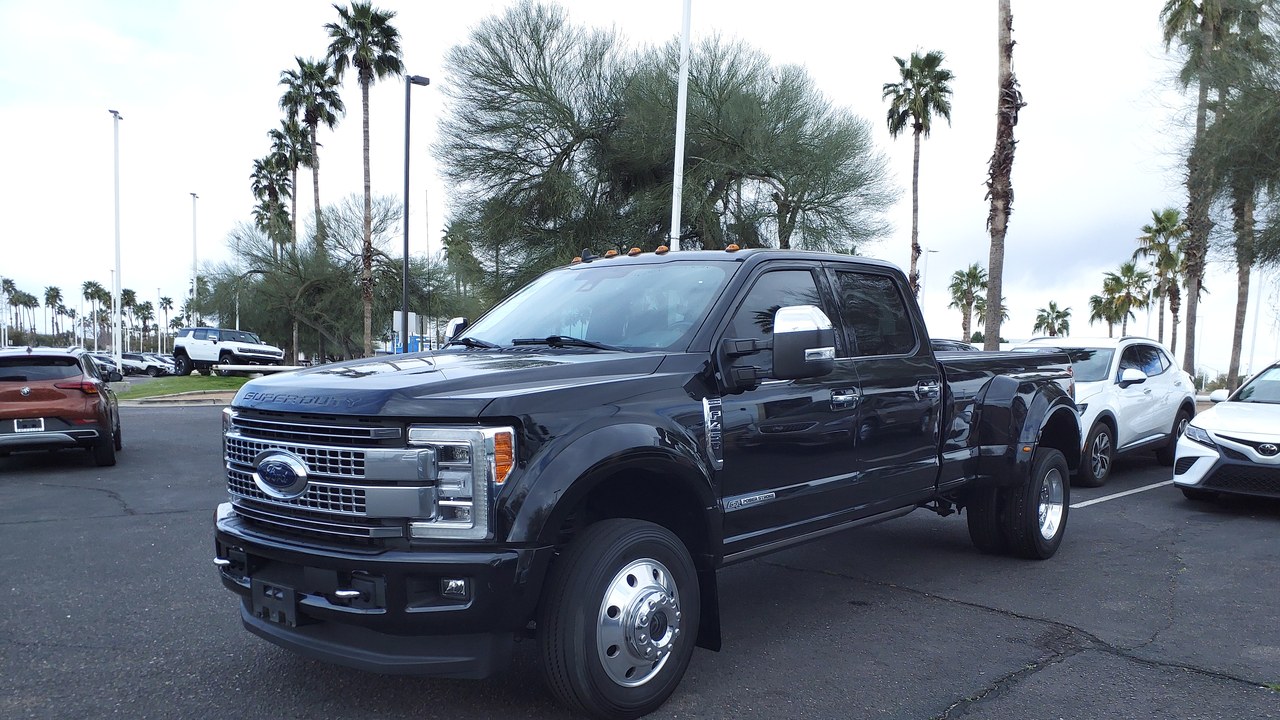
Fleet buying guidance flags the F-550’s military-grade aluminum-alloy frame components, the largest brakes in its class and a maximum payload of 12,750 pounds, specs aimed squarely at upfitters rather than daily commuters, per the same fleet buyer’s guide.
Those specs matter more to a fleet manager than horsepower, since braking capacity and frame fatigue resistance are what determine whether a heavy flatbed or tow-truck upfit survives years of daily overloading without cracking a weld or fading a brake pad.
11. Ram 5500: Frame Rated For The Toughest Upfits
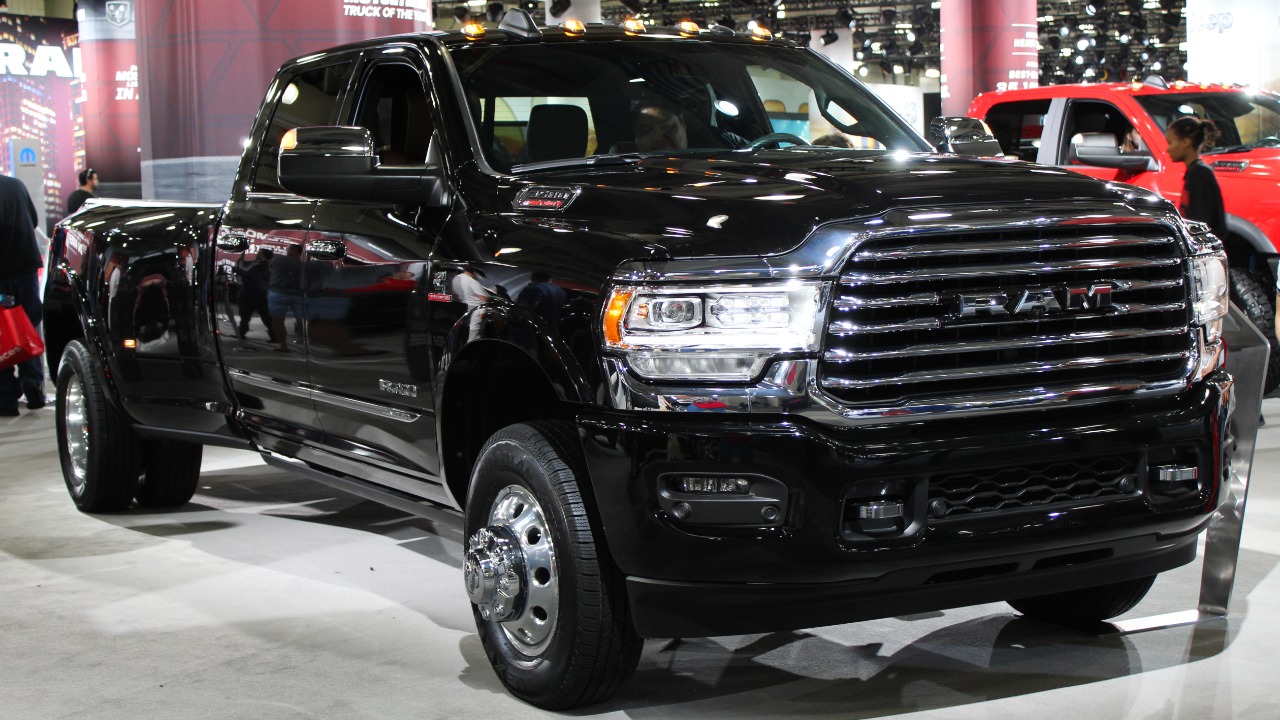
A steel rear frame rated to 50,000 PSI and a 37,500-pound gross combined weight rating are why fleets specify the Ram 5500 for their heaviest upfits, according to fleet-industry buying guidance.
That combined weight rating covers the truck, a loaded trailer and a heavy body all at once, giving vocational fleets a margin that a lighter chassis simply cannot match over years of towing, hauling and repeated heavy-duty upfit work.
12. Ram ProMaster: Fewer Parts To Wear Out
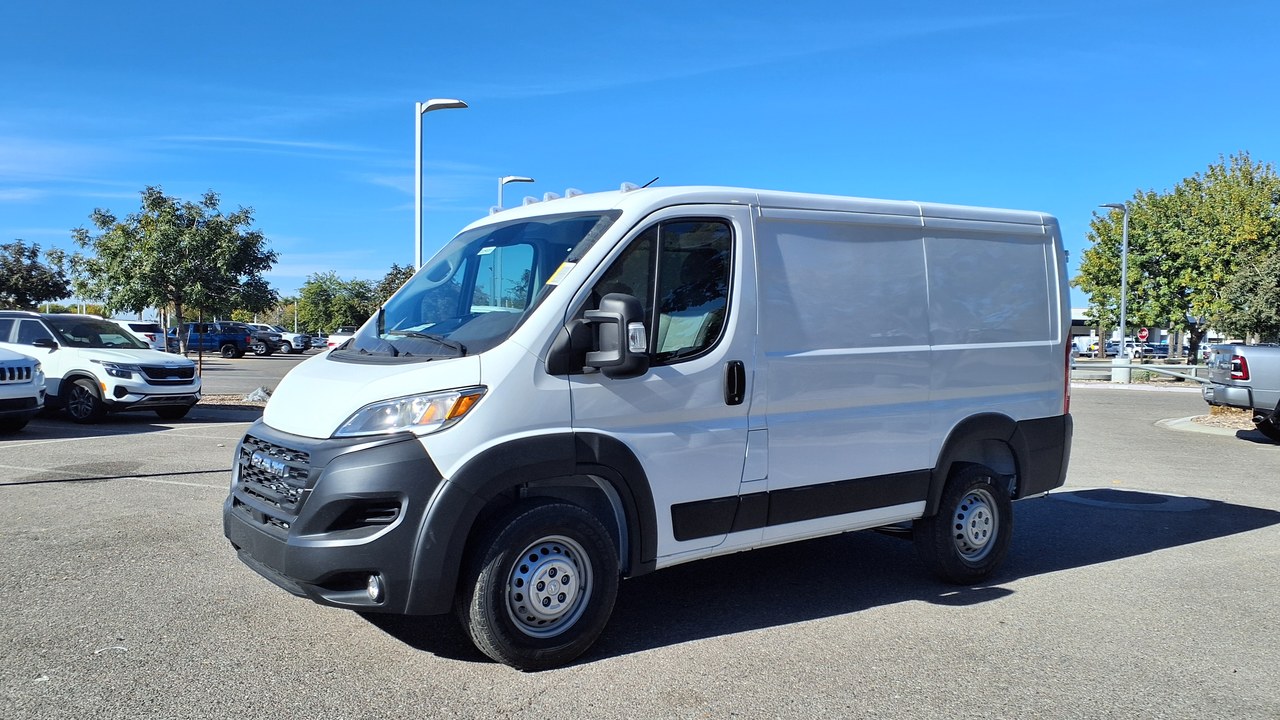
Fleet guidance highlights the ProMaster’s front-wheel-drive layout for having fewer driveline parts to maintain than a traditional rear-wheel-drive van, which lowers its lifetime cost of ownership, per the fleet buyer’s assessment.
A simpler driveline means fewer components for a fleet’s maintenance team to inspect, lubricate and eventually replace, translating directly into lower downtime and lower shop bills across a delivery route that runs the same van for years on end.
More from Morning Overview
- The NSA warns one messaging setting can clone your texts to a stranger
- Security experts still urge phone owners to switch off one location-tracking setting
- Automakers are quietly dropping the stop-start feature many drivers love to hate
- A granite sarcophagus surfaced in Egypt with its original lid still sealed
