
Not every scar from an ancient collision has vanished under time and vegetation. Scattered across deserts, tundra and dense forest, a handful of impact structures remain visible enough to walk into, photograph from orbit, or drill for climate records. Here are nine impact craters still gouged into Earth’s surface today.
1. Meteor Crater: Earth’s Freshest Impact Scar
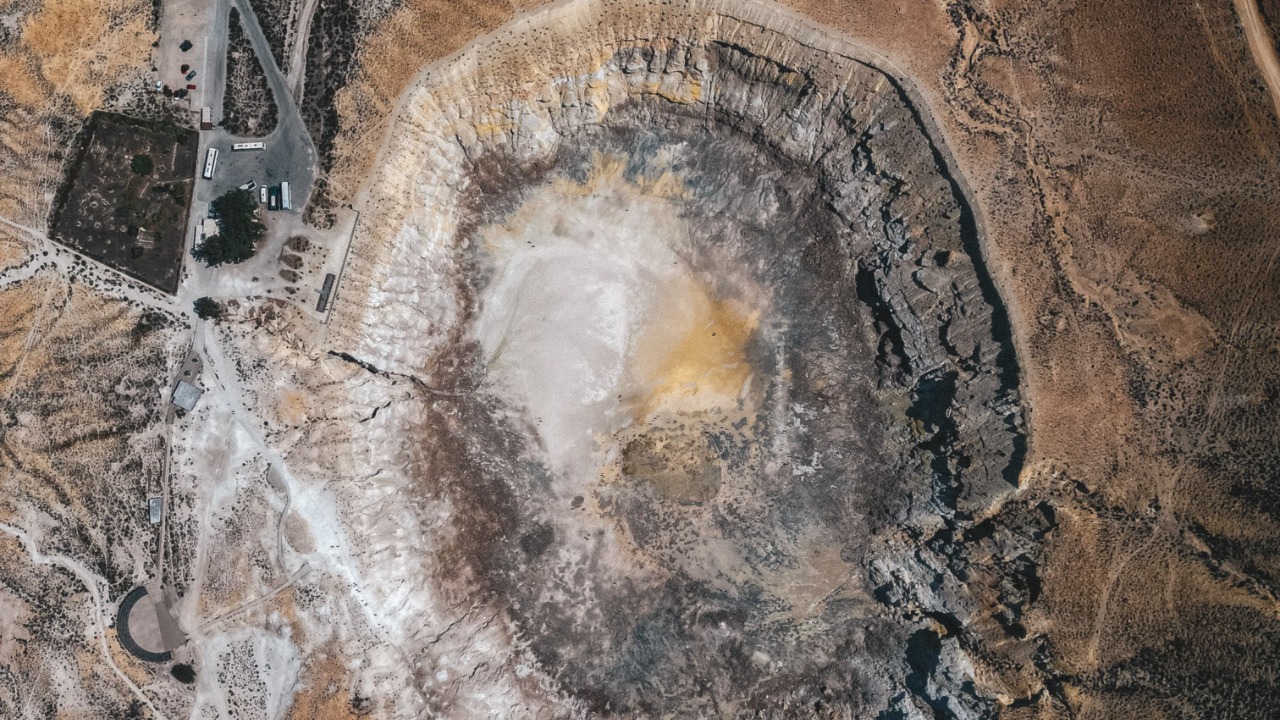
A nickel-iron meteorite roughly 150 feet wide struck what is now northern Arizona around 50,000 years ago, blasting out a bowl the crater’s own visitor authority ranks among the world’s biggest craters, nearly a mile across and 550 feet deep.
Because the strike happened so recently in geological terms, desert winds and sparse rainfall have barely touched its walls, leaving the rim, the raised lip and the debris field intact enough that NASA once used the site to train Apollo astronauts for lunar fieldwork. The privately owned site now operates as a visitor center and museum, drawing tourists who want to stand at the edge of the best-preserved crater on the planet.
2. Vredefort crater: The Planet’s Biggest Impact Ring
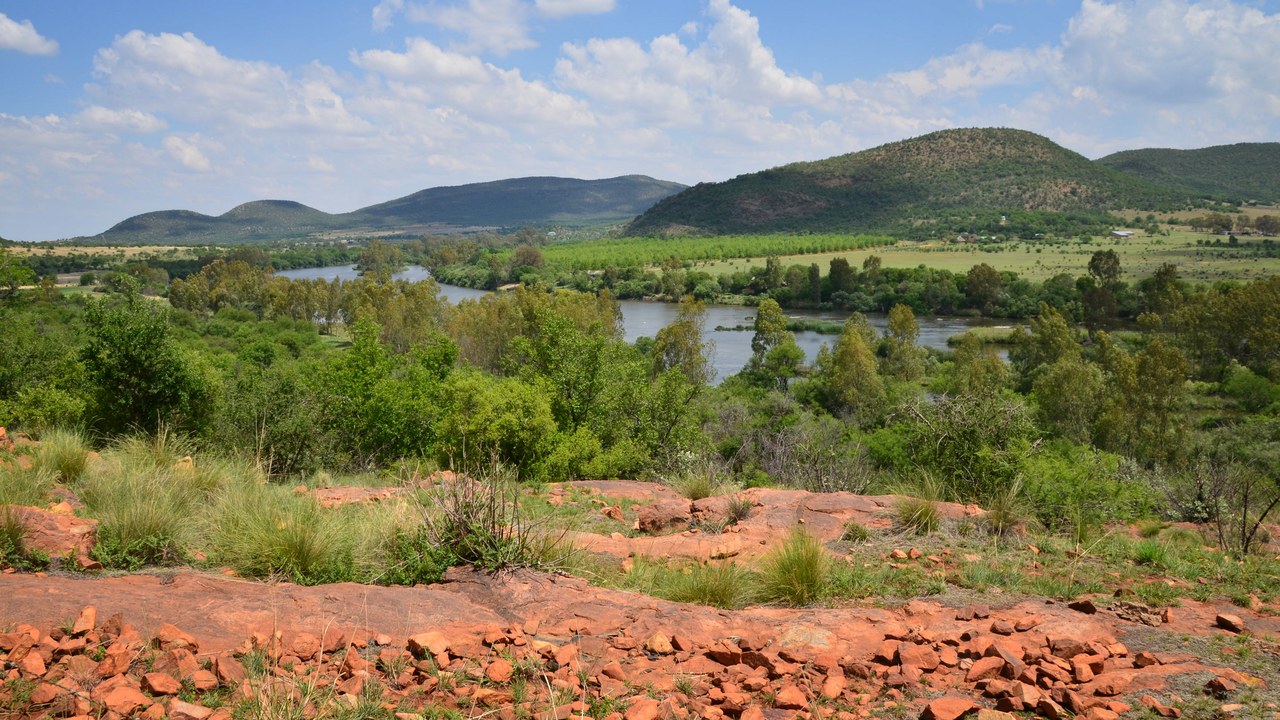
South Africa’s Vredefort structure formed roughly two billion years ago and remains, according to NASA’s Earth Observatory, the largest confirmed impact site on the planet, an original span near 190 miles now worn down to a ring of hills southwest of Johannesburg.
Erosion has stripped away the crater itself, but the surviving dome of ancient rock earned UNESCO World Heritage status, and geologists still use its uplifted core to study how the largest impacts reshape a planet’s crust. Farms and small towns now sit inside the ancient ring, and most residents live out their lives without realizing they are settled on the floor of Earth’s largest confirmed impact structure.
3. Manicouagan crater: The Eye of Quebec
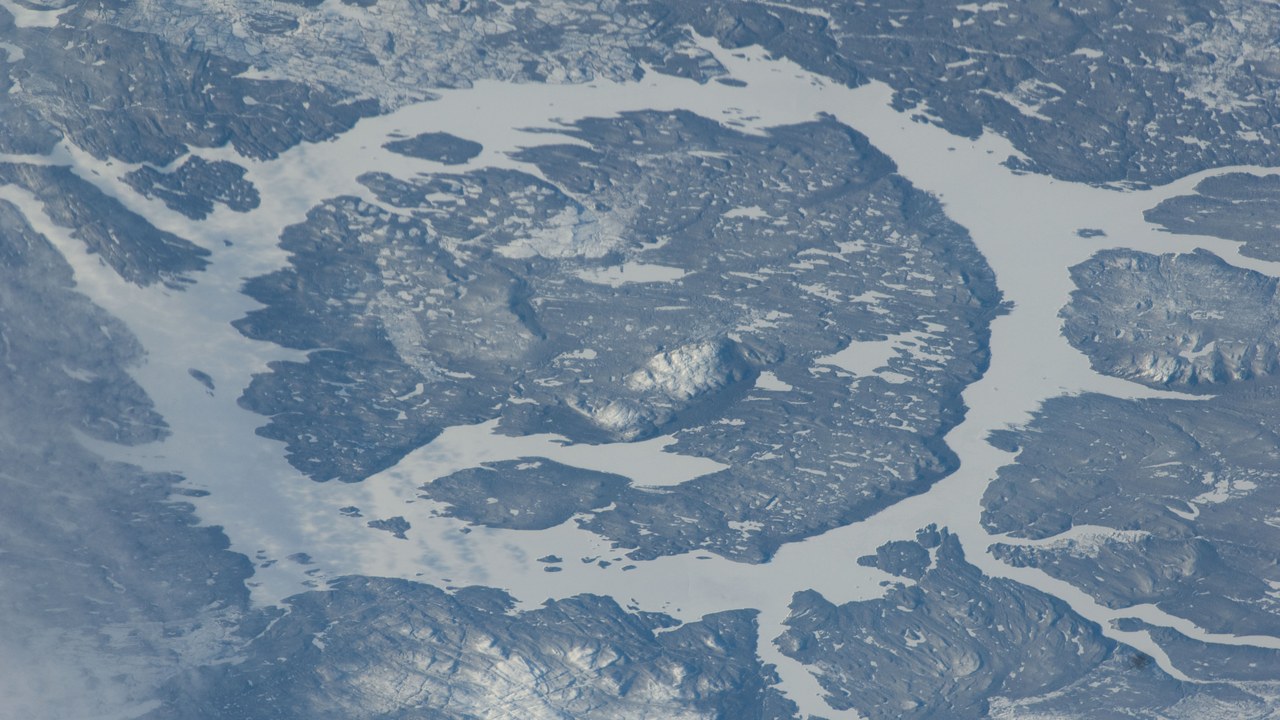
A roughly 100-kilometre-wide impact structure in northern Quebec shows up from orbit as a near-perfect ring of water, a feature NASA’s Earth Observatory nicknamed the Eye of Quebec after satellites captured its circular reservoir hugging the eroded rim.
The ring formed when a hydroelectric dam flooded the crater’s annular valley decades ago, and the structure’s age and scale have made it one of the most studied ancient impact sites in North America, visible even to astronauts aboard the International Space Station. Winter ice locks the reservoir into a bright ring that stands out clearly against the surrounding boreal forest in satellite photos taken year after year.
4. Lonar crater: A Crater Punched Into Basalt
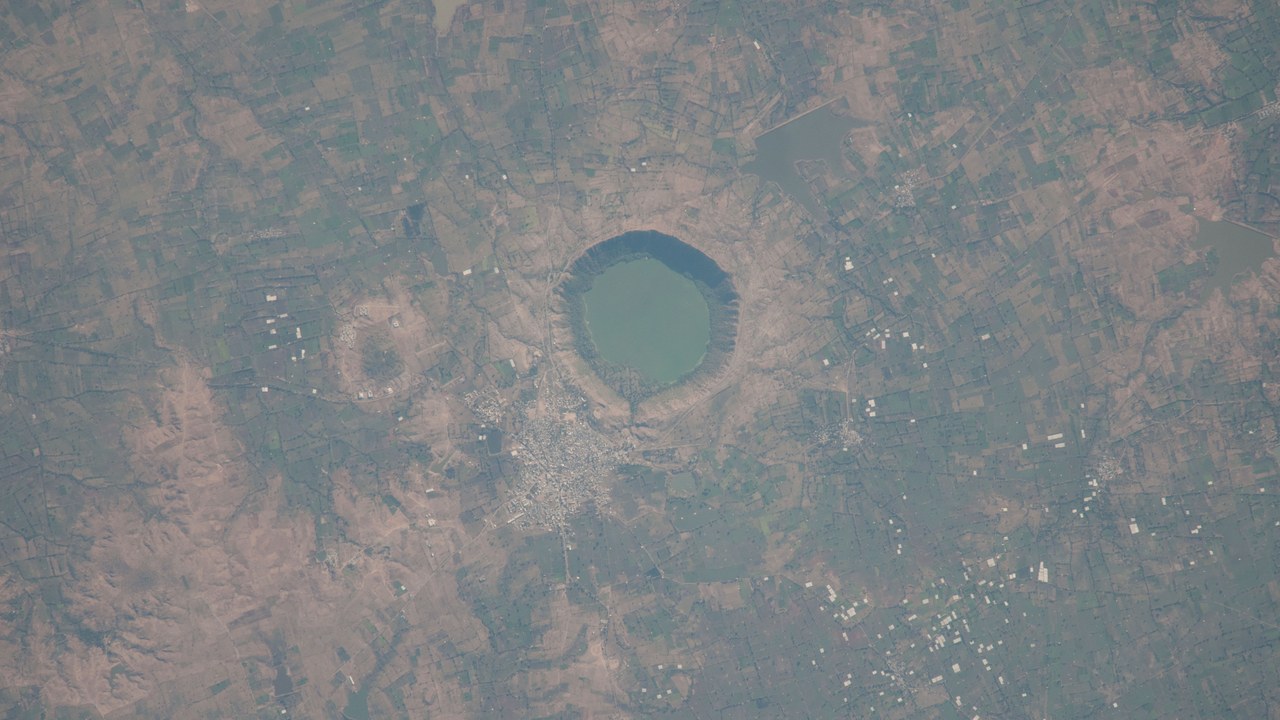
A meteorite carved this 1.1-mile-wide bowl into solid basalt rock in India’s Maharashtra state, a rarity among famous meteorite craters because basalt is unusually hard for an impact site to survive intact for tens of thousands of years.
Rainwater and groundwater have since filled the depression with a saline, alkaline lake unlike any other on the subcontinent, and centuries-old Hindu temples now ring its crater walls, drawing pilgrims, birdwatchers and geologists to the same rim for very different reasons. Indian researchers have also studied the crater’s basalt walls as a stand-in for similar impact rock thought to exist on the Moon and on Mars.
5. Gosses Bluff crater: A Ring Worn Down By Time
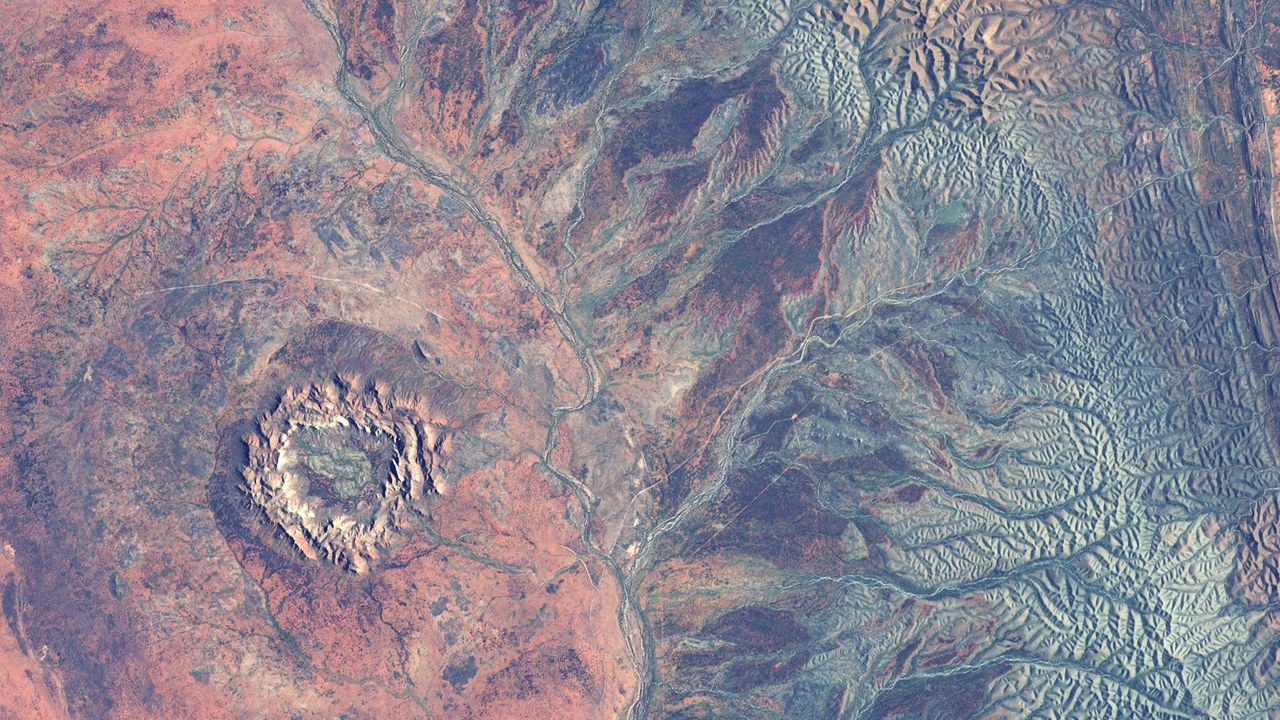
Erosion has worn down what was once a 14-mile-wide impact ring in Australia’s Northern Territory, leaving behind a three-mile core of rugged hills documented among impact crater records as one of the continent’s oldest visible scars, its concentric ridges still traceable from the air despite the vanished outer rim.
The Western Arrernte people call the formation Tnorala and hold it central to their creation stories, long before geologists confirmed its origin as the eroded remnant of a cosmic collision rather than a volcanic feature, a mix-up that persisted in some early surveys of the region.
6. Wolfe Creek Crater: Known Long Before It Was Found
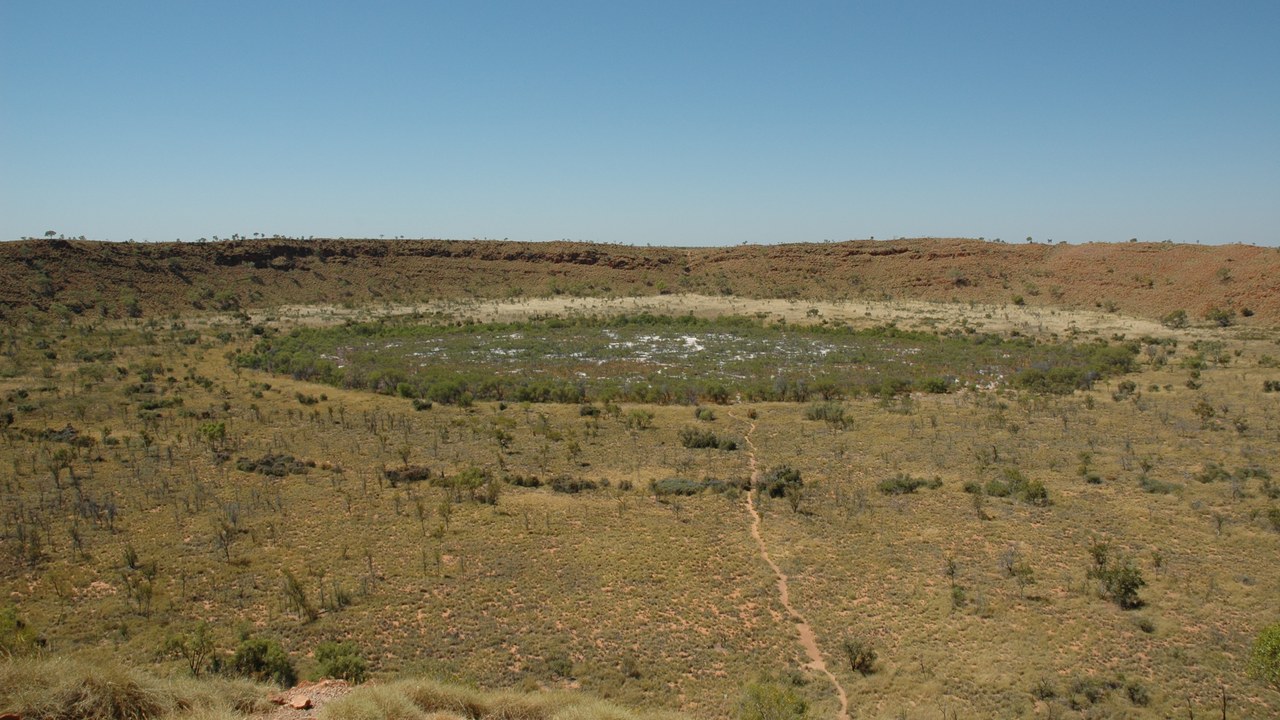
An iron meteorite estimated at 50,000 tonnes carved an 875-metre-wide bowl into the Western Australian desert, a scale confirmed among the meteorite crater list that also notes the site’s near-perfect circular rim, one of the best preserved of its size anywhere on the continent.
Pilots first spotted the crater from the air in 1947 and reported it as a geological novelty, though Aboriginal communities in the region had known the formation, which they call Kandimalal, for thousands of years before any survey plane flew over it.
7. Pingualuit crater: A Bowl Of The Purest Water
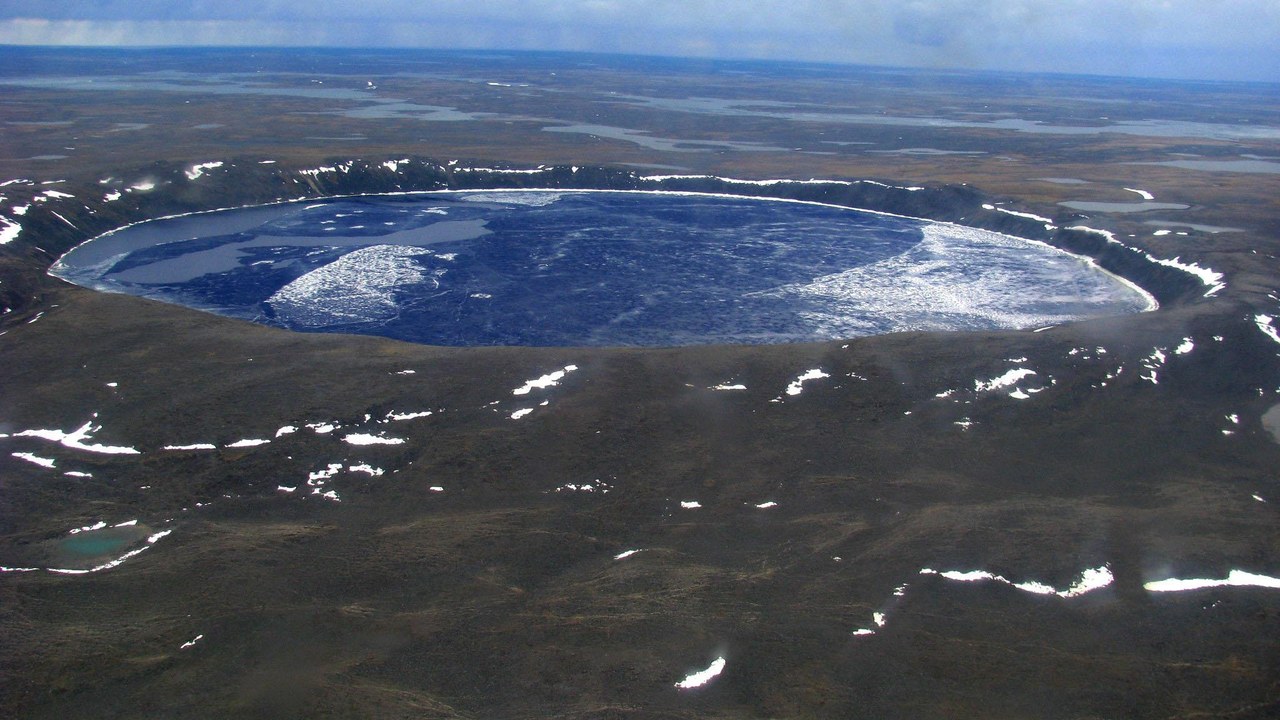
The rim of this Quebec impact structure rises 160 metres above the surrounding tundra, ringing a 3.4-kilometre-wide bowl that, per a survey of impact craters on Earth, holds water so free of sediment and pollutants that visibility runs dozens of metres down.
No river feeds the crater lake, so its clarity comes almost entirely from rain and snowmelt, and scientists have drilled its sediment layers to build a long-term climate record for the region, still studied today by researchers tracking Arctic change. Inuit hunters in the surrounding Nunavik region have long known the lake as a near-perfect circle visible from a considerable distance across the open tundra.
8. Kaali crater field: A Meteorite That Broke Apart
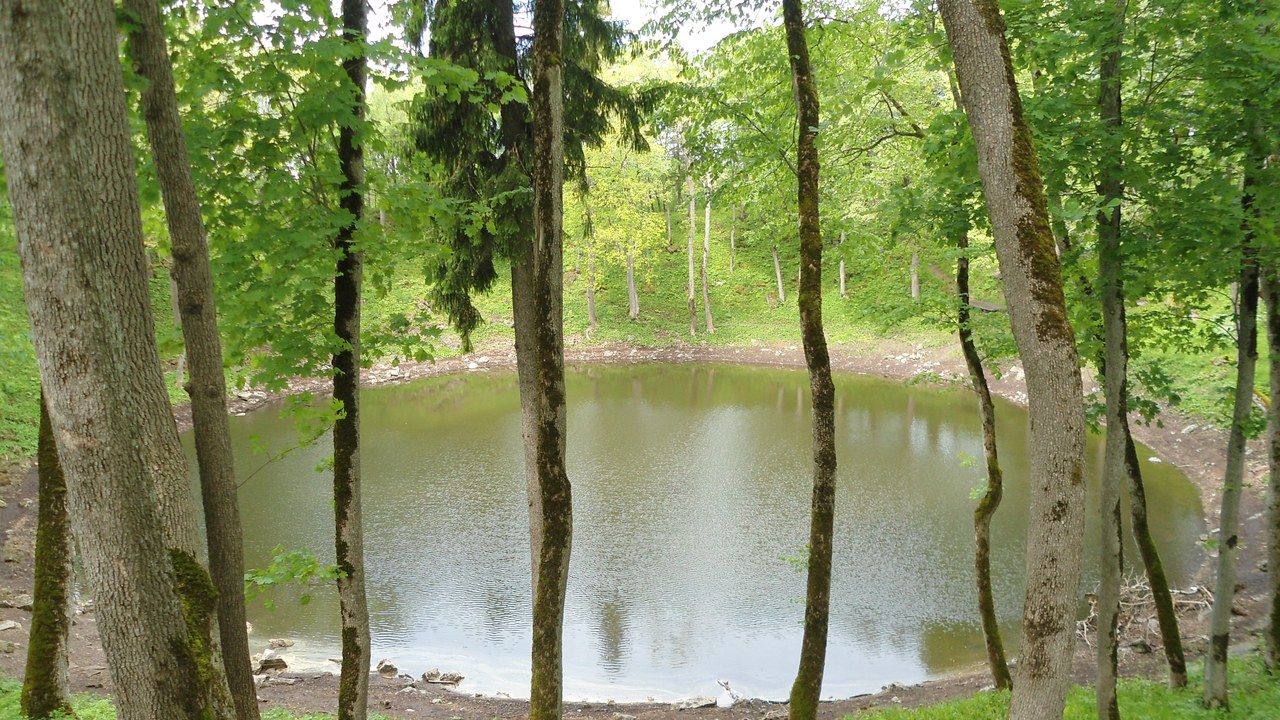
A meteorite broke apart before impact over the Estonian island of Saaremaa, leaving a main crater 110 metres wide alongside eight smaller pits scattered nearby, a cluster cataloged among Earth’s crater sites as one of the few strike fields formed by a single fragmented body.
The impact is thought to have happened within the last few thousand years, recent enough that the event survived in local folklore that is still retold today, and the main crater now holds a small lake ringed by an ancient earthwork wall.
9. Roter Kamm crater: A Namibian Crater That Looks Martian
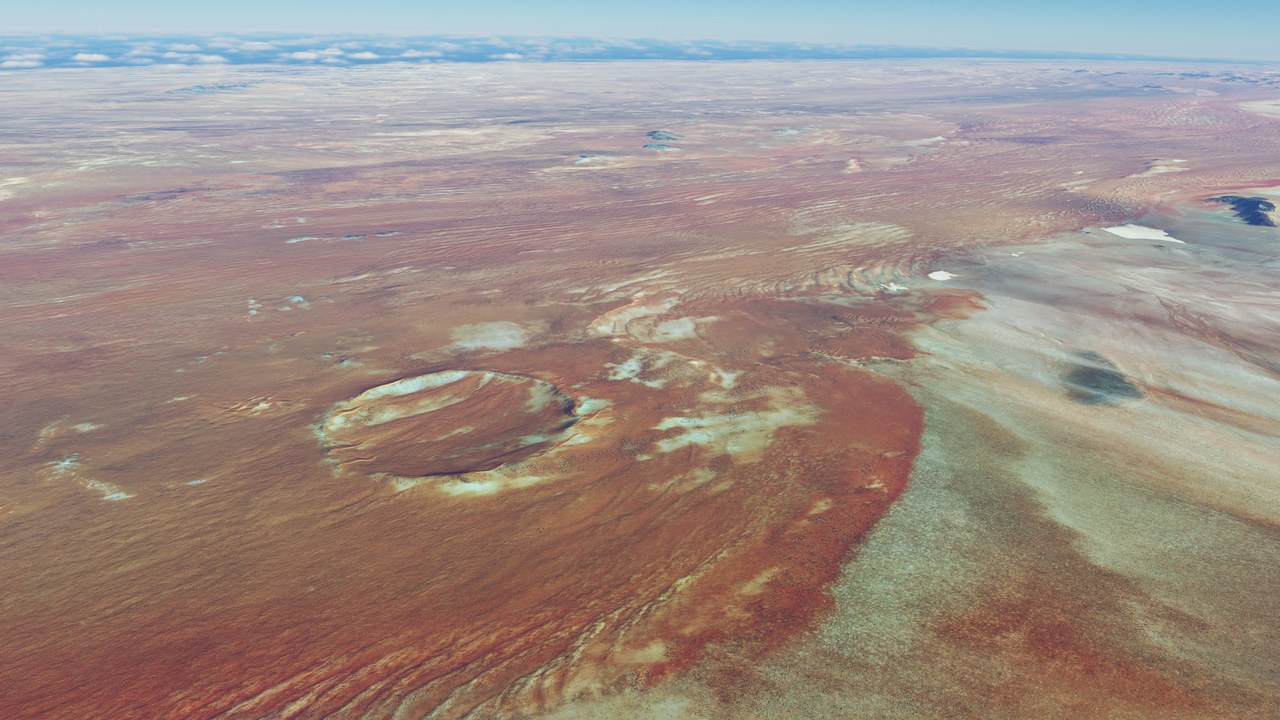
This 2.5-kilometre-wide, 130-metre-deep crater sits in Namibia’s Namib Desert, where wind-blown orange sand has partly filled the bowl and given it, according to the world’s impact craters, a landscape that looks distinctly Martian from above, a resemblance geologists have noted for decades.
Diamond-mining restrictions have long limited access to the surrounding area, so the crater has stayed largely undisturbed, and its combination of a sharp circular rim and rust-colored dunes makes it one of the most photographed impact sites from orbit. Scientists have also used its arid, sparsely vegetated setting as a rough analogue for crater weathering on Mars, where similar structures pockmark the ancient highlands.
More from Morning Overview
- Herbal supplements are landing Americans in the hospital with liver damage, doctors warn
- Long-term use of common heartburn pills is linked to kidney and dementia risk
- 9 pickup trucks with a reputation for falling apart after 100,000 miles
- Consumer Reports names the 2026 models it expects to break down the most
