
Fire departments and EMS agencies rarely build a vehicle from scratch; instead they bolt a specialized body onto a commercial chassis already sold for ordinary work. Ambulance modules ride on pickup and van platforms, while pumpers and tankers sit on the same medium- and heavy-duty trucks used for box trucks, dump trucks and delivery fleets. Here are eight emergency vehicles built on chassis you would recognize from the road.
1. Wheeled Coach Type I ambulance on a Ford F-550: Payload Over Cutaway Vans
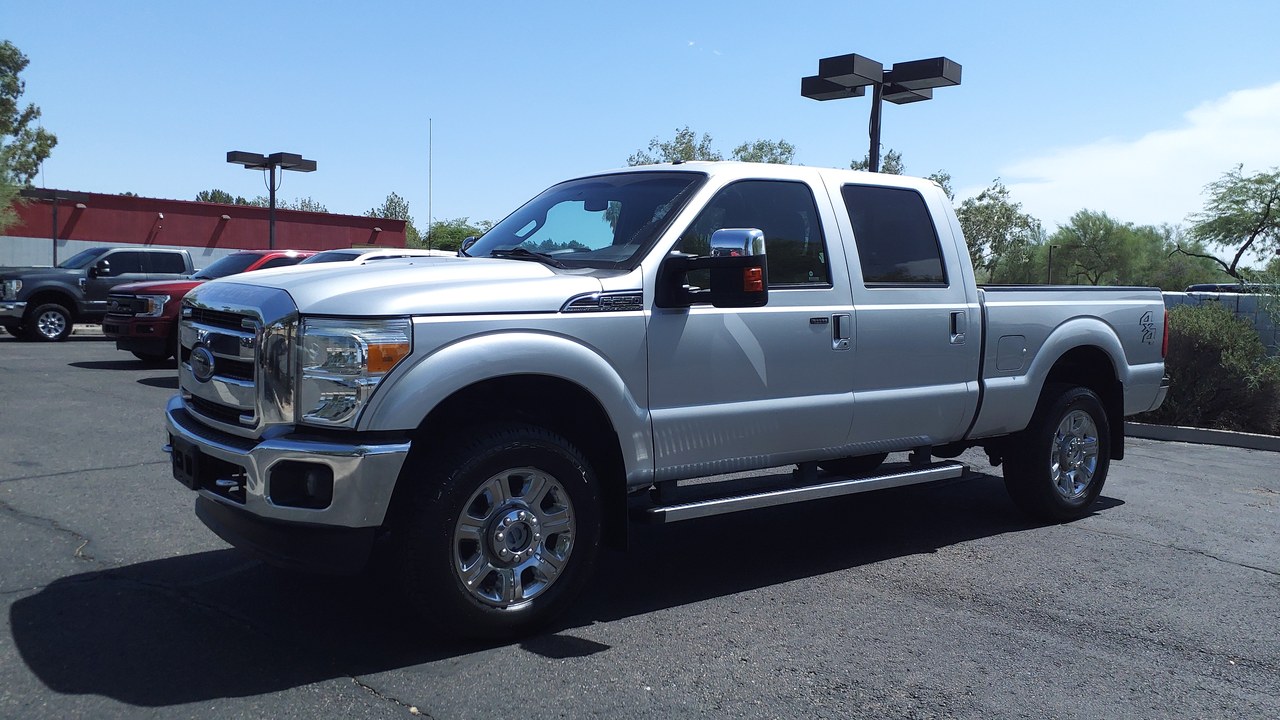
Wheeled Coach builds this Type I box on the F-550’s pickup-style truck chassis, a platform more departments are choosing over a cutaway van body for its bigger payload and factory four-wheel drive, according to an ambulance chassis comparison in fire-service trade coverage.
For a rural or wildland-adjacent department, the extra ground clearance and torque matter as much as patient space, since the same frame that hauls a loaded pickup bed also carries a fully stocked cabinet of medical equipment without buckling under the weight, a margin that matters most on a long rural transport.
2. P.L. Custom Type I ambulance on a Freightliner medium-duty chassis: A Delivery-Truck Cab For EMS
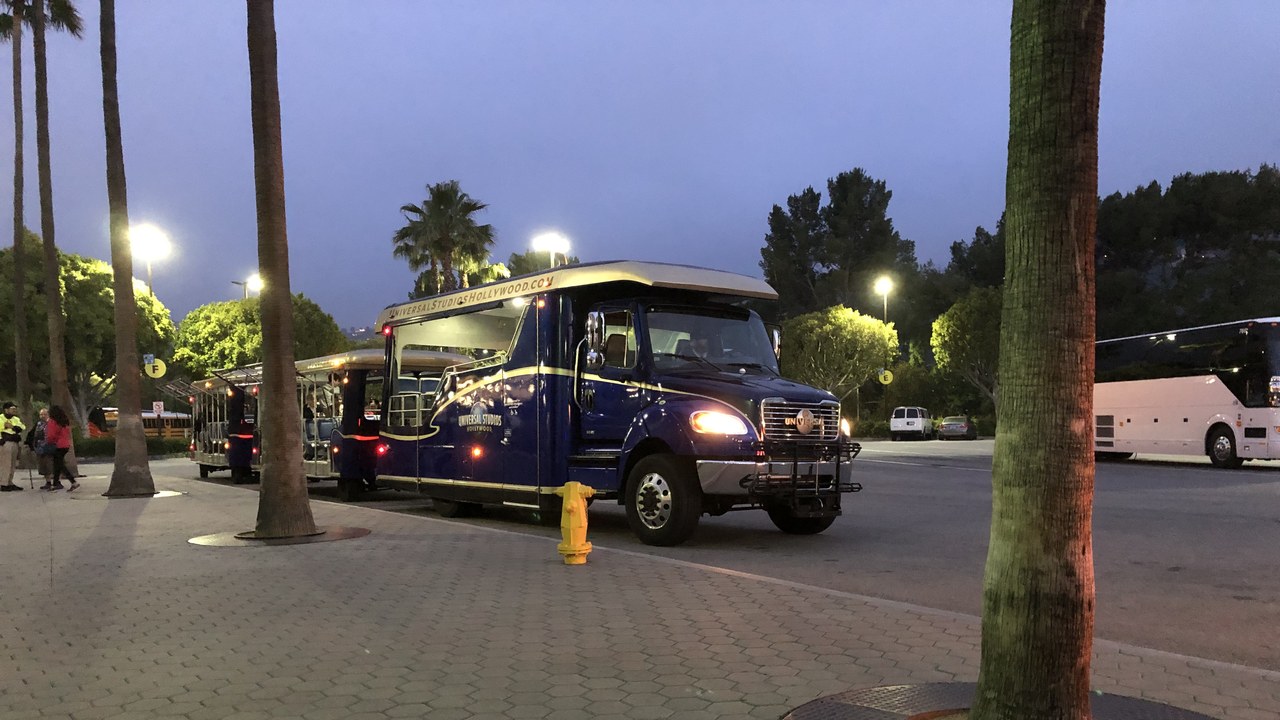
P.L. Custom mounts a square patient module on a four-door Freightliner commercial cab and chassis built for Boca Raton Fire Rescue, the same medium-duty class Freightliner sells to delivery fleets, per an ambulance platform breakdown covering body-and-chassis choices.
A four-door commercial cab gives the crew a factory-built cabin instead of a modified van front end, which trade coverage credits with better crash protection and easier long-term maintenance, since parts and service come from a truck dealer network rather than a niche upfitter. Boca Raton’s decision also reflects a broader shift among busier departments toward chassis that can be serviced at any commercial truck shop overnight instead of waiting on a specialty ambulance remounter.
3. Osage Type III ambulance on a Ford E-450 cutaway: The Integral Cab Design
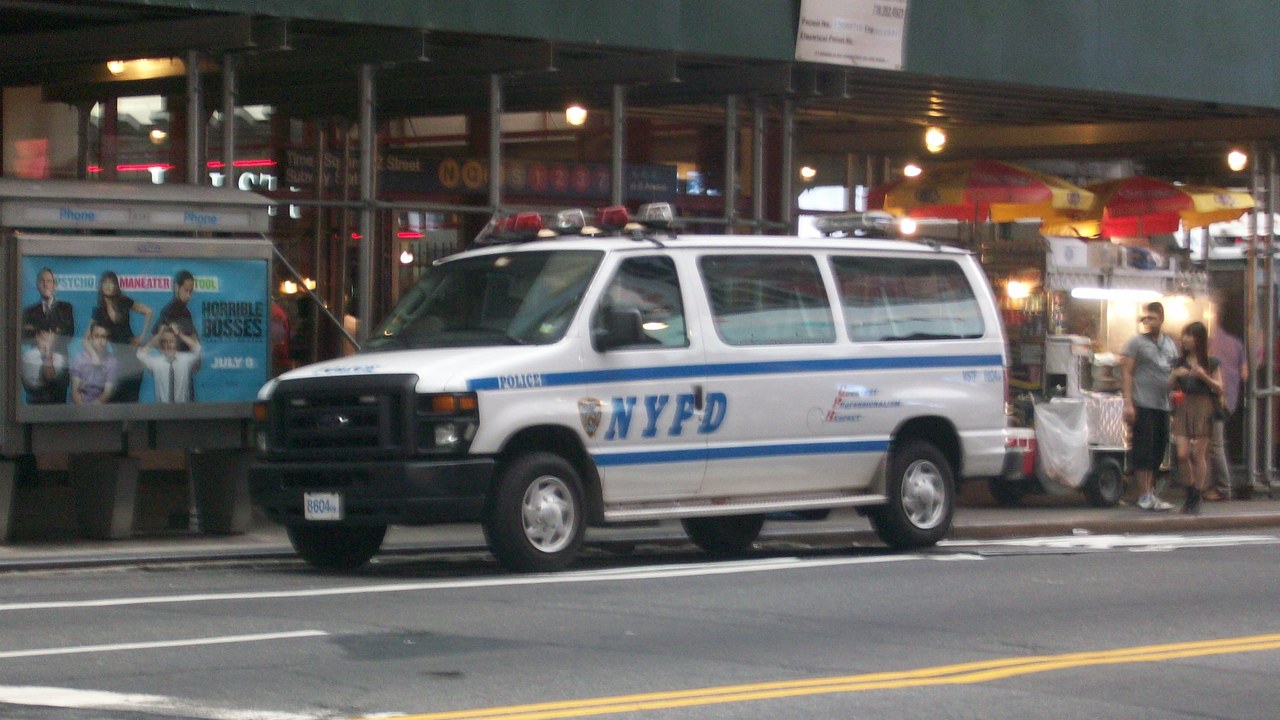
Osage built this unit for Cherokee County Fire and Emergency Services on the E-450 cutaway van chassis, where the factory cab is integral to the ambulance rather than a separate module bolted behind it, as a Type I versus Type III comparison lays out.
That integral cab keeps the purchase price and curb weight lower than a Type I box, which is why Type III remains the default choice for departments running high call volumes on a tighter apparatus budget rather than rough backroads. The tradeoff shows up later in the truck’s life, since the cutaway cab and the ambulance module wear out together instead of allowing the box to be remounted onto a fresh chassis.
4. Pierce commercial pumper on a Freightliner M2 106: Built Like A Delivery Fleet
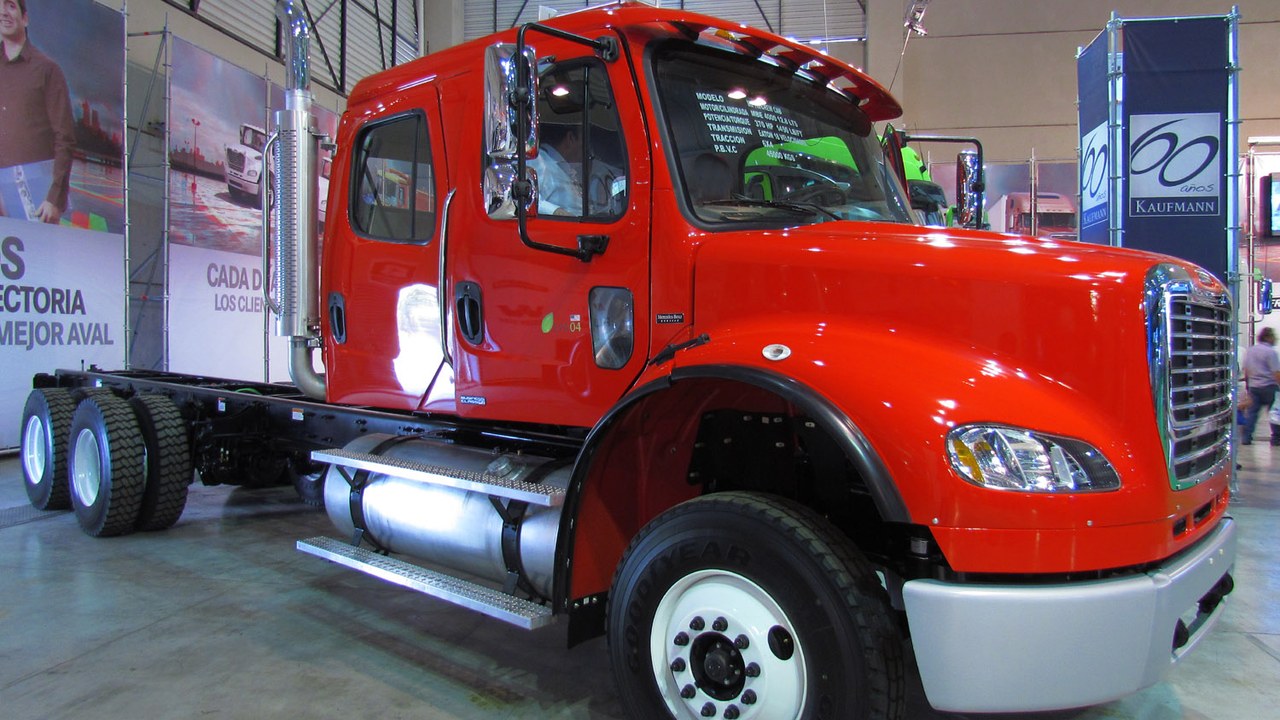
Pierce builds its commercial-chassis pumpers, tankers and rescues on the Freightliner M2-106, the same medium-duty truck chassis Freightliner sells for box trucks and delivery fleets, according to Pierce’s own commercial-chassis lineup.
Departments pick a commercial cab over Pierce’s custom fire chassis mainly for cost and familiarity, since a dealer network already stocks the parts and mechanics already know the drivetrain from servicing ordinary delivery trucks in the same fleet yard. Pierce still builds the pump, tank and body to the same specification regardless of chassis, so a commercial-cab engine carries the identical firefighting capability of one built on a custom frame, just at a lower purchase price.
5. Alexis wildland brush truck on a Ford F-550 4×4: A Crew-Cab Wildland Rig
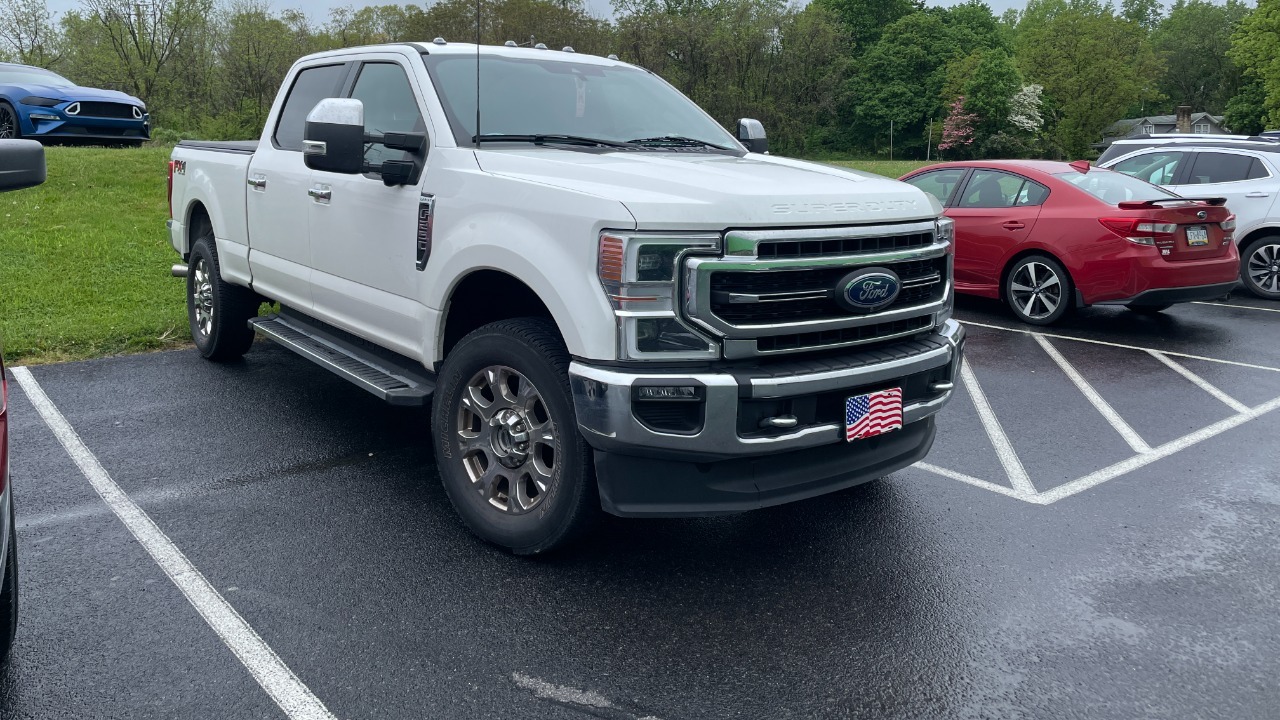
Alexis built this brush truck for the Nauvoo Fire Protection District on an F-550 crew-cab 4×4 chassis carrying a 300-gallon skid tank, a Waterous portable pump and a Warn winch, per the builder’s delivered-unit spec sheet.
Mounting the tank on a stock crew-cab chassis instead of a purpose-built wildland frame keeps the price down and lets a department seat a full crew, so the same rig that fights a grass fire can double as everyday utility transport. The 4×4 drivetrain and the winch matter more than raw tank capacity on this kind of call, since reaching a fire through soft ground or a blocked access road decides whether the truck gets water on the flames at all.
6. 4 Guys heavy rescue body on a Ford F-550: One Body, Two Chassis Sizes
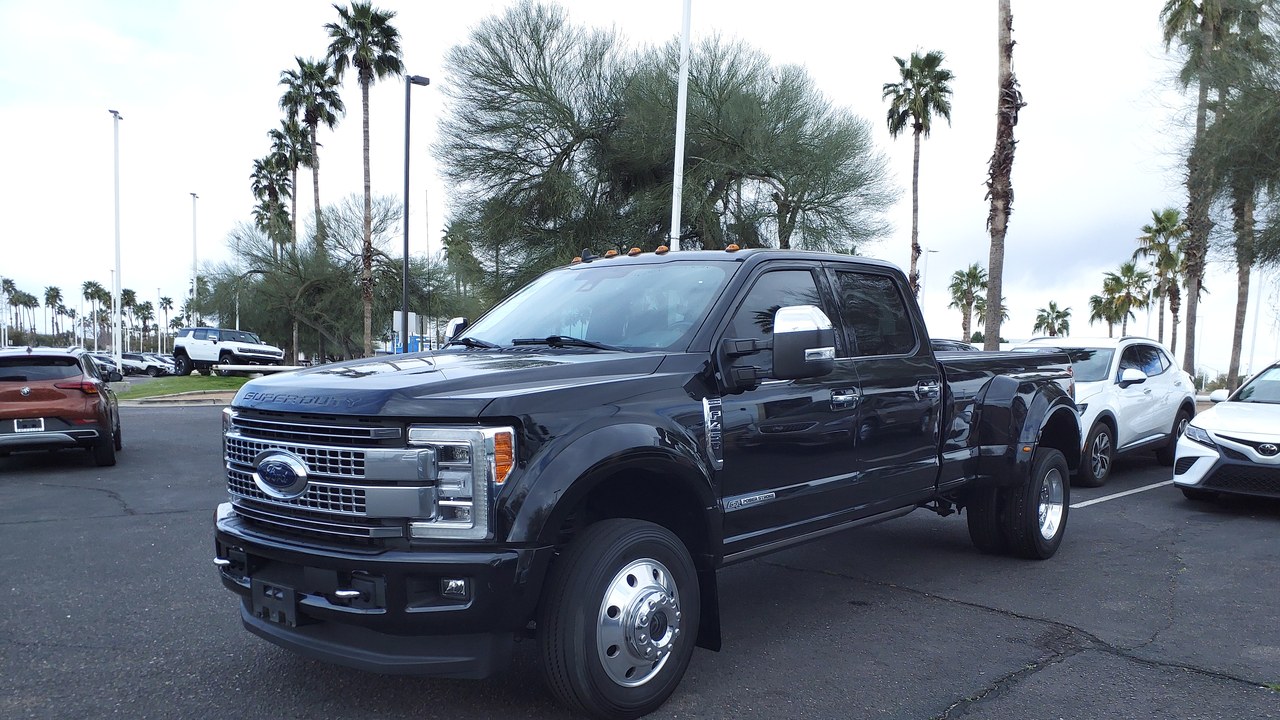
4 Guys builds this stainless-steel heavy-rescue body identically whether it lands on an F-550 or a tandem-axle commercial chassis, putting a full rescue compartment layout on a pickup-based frame, according to a heavy-rescue chassis feature.
Smaller departments favor the F-550 version because it drives and parks like the pickups their members already handle daily, avoiding the wider turning radius and commercial license requirements that come with a tandem-axle rescue truck. The identical body also means a department can upgrade from a single rear axle to a tandem-axle rig later without redesigning the compartments, tool boards or generator mounts already built into the rescue body.
7. Rosenbauer Type 3 wildland pumper on an International HV507: Four Doors For Four Firefighters
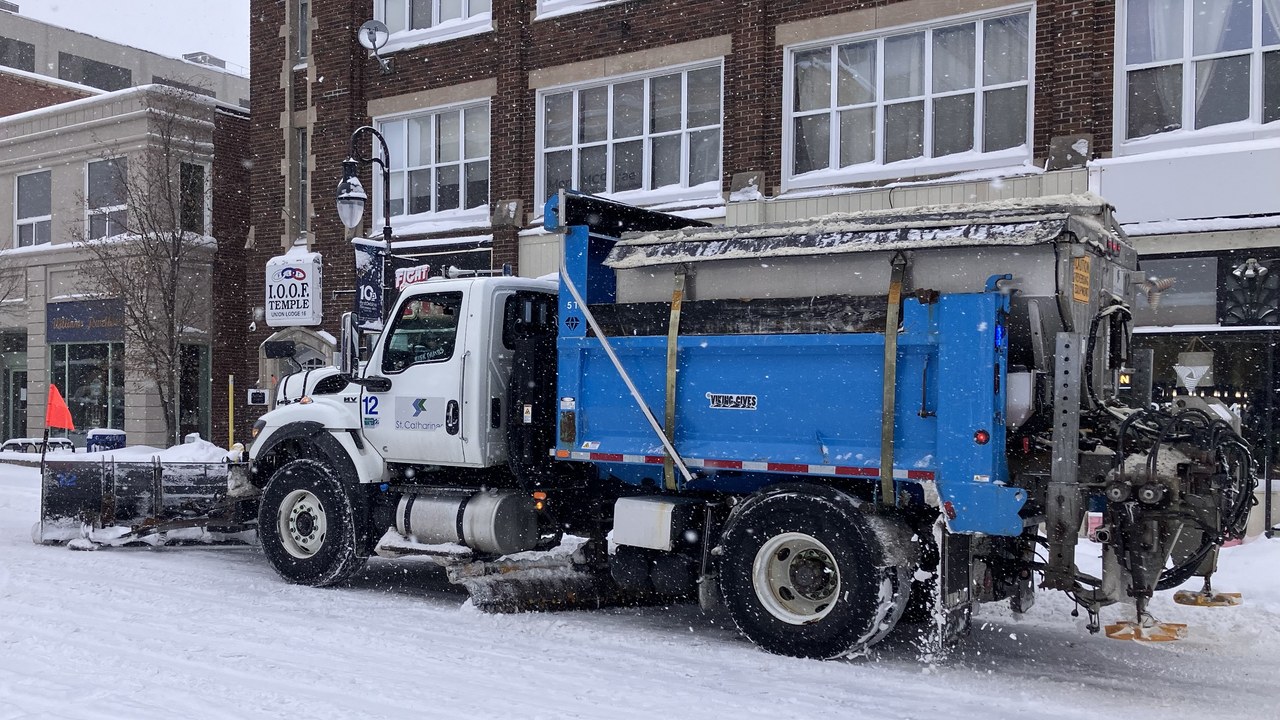
A Colorado fire district runs its Rosenbauer Type 3 wildland pumper on an International HV507 four-door 4×4 commercial cab and chassis with seating for four firefighters, as detailed in an apparatus purchasing guide.
A commercial vocational chassis like the HV507 already comes rated for the plow frames and dump bodies municipalities buy for road crews, so building a wildland pumper on it means the district can order the crew cab off a standard production line. Seating four firefighters instead of two also lets the district run the pumper as its primary wildland unit rather than pairing it with a separate crew-hauling vehicle on every dispatch.
8. Rosenbauer tanker on a Freightliner 108SD: A Chassis Sold For Dump Trucks
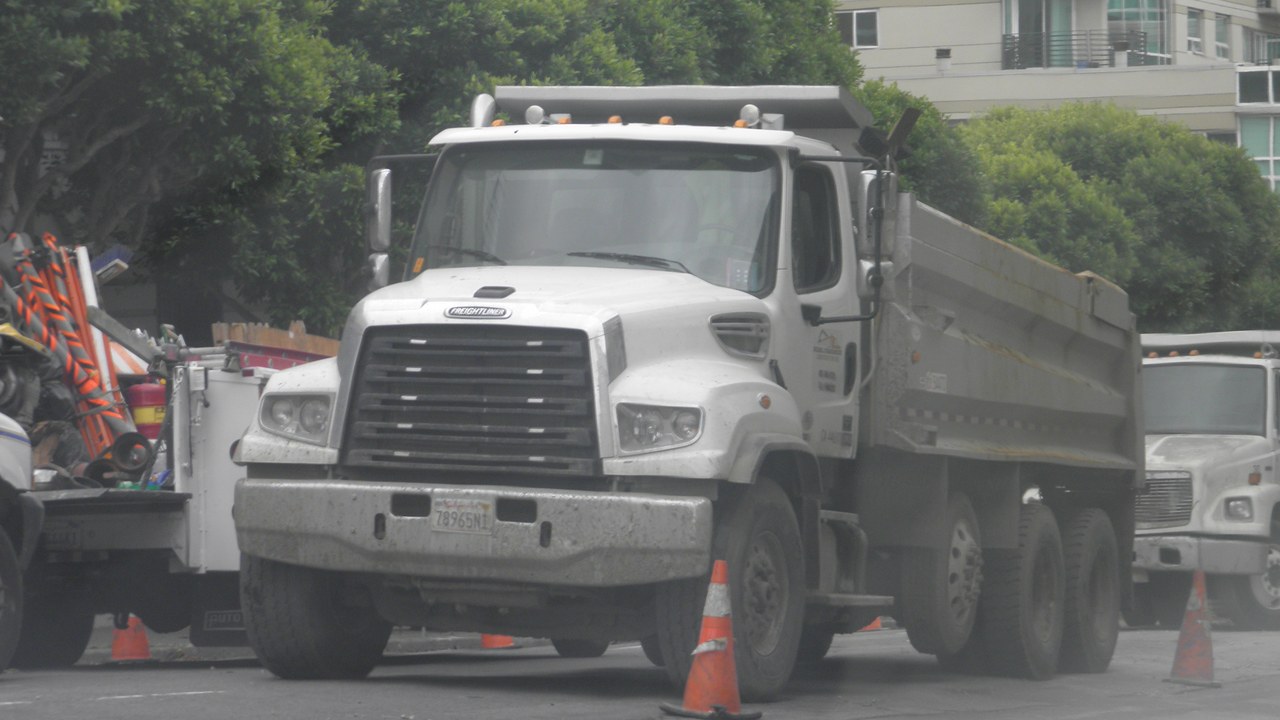
This Rosenbauer tanker rides on the Freightliner 108SD cab and chassis, a severe-duty commercial platform Freightliner also sells for dump trucks and refuse haulers, per the same rescue and tanker spec feature.
Sharing a chassis with vocational work trucks means a tanker’s frame, axles and brakes are already proven under heavy, constantly loaded cycles, which matters most when the tank behind the cab is carrying thousands of pounds of water to a rural scene. Rural and volunteer departments lean on commercial platforms like the 108SD precisely because a full water tanker gets little daily use, and a proven work-truck chassis needs less specialized upkeep between calls.
More from Morning Overview
- Automakers are quietly dropping the stop-start feature many drivers love to hate
- A granite sarcophagus surfaced in Egypt with its original lid still sealed
- The FBI tells phone owners to delete these toll-payment texts draining accounts nationwide
- Herbal supplements are landing Americans in the hospital with liver damage, doctors warn
