
Mechanics see the same names come back again and again, engines with a defect baked in at the factory rather than caused by neglect. A recall number, a class-action settlement or a manufacturer’s own service bulletin backs each failure mode below, from cracked crankshafts to oil-starved lifters. Here are eleven engines that earned a warning label from the people who actually work on them.
1. Hyundai and Kia Theta II 2.0T and 2.4 GDI: A Four-Million-Car Recall
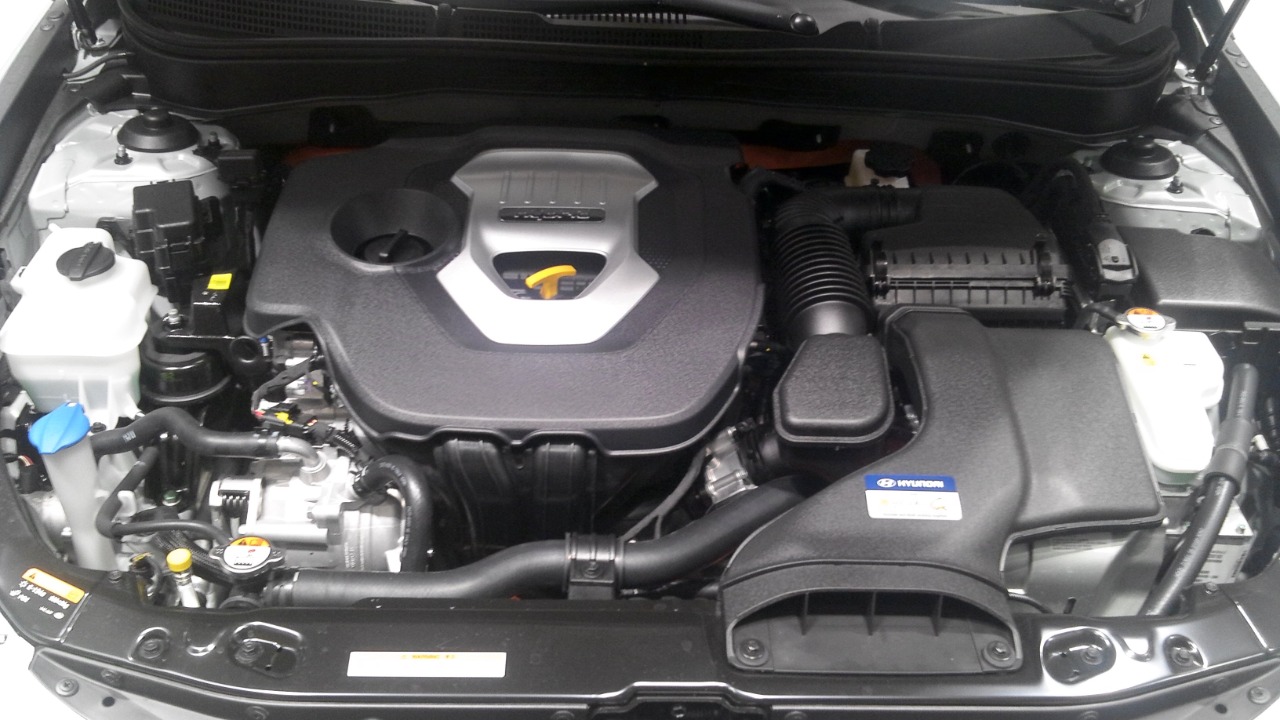
A machining defect left metal shavings in the crankshaft oil passages of the Theta II 2.0-liter turbo and 2.4-liter GDI engines, and the debris slowly scored the rod bearings until the crankshaft seized without warning. Hyundai and Kia sold the engine across a decade of Sonatas, Optimas, Sportages and Souls, and a 2020 class-action settlement covered roughly 4.1 million of them.
The settlement extends a lifetime short-block warranty to affected cars regardless of owner, so a used buyer should check the VIN before assuming a rebuilt engine means the coverage is gone, since a seized crankshaft otherwise means a full engine swap.
2. Kia 1.6 Gamma GDI: The Recall Over Fire Risk

High exhaust temperatures inside the 1.6-liter Gamma GDI engine can crack a piston, snap the connecting rod and punch a hole straight through the engine block, spilling hot oil onto the exhaust system underneath. NHTSA recall 19V-120 covers 378,967 Kia vehicles built with the engine, citing the fire risk that follows a punctured block.
Owners should confirm their VIN against the recall rather than waiting for a rattle, since the failure can happen suddenly and the leaked oil landing on a hot exhaust manifold is what turns a blown engine into an engine fire.
3. GM 1.4 Turbo LUJ and LUV: The Repair That Fails Itself

A torn diaphragm inside the crankcase-ventilation valve lets the 1.4-liter turbo run lean, triggering rough idle and check-engine codes across Chevrolet Cruzes, Sonics and other small GM cars built with the LUJ and LUV engines. A documented repair trap catches owners who replace only the valve cover, since a failing intake check valve tears the new diaphragm again within 500 to 1,000 miles.
A shop that changes just the valve cover is treating the symptom, not the cause, so a lasting fix means replacing the check valve at the same time rather than paying for the same repair twice.
4. GM 5.3 V8 with Active Fuel Management: Four Cylinders, One Pattern
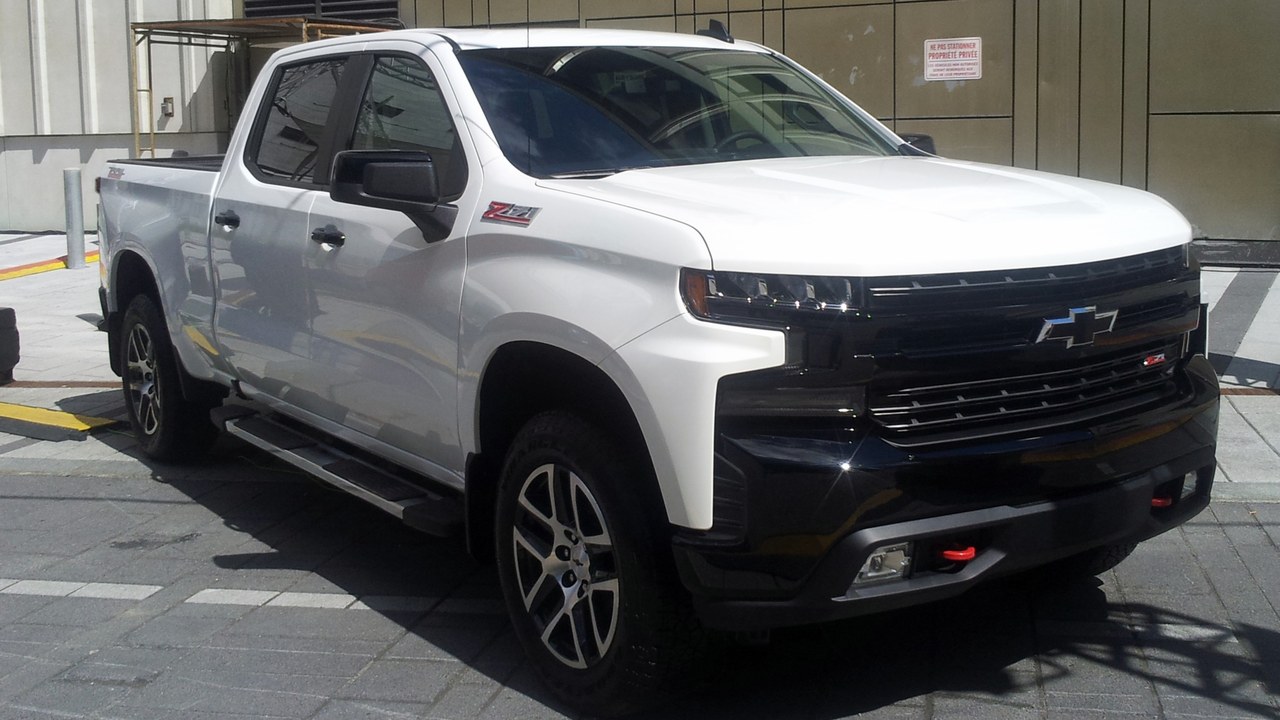
Active Fuel Management shuts down cylinders 1, 4, 6 and 7 to save fuel on the highway, and the lifters built to switch those four cylinders on and off are the ones that collapse first. A misfire isolated to exactly those cylinders is the tell mechanics look for in Silverados, Suburbans, Tahoes and Sierras carrying the 5.3-liter V8.
The standard repair replaces all 16 lifters rather than just the four that failed, and many independent shops delete Active Fuel Management entirely at the same time so the same collapse cannot happen again.
5. 3.0 EcoDiesel V6 with the Bosch CP4.2 pump: A Pump Built For The Wrong Fuel
The Bosch CP4.2 high-pressure pump was engineered around Europe’s higher-lubricity diesel, and on American fuel it can gall internally and shed metal debris through the fuel rails, injectors and tank. NHTSA recall 22V767 documents failures on the 3.0-liter EcoDiesel V6 as early as 20,000 miles, well short of normal engine life.
Once metal debris reaches the injectors, a fuel-system flush is not enough, since contaminated rails and injectors typically need full replacement alongside the pump to keep the same debris from recirculating.
6. Chrysler 3.6 Pentastar V6, 2011-2013 heads: A Casting Flaw In The Early Heads

A casting defect in the driver-side cylinder head let cracks form between the valve seats on early Pentastar engines, a problem Chrysler acknowledged directly in its own service bulletin 09-002-14. The 2011-2013 3.6-liter V6 also pairs the flaw with an oil filter housing that eventually leaks on essentially every unit built.
A coolant loss with no visible external leak on one of these years is the pattern worth chasing, since a cracked head hides inside the engine while the oil housing leak is easier to spot and cheaper to fix first.
7. Subaru FB20 flat-four: Burning A Quart Every Thousand Miles

An oil-control piston ring defect inside the FB20 flat-four lets oil slip past into the combustion chamber, and Subaru’s own bulletin 02-157-14R documents units burning roughly a liter of oil every 1,500 kilometers. The engine powered Impreza, Crosstrek and XV models across more than a decade.
Subaru extended the powertrain warranty to eight years or 100,000 miles to cover the defect, so an owner who keeps the oil level topped up should still push for the warranty repair rather than accept the consumption as normal.
8. Nissan VQ40DE 4.0 V6: The Rattle That Warns Of Jumped Timing
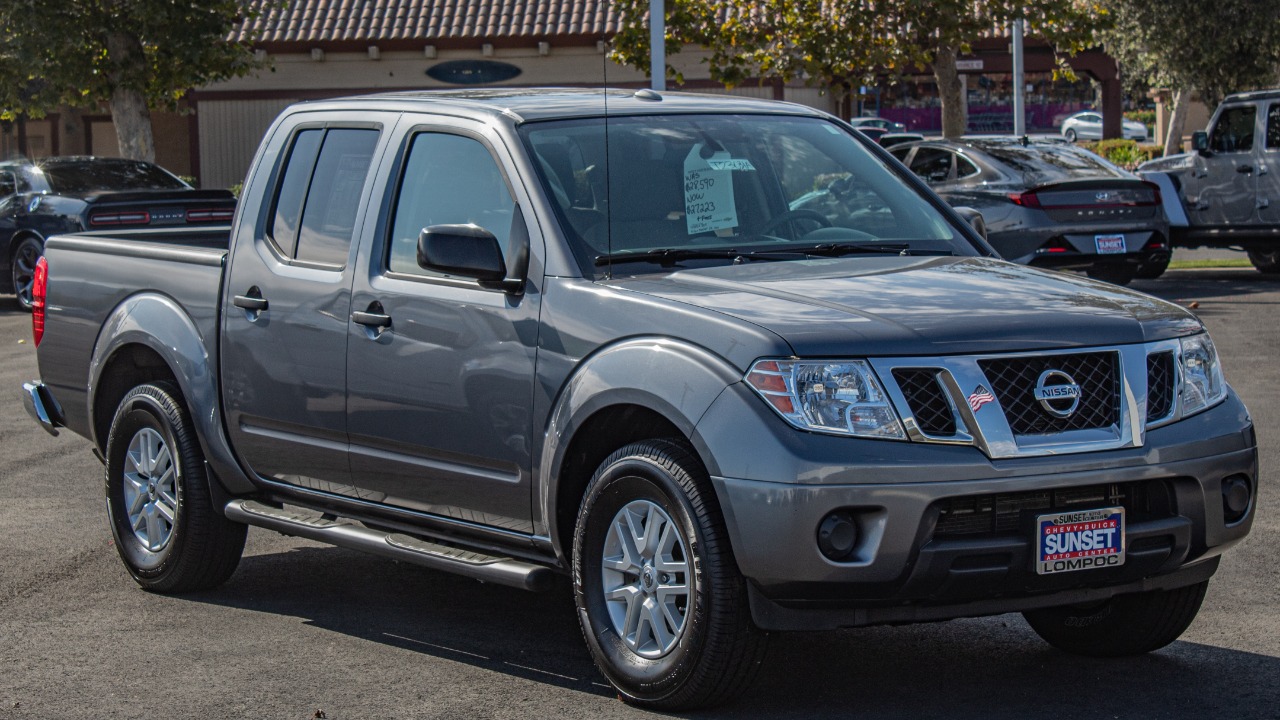
Sharp stamping burrs on the VQ40DE’s timing-chain set wear down the tensioner, and the result is a rattle on cold start that mechanics compare to a diesel engine. The documented wear pattern matters because the 4.0-liter V6 is an interference design, so a jumped chain can bend valves against the pistons.
A cold-start rattle on this engine is not cosmetic noise to ignore, since letting the chain stretch further raises the odds the timing slips and turns a chain job into a full valve and piston repair.
9. Honda J35 V6 with Variable Cylinder Management: Oil Slipping Past Closed Valves

Variable Cylinder Management shuts the valves on some cylinders while the pistons keep stroking beneath them, and that motion draws oil past the rings and fouls the spark plugs over time. A 2013 class-action settlement addressed the pattern on Pilots, Odysseys and Accords carrying the J35 V6.
A rough idle or a misfire code that only appears under light cruising load is the signature to watch for, since it points at VCM oil consumption rather than a simple tune-up issue.
10. Ford 2.0 and 2.3 EcoBoost four-cylinder: No Leak On The Ground To Warn You

Coolant can intrude directly into the cylinders from inside these EcoBoost four-cylinders, so there is no puddle under the car and no external leak to warn a driver anything is wrong. The documented failure lets owners keep topping up the coolant reservoir until the engine overheats.
A cooked cylinder head from this failure runs $5,000 to $9,000 to replace, so a coolant level that keeps dropping with no visible leak anywhere is reason enough to have the engine checked before it overheats.
11. Ford 3.5 EcoBoost twin-turbo V6: Cam Phasers That Rattle Cold

Oil-pressure-dependent cam phasers on the 3.5-liter EcoBoost wear over time and rattle audibly on a cold start before the engine eventually throws camshaft correlation codes. Ford’s own customer satisfaction program 21N03 acknowledges the defect on 2017-2020 F-150 trucks built with the engine.
A cold rattle that fades once oil pressure builds is the early sign, and an owner outside the covered model years should still ask a dealer to check eligibility before paying to replace the phasers out of pocket.
More from Morning Overview
- A granite sarcophagus surfaced in Egypt with its original lid still sealed
- The FBI tells phone owners to delete these toll-payment texts draining accounts nationwide
- Herbal supplements are landing Americans in the hospital with liver damage, doctors warn
- Long-term use of common heartburn pills is linked to kidney and dementia risk
