
Reliability rankings rise and fall on the same thing every year: what owners report going wrong after the warranty paperwork is filed. The 2026 Consumer Reports reliability rankings again separate the brands that age quietly from those that generate service visits. Here are nine car brands that owners flag for problems more often than the rest.
1. Rivian: Dead Last In The Rankings
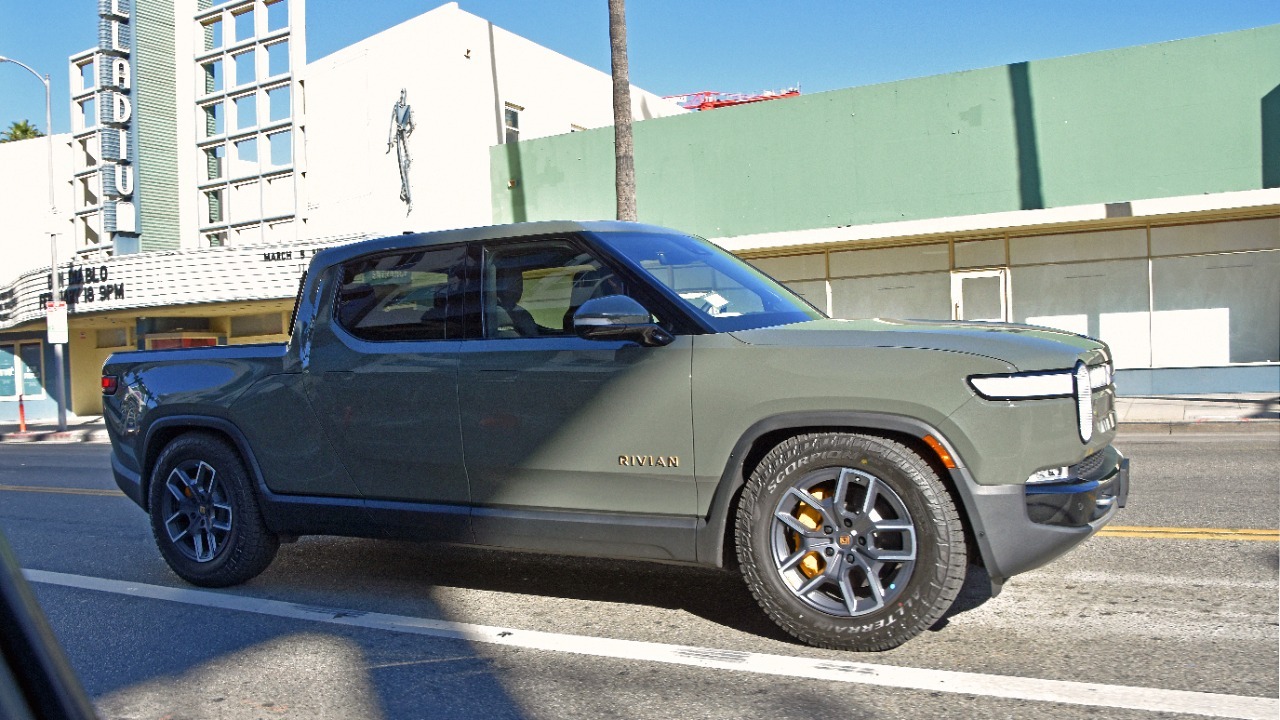
No brand scored worse in the 2026 Consumer Reports reliability rankings than Rivian, which landed last of 26 brands rated. That result places the electric truck and SUV maker behind every established automaker in the survey, a hard verdict for a company whose entire pitch rests on reinventing how a vehicle is engineered.
A bottom finish reads differently for a young manufacturer than for a century-old one, since Rivian has far fewer model generations behind it. Even so, a reliability rank reflects what current owners actually experienced, not what a future revision might fix. Resale values track published scores closely, which turns a last-place ranking into an expensive line item at trade-in time.
2. Jeep: Off-Road Image, Owner Complaints
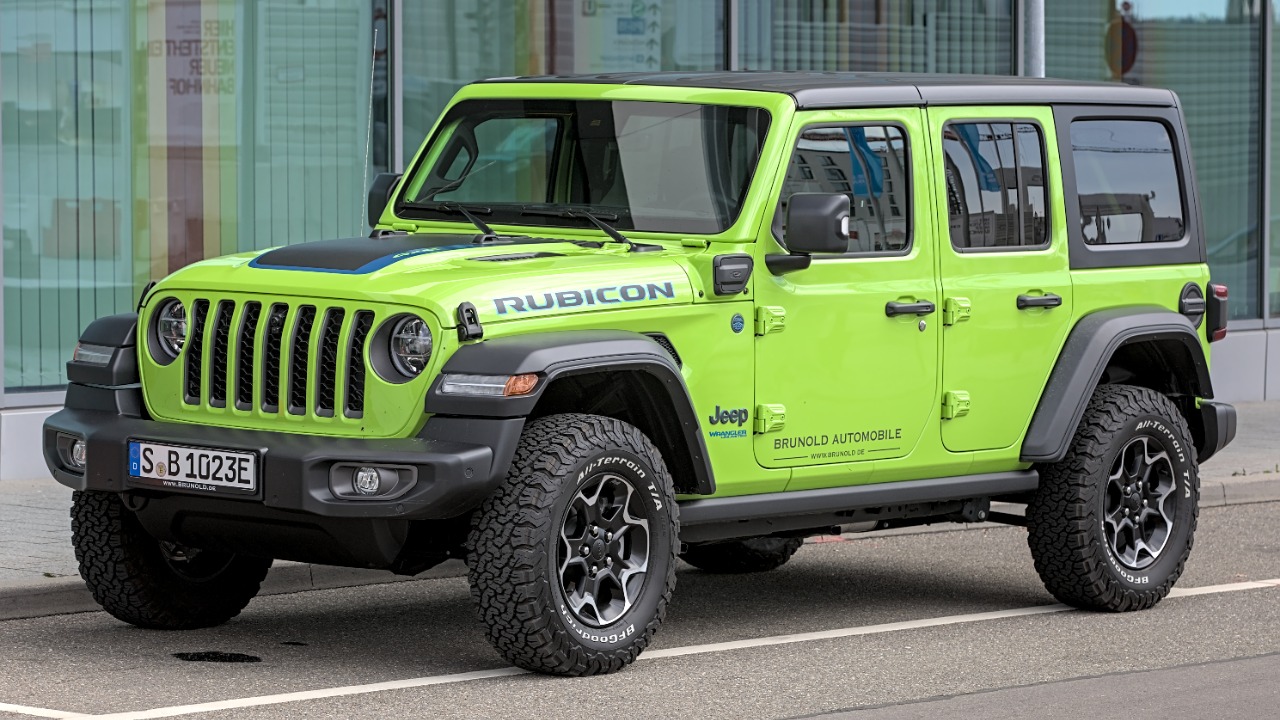
Jeep sits among the American brands rated poorly for reliability by Consumer Reports, a placement that has become familiar rather than surprising. The Stellantis marque sells on off-road capability and unmistakable styling, and its survey results indicate that character arrives with a maintenance trade-off attached.
Weak reliability marks matter most on vehicles bought for adventure use, where a failure happens far from the nearest dealer. Anyone weighing a Wrangler or Grand Cherokee against a rival is better off budgeting shop time than assuming it away. Extended coverage gets priced off the same repair patterns, so the cost surfaces one way or another.
3. GMC: Near The Bottom Again
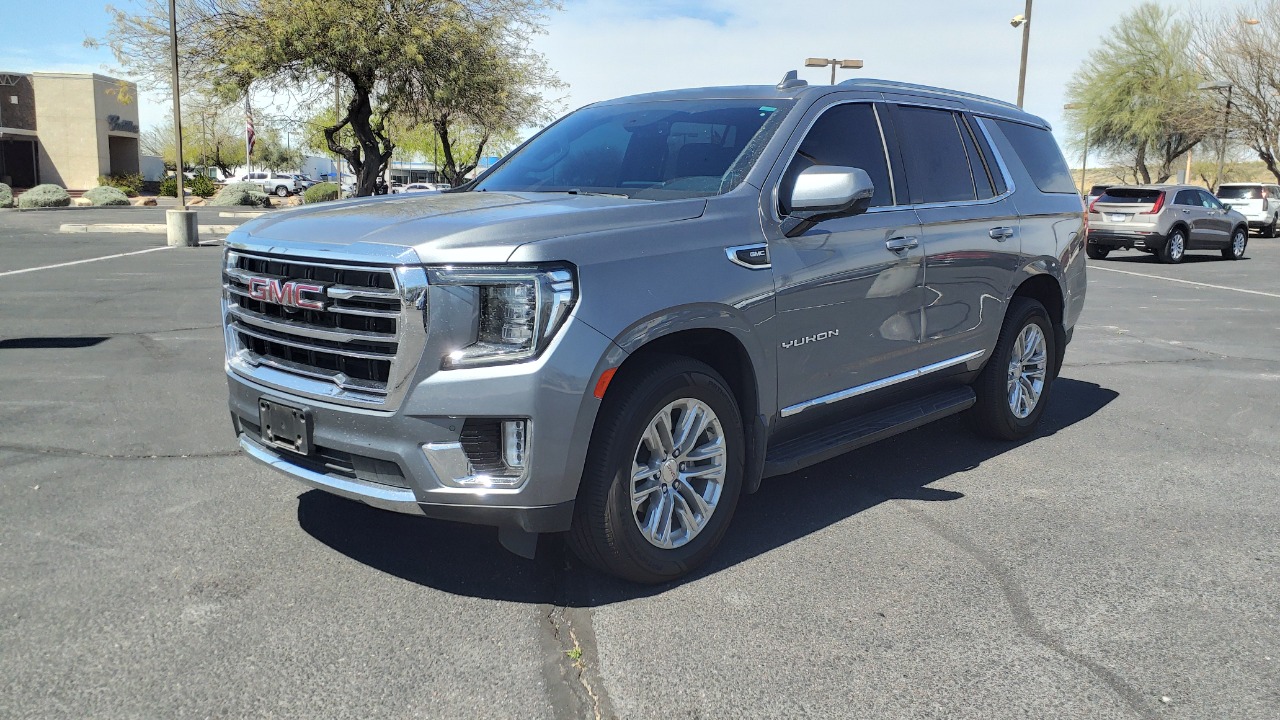
General Motors’ premium truck division landed near the bottom of the 2026 reliability rankings. GMC shares most of its engineering with Chevrolet, which means the problems owners report rarely stay confined to a single badge, and the division’s volume sits in the largest, most component-dense vehicles GM builds.
Full-size trucks and SUVs are expensive to repair simply because their parts are big, so a mediocre score translates into larger bills rather than more frequent ones. Towing and fleet buyers feel that arithmetic first, since downtime costs more than the component. A low ranking also complicates certified pre-owned pricing, where perceived durability drives the premium.
4. Chrysler: A Perennial Low Scorer
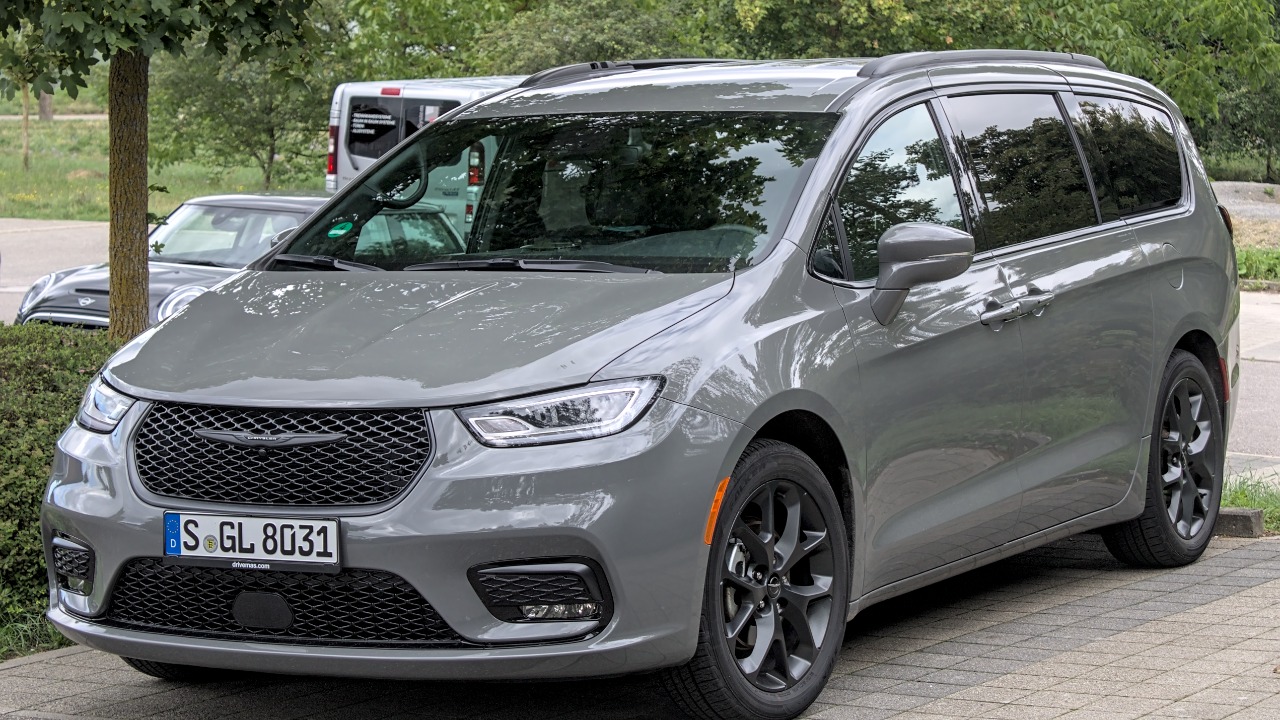
Chrysler has been a perennial low scorer in owner-reported reliability, a pattern that predates its current, unusually narrow lineup. The brand now leans on the Pacifica minivan for most of its volume, which concentrates any quality complaint into a very small catalogue instead of spreading it across a dozen nameplates.
Minivans get used hard by families, so electrical faults and interior wear register as daily annoyances rather than occasional ones. With fewer models to absorb risk, one weak system can define an entire brand’s score. Shoppers cross-shopping the Honda and Toyota equivalents will find that reputational gap already priced into resale figures.
5. Ram: Heavy Duty, Heavy Complaints
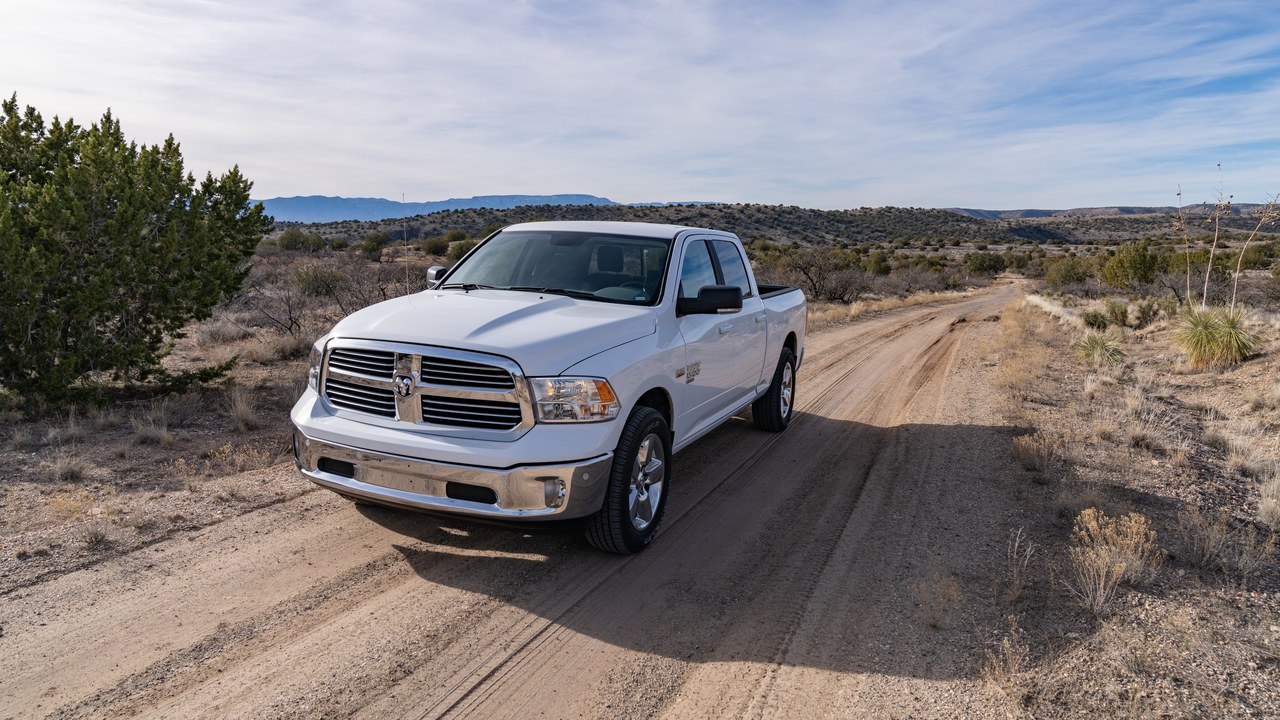
Ram’s heavy-duty pickup line carries a reliability record weighed down by owner complaints, even as the brand competes hard on ride quality and interior finish. Splitting off from Dodge gave the trucks a distinct identity, though not a clean slate on the durability surveys that shape how pickups get cross-shopped.
Work trucks accumulate miles faster than almost anything else on the road, which exposes weak components early and repeatedly. A repair that counts as an inconvenience in a commuter car becomes lost billable days for an owner-operator. Warranty terms and local dealer service capacity therefore matter as much as horsepower and towing figures in this segment.
6. Cadillac: Luxury Undone By Electronics
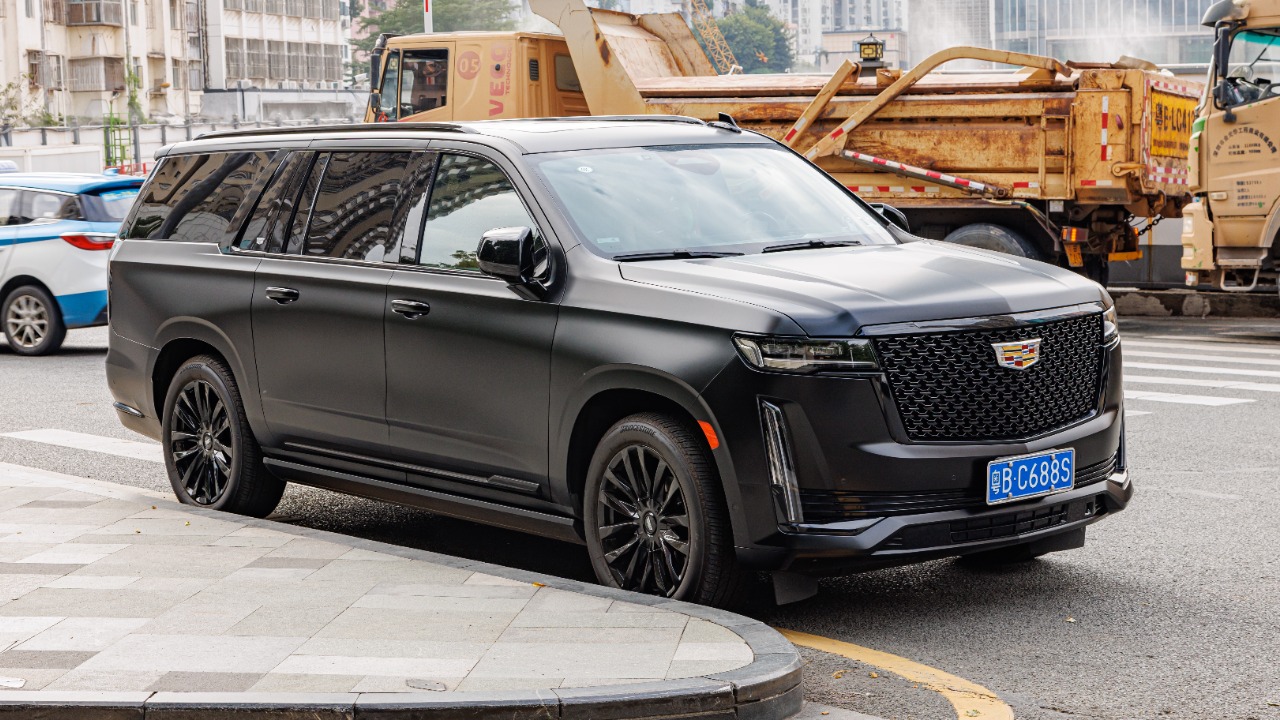
Cadillac’s reputation is dogged by electronics and build issues, the two areas luxury buyers tolerate least. Large screens, driver-assistance hardware and connected services add failure points a simpler car never had, and General Motors routes its newest technology through this badge before it reaches the mainstream lineup.
Once factory coverage lapses, a luxury electronics fault is rarely a cheap fix, because modules tend to be sold as complete assemblies rather than repairable parts. Second and third owners absorb that cost long after the original lease ended. It also helps explain why big American luxury SUVs depreciate faster than their window stickers suggest.
7. Lincoln: Ford’s Badge, Low Scores
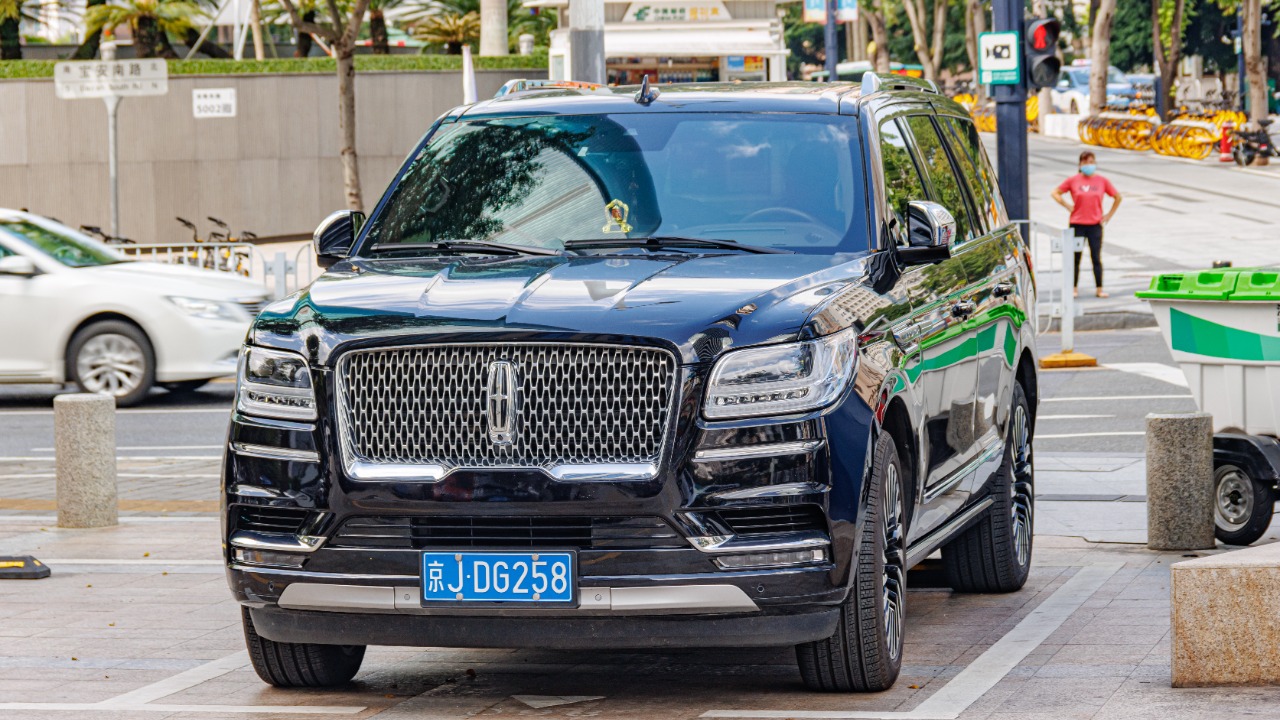
Lincoln, Ford’s luxury badge, lands low on reliability surveys despite selling on comfort and quiet. Much of the lineup is engineered alongside mainstream Ford models, so both brands inherit the same trouble spots while Lincoln asks a premium for the richer materials wrapped around them.
That shared-parts reality cuts in two directions: repairs are often no more exotic than a Ford’s, yet expectations were set at a luxury price. Owners comparing Lexus or Acura ownership costs notice the difference in survey results more than in the showroom. Resale reflects it as well, narrowing the gap between a new purchase and a two-year-old one.
8. Volkswagen: Trouble Spots As It Ages
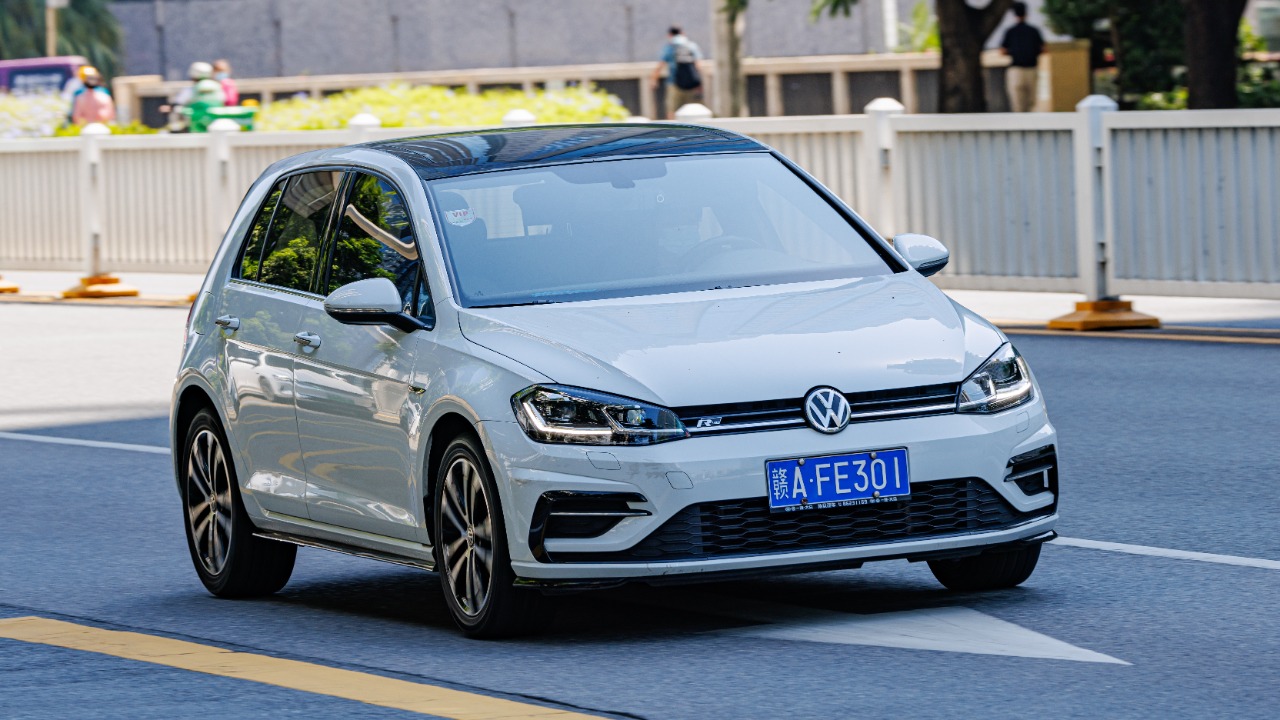
Volkswagen owners report frequent trouble spots as their cars age, a pattern that separates the brand’s early ownership experience from its later one. German engineering delivers a solid feel from the showroom floor, but survey data tracks what happens once mileage climbs and components begin reaching their service limits.
Age-related failures are the expensive kind, because they arrive after factory coverage has expired. Independent shops can undercut dealer service on a Volkswagen, though parts availability varies more than it does on a domestic equivalent. For used-car shoppers, a documented service history counts for more here than a low odometer reading.
9. Mercedes-Benz: Complexity Costs It Points
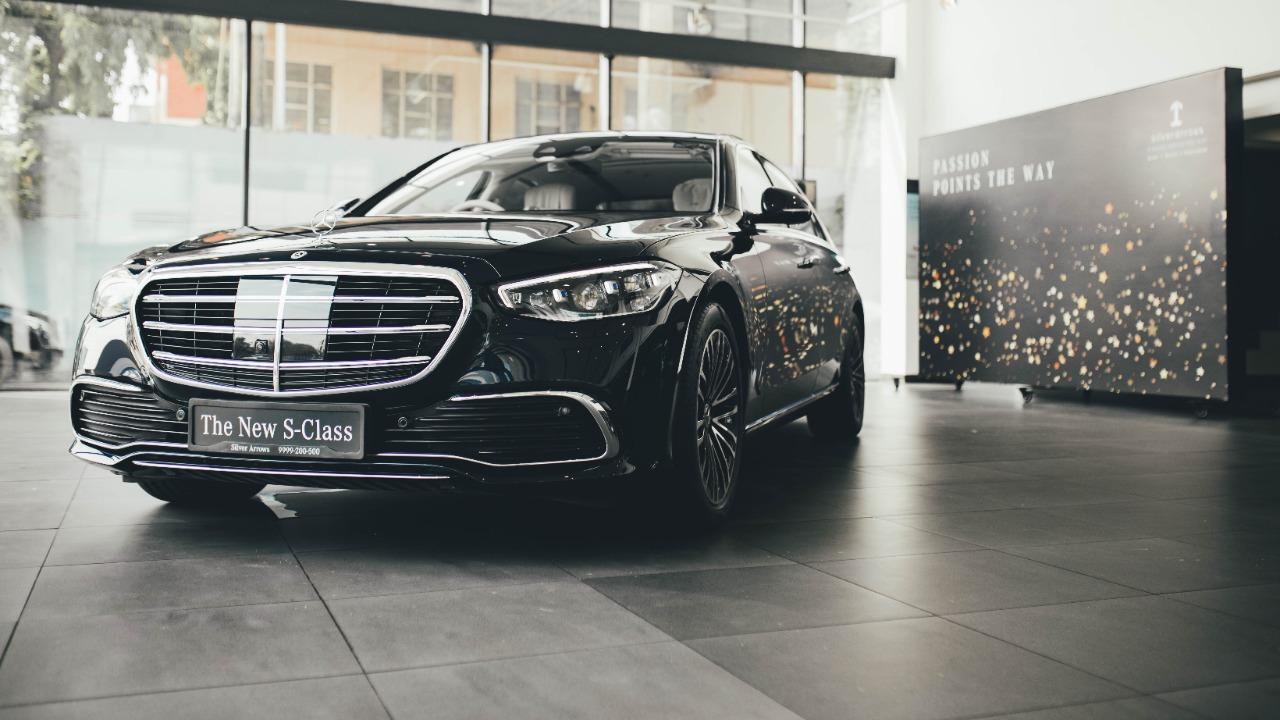
Complexity is what drags Mercedes-Benz down the reliability rankings: the company debuts its most advanced onboard technology on flagship sedans before letting it filter through the rest of the range. Air suspension, layered infotainment and extensive driver-assistance systems each add capability, and each adds another component that can fail.
The result is a familiar ownership curve, near-flawless under warranty and increasingly costly once specialist labor is involved. Depreciation on a large luxury sedan runs steep enough that a decade-old example looks like a bargain until one suspension or module repair arrives. Skipping the service history is the expensive version of that mistake.
More from Morning Overview
- A California supervolcano has bulged upward about two and a half feet since 1978
- The FTC is warning about a scam quietly draining thousands from victims
- The NSA is again telling phone owners to switch off one location setting
- A handful of car transmissions are so tough mechanics say they almost never fail
