
Most vehicles on American roads are scrapped long before the odometer approaches a quarter-million miles. A durability study from iSeeCars put hard numbers on which nameplates defy that pattern, ranking brands by the share of their vehicles predicted to survive to 250,000 miles. Here are nine car brands that reach that mark far more often than the industry average.
1. Toyota: The Benchmark For Longevity
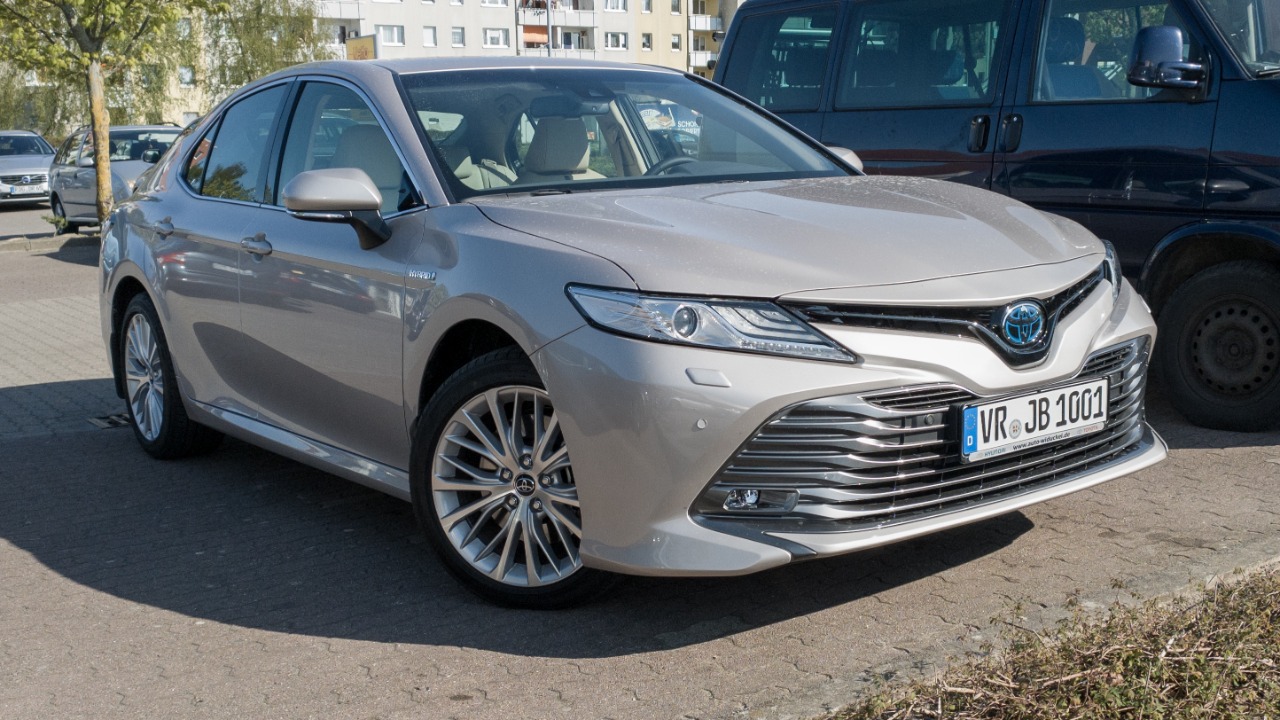
Toyota tops the ranking with a 17.8% predicted rate of reaching 250,000 miles, a figure the study places at nearly four times the industry average. That gap is not a rounding difference between rivals; it is a separate tier. The iSeeCars durability study measured the share of each brand’s vehicles expected to survive to that odometer reading rather than average age or resale value.
The practical consequence is depreciation math that favors buying used. A Toyota showing six figures on the odometer sits closer to the middle of its service life than the end, which changes how a high-mileage listing should be read. Maintenance discipline still decides the outcome for any individual car.
2. Lexus: Luxury Built On Toyota Bones
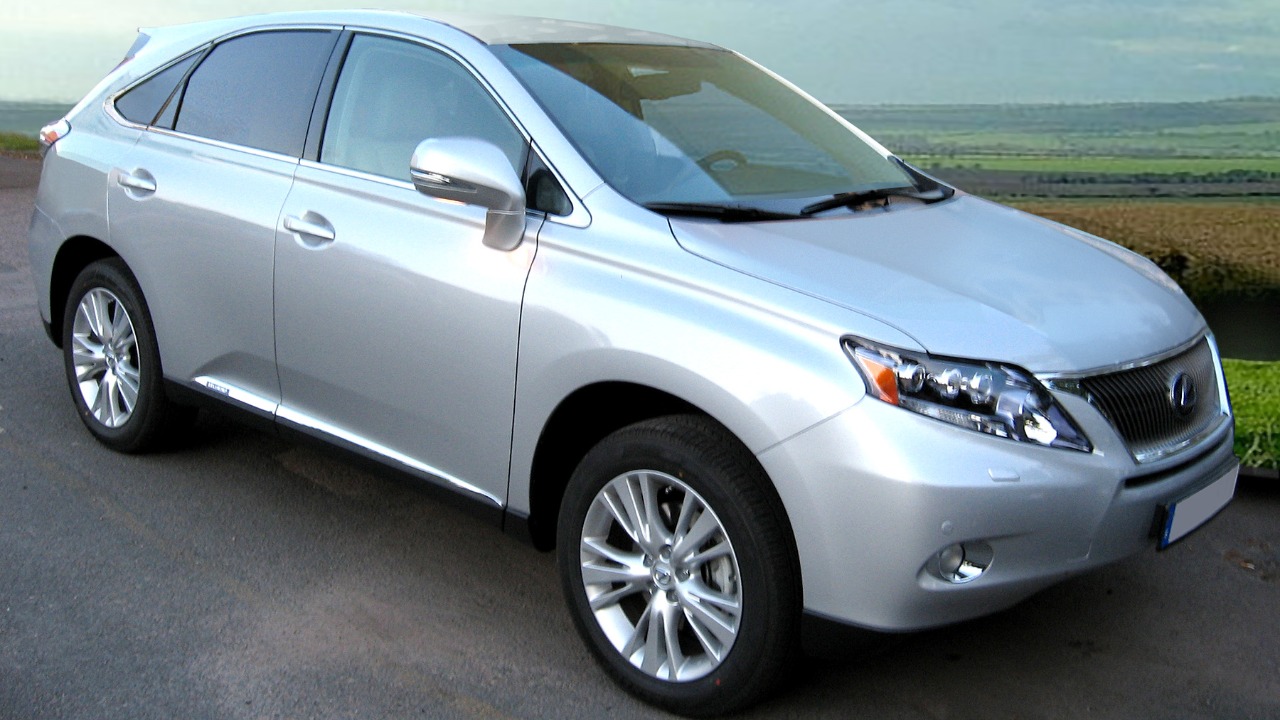
Lexus sits high on the same list because it is not a separate engineering culture. Toyota’s luxury arm draws on the same powertrains, tolerances, and supplier base that carry the mainstream brand, then adds sound insulation and interior materials. The brand longevity rankings treat the two badges as distinct entrants, yet the mechanical overlap explains why they finish near each other.
For a buyer, that overlap turns a used Lexus into a Toyota drivetrain wearing a costlier interior. The tradeoff arrives at the repair counter, where air suspension, adaptive dampers, and infotainment modules cost more to replace than the equivalent economy parts. Longevity here is about the engine outlasting the electronics.
3. Honda: Depth Across The Lineup
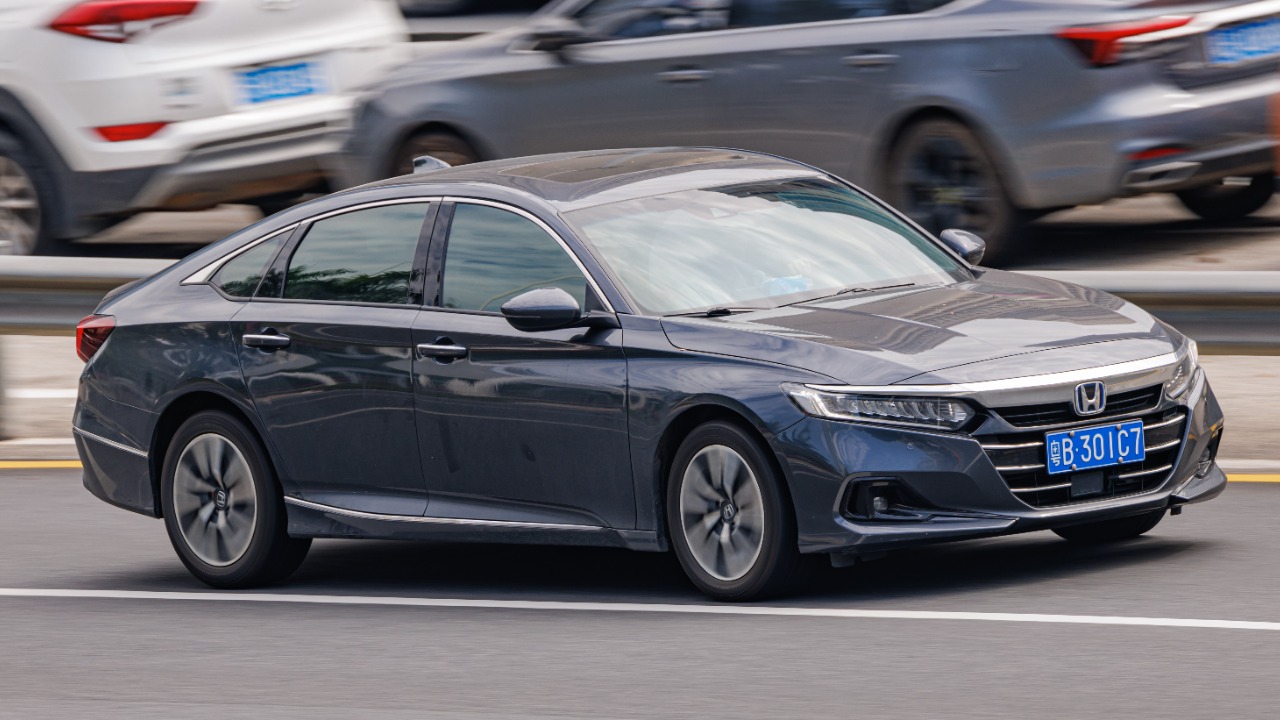
Honda’s placement rests on breadth rather than one standout nameplate. Sedans, compact crossovers, and minivans all contribute vehicles that stay registered well past the point where most competitors thin out, which lifts the brand average instead of a single model carrying it. The longest-lasting brands study scores each marque on the full mix it sells, so a deep bench of durable models matters more than a halo car.
That pattern is visible in the used market, where high-mileage Hondas trade at prices that assume more life left. Timing belts, transmission fluid intervals, and rust in salt states remain the usual limiting factors. A neglected example fails as fast as any other brand’s.
4. Acura: Honda Engineering, Premium Badge
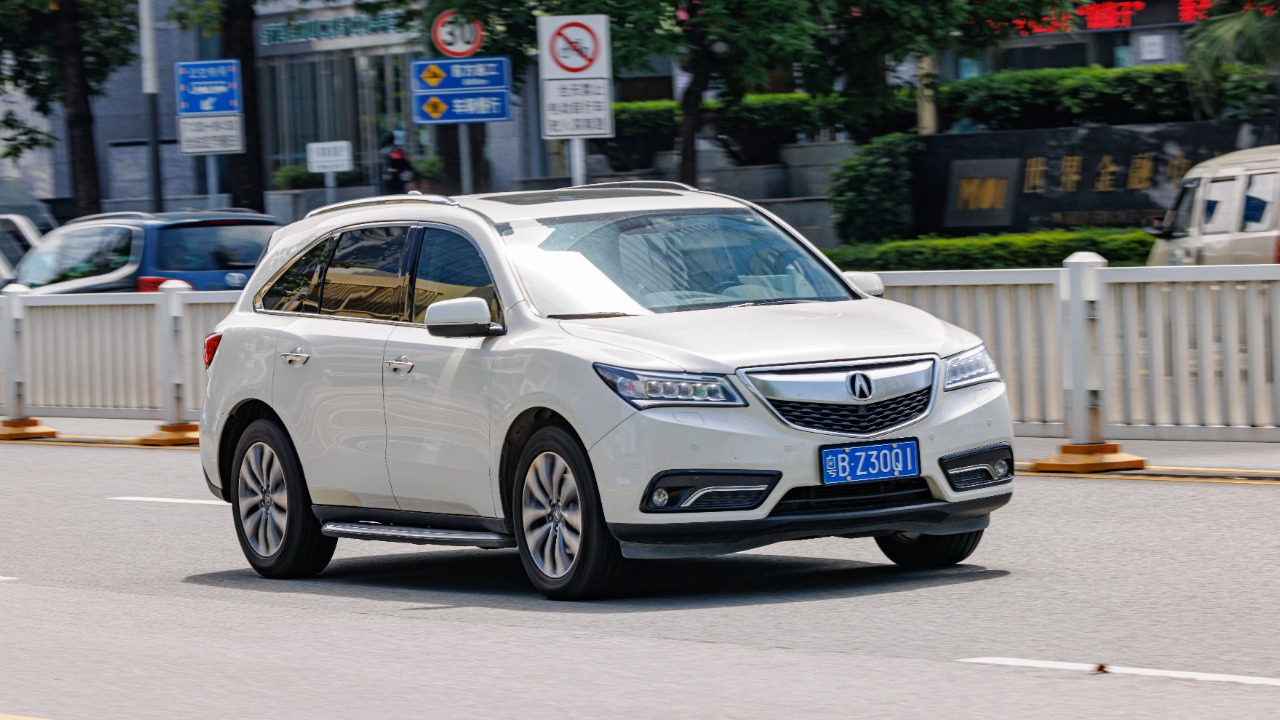
Acura earns its standing the way Lexus does, by inheriting a parent company’s durability rather than building a separate one. Honda’s premium division shares engines, platforms, and assembly plants with the mainstream lineup, and its long-running SUVs and sedans age on a similar curve. The luxury positioning changes trim and price, not the underlying mechanical recipe.
Buyers cross-shopping German rivals often find the running costs lower for that reason, since parts commonality with Honda keeps common repairs affordable. The exceptions are the brand’s performance hardware and torque-vectoring all-wheel-drive systems, which are more complex and more expensive when they fail. Routine service history still separates a survivor from a project.
5. Tesla: Fewer Parts To Wear Out
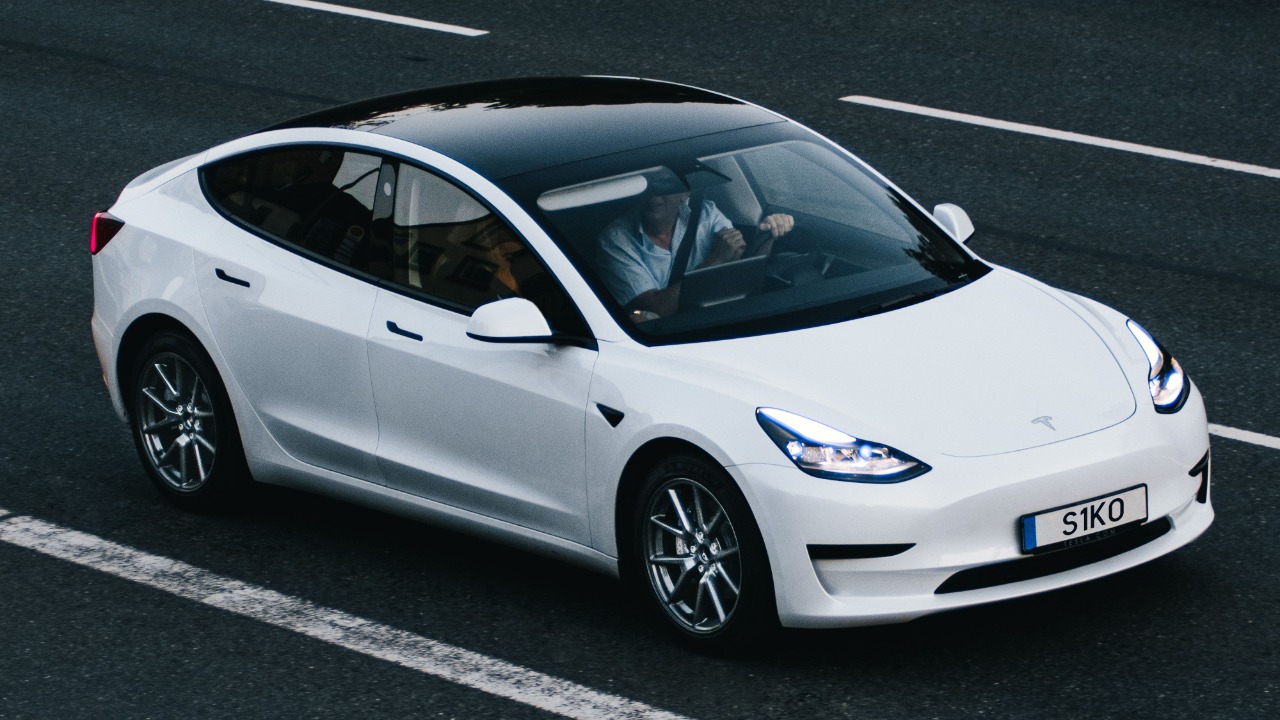
Tesla lands on the list on the strength of an unusual comparison: the study found its vehicles twice as likely as Subarus to reach 250,000 miles. An electric-only automaker avoids the wear items that retire combustion cars, since there is no timing chain, exhaust system, or transmission to rebuild. Battery degradation replaces engine failure as the limiting factor.
That shifts the risk rather than removing it. A pack replacement is a single large expense instead of a decade of smaller ones, and out-of-warranty repairs depend heavily on service-center access. Brakes also last unusually long because regenerative braking does most of the slowing.
6. Subaru: All-Wheel Drive And High Mileage
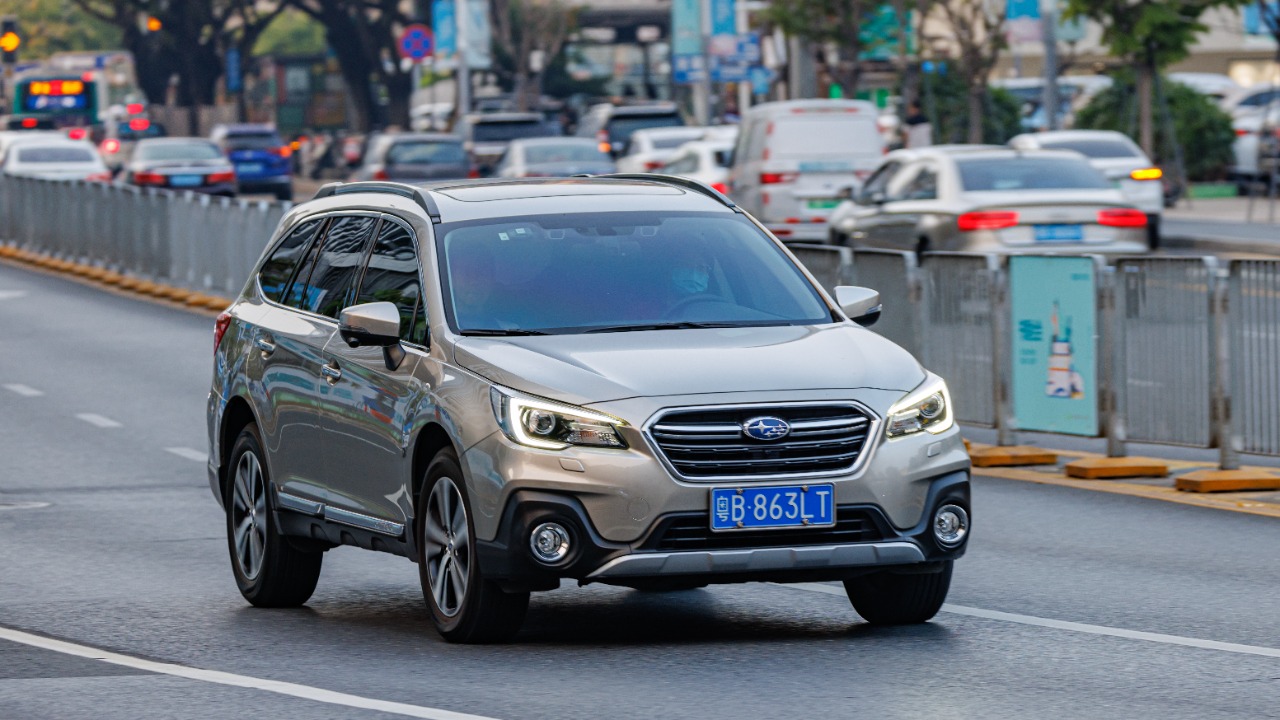
Subaru’s presence reflects a customer base that keeps cars a long time in places where road salt and mountain grades punish them. Standard symmetrical all-wheel drive across most of the lineup gives the brand a distinct usage pattern, with wagons and crossovers accumulating miles in rural and snow-belt regions rather than sitting in traffic.
Longevity here comes with well-documented weak points. Head gaskets on older boxer engines and oil consumption on certain four-cylinders are the repairs owners plan around, and neither is cheap when ignored. Cars that clear those hurdles frequently run for many additional years.
7. GMC: Trucks That Outlast Their Payments
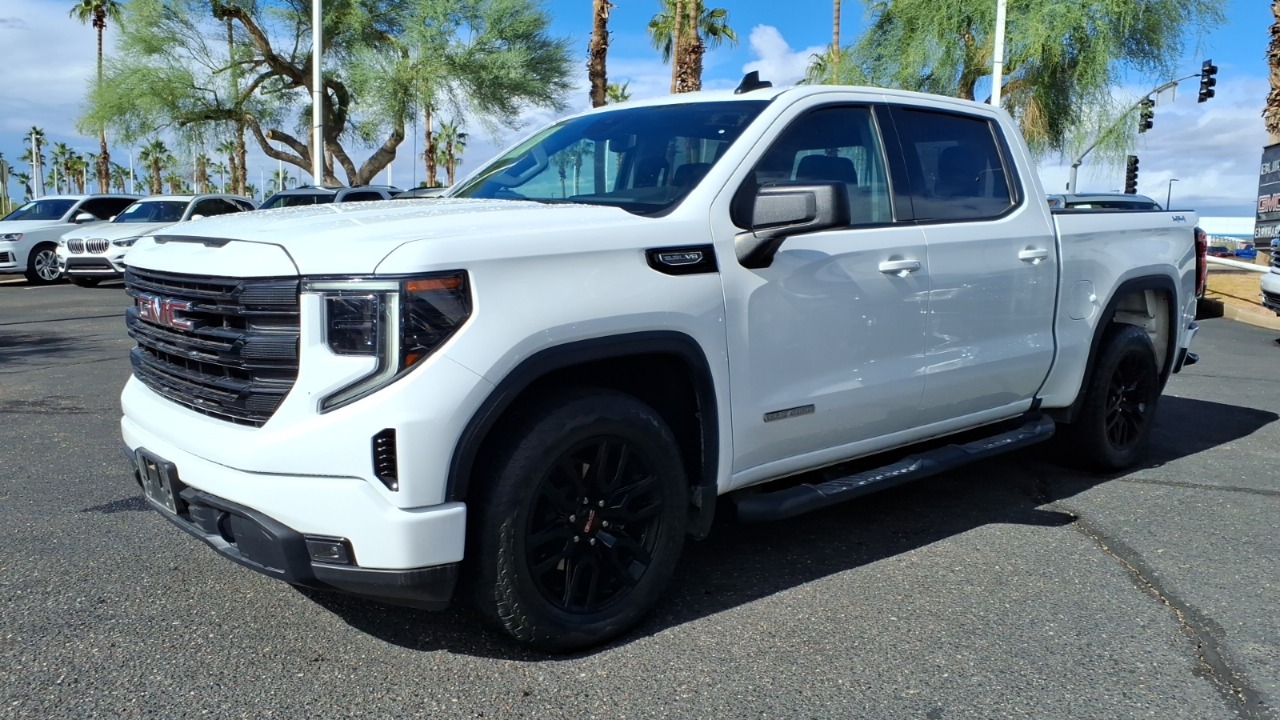
GMC reaches the list on the back of full-size trucks and SUVs rather than passenger cars. The General Motors truck division sells almost nothing small, so its brand average is built from body-on-frame vehicles with large-displacement engines that spend most of their lives well below peak load.
Commercial use also skews the picture in the brand’s favor. Work trucks rack up highway miles, the gentlest kind, and fleet owners service them on schedule because downtime costs money. Retail examples driven hard with a trailer age far faster than the averages suggest.
8. Chevrolet: Pickups Carry The Average
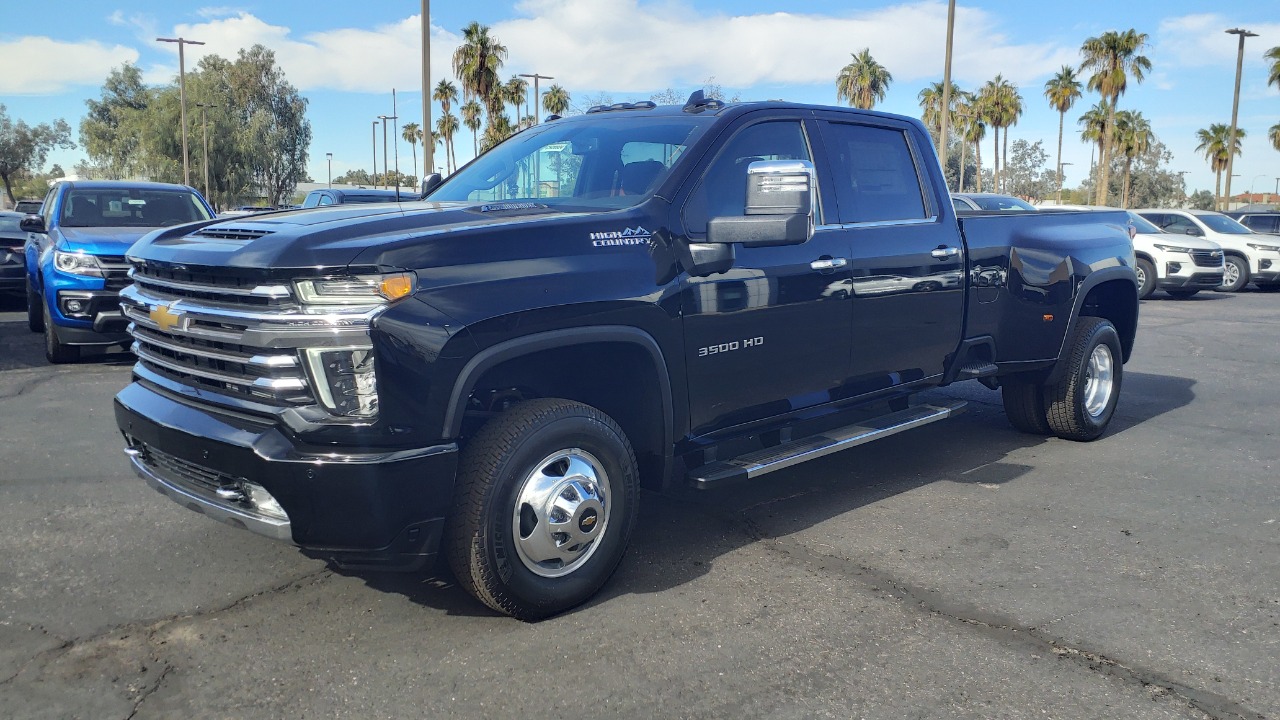
Chevrolet’s ranking is a story about product mix. The brand sells everything from small crossovers to heavy-duty pickups, and it is the body-on-frame truck lineup that pulls the overall longevity figure upward while the passenger-car side contributes far less. Full-size and heavy-duty models built for towing set the ceiling.
That makes the brand average a poor guide to any specific purchase. A full-size pickup and a discontinued compact sedan wearing the same badge have very different odds of seeing a quarter-million miles. Shopping the model, not the emblem, is the useful takeaway for anyone hunting a high-mileage survivor.
9. Ram: Heavy-Duty By Design
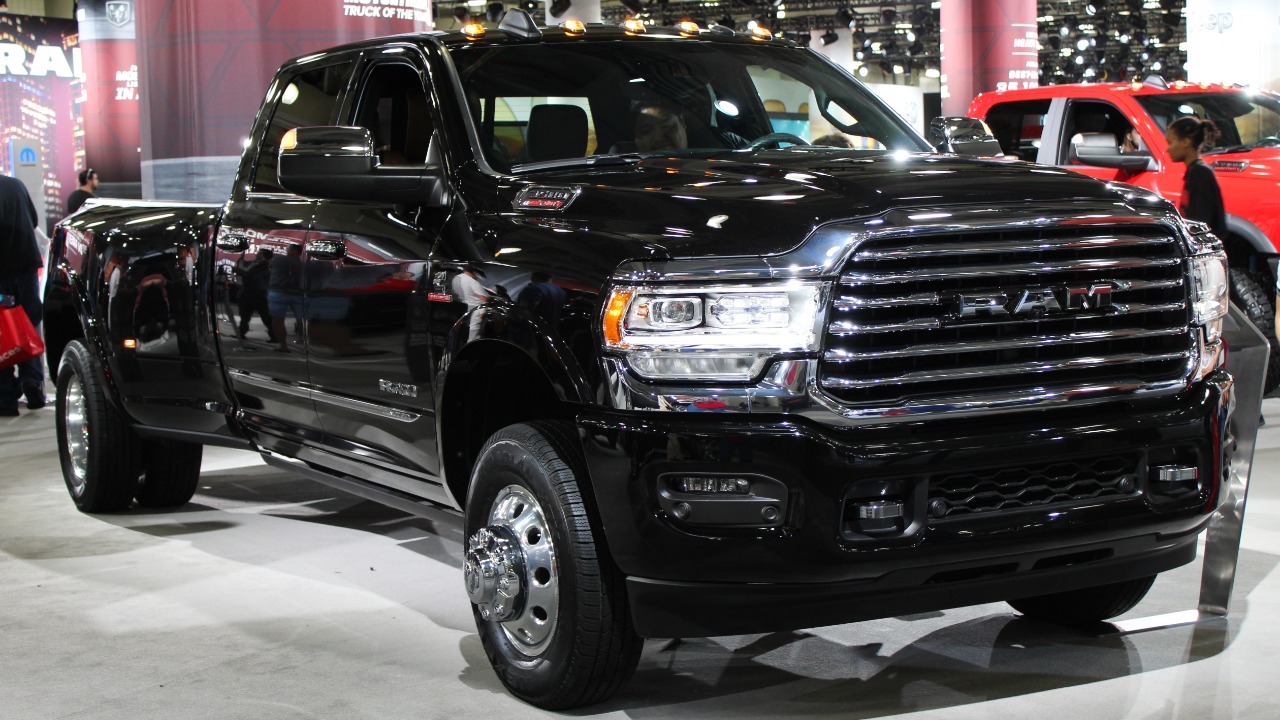
Ram exists only as a truck brand, which is the simplest explanation for its finish. Since the split from Dodge, Ram Trucks has sold pickups and commercial vans exclusively, and its heavy-duty models are built around drivetrains intended for sustained towing loads rather than daily commuting.
Odometer readings on those trucks therefore say less about condition than they would on a sedan. A well-maintained pickup that spent its miles on the interstate can be healthier than a lower-mileage example used for constant short hauls. Frame and suspension wear, not engine hours, usually end the story.
More from Morning Overview
