
Depreciation is the largest cost of owning a new vehicle, and it lands hardest on the models that carry the biggest sticker prices and the fastest-moving technology. The iSeeCars resale-value study tracks how much a car surrenders across its first five years, and the worst offenders give up most of what they cost. Here are ten vehicles that lose the most value in their first five years.
1. Nissan Leaf: The Steepest Fall Of All
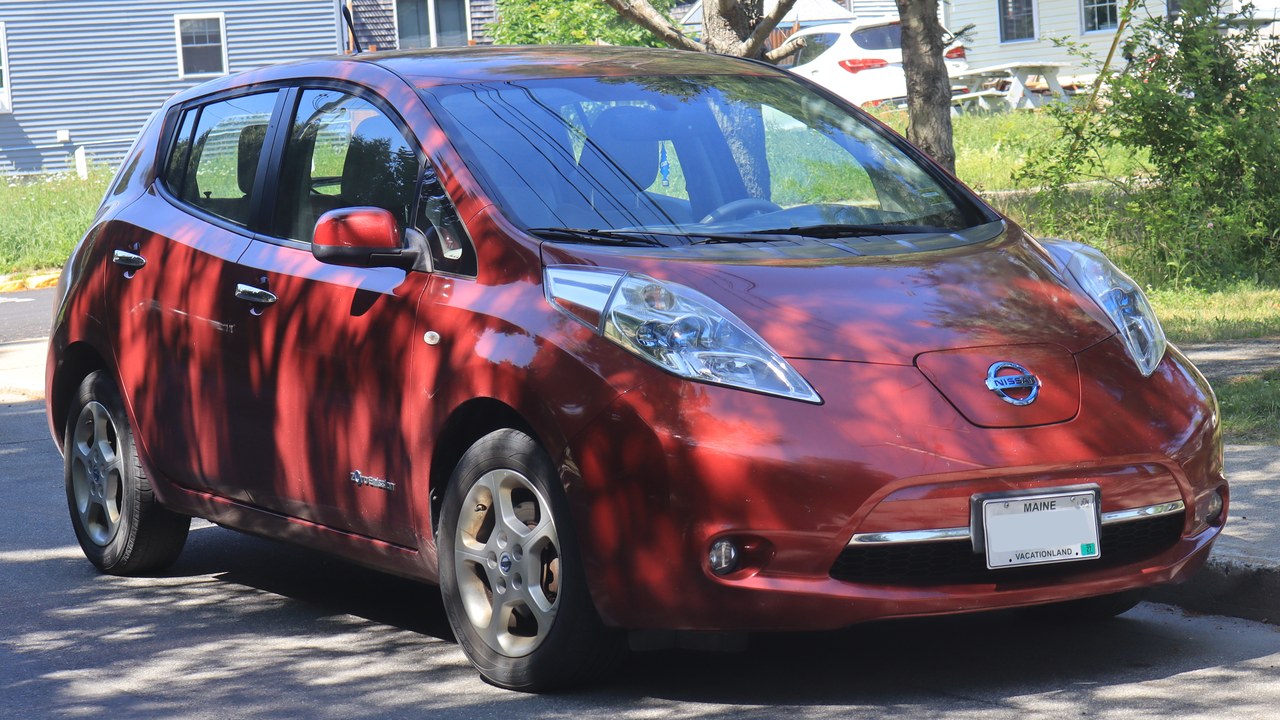
No vehicle falls further than the Leaf, which surrenders 63.1 percent of its original price across five years of ownership. The compact hatchback was among the first mass-market electric cars sold in the United States, and the used market has never treated early examples kindly. Its resale-value ranking sits at the very top of the depreciation table.
Secondhand shoppers gain roughly what original owners lost, since a three- or four-year-old example often trades for a fraction of its window sticker. The trade-off is battery capacity, which fades with age and mileage and cannot be topped up like a fuel tank.
2. Land Rover Range Rover: Nearly $70,000 Gone
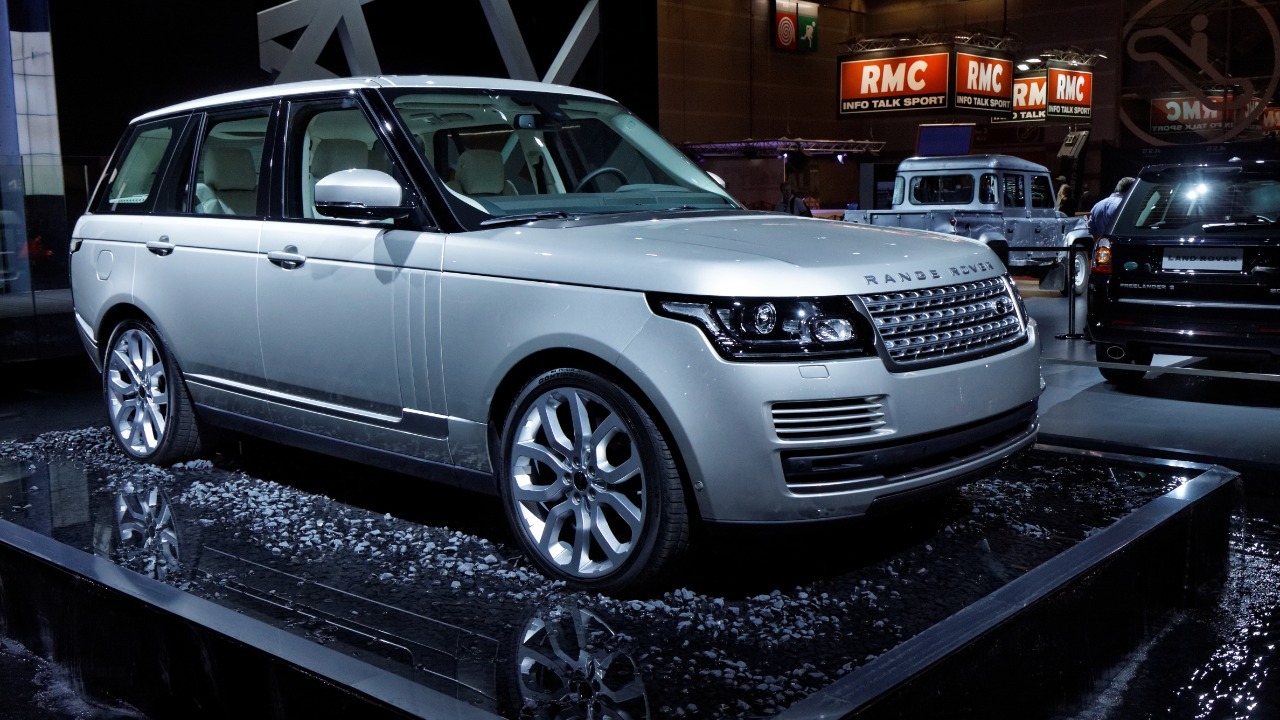
Land Rover’s flagship sheds 61.7 percent of its value over five years, a decline that works out to nearly $70,000 in absolute dollars. Scale is what makes that figure so brutal: a percentage that merely stings on an economy car becomes a small fortune once applied to a six-figure SUV. The five-year depreciation figures place it just behind the Leaf.
A reputation for costly repairs compounds the slide, because second owners price the maintenance bills ahead of them into what they will pay. That same math turns a lightly used example into one of the cheapest routes into a genuinely luxurious vehicle.
3. BMW i7: Two-Thirds Gone In Five Years
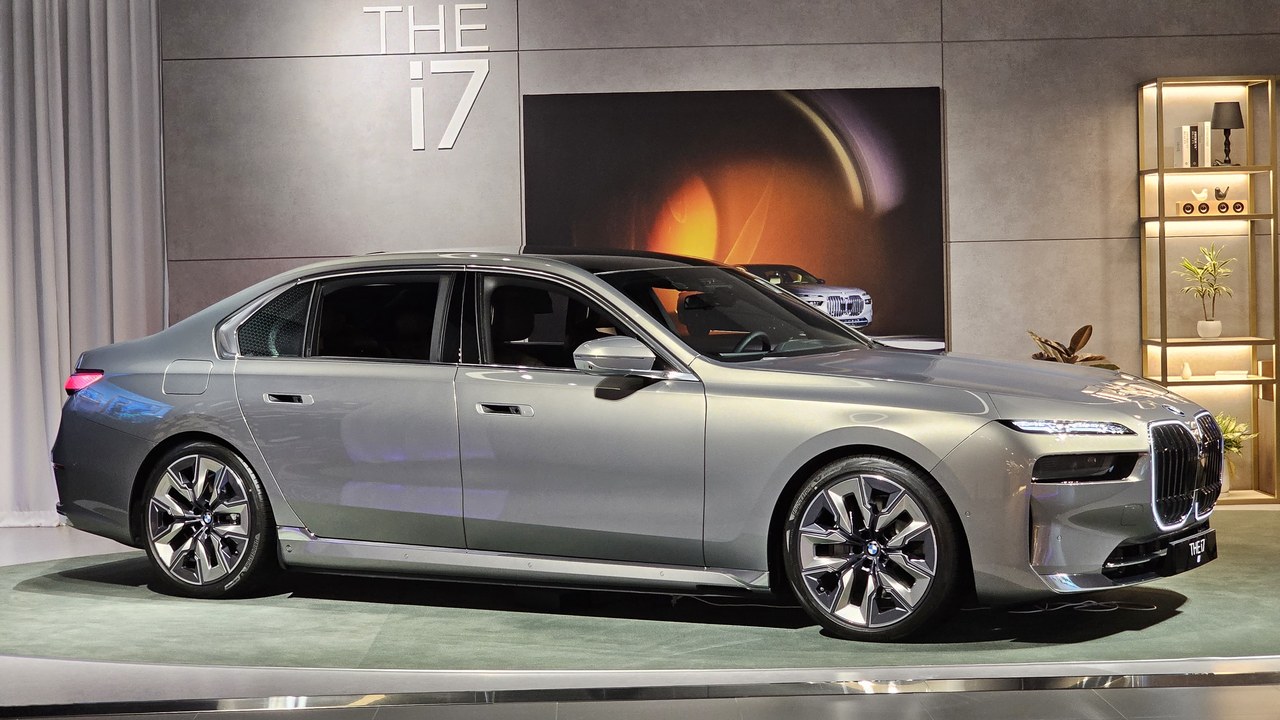
More than two-thirds of the i7’s value disappears across five years, an outcome that combines a luxury flagship’s usual slide with the sharper discounting hitting electric sedans. Few segments have moved faster: range, charging speed and software all improved while the earliest cars aged. The study’s depreciation rankings place it among the worst performers on the road.
Original buyers absorb almost that entire loss inside the lease or ownership period. What follows is a used market where a car that stickered past six figures trades for a fraction of it, with out-of-warranty flagship electronics as the catch.
4. BMW iX: An Electric SUV In Freefall
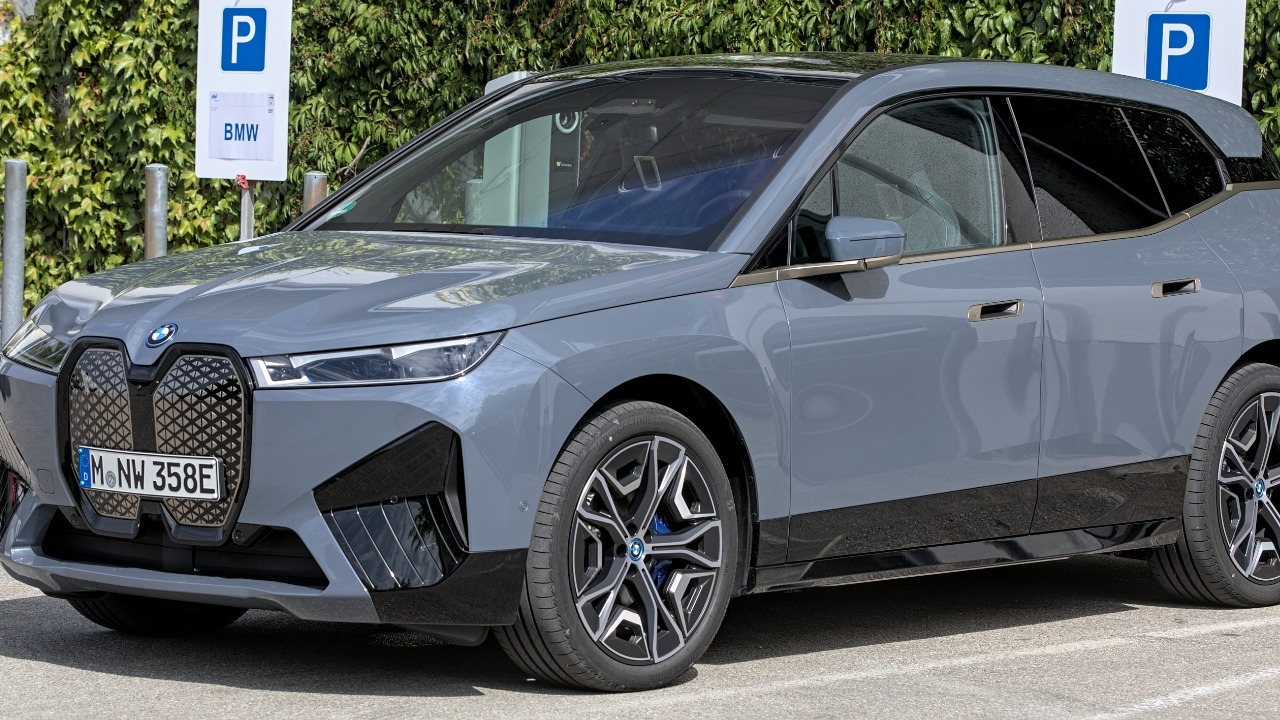
BMW’s electric SUV gives up most of its value fast, joining the i7 among the brand’s quickest-depreciating models. The BMW iX arrived as a technology showcase, with a polarizing shape and a battery pack sized for long-distance driving, and neither trait has protected it on the used market. Novelty ages badly when successors ship with more range at lower prices.
The pattern belongs to premium electric vehicles broadly rather than to one badge. Anyone willing to buy secondhand captures the discount that first owners funded, though remaining battery warranty coverage deserves as much scrutiny as the asking price.
5. BMW i5: Third BMW On The List
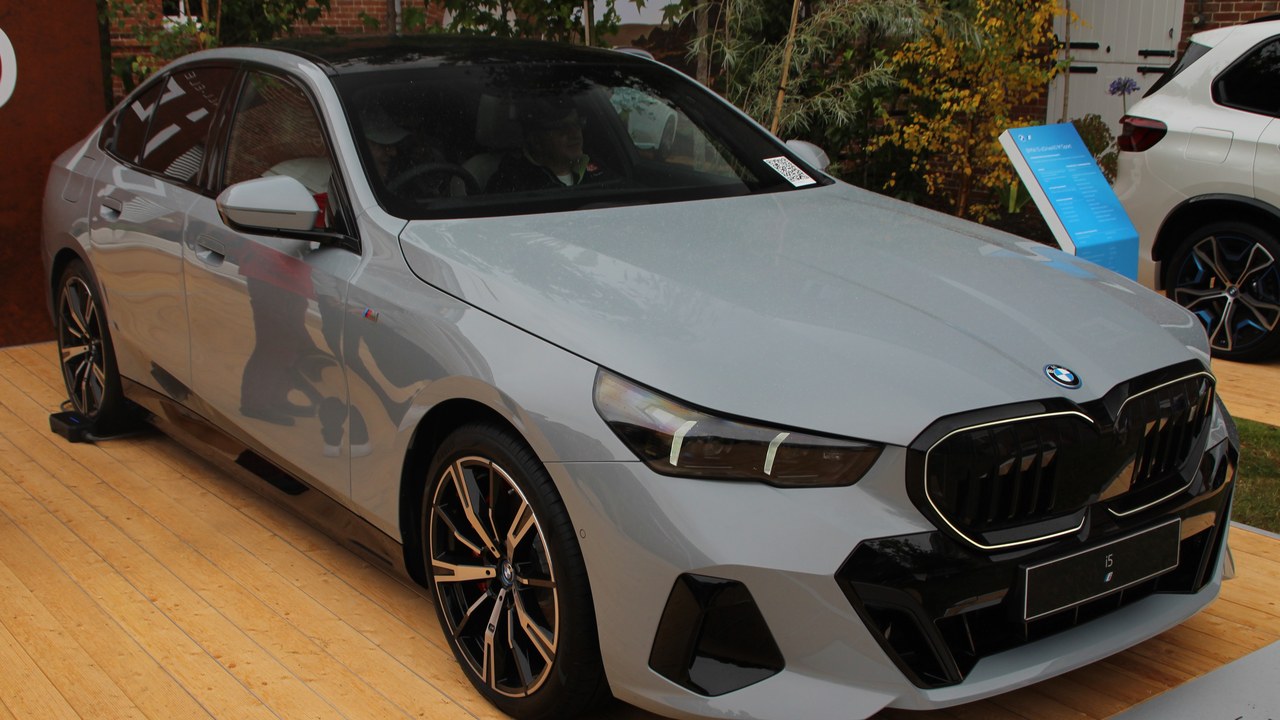
A third BMW electric model ranks among the fastest depreciating vehicles, an unusual concentration for a single manufacturer. The electric 5 Series shares its body with the combustion car parked beside it in showrooms, which makes the resale gap between the two a clean illustration of how the used market currently prices battery power.
Supply explains part of it: heavy incentives and lease subsidies on new electric cars drag used values down with them. Nothing about the vehicle itself has to be flawed for the number to look grim, which is why depreciation and quality remain separate questions.
6. Jaguar I-Pace: The Early Adopter Penalty

Jaguar’s first electric model saw its value collapse in a way early adopters of any technology would recognize. The Jaguar I-Pace launched to acclaim before charging networks matured and before rivals arrived with longer range, and both developments left it looking dated far sooner than a conventional Jaguar would have.
A discontinued nameplate raises questions about parts and long-term service, which does nothing for residual values either. On the other side of the ledger, that collapse has turned a well-reviewed luxury crossover into one of the least expensive used electric vehicles available.
7. Maserati Ghibli: Italian Badge, Brutal Math
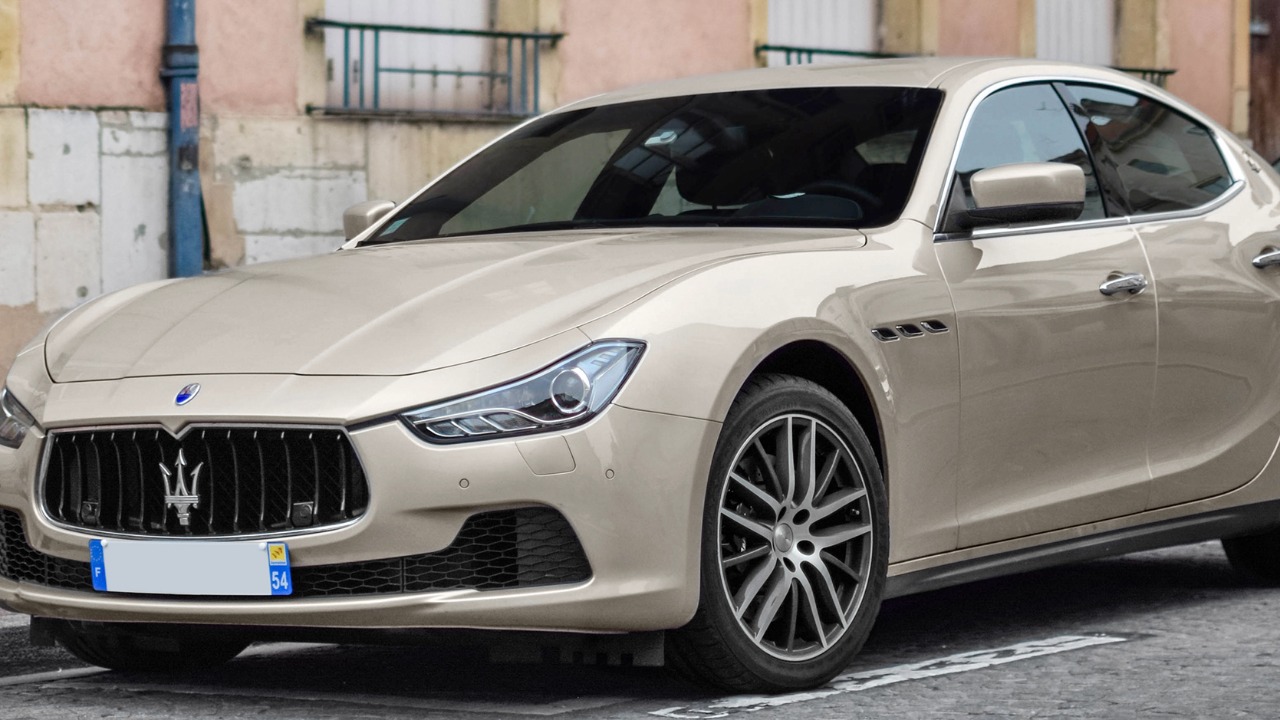
The Ghibli hemorrhages value, a fate shared by most low-volume Italian sedans competing against German rivals with far deeper dealer networks. The Maserati Ghibli sold on styling and exhaust note rather than volume, and thin demand at the original price grows thinner still once a car is several years old.
Service costs and limited dealer coverage keep secondhand buyers cautious, pushing asking prices down further. Few cars deliver as much presence per dollar as a used example, but the discount exists for reasons that do not vanish along with the first owner.
8. Audi A8: Flagship Drops Hardest
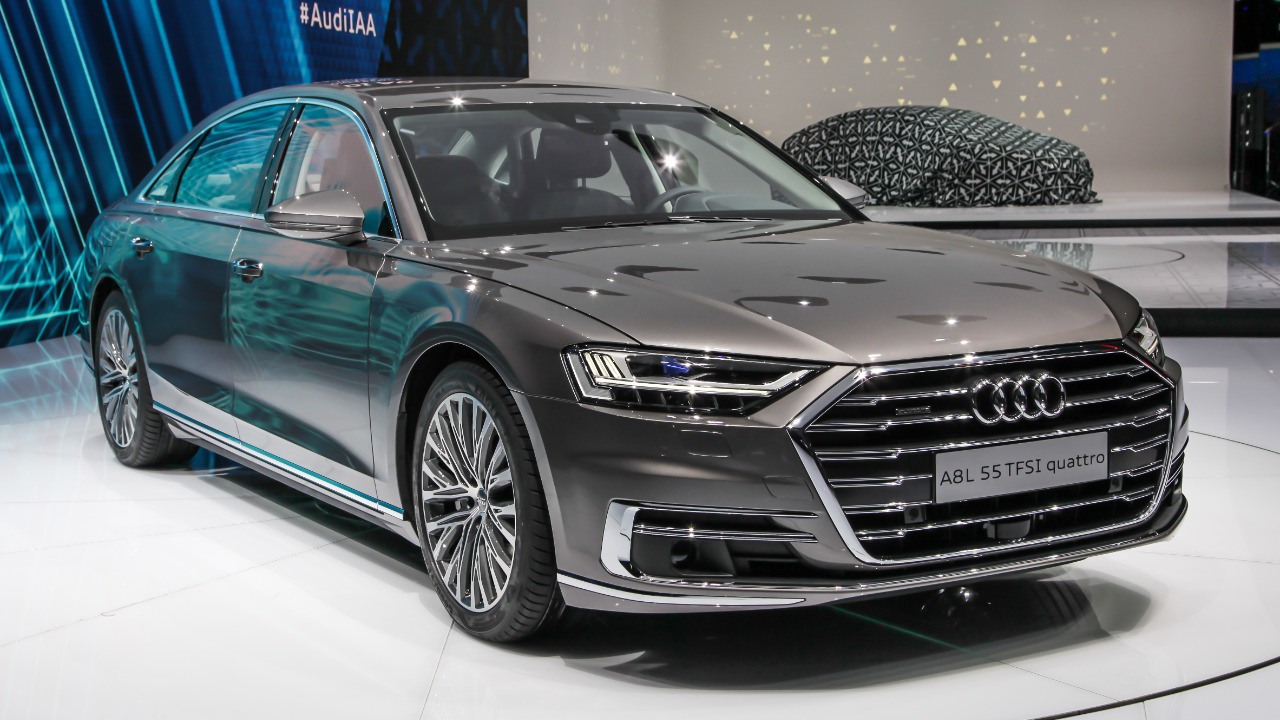
Audi’s flagship sedan drops hard on the used market, following a rule that holds across the luxury segment: the more technology a car carries when new, the more of its price evaporates. The Audi A8 has long showcased air suspension, driver assistance and cabin electronics, features that read as advanced at launch and ordinary within a few years.
Complexity also raises the cost of keeping one running past its warranty, and used buyers price that risk in. The result is a large, quiet, capable sedan available for a small share of the original outlay, with repair exposure as the offsetting variable.
9. Mercedes-Benz S-Class: Big Sticker, Big Slide
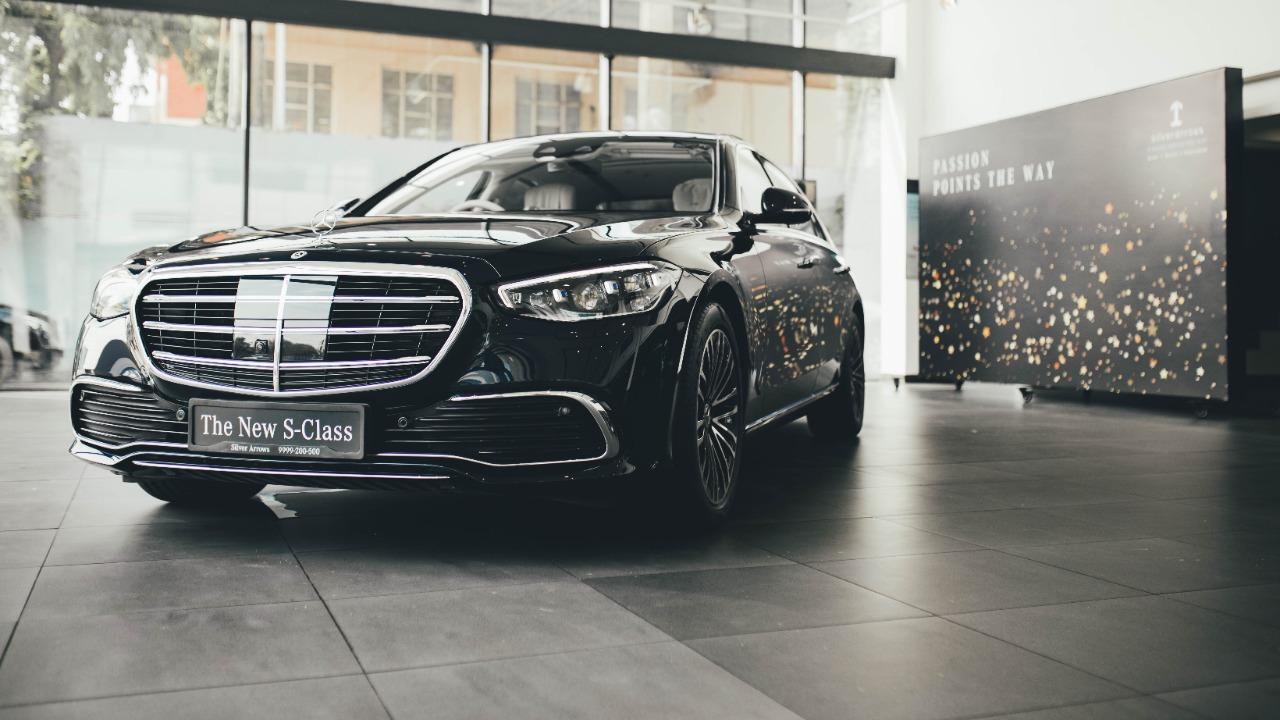
Big depreciation follows a big sticker price, and the arithmetic is unforgiving: a percentage loss applied to a very large number produces a very large dollar figure. The Mercedes-Benz S-Class has introduced much of the industry’s safety and comfort technology over the decades, and each new generation makes the one before it look older than its age.
That cascade is why the model appears so reliably on depreciation lists despite its engineering reputation. Executives and lease customers absorb the first-owner loss, while the used market inherits a flagship sedan priced far below what it once commanded new.
10. Porsche Taycan: Even Porsche Is Not Immune
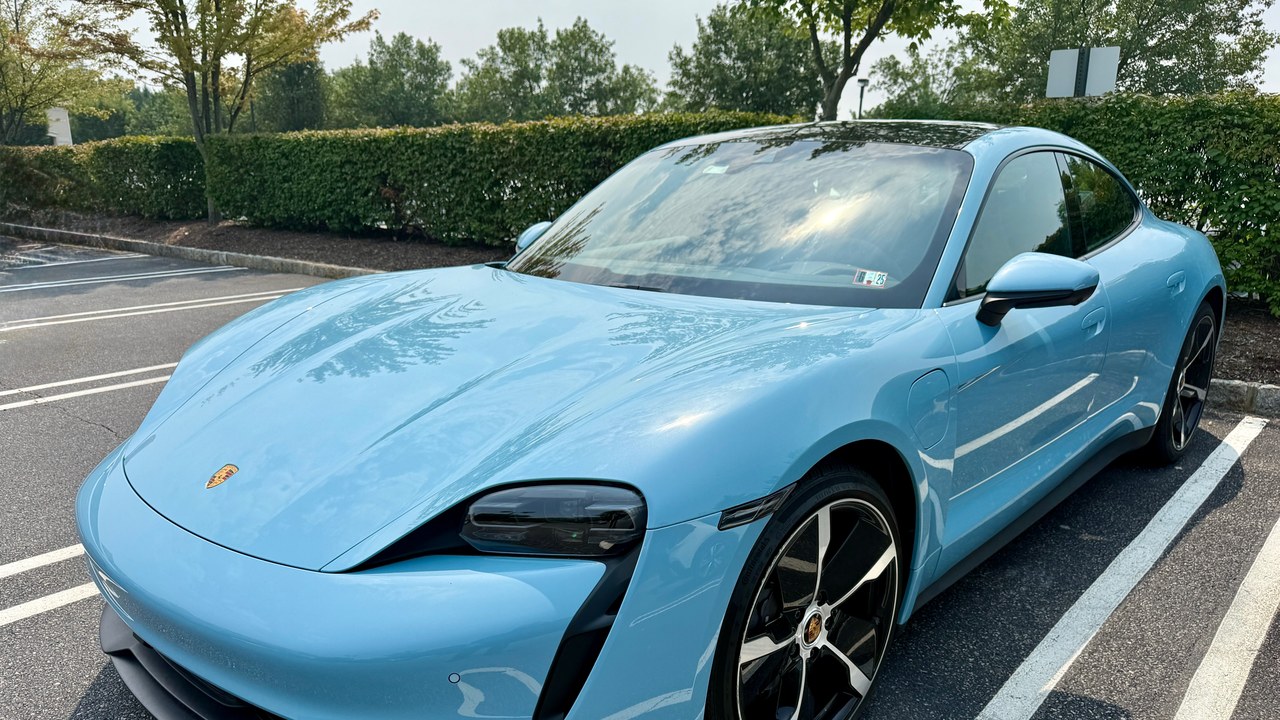
Strong residual values are normally a Porsche selling point, which makes this electric sedan’s rapid loss the exception that shows how hard the market has been on early battery-powered cars. The Porsche Taycan earned praise for handling and charging speed, yet successive updates to range and hardware kept resetting expectations for the model.
Discounting on new inventory and a wave of returning leases added supply at exactly the wrong moment. The upside belongs to the second owner, who acquires a genuine performance car for a share of its original cost, assuming service history and battery condition check out.
More from Morning Overview
