
Recall notices piled up across the American market through 2026, and the most alarming shared a single hazard: wiring, seat motors and battery packs that can overheat and burn. One campaign from Chrysler’s parent company covered more than a million trucks and SUVs over wiring that can ignite while a vehicle sits parked. Here are ten vehicles named in 2026 fire-risk recalls and what was found wrong with each.
1. Jeep Wrangler: Fire Risk Even When Parked
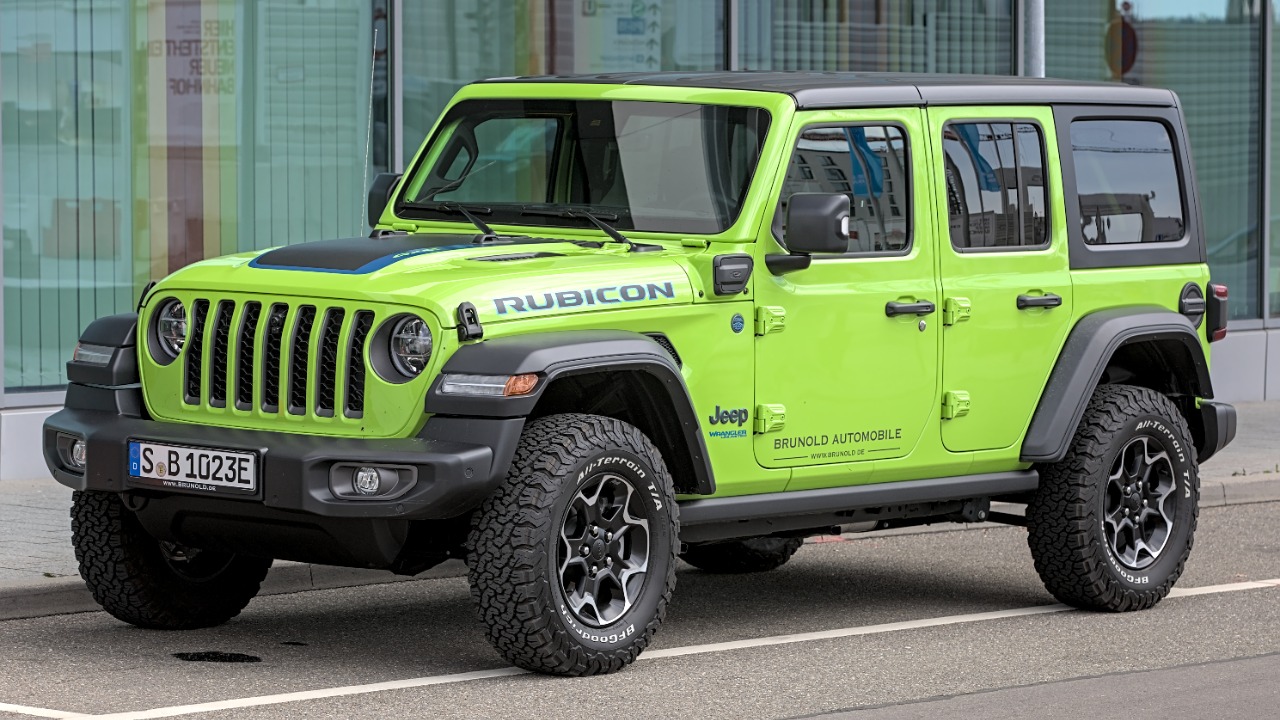
The Wrangler was swept into an FCA campaign covering more than a million vehicles over steering-pump wiring that can overheat and start a fire. What separates this defect from a routine electrical fault is that it does not depend on the engine running; the Jeep Wrangler SUV can ignite while parked and switched off.
That detail changes the calculus for anyone storing the vehicle in an attached garage or carport, because the exposure is continuous rather than limited to driving. Faults of this kind also tend to give little warning before smoke or flame appears.
2. Jeep Gladiator: Same Wiring, Same Warning
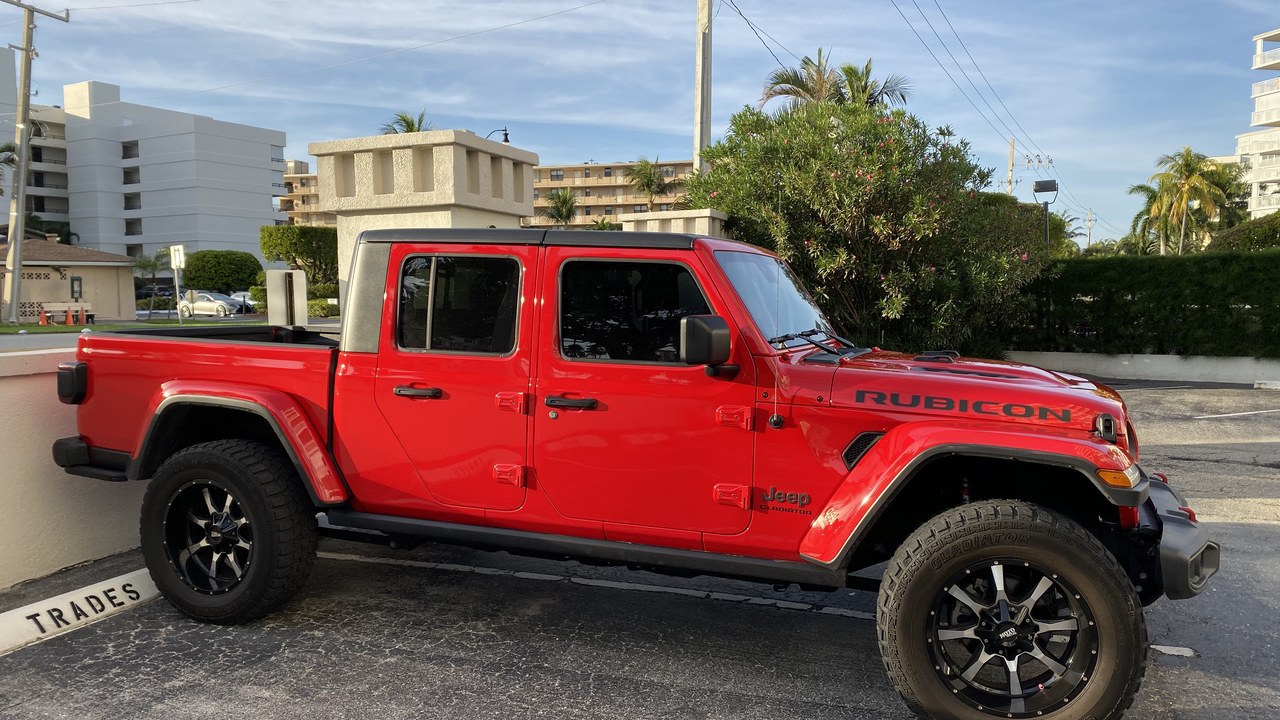
Sharing its platform and much of its hardware with the Wrangler, the Jeep Gladiator pickup was pulled into the same fire-hazard recall rather than one of its own. Platform commonality is why a single wiring fault can sweep an SUV and a midsize truck into one campaign at once.
For owners the practical implication is identical to the Wrangler’s: the hazard is present whether or not the truck is being driven. Shared components also spread demand for replacement parts across two model lines, which can stretch how quickly a dealer appointment comes available.
3. Kia Telluride: Seat Motors That Overheat
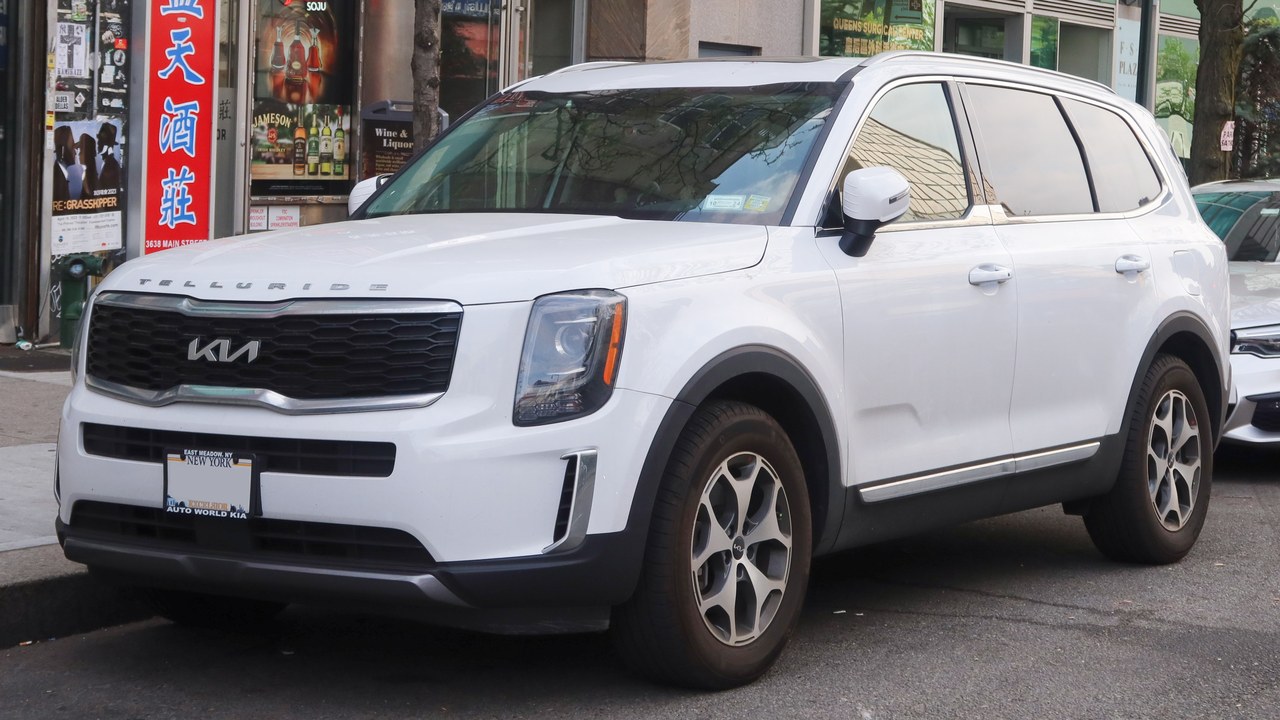
Kia’s three-row SUV was recalled after power-seat motors were found to overheat, a fault already linked to seven reported fires. The mechanism is mundane, which is precisely what makes it dangerous: the Telluride seat assembly surrounds an electric motor with fabric, foam and trim.
Seven fires is a small figure against a large production run, but it is enough to show the failure reaches the real world rather than staying theoretical. Interior fires are also harder to catch early than engine-bay fires, with no hood separating the source from occupants.
4. Chrysler Pacifica: A Family Van in the Sweep
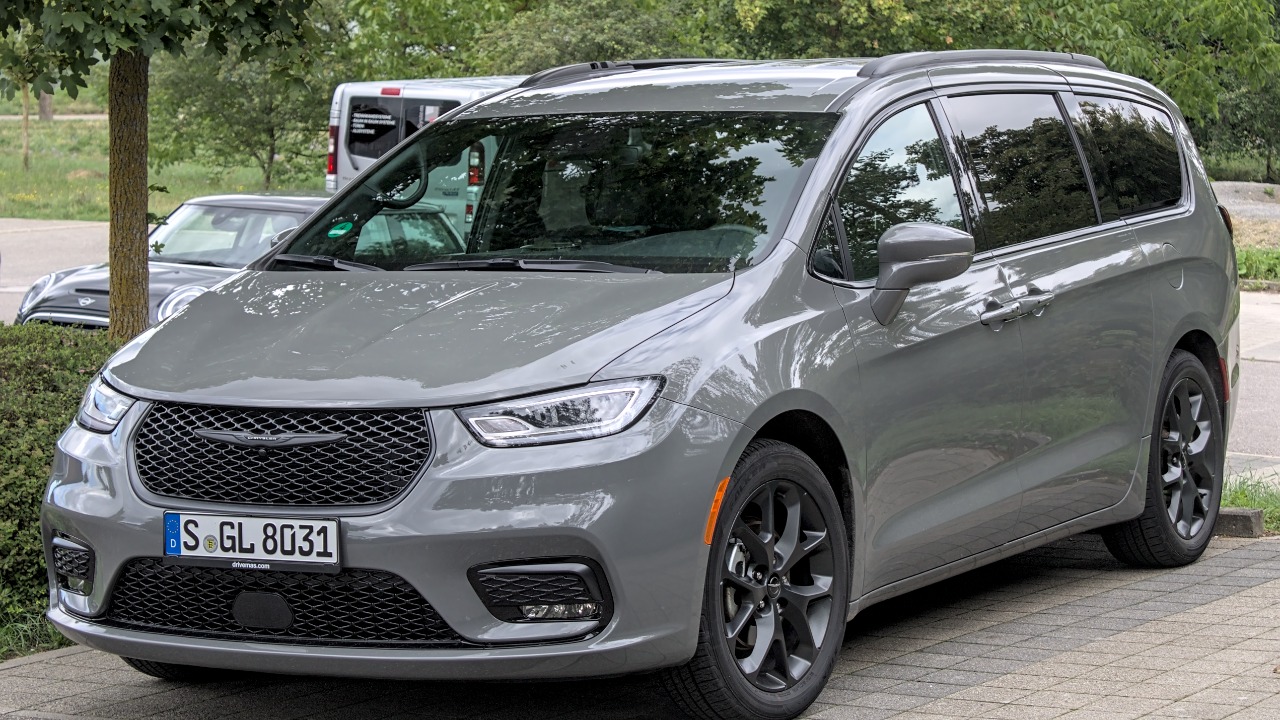
The minivan was included in a Chrysler recall covering nearly 300,000 vehicles over a fire risk. Family duty makes that notice heavier than the raw number suggests, since the Chrysler Pacifica minivan is bought largely to carry children and typically spends its nights in a driveway or attached garage.
Recall volume by itself rarely tells an owner much, because a single campaign can span several model years and trim levels. What matters is whether the remedy is actually available, as a notice issued before parts reach dealers leaves the defect in service.
5. Ford Bronco: Wiring Under the Hood
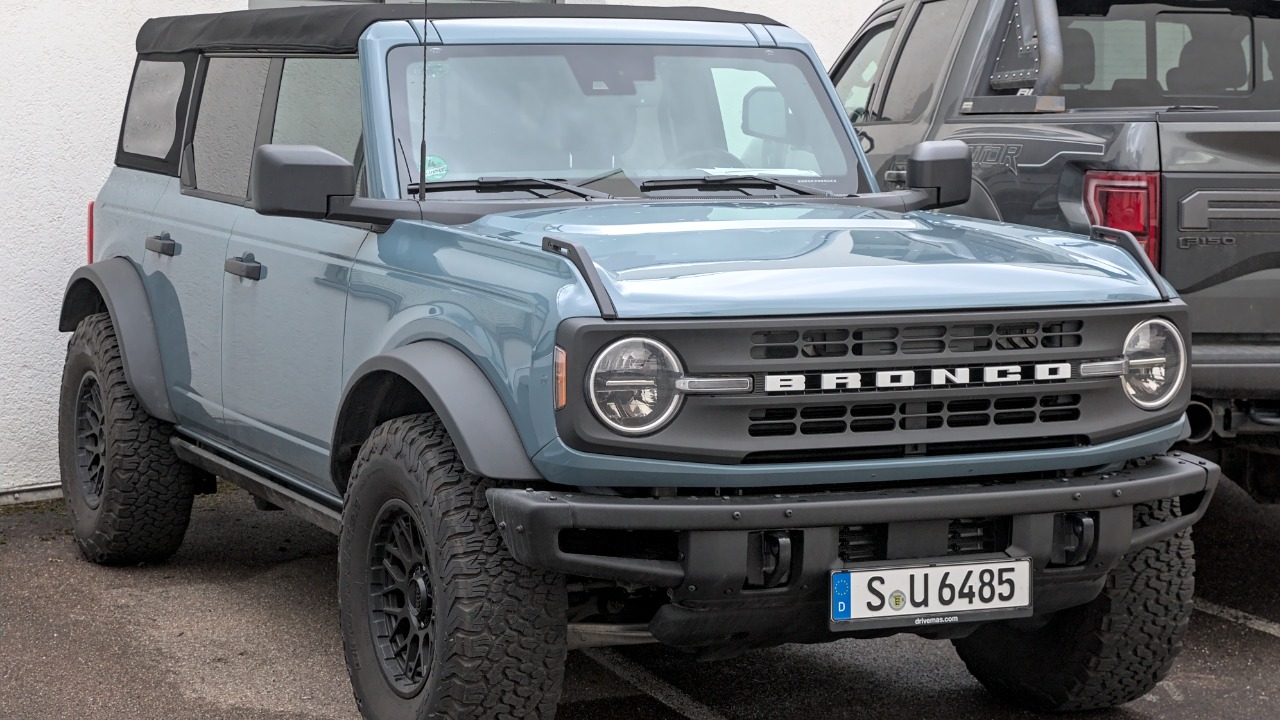
Ford’s revived off-roader was recalled in 2026 over engine-bay wiring that can overheat and ignite. Heat, vibration and road grit all concentrate in that compartment, and a chafed or overloaded conductor on the Ford Bronco SUV sits inches from fuel lines and plastic housings that will sustain a flame once one starts.
Engine-bay fires often announce themselves through smell or smoke before flame, which gives some warning. That advantage disappears when nobody is present, and a vehicle left idling or parked under an unrepaired notice carries the hazard through every hour it sits.
6. Chevrolet Silverado EV: An Unprotected Power Feed
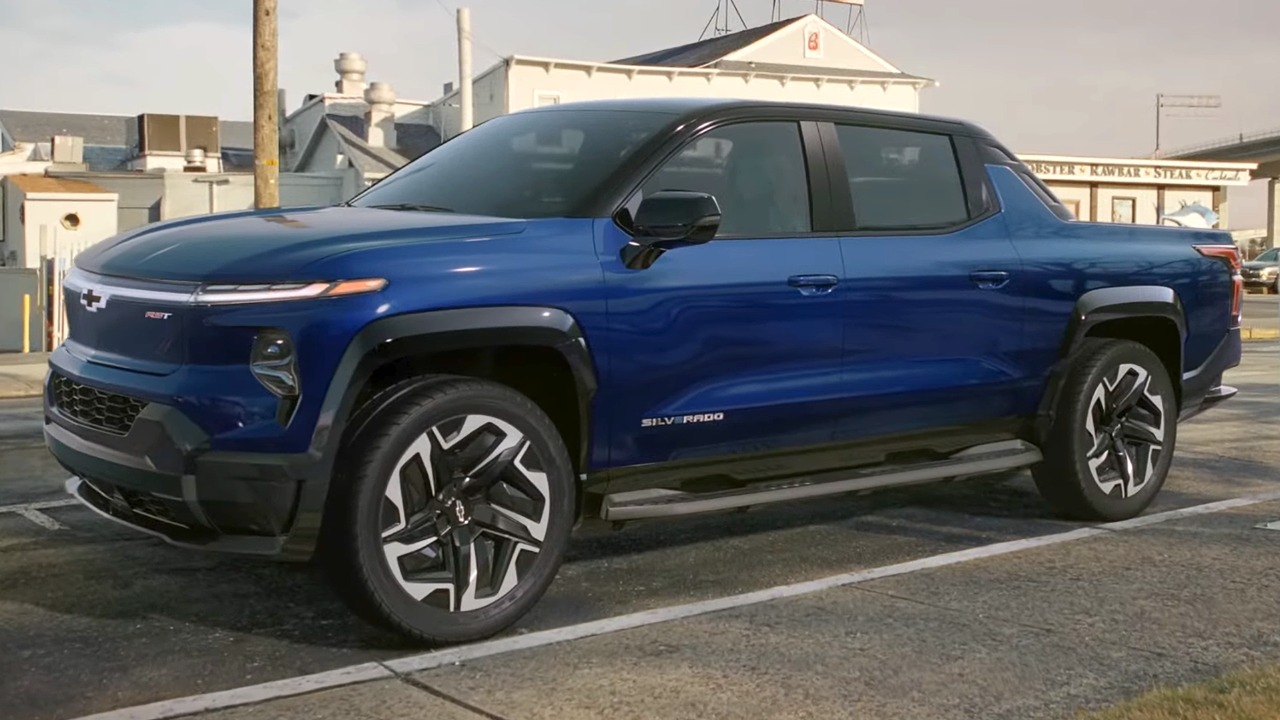
General Motors recalled its electric pickup over a power-feed wire left without proper protection, a condition that raises the risk of a fire. High-voltage architecture is what makes the fault consequential, because the electric Silverado pickup routes far more current through its harnesses than a gasoline truck ever carries.
Unprotected conductors fail through abrasion rather than a single dramatic event, wearing against a bracket or edge until insulation gives way. Nothing about that process is visible from outside the truck, which is why the remedy depends on the recall notice reaching owners rather than on anyone noticing a symptom.
7. GMC Sierra EV: One Wire, Two Badges
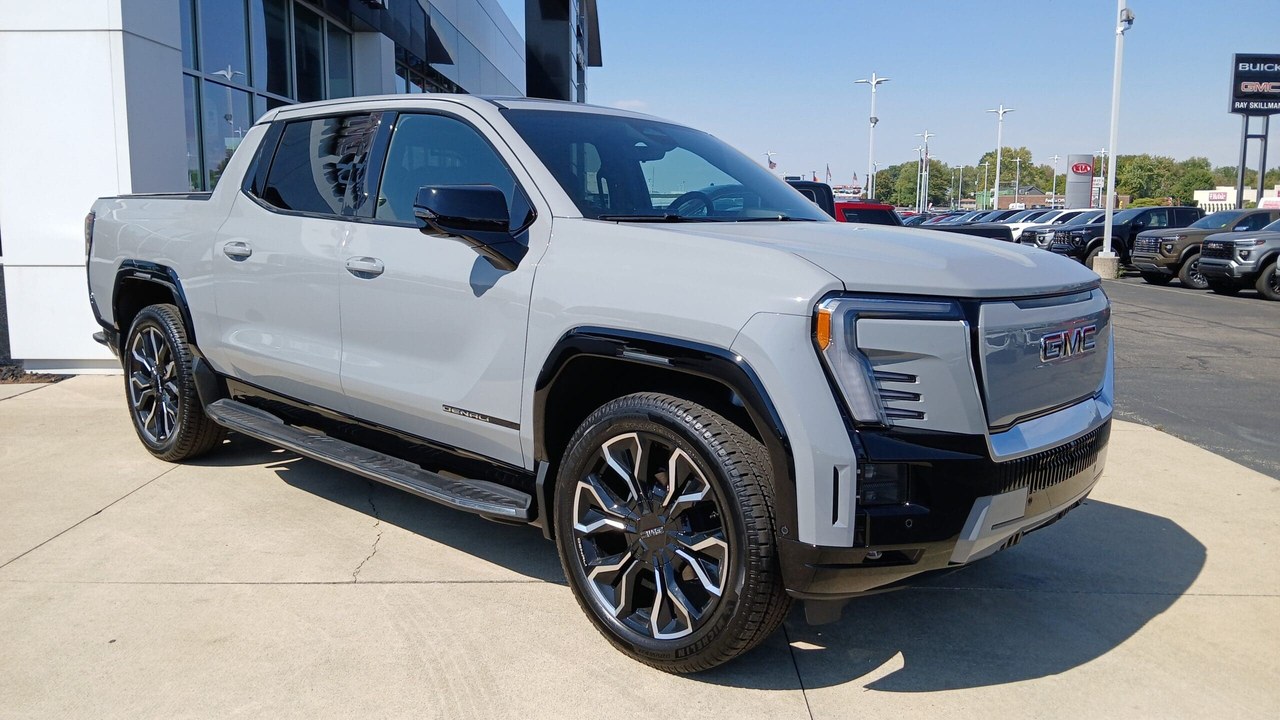
Badge engineering carried the defect straight across: GMC’s electric truck was named alongside the Silverado EV over the identical unprotected power-feed wire. Beyond trim and interior appointments, the Sierra EV pickup is assembled from the same components, so a wire left unprotected in one truck is left unprotected in the other.
Shared platforms hold development costs down and multiply the reach of any single flaw. Buyers of the pricier nameplate gain nothing in fire safety from the premium, since the wiring beneath the sheet metal is common to the pair and carries the same hazard until it is repaired.
8. Hyundai Ioniq 5: Told to Park Outside

A park-outside instruction accompanied the recall of Hyundai’s electric crossover, issued over a high-voltage battery fire risk. That advisory is the clearest signal a manufacturer can send about a Hyundai Ioniq 5 crossover, conceding that the pack may ignite without warning and that any structure nearby would burn with it.
Such advisories carry a cost no repair bill captures, removing covered and indoor parking from households for as long as the remedy takes to arrive. Battery fires are also notoriously stubborn once started, resisting water and reigniting hours later, which is why the guidance errs toward distance rather than detection.
9. Ford Escape: Cells That Short Internally
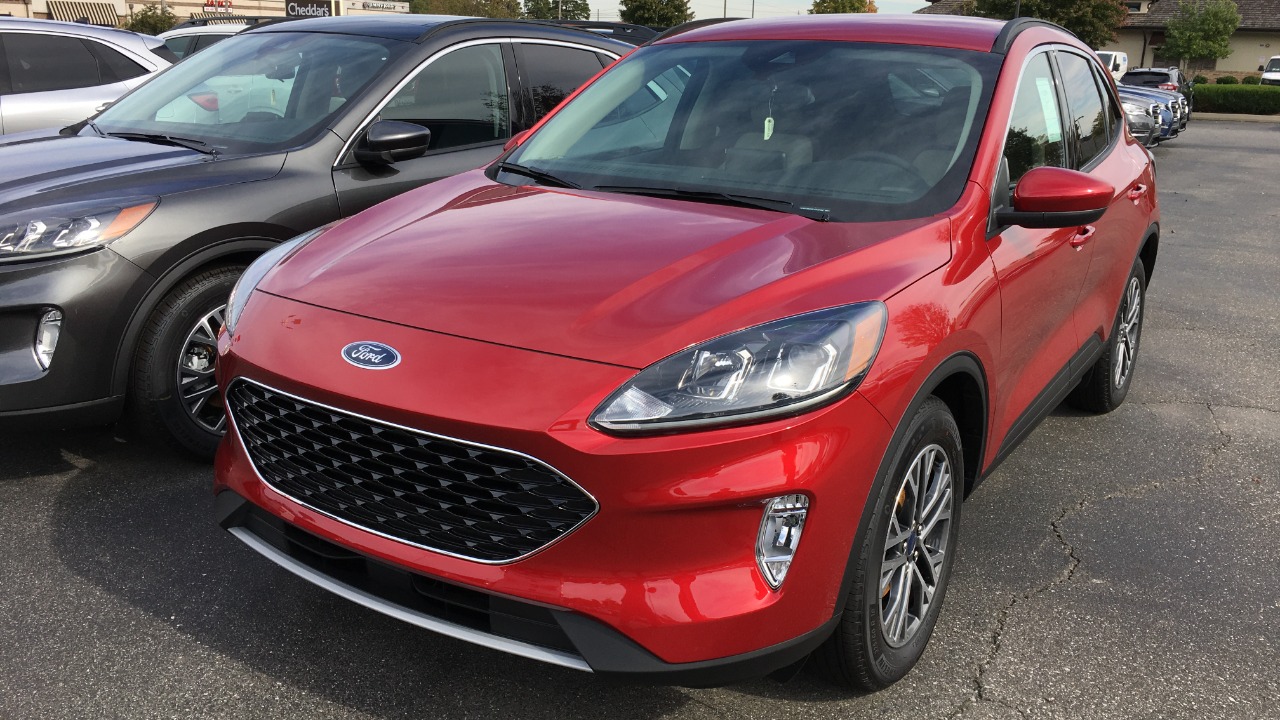
Plug-in hybrid versions of Ford’s compact SUV were recalled over battery cells that can short internally and catch fire. Internal shorting is the failure mode engineers least like to see, because it originates inside a sealed cell where no external inspection of the Ford Escape crossover can find it.
Only the plug-in variant is implicated, so the conventional hybrid and gasoline versions sitting on the same lots are a different proposition entirely. Verifying which powertrain a given vehicle carries is therefore the first step, and that distinction rests on the vehicle identification number rather than on the model name alone.
10. Lincoln Corsair: The Luxury Twin
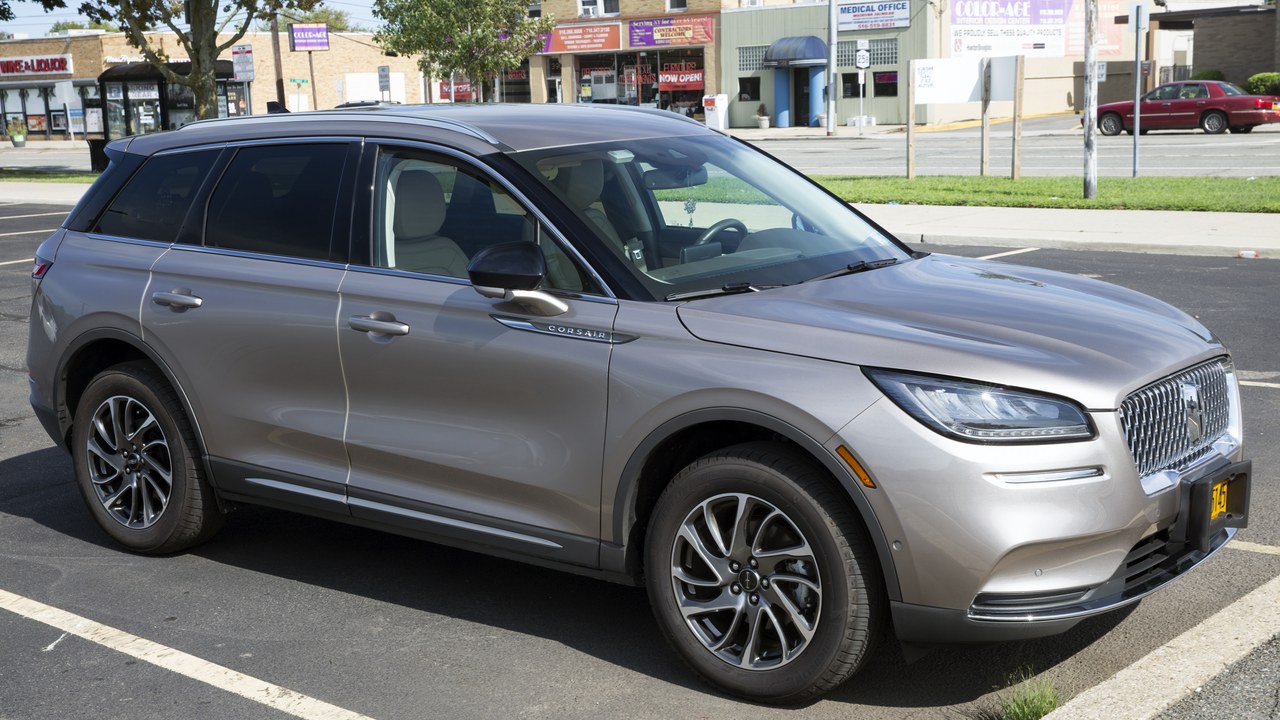
The same notice that covered the Escape plug-in hybrid named Lincoln’s compact luxury crossover, over an identical battery fire risk. Quieter cabin materials and a richer specification distinguish the Lincoln Corsair crossover from its Ford relative, but the high-voltage pack beneath them is the same.
Ford and Lincoln customers therefore face an identical hazard under different badges, since the recall follows the battery pack rather than the brand on the grille. Until that pack is remedied, the fire risk the notice describes remains present in every affected vehicle still on the road.
More from Morning Overview
- Long-term use of common heartburn pills is tied to kidney and dementia risk
- A California supervolcano has bulged upward about two and a half feet since 1978
- The FTC is warning about a scam quietly draining thousands from victims
- The NSA is again telling phone owners to switch off one location setting
