
Attack helicopters were built to do one job especially well: find enemy armor and destroy it before it can reach friendly troops. Guided missiles, rockets and nose cannons give these aircraft the punch, while speed and low flying keep them alive. Here are eight attack helicopters armed to hunt tanks from the air.
Read next on Morning Overview: Two Kentucky residents died when a small plane crashed at Missouri’s Lake of the Ozarks, and the NTSB is investigating
1. AH-64 Apache: The Benchmark Tank Hunter
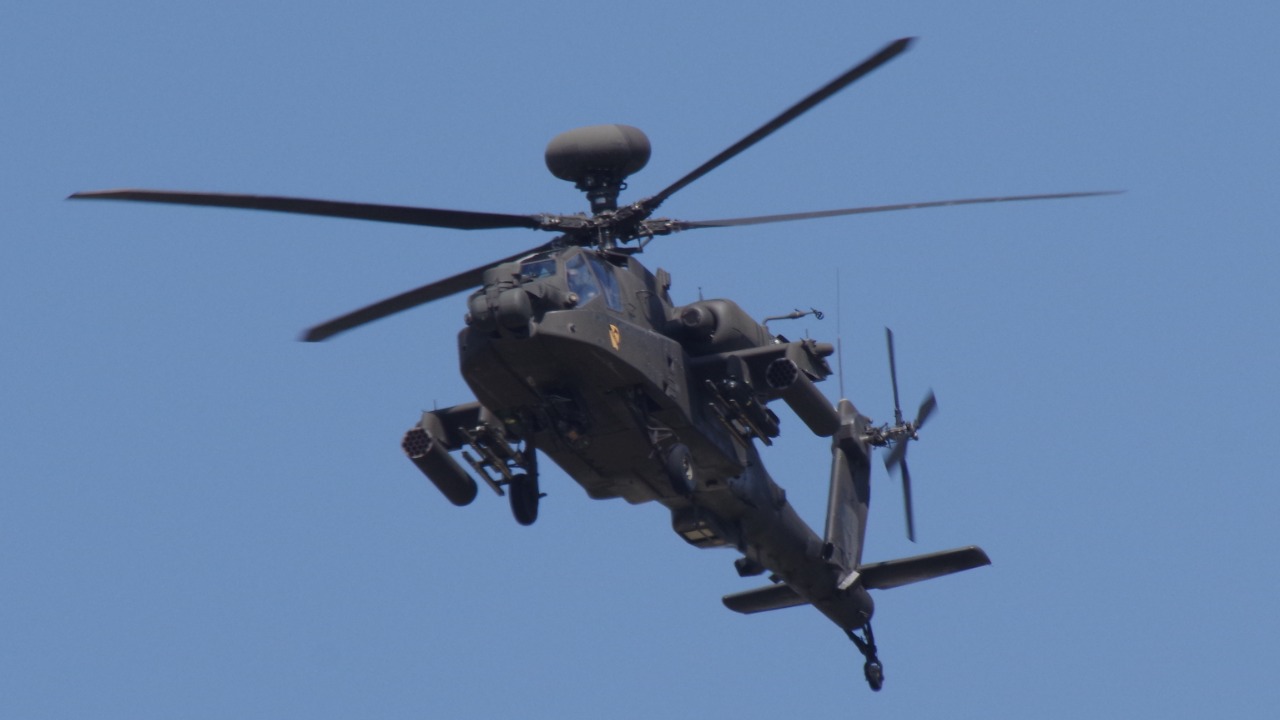
The AH-64 Apache can carry 16 Hellfire missiles, 76 rockets and 1,200 rounds for its 30 mm gun, according to the U.S. Army’s AH-64E profile. The latest AH-64E model has a maximum combat speed of 164 knots.
The Apache has served the U.S. Army since the 1980s and has been exported to many allies. Its mast-mounted radar on later versions lets crews scan for targets while hiding behind trees or hills, exposing only the top of the rotor to enemy fire. That trick has kept the design relevant for decades.
2. Ka-52 Alligator: Russia’s Most Used Gunship
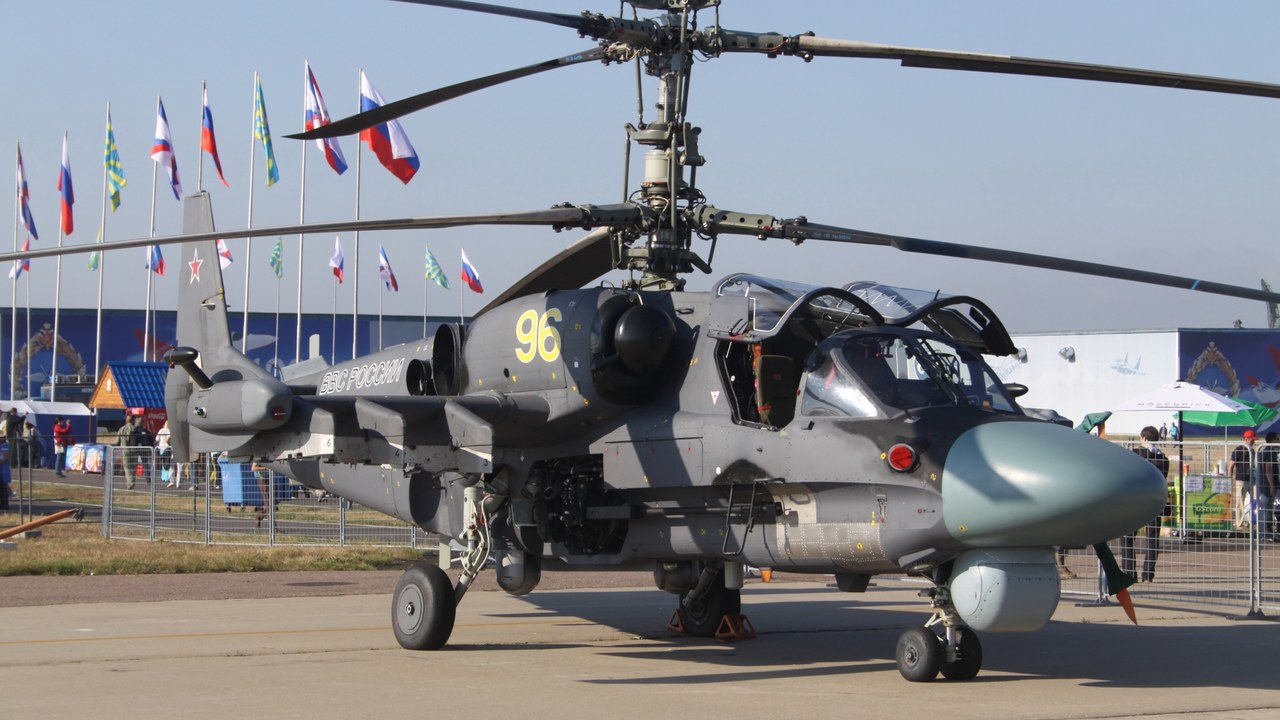
The Ka-52 Alligator is Russia’s most heavily used attack helicopter in Ukraine, according to an overview of attack helicopters. The open-source group Oryx has documented at least 68 Ka-52s destroyed, damaged or captured as of July 2026.
The Ka-52 uses two stacked rotors that turn in opposite directions, which removes the need for a tail rotor. The heavy losses show how dangerous modern air defenses and drones have become, even for a heavily armed helicopter flying low over a battlefield. Russia has continued to field the type despite those losses, adapting tactics to fire from longer range.
3. A129 Mangusta: Italy’s Veteran
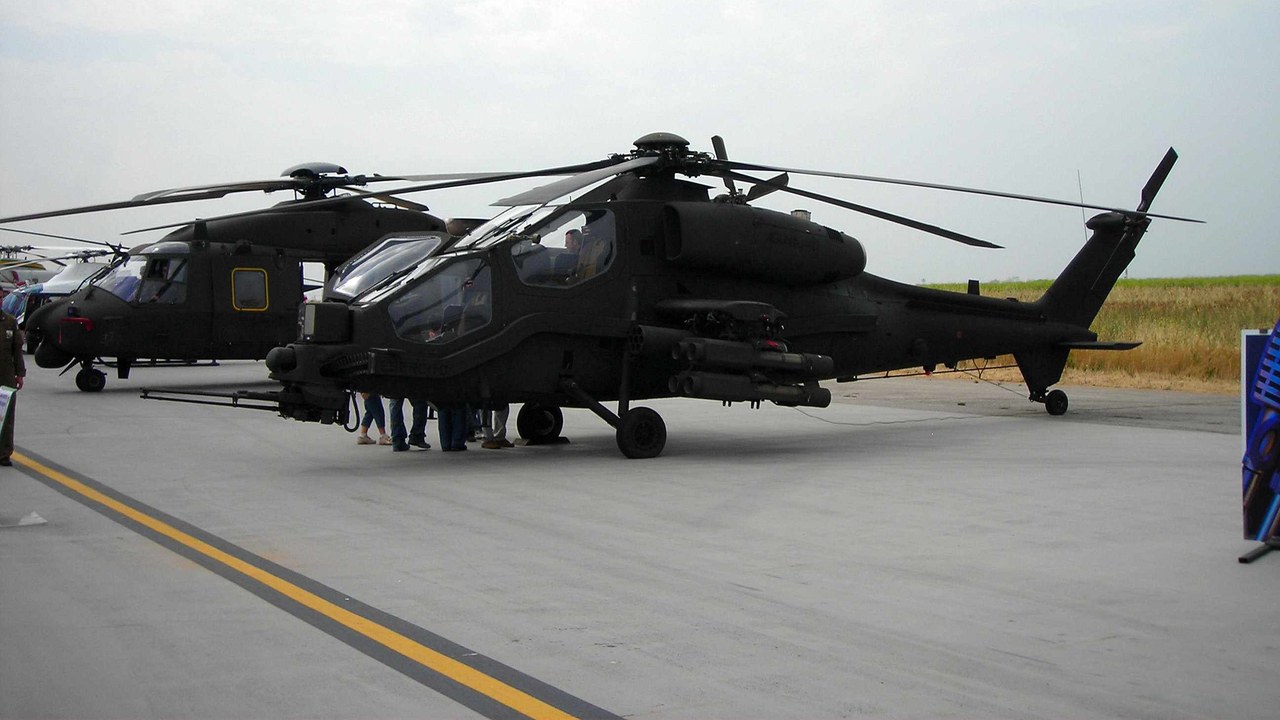
The Italian A129 Mangusta served in the Balkans, Somalia, Iraq and Afghanistan, according to the same attack helicopter overview. It was Europe’s first dedicated attack helicopter design and has carried anti-tank missiles, rockets and a nose gun.
Italy is now replacing the Mangusta with the larger AW249 Fenice. The older aircraft’s long record in peacekeeping and combat zones made it one of the most widely deployed European gunships of its generation, and it also formed the basis for Turkey’s T129. Several retired airframes now sit in Italian aviation museums for visitors to see up close.
4. Eurocopter Tiger: A Franco-German Partnership
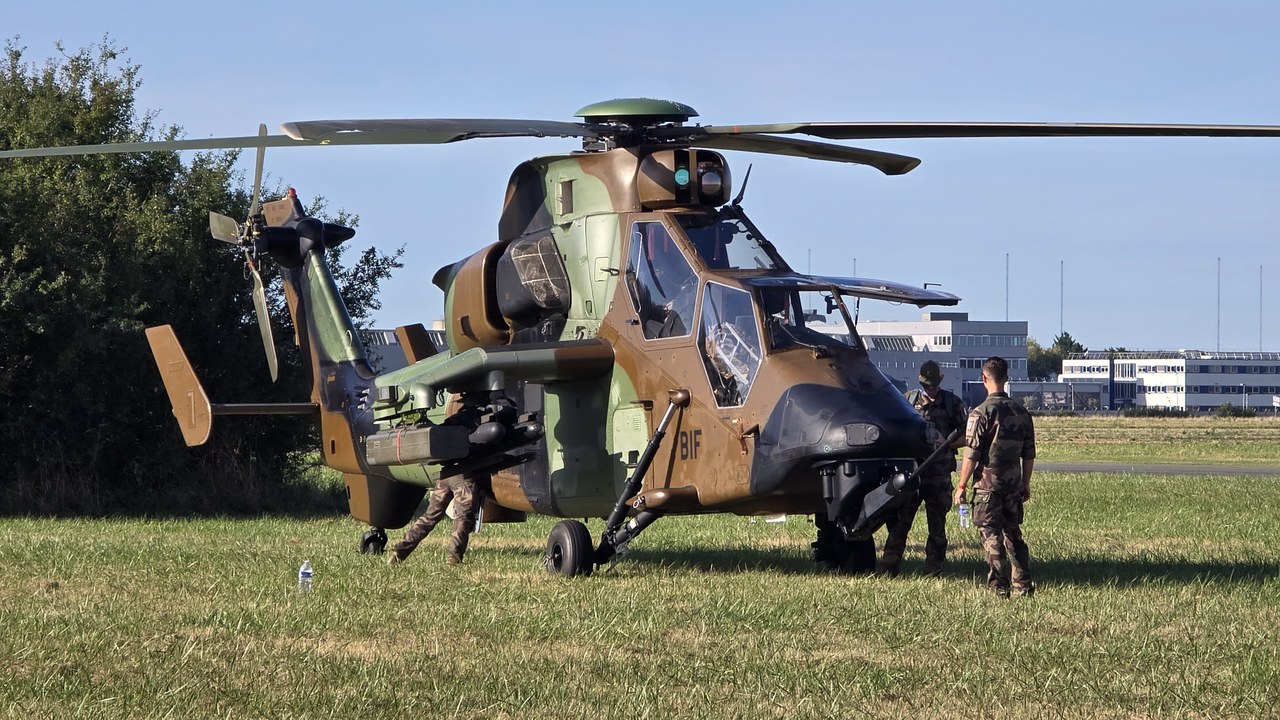
The Eurocopter Tiger has flown in Afghanistan, Libya and the Sahel, and its MkIII upgrade covers 67 French and 18 Spanish airframes, according to the attack helicopter overview. The Tiger was developed jointly for the French and German armies.
The Tiger’s small size and agility make it hard to spot and hit. The upgrade program keeps France and Spain’s fleets in service for years to come, while Germany has chosen to retire its Tigers and buy the Apache instead. Australia has also operated the Tiger, though it too is switching to the Apache.
5. Mi-28 Havoc: Built for the Night
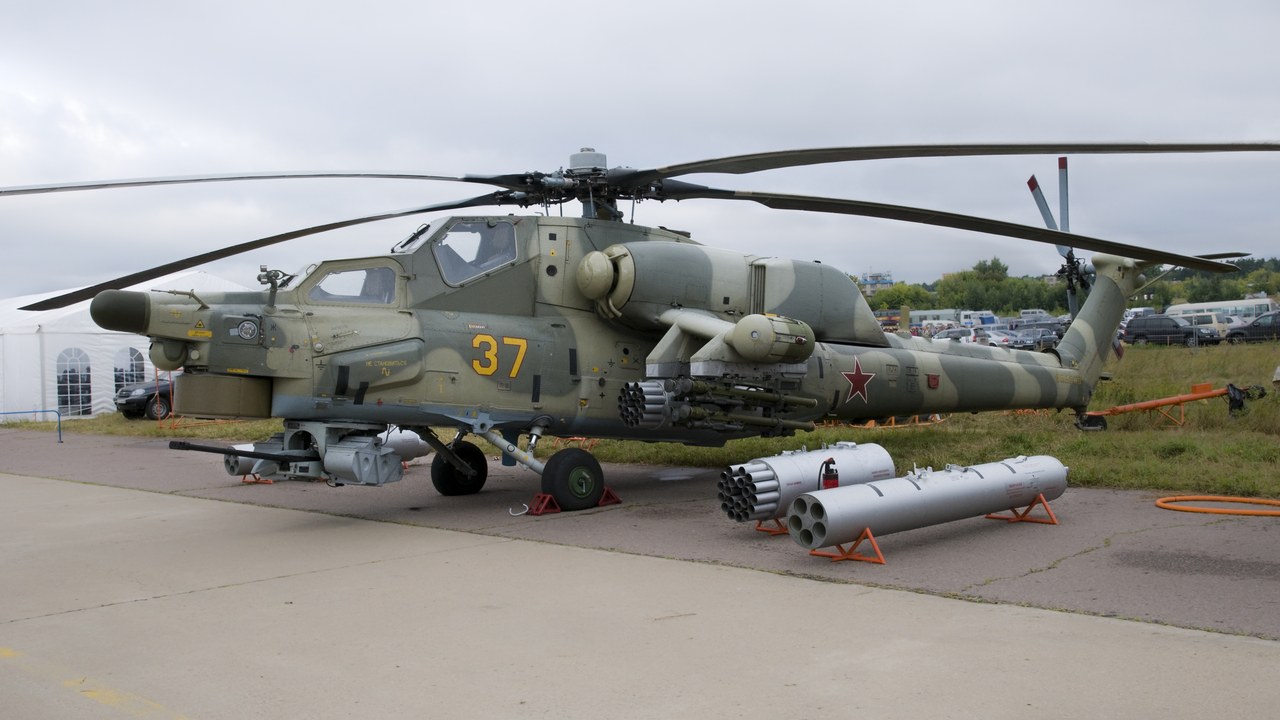
The Mi-28 Havoc is a night-capable Russian gunship whose anti-tank missiles can pierce a meter of armor, according to a ranking of attack helicopters. It also carries a 30 mm nose cannon for softer targets.
The Mi-28’s armored cockpit was designed to protect the crew from heavy machine-gun fire. Night capability lets it strike when defenders are at their least alert, which is a large advantage in armored warfare and a major reason the design has stayed in Russian service. An export version has been sold to several countries, including Algeria and Iraq.
6. AH-1Z Viper: The Marine Corps’ Viper
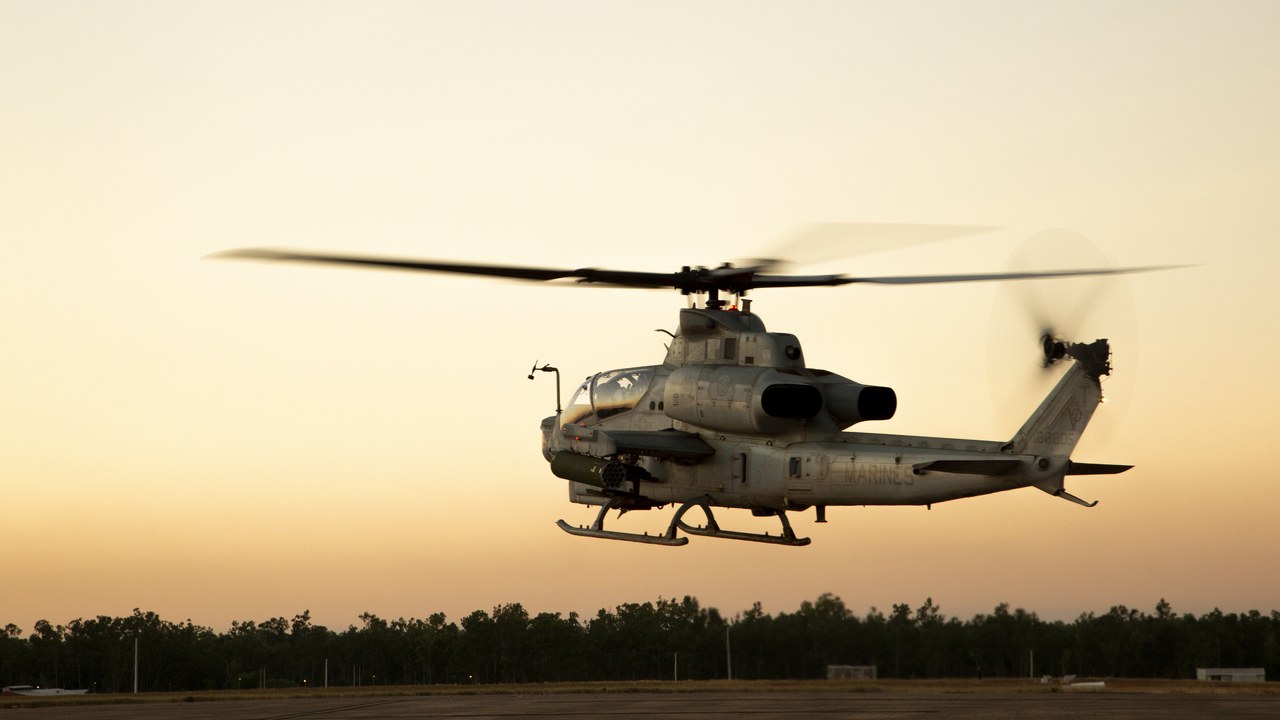
The AH-1Z Viper fires Hellfire missiles that can destroy tanks and ships and carries a 20 mm cannon plus Sidewinder missiles for air engagements, according to the same attack helicopter ranking. It is the U.S. Marine Corps’ standard attack helicopter.
The Viper’s four-blade rotor and modern sensors make it far more capable than the Cobras it replaced. Because it can operate from amphibious ships, it gives the Marines a tank-hunting aircraft wherever they deploy, even far from a land base. Its parts are largely shared with the UH-1Y utility helicopter, which simplifies maintenance.
7. AH-1 Cobra: Where It All Began
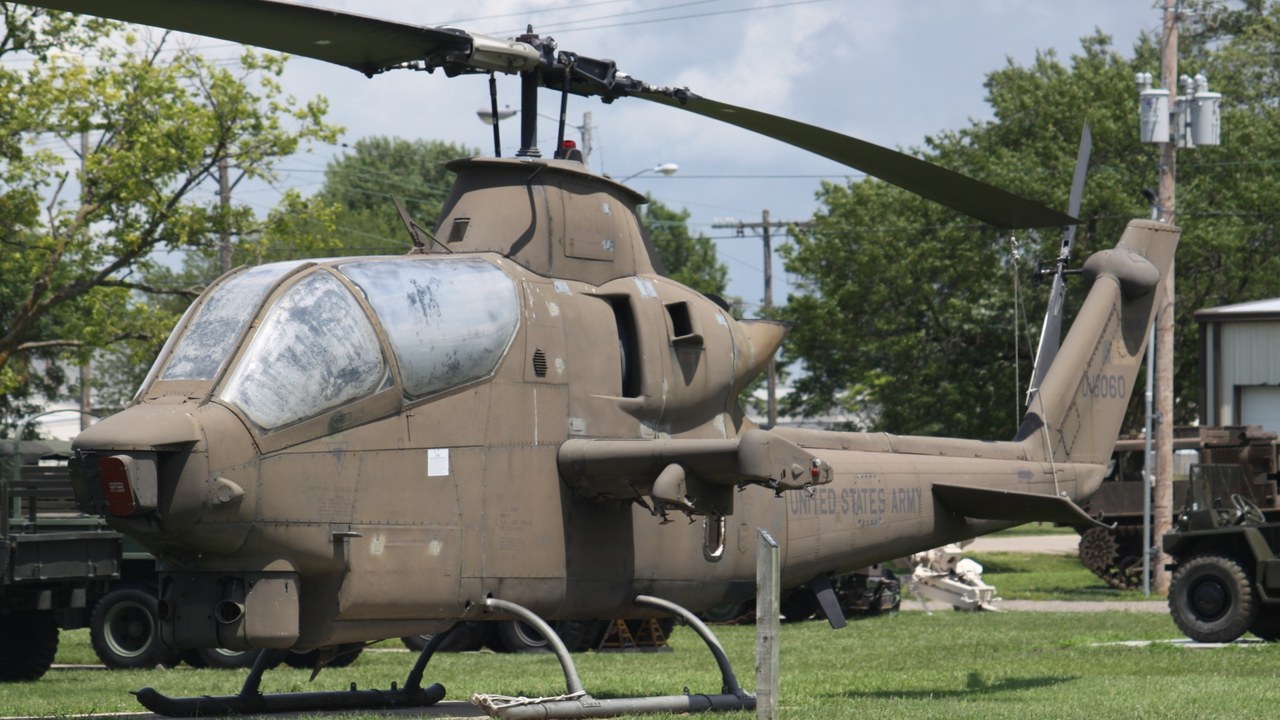
The AH-1 Cobra entered service in 1967 with a top speed of 172 mph, a grenade launcher, rocket pods and anti-tank missiles, according to a look at the oldest attack helicopters. It started the line of dedicated U.S. attack helicopters.
The Cobra’s slim, tandem-seat body set the template that nearly every later gunship followed. Versions of the design still fly with some armed forces today, more than half a century after it first saw combat in Vietnam. Many retired Cobras now serve with forestry agencies as firefighting spotter aircraft, a second career for an old warhorse.
8. T129 ATAK: Turkey’s Homegrown Gunship
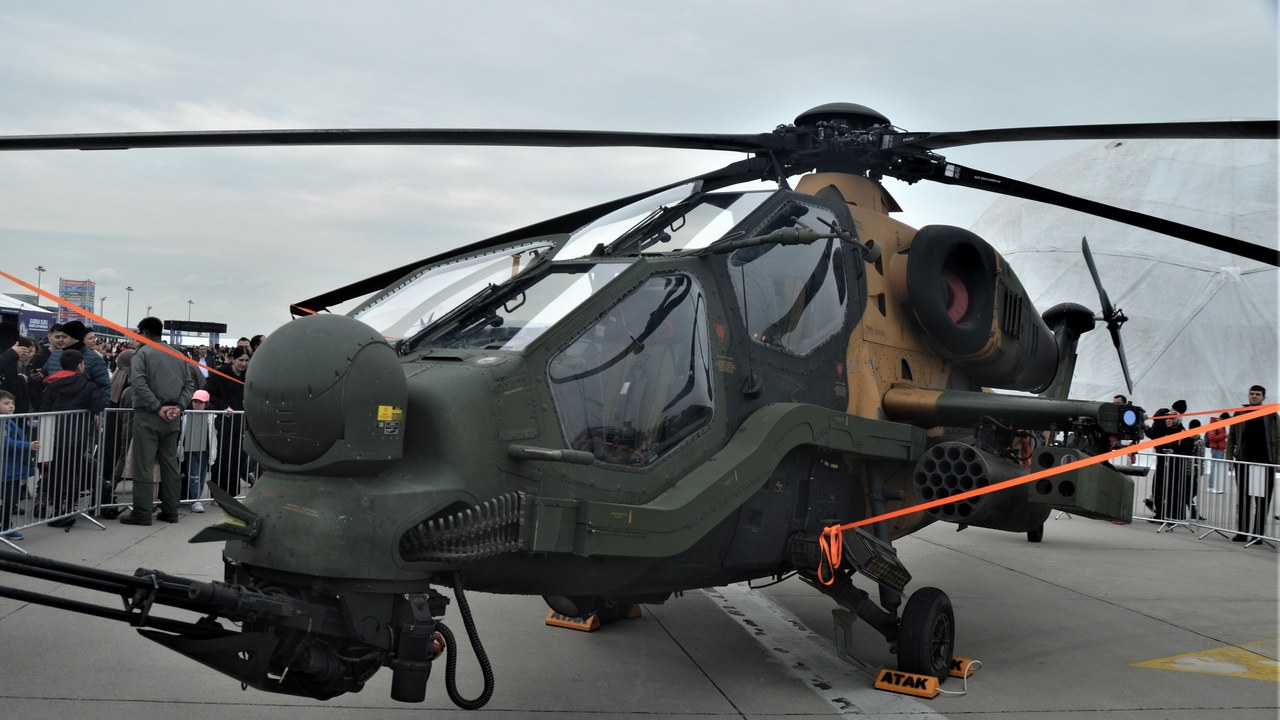
The T129 ATAK is Turkey’s attack helicopter, an upgraded version of the Italian A129 that can zip around the battlefield at 150 knots and fire UMTAS anti-tank missiles, according to an attack helicopter ranking.
Turkey built the T129 to fit its own needs, including hot-weather and high-altitude performance for operations in mountainous terrain. The program is part of a broader effort to build more of the country’s military hardware at home rather than buying it abroad. The T129 has been used in operations along Turkey’s borders and has also been offered for export.
More from Morning Overview
- Shaq spent $1.3 million on three Rolls-Royce Phantoms to prove a point to a salesman
- The Justice Department asked courts to undo approvals for three offshore wind farms, one already making power
- Over 20 trillion gallons of rain fell on the Four Corners states and Nevada in two weeks
- 11 engines built to run well past 200,000 miles
