
Body-on-frame construction separates the bolted-together truck chassis from the unibody shell that most modern crossovers share. The layout adds weight and cost, but it also spreads stress through a ladder frame that can be repaired, reinforced or rebuilt long after a monocoque would be written off. Here are nine truck-based sport utilities that owners keep running well past the point where lighter rivals retire.
1. Toyota 4Runner: The Six-Figure Odometer Habit
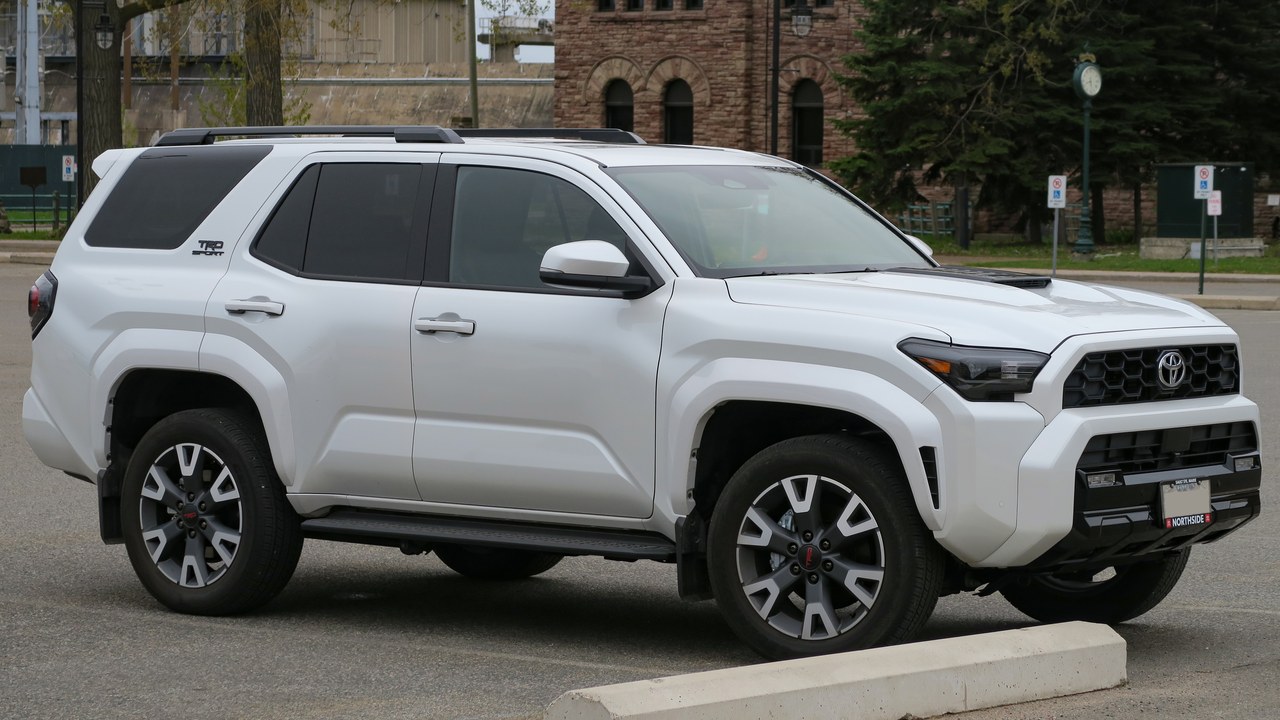
Toyota has kept the 4Runner on a separate ladder frame through generation after generation, while nearly every mid-size rival migrated to a car-derived unibody. That conservatism is why the mid-size Toyota SUV turns up so often in high-mileage resale listings, with odometers reading well into six figures and original drivetrains still in place. Truck-derived running gear and a body bolted to a frame leave it with fewer of the structural failure points that retire lighter crossovers.
The price of that is fuel economy and a truckish ride, and clean used examples stay expensive because supply never catches demand. In exchange, it tolerates rough roads, towing and deferred maintenance far better than the showroom neighbors it is cross-shopped against.
2. Toyota Land Cruiser: The Global Durability Benchmark
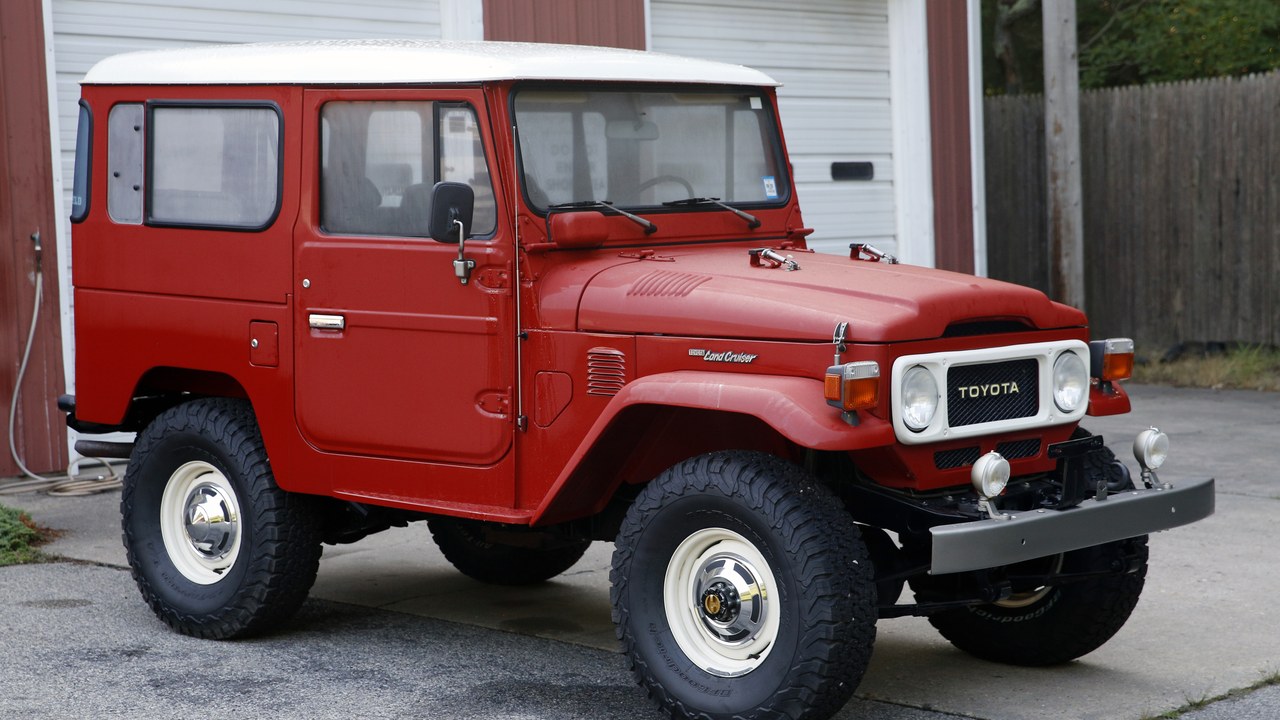
Few nameplates carry a reputation for endurance the way this one does, earned in places where a breakdown is a genuine emergency rather than an inconvenience. Generations of Toyota’s flagship off-roader rode on a ladder frame with heavy-duty axles, and aid agencies, mining crews and desert outfitters kept ordering them because worn examples could be rebuilt instead of replaced.
That record now sets the resale floor, with tidy older trucks routinely commanding more than newer unibody SUVs of similar size. Thirst and bulk are the cost of entry, but the frame, the parts supply and the depth of global service knowledge make very long ownership realistic.
3. Lexus GX: Land Cruiser Bones Under Leather
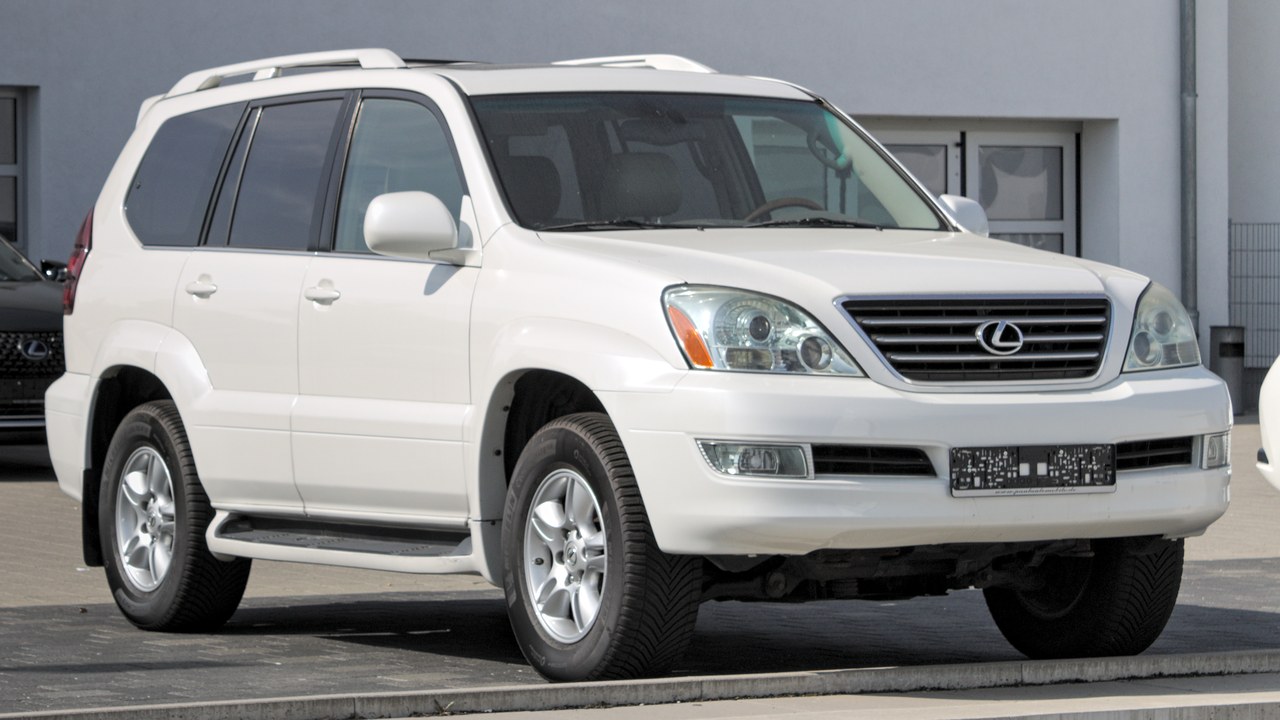
Beneath the wood trim and the quiet cabin, the GX shares its architecture with Toyota’s Land Cruiser Prado line rather than with any passenger-car platform. That inheritance gives the Lexus body-on-frame SUV a ladder chassis, a transfer case and genuine off-road hardware that a similarly priced unibody luxury crossover does not carry. The mechanical parts tend to wear at truck rates while the cabin ages like a luxury car.
The practical consequence is a vehicle whose most expensive components outlast the electronics and trim surrounding them. Repair bills still arrive at luxury prices, yet the critical hardware is shared with high-volume Toyota trucks, which keeps replacement parts available for far longer than badge exclusivity would suggest.
4. Chevrolet Tahoe: The Fleet-Duty Standard
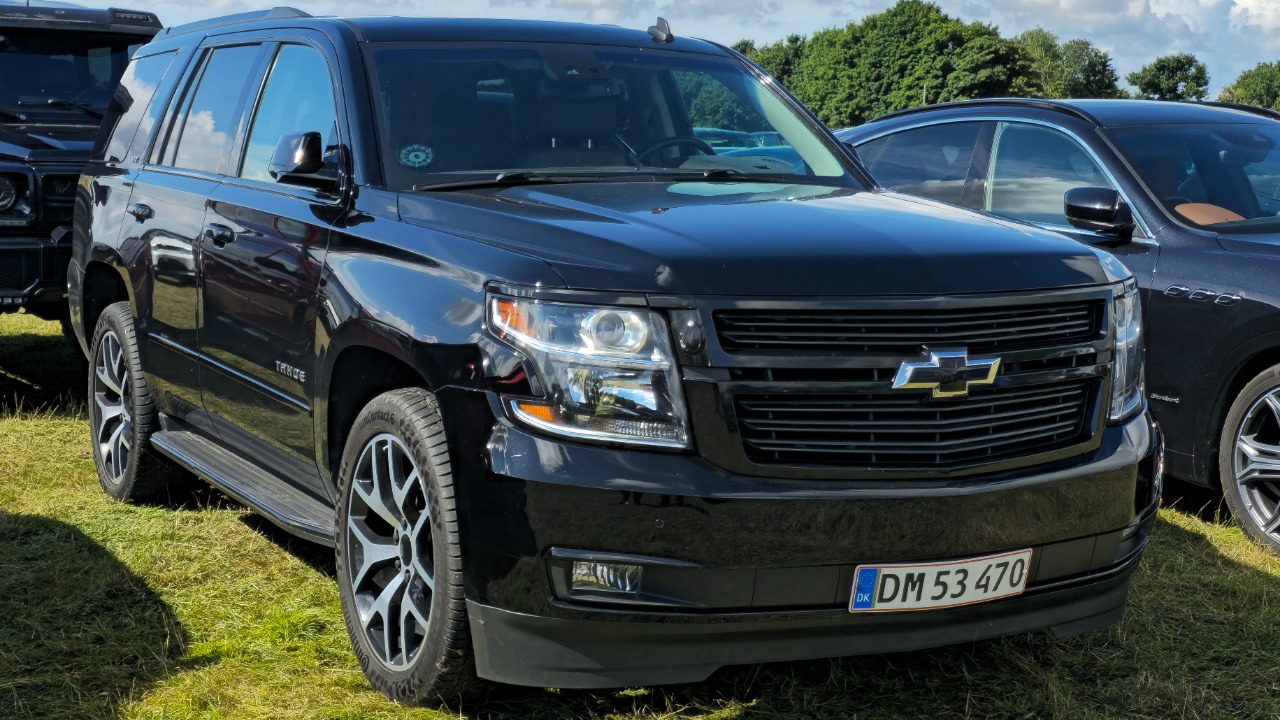
Police departments, livery operators and construction firms buy the Tahoe in batches, and they do it because the truck underneath absorbs duty cycles that flatten ordinary passenger vehicles. The full-size Chevrolet SUV shares frame architecture and drivetrains with the Silverado pickup, so replacement parts are stocked almost everywhere and independent mechanics already know the layout by heart.
Fleet service has another benefit: the failure patterns are documented rather than mysterious, and a shop can quote a repair without guesswork. Private buyers inherit that ecosystem, which is why high-mileage examples stay economical to fix long after a comparable crossover becomes uneconomic to keep.
5. Ford Expedition: Built To Tow, Then Tow Again
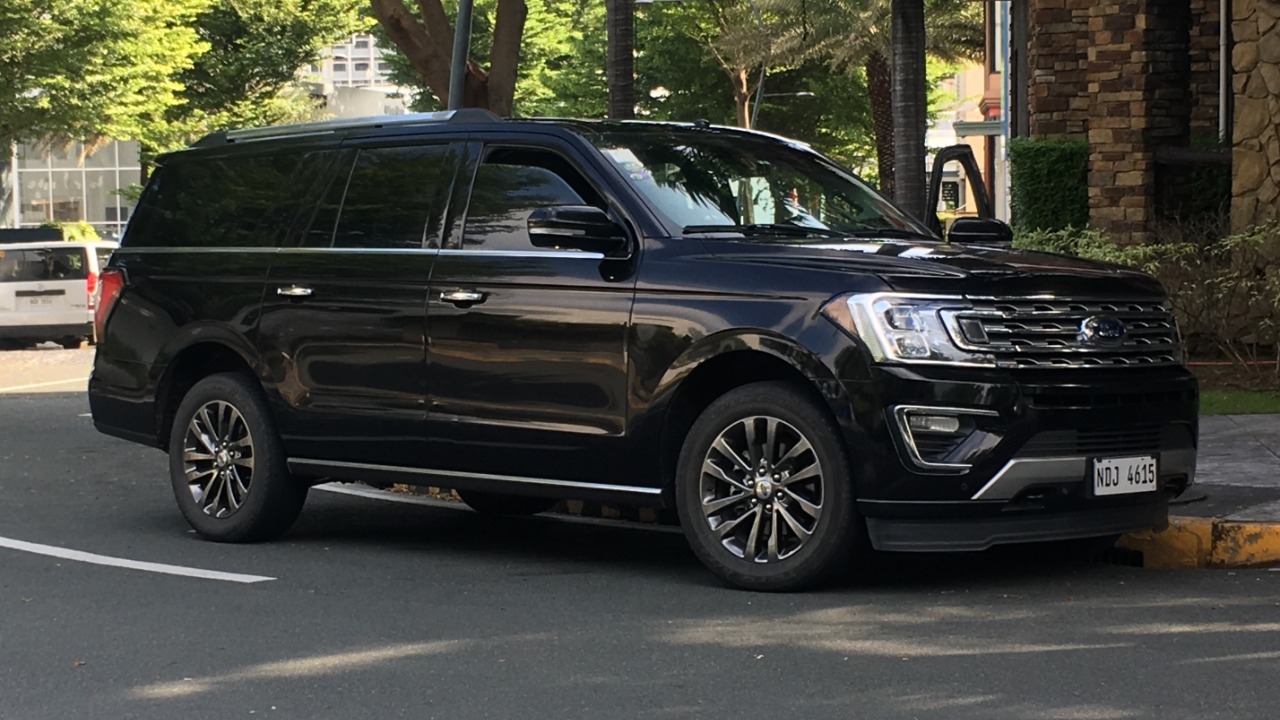
Engineered around hauling from the outset, the Expedition shares frame architecture and running gear with the F-150 rather than with anything car-based. That explains why the full-size Ford SUV fills livery fleets and trailer-towing driveways where annual mileage runs unusually high. Frame-mounted suspension pickup points and truck cooling hardware take loads that would fatigue a unibody structure over time.
Heavy use exposes the trade-offs of fuel consumption, sheer size and brake wear, but the structural components are rarely the reason one is finally retired. Body panels, electronics and interiors usually wear out first, and all three cost less to address than a compromised chassis.
6. GMC Yukon: Same Frame, Different Badge
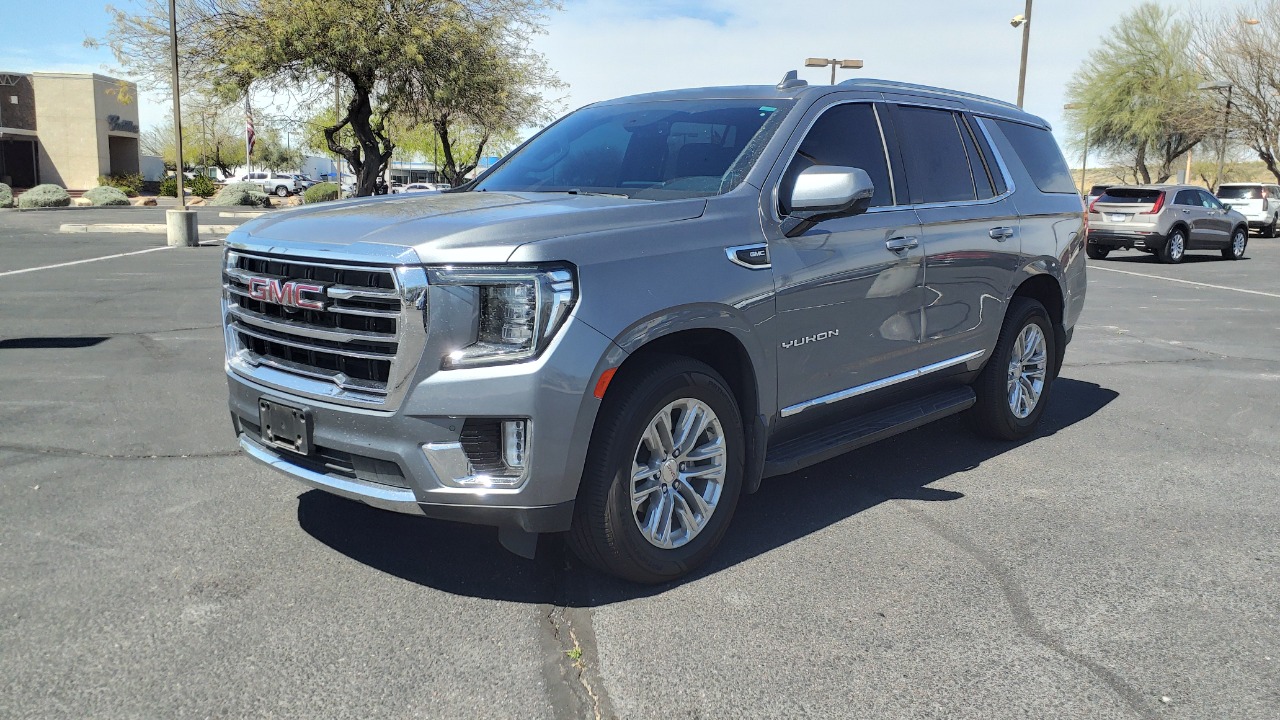
Corporate twins in every meaningful sense, the Yukon and the Tahoe are built on the same ladder frame with the same drivetrains and much of the same hardware behind different sheet metal. Because GMC’s full-size SUV draws on that shared parts bin, longevity comes down to maintenance history rather than to any structural difference between the two nameplates.
The distinction is largely trim: richer interiors, more sound insulation and a higher window sticker wrapped around mechanically identical bones. That makes a well-kept used example unusually good value, since depreciation punishes the badge while the durable components underneath lose nothing the Chevrolet does not.
7. Toyota Sequoia: The Quiet Long-Hauler
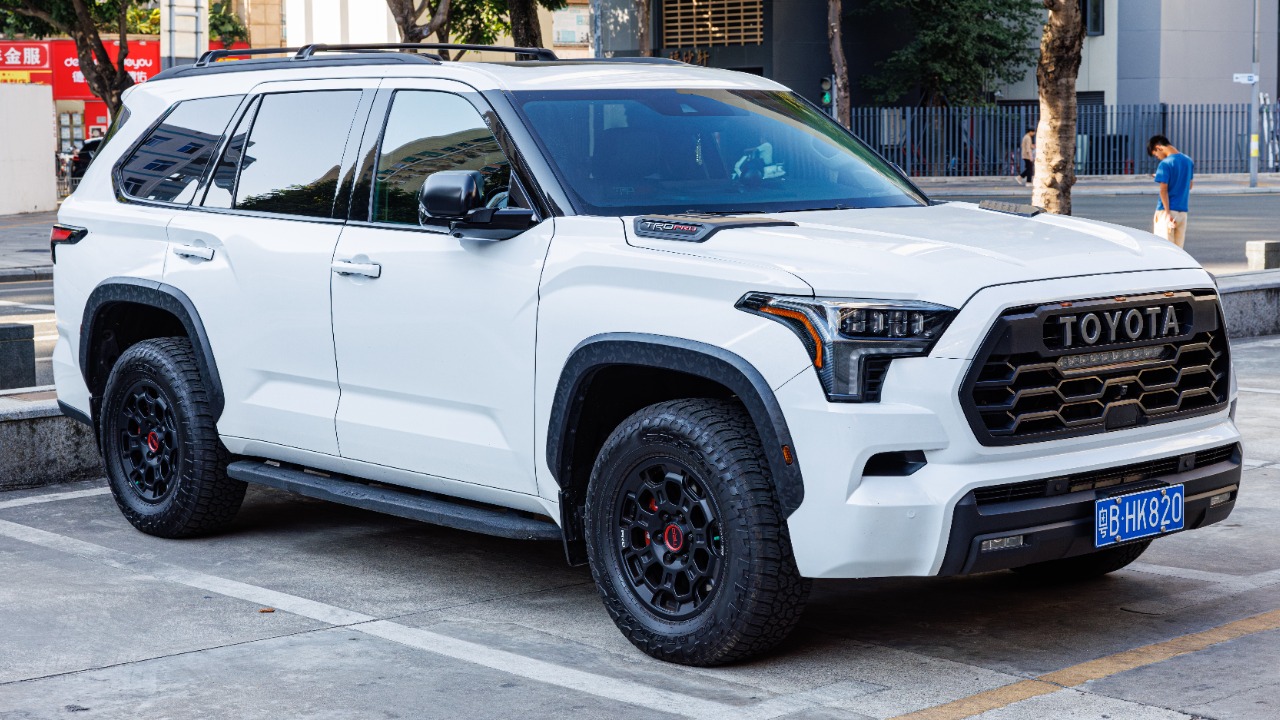
Overshadowed by louder full-size rivals, the Sequoia has always been a Tundra pickup with three rows and a roof, riding the same ladder frame and truck running gear. High-mileage examples of Toyota’s largest SUV circulate widely on the used market, frequently with original drivetrains intact and service records showing little beyond fluids and ordinary wear items.
Modest sales volume leaves fewer examples to choose from, and body corrosion in salted climates is the more common reason one leaves the road. Mechanically, the combination of a truck frame and deliberately conservative engineering is what keeps the survivors accumulating miles.
8. Nissan Armada: Patrol Underpinnings, American Badge
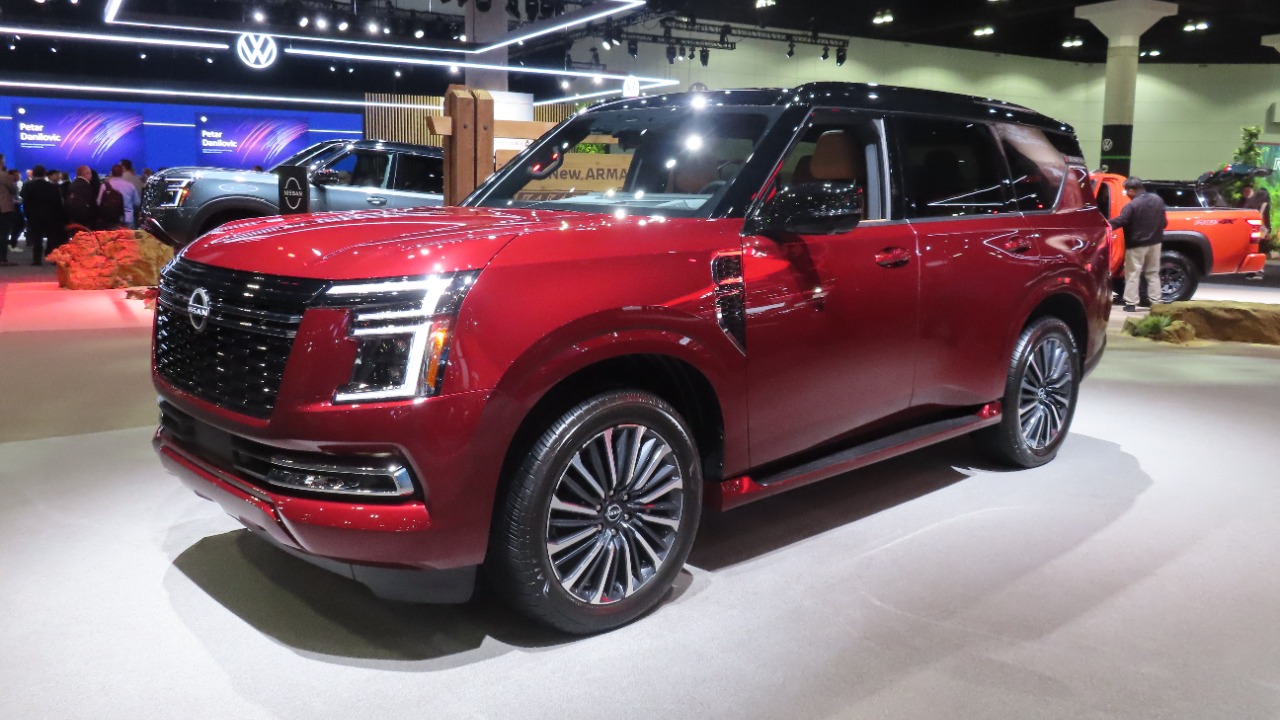
Sold elsewhere as the Nissan Patrol, the Armada descends from a nameplate developed for markets where roads punish vehicles and service intervals stretch. That heritage gives the full-size Nissan SUV a body-on-frame chassis and running gear specified for heavy loads, and its long V8 era built a reputation for unstressed drivetrains rather than small engines working near their limits.
Weaker resale values than the Toyota and General Motors alternatives make used examples cheap, which is the strongest argument for one. Running costs stay heavy and the cabin technology dates quickly, yet neither the frame nor the drivetrain is typically what ends an Armada’s service life.
9. Jeep Wrangler: The Vehicle Nobody Scraps
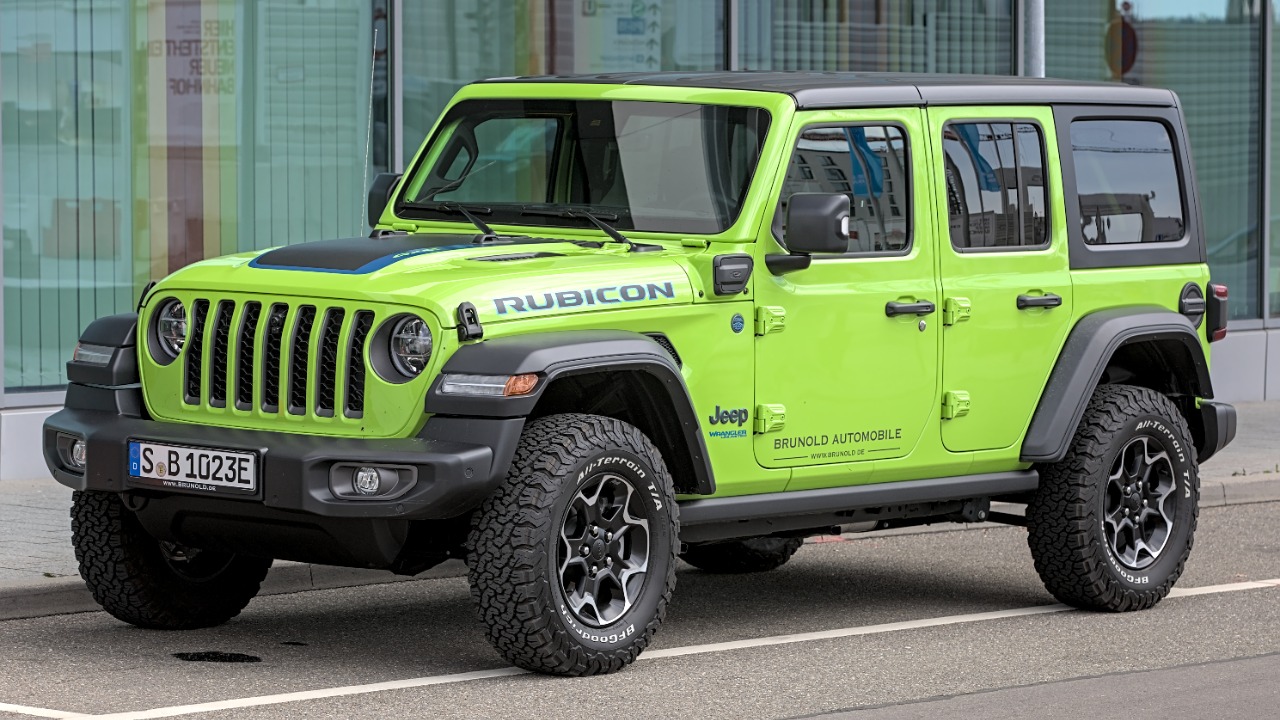
Almost nothing about the Wrangler is disposable: a separate frame, bolted body panels, removable doors and roof, and a solid axle at each end. That design makes the open-top Jeep SUV unusually rebuildable, and a decades-old truck can be returned to service with catalog parts instead of salvage-yard scavenging.
An aftermarket built around that repairability keeps frames, axles, tubs and trim readily available, which is why so few are written off outright. The compromises never go away, from wind noise to on-road manners to fuel use, and owners accept them for the longevity and the ease of repair.
More from Morning Overview
- The FTC is warning about a scam quietly draining thousands from victims
- The NSA is again telling phone owners to switch off one location setting
- A handful of car transmissions are so tough mechanics say they almost never fail
- A handful of SUVs keep hitting 300,000 miles, and they share one engine trait
