
Honda and Acura recalls filed during 2026 reach well beyond one defect, touching rusting rear subframes, cracking seat sensors, pressurized sealant bottles, airbag software and rearview cameras. Several of the campaigns run into six or seven figures of vehicles, so a car may be covered without its owner knowing. Here are twelve Honda and Acura models that appear in those 2026 NHTSA campaigns.
1. Honda Pilot: Rear Subframe Corrosion
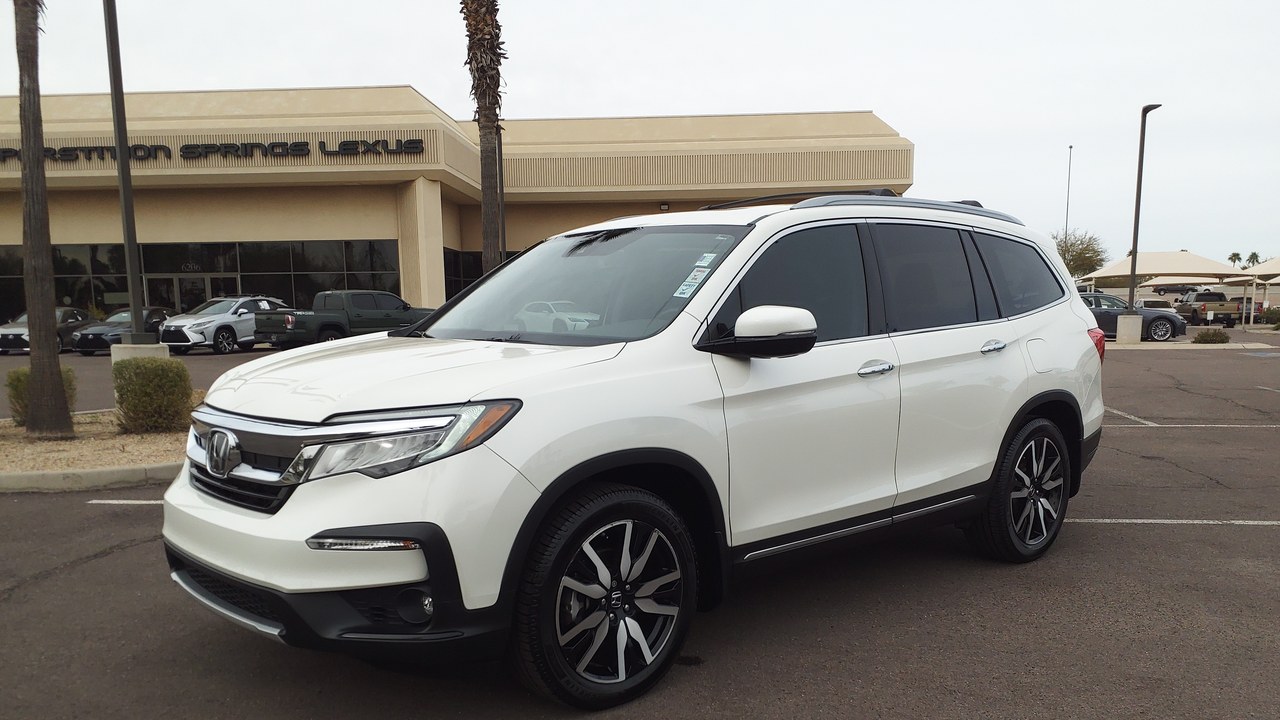
NHTSA campaign 26V365000, filed June 4, 2026, spans 880,514 vehicles, and the Pilot recall record names 2016-2022 Pilots whose rear subframe may corrode at the suspension mounting points. The campaign applies to vehicles sold in listed Eastern and Midwestern states and Washington, D.C.
Rust at those mounting points is a structural issue rather than a cosmetic one, so a Pilot from those years is worth checking by VIN with a dealer or NHTSA. Owners in the covered states should not assume a clean-looking underbody means the car is cleared.
2. Honda Ridgeline: Control Arm Risk
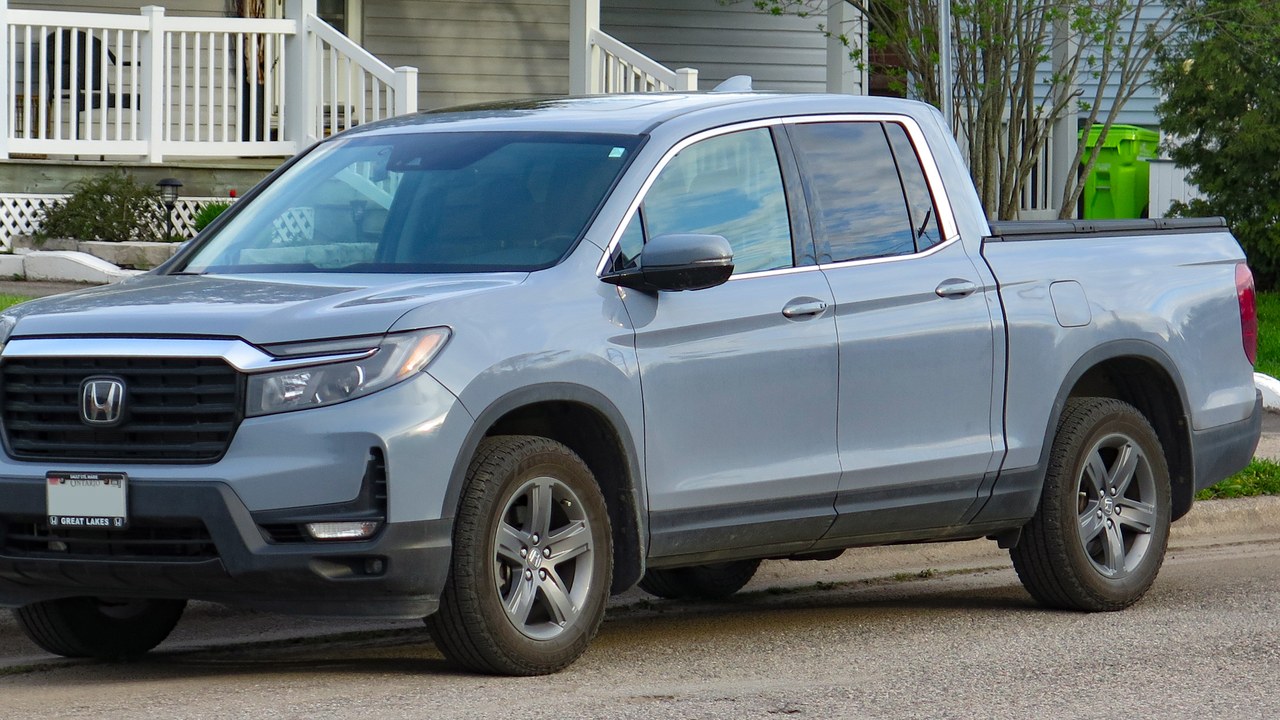
The same 880,514-vehicle campaign reaches 2017-2023 Ridgelines, and the NHTSA subframe filing warns that subframe corrosion can lead to failure of rear suspension parts such as the control arm. A pickup with a failed arm loses part of its rear suspension geometry.
A Ridgeline that hauls loads or tows puts extra stress on that rear structure, which makes an early dealer inspection a sensible step. Honda’s remedy is a reinforcement approach handled at the dealer, so the open recall status is worth confirming before any long trip.
3. Honda Passport: Free Reinforcement Kit
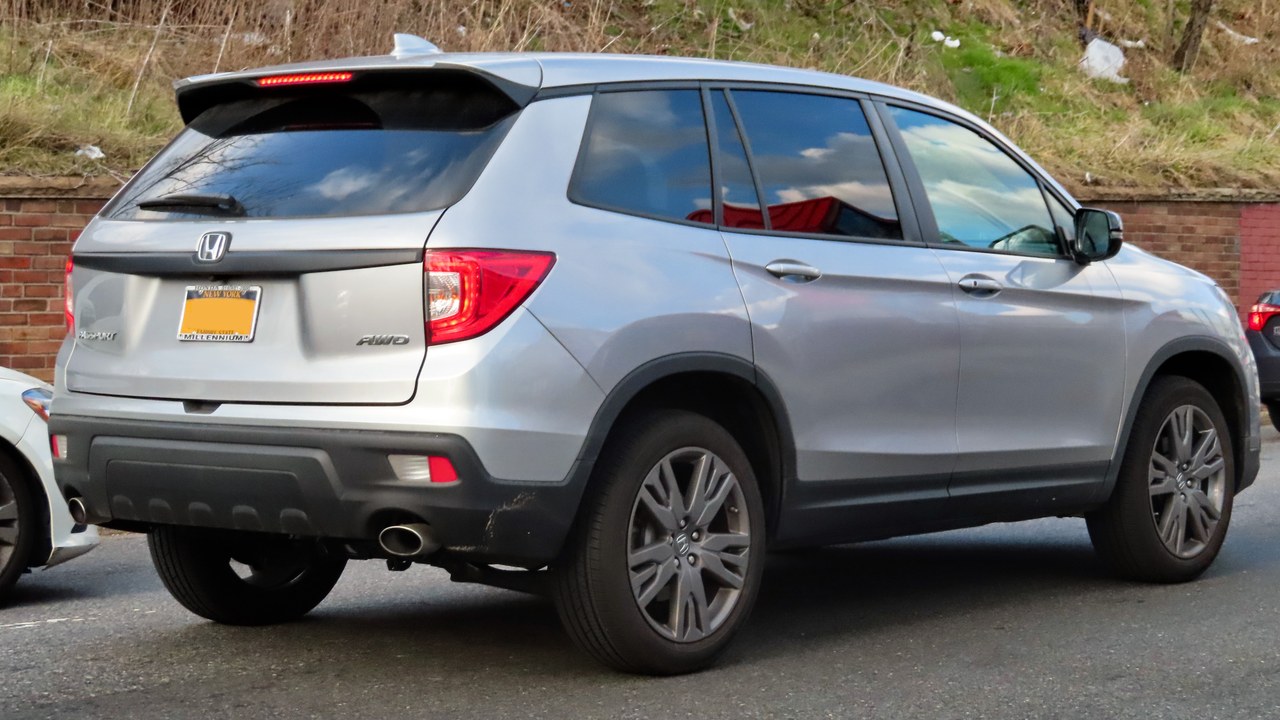
Passports from 2019-2023 sold in the listed Eastern and Midwestern states are covered by the 880,514-vehicle rear-subframe action, and the federal recall report describes dealers installing a reinforcement kit at no charge. The crossover shares its platform roots with the Pilot and Ridgeline.
Because eligibility depends on where the vehicle was sold, a Passport bought used or moved across state lines should still be checked by VIN. The free kit means the only cost to an owner is the time at the dealer.
4. Acura MDX: Loss of Handling
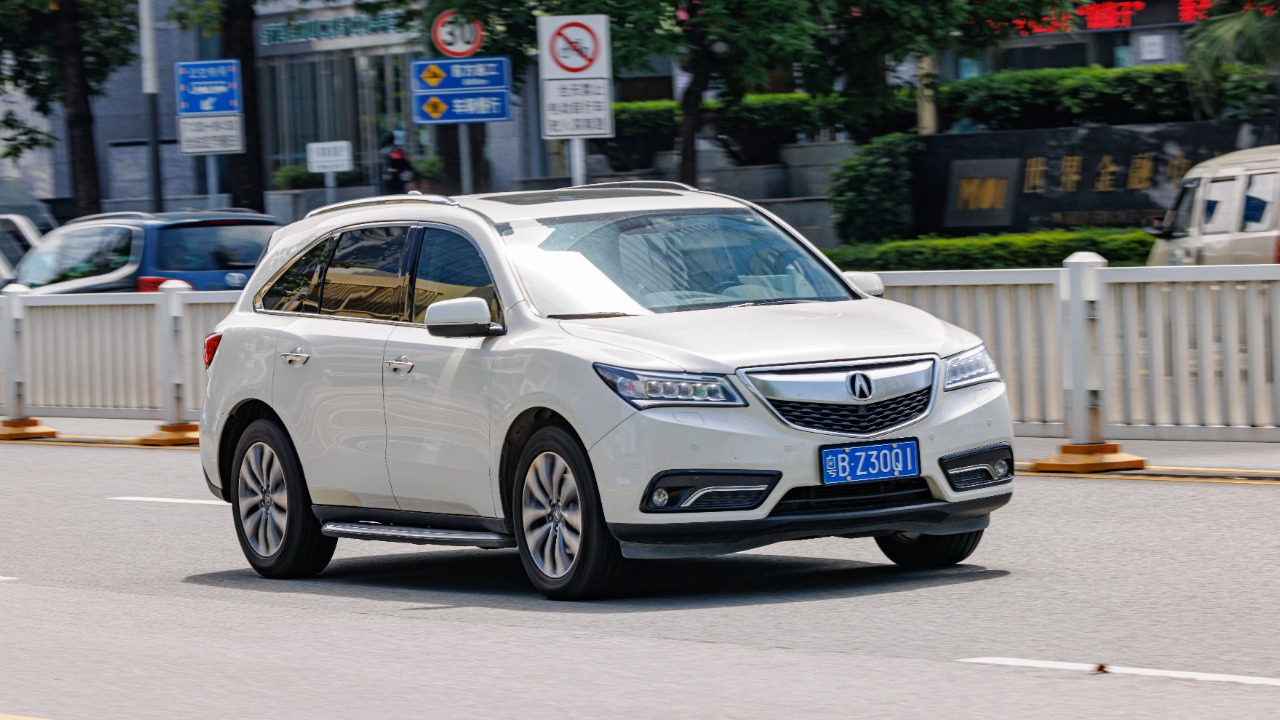
The luxury entry in the group, 2014-2020 Acura MDX SUVs sit in recall 26V365000, where the MDX campaign entry says a corroded rear subframe can cause loss of handling and control. The campaign covers the same listed states as its Honda siblings.
MDX buyers in used markets face the biggest information gap, since a decade-old three-row SUV may have changed hands several times. Checking the VIN at a dealer or on NHTSA’s lookup is the quickest way to learn whether the repair is outstanding.
5. Honda Civic: Seat Sensor Short Circuit
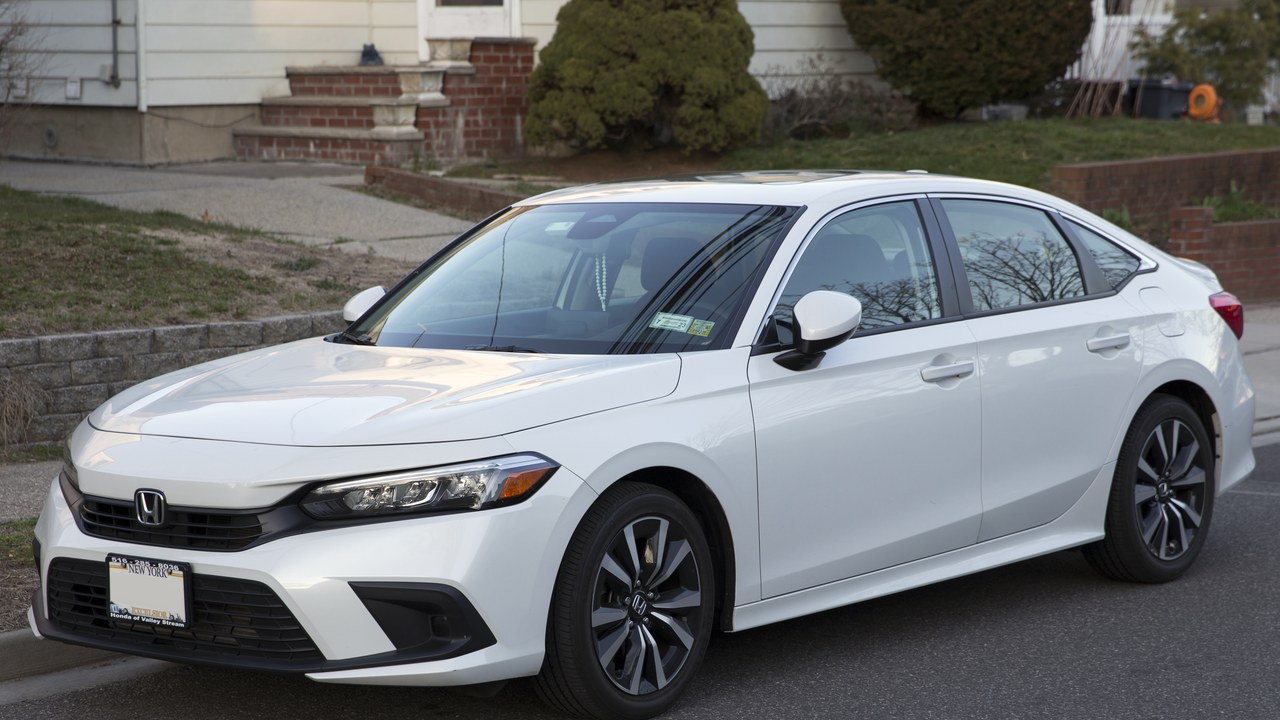
Recall 26V332000, dated May 21, 2026, covers 98,892 vehicles, including 2021-2022 Civics and 2017-2021 Civic Hatchbacks, and the Civic recall notice states that the front passenger seat weight sensor may crack and short circuit. The sensor feeds the system that decides how the passenger air bag behaves.
A short circuit in that circuit is an electrical fault, not a mechanical one, so warning lights or air bag messages deserve prompt attention. Civic owners with a hatchback from 2017 onward should check the VIN even if the sedan looks unaffected.
6. Honda HR-V: Sensors Replaced Free
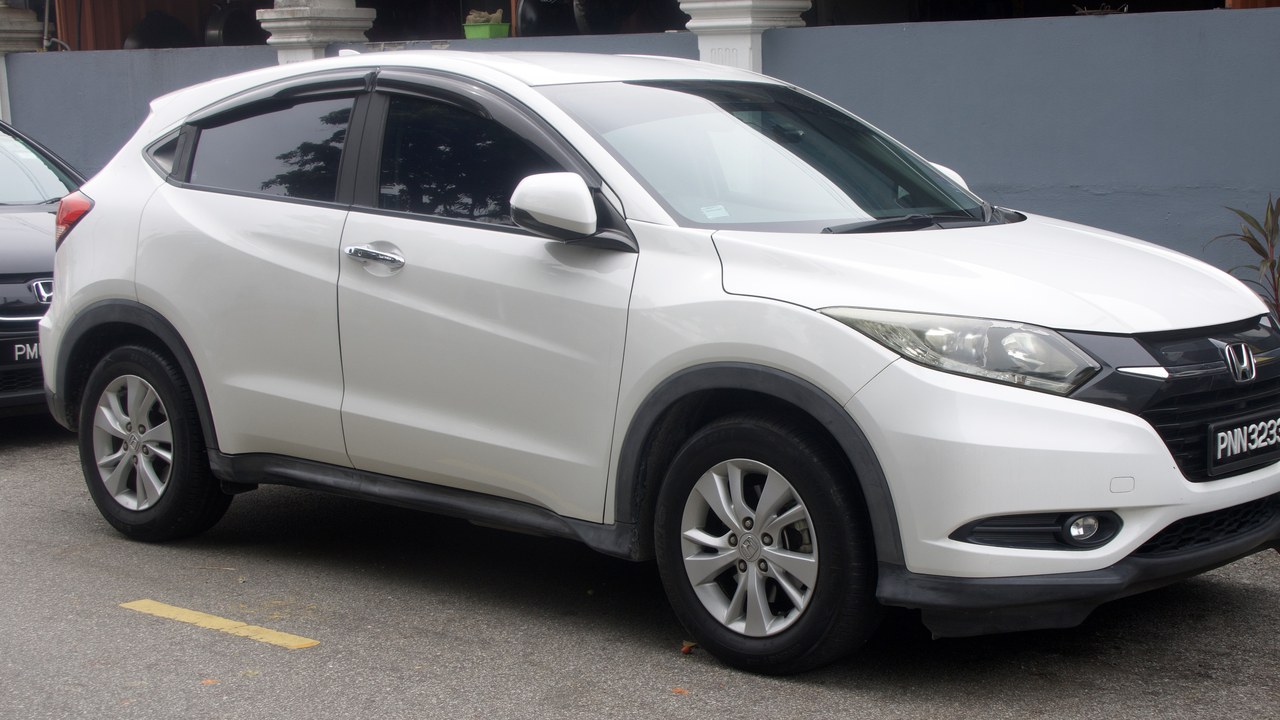
The 98,892-vehicle seat-weight-sensor recall also reaches 2020-2021 HR-Vs, and the HR-V sensor recall says dealers replace the sensors free of charge. The subcompact crossover is one of several Honda models that share the same occupant-detection part.
Small crossovers are often bought used and driven by multiple owners, which makes the recall easy to miss. A short dealer visit with the VIN settles whether the replacement has been done on a given HR-V.
7. Acura TLX: Occupant Classification Fault
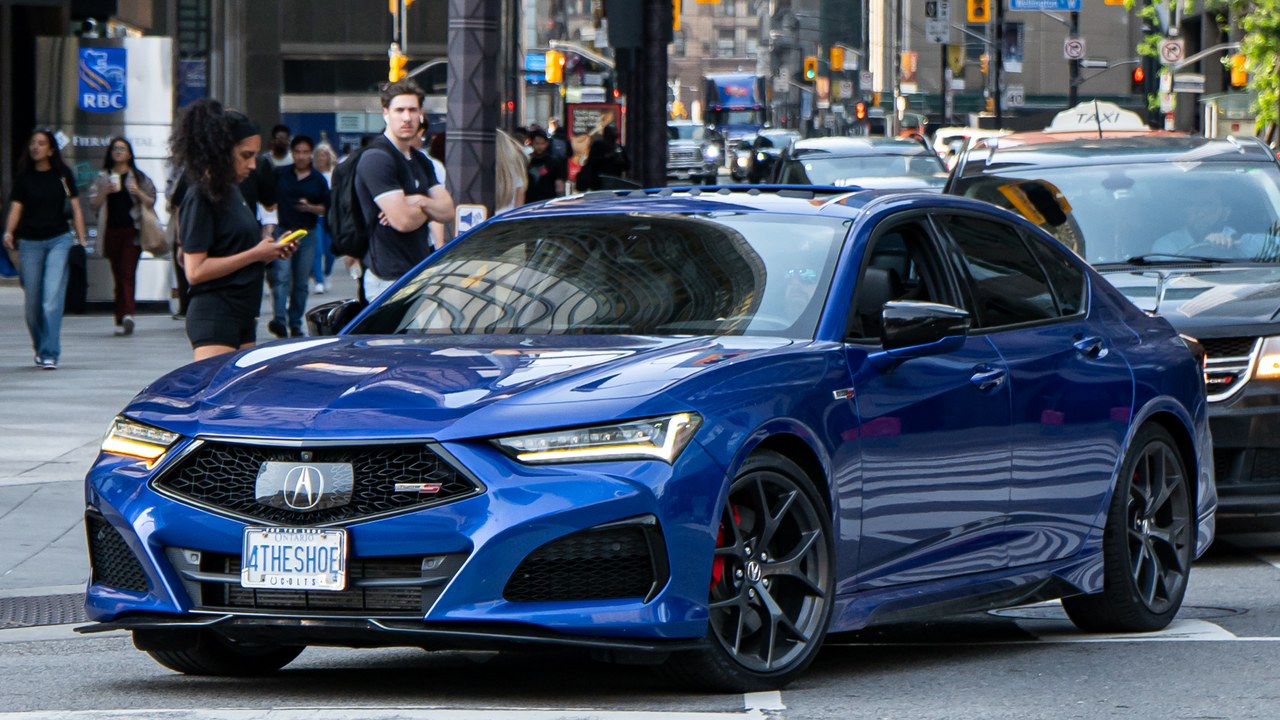
Acura’s sport sedan appears in 26V332000 for 2021 and 2023 model years, and the TLX recall details ties the cracked weight sensor to the occupant-classification air bag system. That system uses the sensor to judge whether and how the passenger air bag should deploy.
The odd pairing of 2021 and 2023 means owners cannot rely on a model-year range in their head. Anyone with a TLX from either year should confirm status by VIN, since a faulty classification signal bears directly on passenger protection.
8. Acura RDX: Unintended Deployment
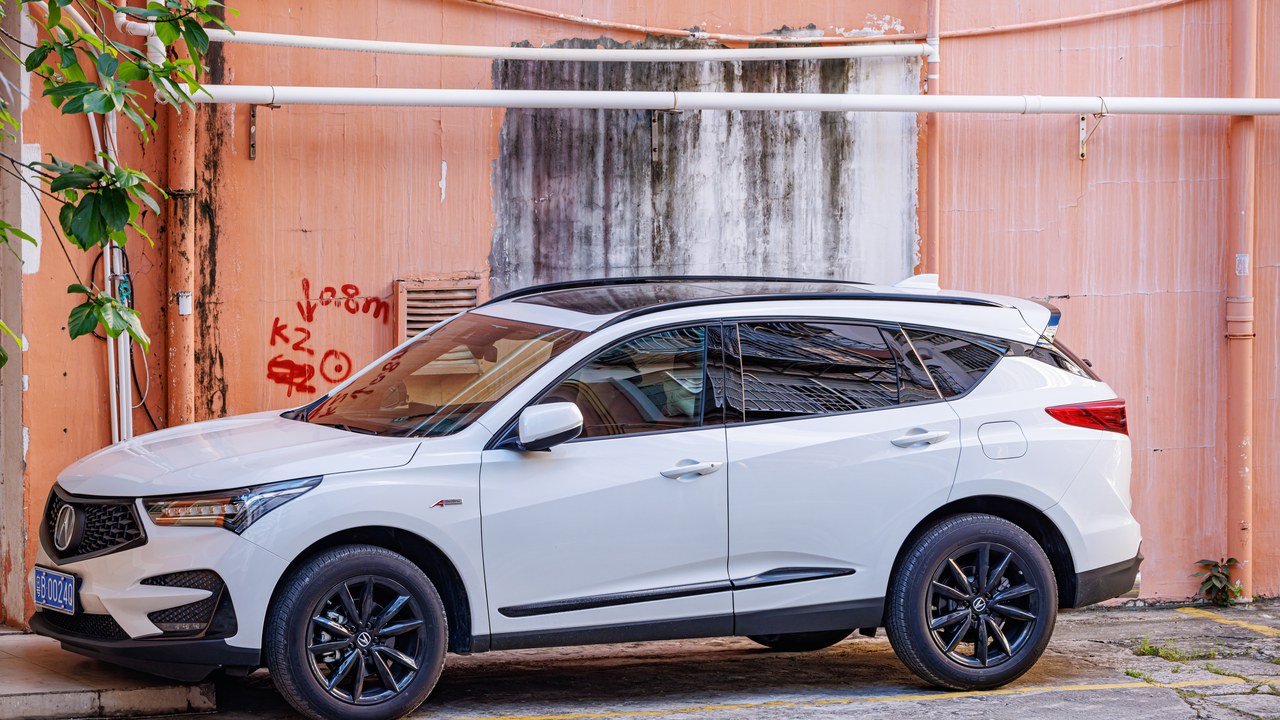
The 2021-2024 RDX is covered by the same campaign, and NHTSA warns in its RDX campaign record that air bags that deploy unintentionally during a crash increase the risk of injury. The rating comes from the cracked seat weight sensor at the front passenger position.
The span is four model years, so recent RDX buyers are included, not just older used examples. Owners should treat a dealer repair appointment as routine safety maintenance and bring the VIN to confirm eligibility.
9. Honda CR-V Hybrid: Sealant Bottle Pressure
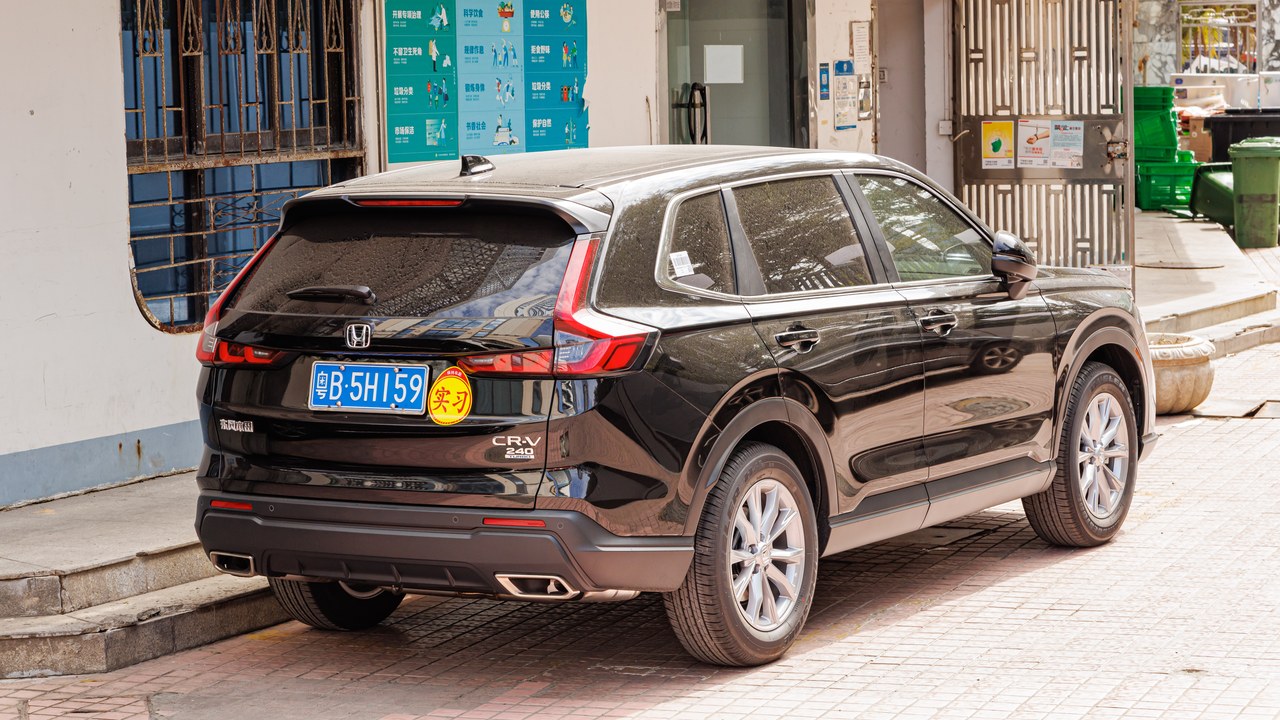
Honda’s largest 2026 campaign, 26V366000, covers 1,049,883 vehicles, and the NHTSA-based campaign list lists 2023-2026 CR-V Hybrids because pressure may build in the sealant bottle when the tire repair kit is used. The part is a roadside convenience, not a drivetrain component.
The risk arises only when the repair kit is deployed after a flat, so a CR-V Hybrid owner may never trigger it. The kit is still worth checking against the recall before it is needed on a roadside.
10. Honda Accord Hybrid: Same Repair Kit Recall
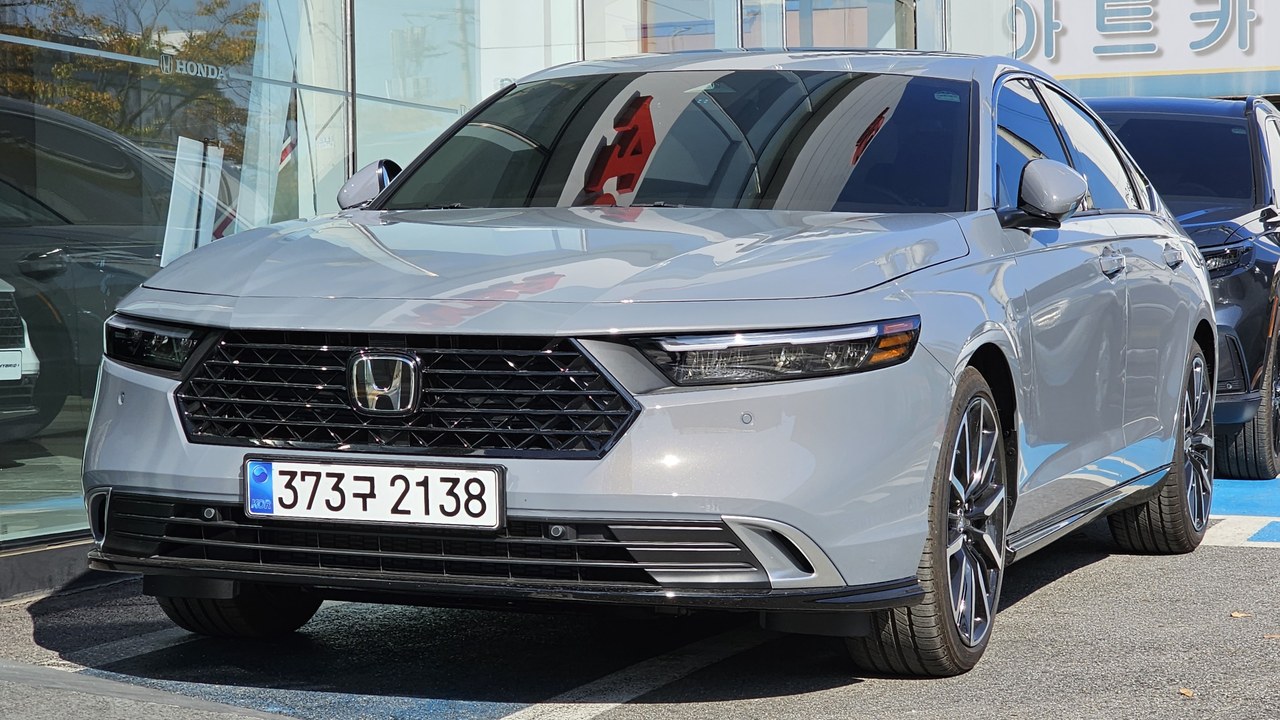
Accord Hybrids from 2023-2026 share the 1,049,883-vehicle tire-repair-kit recall, 26V366000, dated June 4, 2026, according to the Honda 2026 recall roundup. The shared campaign number shows one component fault spanning two of Honda’s best-known hybrids.
Hybrid Accords are common fleet and commuter cars, so many sit in garages with the original kit untouched. Checking the VIN once confirms whether the campaign applies and what the dealer will do about the sealant bottle.
11. Honda Odyssey: Unexpected Airbag Deployment
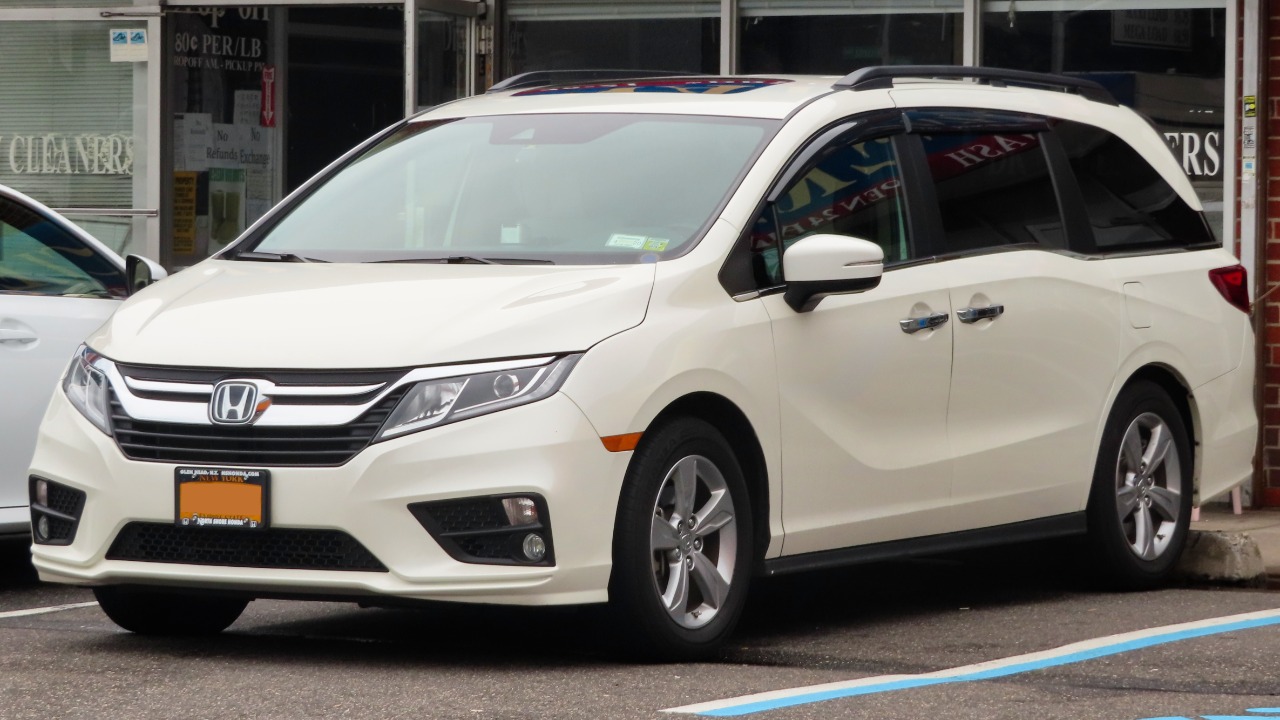
Recall 26V227000, dated April 9, 2026, covers 440,830 Odysseys from 2018-2022, and the April 2026 Odyssey entry says a software error can make the side and side curtain airbags deploy unexpectedly. A minivan carries many passengers, which raises the stakes of a fault in those restraints.
Because the fault is in software, no visible symptom would warn a family before it happens. Odyssey owners should confirm the campaign through a VIN lookup and ask the dealer how the update is delivered.
12. Honda Prologue: Blank Rearview Camera
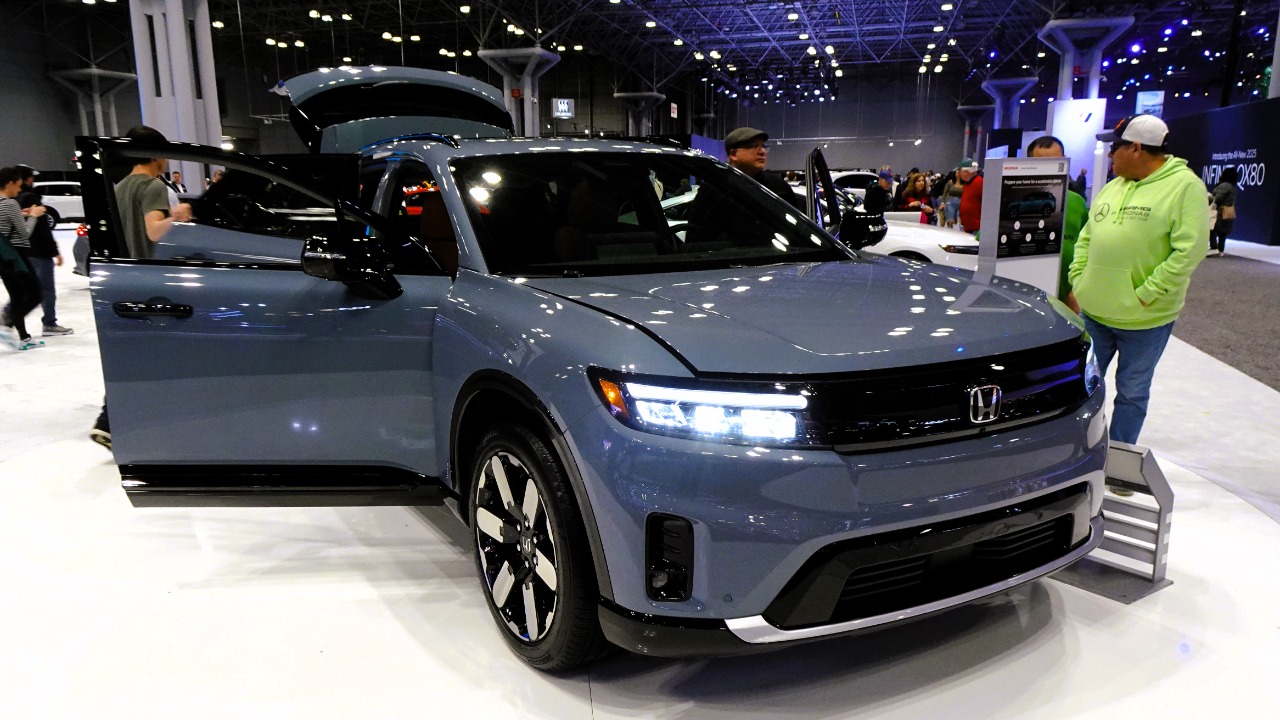
The EV in the group, the 2024-2025 Prologue, is part of recall 26V306000, dated May 14, 2026, covering 59,887 vehicles including the 2024 Acura ZDX, per the Prologue camera recall. The rearview camera may show ‘a distorted or blank image’ when the vehicle is reversing.
A blank camera image removes a required view when backing up, which is a particular concern around children and parked cars. Prologue owners should confirm the repair status by VIN and rely on mirrors and a spotter until it is done.
More from Morning Overview
- Doctors warn a silent liver disease now affects one in three American adults
- The FBI told the rest of ShinyHunters to surrender after a 24-year-old was arrested
- Two passengers died at an Ohio toll plaza, and the NTSB now wants the cash lanes shut
- Long use of a common prostate pill is tied to a higher chance of glaucoma
