
A defining console changes more than graphics or processing power; it changes who plays, how games are designed, and what people expect from the next machine. The most influential systems turn technical choices into habits that last well beyond their commercial lives. These eight video-game consoles each defined a generation of home entertainment.
1. Atari 2600: Cartridges Made Home Gaming Expandable
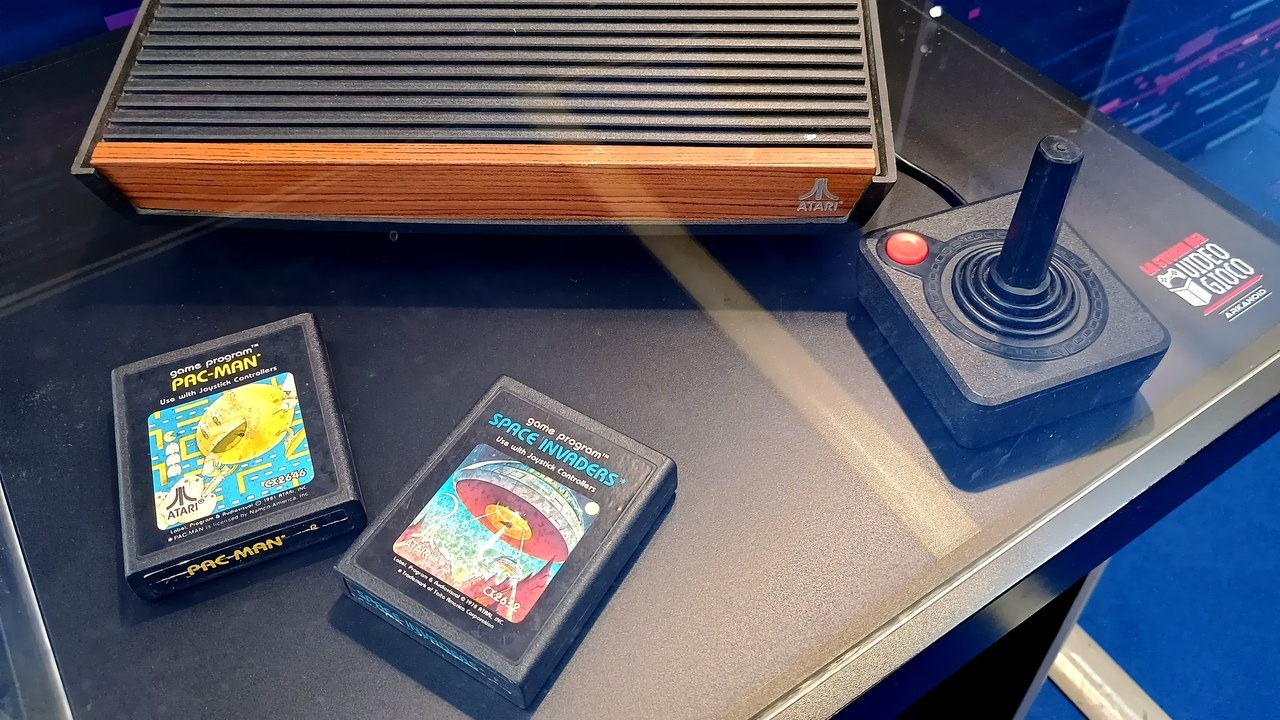
The Atari 2600 helped turn video games from a fixed electronic novelty into a home platform that could keep changing. Its cartridge-based design let households buy new games for the same machine, bringing recognizable arcade ideas and original titles into millions of living rooms. The joystick and single-button controller also made the system’s basic language immediately legible.
That flexibility created an early software market, complete with breakout hits, rushed releases, and competition beyond the console manufacturer. Players learned to think of a machine as a library rather than one game. The system’s long shadow includes both the promise and risk of open-ended console publishing, establishing patterns that later companies would refine through licensing and quality controls.
2. Nintendo Entertainment System: Nintendo Rebuilt Trust After the Crash
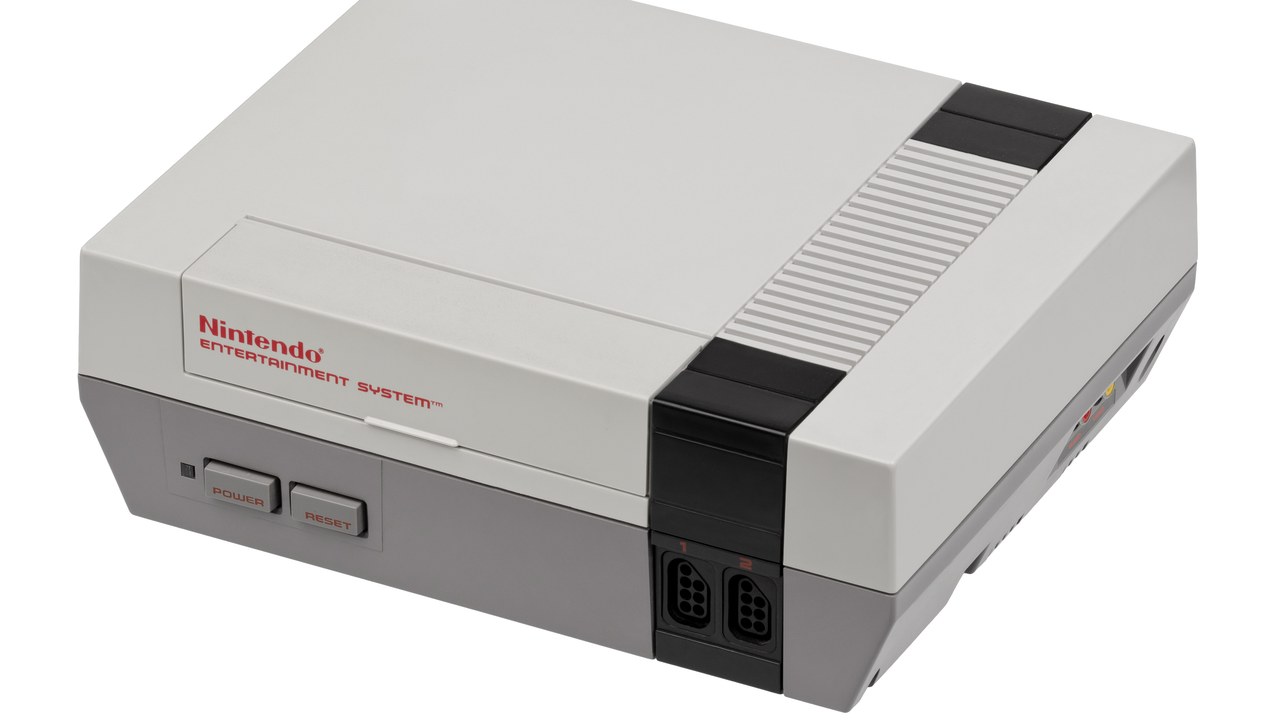
The Nintendo Entertainment System became the machine associated with the home industry’s recovery after the 1983 video-game crash. Britannica’s NES history places Nintendo’s console at the center of a revival built on memorable games, controlled software publishing, and a recognizable household design. Its library established characters and genres that continued shaping Nintendo hardware for decades.
The system also standardized expectations around a directional pad, start and select buttons, and tightly designed controller input. Developers worked within strict technical limits, turning constraint into precise platforming, action, role-playing, and adventure design. For many players, the NES was not simply another console; it was the reference point that made home gaming feel dependable, collectible, and culturally permanent again.
3. Sega Genesis: Sega Turned Rivalry Into an Event
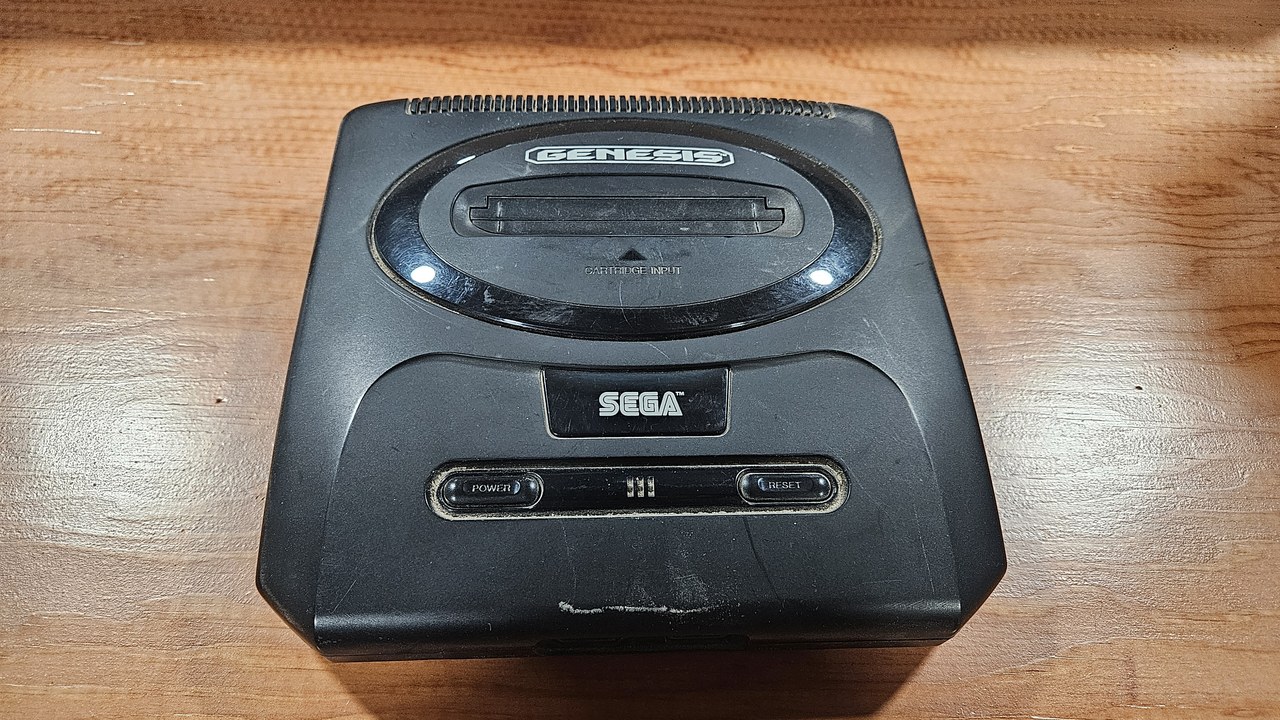
The Sega Genesis challenged Nintendo with faster-feeling action games, aggressive marketing, and an identity aimed at players ready for something sharper. Its international console history covers the Mega Drive name used outside North America and the fierce competition that made the era’s console choice feel personal. Sega’s strongest characters and arcade roots gave the machine a distinct voice.
That rivalry helped define the modern console war, where hardware, exclusive games, advertising, and brand personality competed together. The Genesis proved that Nintendo could be pressured in the home market and that a challenger could build loyalty through clear differentiation. Its add-ons were less enduring, but the core machine remains remembered for making competition itself part of gaming culture.
4. Sony PlayStation: CDs Carried 3D Gaming Into the Mainstream
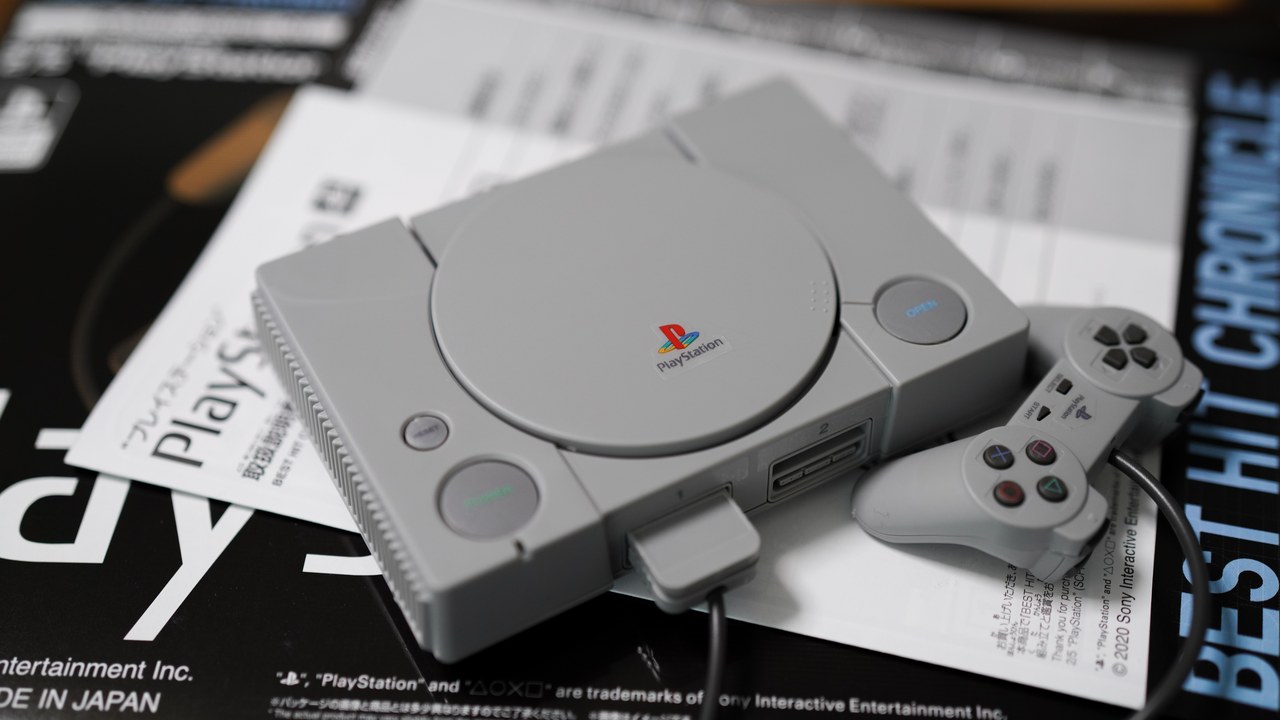
The original Sony PlayStation made CD-based, three-dimensional gaming a mainstream expectation rather than a specialist experiment. Britannica’s PlayStation account traces Sony’s arrival as a major console maker and the start of a durable platform family. Optical discs gave developers room for larger games, recorded audio, and cinematic presentation while 3D worlds opened new design problems and possibilities.
Sony also broadened the audience through branding and software that treated gaming as part of contemporary youth culture. A large third-party library made the system difficult to define by one genre, which became a strength. The PlayStation generation normalized memory cards, polygonal characters, and disc-based releases, setting expectations that would dominate home consoles for years afterward.
5. Nintendo 64: The Analog Stick Taught Players 3D
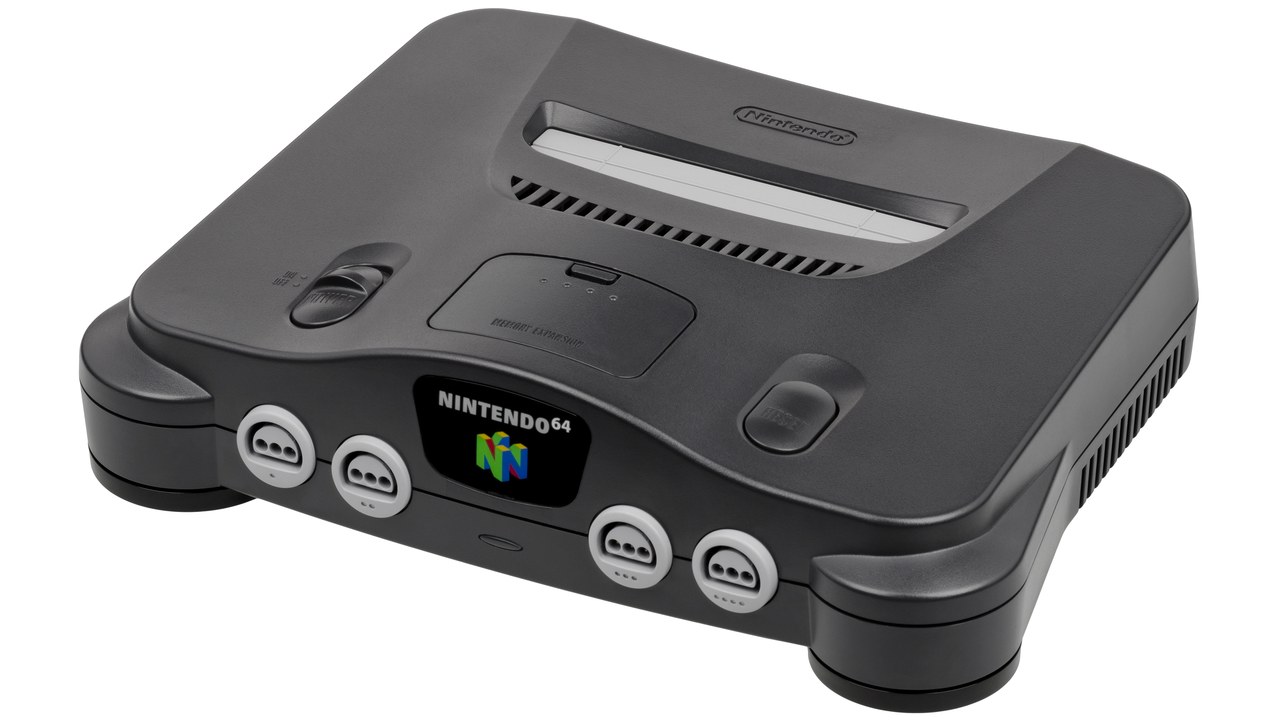
The Nintendo 64 made analog-stick control central to navigating three-dimensional games. Its hardware design paired an unusual three-grip controller with four built-in controller ports, supporting both precise 3D movement and local multiplayer. Landmark releases showed how cameras, exploration, targeting, and character movement could work when designers were no longer confined to flat planes.
Nintendo retained cartridges while competitors moved to discs, producing fast access but imposing different storage and publishing tradeoffs. That decision narrowed some opportunities while giving the machine a distinct identity. The console’s influence is clearest in controls and shared play: analog input became standard, and four-player sessions turned living rooms into social spaces without requiring extra adapter hardware.
6. Sony PlayStation 2: Scale Made It the Home Standard
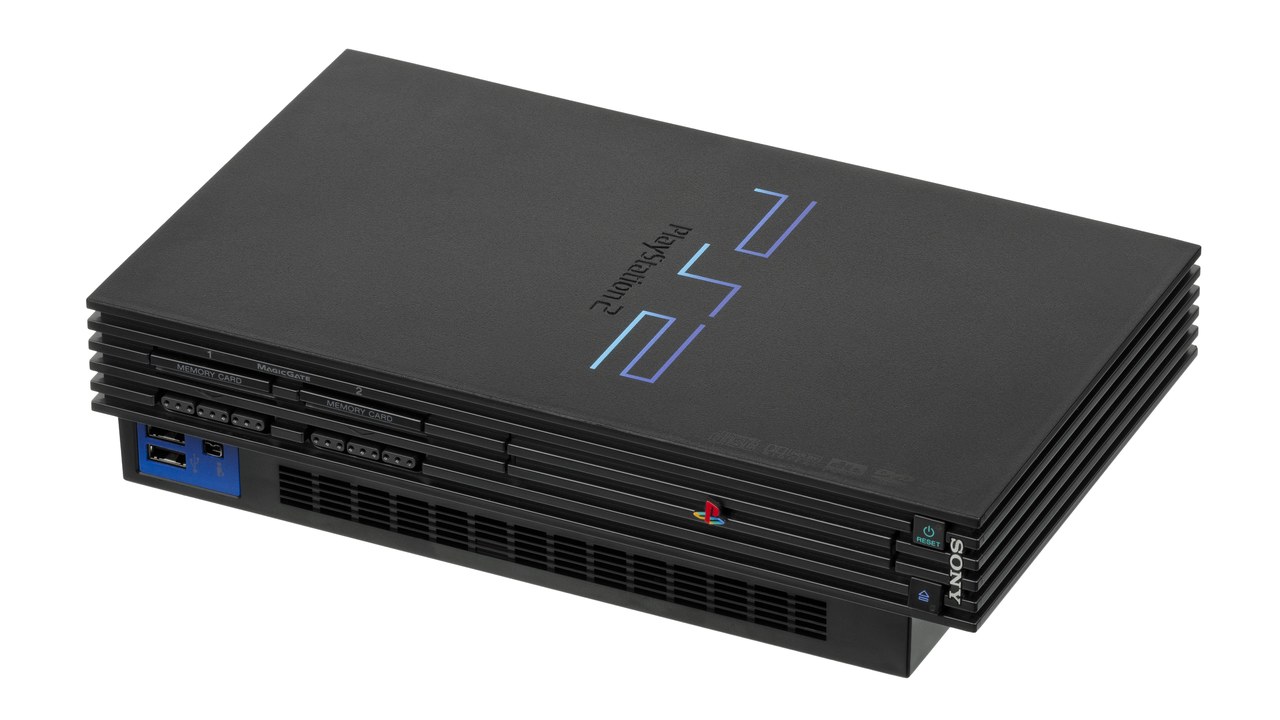
The Sony PlayStation 2 became the best-selling home console of all time by combining a vast game library with functions that fit the broader entertainment center. Its long market history included multiple hardware revisions and years of support, giving developers an enormous audience. DVD playback added practical value at a moment when many households were adopting the format.
Scale reinforced itself: a large installed base attracted publishers, and the expanding library gave more buyers a reason to choose the system. The catalog stretched across experimental releases, mass-market franchises, niche imports, and family entertainment. That breadth made the PS2 less a single style of gaming than a common platform on which nearly every style could find an audience.
7. Nintendo Wii: Motion Control Expanded the Audience
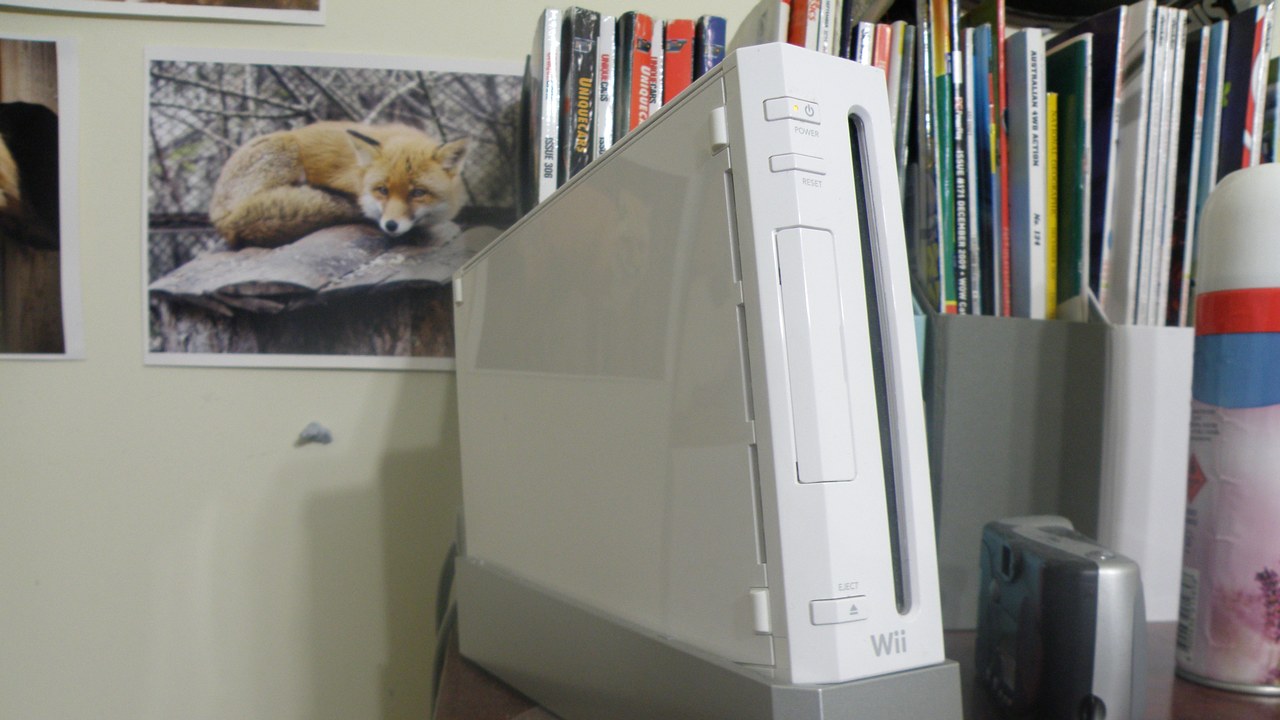
The Nintendo Wii shifted attention away from raw hardware competition and toward an immediately understandable motion controller. Its console history shows how the Wii Remote brought gestural play to a mass audience, encouraging games built around swinging, pointing, balancing, and shared participation. The pack-in sports experience made the concept clear without requiring familiarity with complex button layouts.
That accessibility pulled families, older adults, and occasional players into the same room as established enthusiasts. Motion control did not replace traditional game design, but it expanded the industry’s idea of a viable audience and prompted competing systems to pursue their own approaches. The Wii generation demonstrated that a novel interface and inviting software could matter more than leading technical specifications.
8. Nintendo Switch: One System Bridged Home and Handheld Play
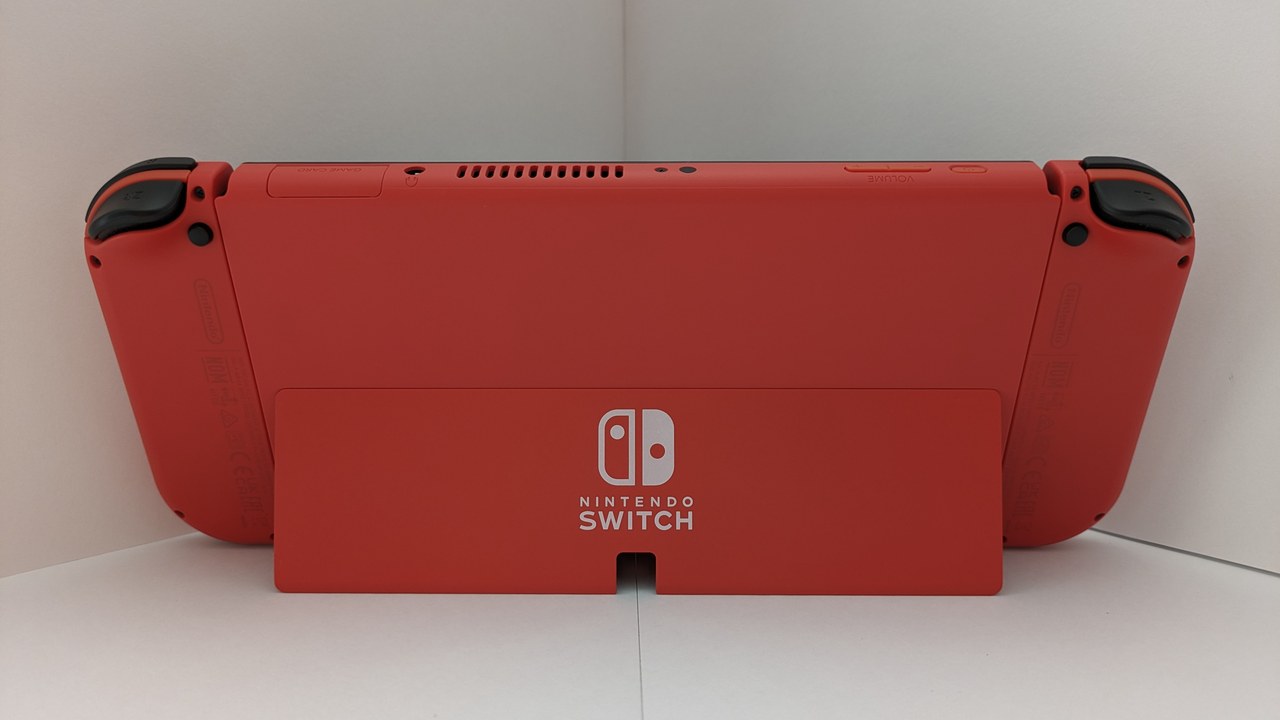
The Nintendo Switch blurred the line between home console and handheld by making the same system work on a television, tabletop, or in a player’s hands. Its hybrid design centers on a portable screen, removable Joy-Con controllers, and a dock for television output. Moving between those modes made flexibility a core feature rather than an accessory.
The concept also unified Nintendo’s historically separate home and portable software audiences around one platform. Games no longer needed to belong exclusively to a living-room machine or a travel device, and local multiplayer could begin with controllers attached to the system. The Switch generation made continuity of play its defining promise: location could change without forcing a different console, library, or save file.
More from Morning Overview
