
A discontinued gadget can leave a bigger gap than its sales figures suggest, especially when its replacement trades focused utility for subscriptions, touchscreens, or cloud dependence. Fans often remember the physical controls, simple ownership, and distinctive communities that vanished with it. These eight retired tech products still inspire nostalgia years after their makers moved on.
1. iPod Classic: A Music Library Without a Monthly Bill
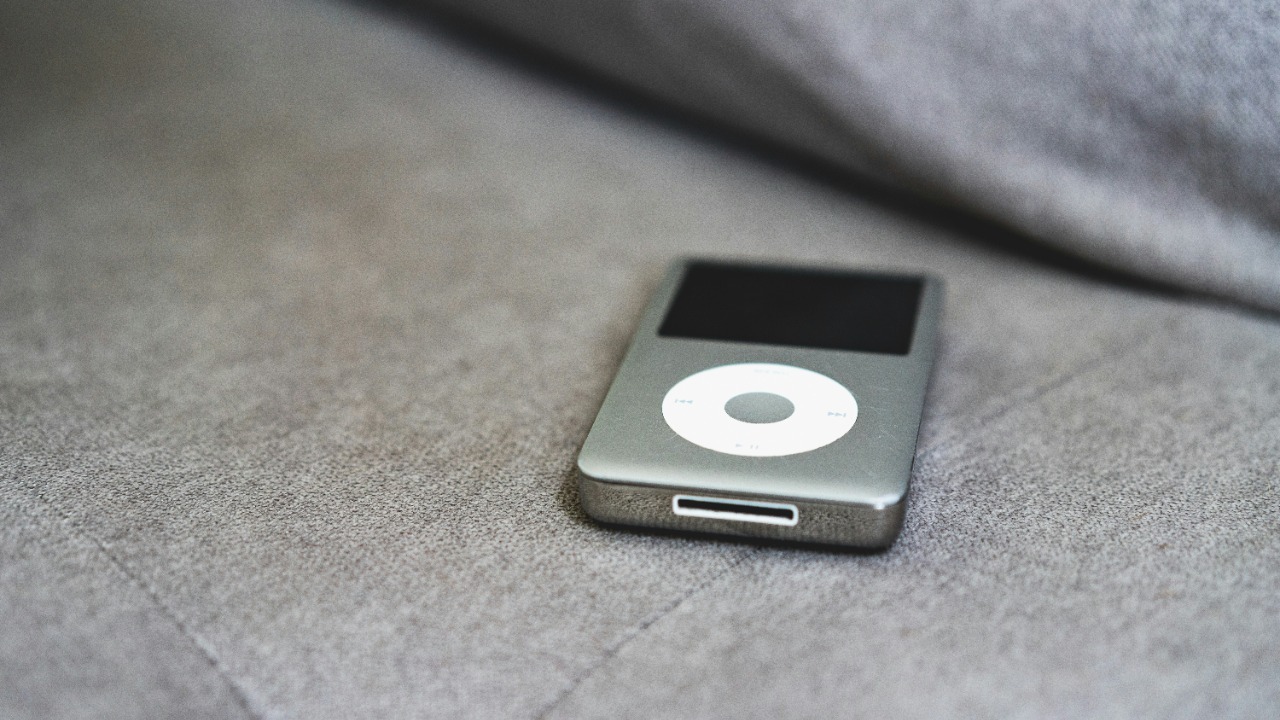
The iPod Classic put a large personal music library behind a click wheel, with no cellular connection or streaming subscription required. A Britannica iPod history traces the product line that transformed portable listening after its 2001 debut. Apple discontinued the hard-drive Classic in 2014 as phones and streaming services absorbed the music player’s central role.
Fans still value the separation that made the device feel purposeful. It stored owned files, offered tactile navigation, and could hold far more music than many listeners kept on a phone. Batteries and spinning drives eventually wear out, but repair communities and flash-storage conversions keep old units useful. The nostalgia reflects both industrial design and a vanished model of carrying a collection rather than renting access to one.
2. Pebble smartwatch: Long Battery Life Before Smartwatches Grew Complicated
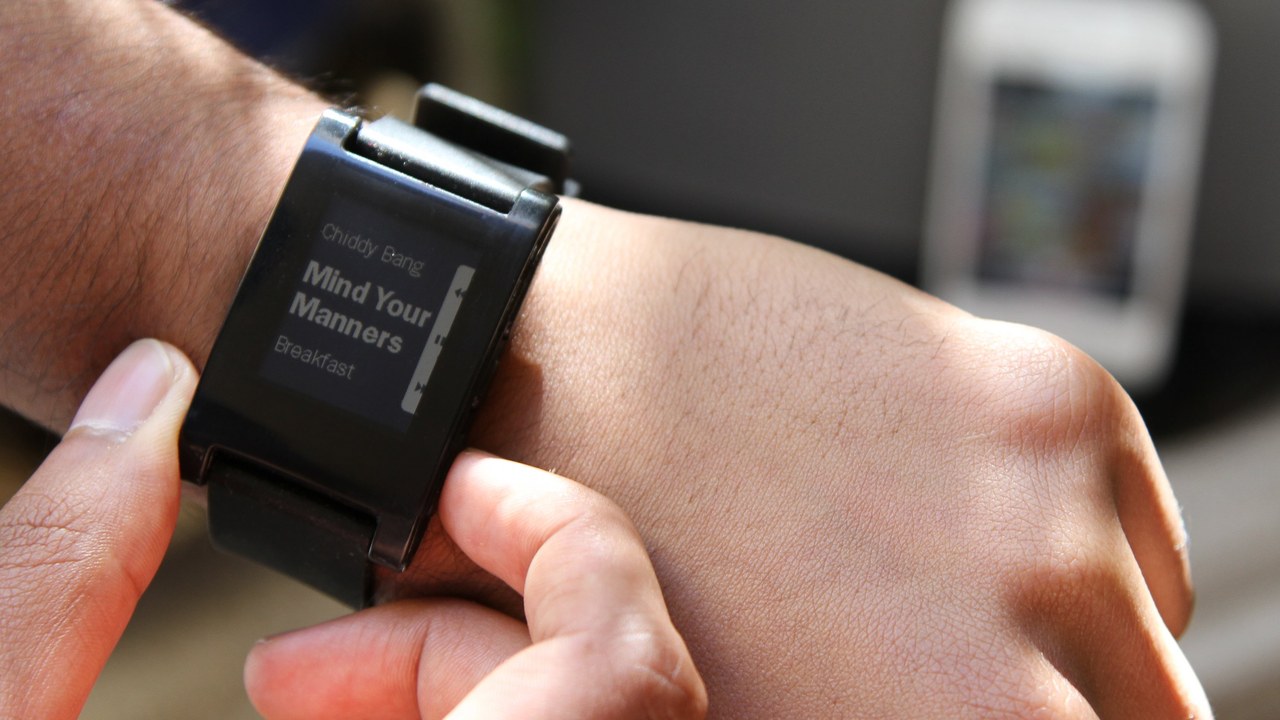
Pebble built its smartwatch around an always-visible e-paper display, physical buttons, and battery life measured in days rather than hours. The Pebble product history began with a record-setting crowdfunding campaign and grew into several watch generations before Fitbit acquired key assets and Pebble ended hardware operations. Its community lost a platform that favored speed and simplicity over glossy screens.
The watch handled notifications, alarms, fitness data, and small apps without pretending to replace a phone. That restraint remains attractive to owners who prefer tactile controls and infrequent charging. Community projects later preserved parts of the software ecosystem, showing how strongly users identified with the product. Pebble’s disappearance is remembered as the loss of a distinct philosophy, not merely another brand leaving a crowded wearable market.
3. BlackBerry phones: The Keyboard That Made Mobile Email Serious
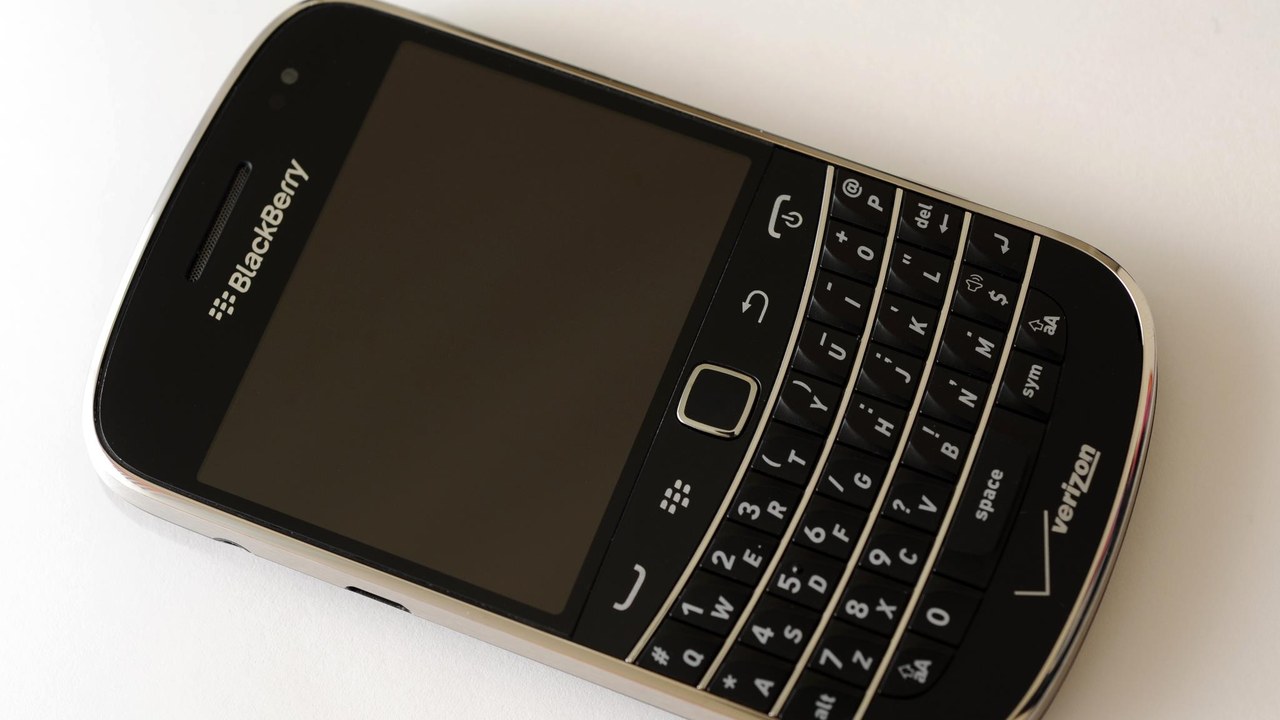
BlackBerry phones made mobile messaging feel efficient through compact physical keyboards, secure communications, and an interface designed around rapid email. A Britannica company history recounts the brand’s rise among business and government users before touchscreen rivals reshaped the smartphone market. BlackBerry eventually moved away from making its own phones, and later licensed devices never restored the old platform’s dominance.
Devoted users still miss the confidence of typing by touch, along with notification tools that treated communication as the primary task. Modern software keyboards offer flexibility and larger displays, but they cannot reproduce sculpted keys or the same muscle memory. The phones also carried a distinct professional identity. Their decline shows how quickly a market leader can vanish when the industry’s basic assumptions change.
4. Logitech Harmony: One Remote for an Increasingly Messy Living Room
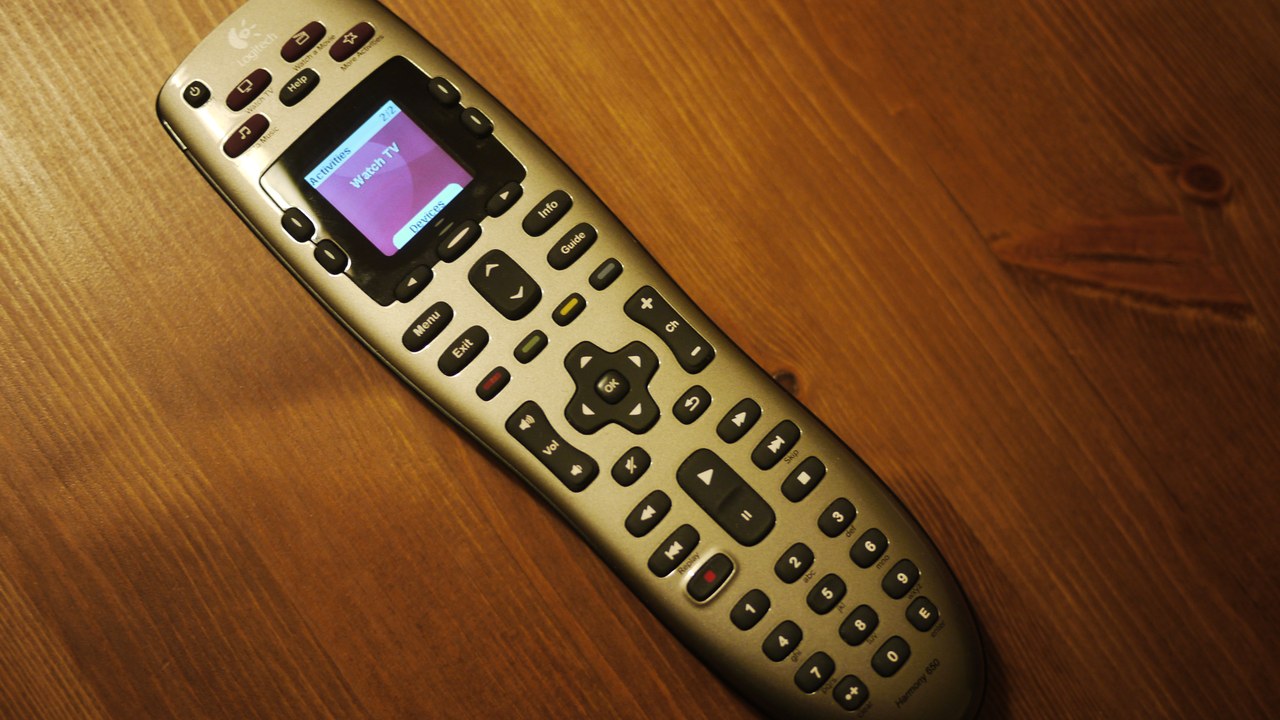
Logitech Harmony remotes turned complicated television setups into named activities such as watching a movie or playing a game. The Harmony product line combined a programmable device database with commands for televisions, receivers, disc players, game systems, and streaming boxes. Logitech stopped manufacturing the remotes even as existing units remained useful in homes built around several components.
Smart televisions and voice assistants reduced some demand, but neither fully replaced a well-programmed physical remote. Harmony could power devices in sequence, select inputs, and correct a failed command without requiring several original handsets. Fans miss that mature integration and the tactile certainty of dedicated buttons. The product disappeared just as home entertainment became more fragmented across apps, boxes, consoles, and audio systems.
5. Google Glass: A Wearable Computer Before Society Was Ready
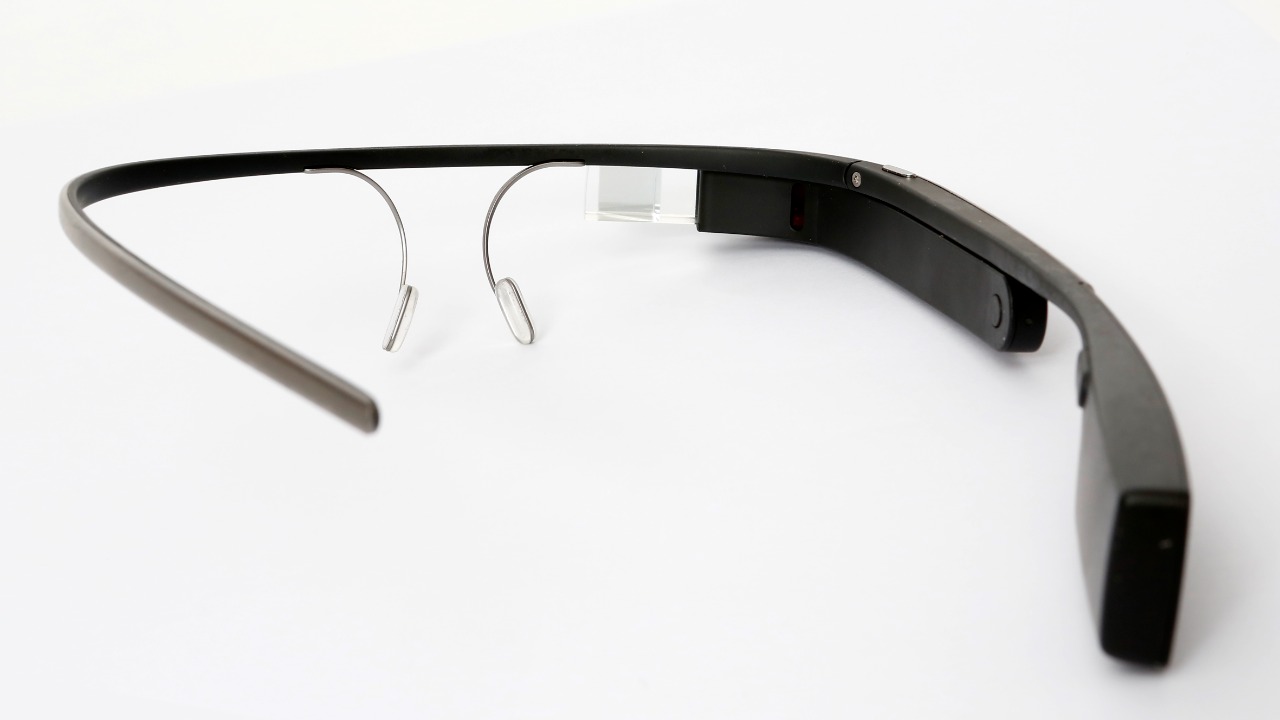
Google Glass placed a tiny display, camera, microphone, and touch controls into a lightweight frame intended to keep information within view. A Britannica Glass overview describes the wearable computer and its early release. The consumer experiment retreated amid high pricing, limited battery life, an uncertain everyday purpose, and public discomfort about a face-mounted camera.
The idea did not disappear entirely, because later enterprise versions found narrower uses in training and hands-free work. Early adopters still remember the ambition of receiving directions, messages, and photos without reaching for a phone. Glass arrived before social norms and hardware could support that vision comfortably. Its failure remains fascinating because newer augmented-reality products continue pursuing many of the same goals with different designs.
6. Microsoft Zune: A Capable iPod Rival That Arrived Too Late
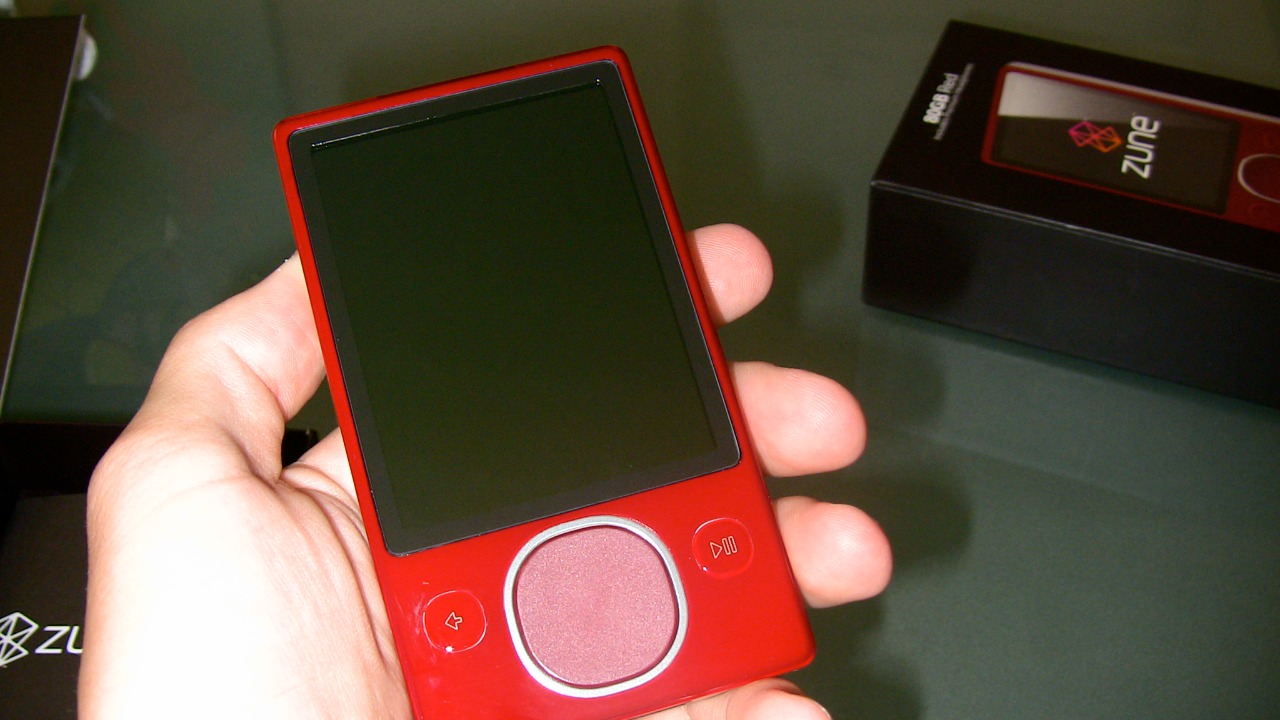
Microsoft’s Zune paired portable music hardware with desktop software and an online marketplace in an effort to challenge the iPod ecosystem. The Zune platform history covers several players, including the touchscreen Zune HD, before Microsoft ended the hardware line and later retired the related services. Strong design ideas never overcame Apple’s enormous head start in devices, stores, and accessories.
Fans remember the Zune for its interface, distinctive hardware, subscription features, and willingness to look different from its dominant rival. The player was not a technical disaster; it was a credible product trapped in an ecosystem contest that had largely been decided. Surviving units now carry the appeal of an alternate path in portable media, when dedicated players still competed on personality and software design.
7. Nintendo Wii: Motion Controls Made Gaming Social
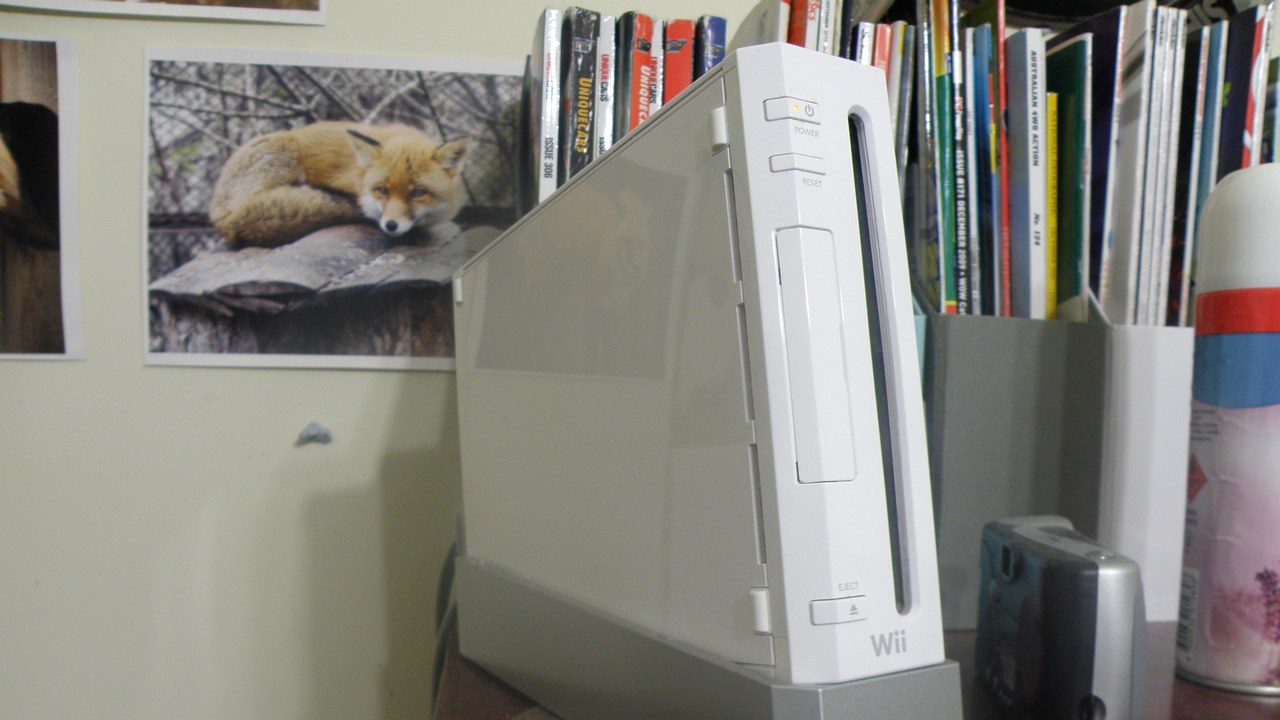
Nintendo’s Wii rejected the industry’s race for maximum processing power and instead made motion control the center of play. The console’s commercial history records enormous worldwide sales driven by approachable games, a compact design, and the Wii Remote. Production eventually ended as Nintendo shifted to newer hardware, leaving a library closely tied to its unusual controller.
The Wii became a fixture at family gatherings, retirement communities, and parties because bowling or tennis motions were easy to demonstrate. Its standard-definition output and aging online services make modern use less convenient, but the best games still deliver an experience that ordinary gamepads cannot copy exactly. Fans miss both the software and a moment when a console widened the audience by making physical movement part of the invitation.
8. HD DVD: The Losing Format With Loyal Collectors
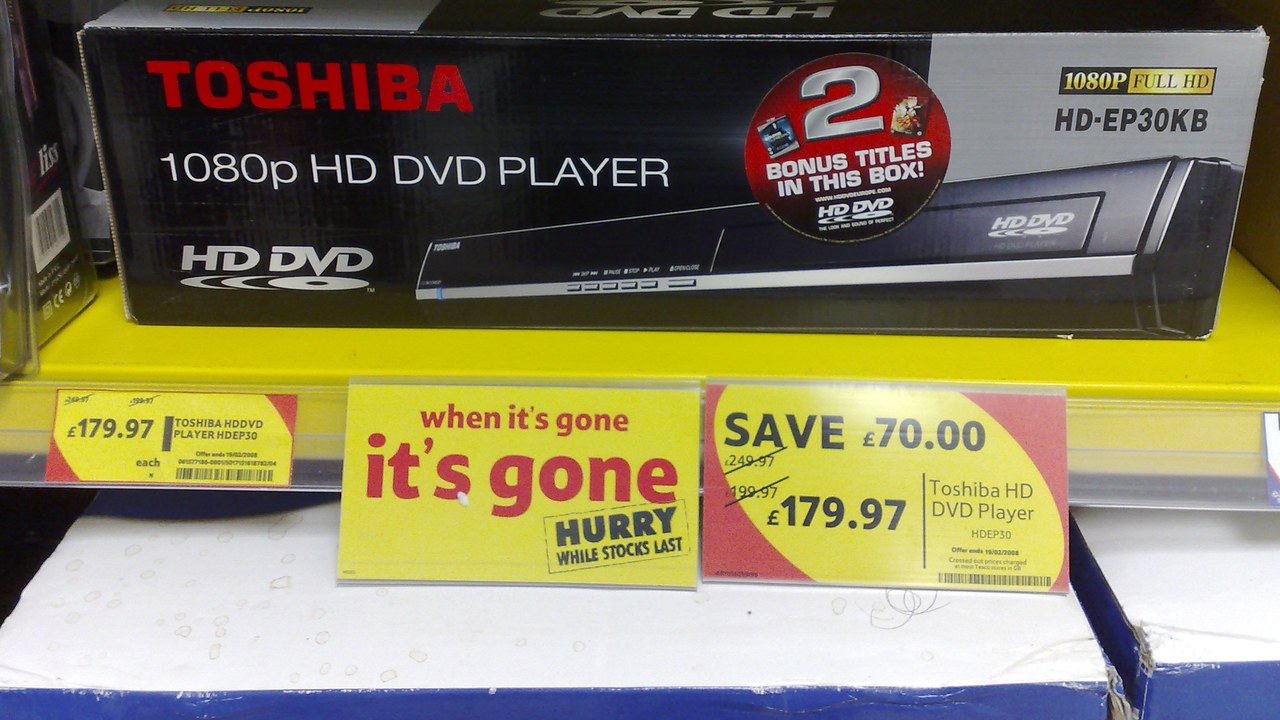
HD DVD offered high-definition movies on an optical disc backed by Toshiba, competing with Blu-ray during the transition from DVD. The format’s history records the studio decisions, hardware competition, and market shift that ended with Toshiba abandoning the format in 2008. Consumers who chose early were left with players and libraries tied to a dead standard.
Collectors still appreciate the red cases, well-authored releases, and a catalog that preserves a specific moment in home theater. Many discs remain playable on surviving hardware, making the failed system usable rather than merely decorative. HD DVD is missed less as a superior technical standard than as a reminder of physical media competition, when rival formats fought for shelves instead of disappearing behind the same streaming interface.
More from Morning Overview
