
Some SUVs get traded in the moment the bumper-to-bumper coverage lapses. Others just keep going, piling on the years while the original owner quietly stops thinking about repair bills at all. Here are eight sport-utility vehicles that owners consistently describe as still going strong long after the paperwork ran out.
1. Toyota Land Cruiser: The Global Benchmark
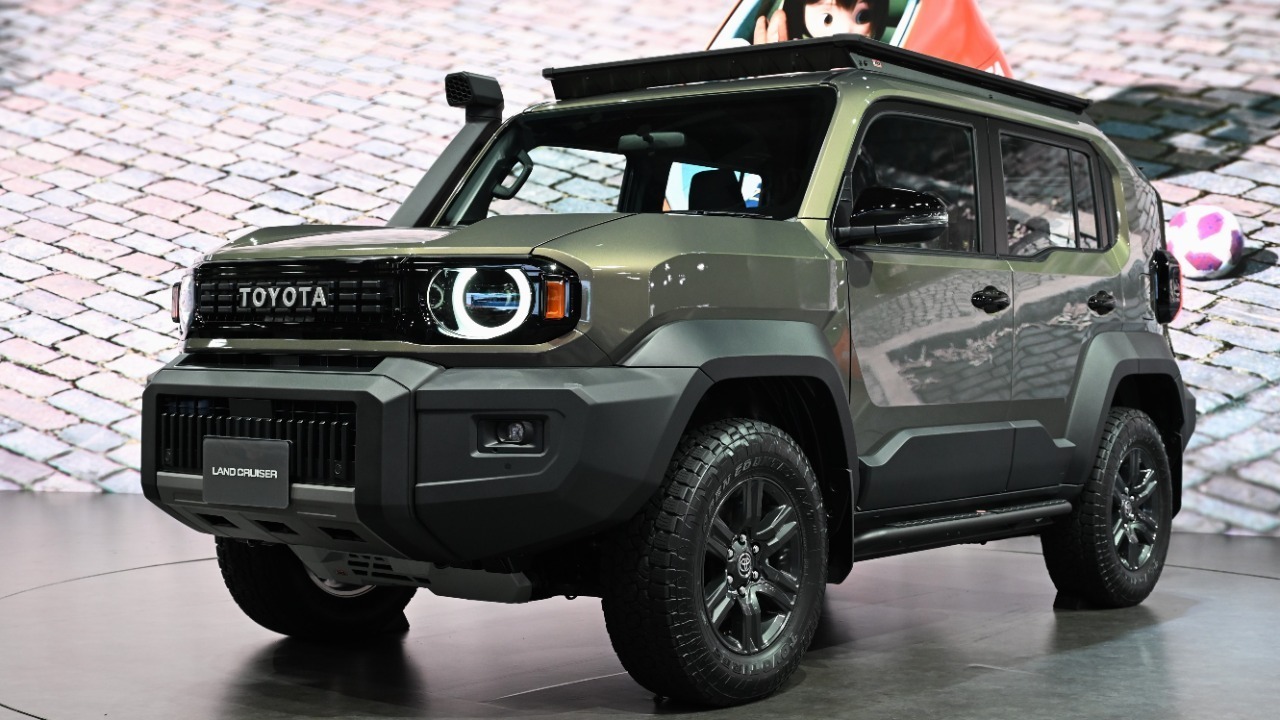
Few nameplates carry the reputation the Toyota Land Cruiser has earned in places where a breakdown is a genuine emergency. The formula barely changed for decades: a ladder frame, a solid rear axle, and long-running truck engines shared with commercial vehicles. Aid organizations, mining outfits and desert outfitters bought them precisely because parts were everywhere and the mechanicals were understood.
That durability comes with a bill. Fuel economy is poor by modern standards, and the newer versions have swapped simplicity for air suspension and electronics that are expensive to fix once they age. Buyers chasing the legend on a used lot should budget for deferred maintenance rather than assume the badge alone guarantees another decade.
2. Lexus GX: Luxury On A Ladder Frame
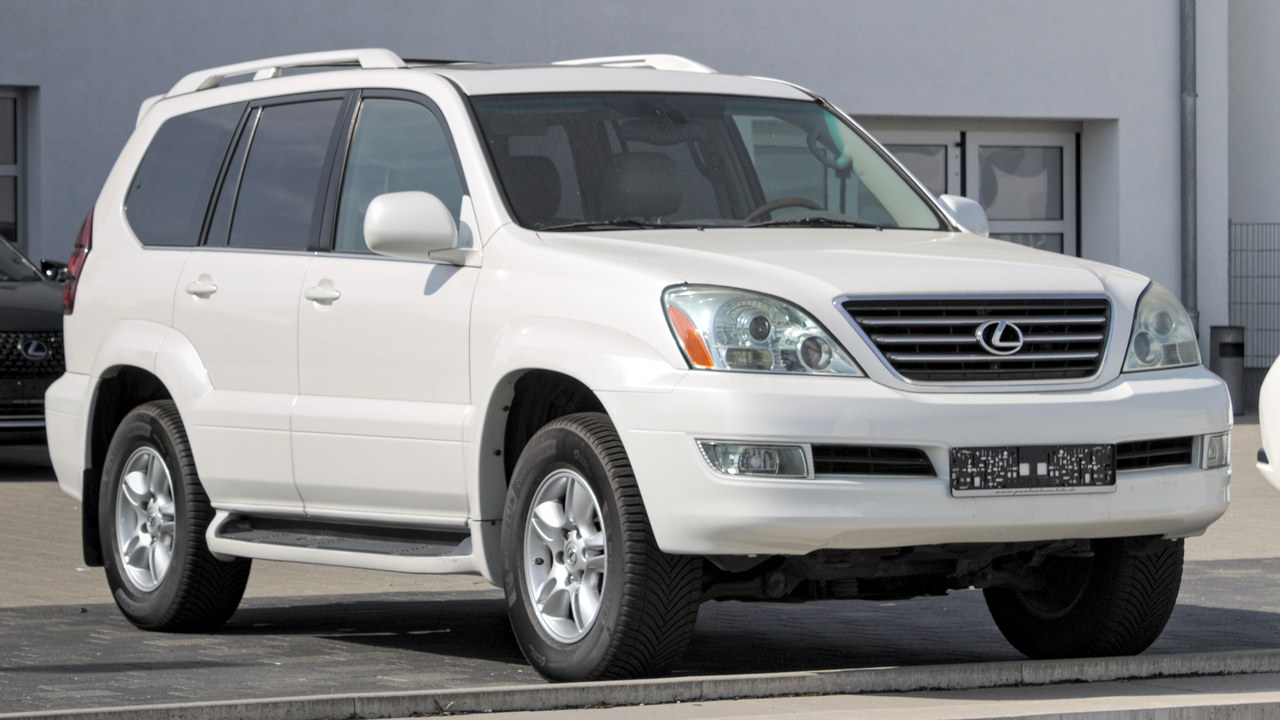
Under the leather and the wood trim, the Lexus GX is a Toyota Prado: body-on-frame construction, a full-time four-wheel-drive system, and for years a naturally aspirated V8 that traded efficiency for a very long service life. Lexus sold it as a quiet suburban luxury SUV, but the hardware underneath was engineered for rough overseas duty.
Owners tend to describe the same trade-off, mechanically stubborn but expensive to feed. The V8 drinks fuel, the third row is cramped, and luxury-brand parts pricing applies even when the part is shared with a cheaper Toyota. The upside is that the components most likely to strand a vehicle are the ones Lexus left conservative.
3. Toyota 4Runner: Old Engineering On Purpose
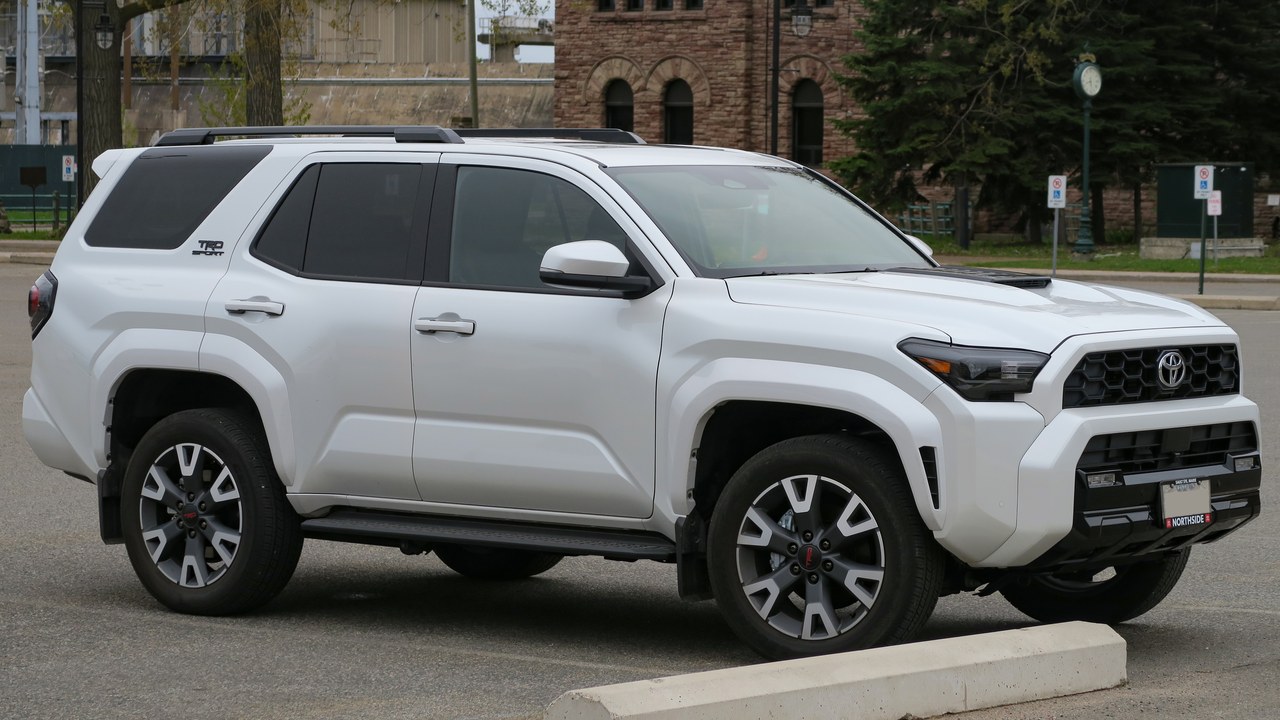
The Toyota 4Runner stayed on the same basic recipe long after rivals moved to car-based unibody platforms. Its fifth generation ran for well over a decade with a body-on-frame chassis and a port-injected V6, a combination that gave mechanics very few novel failure points to learn. Simplicity is the whole argument here rather than any single clever component.
The cost of that conservatism shows up everywhere else. Fuel economy lagged the segment, the cabin felt dated years before it was replaced, and the ride is trucklike. Owners who value a vehicle that keeps starting have generally accepted those compromises, but a buyer expecting crossover manners will notice them on the first long drive.
4. Honda CR-V: The Quiet Mileage Machine
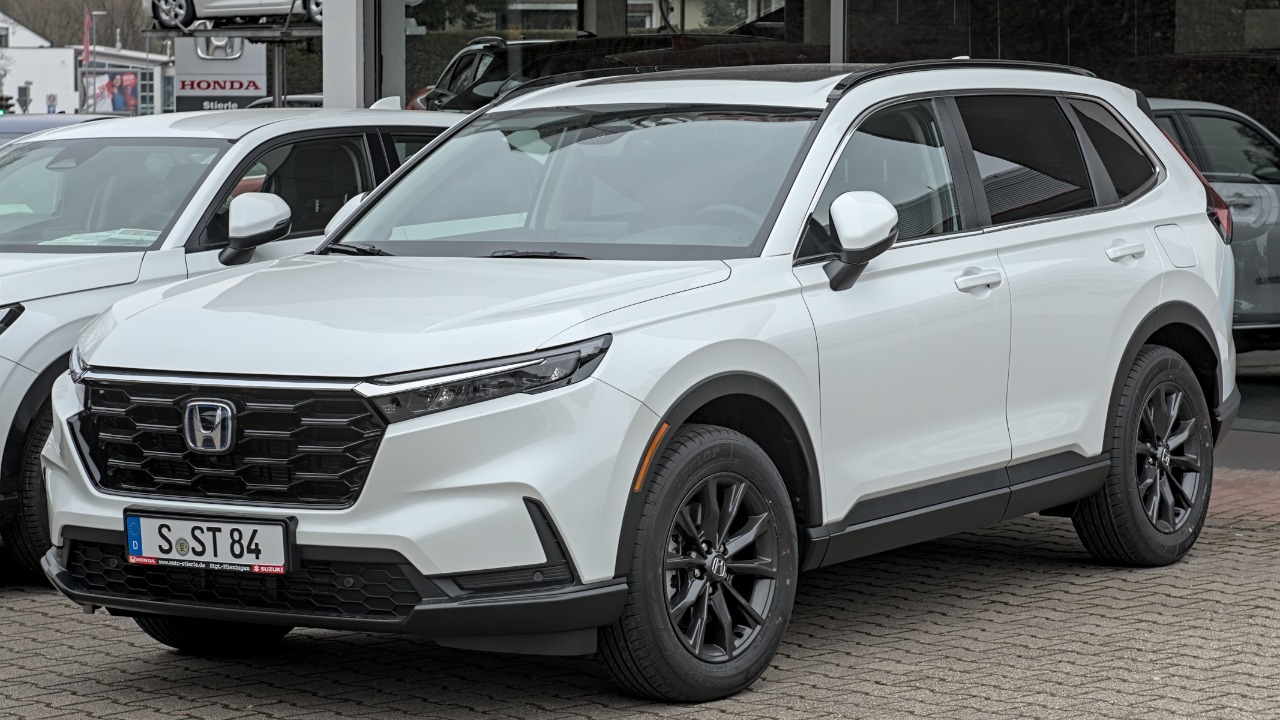
Nothing about the Honda CR-V looks heroic, which is roughly the point. It is a unibody crossover built around Honda four-cylinder engines and a comparatively light curb weight, so the drivetrain is never working especially hard. Millions have been sold since the 1990s, which means independent shops know the common wear items and aftermarket parts are cheap and plentiful.
Not every year is equal. Certain turbocharged models drew complaints about fuel diluting the engine oil in cold climates, and Honda issued fixes; older automatics had their own reputation. The generic advice applies more than the badge does, because service records matter far more than the nameplate once a crossover is a decade into its life.
5. Toyota Highlander: The Minivan Alternative That Stuck
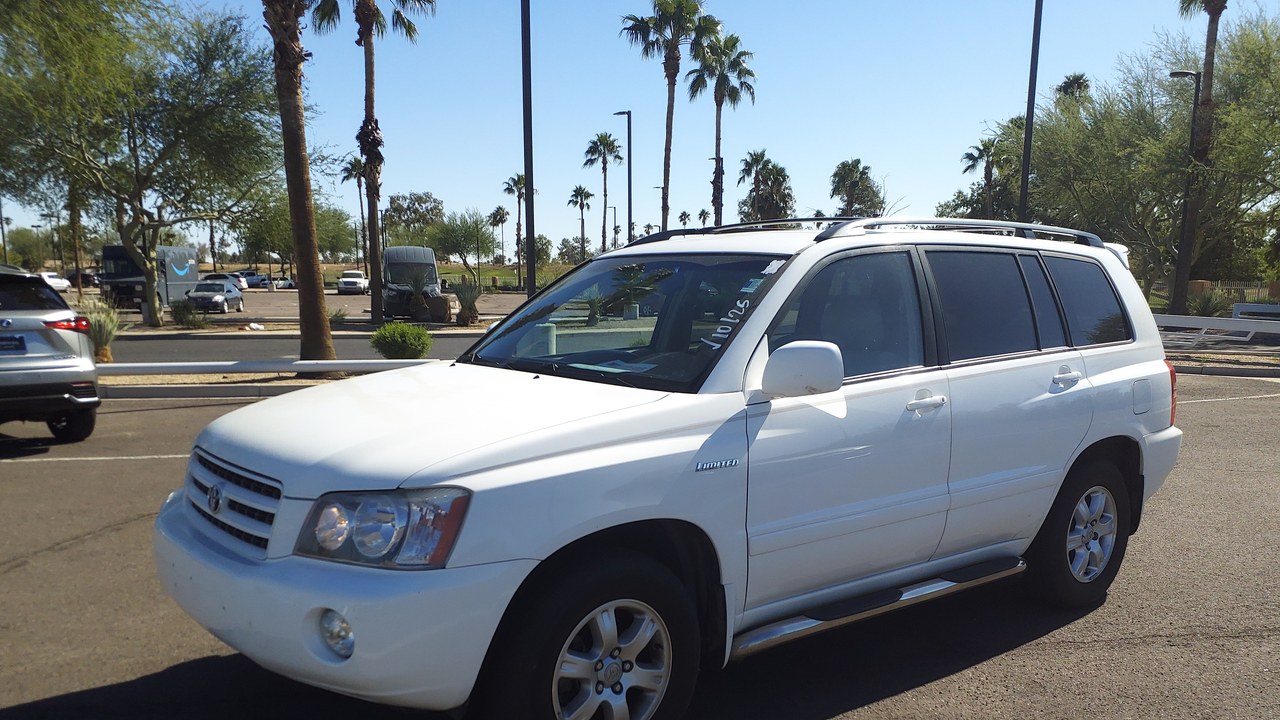
The Toyota Highlander took the car-based route from the start, sharing its platform and V6 with the Camry family rather than with a pickup. That engine, Toyota’s long-running port-injected V6, spent years in high-volume sedans before it ever hauled three rows, so its weak points were well documented and comparatively cheap to address.
Longevity is not the same as comfort. The third row is tight for adults, hybrid versions cost more up front, and a family SUV that survives fifteen years still needs suspension, brakes and cooling work along the way. What owners generally report is predictability: repairs arrive on a schedule instead of as a surprise.
6. Lexus LX: The Land Cruiser In A Tuxedo
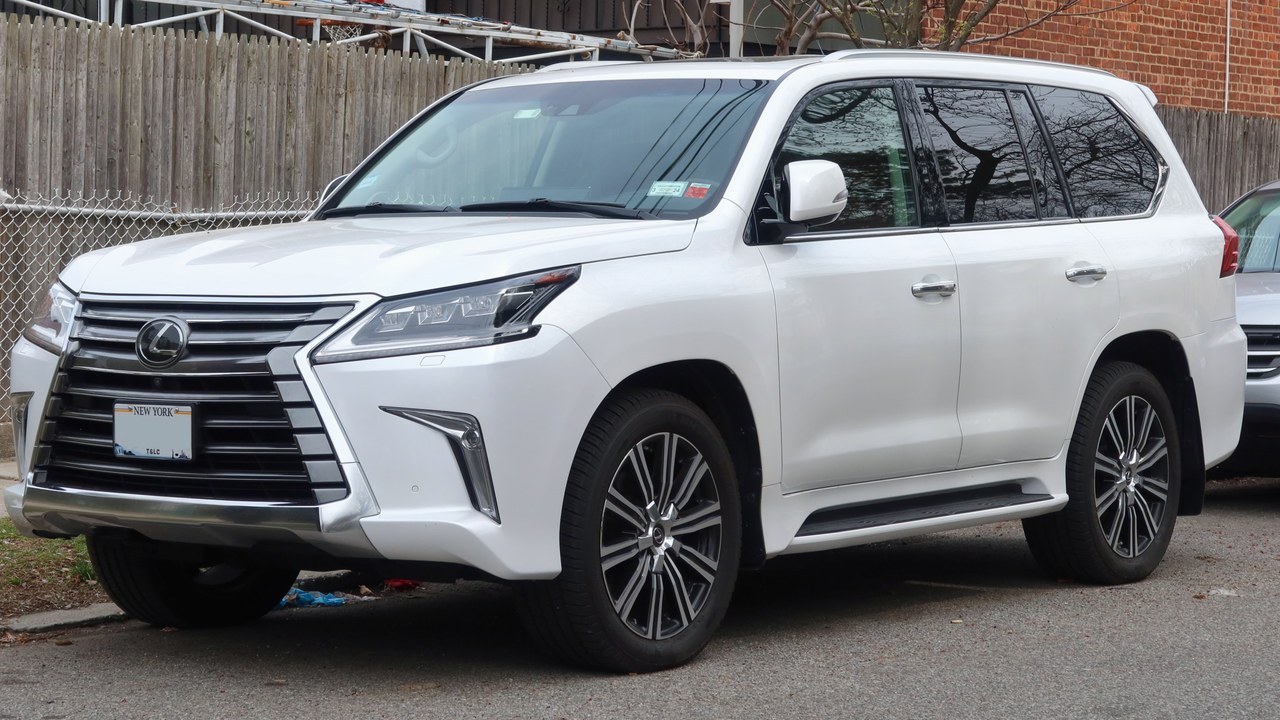
The Lexus LX has always been a rebadged Land Cruiser with a plusher interior and a different grille, which is why it inherits the same reputation. Each generation used the top-tier Toyota V8 or, more recently, a twin-turbo V6, mated to full-time four-wheel drive and a two-speed transfer case that most buyers never engaged.
The catch is depreciation cutting both ways. These trucks lose value quickly, which makes an aging one look like a bargain until the air suspension, adaptive dampers or infotainment need replacing at Lexus prices. The engine may well outlast the owner; the luxury systems bolted around it are what decide whether keeping it still makes sense.
7. Toyota Sequoia: Thirsty But Stubborn
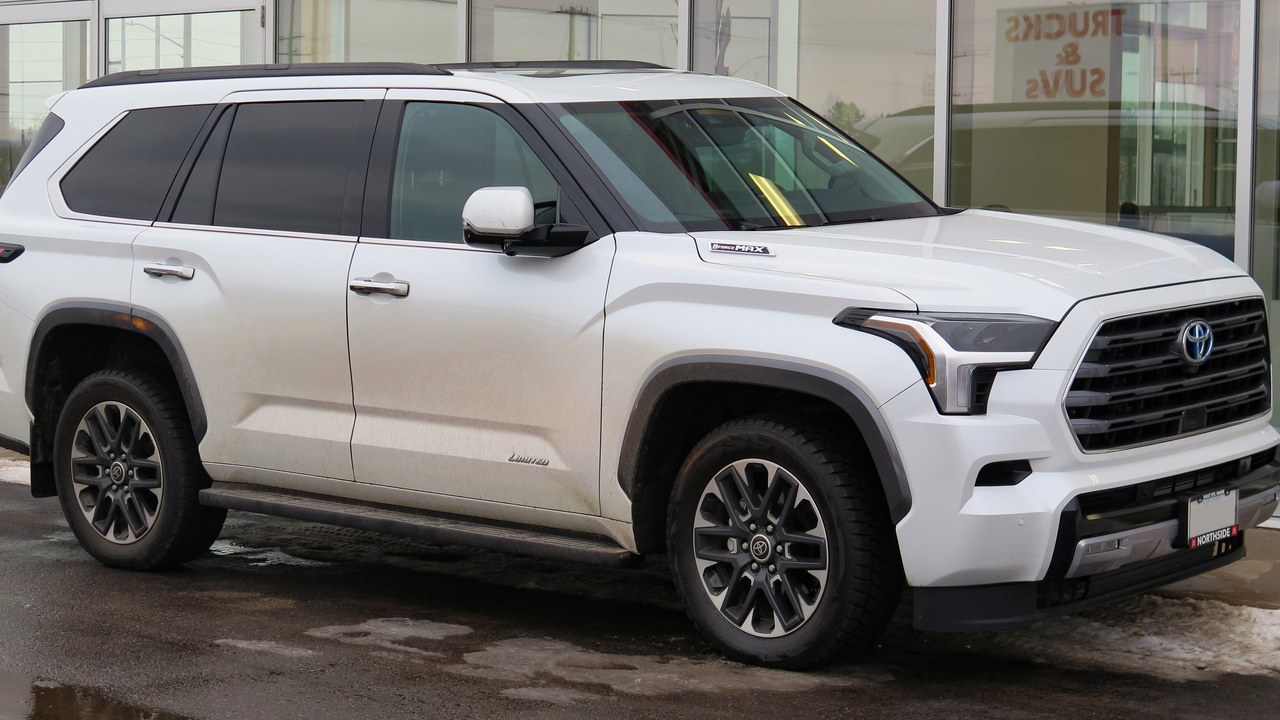
Toyota let the second-generation Sequoia run for well over a decade with only light updates, pairing a full-size truck frame with the 5.7-liter V8 also found in the Tundra. Sharing a drivetrain with a work truck meant those parts were engineered for towing loads a family SUV almost never encounters.
The running costs are the reason it never sold in Suburban numbers. Fuel consumption is heavy, the thing is awkward to park, and interior design lagged the competition badly by the end of that run. Owners who kept theirs did so because replacing it cost more than feeding it, not because it was refined.
8. Honda Pilot: The Three-Row Workhorse
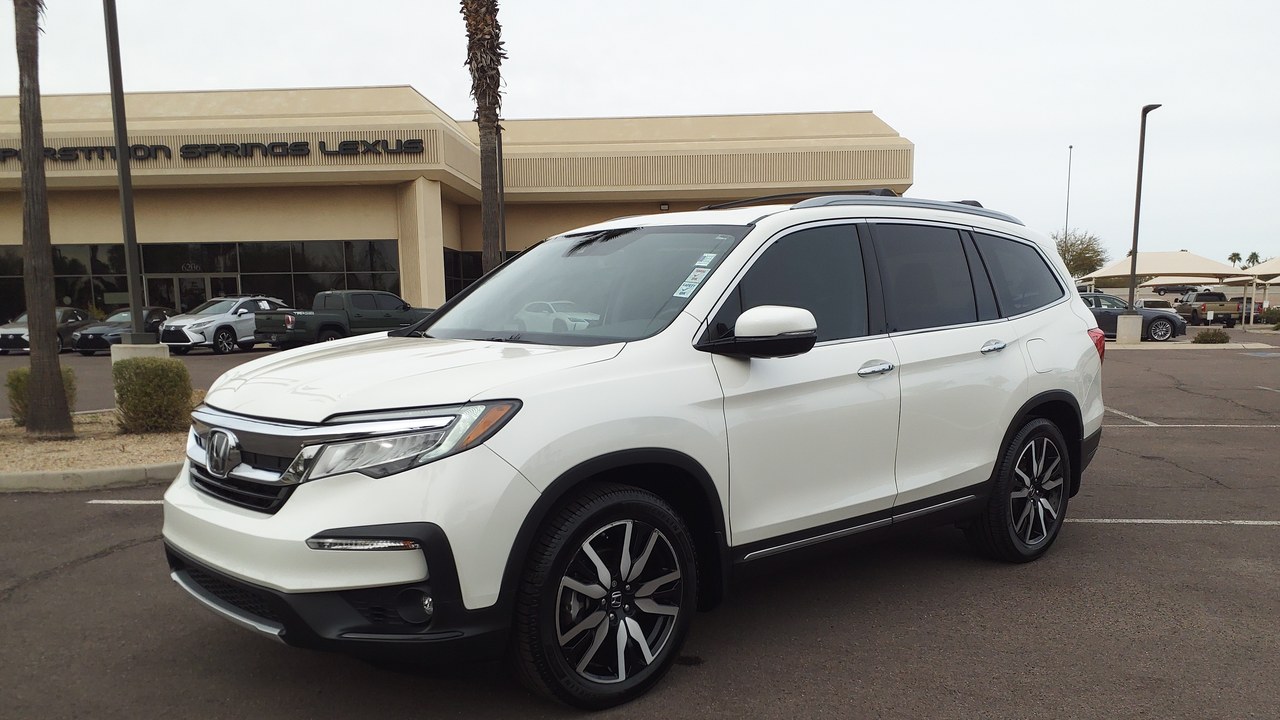
The Honda Pilot shares its bones with the Odyssey minivan and the Acura MDX, which is how a three-row family hauler ended up with a drivetrain refined across several high-volume products. Its J-series V6 has been in production for a very long time, and the transverse layout keeps routine service straightforward for any competent shop.
Two caveats follow it. Cylinder-deactivation systems on some V6 years generated persistent owner complaints, and certain transmission generations aged worse than the engines they sat behind. A Pilot that has been serviced and had those known issues addressed tends to keep going; one bought cheaply with no records is a different proposition entirely.
More from Morning Overview
- The Pentagon’s newest UFO files describe a fish-scaled, potato-shaped object on camera
- Scientists spotted a rare tusked whale alive at sea for the first time, then fired a crossbow at it.
- A Colorado wildfire forced level-three ‘leave now’ orders across Ouray County
- A skeleton beneath Petra’s Treasury was found clutching a chalice that resembles the Holy Grail
