
Rear-hinged doors, often nicknamed suicide doors, have opened the back seats of cars for generations. Some designers favored them for grand sedans, while others used them for sporty coupes and modern luxury utility vehicles. This gallery follows eight cars that were built with the feature, from a 1961 Lincoln to a current Rolls-Royce.
1. Lincoln Continental: Four Doors Hinged Backward
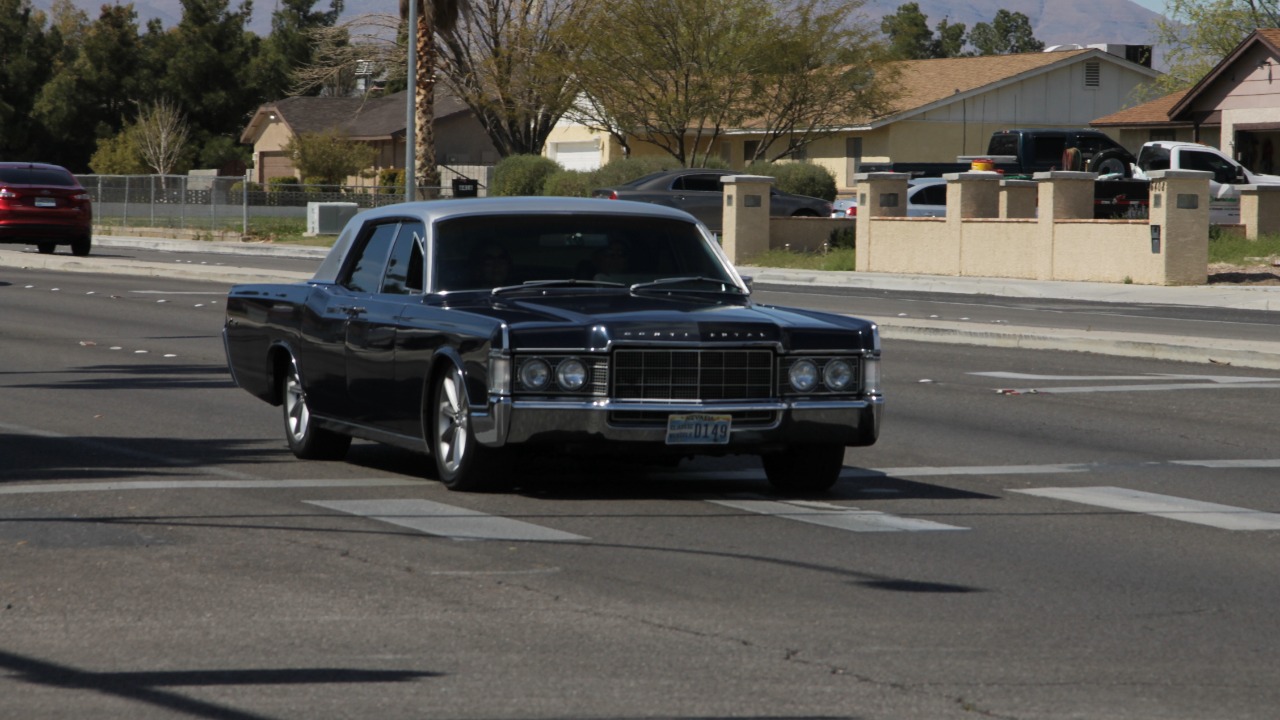
The best-known postwar American use of rear-hinged doors was the Lincoln Continental four-door convertibles and sedans, built from 1961 to 1969, as described in this encyclopedia entry on suicide doors.
That reputation made the design a signature of a luxury sedan instead of a novelty, and the same hinge layout lets rear passengers step out facing forward. Dates cover the models named, so earlier or later Lincoln generations are outside what the source states. Readers weighing the claim should note that the source speaks of the American market after the war, which leaves earlier European coach-door traditions as a separate story from this Lincoln run.
2. Cadillac Eldorado Brougham: Luxury With Rear Hinges
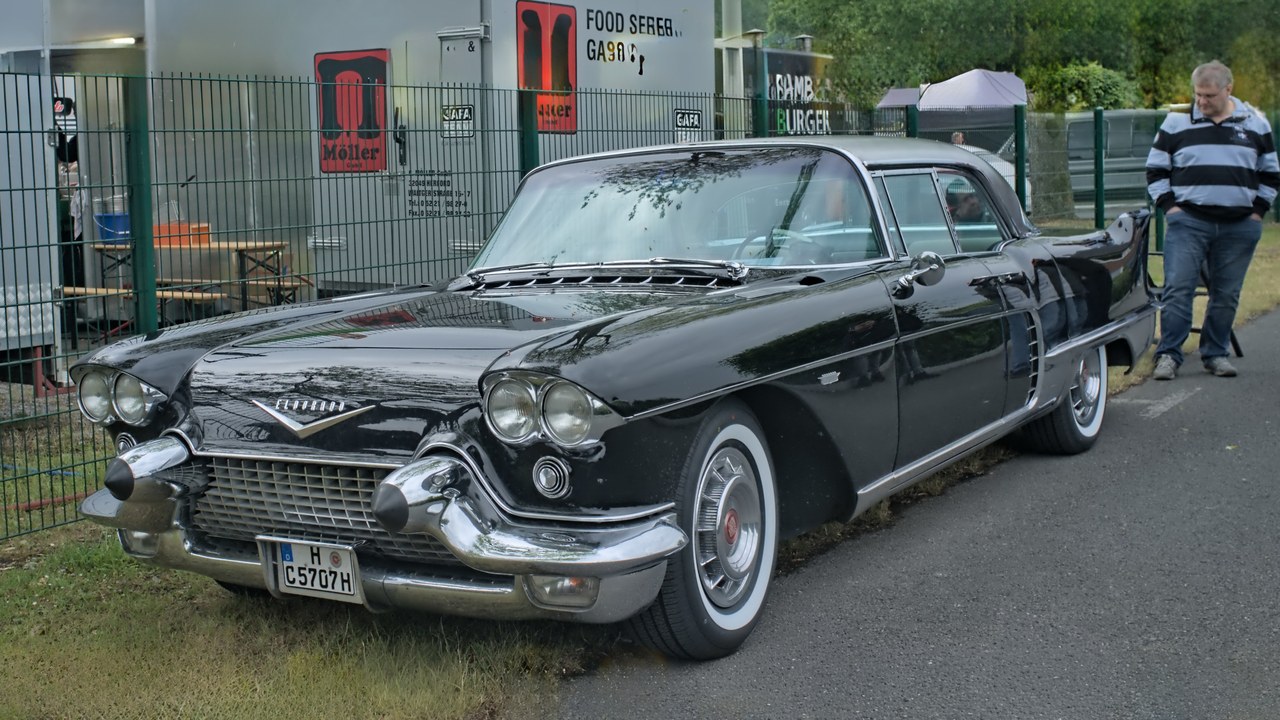
The Cadillac Eldorado Brougham four-door sedans of 1956 to 1959 were built with rear-hinged doors, according to this reference entry on suicide doors.
Hinging the doors at the back suited a low-volume prestige sedan, since the wide openings eased entry to the rear seat. The source ties the feature to the four-door sedans of those years only, and it does not extend the claim to other Cadillac models. Because production years are given as a span, collectors checking a specific car should confirm the build date rather than assume every similar Cadillac from the period shared the layout.
3. Mazda RX-8: Clamshell Doors On A Sports Car
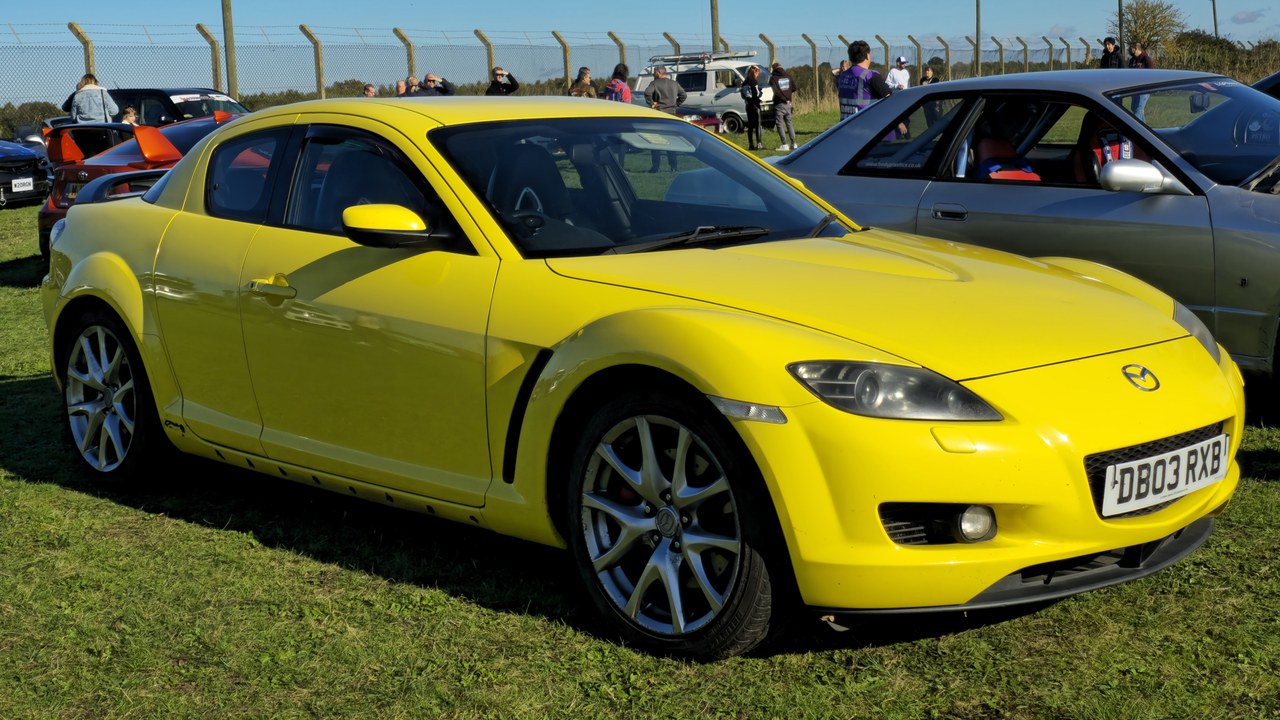
The RX-8 appears among the clamshell-configuration cars that pair front-hinged front doors with rear-hinged rear doors, a listing found in this encyclopedia article on suicide doors.
Hidden rear-door handles and a missing center pillar gave the compact sports coupe a rare layout among modern cars. The listing concerns the door arrangement alone, so it says nothing about how many people actually used the rear seats. Clamshell, in this usage, means front doors that open forward while rear doors open backward, so the pair meet at the middle, which sets the RX-8 apart from cars with all four doors hinged at the back.
4. Rolls-Royce Phantom: Coach Doors Return
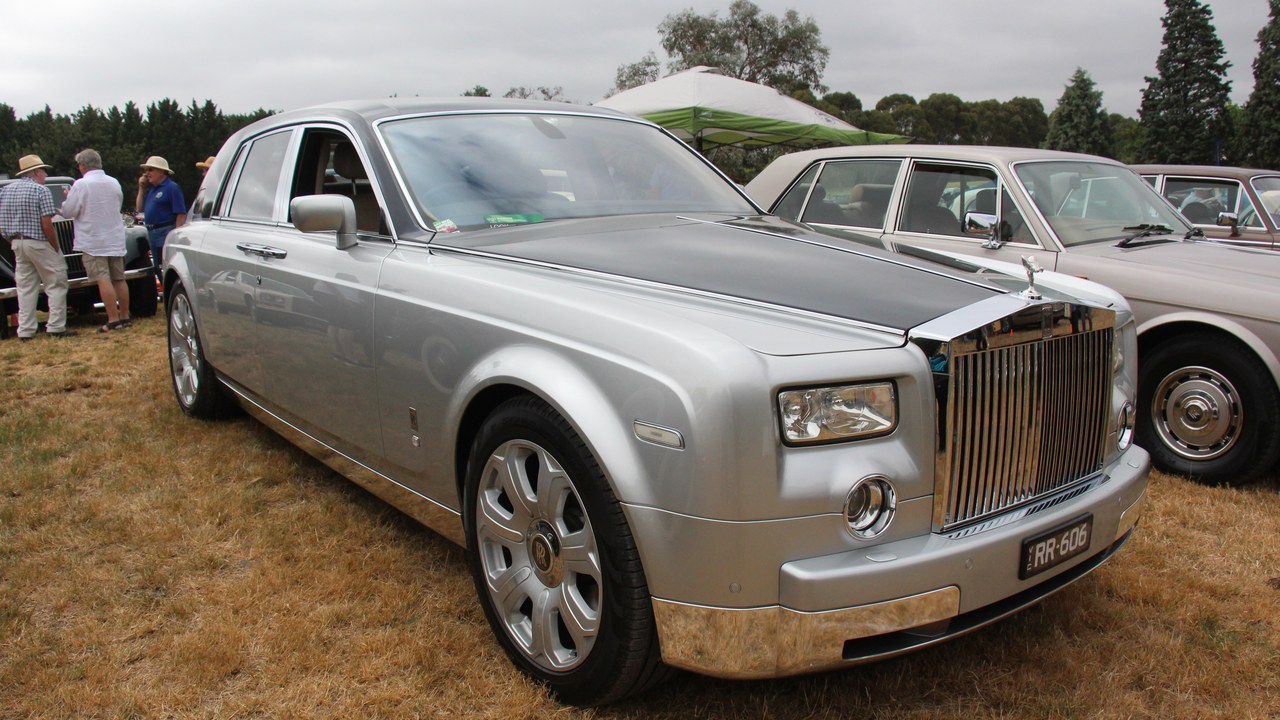
Coach doors were reintroduced on the 2003 Rolls-Royce Phantom VII, a detail noted in this spotter’s guide to unconventional doors.
Revival of the arrangement signaled a return to old-fashioned ceremony on a modern flagship, with openings that favor a graceful exit. The guide describes the reintroduction itself and does not claim that other makers followed at the time. Phantom VII refers to the seventh generation, which is the model year the source ties to the revival, so later or earlier Phantoms should be checked separately before repeating the claim in any wider context.
5. Rolls-Royce Cullinan: An SUV With Coach Doors
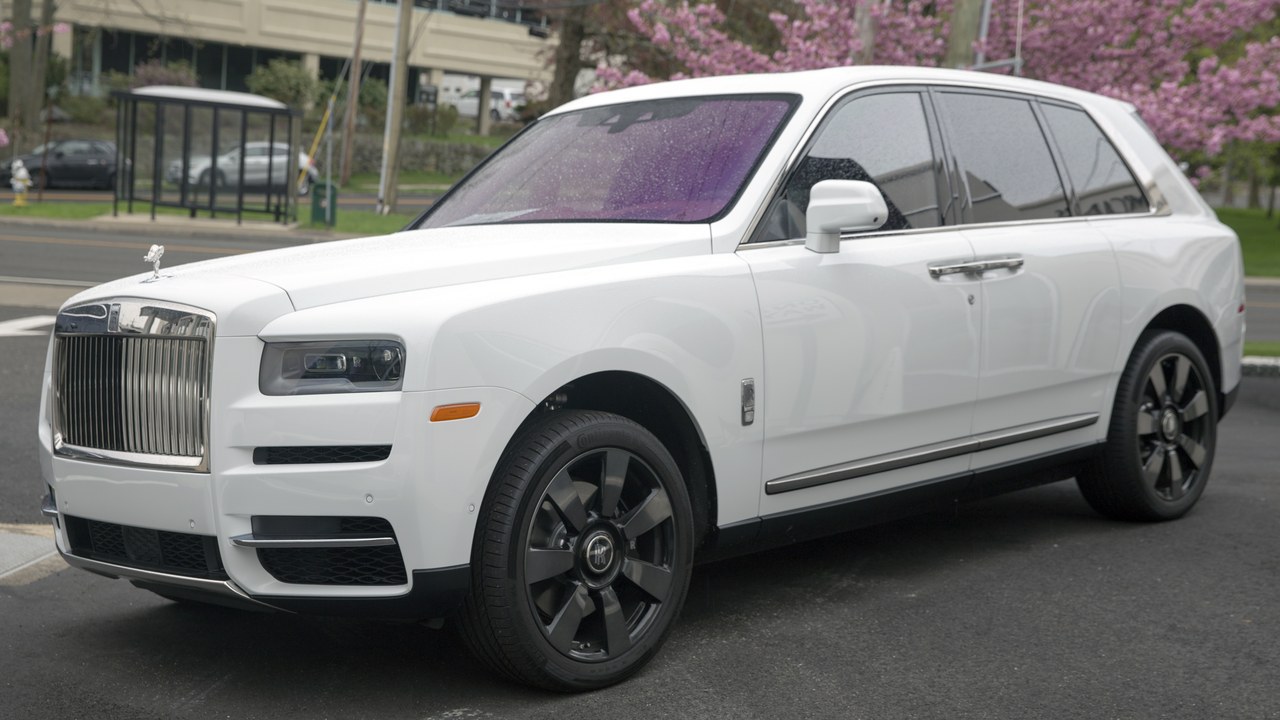
The Cullinan is named among the current Rolls-Royce models still built with rear-hinged coach doors, according to this spotter’s guide to unconventional doors.
Putting the style on an SUV extended a formal limousine feature to a tall, high-riding body, where the wide openings make for easy entry. The statement covers current Rolls-Royce models, so its accuracy depends on the lineup remaining as listed. Readers should also treat the phrase still built as a snapshot, since manufacturers revise lineups, and the listing reflects how the source described the brand when it was written rather than a permanent guarantee.
6. Rolls-Royce Spectre: Electric Power, Rear-Hinged Doors
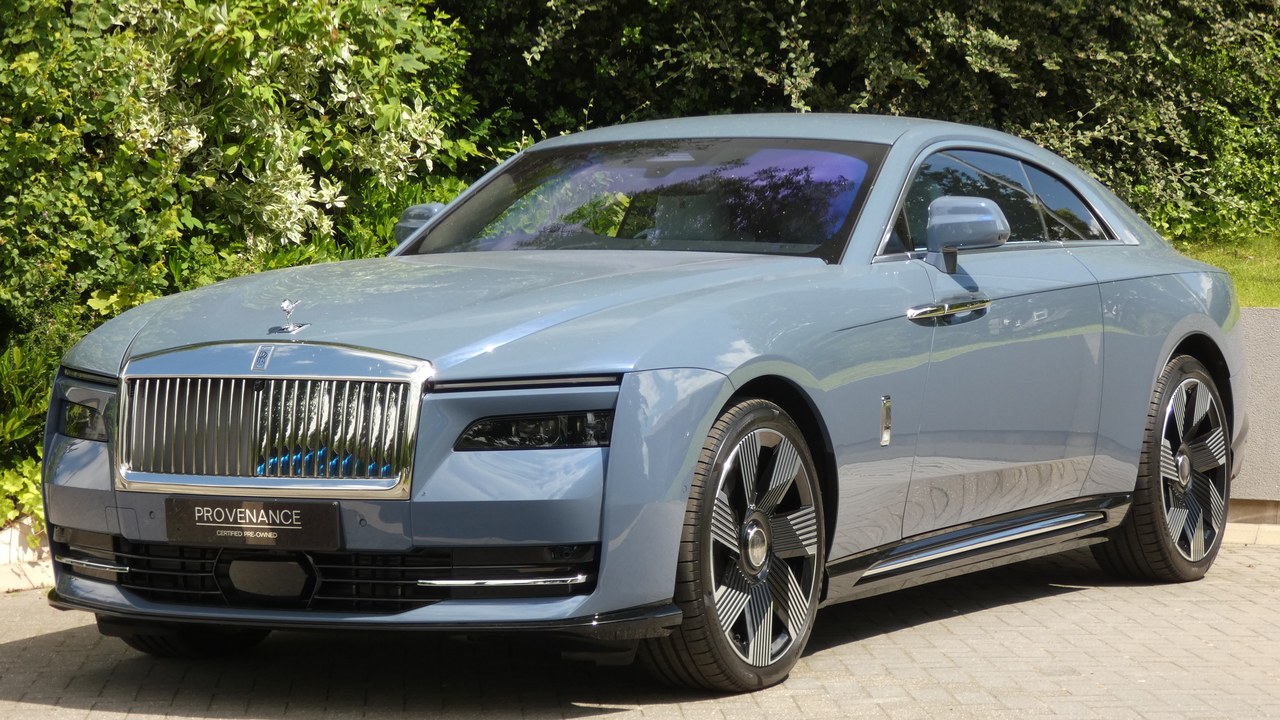
The Spectre is listed among the current Rolls-Royce models with rear-hinged doors in this spotter’s guide to unconventional doors.
An all-electric coupe from the marque keeps a hinge layout dating to horse-drawn carriages, showing the tradition outlasting the engine type. The source simply lists the model, so details about handles, latches or door width remain unreported. Listing the Spectre next to its sibling models also shows how the marque treats the arrangement as a shared house trait, a point the source implies by grouping them together as current cars in a single list.
7. Ford Thunderbird: The Last Cheap Suicide Doors
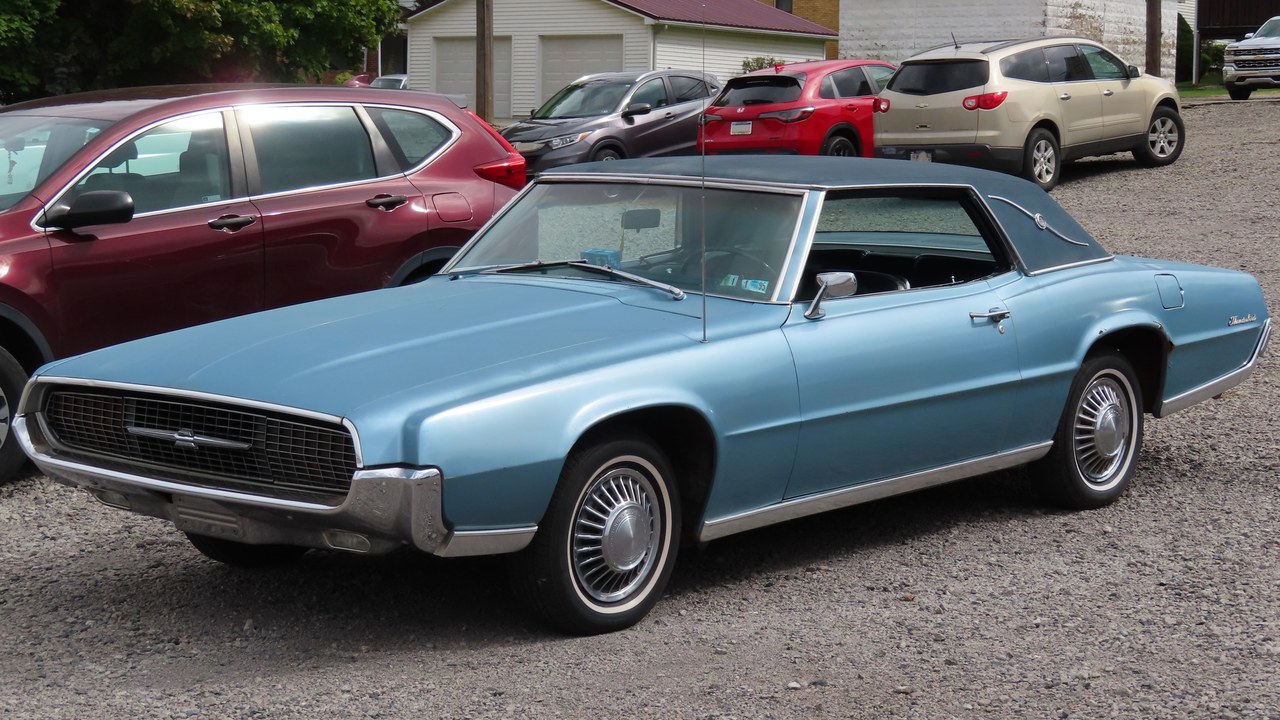
The four-door Ford Thunderbird built from 1967 to 1971 was the last low-priced passenger car to have suicide doors, per this overview of unusual car doors.
The phrase low-priced matters here, because the layout had otherwise drifted toward expensive luxury cars by then. The claim rests on the single comparison made by the source, which does not rank every rival model sold during those years. Specific trim levels and exact production counts are not part of the claim, so the statement works best as a general marker of when affordable cars stopped offering this door arrangement for ordinary buyers.
8. Ford Model 40: A Prewar Coupe With Rear Hinges
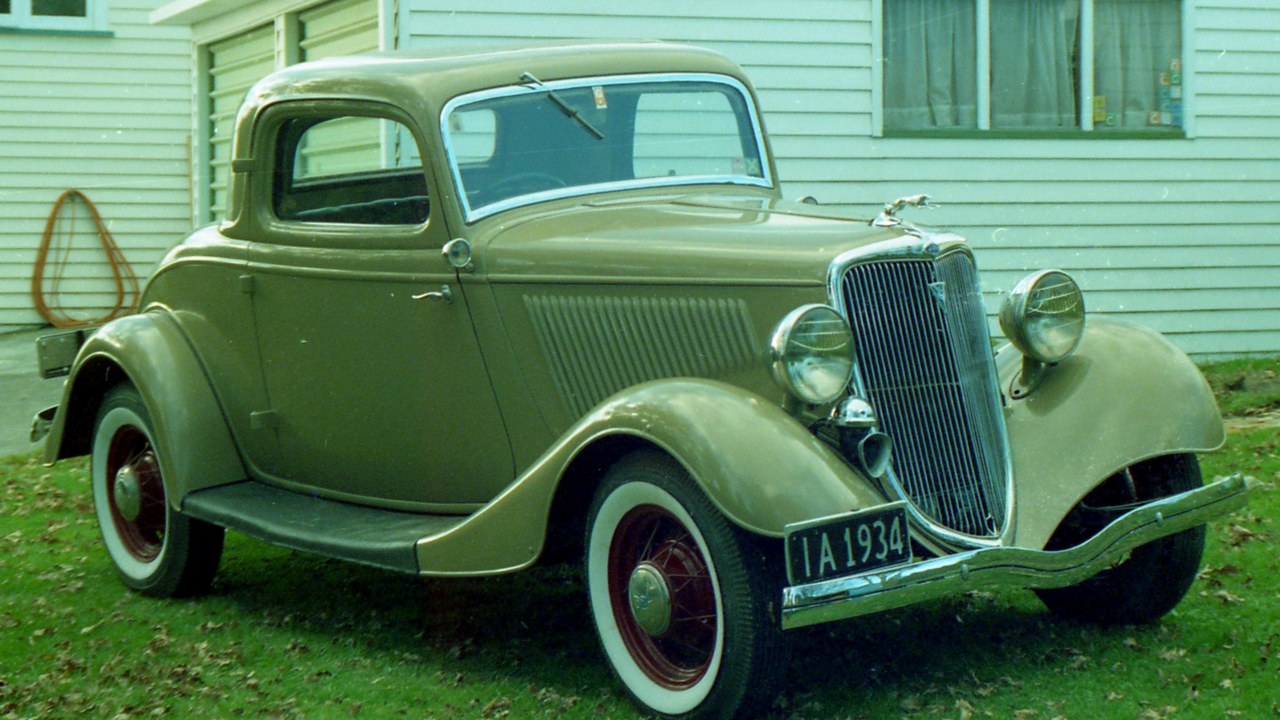
The 1934 Ford Model 40 three-window coupe was built with suicide doors, according to this overview of unusual car doors.
A prewar coupe built this way shows that rear-hinged doors were an ordinary choice in the early decades of the automobile. The source mentions the three-window coupe only, so other body styles of the same year are not covered by the statement. Model 40 was a Ford designation of that year, and the coupe body named here is the only configuration the source connects to the doors, which keeps the claim narrow and easy to verify.
More from Morning Overview
- Card skimmers hidden on gas pumps and ATMs are draining accounts, and here’s the tell
- Hurricane Hunter radar shows four warning signs that a tropical cyclone is about to strengthen, a University of Miami study found
- NTSB report details how a family of four died when their plane’s nose suddenly pitched up
- Doctors warn a silent liver disease now affects one in three American adults
