
Smart-home convenience arrives with a quiet trade-off: many popular gadgets keep a microphone or camera powered on so they can respond the instant they are needed. Most listen for a wake word or watch a doorway around the clock, buffering or streaming as they go. Here are eight devices that keep a sensor live inside the home.
1. Amazon Echo: The Always-Listening Speaker
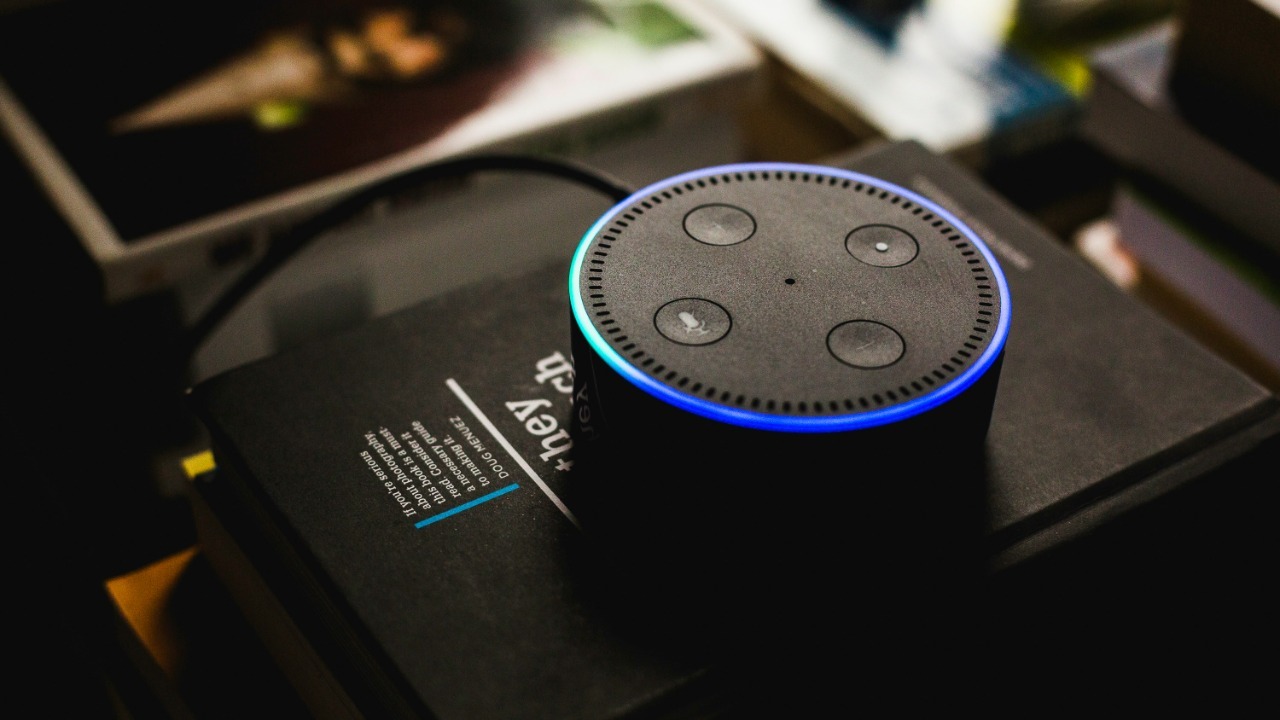
The Amazon Echo runs a far-field microphone array that continuously samples the room, listening locally for the “Alexa” wake word before any audio travels to the cloud. Amazon’s smart speaker line keeps that on-device listening active whenever the unit is powered, which is how it can answer within a second of hearing its name.
Owners can silence the microphones with a physical button that cuts power to the array, and Amazon lets users review and delete stored voice clips. Even so, the default state is a speaker that is always sampling nearby sound, and misfires on words that resemble the wake phrase can trigger recordings nobody intended to start.
2. Google Nest Hub: The Screen That Keeps Listening
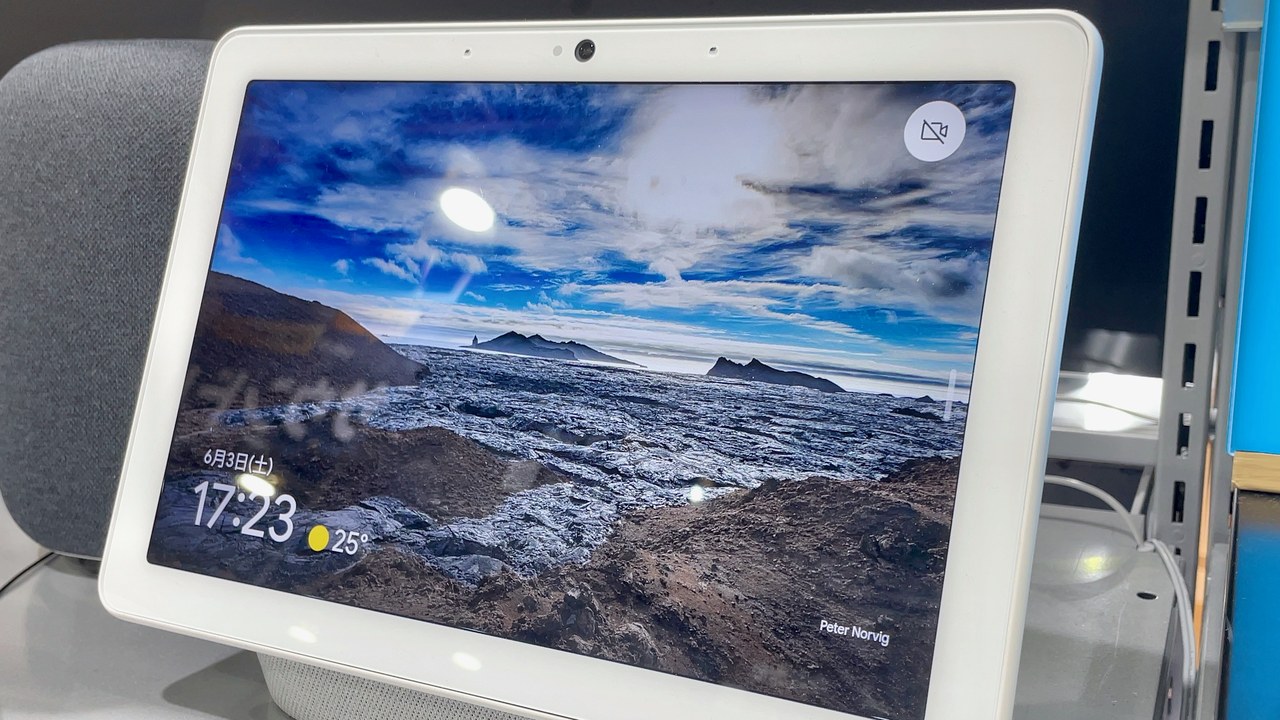
A Google Nest Hub pairs a touchscreen with an always-ready microphone tuned for the “Hey Google” phrase, surfacing reminders, recipes and video calls on command. Google’s Nest speaker family processes that wake word on the device itself, then streams the request that follows to its servers for interpretation.
The base Nest Hub deliberately ships without a camera, a design choice aimed at bedroom and kitchen placement. The microphone, however, stays live unless the hardware switch is flipped, and the display’s ambient sensing means the device is continuously aware of movement and light in the room around it.
3. Ring Video Doorbell: The Camera at the Front Door
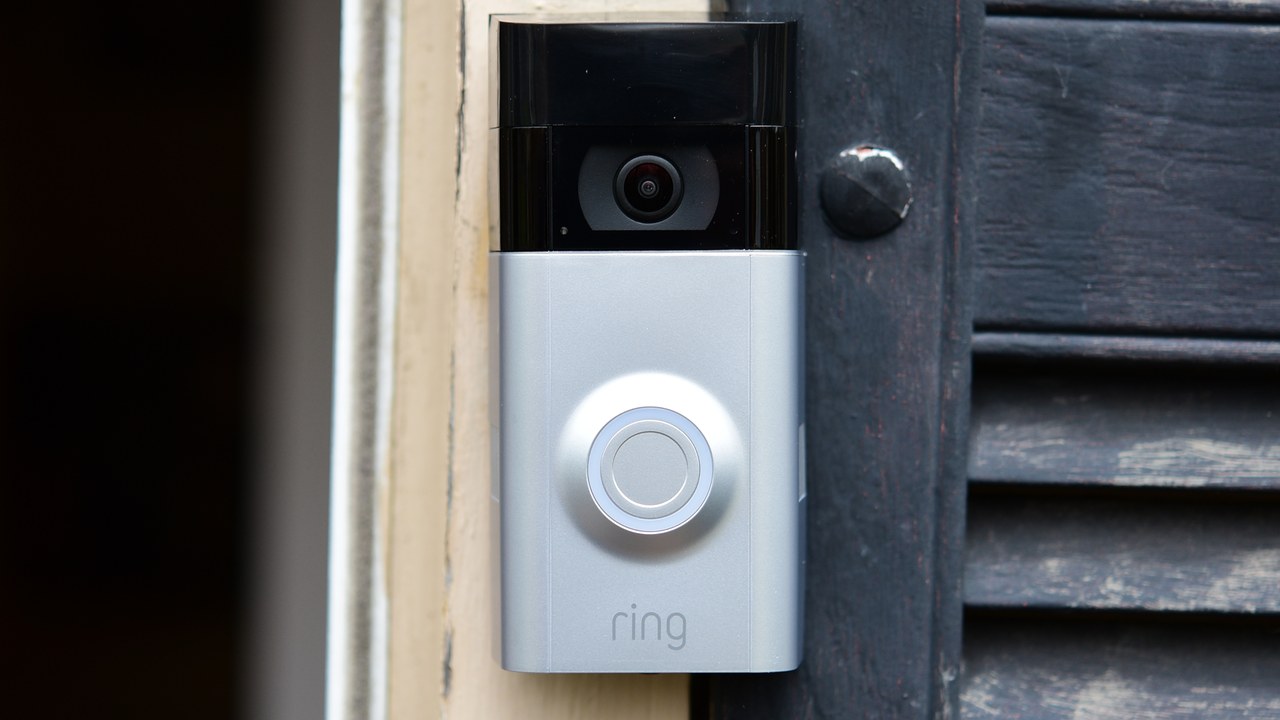
A Ring Video Doorbell trains a camera and microphone on the porch, recording motion-triggered clips and enabling two-way audio with whoever approaches. The Amazon-owned doorbell uploads footage to the cloud, where subscribers review it, and it captures both video and sound whenever its motion zones detect activity outside.
Ring cameras have drawn scrutiny over police-partnership programs that once made shared footage easy to request, prompting the company to rework how those requests function. For the household, the practical point is a lens and mic pointed outward at all hours, catching visitors, passersby and conversations within range of the doorway.
4. Google Nest Cam: The Continuous Home Watch
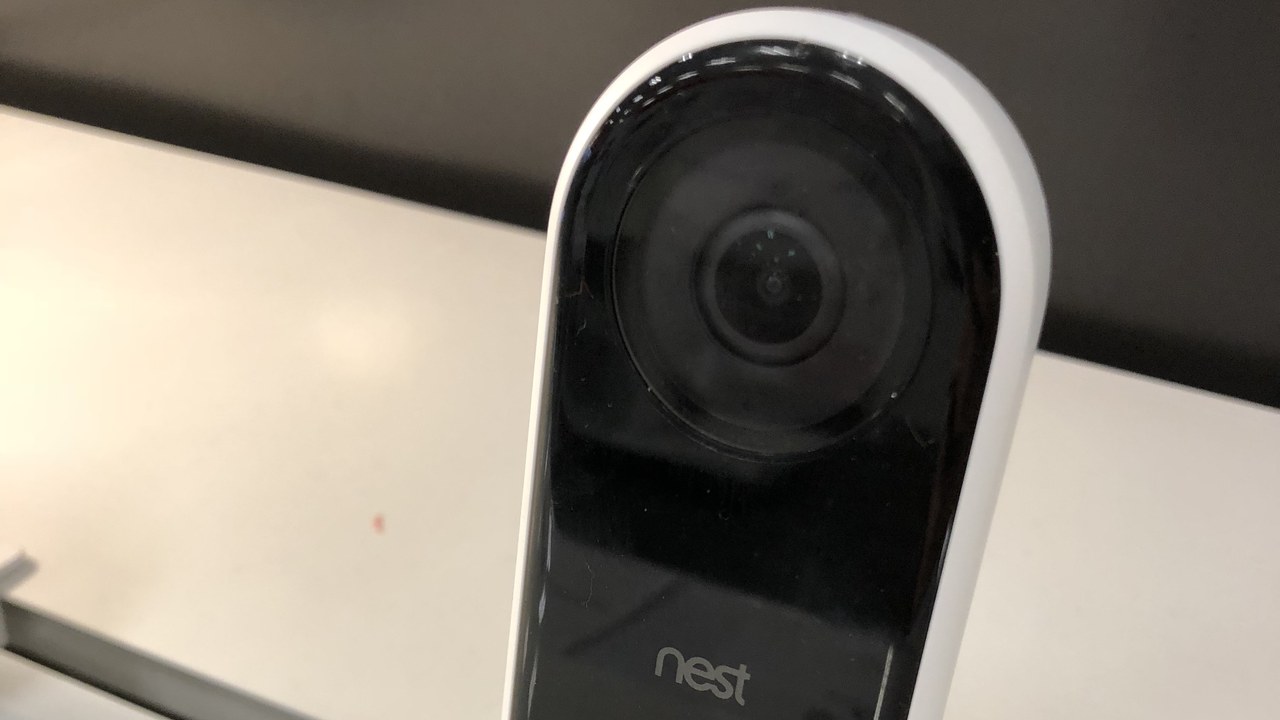
A Google Nest Cam is built to monitor a room or yard, streaming video and detecting motion, people and familiar faces on higher tiers. Google’s home security camera can record continuously for subscribers, keeping its lens and microphone active so events are captured the moment they occur.
Nest Cam footage is encrypted in transit and storage, and owners can define activity zones or pause the camera through the Home app. Even then, a camera designed for round-the-clock coverage is by definition a live sensor in the house, and any always-on recorder becomes a target the instant an account is compromised.
5. Amazon Echo Show: The Display With a Live Lens
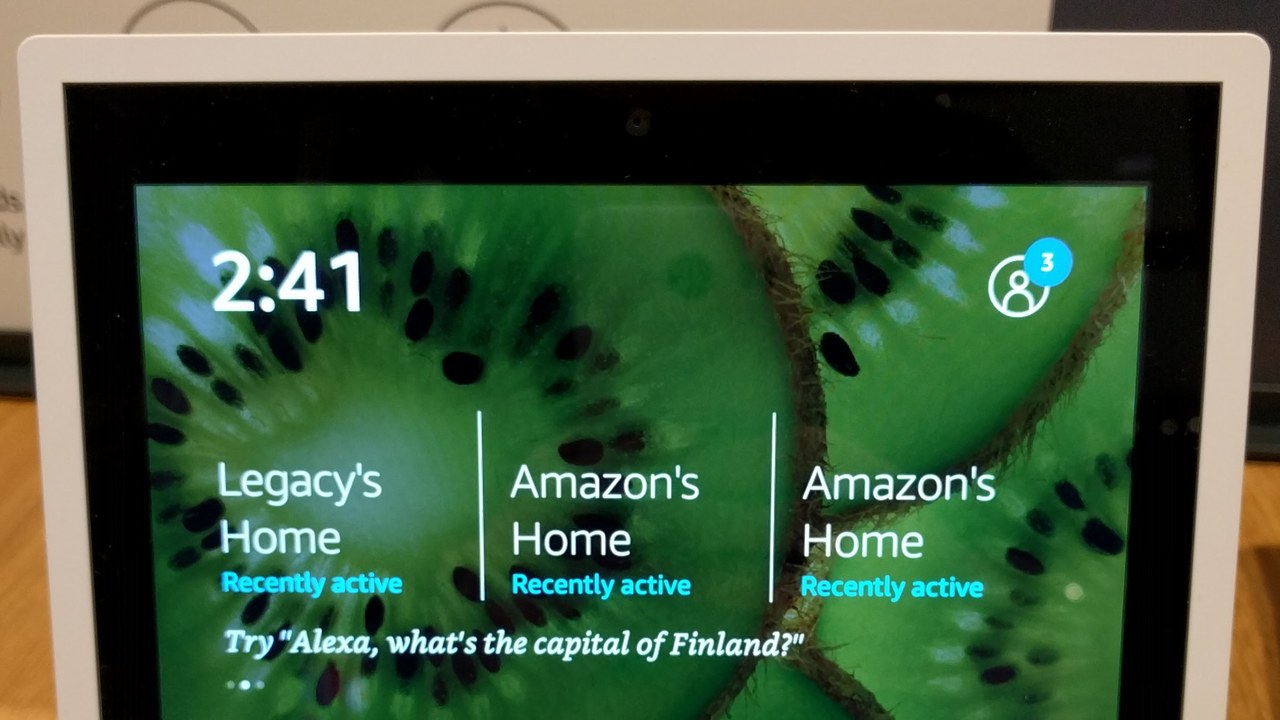
The Amazon Echo Show adds a front-facing camera to the Echo’s always-listening microphones, powering video calls and a “drop in” feature that can open a live feed between trusted contacts. Amazon’s smart display keeps the mic ready for the wake word and the camera available for calls whenever the screen is on.
A sliding shutter physically covers the lens on most models, and the mute button cuts the microphone array, giving owners a hardware off switch. The risk is convenience-by-default: the drop-in feature and always-ready sensors let a screen in the kitchen or bedroom become an open window unless those controls are used deliberately.
6. Apple HomePod: The Far-Field Microphones
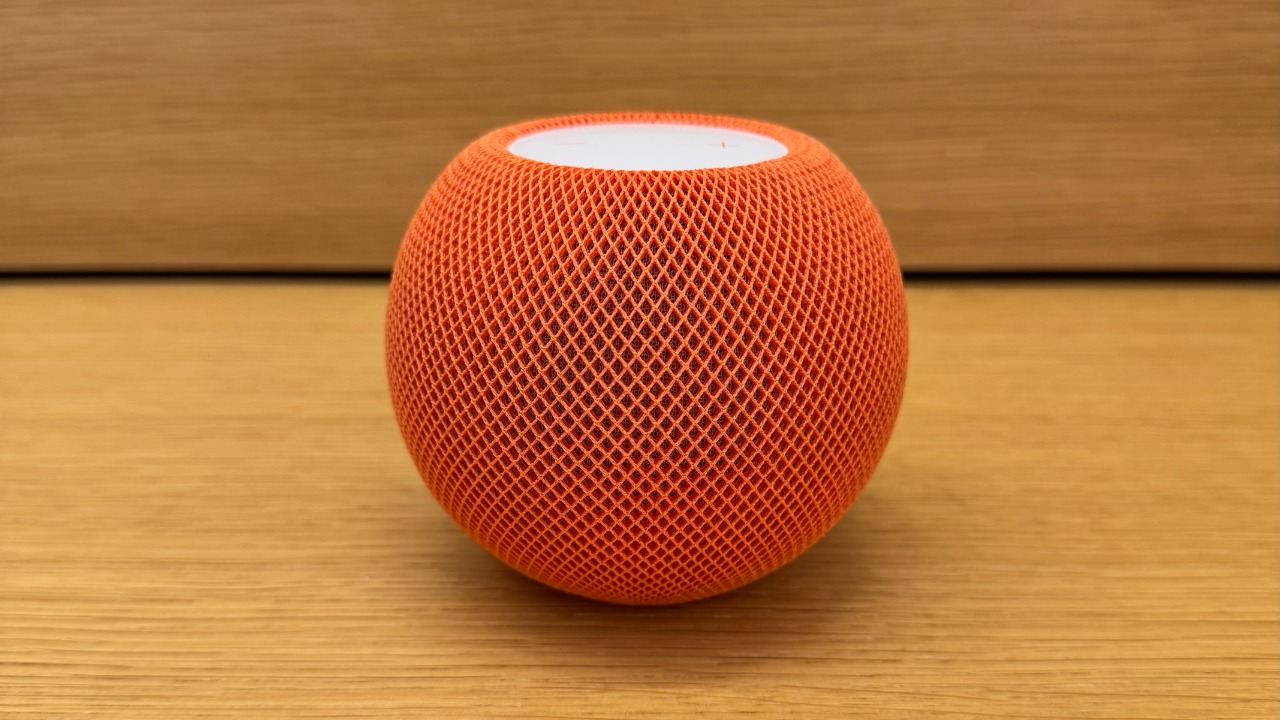
The Apple HomePod listens through an array of far-field microphones that wait for “Hey Siri,” using on-device processing to detect the phrase before a request reaches Apple. The voice-controlled speaker keeps those mics powered so it can hear commands across a room, even over its own music playback.
Apple stresses that Siri requests tie to a random identifier rather than an Apple ID, and a top-panel control mutes listening. Yet the speaker’s entire premise is an always-on microphone that must sample ambient sound to catch its wake phrase, which plants a live sensor wherever the HomePod happens to sit.
7. Wyze Cam: The Budget Always-On Camera
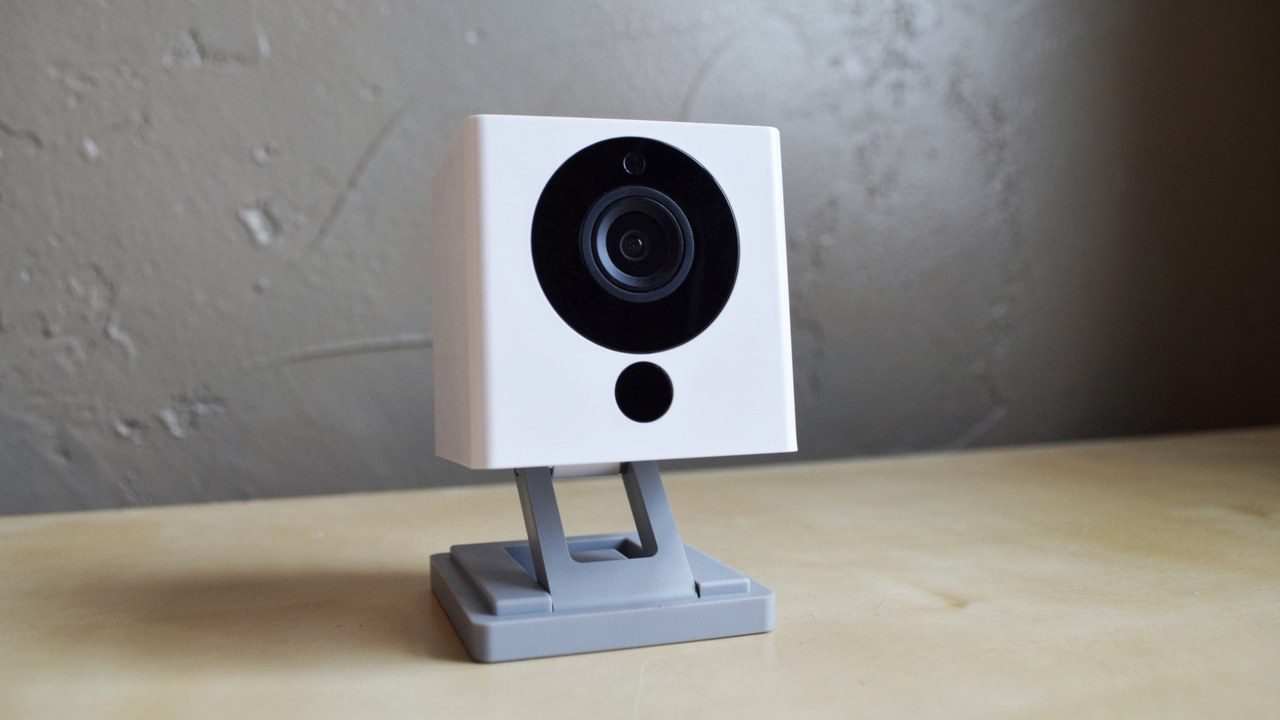
The Wyze Cam packs continuous video, night vision and motion alerts into an inexpensive cube, making an always-on camera cheap enough to place in several rooms at once. The low-cost home camera streams to the cloud and can record locally to a memory card, keeping its lens and mic active by design.
Wyze has disclosed security lapses, including an incident that briefly let some users glimpse strangers’ camera feeds, underscoring the stakes of a cheap networked recorder. Because the cameras are often bought in bulk and scattered through a home, a single account or firmware weakness can expose several live feeds simultaneously.
8. Samsung SmartThings: The Hub Tying the Sensors Together

Samsung SmartThings acts as the connective layer of a smart home, linking cameras, microphones, locks and sensors from many brands under one app and automation engine. The SmartThings platform routes triggers and live feeds between devices, so an always-on camera or a listening speaker becomes part of a single coordinated system.
That coordination is both the convenience and the exposure: a hub that can view camera streams and toggle devices centralizes access to every live sensor it manages. Should the SmartThings account or a connected device be breached, an intruder potentially reaches the whole network of mics and cameras rather than one isolated gadget.
More from Morning Overview
- The FTC is warning about a scam quietly draining thousands from victims
- The NSA is again telling phone owners to switch off one location setting
- A handful of car transmissions are so tough mechanics say they almost never fail
- A handful of SUVs keep hitting 300,000 miles, and they share one engine trait
