
The connected home promises convenience, yet every gadget wired to the internet widens the surface that intruders can probe. Security researchers and consumer regulators keep flagging the same familiar products as the ones most likely to be attacked, usually because owners leave default passwords in place or skip updates. The devices below are these eight repeat offenders.
1. Wireless router: The Network Front Door
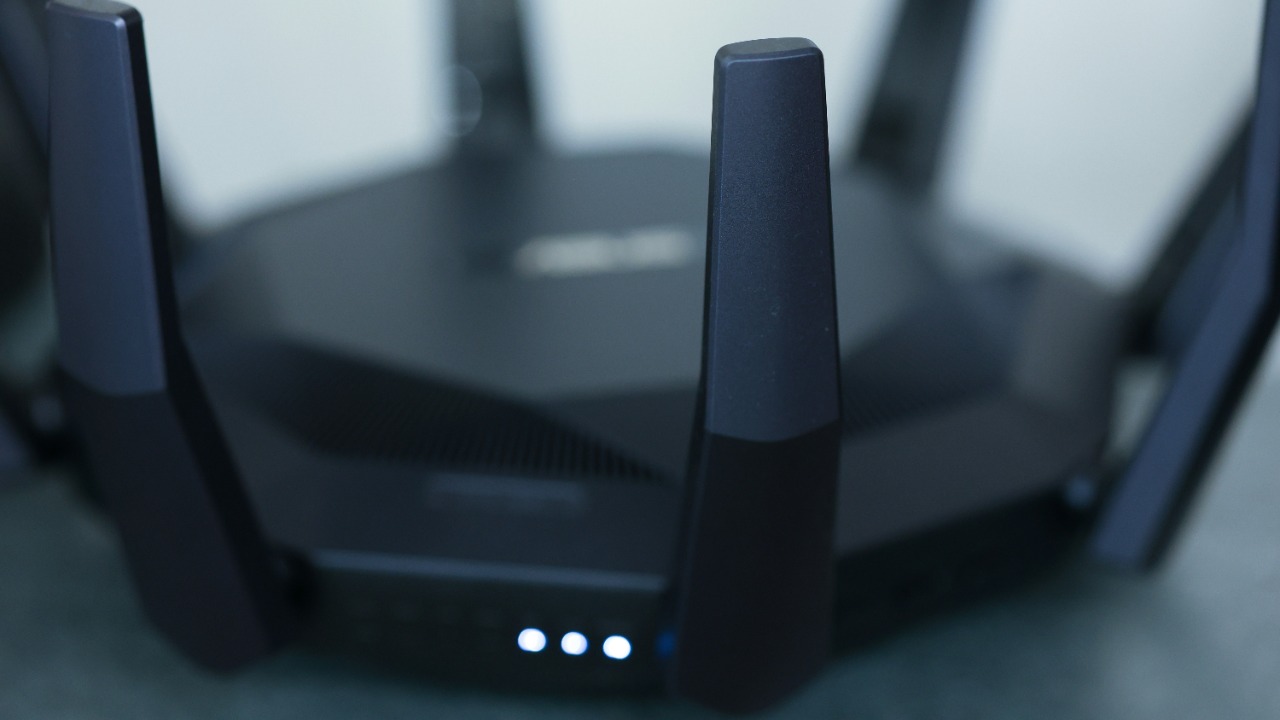
The router is the gateway every other gadget travels through, which is exactly why it draws so much attention. Federal regulators describe it as the front door to a home network, and the Federal Trade Commission urges owners to change default logins and keep firmware current when securing connected home devices.
A router left on its factory password or an outdated version can expose everything downstream, from cameras to laptops. Because it sits quietly in a closet, it is easy to forget, and forgotten hardware rarely gets the updates that close known weaknesses over time.
2. Ring doorbell: The Watched Watcher
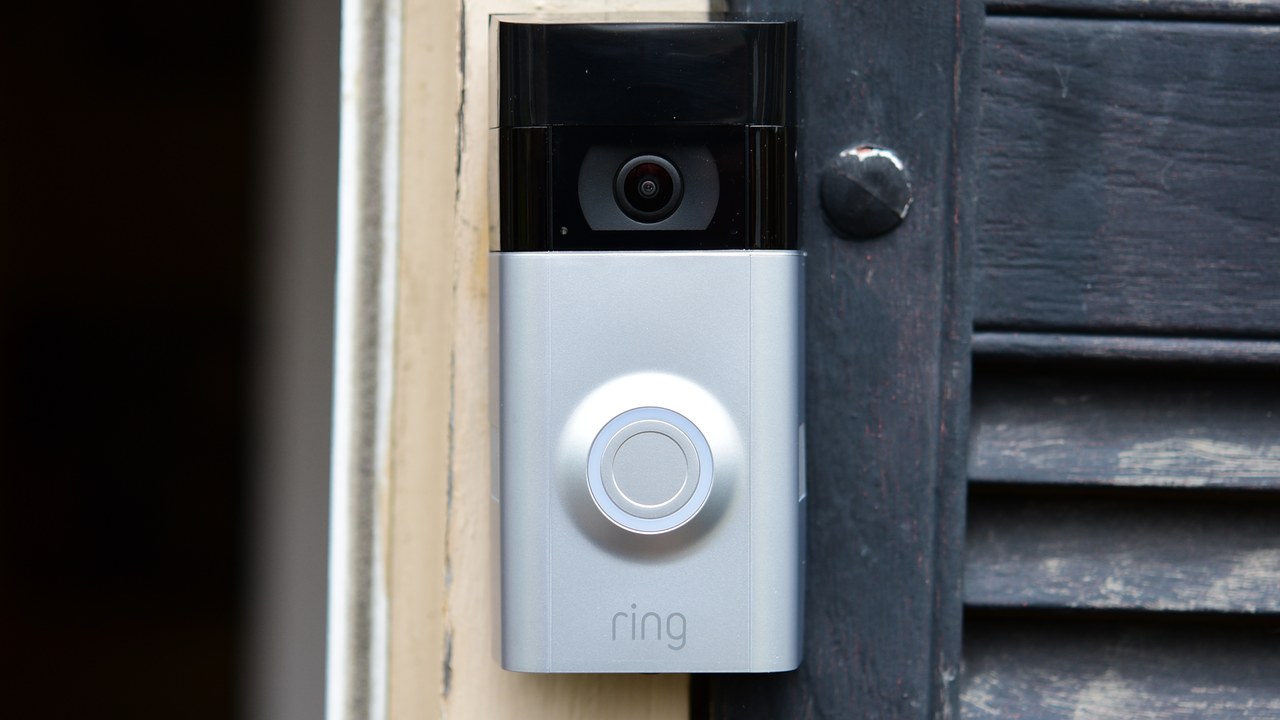
Internet-connected doorbell cameras have become a fixture on front porches, and that popularity makes them a frequent focus of unwanted access. The Federal Trade Commission has documented cases of internet cameras being reached remotely and stresses strong, unique passwords and two-factor login when using IP cameras safely.
A camera aimed at an entryway captures comings and goings, so unauthorized viewing carries real privacy stakes. Reused passwords are a common thread in reported incidents, and accounts protected only by a recycled credential leave the household footage far more exposed than owners assume.
3. Baby monitor: The Nursery Blind Spot
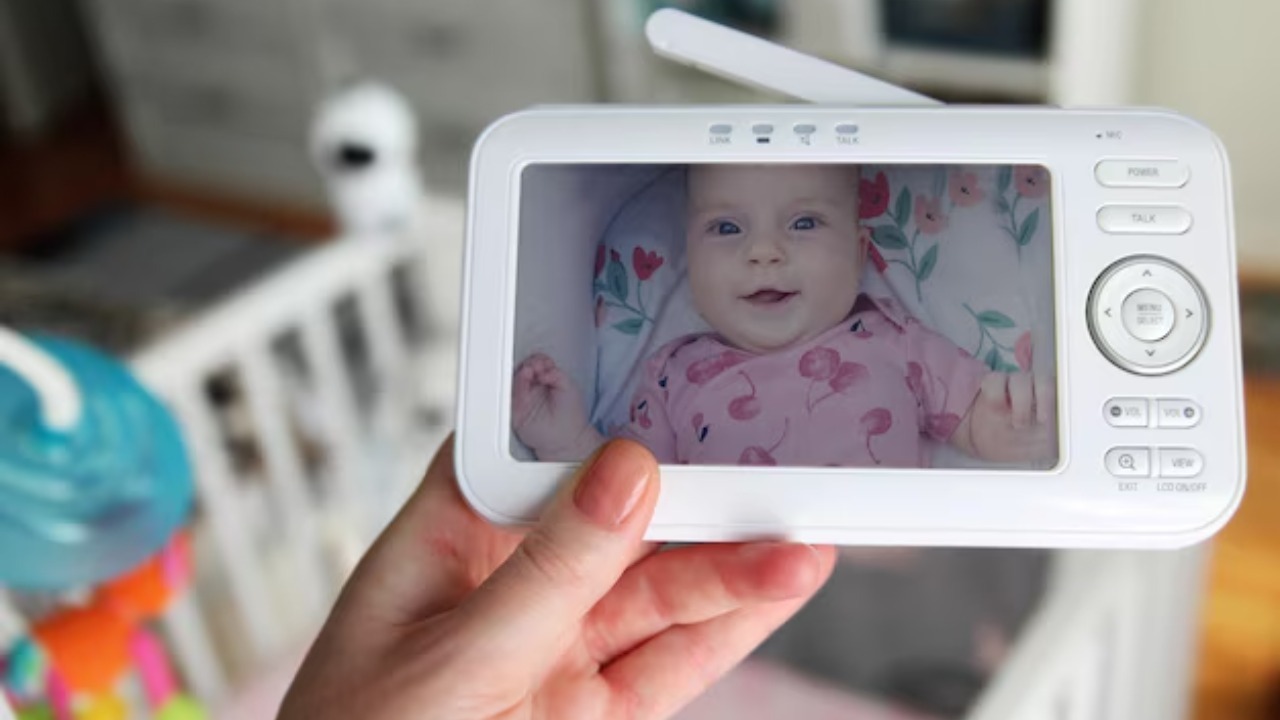
Wi-Fi baby monitors sit in the most sensitive room in the house, and repeated reports of strangers reaching them have unsettled parents for years. Consumer regulators group these devices with other internet cameras and recommend the same safeguards, including unique passwords and updated software, for home camera privacy.
Many monitors ship ready to stream over the internet, a feature that helps traveling parents but also invites trouble when accounts stay weakly protected. The emotional weight of a nursery makes these among the most alarming intrusions, even though the underlying cause is often ordinary neglect of basic settings.
4. Smart TV: The Living Room Listener

Modern televisions run apps, microphones and cameras, turning a passive screen into a networked computer that can be probed like any other. The Federal Trade Commission points owners toward reviewing permissions and limiting data collection when protecting privacy on apps.
A connected TV quietly tracks viewing habits and can hold saved account logins for streaming services, making it a tempting target. Sets often receive updates less faithfully than phones, so a television bought several years ago may still run software with weaknesses that were never patched, and manufacturers sometimes stop supporting older models entirely while the screen keeps working.
5. Google Nest: The Central Hub
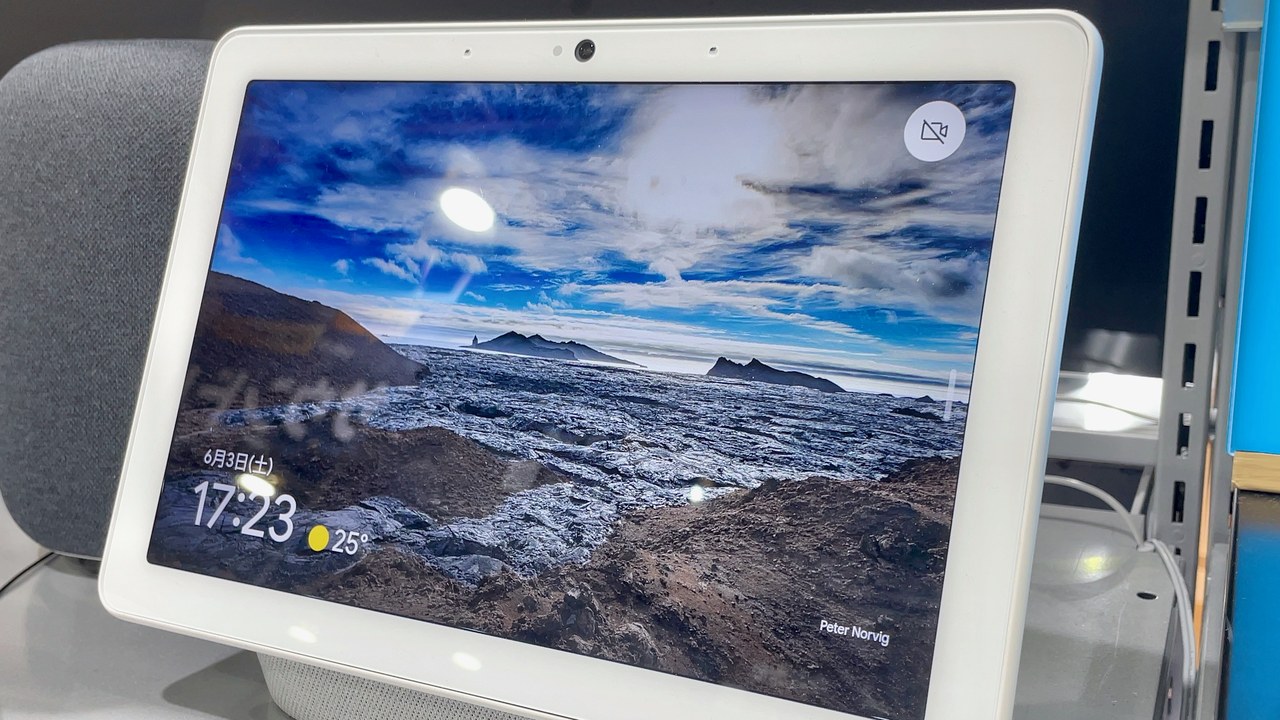
As a hub tying together cameras, doorbells, speakers and thermostats, this ecosystem concentrates control in one account. Reference material on the Google Nest lineup describes how a single login can govern an entire connected household of devices.
That consolidation is convenient, yet it also means one compromised account can ripple across every linked gadget in the home. Regulators consistently point to two-factor authentication as the single most effective habit for hub accounts, precisely because the central login opens so many doors at once when it falls, and a strong unique password remains the foundation beneath it.
6. Amazon Echo: The Always-On Speaker
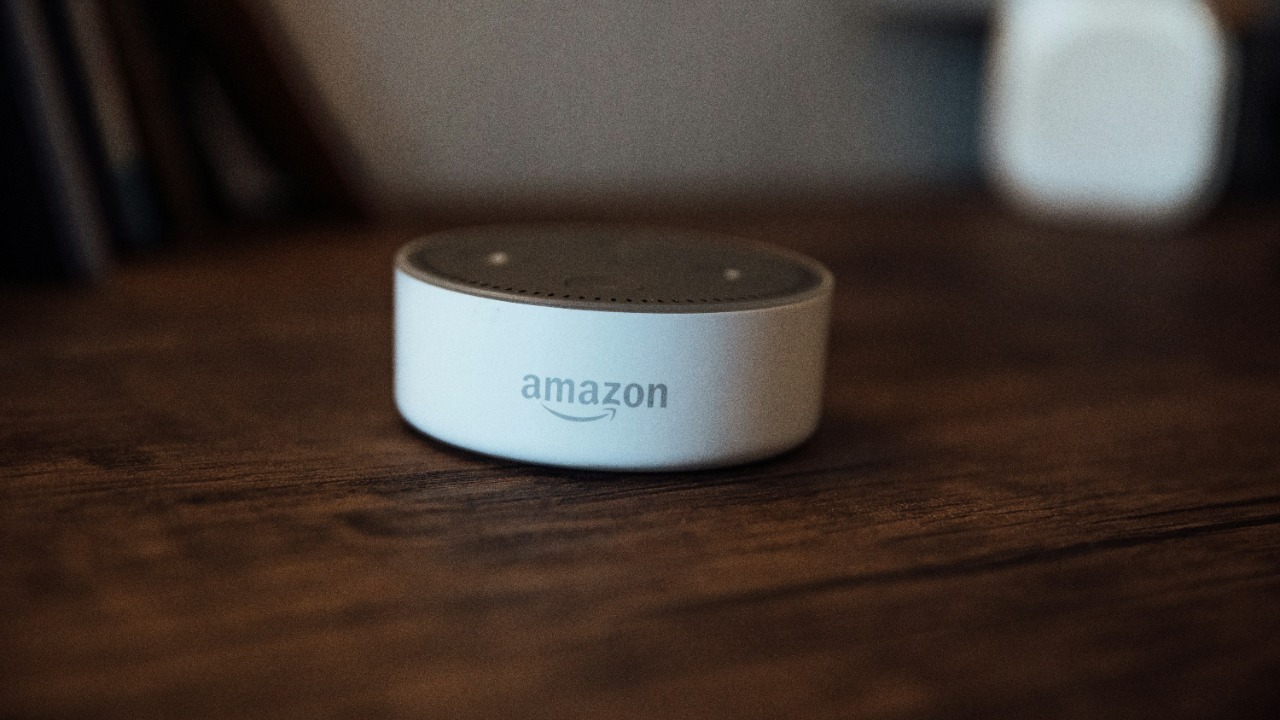
Voice speakers stay ready to respond around the clock, and that always-listening posture makes them an obvious point of curiosity for intruders. Background on the Amazon Echo line notes the microphones and cloud services that keep the device connected at all times.
A speaker linked to shopping accounts and other smart devices can serve as a foothold if its account protections happen to be thin. Owners can review stored voice recordings and tighten account settings, steps that reduce both privacy exposure and the value of the device to anyone seeking a way in through it.
7. Wyze Cam: The Budget Camera Risk
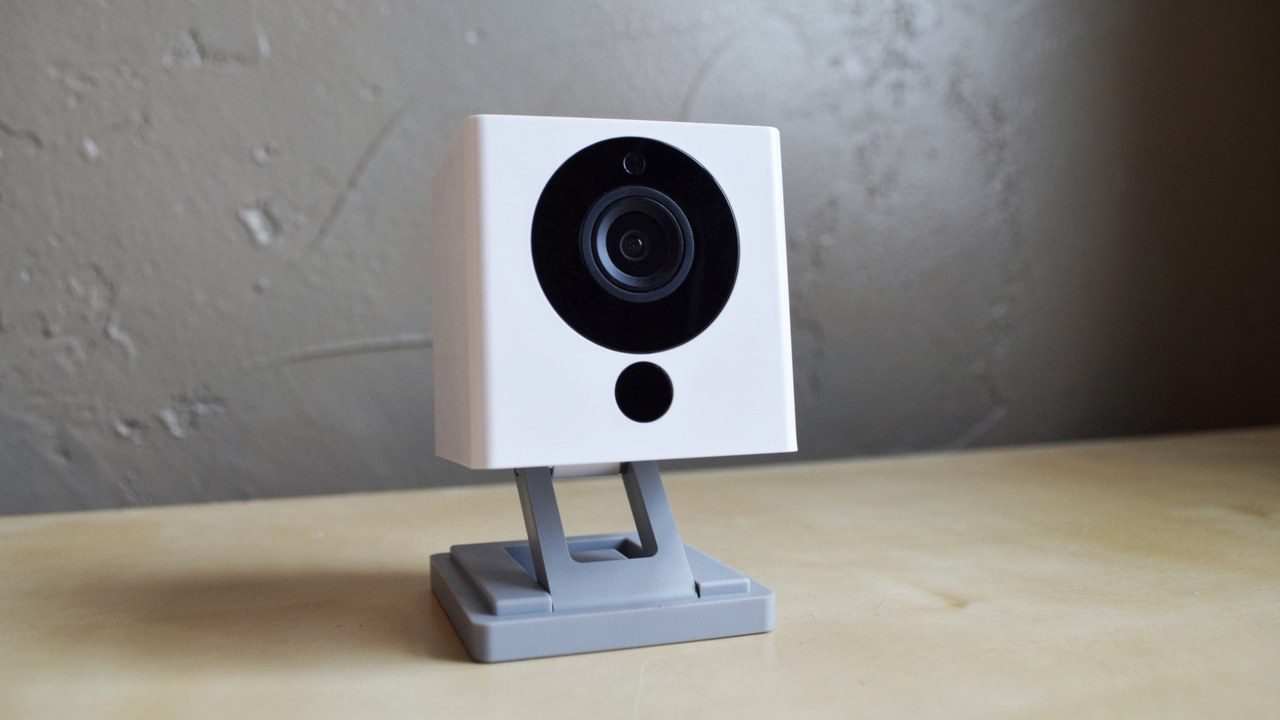
Inexpensive cameras brought home monitoring to a wide audience, but low cost has sometimes coincided with security stumbles. Coverage of the Wyze camera maker documents past lapses that briefly left some footage more accessible than customers expected.
Budget devices can be perfectly safe, yet buyers should weigh a company’s track record on disclosing and fixing problems before they buy. Keeping the app and firmware updated matters here, since patches issued after a reported flaw only help the households that actually install them rather than ignore the prompts and leave older versions running.
8. Smart thermostat: The Overlooked Climate Control
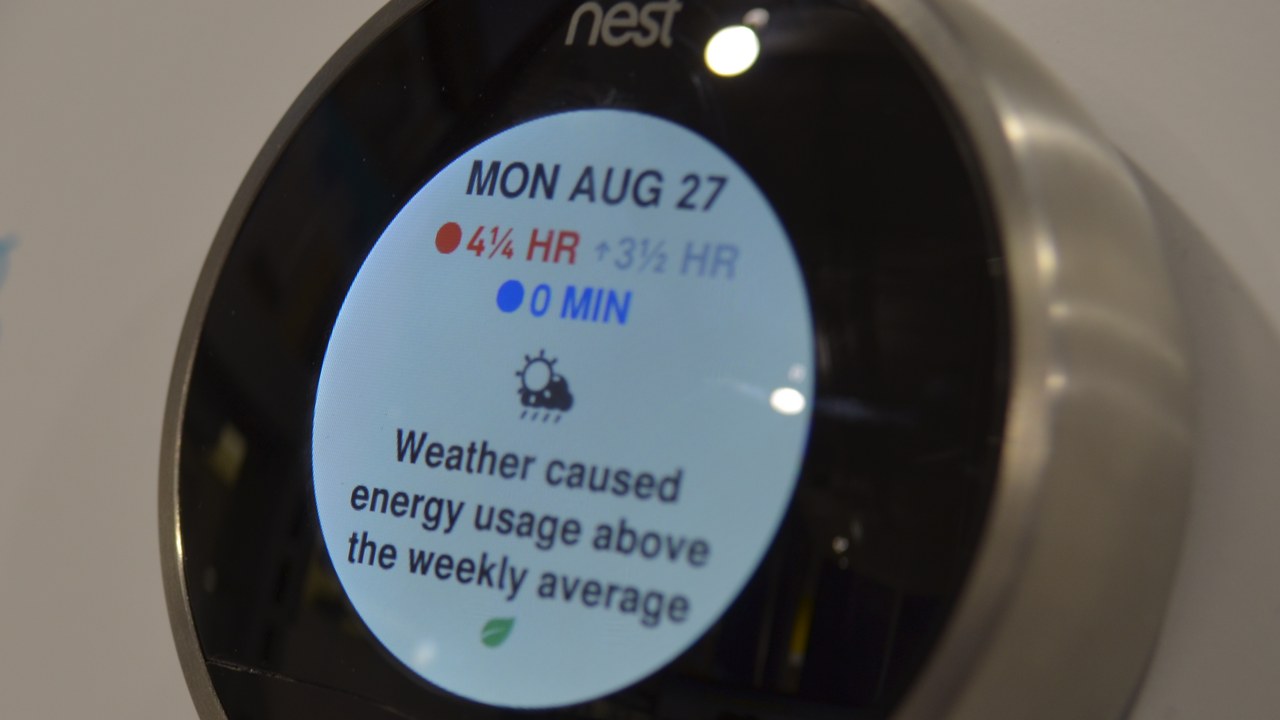
A thermostat rarely feels like a computer, yet networked climate controls connect to the internet and to the wider home system. A primer on the smart thermostat category explains how these units learn schedules and link to accounts and other devices.
Because it seems mundane, a thermostat is easy to overlook when owners audit their security, which is part of what makes it appealing. Its data can reveal when a house is empty, and its link to a broader ecosystem means a weak point here can matter more than its humble role suggests.
More from Morning Overview
- A handful of SUVs keep hitting 300,000 miles, and they share one engine trait
- Supplements now rank as the fifth-leading cause of death from liver disease.
- A study names the one SUV most likely to reach 250,000 miles
- More than 60,000 people flee the Spokane area as complex fires overrun 600 structures
