
Every smartphone app requests some level of access to make its core features work, but a handful of household names go well beyond the basics. Independent researchers, security audits, and each company’s own privacy disclosures have detailed just how much location, contact, and behavioral data gets collected along the way. Below are eight apps that consistently draw scrutiny for how closely they track their users.
1. TikTok: Under Constant Regulatory Scrutiny
TikTok’s recommendation algorithm runs on granular data collection: the app logs device identifiers, IP addresses, approximate location, and in-app browsing behavior, including how long a user lingers on each video before scrolling away. It also records text typed into the search bar, videos saved or shared, and, when permission is granted, contacts stored on the phone. Reviewers in several countries have examined the app’s code to gauge how thoroughly it profiles viewing habits.
That level of detail has made TikTok a repeated subject of national security reviews, since its parent company is based in China and subject to that country’s data laws. Several governments, including the United States, have restricted or banned the app on official devices as a precaution while formal reviews continue.
2. Facebook: A Two-Decade Data Empire

Facebook, owned by Meta, collects information far beyond what a user posts: it tracks off-platform browsing activity through embedded tracking pixels on millions of third-party websites, logs precise location when location services are enabled, and catalogs details from photos, messages, and the devices used to log in. The platform also builds an advertising profile from likes, searches, and even how long a post is viewed before scrolling past it, feeding that data into its targeted-advertising system.
Meta has paid substantial regulatory fines in the United States and Europe over how this information is gathered and shared, and users routinely underestimate how much of their off-app activity feeds back into the profile Facebook keeps for advertisers.
3. Instagram: Tracking Beyond The Feed
Instagram, also owned by Meta, draws on many of the same systems as its parent app: it logs search history and location, records which posts and reels a user pauses on, and can access contacts and photos when permission is granted during setup. The app also tracks activity across other apps and websites that use Meta’s advertising tools, linking that behavior back to a user’s Instagram profile even when Instagram itself is closed.
Because Instagram shares its data infrastructure with Facebook, privacy researchers note that opting out of tracking in one app rarely limits what the other collects, since both feed the same underlying advertising system.
4. Snapchat: Location Sharing By Default

Snapchat’s Snap Map feature is built around sharing real-time location data among friends, and the app separately logs how a phone’s camera and microphone are used within its many filters and lenses. It also collects device information, contacts uploaded during account setup, and details on which stories and content a user views, how long, and how often.
Because Snap Map shares location continuously unless a user manually switches to Ghost Mode, security researchers have flagged it as one of the more precise consumer location-sharing tools in wide use, particularly among younger users who may not realize it defaults to on.
5. WhatsApp: Metadata Tells Its Own Story
WhatsApp encrypts message content, but the app still collects substantial metadata: who a user contacts, how often, at what times, and from which device and location, all of which is shared with parent company Meta. It also logs a user’s phone number, contact list, profile information, and group memberships, along with diagnostic data about how the app performs on a given device.
Privacy researchers point out that metadata alone can reveal detailed patterns about a person’s relationships and daily routine, even without access to what was actually said, which is why the app’s data-sharing arrangement with Meta has drawn regulatory attention in Europe.
6. Google Maps: A Running Log Of Everywhere
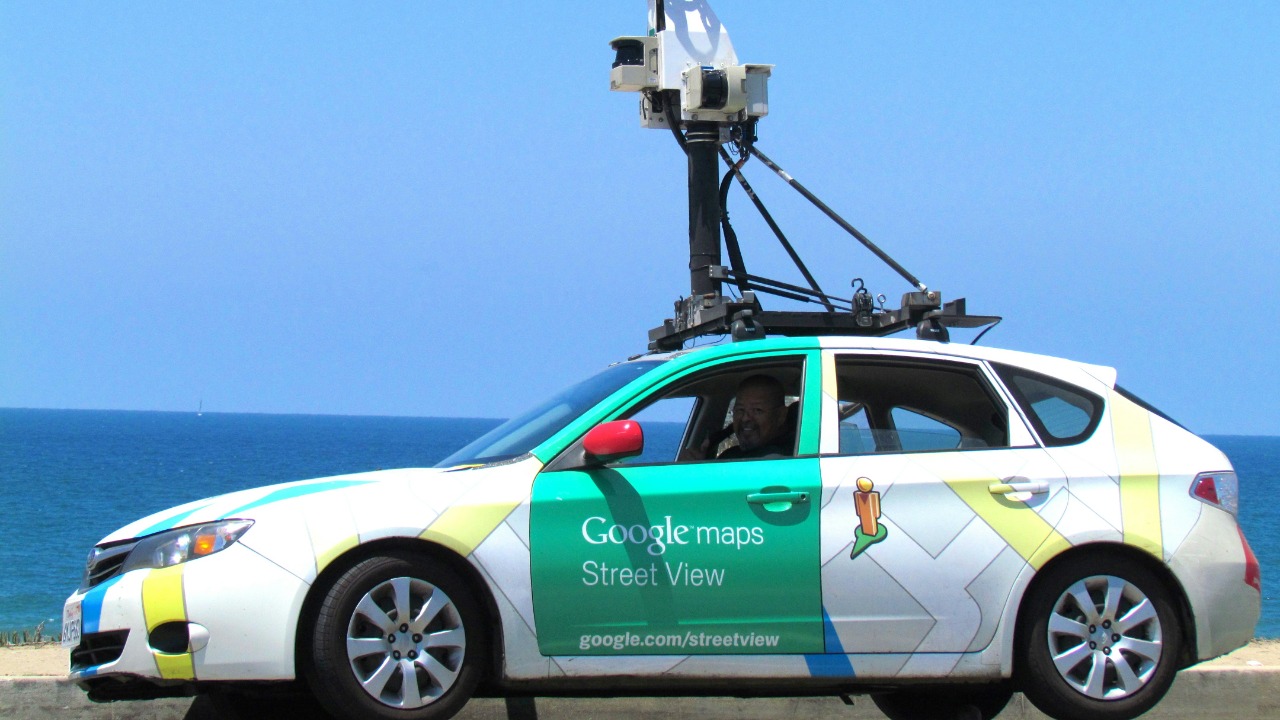
Google Maps, when Location History is enabled, keeps a running Timeline location history of nearly every place a user’s phone has been, including how long they stayed and the route taken to get there. The app also logs searches, saved places, and reviews, and cross-references that data with a user’s broader Google account activity, including searches and app usage on the same device.
Google has faced lawsuits and regulatory settlements over continuing to track location even after users believed they had turned tracking off, underscoring how granular and persistent this history can be once collected.
7. Uber: Tracking That Outlasts The Ride
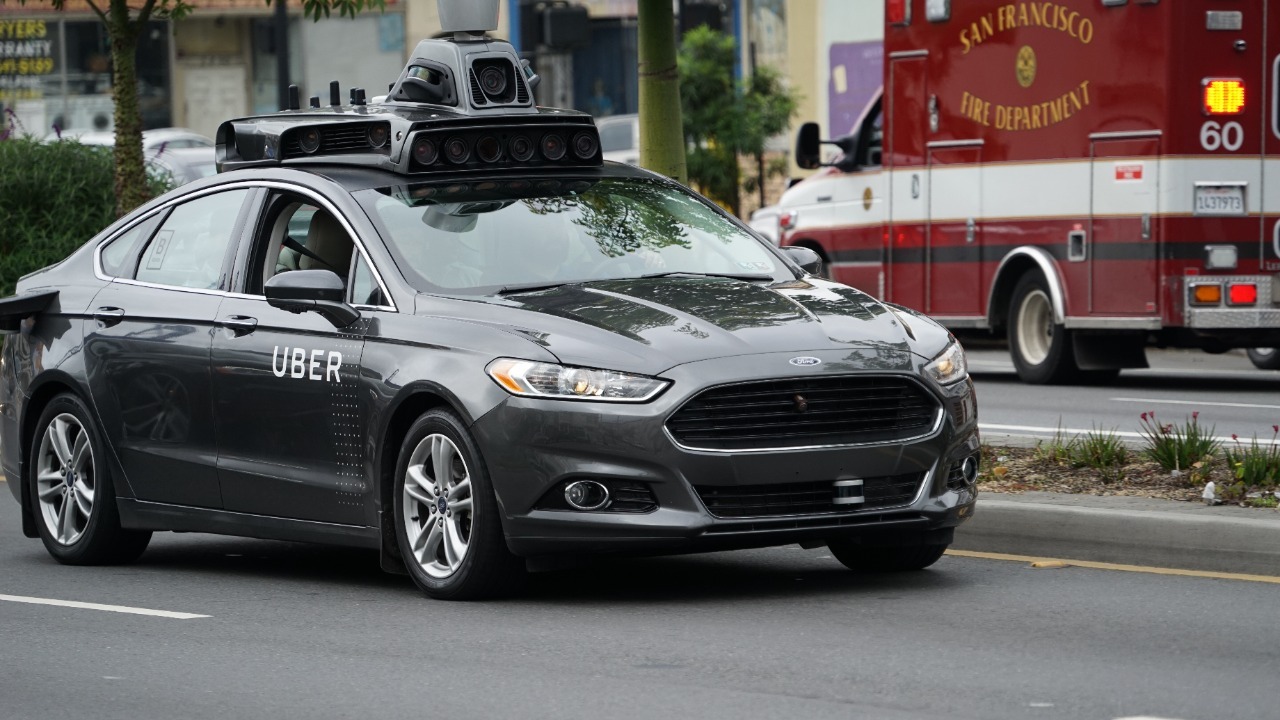
Uber’s app has, at various points, requested background location tracking that continues even after a ride ends, logging pickup and drop-off points, routes taken, and how quickly a driver or rider moves between stops. It also records device information, payment details, and, for many users, contacts uploaded to enable ride-sharing and referral features.
Uber scaled back some of its most aggressive background-tracking defaults after public criticism, but the app still builds a detailed travel history tied to a user’s account, which researchers note can reveal patterns about home, work, and routine destinations.
8. Amazon Shopping: Every Search Builds A Profile
The Amazon Shopping app tracks browsing and purchase history in detail, logging every product viewed, searched, added to a cart, or bought, along with how long a user lingers on a given listing. It also collects device location, voice recordings when linked to Alexa, and data from connected smart-home devices registered to the same account.
That combined shopping and household data feeds Amazon’s recommendation and advertising systems, and researchers have noted that the profile it builds extends well beyond retail habits into a broader picture of a household’s routines and preferences.
More from Morning Overview
- A California supervolcano has bulged upward about two and a half feet since 1978
- The FTC is warning about a scam quietly draining thousands from victims
- The NSA is again telling phone owners to switch off one location setting
- A handful of car transmissions are so tough mechanics say they almost never fail
