
Some gadgets don’t fade quietly; they get killed off in a boardroom decision once a competitor or a cheaper alternative makes them obsolete. Each of these devices once commanded real market share, real hype, or a real corporate bet before its maker pulled the plug for good. Here are eight once-popular gadgets that companies quietly discontinued.
1. iPod: The Click Wheel That Defined an Era
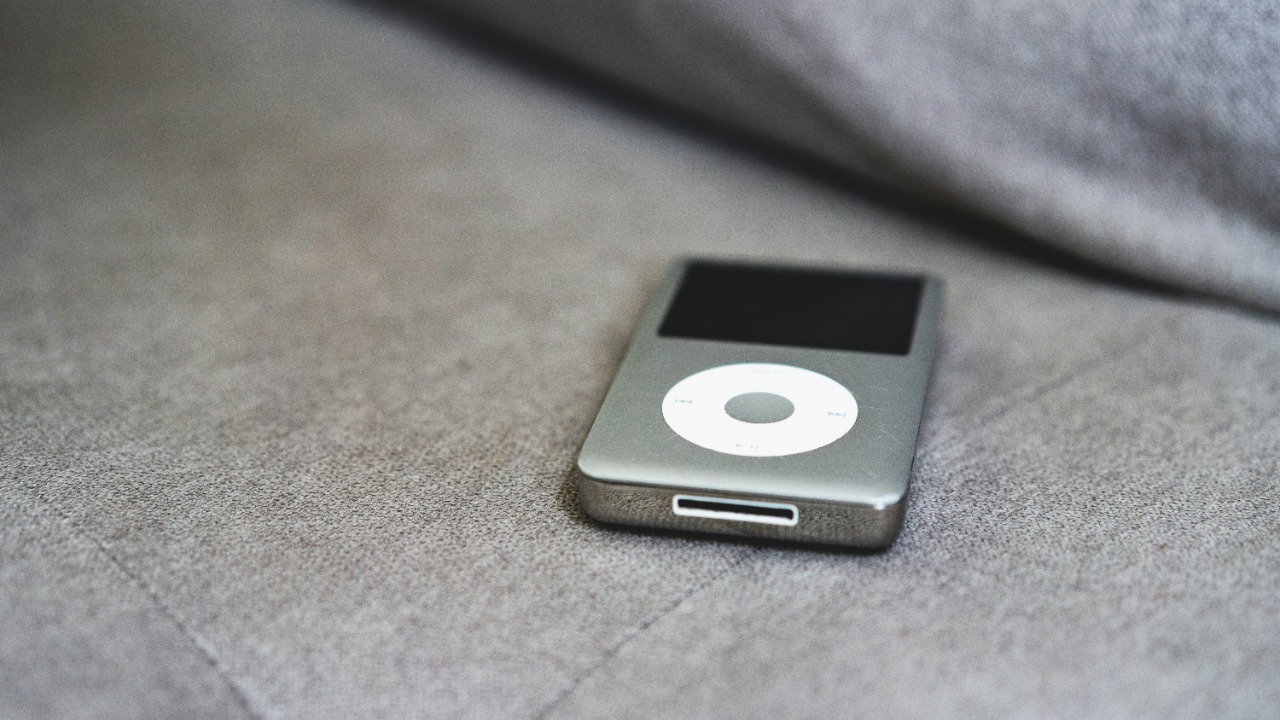
Apple introduced the iPod in October 2001 with a five-gigabyte hard drive and a signature click wheel, and the line went on to define portable music for a generation, at one point outselling every rival MP3 player combined. Its two-decade product run only ended once Apple’s own iPhone could hold a full music library and stream from services like Apple Music, making a separate pocket player unnecessary.
Apple discontinued the last surviving model, the iPod Touch, in May 2022, closing the line entirely rather than replacing it. The idea didn’t disappear, though; it simply migrated into the Music app that now ships on every iPhone.
2. BlackBerry: The Work Phone That Vanished Almost Overnight
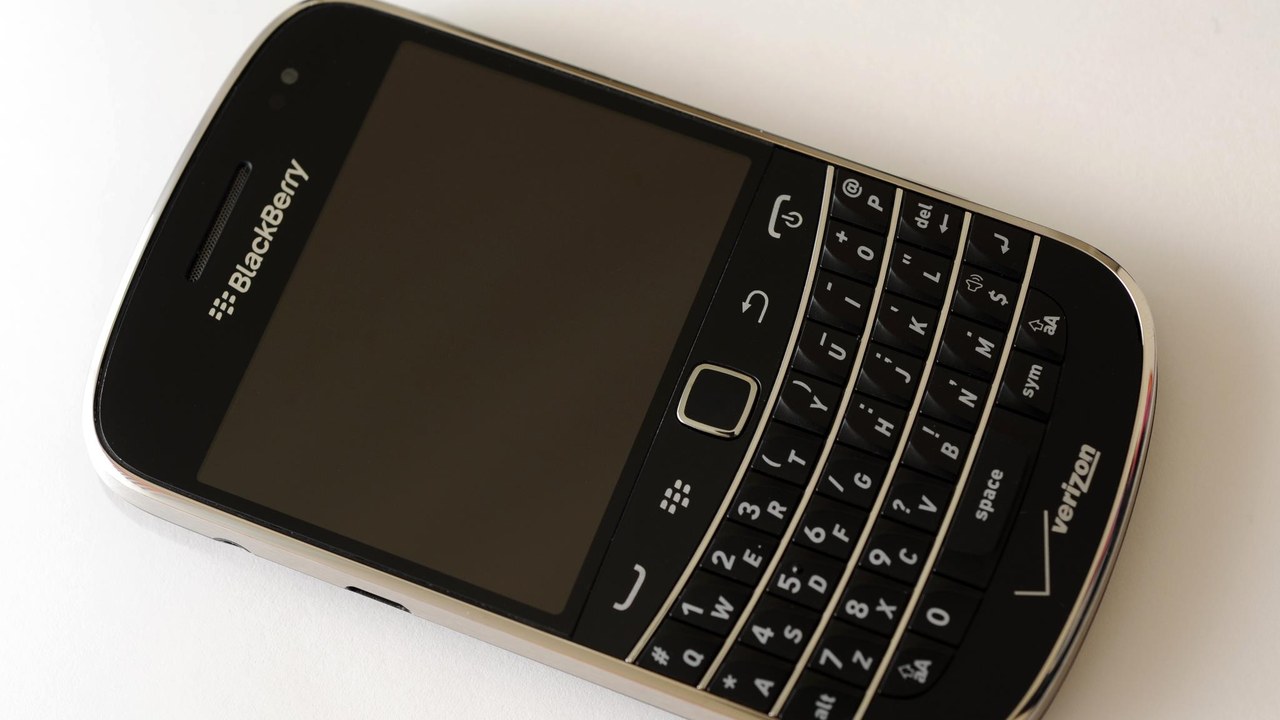
BlackBerry’s physical keyboard and encrypted messaging made it the default phone for corporate and government offices through the mid-2000s, at its peak claiming tens of millions of subscribers worldwide. Research In Motion stopped building its own hardware in 2016 and licensed the brand to manufacturer TCL, and that licensing arrangement ended for good in August 2020, when TCL confirmed it would sell no further BlackBerry-branded phones.
Its physical keyboard never returned to a major manufacturer’s lineup. Enterprise security shifted to software-based device management on ordinary iPhones and Android phones, and BlackBerry itself pivoted into a cybersecurity software company with no phones of its own.
3. Google Glass: The Face Computer That Arrived Years Too Early
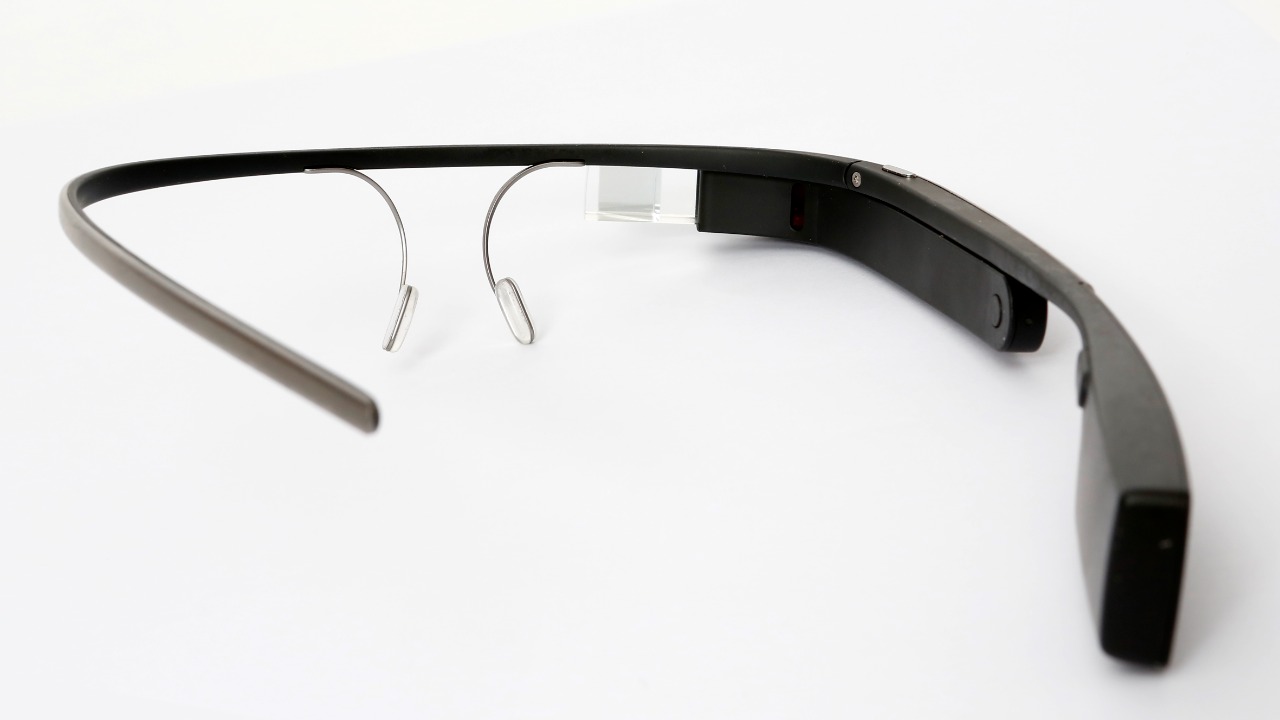
Google sold the Explorer Edition of Glass to early adopters starting in 2013 for $1,500, packing a display, camera and voice control into a pair of glasses under the slogan “OK Glass.” Public unease over always-on recording, including bans at bars and theaters, pushed Google to pull the consumer version from sale in January 2015, just two years after it shipped.
Google didn’t abandon the hardware entirely; it retooled Glass as an Enterprise Edition for warehouse and factory workers in 2017. Google shut down even that version in March 2023, ending the Glass project for good after a decade.
4. Windows Phone: Microsoft’s Third Mobile Platform That Never Caught On
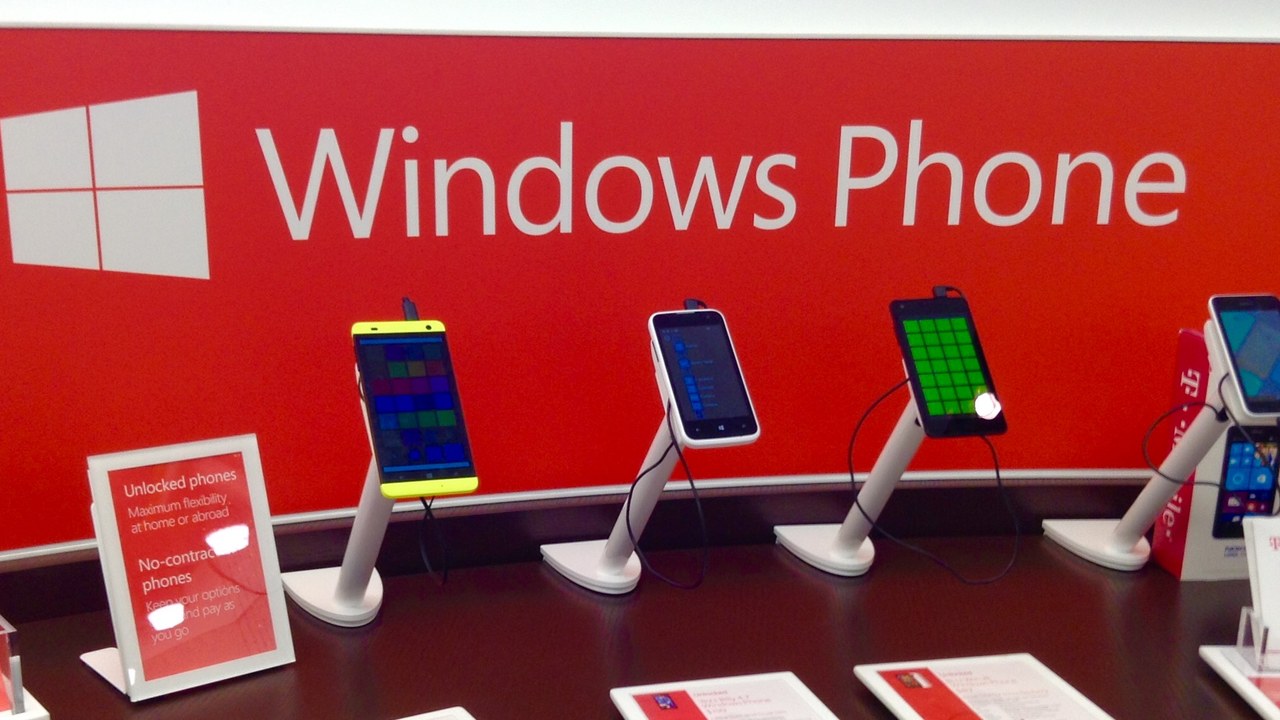
Microsoft launched Windows Phone in 2010 as a clean break from its aging Windows Mobile software, leaning on Nokia’s Lumia hardware as its flagship partner and building a tile-based interface unlike anything from Apple or Google. The platform’s market share never climbed out of the single digits, starved by a persistent shortage of major third-party apps.
Microsoft wrote off roughly $7.6 billion tied to the Nokia handset business in 2015 and formally ended support for Windows 10 Mobile in December 2019. The company redirected its phone ambitions toward Android-based devices like the Surface Duo instead.
5. Kinect: The Motion Sensor Microsoft Eventually Abandoned
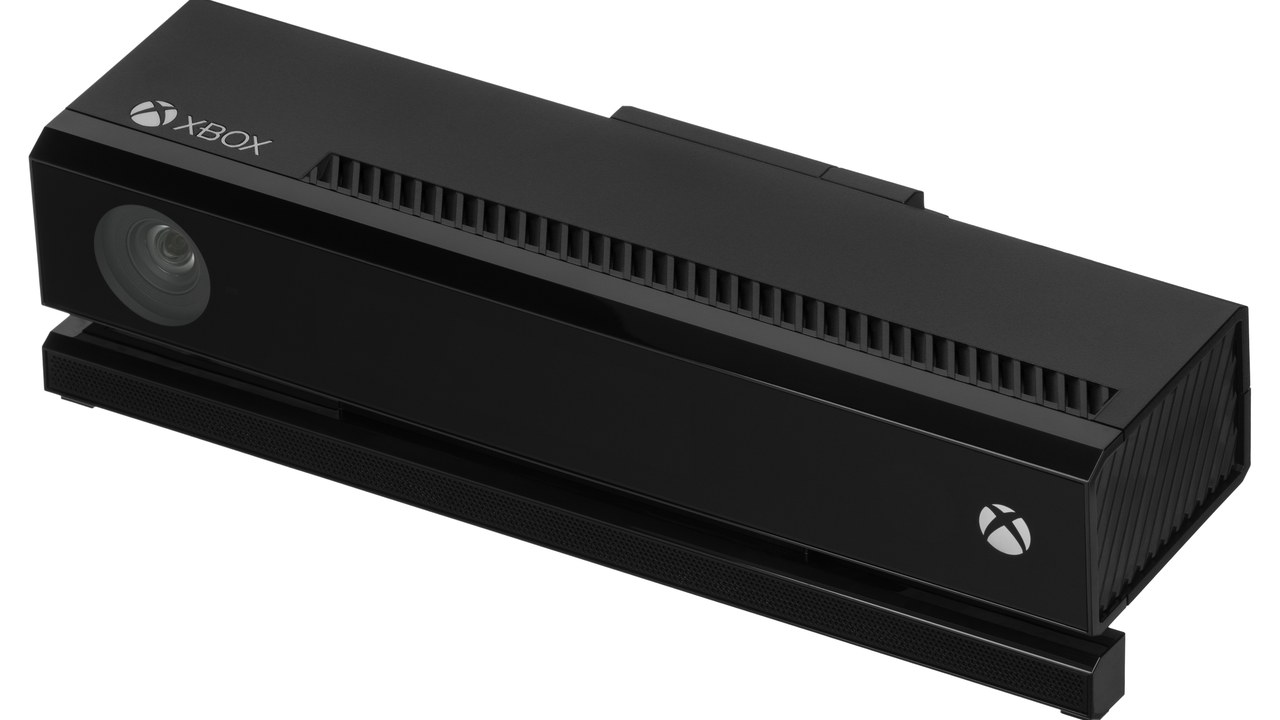
Microsoft’s motion sensor launched for the Xbox 360 in November 2010 and set a Guinness World Record as the fastest-selling consumer electronics device at the time, tracking a player’s full body without any handheld controller. Microsoft made the upgraded sensor mandatory with every Xbox One at launch in 2013, betting the whole console on motion and voice control.
Backlash over the price and always-listening microphone forced Microsoft to drop the requirement within a year, and it stopped manufacturing Kinect hardware entirely in October 2017. The sensor technology lived on briefly in the Azure Kinect developer kit before Microsoft retired that too.
6. Zune: Microsoft’s iPod Rival That Never Found an Audience
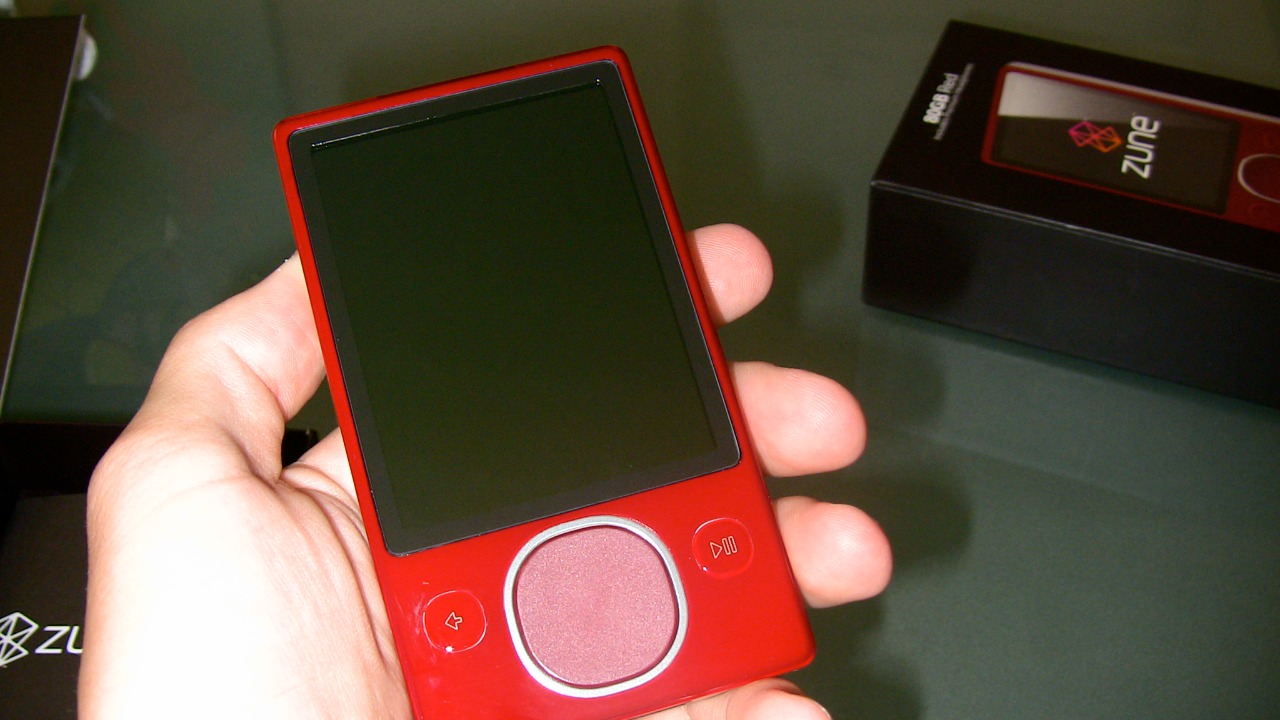
Microsoft launched the Zune in November 2006 as its answer to the iPod, offering a wider screen, an FM tuner and a wireless song-sharing feature between nearby devices. None of it moved the market: Zune’s total sales stayed in the low single digits of the MP3 player market for its entire run, dwarfed by Apple’s dominance.
Microsoft discontinued the last Zune hardware in October 2011, folding what remained of its media software into the Xbox Music and Windows Phone ecosystems. The Zune brand itself disappeared entirely within a couple of years.
7. HD DVD: The Format That Lost the Disc War to Blu-ray
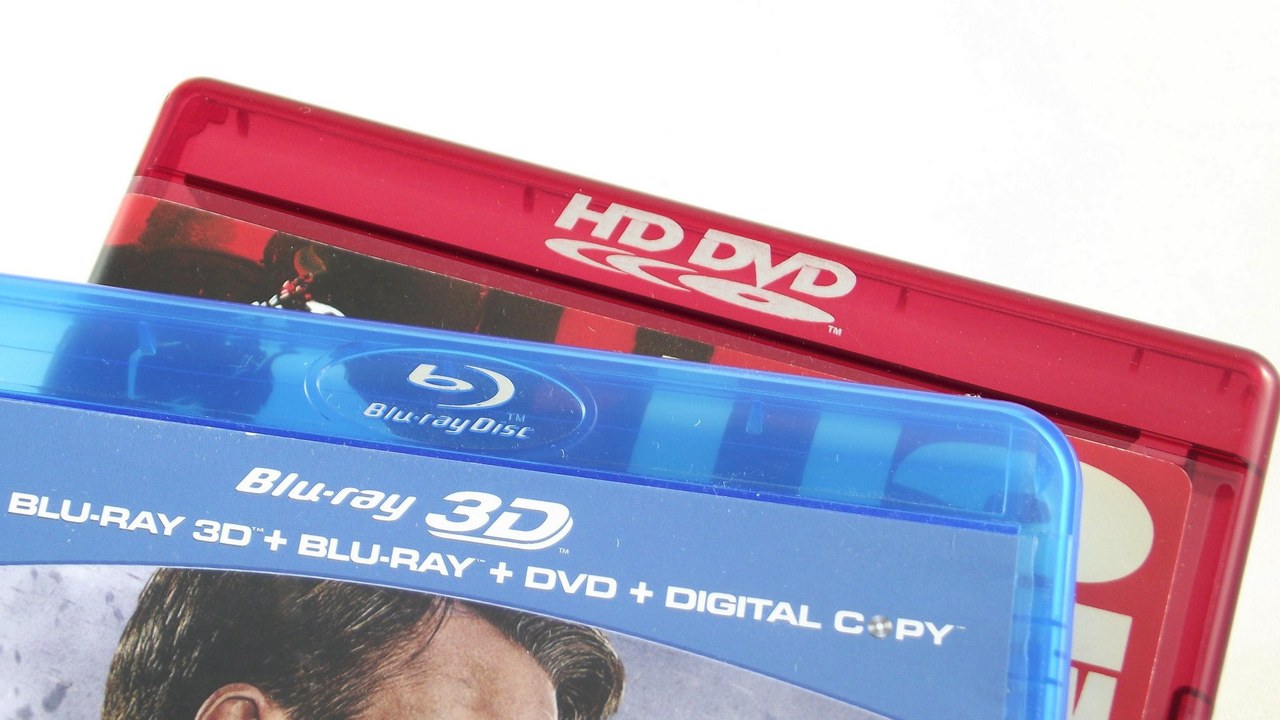
Toshiba’s HD DVD launched in 2006 as the lower-cost challenger in a high-definition disc format war against Sony-backed Blu-ray, offering cheaper players and discs but winning far fewer Hollywood studios. Warner Bros.’ decision to go Blu-ray-exclusive in January 2008 broke the standoff, and the format war effectively ended within weeks.
Toshiba announced on February 19, 2008 that it would stop developing and manufacturing HD DVD players and recorders, ceding the format entirely rather than fighting on with a shrinking share of retailers and studios. Blu-ray went on to become the standard high-definition disc format for years before streaming eventually displaced physical discs altogether.
8. Segway: The ‘Revolutionary’ Scooter That Ended Production Entirely
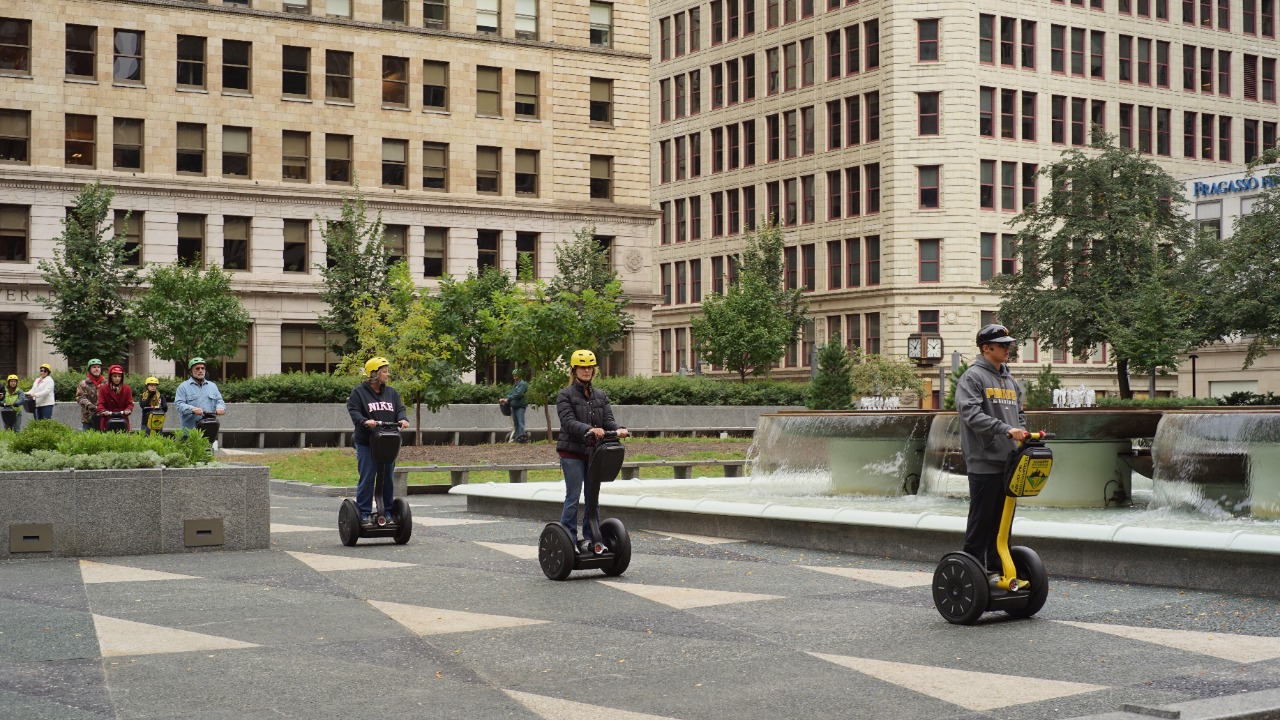
Segway’s self-balancing personal transporter arrived in 2001 amid predictions it would reshape how cities moved people, but its roughly $5,000 price and a design that never found a mainstream commuting niche kept sales far below projections. The company sold only about 30,000 units in its first six years, a fraction of the million-plus forecast made before launch.
Segway Inc., by then owned by China’s Ninebot, announced in June 2020 that it would end production of the original Personal Transporter, with manufacturing stopping that July. Ninebot still sells electric scooters under the Segway name, just not the upright two-wheeler that made it famous.
More from Morning Overview
- Toyota grabbed six of the ten spots on Consumer Reports’ most-reliable-cars list
- Evacuations spread as the Gann Fire chews through 10,000 acres of California’s Gold Country
- Pythons keep spreading across Florida, and one county alone pulled out four tons of them
- 12 most reliable SUVs you can buy for 2026
