
Stellar size is measured against the Sun, and the biggest known stars dwarf it by a factor of more than a thousand. Their radii are notoriously hard to pin down, because distance estimates shift and their outer layers fade into surrounding dust rather than ending at a crisp edge. Listed here are eight of the largest stars ever discovered.
1. Stephenson 2-18: The Two-Thousand-Radius Outlier
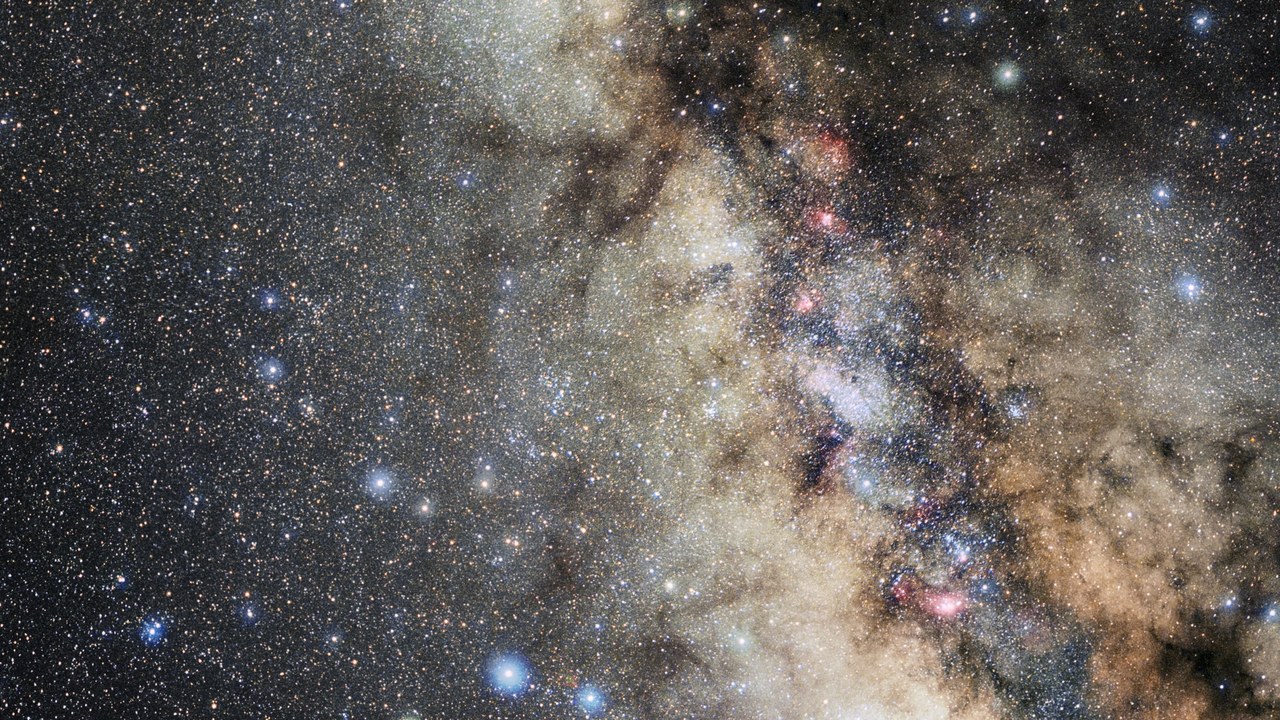
Stephenson 2-18 sits in the Scutum star cloud, tied to the massive open cluster Stephenson 2, and a 2020 analysis of this red supergiant put its radius at roughly 2,150 times the Sun’s. Swapped for the Sun, a sphere that size would engulf the orbit of Saturn.
Estimates that extreme carry heavy caveats. The figure depends on the star being a genuine cluster member at a distance near 18,000 light-years, and a foreground position would shrink it sharply. Theory pushes back too: models cap how far a red supergiant can swell, generally near 1,500 solar radii, so a confirmed 2,150 would force a rethink of how the coolest supergiants hold themselves together.
2. UY Scuti: The Deposed Record-Holder
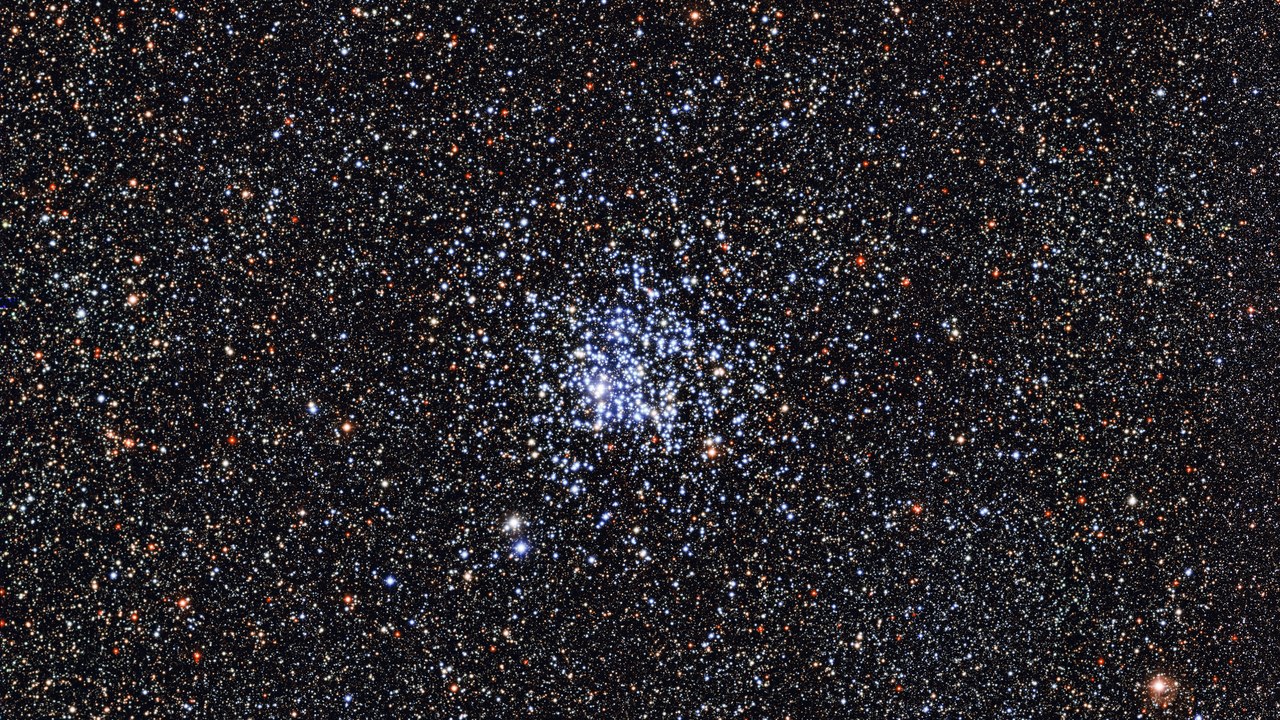
UY Scuti headlined every largest-star list for a decade after a 2012 interferometric study measured the Scutum variable at roughly 1,700 solar radii. That result assumed a distance of about 9,500 light-years toward the crowded inner galaxy, where interstellar dust makes brightness notoriously hard to calibrate.
Parallax data from the Gaia mission unsettled the picture. Revised distances moved the star and several reanalyses cut its radius well below the headline number, leaving it large but no longer exceptional. The reversal shows how these rankings actually work: radius is inferred from brightness and temperature at an assumed distance, so a correction to the distance quietly rewrites the size.
3. VY Canis Majoris: The Star Tearing Itself Apart
Roughly 3,900 light-years away in Canis Major, VY Canis Majoris is a red hypergiant estimated near 1,420 times the Sun’s radius, and it is shedding matter fast enough to have wrapped itself in a lopsided nebula. Observations of the surrounding ejecta reveal knots, arcs and loops thrown off in separate episodes over several centuries.
That envelope is also why the star resists measurement. Dust absorbs and re-radiates the light used to infer a radius, and older estimates ran as high as 1,800 to 2,100 solar radii before being revised downward. The mass loss points to the ending as well, since hypergiants discard their outer layers at rates that leave little time before a supernova or a direct collapse.
4. Mu Cephei: Herschel’s Garnet Star
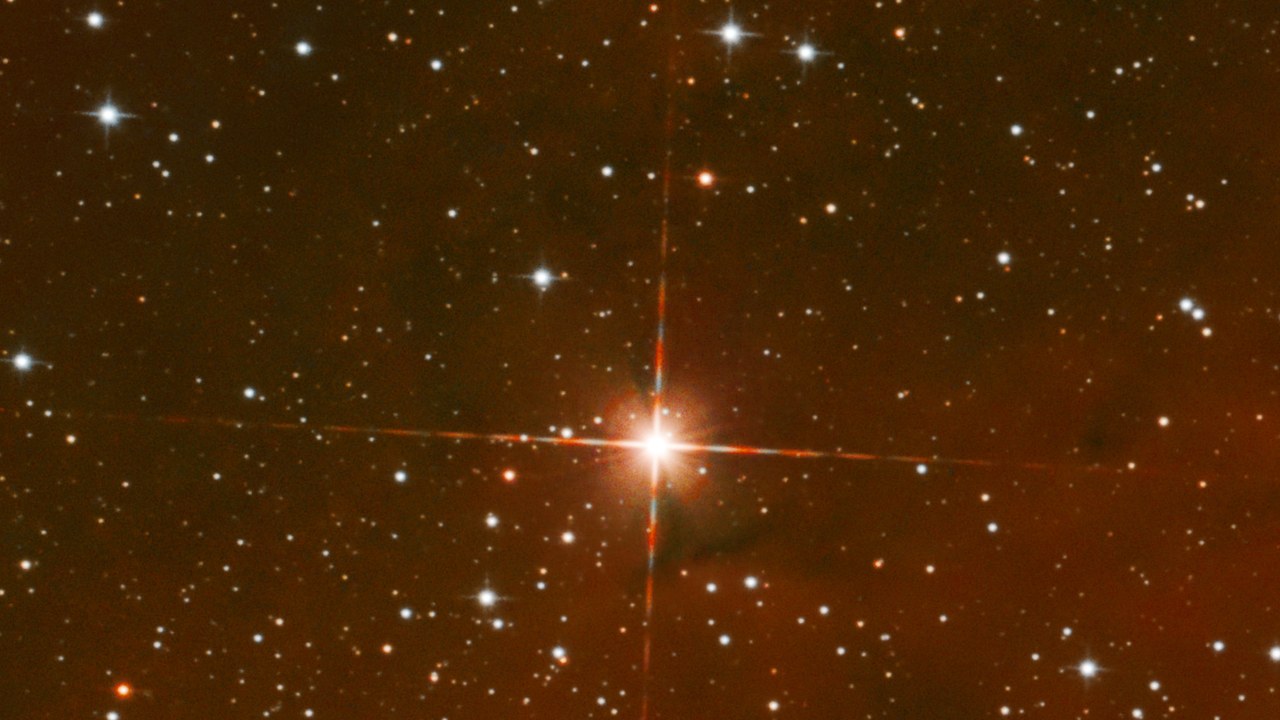
William Herschel noted in 1783 that this star in Cepheus showed a very fine deep garnet colour, and the nickname has outlasted every catalogue number attached to it. Modern work places the Garnet Star near 1,260 solar radii, which makes it one of the largest stars still visible to the unaided eye from a dark site.
Its colour is a symptom of its condition. A surface far cooler than the Sun’s pushes most of the output into the infrared and fills the spectrum with titanium oxide bands, molecules that survive only in an unusually cool, distended atmosphere. Brightness wanders irregularly over cycles of hundreds of days, a sign of convection cells large enough to cover a substantial fraction of the visible disk.
5. WOH G64: The First Close-Up Beyond the Milky Way
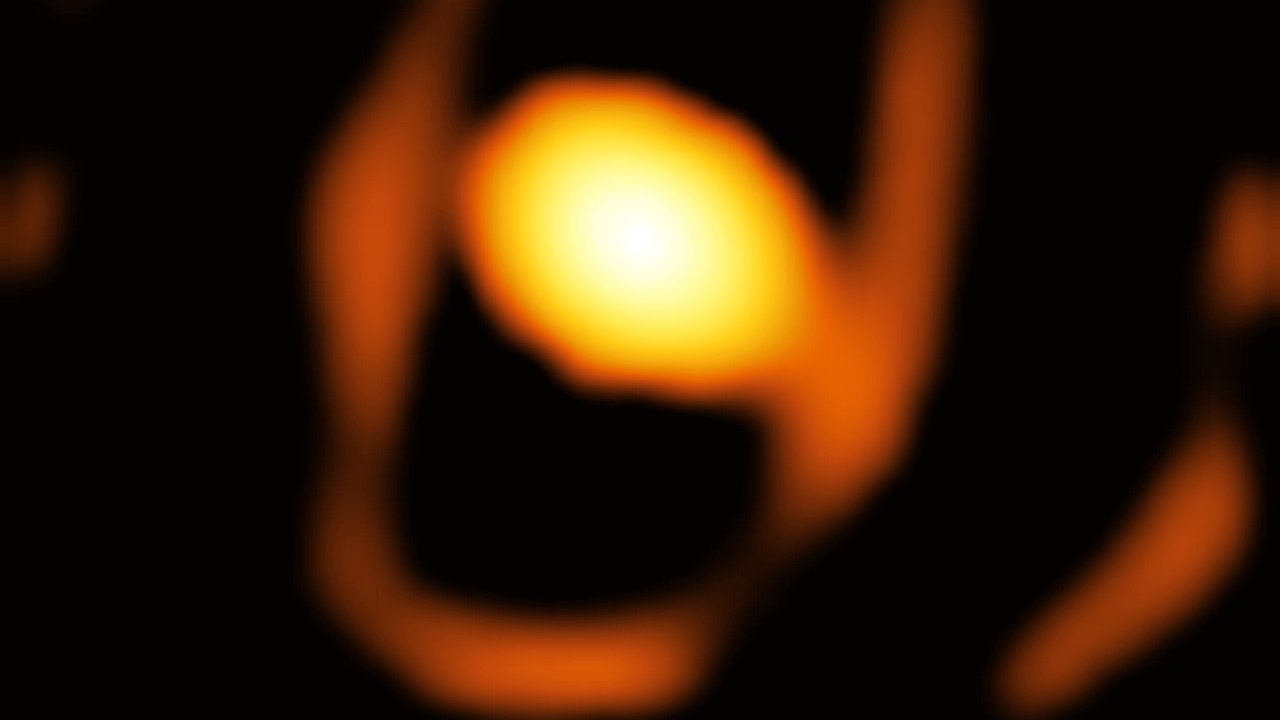
WOH G64 belongs to the Large Magellanic Cloud, about 160,000 light-years off, and ranks among the largest stars known while buried in its own dust. In 2024 astronomers using the Very Large Telescope Interferometer published a zoomed image of the dust-wrapped hypergiant, the first close-up ever obtained of a star outside the Milky Way.
What the image showed was not a tidy sphere but an egg-shaped cocoon of gas and dust, which the team linked either to violent mass loss or to a companion star nobody has yet seen. Distance to the Magellanic Cloud is comparatively well established, so WOH G64 escapes the distance uncertainty that plagues galactic supergiants, though the shroud that makes it interesting still blurs the size estimate.
6. Betelgeuse: The Supergiant on Deathwatch
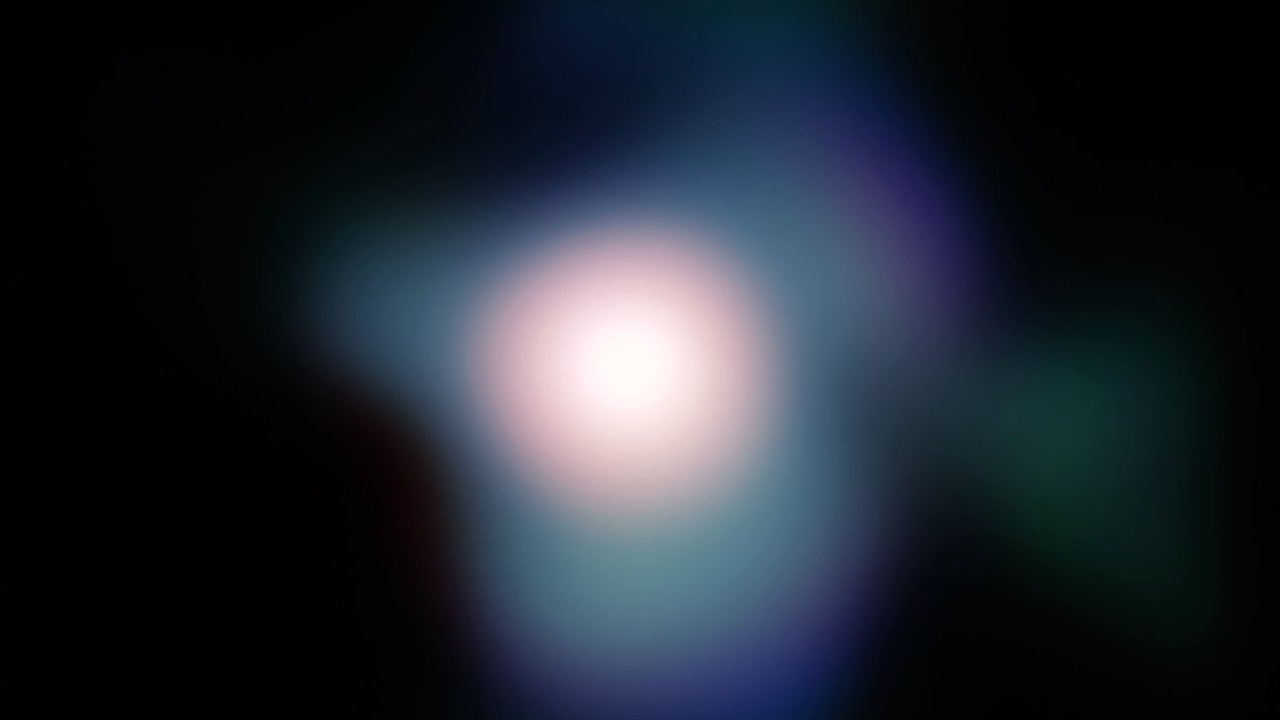
Betelgeuse marks Orion’s shoulder at roughly 700 to 760 times the Sun’s radius, near enough for telescopes to resolve it as a disk rather than a point of light. Between late 2019 and early 2020 it lost much of its brightness in an episode now called the Great Dimming, later traced to dust condensing above a cooled patch after a surface mass ejection.
The episode revived talk of an imminent explosion, which the evidence does not support on any human schedule. Models place the supernova anywhere within the next hundred thousand years, and from several hundred light-years the blast would cast shadows at night without endangering anything on Earth. Irregular fading is what a supergiant does in the late stages of nuclear burning.
7. Antares: The Rival of Mars
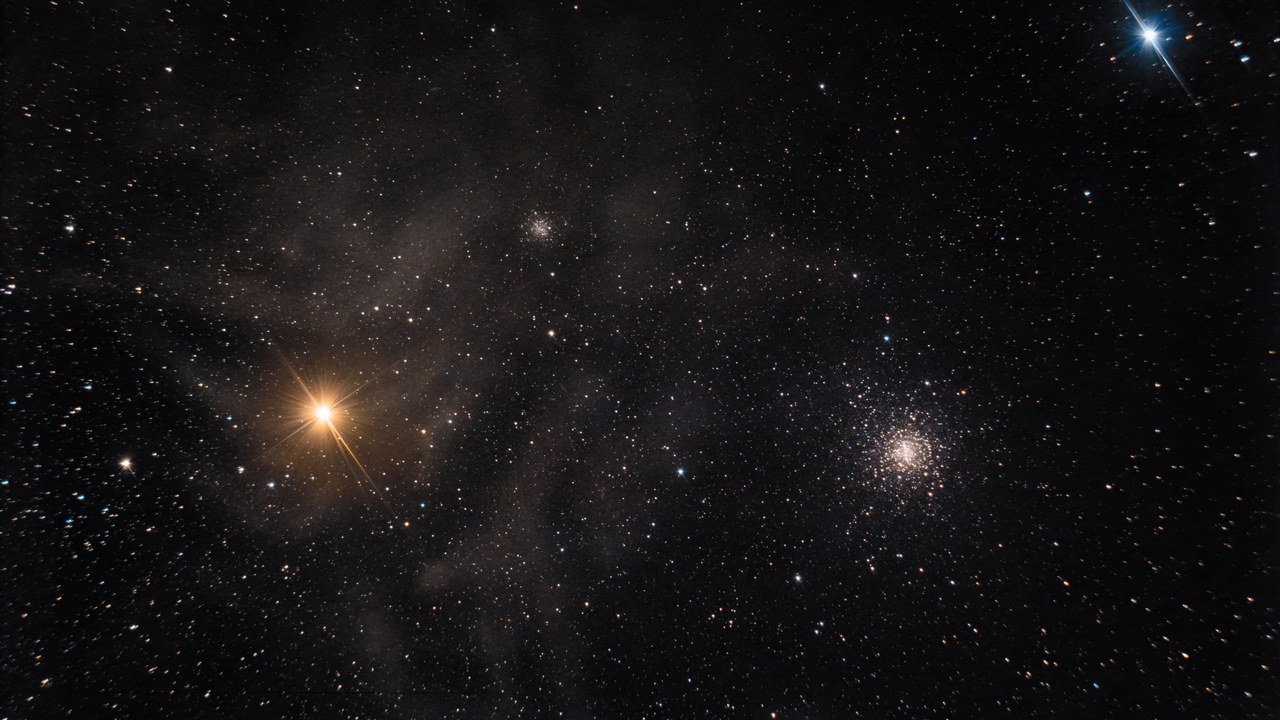
Antares anchors Scorpius as a red supergiant of about 680 solar radii, and its name, from the Greek for rival of Ares, records how closely its colour matches Mars in the sky. Interferometry at the Very Large Telescope produced a velocity map of the star’s outer atmosphere, the most detailed map of its kind made for any star other than the Sun.
That map created a puzzle rather than settling one. Gas in the extended atmosphere moves faster than convection alone accounts for, leaving open how supergiants lift material far enough out to escape. Antares also carries a hot blue companion on a wide orbit, normally drowned in the primary’s glare and best caught during a lunar occultation.
8. VV Cephei A: The Eclipse That Runs for a Year and a Half
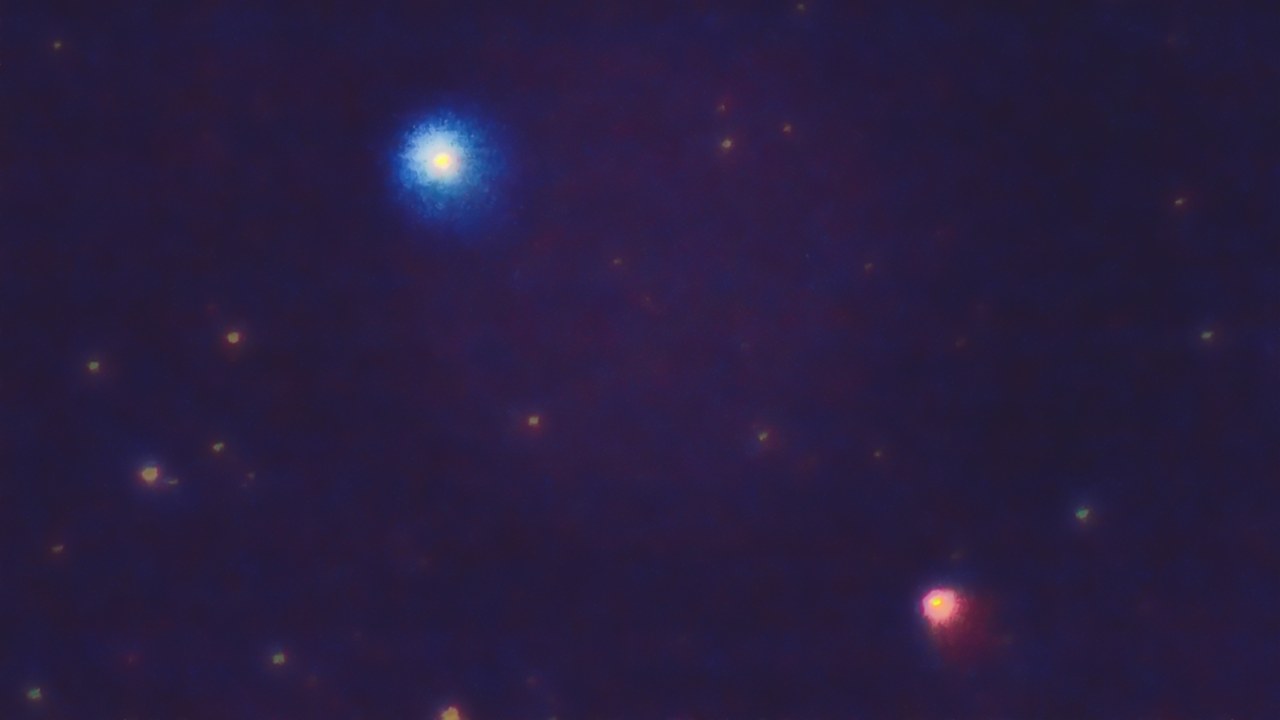
VV Cephei A is a red supergiant locked in orbit with a hot blue star, on a circuit of roughly twenty years, with estimates putting the supergiant above a thousand solar radii. Because the pair lies nearly edge-on from Earth, the eclipsing binary system dims for about eighteen months each cycle as the giant slides in front of its companion.
The geometry is what gives the system its value. Timing an eclipse that long constrains the radii and masses of both stars directly, instead of inferring them from colour and brightness alone. Material also streams off the supergiant onto the smaller star, feeding a disk whose brightness flickers, so VV Cephei doubles as a laboratory for mass transfer between wildly mismatched partners.
This article was produced with the assistance of AI and reviewed by Morning Overview editors prior to publication.
More from Morning Overview
- A Colorado wildfire has exploded past 87,000 acres with no containment
- A wildfire near Ouray swelled past 18,000 acres, putting Colorado towns on alert
- The Pentagon’s newest UFO files describe a fish-scaled, potato-shaped object on camera
- Scientists spotted a rare tusked whale alive at sea for the first time, then fired a crossbow at it.
