
Motor Trend’s Car of the Year trophy is meant to mark the best new car of its season. History has not always agreed with the judges, as several winners went on to recalls, harsh reviews, lawsuits or collapsing sales. Here are eight winners that later became cautionary tales.
1. Chevrolet Vega: Recall Champion
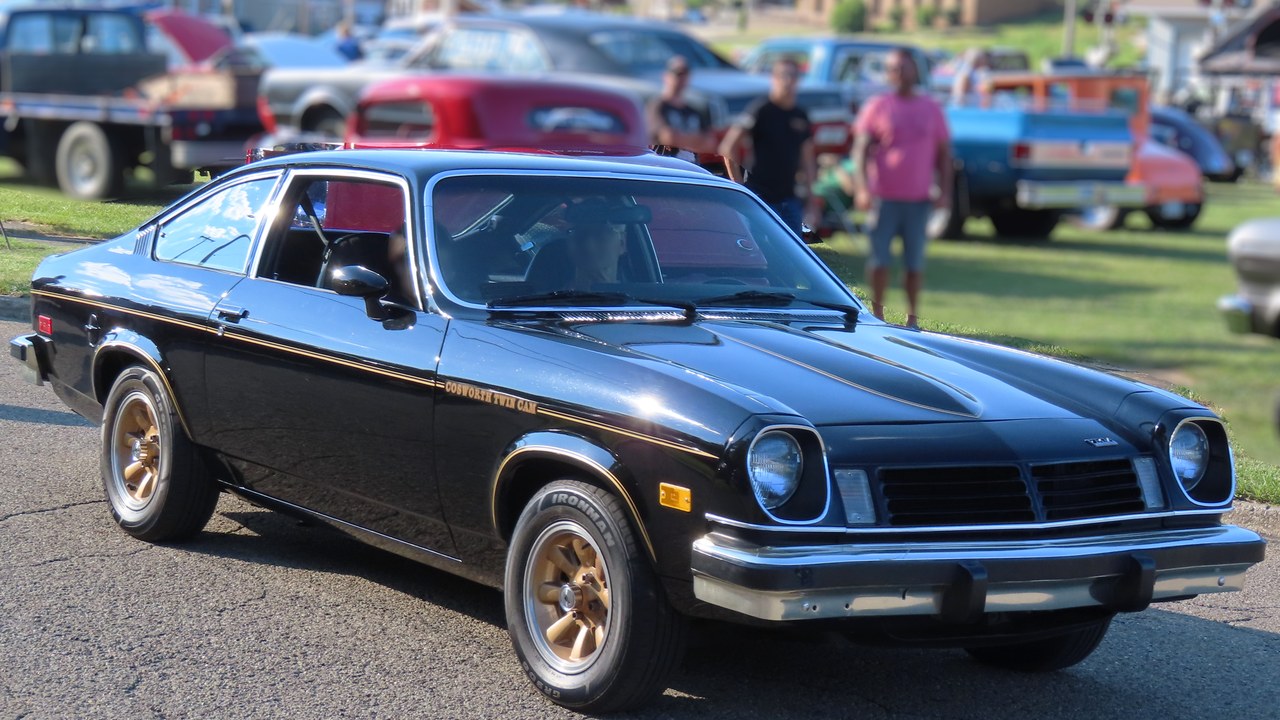
Motor Trend named the Vega its 1971 Car of the Year, but the small Chevrolet’s aluminum engine proved notoriously unreliable. According to the Vega’s recall history, six out of every seven Vegas produced was the subject of a recall by May 1972. Campaigns that year covered 526,000 vehicles for rear axle separation, 350,000 for throttle trouble and 130,000 for backfire.
Few award winners have fallen so fast. The Vega shows how a car can charm the judges at launch and still reach owners half-finished, a theme that runs through much of the rest of this list.
2. Ford Mustang II: A Pony Car Shrinks
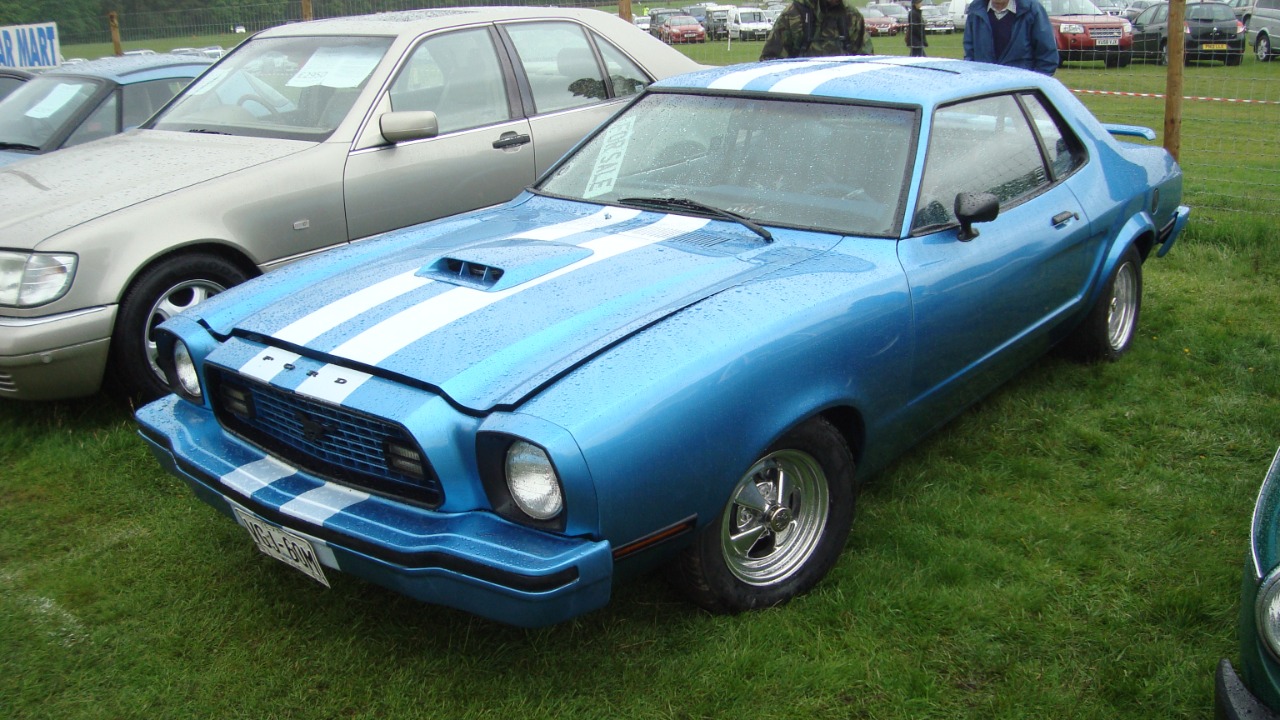
The 1974 Car of the Year arrived as a downsized Mustang, and Hagerty’s list of award whiffs later described it as a car with awkward looks, a Pinto-based platform and non-existent performance. That is a blunt verdict for a model that once collected a major trophy.
Fans of the original pony car have rarely warmed to the Mustang II. The judges’ verdict and the long-term reputation ended up far apart, which is why this car lands on a list of cautionary tales rather than a roster of classics that still draw crowds.
3. Dodge Aspen / Plymouth Volaré: Twins With a Bad Record
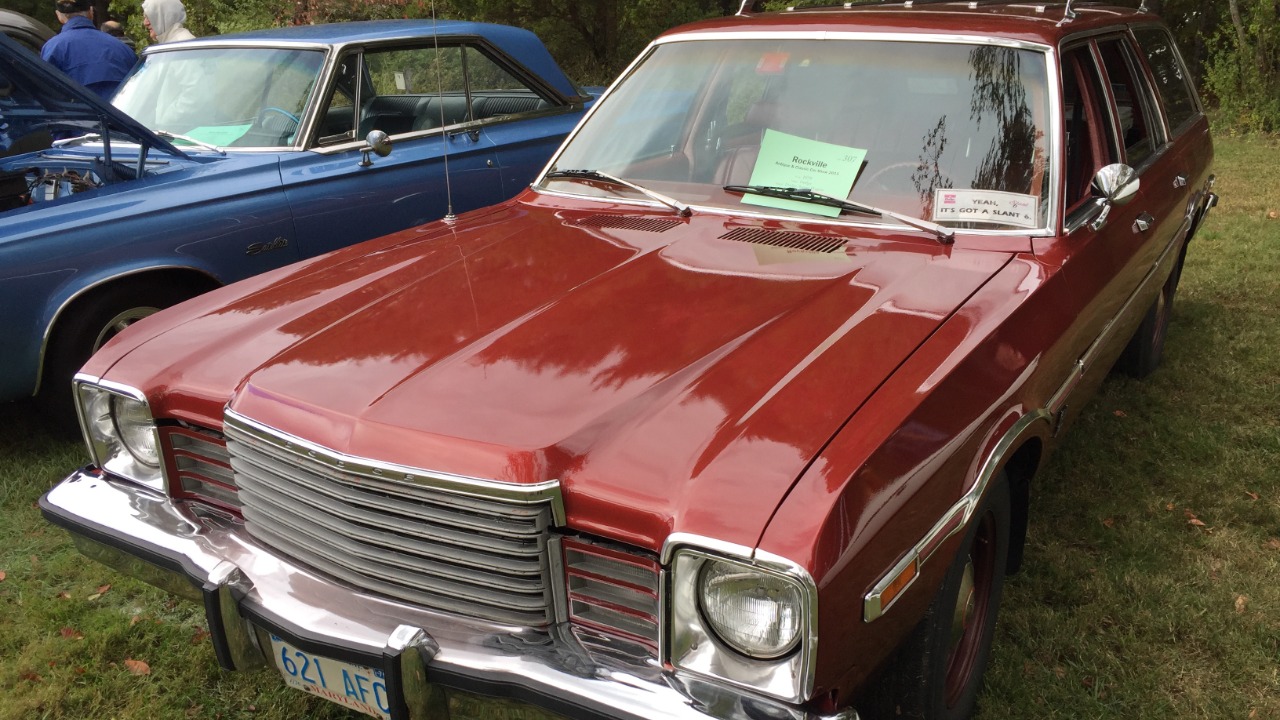
Chrysler’s twin compacts took the 1976 title, then became what the Aspen’s Wikipedia entry calls the most-recalled automobile models to that date. The pair later drew a Lemon of the Year award as well, an unwelcome bookend to the Motor Trend honor.
A trophy followed by a dubious title for the same cars a short time later makes this a stark reversal. Buyers who trusted the headlines had little warning of what the stream of recall notices would bring to their driveways. Recalls of that scale tend to erode trust in a brand, and the twins left a lasting mark on how the award is viewed in hindsight.
4. Dodge Omni / Plymouth Horizon: Rated Not Acceptable
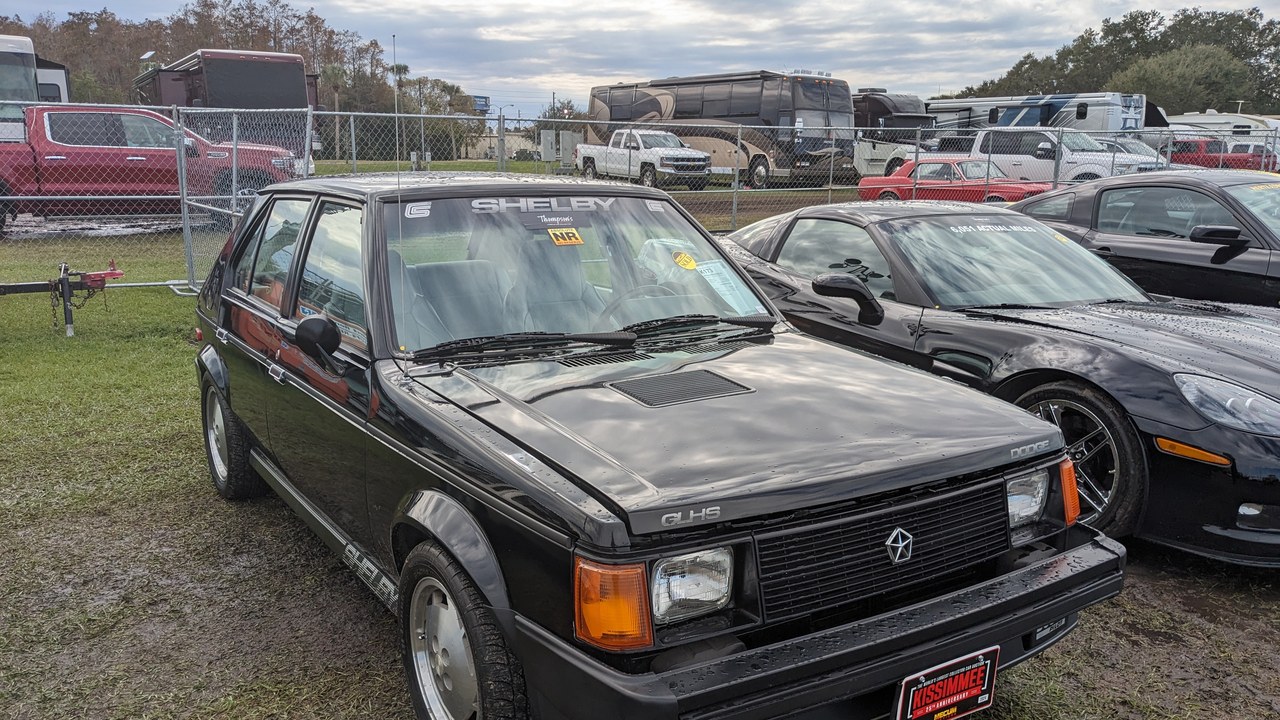
Months after Motor Trend named the 1978 Omni and Horizon its Car of the Year, Consumer Reports rated the pair ‘not acceptable’ after the cars fishtailed in handling tests. Time magazine’s report on the storm described a car that fishtailed alarmingly and failed to recover.
The dispute pitted a popular magazine award against a consumer watchdog, and the two reached opposite conclusions about the same small cars. The episode left the Omni-Horizon remembered as much for controversy as for its trophy. Readers of both publications were left to decide whom to believe, and the small front-drive cars carried a cloud over their debut.
5. Chevrolet Citation: Big Sales, Bigger Headaches
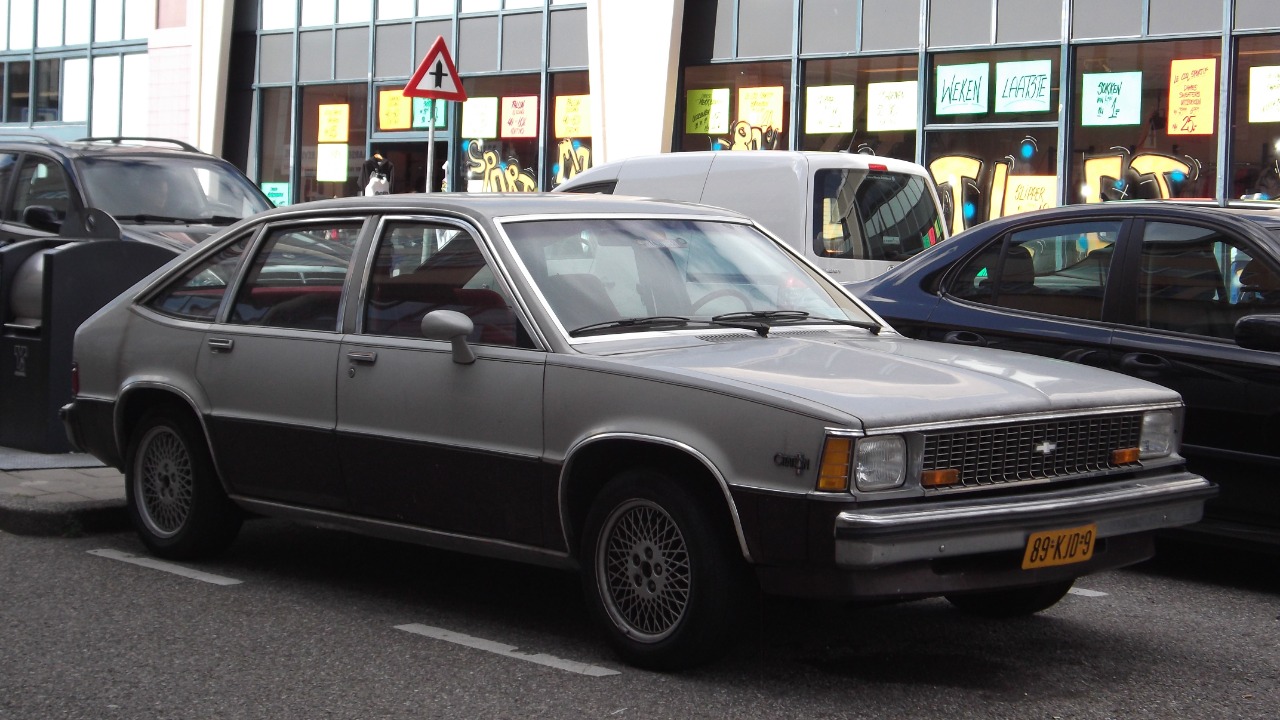
Chevrolet sold about 800,000 Citations at first after the 1980 Car of the Year win. Then, as Hagerty’s recap of the model tells it, came lawsuits over its braking systems and endless complaints about a harsh drivetrain, failing transmissions and fall-apart interiors.
The heavy early sales made the fall more painful. Owners who bought on the strength of the award found themselves dealing with the very kinds of problems that a trophy is supposed to rule out. The Citation shows that big sales figures at launch guarantee nothing about how a car is remembered decades later.
6. Renault Alliance: A French Import Fades
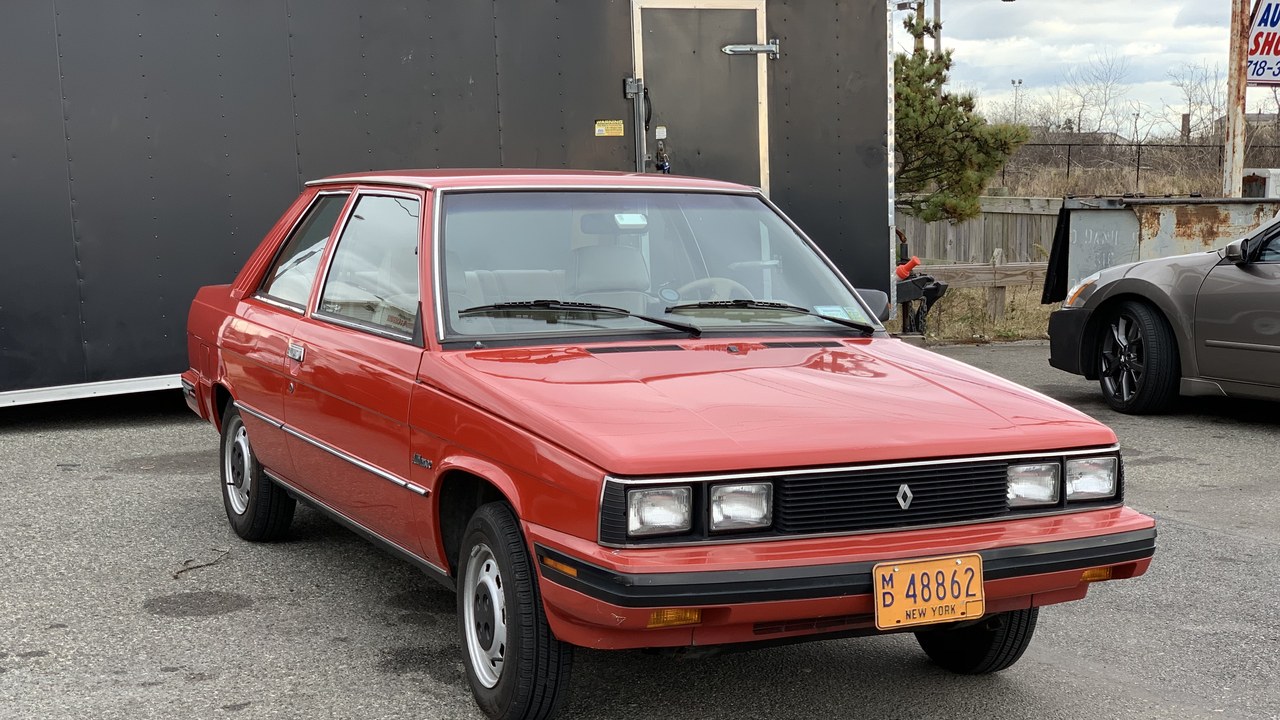
AMC and Renault’s Alliance won the 1983 title, but Hagerty’s account of the fallout says poor build quality and a stodgy reluctance to keep pace with the Japanese undid it. The car was dropped after Chrysler’s 1987 takeover of AMC.
An American-built Renault design was an unusual winner, and its short life shows how quickly a strong debut can fade when quality slips. The Alliance did not survive the takeover of the company that launched it. It is a useful example of why awards judged at launch can miss what owners discover after years of use.
7. Chrysler PT Cruiser: Retro Craze, Then Silence
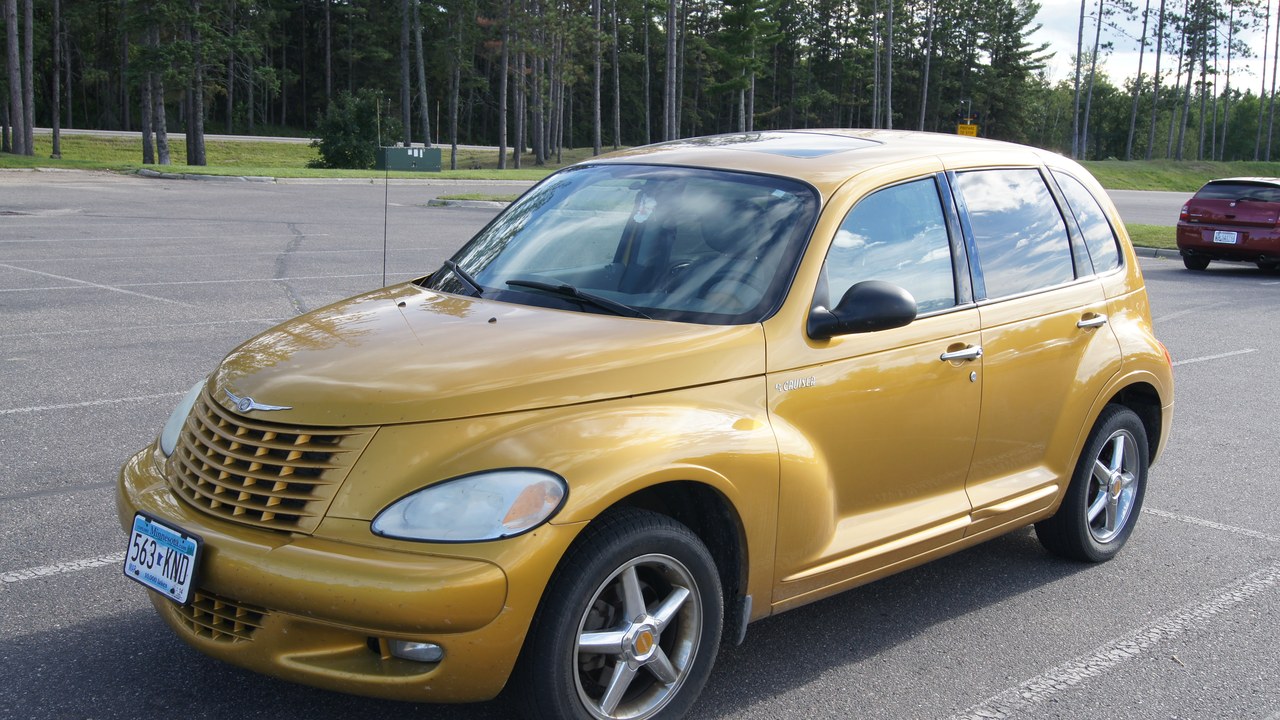
Chrysler could barely keep up with demand after the PT Cruiser took the 2001 title, selling nearly 145,000 that year. By 2009 sales had slumped to just 18,000, and the Spokesman-Review report covers the end of production in 2010.
Retro styling drew a crowd fast and lost it just as fast. The numbers describe a fad’s arc more than a mechanical scandal, but a nine-year slide from hot seller to discontinued model still qualifies as a cautionary tale. Buyers who once lined up for the unusual styling gradually drifted elsewhere, and the award could not slow that decline.
8. Chevrolet Volt: Last Call in Hamtramck
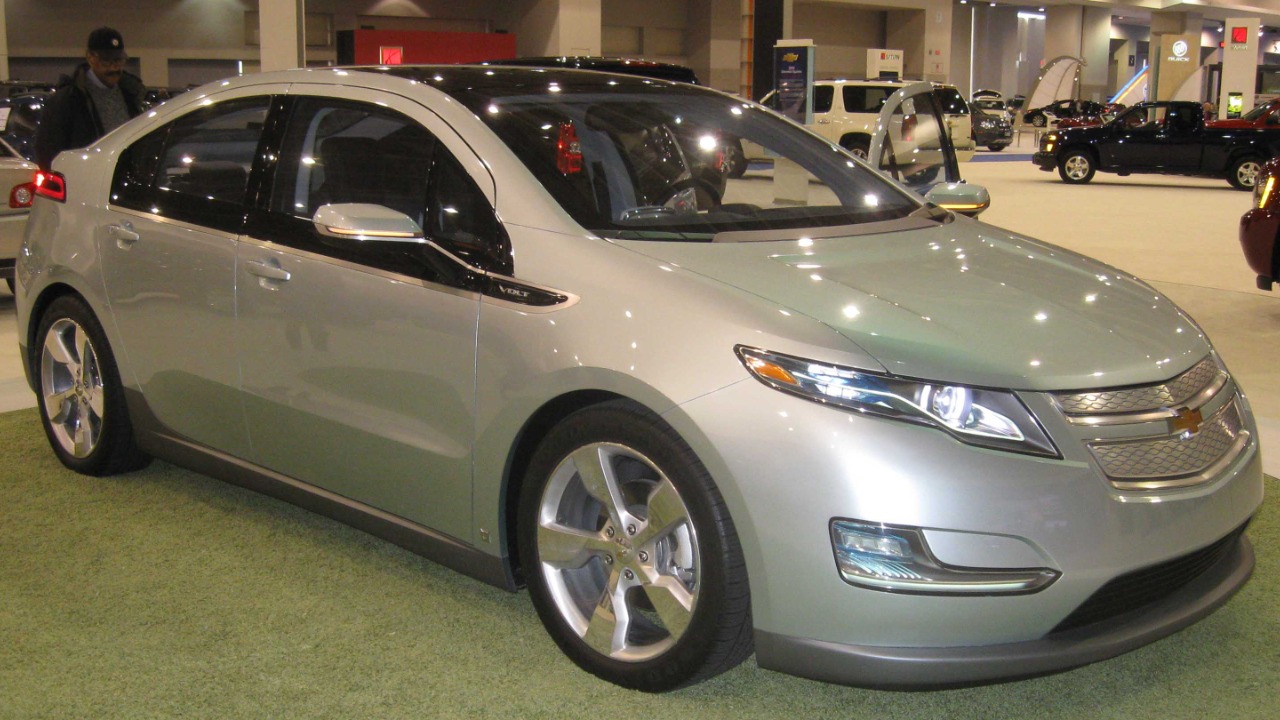
The 2011 Car of the Year was among the models GM said in November 2018 would no longer be sold in the U.S. after 2019. Michigan Public’s coverage of the closures tied that decision to plans to close the Detroit-Hamtramck plant that built the car.
A car once honored as the industry’s best ended its run as a casualty of corporate restructuring. Unlike the recalled models earlier on the list, the Volt’s story is one of a company changing course rather than a car falling apart. That makes it the mildest case here, though still a sad ending for a trophy winner.
More from Morning Overview
- Amazon’s Prime refunds are rising to $200 as millions more customers become eligible
- A handful of car engines are so tough mechanics say they almost never wear out
- The NSA is again telling phone owners to switch off one location setting
- Supplements now rank as the fifth-leading cause of death from liver disease.
