
Oil spills have left marks on coastlines, wildlife and communities for decades after the crude stopped flowing. The biggest cases came from tankers, pipelines and blown-out wells, and they range from the early 1900s to the past decade. Here are eight notorious oil spills, and the numbers behind each one tell part of the story.
1. Lakeview Gusher: The Oldest Giant
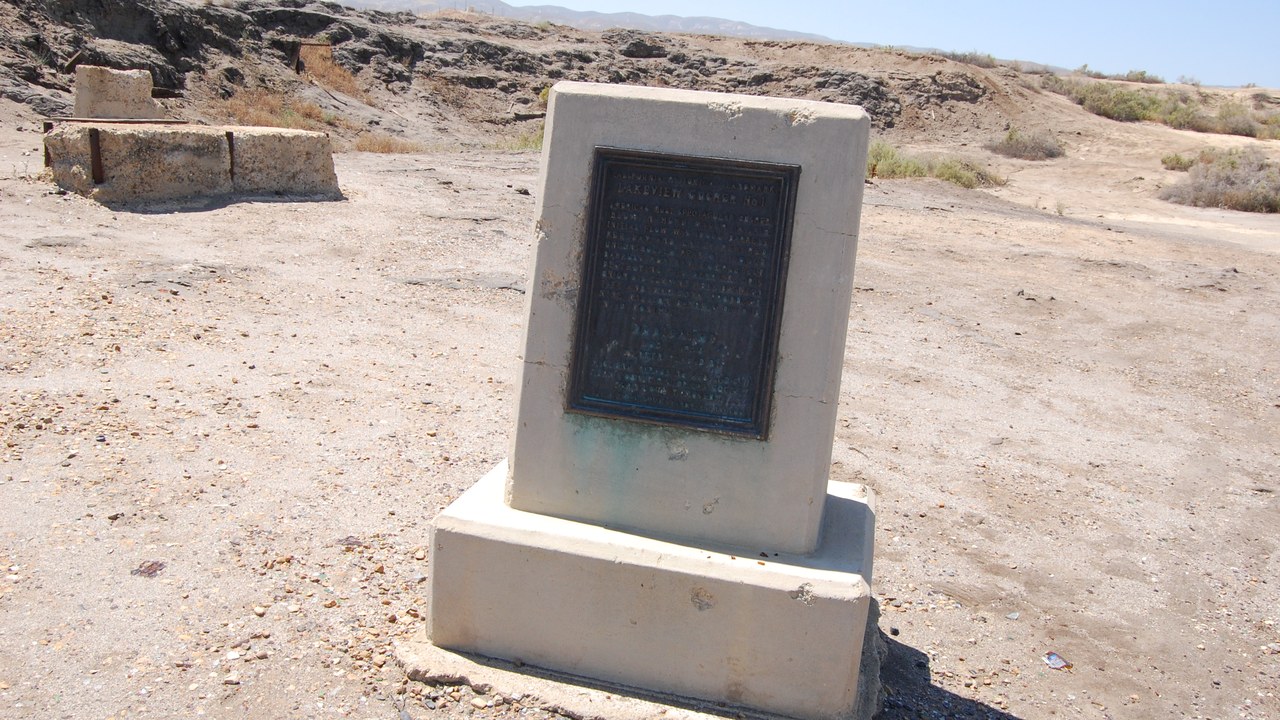
The Lakeview Gusher in Kern County, California, ran from March 14, 1910, to Sept. 10, 1911, and the list of oil spills lists an estimated 1,230,000 tonnes of oil released. That is the largest spill in the table.
It is a reminder that the biggest release on record did not come from a tanker or an offshore rig, but from a land well that flowed for about eighteen months. The date range shows how long an uncontrolled gusher can run before anyone brings it under control, and it puts later disasters in a wider historical frame.
2. Deepwater Horizon: Gulf of Mexico Blowout
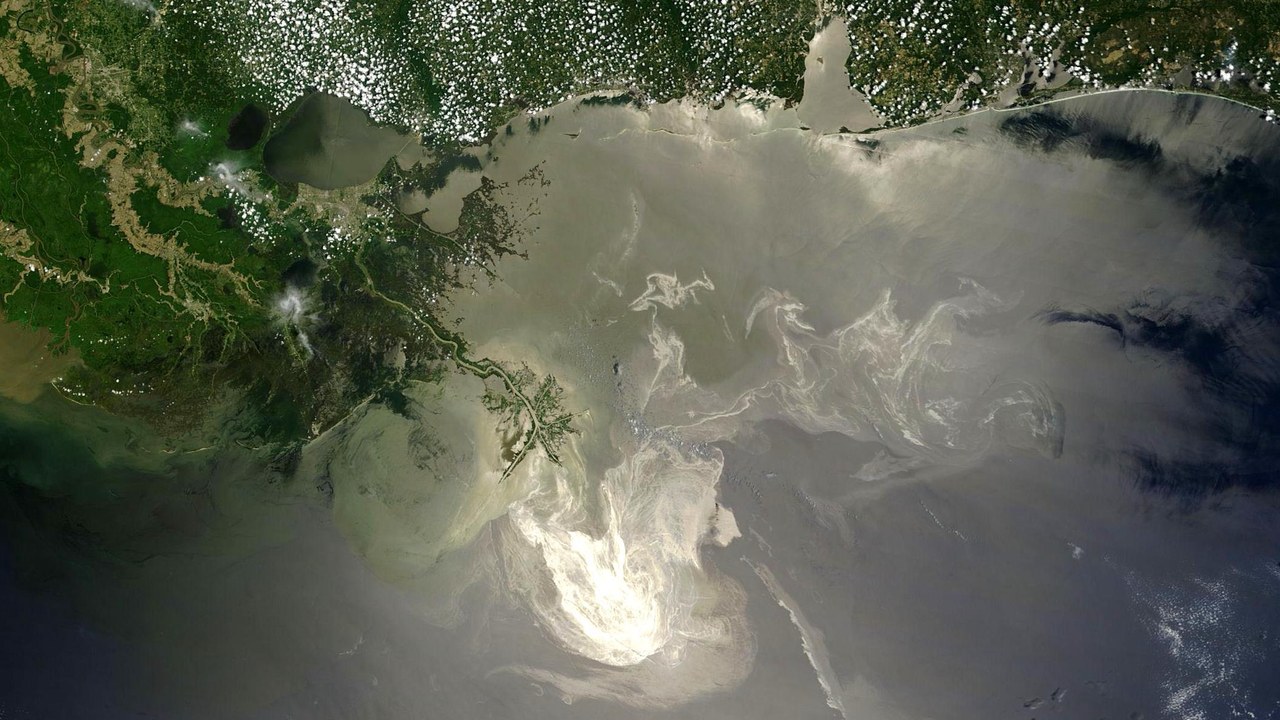
The Deepwater Horizon blowout of April 20, 2010, is put at 133,980,000 gallons, or 3.19 million barrels, in NOAA’s largest spills list. That is the largest entry in the agency’s list of U.S. waters spills since 1969.
The figure dwarfs every other American case in the same table, including the Exxon Valdez. It is the reason the name became shorthand for the worst offshore accident, and it still frames debates about deepwater drilling, cleanup costs and how far a single failed well can spread its damage across an entire gulf.
3. Amoco Cadiz: Brittany’s Black Tide
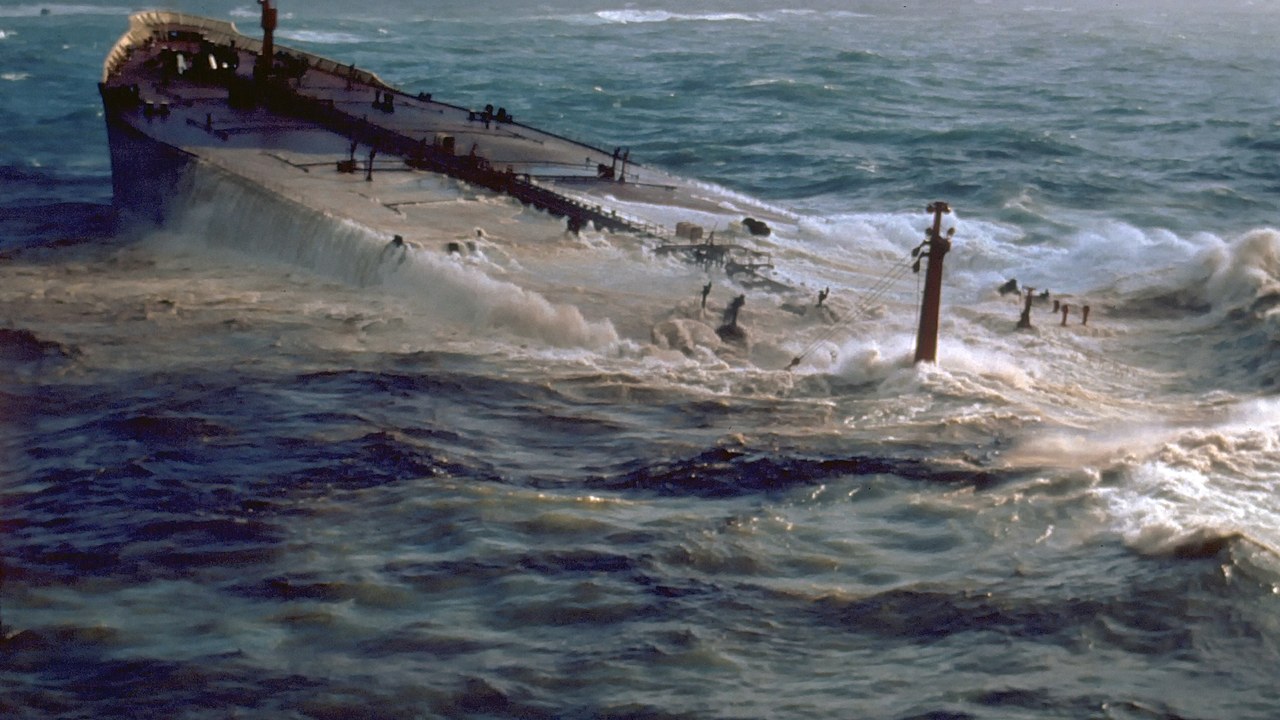
The supertanker Amoco Cadiz ran aground on Portsall Rocks off Brittany on March 16, 1978. The Amoco Cadiz article notes that NOAA put the total spill at 220,880 tonnes, the largest of its kind to that date.
The record did not last, but it made the wreck a landmark in the history of tanker accidents. France’s northwest coast bore the consequences, and the disaster is still cited when maritime safety rules are discussed, since a single grounded ship had released more crude than almost any before it, a sobering fact for the shipping industry.
4. Prestige: Split in Two Off Galicia
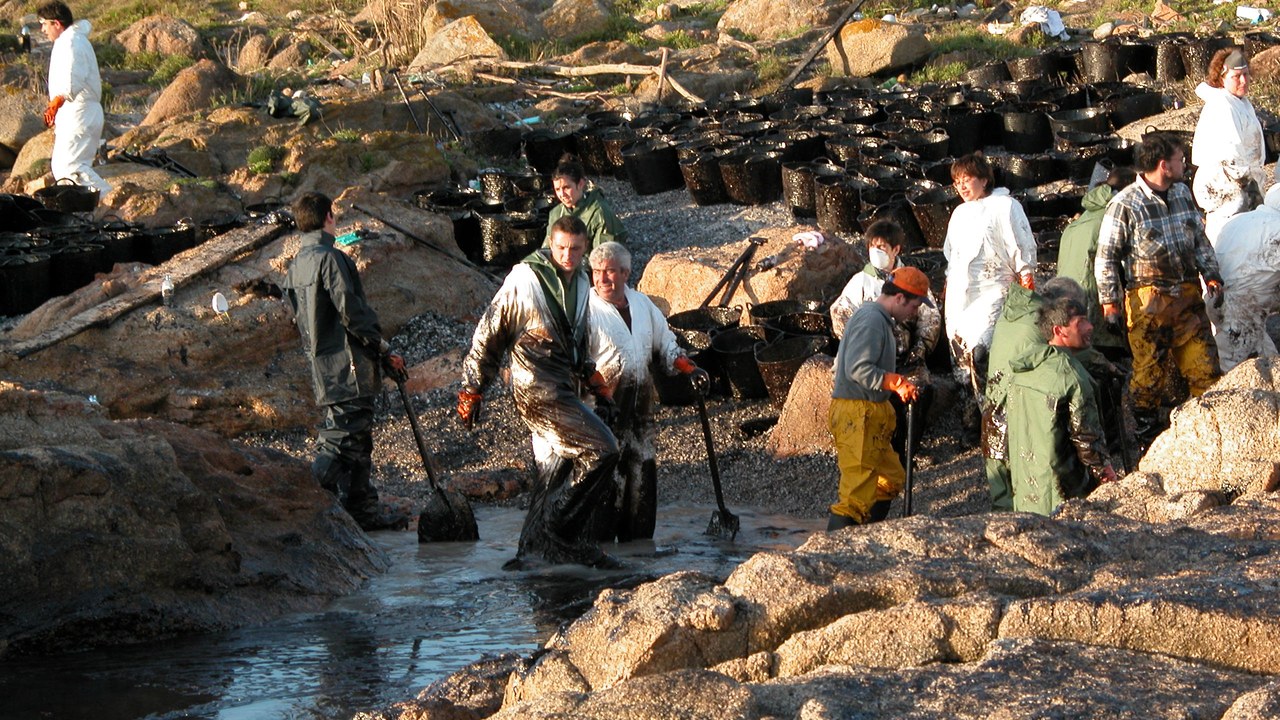
The tanker Prestige split in half off Galicia on Nov. 19, 2002, spilling about 60,000 tonnes along 2,300 km of coast. According to the Prestige spill article, it was the largest environmental disaster in the history of both Spain and Portugal.
That description covers two countries, showing how far one broken hull can spread its damage. The sheer length of affected shoreline, more than 1,400 miles, helps explain why the cleanup was so demanding and why the tanker remains a reference point for European coastal communities that depend on the sea.
5. Exxon Valdez: Prince William Sound
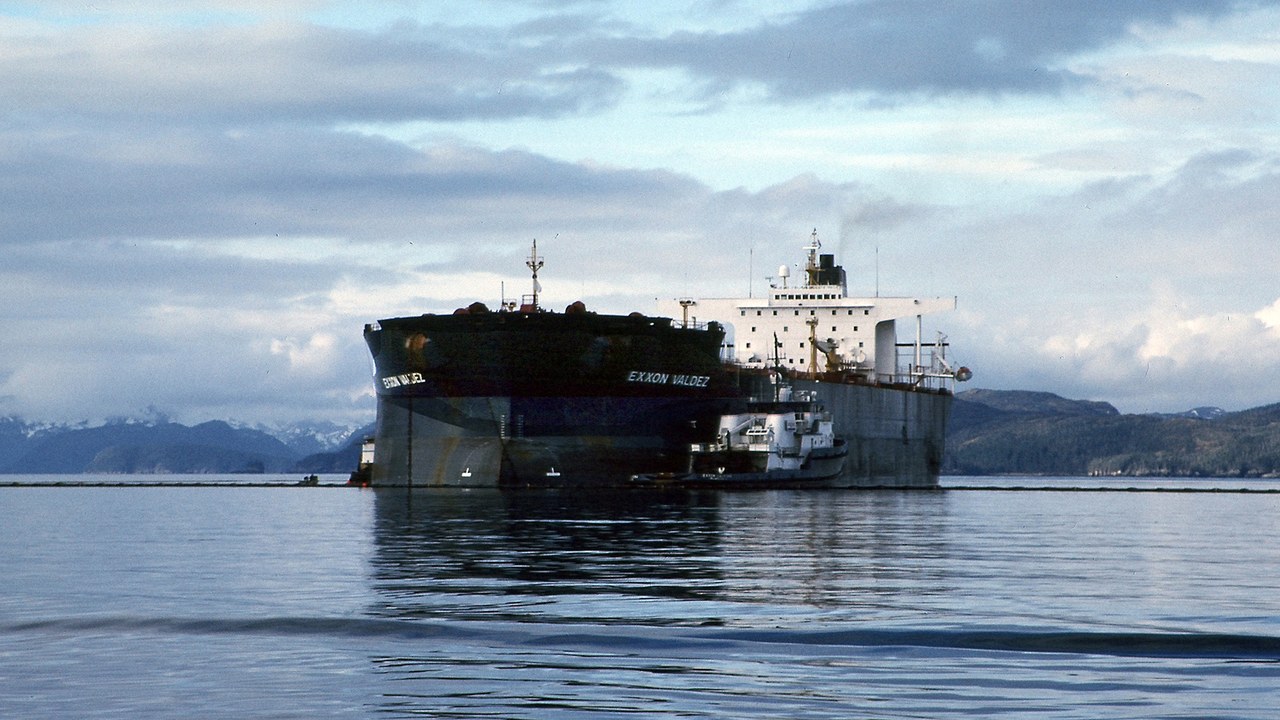
The Exxon Valdez ran aground in Alaska on March 24, 1989, spilling 11 million gallons, or 261,905 barrels, according to NOAA’s spill table. It remains one of the best-known American spills, and it is the only Alaska entry in this gallery.
Its volume is only about one twelfth of Deepwater Horizon’s by NOAA’s count, yet the ship’s name remains a byword for oil pollution in the United States. The comparison shows that a spill’s place in public memory depends on more than raw size, including where it happens and what it touches.
6. IXTOC I: Nine Months Of Uncontrolled Flow
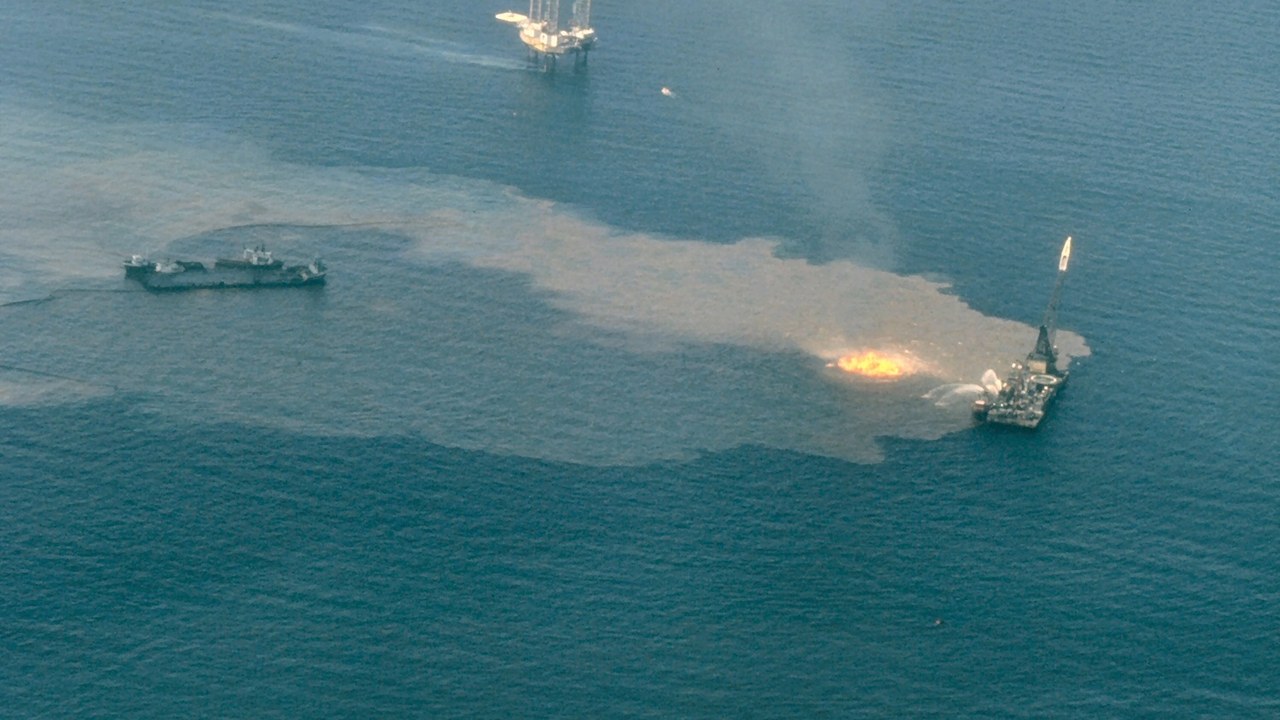
The IXTOC I exploratory well blew out on June 3, 1979, in the Bay of Campeche, about 600 miles south of Texas in the Gulf of Mexico. According to NOAA’s incident record, the well released an estimated 10,000 to 30,000 barrels of oil a day before crews finally capped it on March 23, 1980.
That works out to nearly ten months of oil pouring from a single well, far longer than any tanker spill on this list. The blowout became a reference point for later Gulf of Mexico emergencies, including Deepwater Horizon, which also began with a well that could not be brought under control.
7. MV Wakashio: Reef Off Mauritius
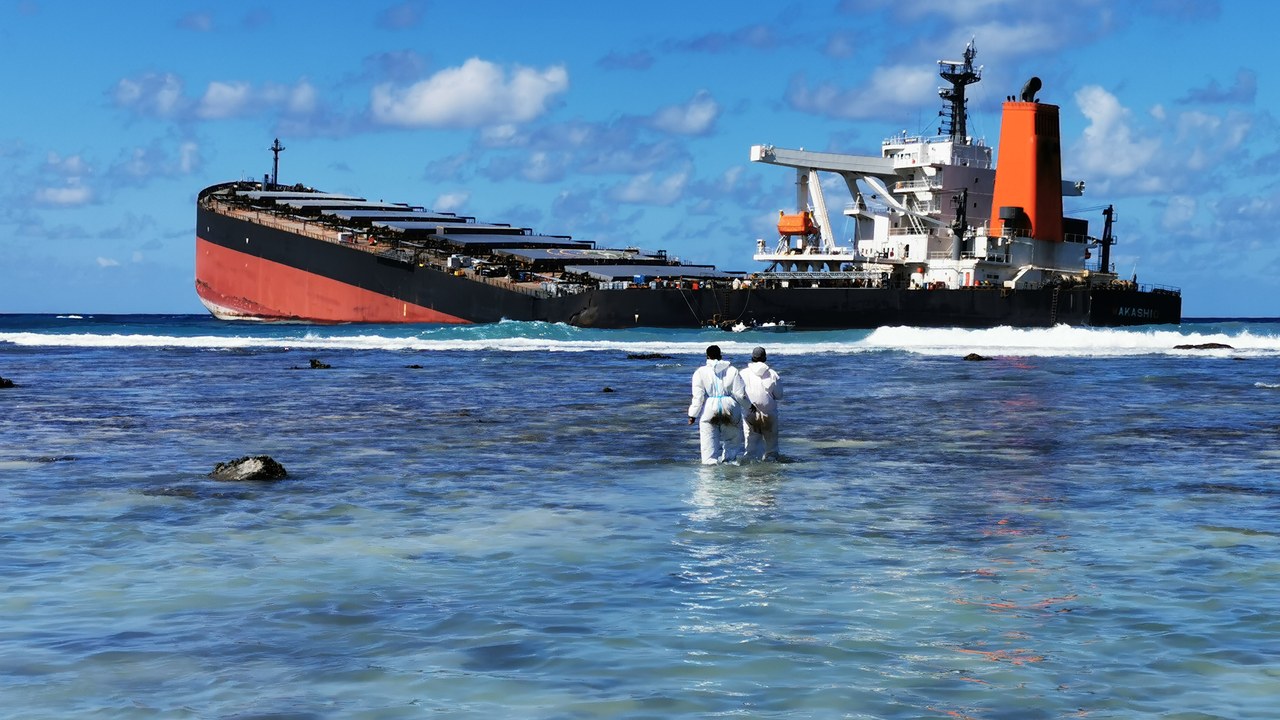
The bulk carrier MV Wakashio hit a reef off Mauritius on July 25, 2020, and leaked about 1,000 tonnes of fuel oil before it broke up on Aug. 15. The Wakashio spill article notes that the island declared a state of environmental emergency.
The volume is small beside the giants on this list, yet a fuel leak near a reef can still be a crisis for an island nation. The case shows that damage depends on location as much as on tonnage, and that a ship breaking up in shallow, sensitive water can be serious at any size.
8. Refugio oil spill: Refugio Beach Pipeline Rupture
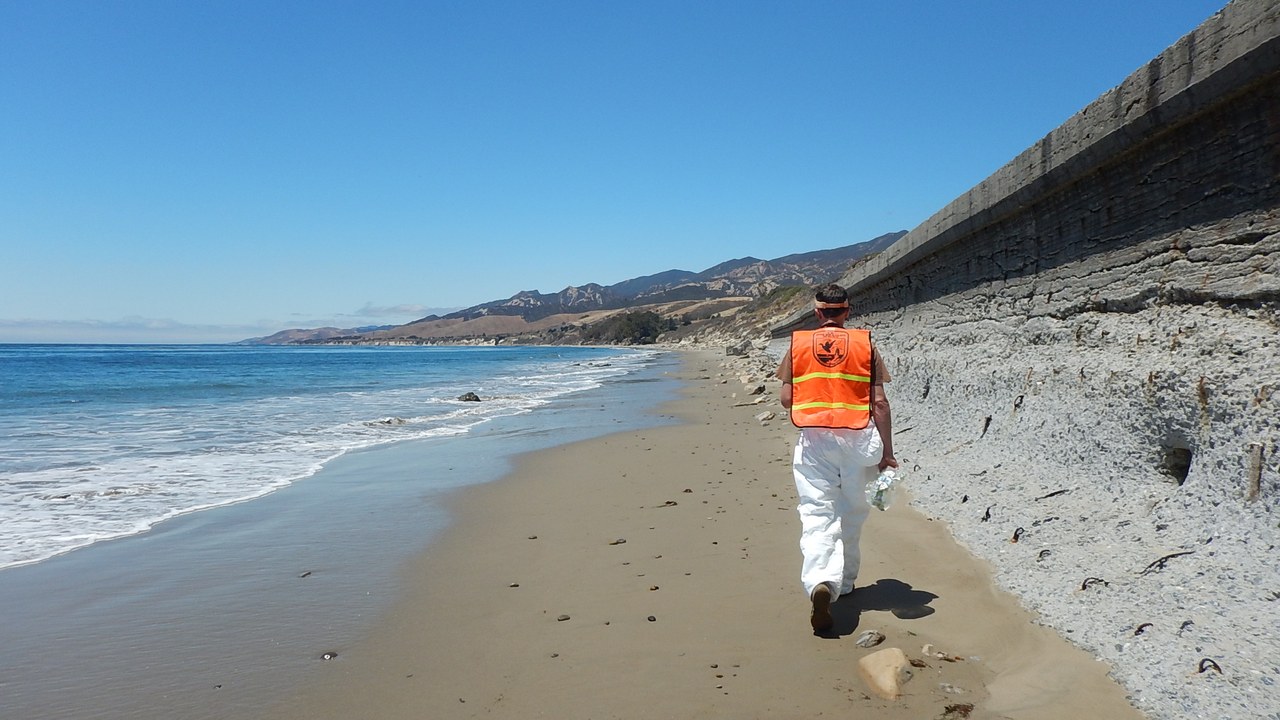
A Plains All American pipeline ruptured near Refugio State Beach on May 19, 2015, and the NOAA restoration page says over 100,000 gallons of crude were spilled. A $22.3 million restoration settlement followed in 2020.
It is the most recent pipeline case here and one of the smallest by volume, but it struck the shoreline of a state beach. The settlement points to the long tail of legal and restoration work that follows once the oil is gone from the surface, well after the headlines have faded and the beach has reopened to visitors.
More from Morning Overview
- Card skimmers hidden on gas pumps and ATMs are draining accounts, and here’s the tell
- Doctors warn a silent liver disease now affects one in three American adults
- Hackers are hijacking outdated home routers, and the FBI named the models to check
- Older Teslas are wearing out in ways early owners never saw coming
