
Some of the most remarkable people from the ancient world can still be seen in person, and a few of them carry stories that read like crime files. These bodies survived through ice, sand, peat and careful modern conservation. Here are eight mummies that visitors can still see, from a glacier hiker’s find to a pharaoh’s parade.
1. Ötzi the Iceman: Frozen Witness in Bolzano
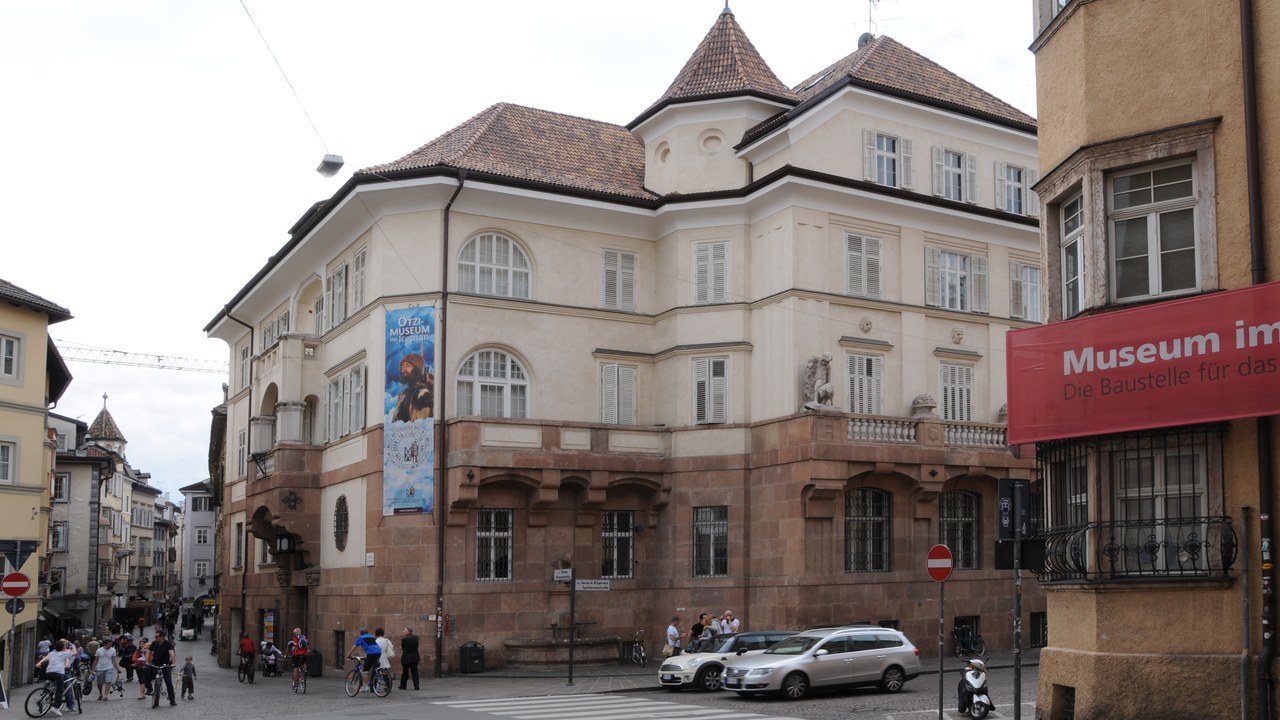
Hikers came across Ötzi on a glacier in 1991, and the South Tyrol Museum of Archaeology states that the man was murdered and then preserved naturally in the ice. He now lies in Bolzano, where the museum’s Iceman page explains that his body is kept in a specially devised cold cell.
Visitors look in through a small window rather than over an open case, an arrangement built to protect a body that has lasted more than 5,300 years. The result is a quiet, chilly encounter with what is treated as a genuine cold case, and it may be the most direct link to the headline’s claim.
2. Tutankhamun: The Boy King at Home
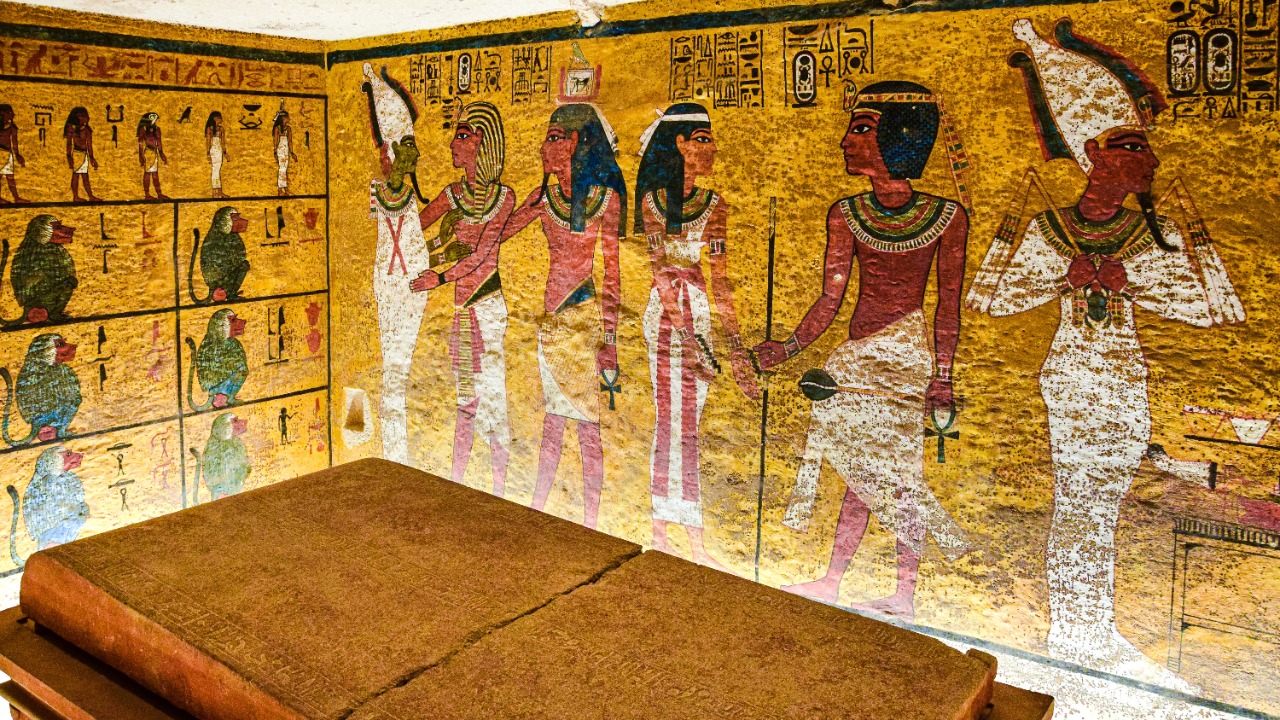
Howard Carter’s team found the tomb of Tutankhamun in November 1922, and in 2007 the young pharaoh’s mummy was moved into a climate-controlled glass case in the antechamber. The change, described in the KV62 tomb article, allowed the public to see him in the place where he was buried.
Many famous Egyptian treasures long ago left their tombs for museum halls, so seeing the king within his own burial chamber is unusual. The glass and climate control exist to slow the damage that crowds and humid breath can cause to a body more than three thousand years old.
3. Ramesses II: A Pharaoh of 68 Years
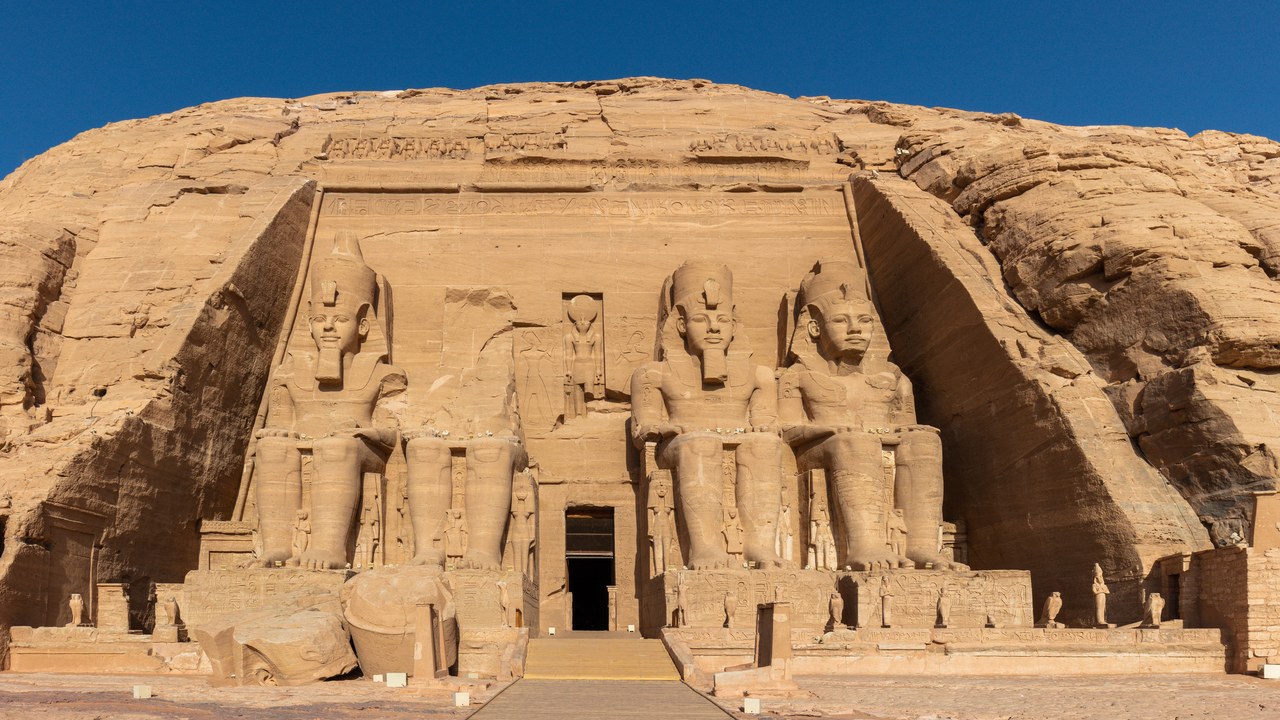
Ramesses II ruled Egypt for 68 years and died at around the age of 90, according to Live Science’s mummy roundup. His mummy is displayed at Egypt’s National Museum of Egyptian Civilization.
Such a long reign meant that most Egyptians who lived under him never knew another king. That staying power helps explain why his mummy is among the best-known royal bodies in any collection, and why visitors to the museum in Cairo seek him out. He is a natural stop for anyone curious about how one ruler shaped an era.
4. Xin Zhui (Lady Dai): Lady Dai of Hunan

Xin Zhui was discovered in 1971 and dates to 168 B.C., and Live Science’s account reports that she died at about age 50 from a heart attack. She can be seen at the Hunan Museum in China.
Her burial belongs to a different tradition than the dry desert graves of Egypt, which makes her a valuable point of comparison for anyone touring ancient bodies. Her cause of death, unusually specific for so old a mummy, gives visitors a human detail to hold onto beyond the age of the remains, and it invites some reflection on ancient lives.
5. Gebelein Man (‘Ginger’): Ginger and the Knife Wound
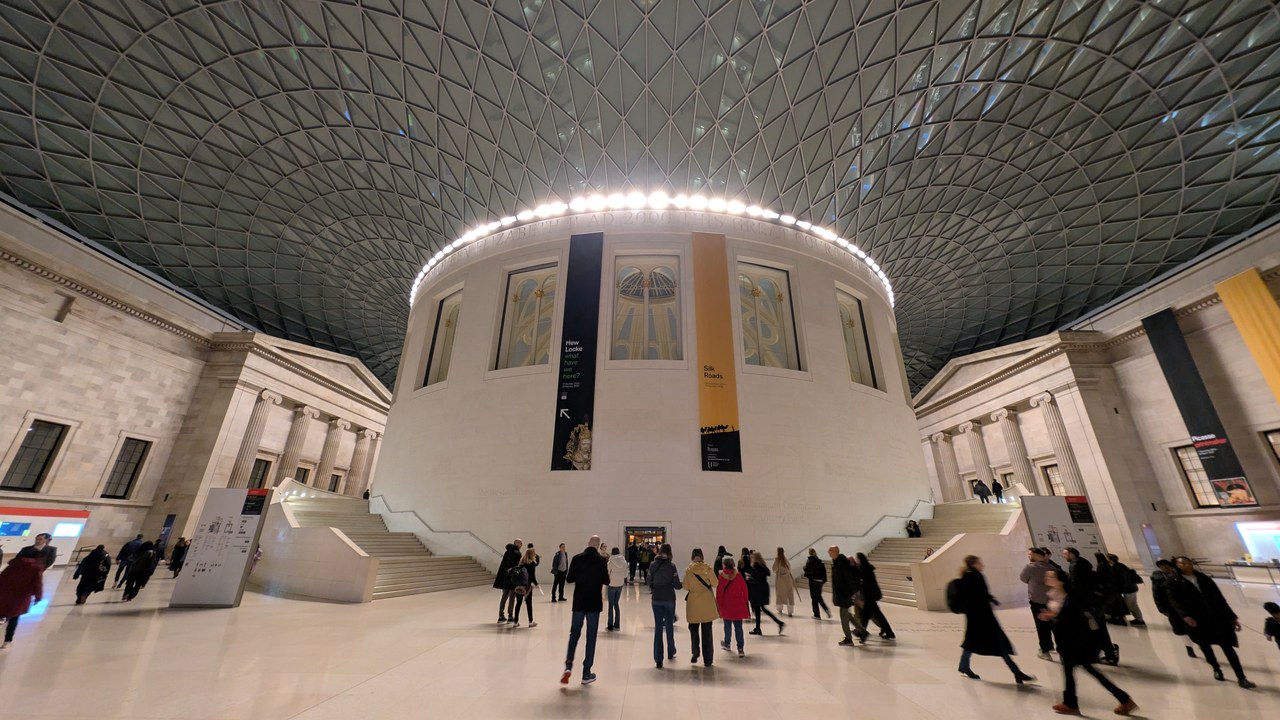
Naturally mummified in hot sand around 3400 B.C., the Gebelein man nicknamed Ginger was examined in detail, and the British Museum record notes sharp-force trauma to the upper left back over the shoulder blade that possibly led to his death. He is on display in Room 64.
The museum’s wording is careful, saying the wound possibly caused his death rather than declaring it. Radiocarbon dating in 2017 gave a range of 3341 to 3017 B.C., placing this apparent violent end thousands of years before the pharaohs of the famous tombs.
6. Lindow Man: Peat Cutters’ Discovery

Commercial peat cutters found Lindow Man in a Cheshire bog on Aug. 1, 1984. As the Lindow Man article describes, the Iron Age man had a head wound, a cord around his neck and a broken neck, and he is now on permanent display at the British Museum.
Bog bodies like this one were preserved by acidic, oxygen-poor peat rather than by any embalmer’s craft. The combination of injuries has kept scholars debating what happened to him, and visitors can weigh the evidence in a London gallery rather than a remote Cheshire moss.
7. Grauballe Man: Denmark’s Best Preserved

The Grauballe Man was found in a Danish bog on April 26, 1952, and Moesgaard Museum’s exhibit page says he was 34 years old when he died and that his throat was then cut, around 390 B.C. Moesgaard Museum calls him the world’s best-preserved bog body.
That claim of distinction rests on the condition of the body itself, which allowed detailed study of a man who lived in the Iron Age. His place in the museum’s Iron Age exhibition lets visitors meet a victim of violence as an individual with a known age.
8. Seti I: A Royal Procession
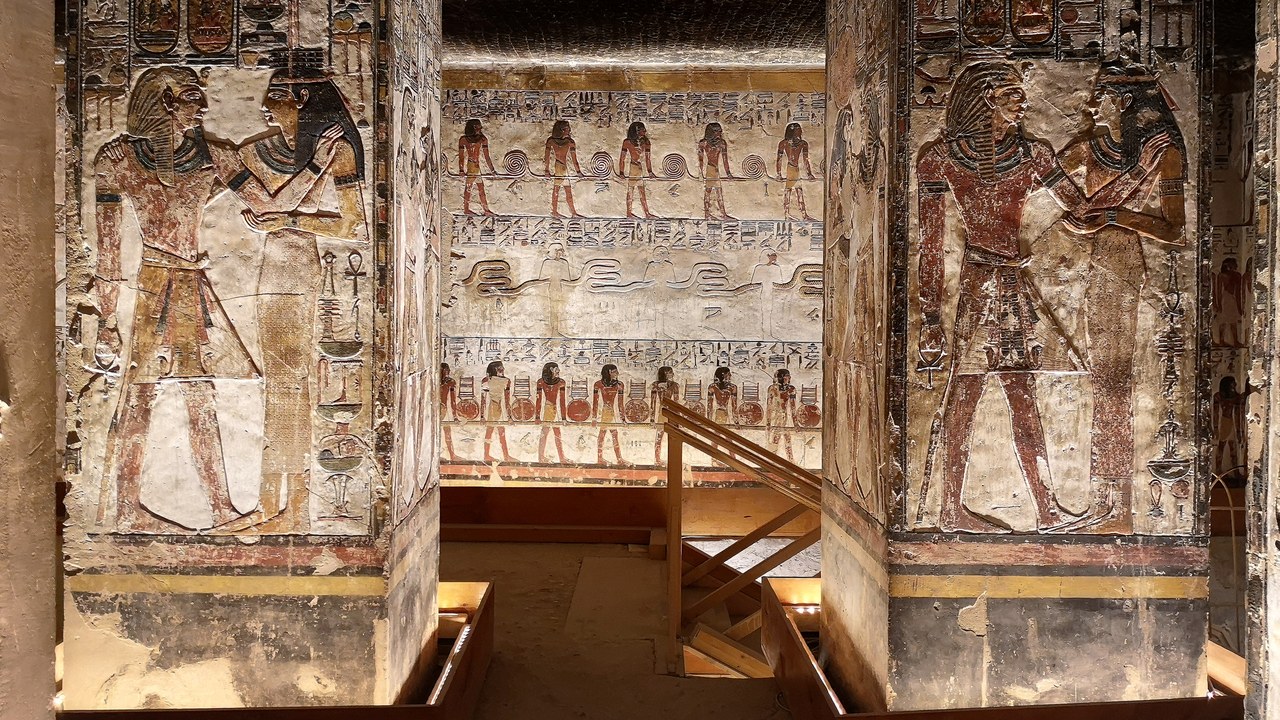
The father of Ramesses II, King Seti, rode with 21 other royal mummies in Cairo’s Pharaohs’ Golden Parade on April 3, 2021. The Pharaohs’ Golden Parade article says the procession carried twenty-two ancient Egyptian mummies to the National Museum of Egyptian Civilization in Fustat.
The parade turned a museum transfer into a public spectacle and gave the royal dead a ceremonial final journey to their new home. Visitors can now see a king in the same museum as his famous son, which brings a father and his heir back under one roof after thousands of years, and it made international headlines.
More from Morning Overview
- Four U.S. startups fired up their first small nuclear reactors, aiming to power AI data centers on-site
- Card skimmers hidden on gas pumps and ATMs are draining accounts, and here’s the tell
- Doctors warn a silent liver disease now affects one in three American adults
- Hackers are hijacking outdated home routers, and the FBI named the models to check
