
Great ocean liners once carried the world’s travelers across the seas, and their endings were as varied as their careers. Some were torpedoed, burned or scrapped, others became hotels, and one is still waiting on paperwork to become a reef. Here are eight liners and how their stories turned out.
1. RMS Titanic: Lost to an Iceberg
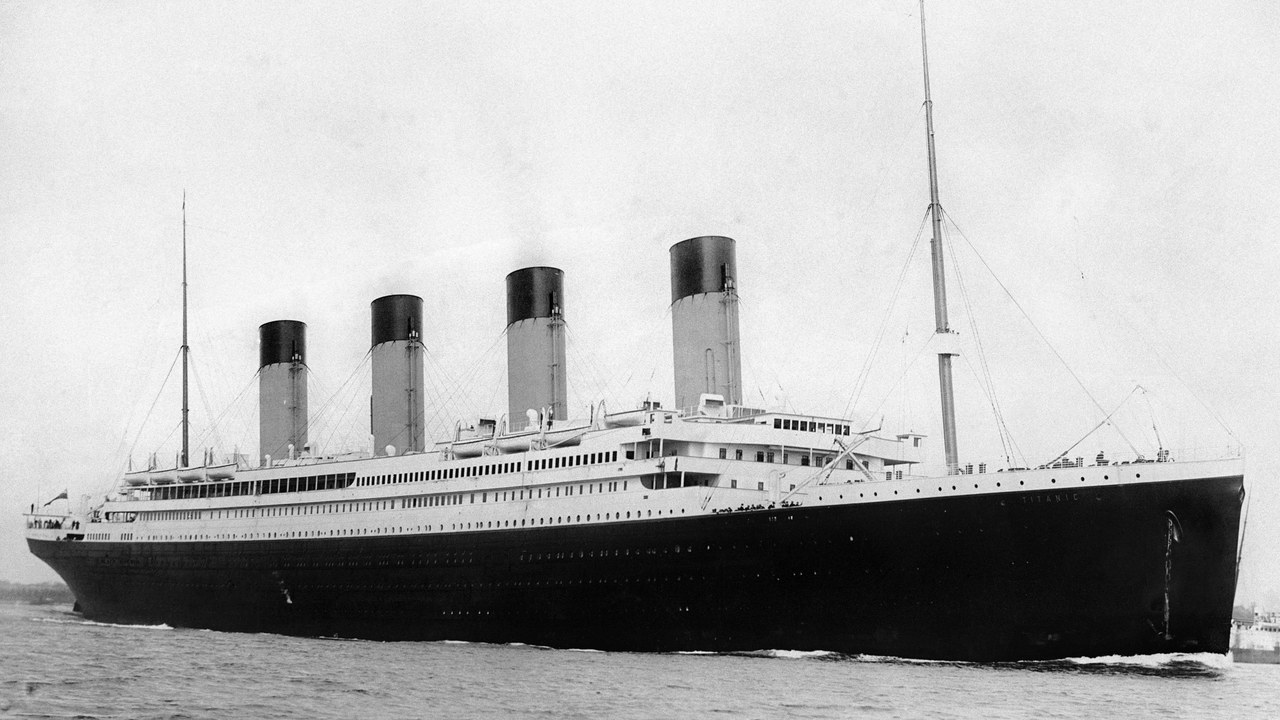
After striking an iceberg, Titanic broke apart and sank on April 15, 1912, taking more than 1,500 passengers and crew with it, according to NOAA’s Titanic history. The wreck lies about 12,500 feet down, over 350 nautical miles off Newfoundland.
Its fate became the standard against which other liner disasters are measured. The great depth and the distance from shore keep the wreck far out of easy reach, a lasting reminder of how the ship’s story ended. Museum displays and documentaries keep the memory alive, and the numbers involved explain why the sinking still weighs on the public imagination.
2. RMS Lusitania: Sunk in Eighteen Minutes
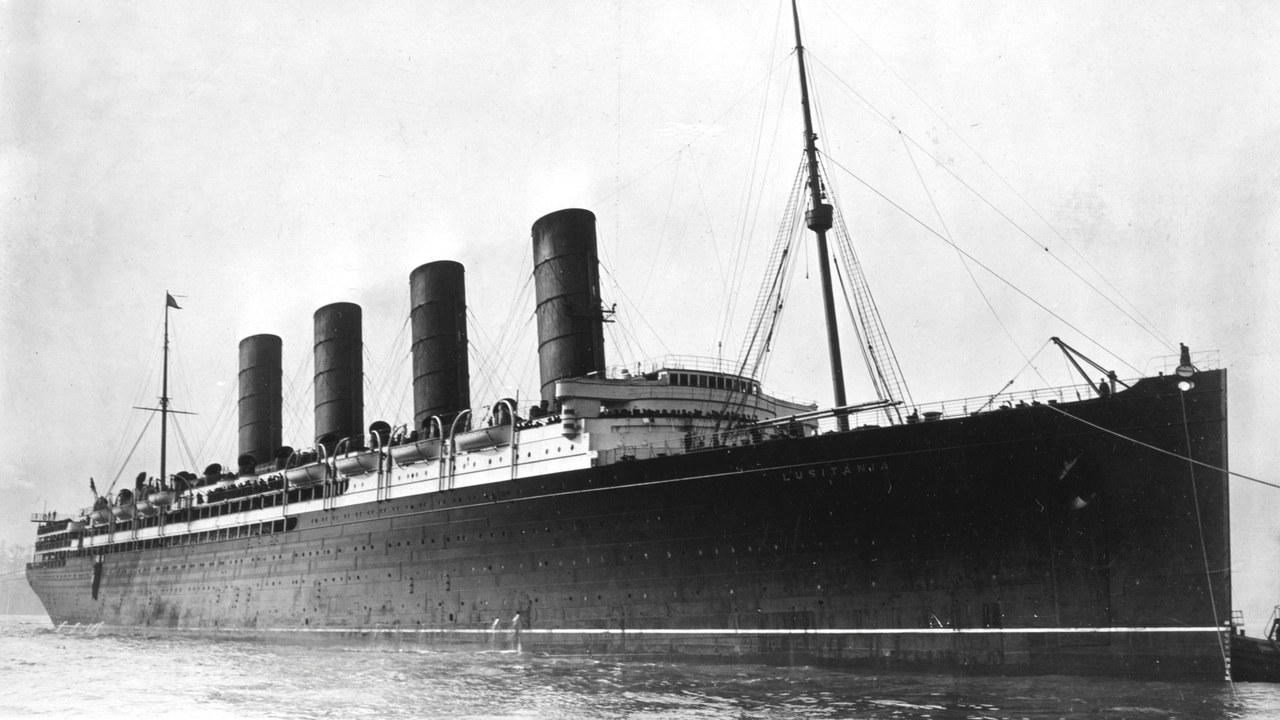
Torpedoed off Ireland’s Old Head of Kinsale on May 7, 1915, Lusitania sank in about 18 minutes. Of the 1,960 passengers and crew aboard, 1,199 died, including 128 Americans, according to Wikipedia’s Lusitania article.
The short span between torpedo and sinking helps explain the heavy toll. The dead included 128 Americans, a detail that ties the tragedy directly to readers on this side of the Atlantic. More than a century later, the ship’s name still stands for a single crossing that ended off the Irish coast. The figures show how many lives were bound up in one voyage.
3. SS Normandie: Fire in Wartime
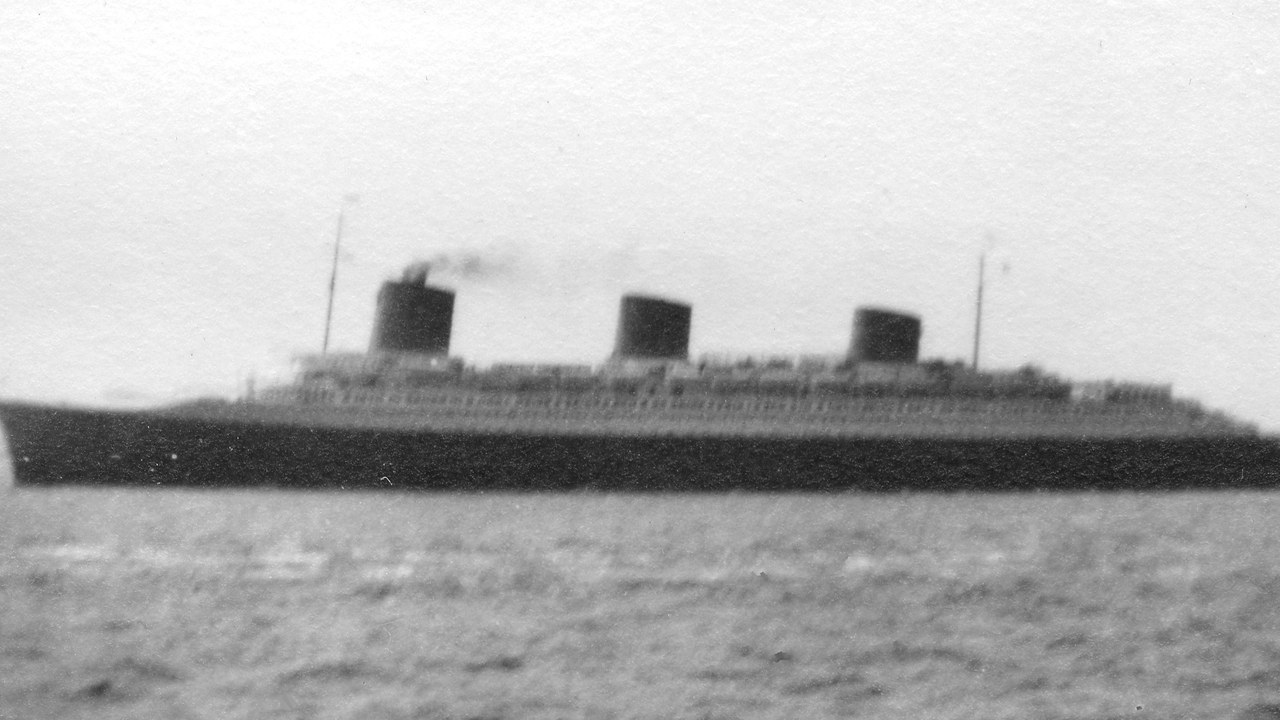
The French liner caught fire and capsized in 1942, and it was scrapped in 1946, as Wikipedia’s list of ocean liners records for Normandie. Those two dates bracket the end of one of the best-known names in transatlantic travel.
The two dates tell a quiet story of decline: a dramatic loss in 1942, then four years before the ship was finally broken up. A liner’s ending, in this case, was slow as well as sudden. Wartime ships often met their ends in unexpected ways, and Normandie was no exception. Its name still evokes the golden age of ocean travel.
4. SS France / SS Norway: Two Names, One Hull
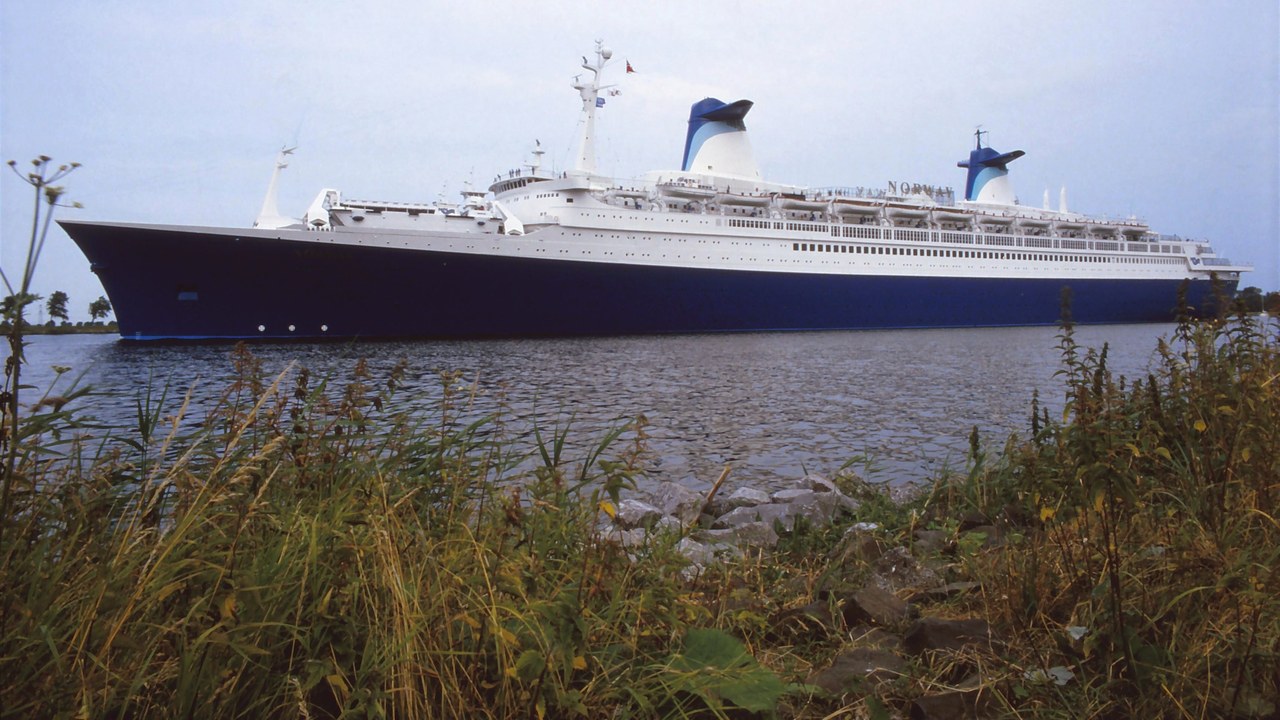
Built as SS France, the liner sailed as SS Norway from 1979 and was scrapped at Alang, India, with the work completed in 2008, according to Wikipedia’s ocean liner listing. The record notes that the scrapping began in 2007.
Two names and two chapters describe this ship, and the final chapter closed at a scrapping yard on the other side of the world. It is a long way from the glamour of the great transatlantic routes. Many liners of that era ended up in similar yards, where the great ships that once carried passengers were cut apart for their metal.
5. SS Rotterdam: A Hotel in Holland
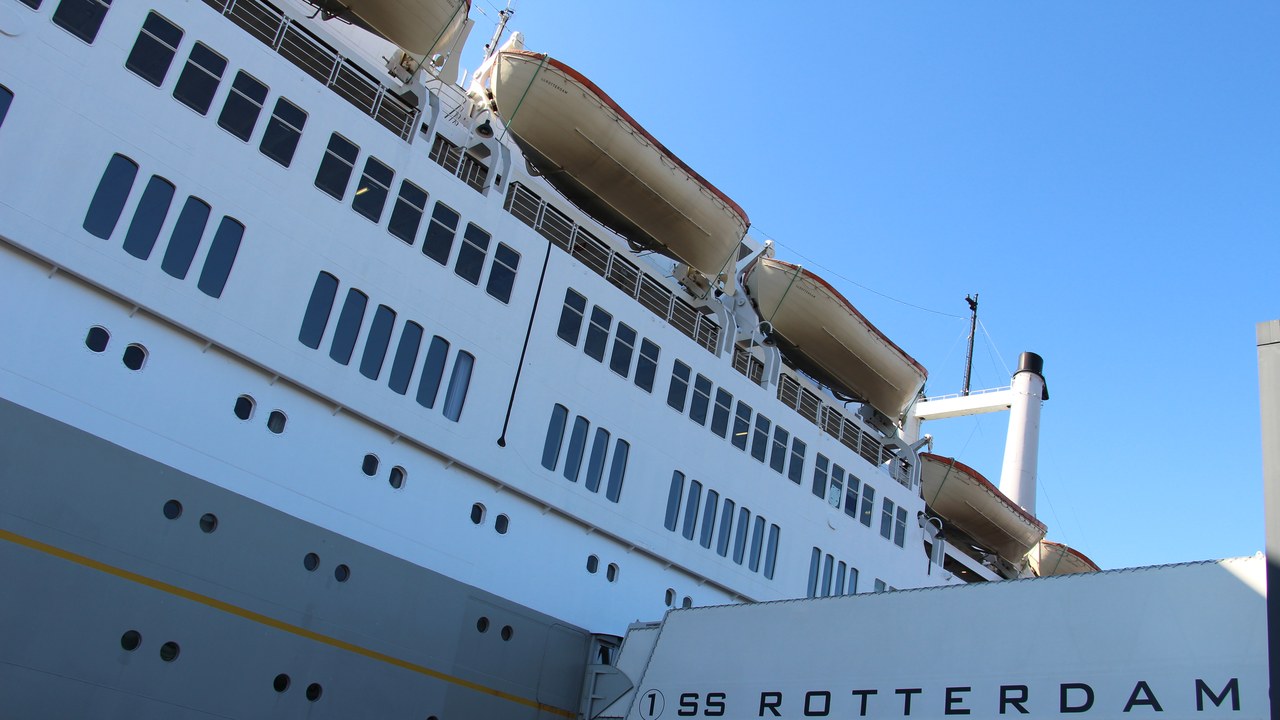
The 1958 Holland America liner is preserved as a hotel ship in Rotterdam, per Wikipedia’s list of liners. Rather than a torpedo, a fire or the scrapper’s torch, this ship’s later years brought a permanent berth and guests.
It counts as one of the happier endings in this group, since the vessel survives in the city that shares its name. Travelers who want to see a mid-century liner still have a place to find one. The choice gives visitors a chance to sleep inside a piece of maritime history instead of merely photographing it from the shore.
6. Queen Elizabeth 2: Retired to Dubai
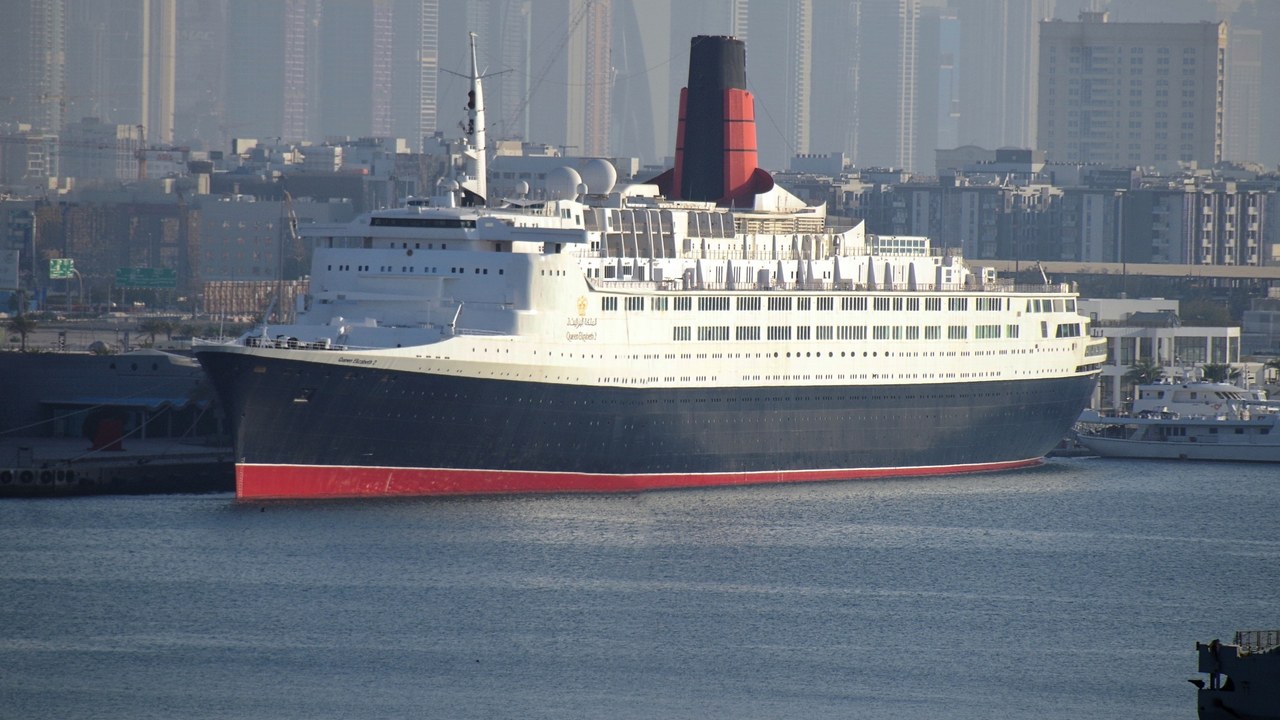
After 40 years at sea, Queen Elizabeth 2 opened as a 13-deck hotel docked permanently at Mina Rashid in Dubai on April 18, 2018, according to the IIMS report on the opening.
The former Cunard flagship traded ocean crossings for a fixed berth on the Gulf. Her fate shows a modern alternative for aging liners: a second career as a destination instead of a scrapyard. The conversion kept the ship afloat as an attraction rather than sending her to the breakers. Guests can stay aboard a vessel that spent four decades crossing the ocean, an arrangement that would have surprised earlier generations of liner travelers.
7. SS United States: Waiting to Become a Reef
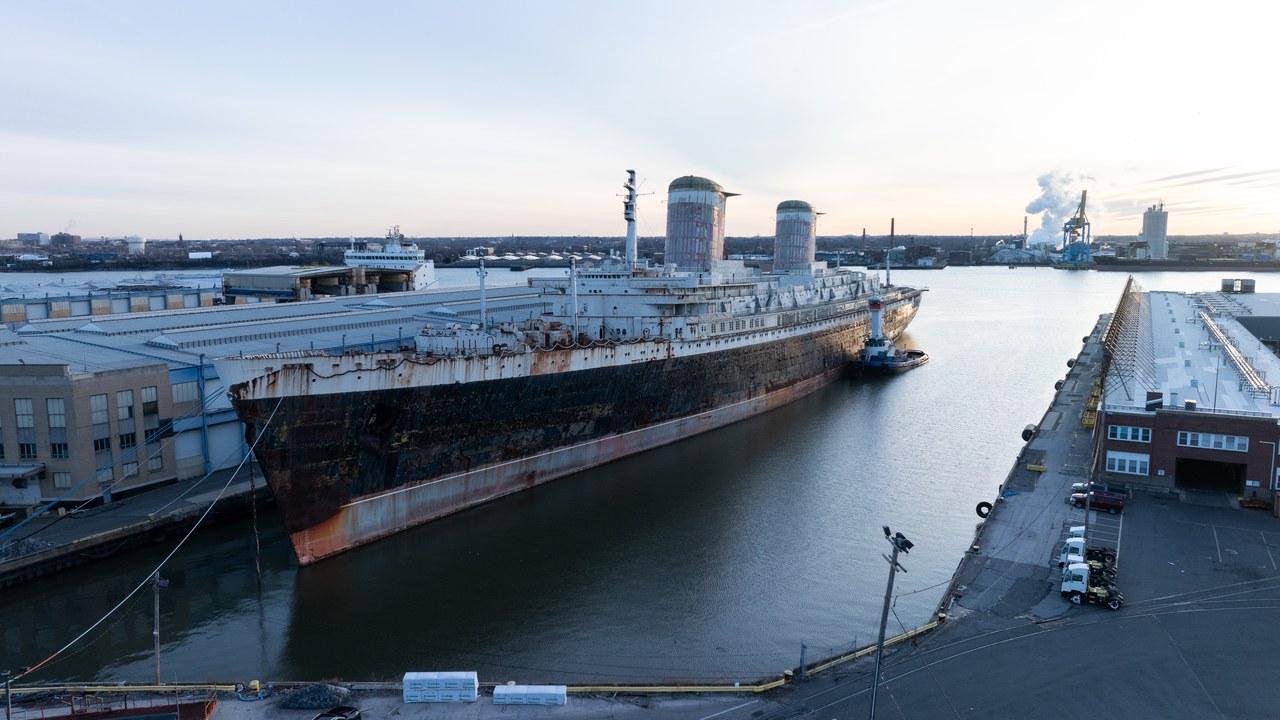
As of September 2026 the liner remains docked in Mobile, Alabama, months after officials hoped to sink it in June. Philadelphia Today’s report says it awaits Army Corps and EPA sign-off to become a reef 22 miles off Okaloosa Pass.
The plan to turn a famous ship into an artificial reef is still stuck at the dock. For now the vessel waits in limbo, its future tied to regulatory approvals rather than to the sea. Reef projects like this one turn retired vessels into homes for marine life, but they depend on approvals that can take longer than planners expect.
8. RMS Queen Mary 2: Still Crossing
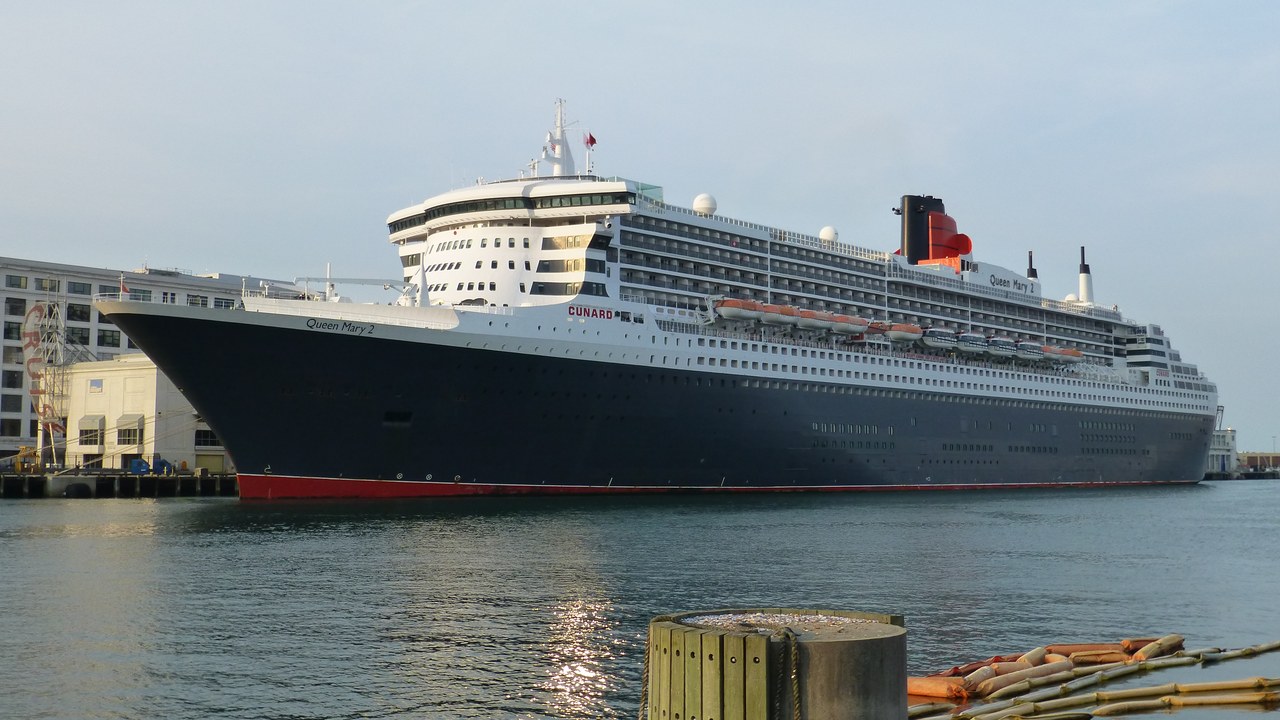
Sailing since 2004, Queen Mary 2 completed her 400th crossing in 2024. Cunard says she is the world’s only ocean liner offering regularly scheduled transatlantic crossings between New York and Southampton, as described in Cunard’s QM2 by the numbers.
The ship stands apart from every other liner here because her story is still being written. Where the rest were lost, scrapped or converted, she remains in service as the working descendant of the great liner tradition. Passengers can still book the same kind of voyage that defined the age of the great liners, on a ship that has now logged four hundred crossings.
More from Morning Overview
- The NSA is again telling phone owners to switch off one location setting
- Supplements now rank as the fifth-leading cause of death from liver disease.
- Herbal supplements are landing Americans in the hospital with liver damage, doctors warn
- General Motors is switching on cameras that record inside your vehicle by update
